
2027 Easiest Online Colleges Programs Ranking in North Carolina

Co-Founder and Chief Data Scientist
Choosing the right online college program in North Carolina can feel overwhelming, especially with so many options available. This article introduces the 2027 Easiest Online Colleges Programs Ranking in North Carolina, created by the Research.com team of data scientists to guide students toward degree programs that balance accessibility and quality.
By exploring this ranking, you'll gain valuable insights to help you make an informed decision, saving time and effort. Pursuing a degree is a rewarding journey that opens new opportunities, and this guide supports you every step of the way.
Key benefits of getting online degrees in North Carolina
- Graduates with a bachelor's degree in North Carolina earn an average of $55,000 annually, while those with a master's degree can see salaries rise to around $75,000, showing clear financial growth with higher degree levels.
- An online nursing graduate from the University of North Carolina at Chapel Hill often starts a fulfilling career in healthcare, benefiting from strong local demand and excellent job opportunities.
- Online degrees from North Carolina State University offer flexible schedules, allowing students to balance work and education easily, which recent graduates say helped them graduate on time and with less stress.
- 2027 Easiest Online Colleges Programs Ranking in North Carolina
- What can I expect from online degrees in North Carolina?
- How much can I make with online degrees in North Carolina?
What can I expect from online degrees in North Carolina?
Choosing an online degree in North Carolina means embracing a learning journey that demands self-motivation yet offers unmatched flexibility. Graduates from the University of North Carolina system often share how balancing work, family, and studies became manageable because classes fit their schedules, not the other way around. Technology-tools like Canvas or Blackboard-creates a virtual classroom where interaction is just a click away, making you feel connected even miles apart.
Costs remain surprisingly reasonable, with many noting how UNC's online tuition competes closely with in-state rates, easing financial concerns. Plus, accessible support services such as academic advising and online tutoring help students overcome hurdles that once seemed insurmountable. Those who studied at North Carolina State University speak of rigorous, yet rewarding programs that challenge them to develop independence while still feeling supported.
Expect a demanding but empowering experience, where your digital degree is more than just convenience-it's a key to advancing in a competitive job market and realizing personal goals within the dynamic educational landscape unique to North Carolina.
How much can I make with online degrees in North Carolina?
Graduates earning online degrees in North Carolina see a wide range of salaries influenced by their field and degree level. For instance, bachelor's degree holders often command a median salary near $57,000 annually, a figure confirmed by many alumni from universities like University of North Carolina and North Carolina State University who share stories of steady career growth. Some grads in tech-related fields report starting salaries well over $80,000, especially those linked to the booming Research Triangle Park job market.
Associate degree graduates, including those from community colleges like Wake Technical Community College, tend to earn between $35,000 and $45,000 in fields like dental hygiene or early childhood education. These figures reflect realistic entry points, sparking hope for growth.
Master's degree holders often experience salary boosts of 20-30%, a fact noted by healthcare and education professionals who completed advanced online programs at well-known institutions. Their experiences illustrate how strategic degree choices in North Carolina's evolving workforce can deeply impact earnings and career satisfaction.
- Many public and private institutions in North Carolina offer accredited fully online bachelor's and graduate programs.
- Tuition for in-state students at public universities ranges from about $6,000 to $9,000 per year, while private and out-of-state rates can exceed $20,000.
- Recent bachelor's degree graduates earn around $50,000 annually shortly after graduation, increasing to about $70,000 within five to ten years.
- North Carolina's strong job market includes growing industries such as technology, finance, healthcare, and biotech, especially in areas like Research Triangle Park and Charlotte.
- Online degrees from North Carolina schools have the same accreditation as on-campus programs and often include career services tailored to online students.
Completing an online degree in North Carolina often takes about four years for full-time bachelor's students, closely mirroring traditional timelines. Graduates from UNC System campuses frequently share how balancing coursework with work or family calls for this steady pace, allowing them to absorb material deeply without overwhelming stress.
Associate degrees, common at community colleges, typically wrap up in two years full-time, offering a swift path to new careers or stepping stones toward a bachelor's. Many students appreciate this focused timeframe, feeling a tangible sense of achievement as they swiftly move forward.
Part-time study reshapes timelines significantly-working adults often find their degree journeys expanding between three and six years. One graduate reflected that this flexibility gave space to juggle professional growth alongside education, turning a challenge into a rewarding, self-paced triumph.
Some North Carolina schools offer accelerated options that shave months or even a full year off traditional schedules. These paths energize motivated learners eager to fast-track their goals, proving that time to completion is not fixed but adaptable to individual ambition and life demands.
- Business Administration: accounting, marketing, project management
- Healthcare: nursing (BSN), healthcare administration, public health
- Information Technology: cybersecurity, data analytics, software development
- Education: early childhood education, special education, instructional design
- Social Sciences: psychology, sociology, criminal justice
- Accelerated Tracks: explore an accelerated bachelor's degree online option to complete your studies more quickly
Choosing between an online and an on-campus degree in North Carolina is more than just picking a location-it reshapes your daily rhythm and academic journey. Graduates from the University of North Carolina recall the vibrant campus life, where spontaneous discussions after class and face-to-face faculty interactions sparked deeper learning and lasting friendships.
Conversely, students who pursued online degrees through North Carolina State University appreciate the freedom to study around busy work schedules or family demands. One graduate shared how attending classes from home shaved months off their entire program by allowing consistent progress without the interruptions of commuting or rigid class times.
Cost differences are real: online learners save on housing and transport, making education more accessible without compromising quality. Both routes uphold rigorous standards, especially when programs are regionally accredited, such as by SACSCOC, ensuring employers respect your degree regardless of delivery method.
Yet, the choice challenges traditional views: is a pulsating campus atmosphere essential for motivation, or can the flexibility and focused independence of online learning create equal, even superior, educational fulfillment in North Carolina?
The average cost of an online degree in North Carolina challenges many expectations, especially when considering residency. For in-state students at popular public universities like the University of North Carolina system, the median total cost hovers around $10,498, a figure that reflects more affordable tuition and focused financial aid opportunities. Graduates often recall how these costs allowed them to balance education with work or family life, enhancing their sense of accomplishment without overwhelming debt.
Out-of-state students face a significantly higher median total cost of about $40,161, highlighting the stark contrast in tuition based on residency status. Imagine pursuing your degree remotely from a coastal city yet paying nearly four times more than neighbors across state lines. This disparity prompts reflection on the accessibility and pricing structures in North Carolina online college tuition and fees.
Many students enrolling at private institutions in the state experience total costs that can reach upward of $60,000 to $120,000, but often find relief through scholarships and aid that tailor affordability to individual circumstances. A graduate from a well-known North Carolina college shared how accessing financial programs and seeking an online associate's degree accredited helped navigate these costs practically and confidently.
Finally, technology fees and course materials, though sometimes overlooked, add layers to the financial puzzle. Considering these extra expenses invites deeper thought about the true investment in earning an online degree in North Carolina-not just in money, but in time, effort, and personal growth.
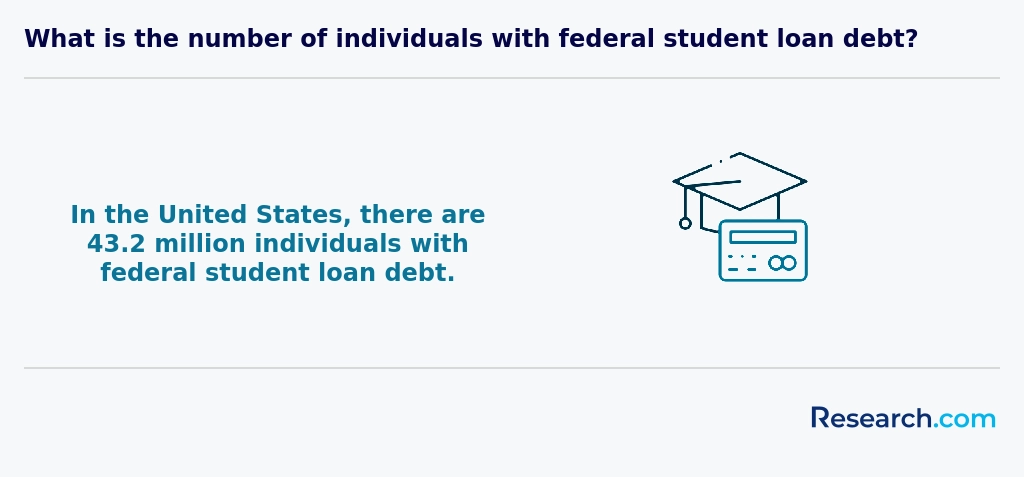
In today’s ever-evolving academic landscape, keeping an eye on future trends is crucial for students considering an online education in North Carolina. With rapid advances in digital learning technologies, online programs are increasingly integrating adaptive learning platforms, real-time feedback, and personalized course paths to meet industry demands. Many experts predict that these innovations will not only elevate the quality of online education but also enhance student outcomes in fields such as cybersecurity, digital marketing, and business management. Furthermore, flexible, skills-based learning opportunities-like those found in our online associate's degree accredited programs-are establishing robust career pathways that prepare graduates for a competitive job market. As institutions continue to forge stronger partnerships with industry leaders, the alignment between academic curricula and emerging market needs becomes even more pronounced, offering students a proactive role in shaping their professional futures. This forward-thinking approach ultimately empowers learners to anticipate changes, adapt swiftly, and seize new opportunities as they arise.
Online students in North Carolina often discover that financial aid is more accessible than they initially imagined. Graduates from institutions like the University of North Carolina at Chapel Hill or North Carolina State University frequently share how Pell Grants eased their tuition stress-grants that can provide up to $7,395 yearly without any repayment obligation. This type of aid feels like a lifeline, especially when juggling work and study.
Others highlight the value of federal student loans, which offer manageable, low-interest terms and flexible repayment options tailored to real-life challenges after graduation. Community college attendees recount how state-funded programs like the North Carolina Community College Grant made continuing education genuinely affordable, proving that thoughtful aid transforms academic dreams into tangible achievements.
Veteran students often find unexpected support through the GI Bill and state benefits, feeling appreciated and empowered to pursue their online degrees. Employers' tuition reimbursement plans also create a welcome bridge, encouraging professionals at institutions like Duke University to advance their careers without financial overwhelm.
Online programs in North Carolina span several easy-to-navigate majors:
- Business Administration: management, marketing and finance basics, often with broad elective options.
- Liberal Studies: interdisciplinary humanities and social sciences coursework with minimal prerequisites.
- Communication: public speaking, media relations and writing courses focused on practical skills.
- Psychology: introductory topics in human behavior and development, ideal for discussion-based formats.
- Criminal Justice: foundations of law enforcement, corrections and policy through case study analyses.
- Healthcare Management: operations, policy and finance in healthcare settings, suiting working professionals.
- Information Technology: fundamental networking, database and cybersecurity concepts.
To compare tuition rates across programs, consider reviewing cheapest online colleges.
Entering an online degree program in North Carolina isn't just about ticking off boxes; it's a reflection of your readiness to embrace a new academic chapter. Most programs, whether at UNC Chapel Hill or NC State, expect applicants to hold at least a high school diploma or GED for undergraduate study. Graduates from these schools often recall how submitting official transcripts was a defining moment, confirming their academic journey thus far.
Standardized tests like the SAT or ACT, once feared gatekeepers, are increasingly optional-especially since 2020-giving more adult learners and transfer students a fair chance without additional barriers. Imagine a working professional who, after years of experience, gains admission to a program at North Carolina Central University through transferred credits and a compelling personal statement, bypassing traditional test requirements.
Non-native English speakers face another hurdle: proving proficiency via TOEFL or IELTS scores, ensuring they're set for success in courses delivered entirely in English. Plus, reliable internet and a suitable device-the mundane yet critical tools-often become students' best companions navigating online platforms.
Financially, the average in-state tuition near $7,400 at public universities offers relief compared to national rates, motivating many to pursue their dreams without overwhelming debt. Some nursing or education tracks add layers like background checks or licensure proof, reflecting the real-world stakes behind the diplomas.
This blend of academic standards, financial accessibility, and technological demands shapes the profile of a prepared student in North Carolina's thriving online education scene.
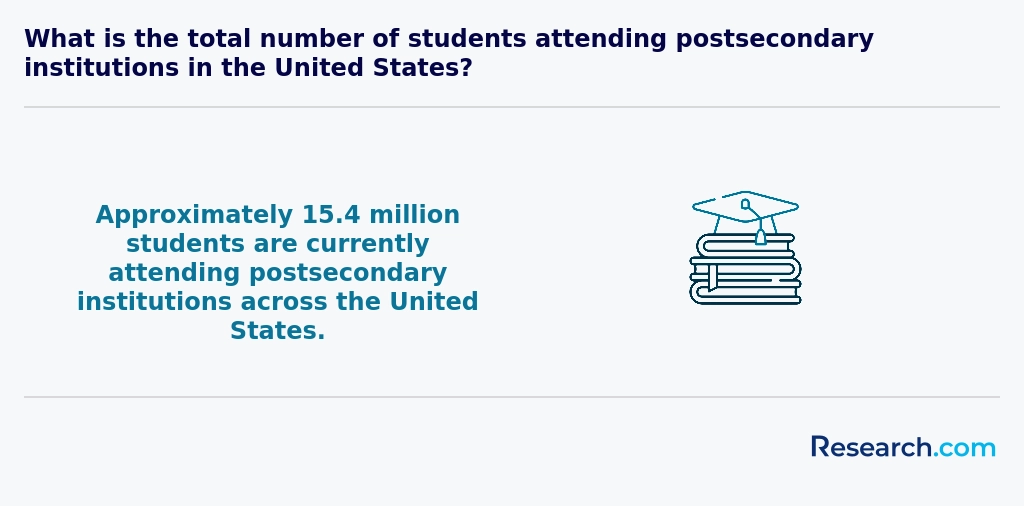
A well-designed online None degree in North Carolina delivers a mix of theoretical foundations and hands-on skills through a structured curriculum. Below are the core courses you can expect, each tailored to equip you with competencies that employers actively seek: • Introduction to None Concepts Explores fundamental theories, historical context, and contemporary applications of None, setting the stage for advanced study. • Data Analysis and Interpretation Covers statistical techniques, software tools (e.g., Excel, SPSS), and real-world case studies to develop critical decision-making skills. • Project Management Fundamentals Introduces planning, scheduling, budgeting, and risk management methodologies, emphasizing teamwork through simulated projects. • Digital Communications and Collaboration Focuses on online platforms, multimedia presentations, and virtual team dynamics to enhance interpersonal and technical communication abilities. • Ethics and Professionalism in None Examines ethical frameworks, legal considerations, and professional standards to guide responsible practice in diverse work environments. • Capstone Project or Internship Culminates your learning by applying theory to a real-world problem-often in partnership with local businesses or non-profits-validating your readiness for employment. Elective modules may include Supply Chain Innovations, Contemporary Management Strategies, or Cybersecurity Essentials, allowing you to customize your path toward in-demand specializations. For students comparing program costs, researching the cheapest accredited online college can reveal options that balance affordability with academic quality. This curriculum roadmap ensures you graduate with both the breadth and depth of knowledge required to thrive in North Carolina’s dynamic job market.
Online degree courses in North Carolina typically start with a solid base of general education classes that many students find more impactful than expected. Graduates from institutions like UNC Online often mention how courses in English composition, mathematics, and natural sciences not only sharpened their critical thinking but also challenged their assumptions about complex issues. For example, tackling college algebra or environmental science can feel daunting at first, but these subjects build analytical skills necessary across all disciplines.
Students pursuing the best online programs in North Carolina discover that their studies move beyond theory-courses in social sciences such as psychology and history offer real-world perspectives that resonate deeply during applied projects. Others enrolled at community colleges within the NC Community College System find communication and public speaking sessions incredibly empowering, providing confidence for remote presentations and professional environments.
Many reflect on how this diverse curriculum, common across online degree programs, prepared them for specialization later on. For those concerned about affordability and access, checking out the cheapest accredited online college options helps make these comprehensive courses more tangible and achievable.
Choosing the best online degree program in North Carolina is more than ticking boxes-it's about imagining your daily realities balancing work, family, and learning. Graduates from universities like UNC Chapel Hill often highlight the value of asynchronous classes that truly adapt to their hectic schedules. This flexibility isn't just convenient; it transforms the experience into something manageable and fulfilling. When you seek the top accredited online colleges North Carolina has to offer, focus on if the program's accreditation is recognized regionally by SACSCOC to safeguard your credits and access to financial aid-something many underestimate until it matters most.
Financial concerns weigh heavily for most learners. Many find that community colleges offer the best affordable online degree programs North Carolina provides, where tuition stays manageable without sacrificing quality. This balance helps cut stress and empowers students to invest in their learning instead of just financing it. Remember to inspect all hidden fees like technology costs to avoid surprises that can dampen motivation. Some graduates emphasize how strong student support services from institutions like NC State created a safety net, from advising to tutoring, making the entire journey feel less isolating and more empowering.
One cannot overlook outcomes; employment rates after graduation breathe life into your investment decision. North Carolina's online programs often match or exceed national job placement figures, but discerning the best fit requires direct conversation with admissions counselors about networking chances and class sizes tailored to real personal growth. For those diligently weighing cost versus quality, resources such as the Most Affordable Online Colleges Programs Ranking in Las Cruces, NM can unexpectedly guide comparative exploration, broadening perspective beyond local choices.

Graduates from online degree programs in North Carolina find themselves stepping into dynamic career paths that reflect the state's economic diversity. Whether emerging from the University of North Carolina system or private colleges, these online learners often navigate healthcare roles, such as registered nurses or healthcare managers, fueled by the region's rapid growth in medical fields. A graduate from a popular state university recalls how their online nursing degree enabled them to pivot careers while balancing family commitments, demonstrating how such flexibility can lead to meaningful employment.
Technology careers are another avenue where online degree holders thrive. Graduates from programs at North Carolina State University's online departments recount landing positions as software developers or IT specialists within the Research Triangle Park, a thriving tech ecosystem. This alignment between education and job opportunities exemplifies why understanding the best online degree career options North Carolina offers is crucial for strategic planning.
Meanwhile, business and finance graduates enjoy robust prospects in Charlotte's banking sector, often finding roles as accountants or financial analysts. Some online learners choose accelerated programs online available in the state to quickly advance their careers. The spectrum of job opportunities for online graduates in North Carolina extends through education, social services, and beyond, marking a versatile future for those who choose virtual academies rooted in this economically vibrant state.
The job market for online degree graduates in North Carolina challenges the outdated notion that remote learning is less valued. Graduates from prominent institutions like the University of North Carolina system report feeling confident stepping into roles across technology, healthcare, and business sectors. These fields thrive in North Carolina's diverse economy, where the demand for flexible, digitally skilled professionals is growing rapidly. This dynamic is evident in the Raleigh-Durham job market, which is expected to grow by 9.5% in professional and business services by 2028.
Some graduates share how their online studies, coupled with strong university-employer networks, opened doors to hybrid roles that fit their lifestyle perfectly. This trend underscores a positive employment outlook for online college graduates in North Carolina, fueled by innovative workforce programs through the North Carolina Community College System. Those seeking easy online college courses often discover these pathways lead to real, rewarding job opportunities in a resilient labor market.
2027 Easiest Online Colleges Programs Ranking in North Carolina
Investing in your education is a significant decision that can shape your future, and the Research.com team understands the importance of making informed choices. To assist prospective students, we have carefully developed the "2027 Easiest Online Colleges Programs Ranking in North Carolina." Our commitment to quality, credibility, and accuracy is reflected in the thorough research and analysis undertaken to create this ranking.
We utilized the following reputable data sources to ensure a comprehensive evaluation of online programs:
By exploring this ranking, readers will gain valuable insights into the easiest online college programs available in North Carolina, empowering them to make well-informed decisions about their educational journey. For more details on our methodology, please visit our Research.com methodology page.


# 6 position
Appalachian State University
Bachelor of Middle Grades Education Science and Social Studies
# 10 position
Appalachian State University
Master of Educational Media, New Media and Global Education

Frequently Asked Questions
Students in North Carolina can maximize their online learning experience by actively engaging with available resources. Utilizing academic advising provided by institutions like UNC Online helps tailor degree plans to individual goals. Research from the North Carolina State Education Assistance Authority indicates that students who participate in virtual study groups tend to perform better in online courses.
Many colleges in the state offer access to digital libraries and tutoring services, which are crucial for student success. Managing time effectively is essential; setting a regular study schedule combats distractions common to online learning environments. Additionally, leveraging technology support desks ensures smooth access to course materials.
Finally, connecting with faculty during virtual office hours enhances understanding and helps students stay motivated throughout their studies.
After completing an online degree in North Carolina, preparing for the job market involves several important steps. Start by tailoring your resume and LinkedIn profile to highlight relevant skills and experiences gained during your studies. According to the North Carolina Department of Commerce, sectors like healthcare, technology, and finance are growing rapidly, so focus on skills in those areas.
Networking plays a crucial role. Join local professional groups and attend virtual job fairs offered by institutions such as the University of North Carolina system. Consider internships or part-time roles, even remotely, to build practical experience. Keep up with state employment trends on NCWorks Online for job openings and career resources.
Employers in North Carolina prioritize a blend of technical and soft skills when hiring recent graduates. According to a 2023 report by the North Carolina Department of Commerce, top desired skills include strong communication, critical thinking, and problem-solving abilities. These skills are essential across industries, from technology to healthcare.
In addition, technical expertise relevant to the job remains highly valued. For example, proficiency in data analysis and computer programming is increasingly sought after, especially in the state's growing tech sector centered around the Research Triangle.
Teamwork and adaptability also rank high, helping graduates succeed in dynamic work environments. Emphasizing these skills in online degree programs can improve employment prospects in North Carolina's competitive job market.
Finding internships in North Carolina starts with utilizing local resources and online platforms geared toward the state's job market. Websites like the North Carolina Department of Commerce and NCWorks offer listings of internships available across various industries. Many universities in North Carolina, including online programs, maintain dedicated career services with access to internship databases and employer connections tailored to students' fields.
Networking plays a crucial role; students should join professional groups and attend virtual or in-person career fairs hosted by educational institutions. According to the National Association of Colleges and Employers, about 60% of internships in North Carolina lead to job offers, emphasizing their value. Leveraging LinkedIn to connect with North Carolina-based companies and alumni also expands opportunities.
In North Carolina, earning an online degree significantly impacts career mobility and advancement. According to the North Carolina Department of Commerce, industries such as healthcare, technology, and education prioritize candidates with bachelor's or higher degrees for leadership and specialized roles.
Data from the Economic Policy Institute shows that workers with a bachelor's degree in North Carolina earn approximately 67% more over their lifetime compared to those with only a high school diploma. Online degrees provide flexible access to these qualifications, enabling working adults to improve skills without pausing their careers.
Employers increasingly accept accredited online degrees, especially from public universities like UNC and NC State, which enhances credibility and job prospects within the state.
Choosing between a thesis and a non-thesis degree program in North Carolina depends on your career goals and learning preferences. Thesis programs typically require original research and a detailed paper, suitable for students aiming for doctoral studies or research roles. Non-thesis options often involve additional coursework or projects, ideal for professionals seeking practical skills and quicker completion.
North Carolina universities such as UNC and NC State offer both formats online. According to the North Carolina Community College System, about 40% of graduate students prefer non-thesis options for flexibility and job readiness.
Consider your future plans and time commitment when deciding.
Students based in North Carolina have several options for studying abroad while pursuing online degrees. Many universities in the state, including the University of North Carolina system, offer study abroad opportunities integrated with their online programs. These programs allow students to earn credits overseas without disrupting their online coursework.
North Carolina students can participate in exchange programs or faculty-led trips in popular destinations like Europe, Asia, and Latin America. The state's universities emphasize affordable and flexible options, often partnering with international institutions. According to NAFSA data, approximately 9% of North Carolina college students engage in study abroad annually, reflecting growing interest despite the online format.
Financial aid and scholarships are frequently available to support these experiences, helping online learners broaden their global perspectives alongside their degrees.
North Carolina offers various part-time job opportunities that can complement your online degree education, enhancing your skills and resume. For students in business or technology programs, roles such as administrative assistants, IT support, or digital marketing interns are common. The Research Triangle Park, home to numerous tech companies, provides many internship and part-time positions well-suited for those studying STEM fields.
Healthcare students may find part-time work as medical assistants or patient service representatives in hospitals and clinics across the state. According to the North Carolina Department of Commerce, these roles often provide relevant experience while allowing flexible hours.
The state's growing education and social services sectors also offer tutoring and childcare worker positions. These roles align with education or psychology degrees and can fit around class schedules.
Online students in North Carolina have access to a range of networking opportunities despite their remote status. Many institutions offer virtual career fairs, webinars, and online student organizations that connect learners with peers and professionals statewide. For example, the University of North Carolina system supports online student groups and alumni networks, fostering professional relationships.
Additionally, technology platforms like LinkedIn have local chapters to help online students connect with North Carolina's business communities. Some universities also arrange regional meetups and internships, aiding practical experience and face-to-face networking.
According to NC Department of Commerce, the state's growing tech and healthcare sectors provide targeted professional networking events, often accessible to online learners.
Alumni networks provide significant benefits for online degree students in North Carolina by offering valuable connections and career resources. These networks help students access mentorship from graduates experienced in local industries, which can be crucial in a competitive job market. According to the North Carolina Independent Colleges & Universities association, active alumni engagement in the state improves job placement rates by up to 20% for online graduates. Such networks also facilitate internships and job opportunities within North Carolina, making them an essential resource for students who may not have on-campus access to career fairs or networking events. These connections support both professional growth and ongoing learning.
In North Carolina, many online degree programs offer flexible options that let you tailor your education to match your career goals. Students can often choose from a variety of electives, minors, or certificates to complement their major. For example, public universities like the University of North Carolina system provide customizable tracks within business, education, and healthcare programs. This choice helps align coursework with specific industries or job roles. Additionally, some programs offer internship opportunities and practicum experiences that can be completed locally, which strengthens real-world skills. According to NC State's statistics, nearly 70% of online learners benefit from tailored courses to better meet job requirements.
Online students in North Carolina often face challenges related to technology access and digital literacy. Despite improvements, about 10% of households in rural parts of the state still lack reliable high-speed internet, impacting their ability to participate fully in online courses. According to the North Carolina Department of Public Instruction, this digital divide can create disparities in learning experiences.
Time management also poses a significant challenge. Many online learners in North Carolina juggle work, family, and studies, making it difficult to maintain consistent study routines.
Additionally, students sometimes report feeling isolated due to limited face-to-face interaction with instructors and peers, which can affect motivation and academic success.
Writing a winning application for online college programs in North Carolina requires clear focus and preparation. Start by carefully reviewing the program's admission requirements, which vary across the 16 public universities in the UNC system and private institutions. According to the North Carolina Community College System, emphasizing your educational goals and how the online program fits your career plans strengthens your application.
Highlight relevant experience and skills, especially those related to time management and independent study-key for online learning success. Providing official transcripts and test scores where required is essential. Many NC schools value a well-crafted personal statement that reflects your motivation and commitment. Lastly, meet all deadlines and proofread your application to avoid errors.
Students pursuing online degrees in North Carolina can gain practical experience through several pathways. Many universities in the state, including UNC and NC State, offer virtual internships and cooperative education (co-op) programs. These opportunities allow students to work remotely with local and national employers while completing coursework.
Additionally, North Carolina's growing industries in technology, healthcare, and finance provide ample chances for students to engage in project-based learning. According to the North Carolina Department of Commerce, the state supports initiatives that connect students with real-world job experiences to improve employability.
Service learning and virtual labs are also part of many online curricula, helping students apply theoretical knowledge. Engaging with regional professional organizations online further enhances networking.
Choosing the right concentration within an online degree program in North Carolina requires careful consideration of your career goals and local job market trends. North Carolina's economy is diverse, with strong sectors like technology, healthcare, and finance, so selecting a focus aligned with these areas can improve employment prospects.
Research state workforce data from the North Carolina Department of Commerce, which highlights growing fields such as information technology and health services. Additionally, evaluate how each concentration fits your personal interests and skills to maintain motivation throughout your studies.
Many online programs allow flexibility in choosing concentrations, so consider programs accredited by regional agencies like the Southern Association of Colleges and Schools Commission on Colleges (SACSCOC) for recognized quality.
Lastly, review alumni outcomes and employer partnerships related to concentrations to ensure practical value that supports your long-term goals.
- 2027 Easiest Online Colleges Programs Ranking in West Virginia
- 2027 Easiest Online Colleges Programs Ranking in Kentucky
- 2027 Easiest Online Colleges Programs Ranking in Pennsylvania
- 2027 Easiest Online Colleges Programs Ranking in Ohio
- 2027 Easiest Online Colleges Programs Ranking in Mississippi
- 2027 Easiest Online Colleges Programs Ranking in Louisiana
- 2027 Easiest Online Colleges Programs Ranking in Missouri
- 2027 Easiest Online Colleges Programs Ranking in New York
- 2027 Easiest Online Colleges Programs Ranking in Connecticut
- 2027 Easiest Online Colleges Programs Ranking in Massachusetts
- 30 Jobs For Part-Time Students (Learning Earning Balance) https://interviewguy.com/jobs-for-part-time-students/
- Soft Skills Employers are Looking for in a Graduate https://www.law.ac.uk/resources/blog/soft-skills-employers-are-looking-for-in-a-graduate/
- Networking Opportunities https://www.apexnc.org/1863/Networking-Opportunities
- Best Online Colleges In North Carolina 2025 https://www.affordablecollegesonline.org/online-colleges/north-carolina/
- Online Students https://www.catawba.edu/finaid/online-students/
- Which Degrees Offer the Best Career Mobility and Growth? https://collegedegree.school/which-degrees-offer-the-best-career-mobility-and-growth/
- North Carolina Theory of Action https://www.dpi.nc.gov/documents/succeeds/theory-action/download
- North Carolina financial aid options for college - EdNC https://www.ednc.org/perspective-the-state-of-north-carolina-wants-to-help-students-pay-for-college-many-dont-know-it/
- This website is unavailable in your location. – WSOC TV https://www.wsoctv.com/news/higher-education-higher-earnings-heres-how-advanced-degrees-pay-off-north-carolina/32CMW2J75NIQHGLPGS4M3MJQLA/
- Addressing the Mental Health Issues of North Carolina Youth: A Plea to the North Carolina General Assembly https://publicschoolsfirstnc.org/addressing-the-mental-health-issues-of-north-carolina-youth-a-plea-to-the-north-carolina-general-assembly/


