
2027 Easiest Online Colleges Programs Ranking in Minneapolis, MN

Co-Founder and Chief Data Scientist
Choosing the right online college program can feel overwhelming, especially with so many options available. This article introduces the 2027 Easiest Online Colleges Programs Ranking in Minneapolis, MN, created by the Research.com team of data scientists to guide you toward the most accessible degree programs in your area.
By exploring this ranking, you'll gain valuable insight into programs that match your lifestyle and goals. Earning a degree can open doors to new opportunities and personal growth, and this guide helps make that journey easier and more rewarding.
Key benefits of getting online degrees in Minneapolis
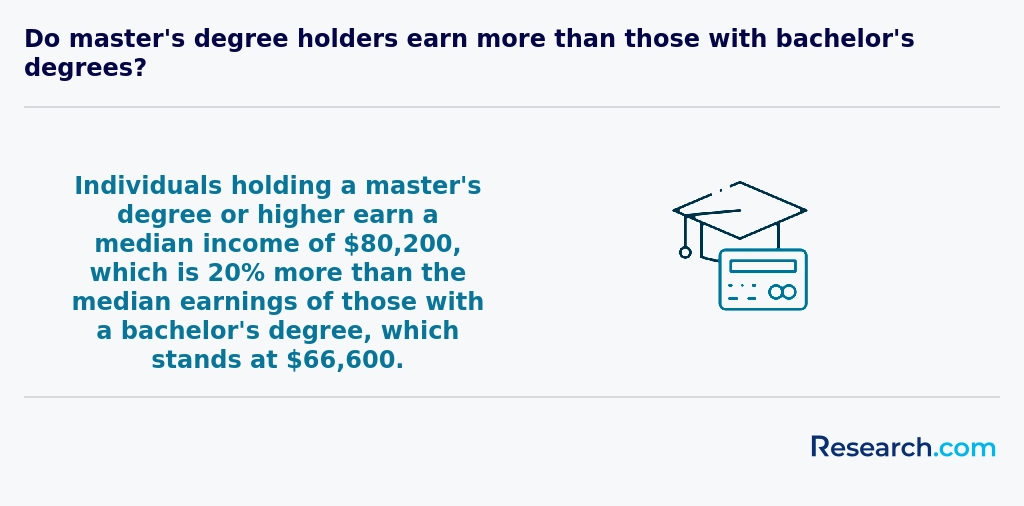
- Graduates in Minneapolis with an online bachelor's degree earn a median salary of approximately $60,000, while those with a master's degree can see earnings rise to over $85,000, showing the clear financial benefits of advancing education levels.
- An online graduate from the University of Minnesota-Twin Cities in Nursing can pursue a rewarding career as a registered nurse or healthcare manager, enjoying both job stability and opportunities for growth.
- A graduate who earned an online business degree from Metropolitan State University highlights the flexibility of studying at their own pace, which helped balance work and family life while still gaining valuable skills recognized by local employers.
- 2027 Easiest Online Colleges Programs Ranking in Minneapolis, MN
- What can I expect from online degrees in Minneapolis?
- How much can I make with online degrees in Minneapolis?
What can I expect from online degrees in Minneapolis?
Students pursuing an online degree in Minneapolis often find a blend of flexibility and quality that suits busy lifestyles. Graduates from institutions like the University of Minnesota describe balancing parenthood and work while attending asynchronous classes, allowing them to study without sacrificing daily responsibilities. Others appreciate synchronous sessions, which enable real-time interaction with faculty, making remote learning feel more connected.
Financial benefits also stand out. For example, Minnesota residents often pay in-state tuition rates for online programs at local universities, easing the financial burden compared to out-of-state equivalents. Graduates frequently mention that this affordability, combined with regional grants, made completing their degrees less stressful.
The local job market's positive perception of online credentials adds another layer of reassurance. Students studying fields like healthcare or technology through Augsburg University note that internships and networking opportunities remain accessible, helping them transition smoothly into Minneapolis's workforce. However, some emphasize that finding these opportunities might still require proactive effort compared to campus-based peers.
How much can I make with online degrees in Minneapolis?
Graduates with an online bachelor's degree in Minneapolis can generally expect median salaries around $70,000 annually, though this depends heavily on their field of study. For instance, students completing programs from well-known institutions like the University of Minnesota or Augsburg University often report starting salaries in healthcare fields between $65,000 and $90,000, thanks to the city's strong medical sector. Business and finance graduates tend to see median earnings between $75,000 and $85,000, with some management positions offering upwards of $100,000.
Technology-focused graduates, including those from online computer science programs, often command starting salaries above $80,000, benefiting from Minneapolis's growing reputation as a tech hub. Those who pursue advanced degrees online, such as master's programs through Minnesota State University, can increase their earning potential to $90,000-$110,000. Doctoral or professional degrees frequently lead to salaries exceeding $120,000 in sectors like law or engineering.
While these figures suggest promising returns, graduates emphasize that accredited programs and local networking are crucial. Many appreciate the flexible learning at their Minneapolis-based colleges that helped balance work and study, positioning them well in a competitive job market.
- Tuition for online undergraduate programs in Minneapolis ranges from $12,000 to $25,000 per year, with public universities offering more affordable rates for in-state residents.
- Graduates from online degree programs in Minneapolis have an average starting salary of about $50,000, increasing to around $75,000 or more after ten years of work experience.
- Fields like business administration, health care, and information technology offer strong job prospects and competitive salaries in the Minneapolis area.
- The local unemployment rate is low at approximately 2.6% as of early 2024, supporting favorable job opportunities for online degree holders.
- Many online programs in Minneapolis are regionally accredited, ensuring they are recognized and valued by local employers.
- Flexible scheduling and access to career services and networking events are commonly available for online students in the region.
Completing an online degree in Minneapolis varies significantly depending on individual circumstances. Many graduates from the University of Minnesota-Twin Cities report finishing associate degrees in about two years and bachelor's degrees in roughly four, though this timeline is often flexible. Some students recount accelerated options allowing completion in as little as three years through year-round coursework, including summer sessions, which fits well for busy professionals balancing work and family.
Part-time learners from local colleges describe longer durations, sometimes extending beyond six years, as they juggle courses with other commitments. Others highlight the advantage of transfer credits or prior learning-such as military experience-that helped them shave months off their programs, accelerating their path to graduation.
For example, nursing and engineering students at Minneapolis institutions often encounter extended program lengths due to clinical and prerequisite requirements, which some find challenging but ultimately rewarding. The affordability of online tuition within the city, about $15,000 annually at major public universities, also influences course loads and pacing, making it easier for some to maintain steady progress without financial strain.
Choosing between an online and an on-campus degree in Minneapolis involves weighing practical and experiential factors. Graduates from the University of Minnesota often highlight how on-campus programs foster a vibrant community through face-to-face interactions, access to campus labs, and extracurricular events. This setting suits students who thrive on immediate feedback and social engagement.
In contrast, online students balancing work and family responsibilities appreciate the flexibility offered by programs at local institutions, such as Augsburg University. These students save hours daily by avoiding Twin Cities traffic and gain control over their schedules, enabling them to manage coursework alongside personal commitments.
Cost considerations also influence decisions. While tuition rates may be similar, online learners can reduce expenses related to housing and commuting. Yet, some graduates note that the absence of physical campus resources requires strong self-discipline and proactive engagement with virtual tools.
Ultimately, Minneapolis students must consider whether they value the structured environment and direct support of on-campus study or prefer the adaptability and convenience of online learning, recognizing that each path comes with distinct challenges and rewards.
The average cost of an online degree in Minneapolis generally centers around a median total cost of approximately $42,292, though this figure can vary significantly depending on the type of institution and program level. For example, graduates from the University of Minnesota's online undergraduate programs often note that the in-state tuition close to $15,000 per year provides a balanced combination of quality and affordability, especially when compared to private institutions, where annual online tuition can range from $30,000 to $40,000. Community colleges offer a different perspective, with online associate degrees costing between $4,000 and $6,000 yearly, making higher education more accessible to many local students.
Understanding total expenses for online college programs Minneapolis MN requires considering additional fees beyond tuition. Students frequently mention technology and course materials fees, although these are often offset by savings related to housing and campus services when studying remotely. One graduate from a well-known Minneapolis private college shared that receiving targeted scholarships specifically for online students significantly reduced their out-of-pocket expenses, highlighting the importance of exploring financial aid options. Additionally, Minnesota-based state grants are often applicable to accredited online programs, further lowering the financial barrier.
Many prospective students also compare costs with other online degree options, keeping in mind the flexibility and reduced living expenses. For those curious about available pathways, exploring easiest phd degree programs online might provide insights into programs with lower overall financial and time commitments while still delivering value in Minneapolis's competitive education market.
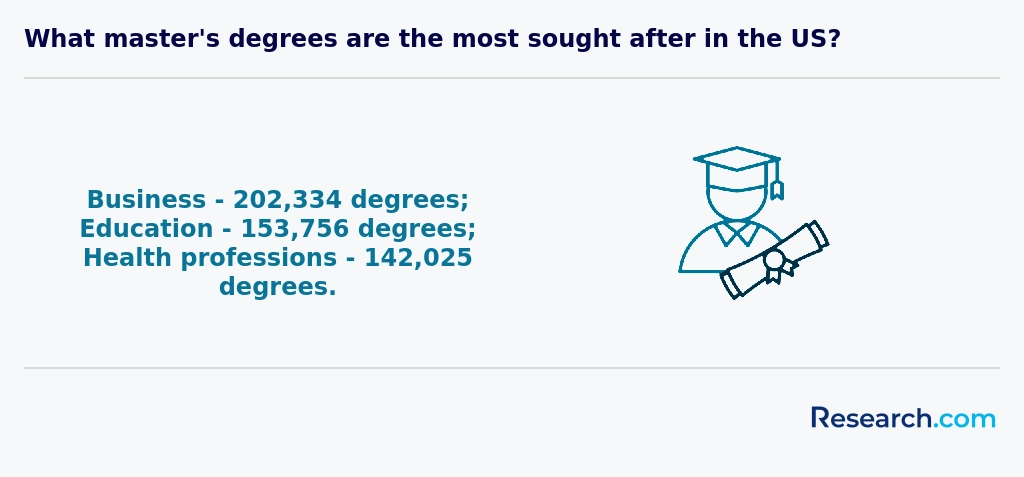
Students pursuing online degrees in Minneapolis commonly rely on several types of financial aid, each with distinct advantages and considerations. Key among these is the Free Application for Federal Student Aid (FAFSA), which opens access to federal grants, loans, and work-study programs. For example, graduates from the University of Minnesota's online programs often mention how the Federal Pell Grant helped reduce their tuition costs substantially, making higher education more attainable while balancing family and work commitments.
State-specific aid, like the Minnesota State Grant programs, also plays a significant role. These grants, available to Minnesota residents enrolled at institutions such as Augsburg University, offer several thousand dollars annually. Graduates reflect on how such state support made a real difference, easing financial stress and allowing focus on studies rather than debt.
Institutional scholarships tailored specifically for online learners further complement aid portfolios. Many Minneapolis colleges, including Minneapolis College, provide these awards, often recognizing academic merit or financial need. Meanwhile, private scholarships and employer tuition assistance offer alternative funding routes, especially for working adults in the city's metropolitan area. These combined resources illustrate that while financial aid is diverse and sometimes complex, it can substantively support online students financially and emotionally.
Enrollment in online degree programs in Minneapolis typically demands verified prior education credentials. For instance, graduates from the University of Minnesota or Augsburg University often recall how submitting their high school diplomas or bachelor's degrees felt like the first tangible step toward their academic goals. These documents must be officially recognized, emphasizing the need for proper accreditation, which reassures both students and institutions of academic standards.
English proficiency remains vital, especially for non-native speakers navigating programs at places like Hamline University. Many found that securing TOEFL or IELTS scores not only eased comprehension but boosted confidence in engaging with coursework and virtual discussions.
Technology readiness is another common hurdle. Reliable internet and a suitable device are not just conveniences but requirements; a graduate from Metropolitan State University mentioned how upgrading a laptop transformed their online learning experience, underscoring digital access as foundational.
Financial readiness also plays a significant role. The average tuition range of $12,000 to $17,000 annually at Minneapolis institutions demands early planning. Many students appreciate exploring financial aid options early, which alleviates stress and fosters focus on learning.
Finally, some programs ask for extra elements such as recommendation letters or portfolios, making the application process more personal and reflective of students' ambitions in fields like nursing or business administration.
- High school diploma or equivalent for undergraduate programs
- Bachelor's degree for graduate programs
- Proof of English proficiency for non-native speakers
- Access to a computer and reliable internet
- Financial readiness to cover tuition and fees
- Additional application materials per program requirements
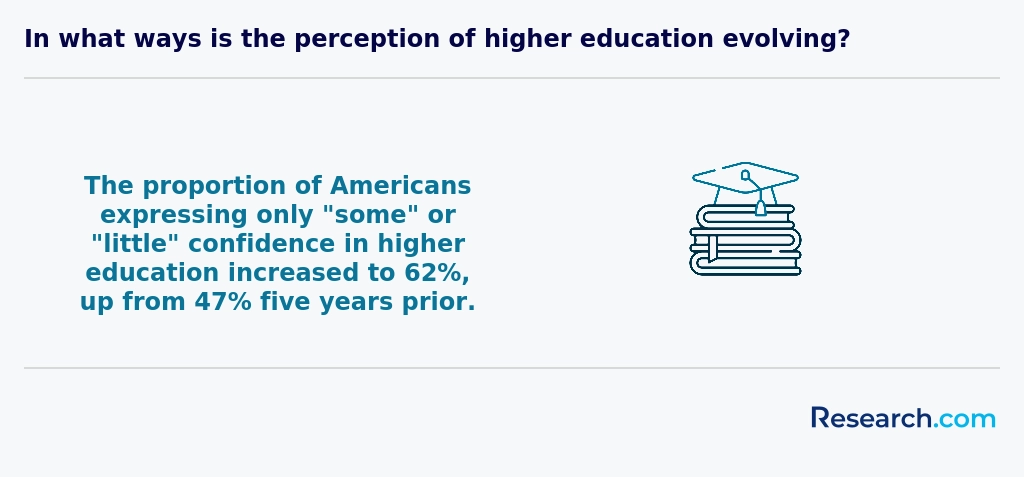
Online degree courses in Minneapolis MN generally start with a common foundation designed to build broad skills essential for various fields. These typically include English composition and communication, which many students find immediately applicable when collaborating in virtual classrooms or writing professional reports. Mathematics courses often focus on statistics or quantitative reasoning, equipping learners with critical data analysis abilities useful across industries prominent in the area, such as healthcare and business.
Natural and social sciences, including biology, psychology, and economics, are also included to foster well-rounded analytical thinking. Graduates from local accredited institutions often mention how these general education courses connected theory to practical situations, like analyzing data trends relevant to Minneapolis's economy. Some students appreciate the balance these courses provide, while others wish for more direct career-oriented content early on.
Programs frequently allow electives or flexible courses, sometimes integrating certificates related to sustainability or leadership, reflecting evolving workforce demands. Those interested in accelerating their education might explore options like the fastest associates degree that complements their broader studies in Minneapolis accredited online college programs.
Choosing the best online degree programs Minneapolis MN requires attention to accreditation, program relevance, and flexibility. Graduates from the University of Minnesota often emphasize how regional accreditation gave their degrees credibility with employers, boosting confidence in career progression. However, accreditation alone doesn't guarantee fit; consider programs that closely match your professional goals, such as business administration or healthcare specialties, which are popular among Minneapolis learners.
Flexibility plays a significant role, especially for working adults balancing multiple responsibilities. Many Minneapolis schools offer asynchronous courses and year-round enrollment, allowing students to tailor their schedules without sacrificing quality. One graduate shared that this flexibility made completing their degree manageable and rewarding. Cost is another key factor; affordable online colleges Minneapolis 2027 often provide in-state tuition discounts and financial aid options, making higher education accessible without overwhelming debt.
Finally, use data on graduation rates and job placements to assess outcomes. Some students researching pathways to advance have found the quickest cheapest masters degree options useful in narrowing choices, balancing speed, cost, and career value effectively.
Graduates with an online degree in Minneapolis encounter diverse career paths shaped by the city's industries, yet the trajectory may vary based on the program chosen and individual effort. For example, those studying healthcare at local institutions find fulfilling roles as registered nurses or healthcare managers, reflecting strong demand projected by regional employment data. However, success often depends on clinical experience and networking beyond coursework, factors that some online graduates observe as challenging compared to on-campus peers.
Business and finance graduates often leverage Minneapolis's concentration of corporate headquarters, securing positions in financial analysis or human resource management. Online degree career options Minneapolis MN sometimes require proactive engagement with internships or local professional groups to convert academic skills into employment. Graduates appreciating flexibility still note the need to develop soft skills valued by hiring managers.
Tech-related online degrees from Minneapolis colleges produce outcomes including software development and cybersecurity roles. Despite the positive job growth, some graduates report the importance of supplemental certifications or projects. The practical alignment of curriculum with market needs is key. For those in education or nonprofit fields, vibrant local arts and school districts encourage varied opportunities, although outcomes vary significantly depending on specialization and local demand.
Many graduates reflect positively on their ability to adapt skills obtained through online study in a city known for economic diversity and innovation. Aspirants can explore highest paying bachelor degrees linked to Minneapolis's workforce demands, balancing online learning convenience with active career development strategies, thus shaping their Minneapolis online college graduate job prospects thoughtfully.
The job market for online general degree graduates in Minneapolis reflects a blend of growing industry demand and evolving employer attitudes toward remote education. Graduates from institutions like the University of Minnesota and Hamline University often find opportunities in diverse sectors such as healthcare, finance, and IT, where local companies value the practical skills and self-discipline cultivated by online learners. However, it is important to recognize that while employers are increasingly open to online credentials, combining an online degree with hands-on experience or certifications often strengthens a graduate's competitiveness.
Graduates frequently report positive experiences securing roles with flexible work options, which aligns well with the hybrid environments many Minneapolis firms are adopting. For those curious about salary expectations, Minneapolis online degree salary prospects tend to be favorable, with median incomes around $65,000 for bachelor's-qualified positions. Yet, job seekers must approach choices critically, considering how their degree aligns with industry demand and how to leverage networking and continuing education effectively.
The healthcare sector, a major employer in Minneapolis, exemplifies robust job opportunities for online degree graduates Minneapolis, especially in nursing and allied health fields. For those aiming to specialize or increase earning potential, exploring the most lucrative college majors can provide valuable guidance on career paths with lasting rewards.
2027 Easiest Online Colleges Programs Ranking in Minneapolis, MN
Investing in your education is a significant decision that can shape your future, and the Research.com team understands the importance of making informed choices. To assist prospective students in Minneapolis, MN, we have carefully developed the "2027 Easiest Online Colleges Programs Ranking in Minneapolis, MN." Our dedication to quality, credibility, and accuracy is evident in the thorough research and analysis conducted to produce this ranking.
We utilized the following reputable data sources to ensure a comprehensive evaluation of online programs:
By exploring this ranking, readers will gain valuable insights into the easiest online colleges in Minneapolis, enabling them to make well-informed decisions tailored to their educational goals. For more details on our methodology, please visit our Research.com methodology page.
# 1 position
Walden University
Master of Education

# 2 position
Walden University
Master of Human Services
# 3 position
Walden University
Master of Higher Education, Adult Learning (Non-Licensure)
# 4 position
Walden University
Master of Early Childhood Studies
# 5 position
Walden University
Master of Public Administration
# 6 position
Walden University
Master of Law and Public Policy
# 7 position
Walden University
Master of Criminal Justice
# 8 position
Walden University
Master of Communications
# 9 position
Walden University
Master of Psychology
# 10 position
Walden University
Master of Industrial and Organizational Psychology
# 11 position
Walden University
Master of Forensic Psychology
# 12 position
Walden University
Master of Healthcare Administration
# 13 position
Walden University
Master of Information Technology
# 14 position
Walden University
Master of Information Systems Management
# 15 position
Walden University
Master of Accounting
# 16 position
Walden University
Master of Human Resource Management
# 17 position
Walden University
Master of Clinical Psychology
# 18 position
Walden University
Master of Public Health
# 19 position
Walden University
Master of School Counseling
# 20 position
Walden University
Master of Business Administration
Frequently Asked Questions
Students in Minneapolis can maximize their online learning experience by taking advantage of the city's strong digital infrastructure and educational resources. Minneapolis has a broadband internet penetration rate of over 90%, which supports seamless access to online classrooms and study materials, according to the Minnesota Department of Employment and Economic Development.
Engaging actively in virtual discussions and utilizing campus resources from local institutions, such as the University of Minnesota's online support services, helps reinforce learning. Time management is crucial; establishing a dedicated study space free from distractions improves focus.
Additionally, participating in local online student groups or networking events can enhance motivation and provide peer support.
After completing an online degree in Minneapolis, preparing for the job market requires a strategic approach. Start by tailoring your resume and LinkedIn profile to highlight skills gained during your program, emphasizing any remote collaboration or technical expertise. According to the Minneapolis Regional Chamber, sectors like healthcare, IT, and finance are prominent employers in the area.
Engage in networking opportunities through local professional groups or virtual events to connect with Minnesota employers. Additionally, utilize career services offered by your online institution, including job placement assistance and interview coaching.
Consider obtaining relevant certifications to increase your competitiveness. According to the Minnesota Department of Employment and Economic Development, around 7.3% of Minneapolis residents hold advanced degrees, so distinguishing yourself is vital in this competitive market.
Employers in Minneapolis highly value a combination of technical and interpersonal skills in graduates. According to a 2023 report by the Minneapolis Regional Chamber, critical thinking and problem-solving rank among the top attributes sought after in entry-level candidates. Additionally, communication skills, both written and verbal, remain essential as many employers emphasize teamwork and collaboration.
Data from the Minnesota Department of Employment and Economic Development highlights digital literacy as a key skill, reflecting the city's growing tech sector. Moreover, adaptability and time management are frequently mentioned, especially for remote and hybrid work environments common in online degree holders.
Finding internships in Minneapolis starts with leveraging local resources. The Twin Cities area has a strong economy with growing sectors such as healthcare, finance, and technology. According to the Minneapolis Regional Chamber of Commerce, companies like Target, 3M, and Ecolab often offer internship positions.
Students should explore online job portals such as MinnesotaWorks.net and Handshake, which many local universities use to connect students with internships. The University of Minnesota's career services also provide valuable listings and counseling for remote and local internships.
Networking through local professional groups on LinkedIn and attending virtual job fairs hosted by Minneapolis colleges increases opportunities. The Minneapolis-Saint Paul metropolitan area reported an internship growth rate of 6% in 2023, indicating rising availability.
In Minneapolis, earning an online degree can significantly affect career mobility and advancement. According to the Minnesota Department of Employment and Economic Development (DEED), individuals with a bachelor's degree or higher generally experience lower unemployment rates and higher median wages. Employers across the Twin Cities increasingly recognize online degrees, especially from accredited institutions, reflecting growing trust in digital education quality.
Online degrees offer flexibility to working professionals, enabling skill upgrades without interrupting employment. This flexibility promotes faster career transitions and promotions within Minneapolis's thriving sectors like healthcare, technology, and finance.
A study by the Lumina Foundation notes that workers with postsecondary credentials in Minnesota can see salary increases averaging 20-30% compared to those without degrees. This data underscores the value of online education in regional workforce advancement.
When choosing between a thesis and a non-thesis online degree program in Minneapolis, students should consider their career goals and learning preferences. Thesis programs generally emphasize research and are suited for those planning to pursue doctoral studies or research careers. Non-thesis programs typically focus on practical skills and coursework, appealing to professionals seeking advancement without engaging in extensive research.
Local institutions like the University of Minnesota offer both options, reflecting broader national trends. According to the National Center for Education Statistics, about 30% of master's degrees in Minnesota involve a thesis. Students should evaluate program requirements, time commitment, and how each option aligns with their professional objectives.
Students in Minneapolis interested in studying abroad have access to several options through local universities with established international programs. The University of Minnesota, for example, offers over 200 study abroad programs in more than 60 countries, enabling students to earn academic credits remotely or through travel. According to the university's Office of Global Programs, about 10% of undergraduates participate in international education annually.
Community colleges and private institutions in the Minneapolis area also collaborate with international partners, providing online language immersion and cultural exchange programs.
Many programs now incorporate virtual study abroad opportunities, allowing students to engage globally without leaving Minneapolis. This hybrid approach suits online degree learners aiming to gain international experience safely and affordably.
Minneapolis offers a variety of part-time job opportunities that can complement your online degree studies. Fields like healthcare, education, and technology are prominent in the city, reflecting its diverse economy. According to the Minnesota Department of Employment and Economic Development, healthcare support roles and IT technician jobs are growing rapidly in the area.
Many students find part-time positions in local hospitals, schools, and tech firms, which allow them to gain practical experience while studying. Retail and customer service jobs are also common but may provide fewer direct benefits related to specialized degrees.
Engaging in internships or assistant roles aligned with your field can strengthen your resume and networking in Minneapolis' competitive job market.
Online students pursuing degrees in Minneapolis benefit from diverse networking opportunities despite studying remotely. Local universities such as the University of Minnesota offer virtual career fairs, alumni groups, and professional development workshops accessible online. Minneapolis has a strong business community, with industries like healthcare, finance, and technology providing ample connections for students.
Additionally, students can join regional chapters of national professional organizations, like the Minnesota Technology Association, which hosts virtual meetups and networking events. Public libraries and community centers in Minneapolis also support online learners by facilitating study groups and skills workshops.
This combined access to local resources helps online students build important professional networks in the Minneapolis area.
Alumni networks offer valuable support to online degree students in Minneapolis by connecting them with local professionals and peers. These networks provide access to mentorship, job leads, and career advice relevant to the Minneapolis job market. According to the University of Minnesota's Center for Educational Innovation, strong alumni engagement can increase graduate employment rates by up to 15% in the region.
Being part of an alumni network helps students build professional relationships within sectors thriving in Minneapolis, such as healthcare, technology, and finance. This local focus ensures students receive guidance tailored to regional opportunities.
Additionally, alumni events-often hosted virtually or locally-foster community and lifelong learning among graduates pursuing online degrees.
Customizing an online degree program in Minneapolis allows students to align their education with specific career goals effectively. Many Minneapolis-area institutions offer flexible course selections and elective options, enabling students to focus on relevant skills. For example, the University of Minnesota and Metropolitan State University provide tailored pathways in business, technology, and health fields.
Students can also benefit from internship opportunities and industry partnerships within Minneapolis's vibrant economy, especially in healthcare and finance sectors. Additionally, advisors at these schools help create personalized degree plans, ensuring credits transfer smoothly and align with job market demands. According to the Minnesota Office of Higher Education, such customization improves employment outcomes by up to 25%.
Online students in Minneapolis face several common challenges that can affect their academic success. One primary issue is managing time effectively while balancing work, family, and study commitments. According to the Minnesota Office of Higher Education, about 48% of adult learners in the state juggle multiple responsibilities alongside their studies.
Technical difficulties also pose barriers, particularly in areas with inconsistent internet access. Although Minneapolis generally has strong connectivity, some neighborhoods report slower speeds, impacting live class participation.
Another challenge is limited interaction with peers and instructors, which may hinder networking and support opportunities essential for maintaining motivation and engagement.
Finally, financial constraints remain significant, with many students struggling to access scholarships or aid tailored for online programs.
Applying to online degree programs in Minneapolis requires careful preparation to stand out in a competitive market. Start by thoroughly researching each college's specific admission requirements, as institutions like the University of Minnesota and Metropolitan State University often have distinct criteria.
Focus on crafting a clear and concise personal statement that highlights your career goals, achievements, and reasons for choosing an online format. Admissions officers in Minneapolis value applicants who demonstrate strong motivation and time-management skills, essential for distance learning success.
Gather all necessary documentation, including transcripts and letters of recommendation, early to avoid delays. According to Minneapolis higher education data, applicants who submit complete and well-organized materials have a 20% higher acceptance rate.
Finally, tailor your application to emphasize relevant work experience or community involvement, as local universities appreciate candidates contributing to Minneapolis's diverse economy and culture.
Gaining practical experience while studying online in Minneapolis is possible through internships, cooperative education programs, and volunteer opportunities. Many universities in the area partner with local businesses and nonprofits to offer virtual or in-person internships that complement online coursework. According to the University of Minnesota's Center for Career Development, over 70% of students participate in experiential learning before graduation.
Additionally, Minneapolis has a strong job market in healthcare, technology, and finance, providing online students access to relevant local employers. Networking events and career fairs are often accessible online, helping students build professional connections. Engaging with local professional organizations can also enhance practical skills during study.
Choosing the right concentration within an online degree program in Minneapolis begins with understanding your career goals. Research shows that concentrations aligned with growing local industries, such as healthcare, technology, and business, increase job opportunities. According to the Minneapolis Regional Chamber, tech jobs have grown by over 20% in recent years, making IT-related concentrations attractive.
Consider program flexibility and faculty expertise. Online programs offered by Minneapolis institutions often provide specialized tracks reflecting these trends. Review course content, certification options, and internship possibilities.
Finally, evaluate support services for online learners, including career counseling and networking opportunities specific to Minneapolis. This combination helps ensure your concentration matches both your interests and the local market demand.
- 2027 Easiest Online Colleges Programs Ranking in St. Paul, MN
- 2027 Easiest Online Colleges Programs Ranking in Winona, MN
- 2027 Easiest Online Colleges Programs Ranking in Duluth, MN
- 2027 Easiest Online Colleges Programs Ranking in Cedar Falls, IA
- 2027 Easiest Online Colleges Programs Ranking in Sioux Falls, SD
- 2027 Easiest Online Colleges Programs Ranking in Madison, SD
- 2027 Easiest Online Colleges Programs Ranking in Fargo, ND
- 2027 Easiest Online Colleges Programs Ranking in Madison, WI
- 2027 Easiest Online Colleges Programs Ranking in Grand Forks, ND
- 2027 Easiest Online Colleges Programs Ranking in Davenport, IA
- Networking Experience | Connect Across the Supply Chain | MD&M Midwest https://www.mdmmidwest.com/education/networking-experience/
- Tips for Choosing Your Graduate Concentration - Graduate Programs for Educators https://www.graduateprogram.org/blog/tips-for-choosing-your-graduate-concentration/
- 60 Career Development Goals Examples: 30 Short-Term & 30 Long-Term Goals https://www.qooper.io/blog/career-development-goals-examples
- First Year Application Checklist https://www.mcad.edu/admissions-aid/undergraduate-admissions-and-aid/application-checklist
- Build Your Career with a Goal-Oriented Development Plan – Step by Step https://sundancecollege.com/blog/goal-oriented-career-development-plan-guide/
- How Do I Choose a Concentration Within My Degree Program? - Everglades University Reviews http://evergladesuniversityreviews.com/choose-concentration-within-degree-program/
- Financial Resources - LeadMN: College Students Connecting for Change https://www.leadmn.org/resources/financial-resources/
- Students: This is How You Should Prepare for the Job Market https://www.agencycentral.co.uk/articles/students-this-is-how-you-should-prepare-for-the-job-market/
- Online Career Training https://www.southeastmn.edu/continue_education/page.aspx
- From campus to career: practical advice for post-graduates facing the job market https://ufvcascade.ca/from-campus-to-career-practical-advice-for-post-graduates-facing-the-job-market/





