
2027 Most Affordable Online Colleges Programs Ranking in St. Louis, MO

Co-Founder and Chief Data Scientist
Choosing the right college program is an important step toward a brighter future, especially when balancing costs and quality.
This article introduces the 2027 Most Affordable Online Colleges Programs Ranking in St. Louis, MO, created by the Research.com team of data scientists to help you find degree options that make sense financially and academically.
By exploring this ranking, you'll gain insight into affordable online programs that offer real value, helping you confidently take the next step toward achieving your career goals.
Getting a degree is within reach, and this guide makes it easier to find opportunities tailored for you.
Key benefits of getting online degrees in St. Louis
- In St. Louis, graduates with a bachelor's degree earn an average salary of $55,000, while those with a master's can expect around $70,000, showing clear financial growth with higher degree levels.
- An online business degree graduate from Saint Louis University often starts as a marketing coordinator and can quickly advance to management roles, making a rewarding career path accessible.
- Online degrees from Webster University offer flexibility for working adults, allowing graduates to balance study and life while gaining the same respected credential as traditional students.
- 2027 Most Affordable Online Colleges Programs Ranking in St. Louis, MO
- What can I expect from online degrees in St. Louis?
- How much can I make with online degrees in St. Louis?
What can I expect from online degrees in St. Louis?
Choosing an online degree in St. Louis means embracing flexibility that fits real life, just as many graduates from the University of Missouri-St. Louis or Saint Louis University have experienced. Imagine balancing a full workweek while accessing course lectures on Canvas late at night or submitting assignments during a lunch break. These programs prioritize asynchronous learning, allowing you to study when it suits your schedule without missing out on a quality education.
Graduates often mention the relief of affordable tuition combined with savings on commuting and housing, making higher education feel more attainable. The atmosphere is one of encouragement and support, with virtual interactions that still foster meaningful connections with professors and peers.
Looking forward, expect more hybrid experiences where live virtual sessions blend with online coursework, helping you build skills and relationships vital for St. Louis' growing job market in healthcare and tech. This evolving landscape means your degree can open doors to internships or roles that fit alongside your studies, creating a dynamic, rewarding educational journey.
How much can I make with online degrees in St. Louis?
Graduates from online degree programs in St. Louis often find promising salary prospects that reflect their investment in education. For instance, those completing bachelor's degrees from popular local institutions like the University of Missouri-St. Louis can expect to earn about 65% more than peers without a degree, with median wages around $70,000 annually in business or finance fields. Alumni of online programs in healthcare administration or IT report starting salaries typically ranging from $60,000 to $75,000, matching strong local job market demands.
Graduate students earning master's degrees online from schools such as Saint Louis University often see salaries climb further, with education administration and public health professionals earning between $75,000 and $90,000 yearly. Some engineering or computer science graduates working at major tech firms or healthcare providers command $80,000 to $100,000, showcasing the direct correlation between higher credentials and income.
Looking ahead, as employers in St. Louis increasingly validate online learning, these figures suggest exciting future earning potential, especially in thriving sectors. Graduates share stories of swiftly advancing careers and growing confidence in their paths, fueling a positive cycle of success tied to their online St. Louis education.
- Online undergraduate tuition in St. Louis ranges from $8,000 to $15,000 per year, with public universities offering lower rates, especially for Missouri residents.
- Graduate online programs cost between $10,000 and $20,000 annually, reflecting the advanced level of study.
- Starting salaries for graduates average between $45,000 and $50,000 per year, increasing to about $70,000 within 10 years in high-demand fields.
- Growth is strong in healthcare support, business and financial operations, and computer and mathematical jobs, which align with many online degree programs.
- Local universities provide career services and job placement help targeted specifically at online students.
Completing an online degree in St. Louis often depends on the student's pace and program choice, but many find flexible timelines that fit busy lives especially rewarding. For example, graduates from the University of Missouri-St. Louis have shared how balancing part-time study allowed them to finish bachelor's degrees in five to six years, turning their educational goals into achievable milestones without sacrificing work or family time.
Associate degree students at St. Louis Community College frequently appreciate the option to extend their studies over three years or more, thanks to part-time enrollment and flexible course scheduling. This balance often brings a sense of accomplishment without overwhelming pressures.
Looking ahead, St. Louis online master's graduates often describe accelerated tracks as game-changers, completing degrees in as little as 12 to 18 months. These paths, paired with credit transfers and summer courses, open doors to swift career advancement and fresh opportunities.
The future likely holds even more adaptable programs in St. Louis, responding to evolving student needs and tech-driven innovation, making online degrees increasingly accessible and personalized.
Online and on-campus degrees in St. Louis differ mainly in how students experience flexibility and community. Graduates from online programs at institutions like St. Louis Community College often describe relief in balancing work, family, and studies, appreciating the ability to attend classes from home without commuting. This setup is especially attractive for those juggling busy lives, allowing for personalized schedules that traditional campus programs can't always offer.
On the other hand, graduates from universities with prominent on-campus programs treasure the face-to-face connections formed through class discussions and campus events. They recall moments of spontaneous collaboration and networking that sparked opportunities beyond academics, reminding them of the vibrant student life unique to the St. Louis area.
Looking forward, hybrid models may blend these advantages, enabling students to engage deeply with peers while maintaining online accessibility. Advances in interactive technology could make virtual classrooms as engaging as physical ones, reimagining education but keeping the local St. Louis community spirit alive.
The average cost of an online degree in St. Louis currently centers around $21,168 for in-state students, making it a relatively affordable option compared to other regions. Many graduates from institutions like the University of Missouri-St. Louis appreciate the balance between quality education and cost-effectiveness, especially when tuition rates at public universities remain competitive. These affordable online college tuition in St Louis rates allow students to pursue higher education without the heavy financial burdens typically associated with traditional on-campus programs.
For students navigating these costs, the experience often feels empowering. A graduate recalling their journey from UMSL highlighted how the manageable tuition fees, combined with scholarships and financial aid, brightened their path toward career advancement. Meanwhile, private institutions tend to charge more but frequently offer substantial aid, helping students feel supported throughout their studies.
The evolving landscape also opens doors for those seeking expedited paths. With a growing number of options, learners can explore fast degree college options for working adults, which can lower time and money invested. This innovation in program structure suits busy adults eager to minimize expenses yet maximize learning.
Looking ahead, the affordability of online education in St. Louis may continue to improve as technology fees decline and resources become more accessible, reinforcing why considering the average cost of online degree St Louis MO is crucial in financial planning for prospective students.
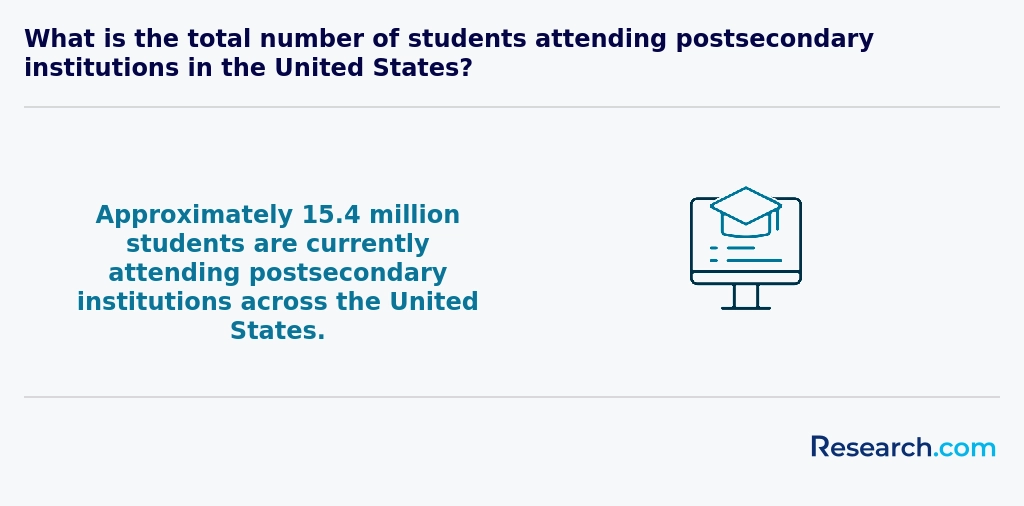
Online degree students in St. Louis frequently tap into a variety of financial aid options that make pursuing education at institutions like Washington University or Saint Louis University both feasible and fulfilling. Graduates often recall how federal Pell Grants, offering up to $7,395 annually, helped reduce their financial stress without the burden of repayment. Filling out the FAFSA typically unlocks access to these grants along with federal student loans, which many find appealing thanks to their comparatively low interest rates and flexible repayment terms.
State-focused programs such as the Access Missouri Financial Assistance Program also provide valuable grant opportunities for residents, easing the cost of online study at local universities. Institutional scholarships tailored for online learners frequently reflect merit or need and are a standout feature at St. Louis community colleges, where scholarship recipients share stories of how these awards fueled their academic ambitions.
Looking ahead, graduates anticipate growing employer tuition reimbursement programs, especially from major St. Louis employers like Boeing and Centene, who increasingly support online education as a strategic investment in their workforce. Coupled with private scholarships from community foundations, the evolving aid landscape offers hopeful students in St. Louis multiple, innovative pathways to finance their online degrees with confidence and optimism.
Graduates of affordable online programs in St. Louis often find roles across diverse sectors, including:
- Healthcare: hospitals like BJC Healthcare, outpatient clinics and telehealth providers
- Business and finance: firms such as Edward Jones, local banks and marketing agencies
- Education: K–12 schools, community colleges and academic support centers
- Technology: software development, IT support and cybersecurity roles at startups and established companies
- Public sector and non-profits: government offices, community organizations and economic development agencies
Those seeking higher-earning opportunities can explore which bachelor degree is best to align their studies with market demand.
Fulfilling prerequisites for online degree programs in St. Louis often begins with holding a high school diploma or GED, with graduates from schools around the city feeling confident that their local education opens doors to institutions like the University of Missouri-St. Louis or Webster University. Many students recall the ease of submitting transcripts and, for graduate hopefuls, a bachelor's degree from an accredited institution-an essential step embraced by these universities. The future may see standardized tests like the SAT or GRE becoming more flexible or optional, reflecting students' voices across St. Louis who appreciate reduced pressure and greater access.
Language proficiency remains vital, with non-native English speakers demonstrating their skills through TOEFL or IELTS, enabling them to thrive in dynamic online classrooms. Students often describe the reassuring support from university orientation sessions that teach them how to navigate virtual learning, technology, and digital tools seamlessly. Financially, graduates recognize the importance of planning ahead, knowing St. Louis public schools average about $10,000 yearly tuition, a figure that motivates them to seek scholarships and aid for sustainable success.
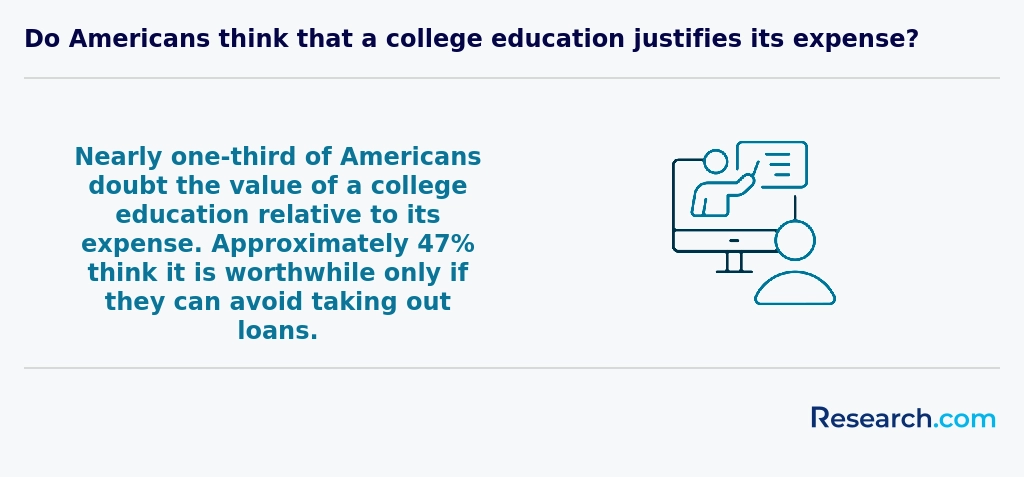
Typical courses in online degree programs in St. Louis often start with foundational subjects such as English composition, mathematics, social sciences, and natural sciences. Graduates from local universities like the University of Missouri-St. Louis frequently recall how these core classes built their critical thinking and communication skills, essential for adapting to diverse career paths. The St. Louis online college program curriculum also incorporates specialized courses that align with regional economic trends. For example, many students in business programs explore marketing, finance, and data analytics to prepare for the city's dynamic entrepreneurial environment.
Healthcare remains a major focus, with courses in public health, nursing fundamentals, and healthcare administration reflecting the demand from the St. Louis healthcare sector. Technology courses-covering programming, cybersecurity, and information systems-promise future-ready skills, responding to the fast-growing tech community in the area.
Students appreciate the option to pursue practicum or internship experiences remotely, enabling them to gain practical expertise while connected to St. Louis' job market. For those seeking alternatives, exploring the easiest online bachelor's degree paths offers more accessible routes to degree completion without compromising career potential.
Choosing an affordable online degree program in St. Louis means looking beyond basic offerings to anticipate future educational trends. Graduates from well-known local institutions often praise programs that integrate emerging technologies like AI-enhanced learning platforms, creating more personalized and engaging study experiences. These innovations help students balance work and family while benefiting from flexible pacing and multiple start dates.
Prospective learners considering the best online colleges for degree in St. Louis MO benefit by focusing on schools with strong connections to local industries, ensuring curricula remain relevant as career landscapes evolve. Graduates frequently highlight how faculty with real-world expertise enrich coursework, making abstract concepts relatable and useful for immediate career application.
With financial concerns top of mind, students have found that exploring options such as tuition discounts and scholarships available at public universities in St. Louis makes advanced education more accessible. Additionally, those interested in continuing research-driven careers can explore doctoral programs without dissertation, removing traditional barriers and allowing quicker entry into the workforce.
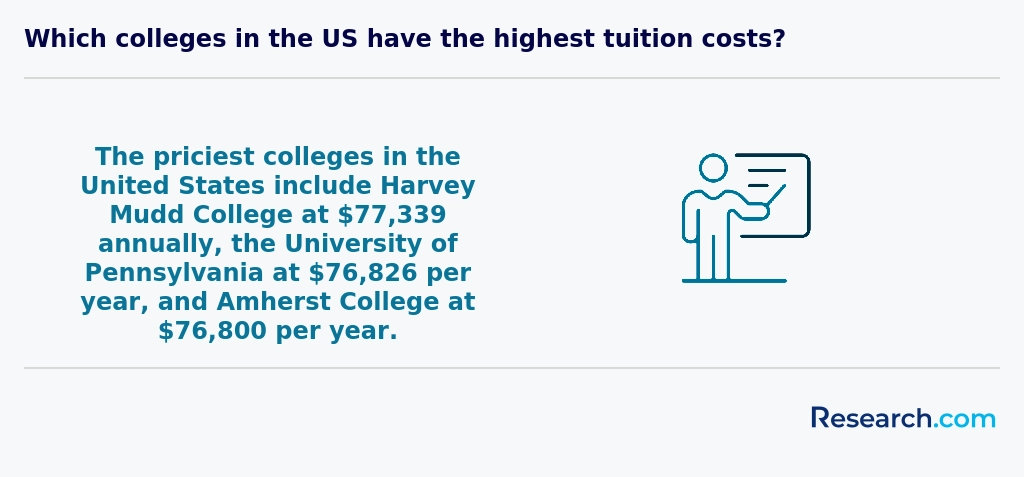
Graduates with online degrees in St. Louis have promising career paths in fields tied closely to the city's evolving economy. Healthcare roles continue to expand, with alumni from well-regarded local universities finding rewarding positions in hospitals and health agencies. These graduates often share how their flexible online nursing or public health programs equipped them to meet the rising demand, reflecting positive job prospects influenced by regional growth.
Business administration and finance represent another fertile area. Many online degree holders leverage their studies from St. Louis institutions into corporate roles involving marketing, management, or accounting, thriving amid the city's diverse corporate landscape. Graduates frequently mention their excitement about using online education to pivot careers smoothly within these sectors, shining a light on emerging trends in the local job market and online degree career opportunities in St. Louis.
Engineering and supply chain management graduates highlight St. Louis's strategic location as a logistics hub, opening careers in manufacturing and distribution. Stories from alumni reveal how their programs directly prepared them for these fast-growing industries. Additionally, education and social services continue to offer rewarding careers, with online programs from local colleges addressing growing community needs.
Students exploring options may find valuable guidance in the best online colleges that accept fafsa to align studies with St. Louis job prospects for online graduates effectively.
The job market for graduates holding an online general degree in St. Louis is evolving rapidly, with many graduates from local universities expressing optimism about their career prospects. These students often share stories of securing roles in healthcare administration or IT support soon after completing their degrees through institutions known for strong online offerings. Employers in St. Louis value digital skills and flexibility, opening doors in sectors like finance and education where remote work is increasingly embraced, reflecting a positive employment outlook for online graduates in St. Louis.
Graduates frequently highlight how partnerships between top colleges and local businesses facilitate internships and job placements, helping them transition smoothly into the workforce. The city's expanding tech startup scene and healthcare sector demand professionals with competencies gained online, illustrating the tangible benefits of accredited online education.
For those exploring career options, it's helpful to compare emerging opportunities with traditional paths, such as which trade school job pays the most, to make informed decisions about education and employment futures in the region.
2027 Most Affordable Online Colleges Programs Ranking in St. Louis, MO
Investing in your education is a significant decision that can impact your future, and the Research.com team is committed to helping you make well-informed choices. To support prospective students in St. Louis, MO, we have carefully developed the "2027 Most Affordable Online Colleges Programs Ranking." Our dedication to quality, credibility, and accuracy is demonstrated through thorough research and detailed analysis conducted to produce this ranking.
We utilized the following reputable data sources to ensure a comprehensive evaluation of affordable online college programs:
By reviewing this ranking, readers will gain valuable insights into affordable and credible online college options in St. Louis, helping them make confident educational decisions. For further information on how this ranking was created, please visit our Research.com methodology page.


# 4 position
Chamberlain University - St. Louis
Nursing, RN to BSN degree completion program
# 6 position
Chamberlain University - St. Louis
Master of Nursing
# 7 position
Chamberlain University - St. Louis
Doctor of Nursing Practice
# 11 position
Maryville University of Saint Louis
Master of Psychiatric Mental Health Nurse Practitioner
# 13 position
Maryville University of Saint Louis
Doctor of Adult-Gerontology Primary Care Nurse Practitioner
# 14 position
Maryville University of Saint Louis
Doctor of Pediatric Primary Care Nurse Practitioner
# 17 position
Maryville University of Saint Louis
Doctor of Psychiatric Mental Health Nurse Practitioner
Frequently Asked Questions
Students in St. Louis can maximize their online learning experience by leveraging local resources and staying engaged with their programs. Access to public libraries like the St. Louis Public Library system offers free internet and study spaces, which help maintain focus outside the home environment. Additionally, connecting with local student groups or alumni networks provides valuable support and networking opportunities.
Research from the Missouri Department of Higher Education highlights that time management and regular communication with instructors strongly influence success in online programs. Using digital tools to organize coursework and participating in virtual discussions can improve retention and understanding.
Finally, taking advantage of career services offered by online colleges based in the St. Louis area can help students translate their degrees into employment, with regional job growth in healthcare and technology sectors supporting these efforts.
After completing an online degree in St. Louis, preparing for the job market involves several key steps. Start by researching local industries prominent in the region, such as healthcare, manufacturing, and technology, which collectively employ over 500,000 workers in the metro area, according to the Greater St. Louis Inc. workforce report.
Networking is crucial. Engage with St. Louis professional groups on LinkedIn and attend virtual job fairs hosted by local universities and organizations like the St. Louis Economic Development Partnership.
Additionally, consider internships or part-time roles to gain experience and access career services offered by online programs. St. Louis boasts an unemployment rate near 4.2% as of early 2024, reflecting a competitive but promising job market.
Employers in St. Louis prioritize a combination of technical and soft skills in recent graduates. According to local workforce reports, strong communication and teamwork abilities rank among the top traits sought by companies. Additionally, problem-solving skills and adaptability are highly valued, reflecting the region's dynamic industries like healthcare, finance, and manufacturing.
Technical skills related to data analysis, information technology, and digital marketing are increasingly in demand, supported by the city's growing tech sector. The St. Louis Economic Development Partnership emphasizes that graduates with proficiency in emerging technologies and project management tools have better job prospects. Understanding business fundamentals and critical thinking are also essential skills for success in this competitive market.
Finding internships in St. Louis involves multiple strategies tailored to the city's job market. Start by exploring local university career centers, which often provide access to internship listings, even for online students connected with St. Louis institutions. Websites like the St. Louis Economic Development Partnership highlight growing industries such as healthcare, finance, and technology, offering internship opportunities.
Networking is crucial. Attend virtual career fairs held by organizations like the St. Louis Regional Chamber. LinkedIn also features many internships posted by local companies headquartered in St. Louis, including large employers like Boeing and Express Scripts.
Public resources such as the Missouri Job Center provide internship programs and résumé workshops geared toward entry-level candidates. According to recent data, St. Louis hosts over 15,000 internships annually across sectors, making it a competitive but promising environment for practical experience.
In St. Louis, earning an online degree can significantly enhance career mobility and advancement opportunities. According to data from the Bureau of Labor Statistics, workers with a bachelor's degree or higher in the St. Louis metro area earn on average 67% more than those with only a high school diploma. Employers in sectors such as healthcare, finance, and technology actively seek candidates with formal qualifications, making degree holders more competitive for promotions and higher-paying roles.
Online degrees from accredited institutions are widely recognized by local employers, offering flexibility without sacrificing quality. This is especially important given St. Louis's evolving job market, which demands continuous skill development and adaptability. Studies by the Missouri Department of Higher Education highlight that graduates with online degrees have comparable employment rates to traditional students within the region.
Choosing between a thesis and a non-thesis degree program in St. Louis depends on your career goals and learning preferences. Thesis programs generally appeal to students planning research or academic careers, as they require completing a substantial research project. Non-thesis options focus more on coursework and practical skills, which suits those aiming for professional roles.
St. Louis offers many accredited online degrees through institutions like the University of Missouri-St. Louis. According to the National Center for Education Statistics, about 30% of graduate students in Missouri select thesis tracks, reflecting local academic demands.
Consider also time and workload: thesis programs can take longer and require self-motivation, while non-thesis paths often allow faster completion.
Students based in St. Louis who are interested in studying abroad have several options, even when pursuing online degrees. Many local universities like Washington University in St. Louis and Saint Louis University offer study abroad programs integrated with their online curricula. These programs often include virtual international classrooms or summer travel experiences abroad.
In addition, some public universities in Missouri provide international exchange partnerships, allowing students to spend a semester or short-term study overseas while earning credits. According to the Institute of International Education, about 3% of Missouri college students study abroad annually, showing growing participation.
Online students can also engage in virtual cultural exchanges and global coursework, expanding their international perspectives without needing to leave St. Louis physically.
Students pursuing online degrees in St. Louis can find numerous part-time jobs that align with their education. The city's diverse economy supports roles in healthcare, education, and technology sectors, which are among the fastest-growing fields locally.
For example, students studying healthcare-related degrees may seek part-time work as medical assistants or patient care technicians. Data from the U.S. Bureau of Labor Statistics shows that St. Louis hosts over 90 healthcare employers with frequent openings for such roles.
Education majors might work as tutors or teaching assistants in local schools or community centers, gaining valuable experience while earning. Additionally, business and IT students often find opportunities in internships or entry-level tech support positions, helping build practical skills that complement their coursework.
Online students in St. Louis have several valuable networking opportunities despite studying remotely. Many local universities, such as the University of Missouri-St. Louis, offer virtual career fairs and online student organizations that help connect remote learners with peers and professionals.
St. Louis also has a strong professional community in industries like healthcare, finance, and technology, with monthly meetups and workshops open to online students. According to the St. Louis Regional Chamber, these gatherings often welcome university affiliates, providing useful local contacts.
Additionally, online students can access alumni networks, mentorship programs, and internship listings specific to the region, enabling connections that can enhance career prospects while studying.
Alumni networks offer significant advantages to students pursuing online degrees in St. Louis. These networks provide access to local professionals and industry leaders, enhancing job placement opportunities after graduation. For example, according to the St. Louis Regional Chamber, connections through alumni networks have helped 65% of recent graduates secure internships or employment within the metropolitan area.
Additionally, alumni groups often host events and workshops, both virtual and in-person, enabling students to build crucial soft skills and local business knowledge. The support extends beyond graduation, fostering mentorship and career advice tailored to the St. Louis job market.
Such networks also encourage collaboration, innovation, and community engagement, enriching the educational experience for online learners.
Customizing an online degree program in St. Louis involves selecting courses and specializations that align directly with your career goals. Many institutions in the area, such as the University of Missouri-St. Louis, offer flexible curricula with options to tailor electives and concentrations. You can often choose from fields like business, healthcare, technology, or education, increasing your job market relevance post-graduation.
Additionally, some programs include options for professional certifications or internships that provide practical experience. This approach enhances your resume and helps build local industry connections in St. Louis, where key sectors include healthcare, finance, and manufacturing.
Advisors usually assist students in designing personalized study plans to ensure course choices support intended career paths effectively.
Online students in St. Louis often face challenges related to reliable internet access. While the city has made improvements, approximately 10% of households still lack high-speed internet, according to the U.S. Census Bureau. This can hinder smooth participation in virtual classes and timely submission of assignments.
Another common difficulty is balancing studies with work and family responsibilities. Many adult learners in St. Louis juggle multiple roles, making it hard to dedicate consistent time to online coursework. Furthermore, online students sometimes report feelings of isolation, which can affect motivation and engagement.
Technical support and access to campus resources may also be limited compared to traditional students, requiring self-advocacy and adaptation to digital learning platforms.
Writing a winning application for an online college program in St. Louis begins with understanding the requirements of local institutions such as the University of Missouri-St. Louis or Saint Louis University. Carefully read all instructions and provide clear, concise responses. Tailor your personal statement to reflect your goals and how the specific program will help you achieve them.
Highlight relevant work experience or volunteer activities, especially those connected to your intended field of study. Supporting documents like transcripts and recommendation letters should be current and well-organized.
Research from the St. Louis Public Library indicates that applicants who articulate clear career objectives are 30% more likely to be admitted to competitive programs.
Finally, proofreading and meeting deadlines are crucial steps to avoid automatic disqualification.
Gaining practical experience while studying online in St. Louis is achievable through several avenues. Many institutions in the region, such as the University of Missouri-St. Louis, offer internship partnerships with local businesses, providing valuable hands-on opportunities.
Students can also utilize virtual internships, which have grown by over 30% nationally since 2020, allowing learners to gain industry experience remotely.
Moreover, St. Louis's strong healthcare and tech sectors provide ample chances for project-based learning and part-time roles, even for online students residing in the area. Research from the St. Louis Regional Chamber highlights these sectors' combined employment of over 200,000 workers, indicating robust opportunities.
Connecting with local professional organizations can further enhance networking and experience-building alongside online studies.
Choosing the right concentration within an online degree program in St. Louis involves evaluating your career goals and local job market demands. According to the Missouri Department of Higher Education & Workforce Development, fields such as healthcare, technology, and business show steady growth in the region. Selecting a concentration aligned with these areas can improve employment prospects after graduation.
Research specific programs offered by St. Louis institutions with online options, like the University of Missouri-St. Louis, noting concentrations that match local industry needs. Consider factors such as course flexibility, faculty expertise, and support services available for online students to ensure the program fits your lifestyle and learning preferences.
Additionally, reviewing labor statistics for St. Louis can help pinpoint concentrations with higher average salaries and job openings. This data-driven approach helps ensure your educational investment aligns with regional economic opportunities.
- 2027 Most Affordable Online Colleges Programs Ranking in Saint Charles, MO
- 2027 Most Affordable Online Colleges Programs Ranking in Carbondale, IL
- 2027 Most Affordable Online Colleges Programs Ranking in Cape Girardeau, MO
- 2027 Most Affordable Online Colleges Programs Ranking in Columbia, MO
- 2027 Most Affordable Online Colleges Programs Ranking in Charleston, IL
- 2027 Most Affordable Online Colleges Programs Ranking in Terre Haute, IN
- 2027 Most Affordable Online Colleges Programs Ranking in Springfield, MO
- 2027 Most Affordable Online Colleges Programs Ranking in Bloomington, IN
- 2027 Most Affordable Online Colleges Programs Ranking in Davenport, IA
- 2027 Most Affordable Online Colleges Programs Ranking in Memphis, TN
- Webster Alumni Network: Connecting St. Louis to the World https://www.alfabetaglobal.com/blogs/from-st-louis-to-the-world-how-webster-universitys-alumni-network-opens-global-doors
- Correspondence - Online Self Study - St. Louis Adult Learning and Continuing Education https://stlouis.wcdsb.ca/programsandcourses/ssc/correspondence/
- Apply to Saint Louis University https://www.commonapp.org/explore/saint-louis-university/
- Young Professionals Network - Regional Business Council https://www.stlrbc.org/ypn
- Online Degrees in St. Louis, Missouri - Compare Costs & Get Quotes https://areacosts.com/st-louis/online-degrees/
- College Degree vs. Major vs. Concentration: What’s the Difference? https://www.coloradotech.edu/blog/2025/september/college-degree-vs-major-vs-concentration-what-s-the-difference
- Getting Started https://www.saintlouishawaii.org/apps/pages/index.jsp
- SLIP | Boys & Girls Clubs of Greater St. Louis https://www.bgcstl.org/slip/
- Online Degrees Versus Traditional Degrees https://online.maryville.edu/online-degrees-vs-traditional-degrees/
- St Louis Alumni Association | Alumni Association | Honolulu, HI https://www.stlouisalumni.org/


