
2027 Easiest Online Colleges Programs Ranking in Charlotte, NC

Co-Founder and Chief Data Scientist
Choosing the right online college program can feel overwhelming, especially with so many options in Charlotte, NC. This article features the 2027 Easiest Online Colleges Programs Ranking in Charlotte, NC, created by the Research.com team of data scientists to guide you toward programs that fit your goals.
Discovering an accessible degree path can open doors to new opportunities and personal growth. Reading this ranking helps you make an informed decision, so you can confidently invest in a future that suits your lifestyle and ambitions.
Key benefits of getting online degrees in Charlotte
- Graduates in Charlotte with a bachelor's degree earn a median salary of around $65,000, while those with a master's degree can make up to $85,000, showing how higher degree levels can boost income significantly.
- An online nursing graduate from the University of North Carolina at Charlotte often advances to roles like Registered Nurse or Nurse Manager, enjoying rewarding career growth and job stability in healthcare.
- A graduate from the online business program at Queens University found flexible scheduling and lower costs greatly eased balancing work and study, proving online degrees can offer more convenience than traditional classes.
- 2027 Easiest Online Colleges Programs Ranking in Charlotte, NC
- What can I expect from online degrees in Charlotte?
- How much can I make with online degrees in Charlotte?
What can I expect from online degrees in Charlotte?
When pursuing an online degree in Charlotte, students often find a balance between flexibility and community engagement. Graduates from UNC Charlotte describe live lectures and interactive discussion boards as vital for staying connected despite physical distance, helping them feel supported while managing jobs or family responsibilities. Asynchronous coursework enables working professionals to complete assignments on their own schedule, a practical advantage frequently praised in testimonials from Central Piedmont Community College alumni who juggle full-time employment.
Charlotte's online programs typically focus on fields aligned with the city's economic strengths, such as healthcare, technology, and finance, which enhances the relevance of the curriculum. Students have reported that this alignment made job searching after graduation more straightforward, as employers in the region recognize the institutions' reputations. However, some note that navigating the balance between affordability and the quality of support services can vary between public and private schools.
Overall, Charlotte's combination of accredited options, accessible tuition rates, and a strong regional job market shapes a learning experience that many find both motivating and practical for career advancement.
How much can I make with online degrees in Charlotte?
Graduates with online degrees in Charlotte typically see median salaries between $60,000 and $75,000 at the bachelor's level, rising to $75,000-$90,000 for those with master's degrees. For instance, graduates from popular institutions like the University of North Carolina at Charlotte have shared that even entry-level roles often start near $40,000 but quickly increase with experience.
Finance and business graduates report median earnings around $85,000, reflecting Charlotte's strong financial sector. Online business administration programs from local colleges prepare students for this market, helping graduates feel optimistic about their earning potential. Likewise, healthcare professionals with online nursing degrees often earn about $70,000, with specialization opportunities pushing salaries above $90,000, according to local healthcare data.
Technology graduates, especially from online computer science tracks at colleges popular in Charlotte, note median salaries exceeding $95,000. These figures confirm that locally recognized online degrees align well with in-demand jobs, although experience and certifications remain key to unlocking higher pay.
While salaries vary, graduates often emphasize the value of flexibility in pursuing online studies, which Charlotte employers appreciate. This adaptability supports career growth that matches or sometimes exceeds traditional pathways.
- Tuition for online bachelor's degrees in Charlotte generally ranges from $15,000 to $30,000, with public universities offering more affordable rates than private colleges.
- Entry-level salaries for graduates with online bachelor's degrees average about $50,000 per year, with higher pay common in technology, business, and healthcare fields.
- After 10 years, median salaries for online degree holders in Charlotte rise to around $75,000, reflecting the city's growing economy.
- Charlotte's job market is strong, especially in finance, technology, healthcare, and manufacturing, offering many opportunities for online degree graduates.
- Many local employers accept online degrees, but accreditation verification is important for ensuring program quality and job acceptance.
- Online learners in Charlotte often have access to support services like career counseling and networking to connect with the local workforce.
Online degree completion times in Charlotte vary significantly, depending on factors like degree level, enrollment status, and program structure. Graduates from institutions such as the University of North Carolina at Charlotte often report that associate degrees typically take around two years of full-time study, though accelerated options can reduce this to as little as 18 months. Motivated students committed to year-round study may even finish within one year, while part-time learners might stretch completion to three or four years.
Bachelor's degrees generally require four years of full-time study, aligning with the roughly 120 credit hours demanded by most programs. However, Charlotte students pursuing online degrees appreciate that some local schools offer accelerated pathways, enabling completion in about 2.5 to 3 years. Graduates share how these compressed schedules, although intensive, provide a rewarding challenge that fits well with busy professional and personal lives.
Master's and other graduate programs in Charlotte tend to last one to two years, with many designed to accommodate working professionals through flexible and asynchronous formats. These options empower students to balance their ambitions with existing commitments, making the online experience feel both accessible and encouraging.
Accreditation ensures that an online college program meets rigorous academic standards, is recognized by employers and other institutions, and qualifies for federal aid. In Charlotte, NC, you should:
- Verify regional accreditation from the Southern Association of Colleges and Schools Commission on Colleges (SACSCOC)
- Check for any relevant programmatic accreditation (for example, CCNE for nursing or AACSB for business)
- Confirm that credits will transfer to other colleges and that federal financial aid applies
Prioritizing accredited programs protects your investment and future opportunities. For additional reputable options at competitive rates, explore our affordable online bachelor degree programs.
The difference between online and on-campus degrees in Charlotte primarily lies in how students experience their education and manage their daily lives. Graduates from the University of North Carolina at Charlotte often highlight that on-campus degrees offer rich opportunities to engage physically with campus resources like libraries and labs, and foster spontaneous conversations that can spark collaboration. Meanwhile, those who chose online programs appreciate the flexibility to study on their own schedules, which lets them balance work and family more easily without the stress of commuting through city traffic.
For many, the cost factor plays a tangible role. On-campus students in Charlotte face not only tuition but also housing and transportation expenses, while online learners often save on these but might pay similar tuition fees depending on the program. One graduate recalled feeling motivated by direct social interactions during classes on campus, whereas an online learner valued the independence and control over pacing, despite needing stronger self-discipline and reliable internet. Both paths can provide a credible degree, but the choice often depends on whether a student thrives on community connection or personal autonomy.
In our rapidly evolving educational landscape, mastering online learning is key to both academic and career success. To help you thrive, it's essential to develop effective time management habits, create a dedicated study space, and leverage available digital resources. For example, consider setting regular study hours and breaking coursework into manageable segments to maintain focus and consistency. Networking with fellow students through online forums or study groups can also enhance your comprehension and retention of course material. Additionally, exploring advanced career resources-such as insights on pursuing the highest paid masters degrees-can provide you with further direction for securing high-value roles in your field. By applying these strategies consistently, you can navigate the challenges of online programs and position yourself for long-term success in Charlotte’s competitive job market.
The average cost of an online degree in Charlotte reflects a variety of factors, including institution type, residency status, and program level. Median total expenses hover around $30,334, but in-state students typically see substantially lower costs near $9,412, making public options like the University of North Carolina at Charlotte appealing for local residents pursuing online education. Graduates often share relief in finding affordable programs that reduce financial stress while balancing work and family life.
Private institutions, by contrast, tend to charge more, aligning with the median out-of-state total cost of about $31,864. This can be a significant investment, especially when accounting for additional expenses such as technology fees or online proctoring. Nonetheless, many Charlotte students find that scholarships and employer tuition reimbursement help bridge these gaps, turning high sticker prices into manageable, rewarding experiences. These financial aids play a crucial role in shaping the total expenses for online college programs in Charlotte and influence how students perceive value and opportunity.
Choosing Charlotte's online degree options often means enrolling in programs with flexible pacing and digital resources, enhancing the student experience. For example, some graduates report that taking courses through UNC Charlotte allowed them to maintain steady progress without sacrificing income. Others considering specialized fields might explore programs highlighted in counseling psychology doctoralprograms, weighing cost against long-term career benefits.
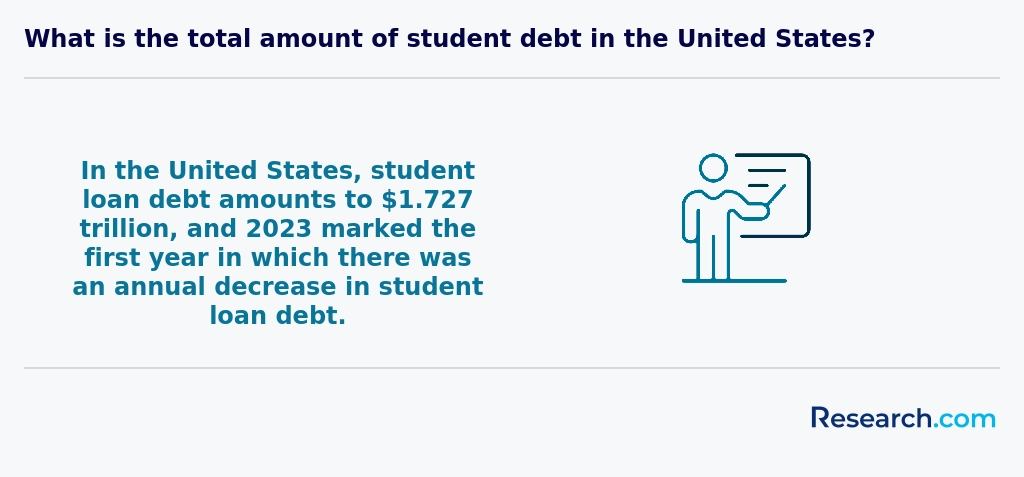
Ensuring that an online program is accredited by recognized agencies is essential for validating program quality, facilitating credit transfer, and supporting eligibility for financial aid. Prospective students should verify that any institution they consider, whether offering a non-degree or a full online degree program, holds accreditation from a regional or national body. Accreditation serves as a key indicator of academic rigor and institutional reliability, providing confidence that the curriculum meets stringent educational standards. For example, students interested in fine arts might also want to compare opportunities in related fields, such as exploring programs offered by the cheapest fine arts school in north carolina, where accreditation plays a critical role in their decision-making process. This focus on accredited institutions helps ensure that graduates are well-prepared to meet industry standards and advance their careers with credentials that are recognized by employers and other educational institutions alike. Additionally, always research the accrediting agencies' details and look for any reviews or testimonials regarding the institution’s adherence to quality standards.
For students pursuing online degrees in Charlotte, financial aid options blend federal, state, institutional, and private sources, each with unique advantages and limitations. Federal aid remains fundamental, with the FAFSA unlocking access to Pell Grants-offering up to $7,395 for eligible undergraduates-as well as loans and work-study. Graduates from institutions like the University of North Carolina at Charlotte often remark how Pell Grants were instrumental in easing their financial burden while learning remotely.
State-specific scholarships, such as the North Carolina Need-Based Scholarship and CFNC grants, provide additional support but typically require careful coordination with federal aid. Some students attending Queens University have reported these need-based awards as lifelines when federal support alone was insufficient.
Colleges in Charlotte commonly allocate institutional scholarships for online learners, rewarding merit or demographic factors, though availability can vary widely. Graduates emphasize the importance of proactively contacting their school's financial aid office to uncover lesser-known, dedicated funds.
Employer tuition assistance is another vital resource, especially for working adults enrolled online. Many in Charlotte's banking and tech sectors express gratitude for employers who help cover tuition in exchange for job-related education.
Lastly, private scholarships discovered via platforms like Fastweb can align well with online study and local residency, though navigating these often competitive awards requires persistence and clear understanding of eligibility.
Ensuring that an online program holds proper accreditation is crucial for transferability of credits, eligibility for federal financial aid, and employer recognition. In Charlotte, NC, the majority of reputable institutions-including the University of North Carolina at Charlotte, Queens University of Charlotte, and Central Piedmont Community College-are regionally accredited by the Southern Association of Colleges and Schools Commission on Colleges (SACSCOC). This accreditation guarantees that curriculum, faculty qualifications, and student services meet rigorous quality standards. Prospective students should verify program-specific accreditations as well-for example, business programs may hold AACSB accreditation while nursing programs can be CCNE-accredited. Accreditation details are typically available on each institution’s official website under “About” or “Accreditation” sections. Additionally, accreditation ensures that graduates can seamlessly pursue advanced credentials-ranging from professional certificates to an accelerated 1 year online doctorate-with confidence that credits and degrees will be recognized by employers and other colleges. Regularly checking the U.S. Department of Education’s Database of Accredited Postsecondary Institutions and Programs (DAPIP) is recommended to confirm current accreditation status before enrolling.
Enrolling in an online degree program in Charlotte generally means meeting clear prerequisites that align with national standards but also reflect local educational trends. Most graduates from universities like the University of North Carolina at Charlotte recall needing a high school diploma or GED, establishing a baseline for undergraduate admission. For those pursuing graduate studies, holding a relevant bachelor's degree is typically mandatory.
While SAT or ACT scores once played a central role, many Charlotte institutions have adopted test-optional policies recently. This shift eases pressure, but students aiming for competitive online programs, such as business or nursing tracks, may still face standardized test requirements or additional application materials like recommendation letters.
Practical steps include submitting official transcripts and sometimes paying application fees ranging roughly from $30 to $75. Graduates often mention the importance of having reliable internet and digital skills given platforms like Canvas are standard.
Some programs require orientation or assessment tests to help students build confidence and adjust smoothly to online learning. These measures reinforce that prerequisites go beyond academics, addressing the entire online education experience in Charlotte.
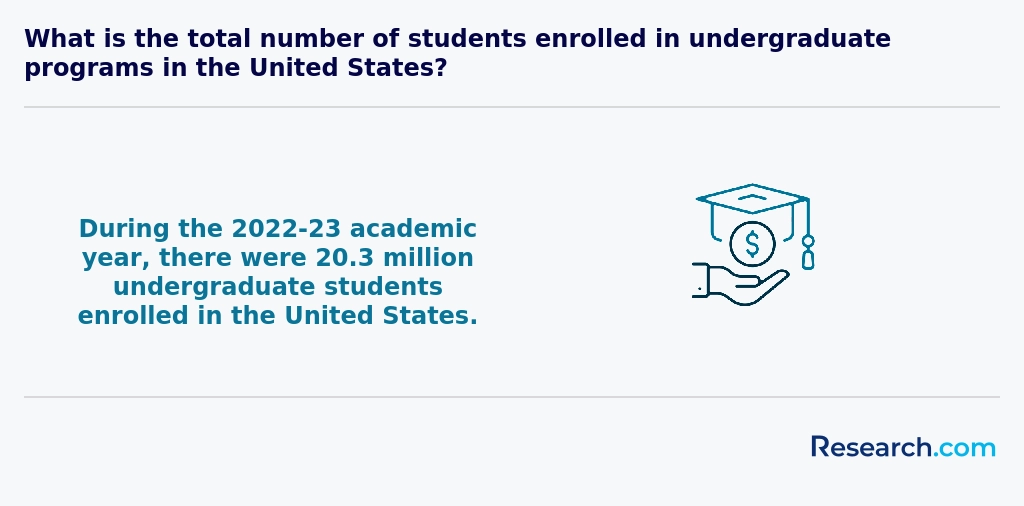
Ensuring your online degree is regionally accredited by recognized agencies like the Southern Association of Colleges and Schools Commission on Colleges (SACSCOC) is essential for credit transfer, licensure, and employer recognition. Accreditation validates that a program meets rigorous academic standards, engages in continuous improvement, and provides adequate student support. Prospective students should verify accreditation status through the U.S. Department of Education or the Council for Higher Education Accreditation (CHEA) before applying. For instance, the University of North Carolina at Charlotte and Central Piedmont Community College both hold SACSCOC accreditation, assuring curriculum quality and institutional stability. Accreditation also impacts eligibility for federal financial aid, scholarships, and veteran benefits. Moreover, reputable rankings incorporate accreditation as a core criterion, guiding students toward programs that balance credibility with learner-centered design. For insights into how accreditation influences affordability, see our Most Affordable Online Colleges Programs Ranking in Vermont, which highlights accredited institutions recognized for cost-effective online education. Always look for programs with clear accreditation statements, published student learning outcomes, and comprehensive academic support services to ensure a high-quality educational experience.
Online degree courses in Charlotte NC typically begin with foundational classes covering essential skills like English composition, mathematics, natural sciences, and social sciences. Graduates from popular universities in Charlotte often describe these courses as crucial stepping stones that develop critical thinking and effective communication, which are valuable beyond any specific major. While some may perceive general education requirements as a hurdle, many find these classes help them adapt to diverse workplace challenges.
In typical online college programs Charlotte offers, many students appreciate how specialized courses are woven into the curriculum. For example, business students often engage with finance and marketing classes that resonate with Charlotte's financial hub status, while healthcare students explore healthcare administration and nursing basics. Such courses give students a tangible connection to local industry needs. Electives also enable learners to pursue topics like leadership or communication skills, offering flexibility in tailoring their education.
Students considering programs at Charlotte colleges sometimes find that these frameworks allow a blend of theory and practice, aided by virtual labs or practical assignments. Discussions about career fit often highlight the value of exploring teaching degree job roles or similar paths as part of their broader educational experience.
The specializations available in online none degree programs in Charlotte, NC, are diverse and cater to individuals interested in the tech field but not necessarily in programming or coding. For instance, some graduates from popular universities such as the University of North Carolina at Charlotte have reported that specializations like project management, user experience design, and technical writing have provided them with a comprehensive understanding of the tech industry and its applications without requiring programming skills. Key specializations in none programs include non-programming tech jobs such as project management, which involves overseeing the operations and logistics of a project from start to completion, user experience design, focusing on creating functional and accessible products that meet user needs, technical writing, which involves conveying complex topics effectively through various forms of communication, quality assurance testing, identifying and solving problems in software development, network administration, a senior role requiring networking expertise but not extensive coding knowledge, and SEO/SEM specialization, analyzing data to build a strategy for web marketing. These specializations are often offered by online colleges in Charlotte NC.
These specializations have been reported to provide students with a sense of excitement and fulfillment, as they are able to apply their skills and knowledge to real-world problems and make a meaningful impact. For example, a graduate from Central Piedmont Community College reported that their specialization in UX design allowed them to create products that were both functional and aesthetically pleasing, which gave them a sense of pride and satisfaction. Additionally, specializations like information security and artificial intelligence require technical expertise and the ability to analyze data and present insights to stakeholders, which can be a challenging but rewarding experience forstudents. According to data, over 70% of graduates from none programs in Charlotte, NC, have reported being satisfied with their career choices, with many citing the flexibility and creativity of their specializations as major factors.
Furthermore, some specializations, such as administration, may involve maintaining information systems, troubleshooting problems, and requiring a strong foundation in networking expertise, which can be applied to various fields beyond technology, and individuals interested in exploring other career paths may find it helpful to learn more about teaching degree job roles. Overall, the specializations available in online none degree programs provide students with a wide range of options and opportunities to pursue careers that align with their strengths and interests, and with the variety of Charlotte online degree specializations, students can choose the path that best suits their goals.
Choosing the best online degree program in Charlotte involves evaluating more than just program rankings or costs. Graduates from popular Charlotte colleges often highlight the value of regional accreditation, such as from SACSCOC, which ensures their degrees carried weight with local employers. For instance, one graduate shared how attending a well-accredited program at a well-known Charlotte institution eased their transfer to a master's program and boosted their resume credibility.
Flexibility is another key aspect, especially for those balancing work and family. Charlotte's online offerings in healthcare, business, and technology allow students to tailor schedules without sacrificing quality. Choosing from the best affordable online colleges in Charlotte NC means looking at programs offering adaptable pacing and strong student support-elements many graduates say made their experience feel manageable and rewarding.
Costs vary widely, and while public universities in Charlotte tend to be more affordable, private programs may provide better financial aid packages. Investigating scholarships and employer tuition assistance can reduce burdens. Students curious about internships can also explore related fields; in fact, those interested in nursing might find opportunities through online nursing degrees massachusetts internships insightful despite the geographic difference.
Lastly, analyzing graduation and job placement rates helps measure program effectiveness. Successful alumni stories often stem from schools with robust advising and online resources. Prospective students focusing on top online degree programs Charlotte North Carolina offers should ask for these statistics and seek out alumni perspectives to ensure their choices align with personal goals.

Graduates with online degrees in Charlotte find diverse career paths, reflecting the city's robust economy and its evolving industries. For instance, many who completed business or finance programs at local institutions pursue roles in banking operations and financial analysis, benefiting from Charlotte's status as a major U.S. financial hub. Others branching into healthcare often leverage nursing or health administration degrees to secure positions at prominent local providers like Atrium Health, experiencing firsthand the steady growth in healthcare jobs. While technology sectors are rapidly expanding with opportunities in IT and cybersecurity, some graduates initially face challenges adapting theory to practice in dynamic startup environments. Additionally, those with education and human services degrees report rewarding experiences contributing to Charlotte's community needs through roles in teaching and counseling. Prospective students considering online study should explore how these paths align with their ambitions and the reality of the job market. To better understand program options and potential career outcomes, reviewing offerings from top online universities for engineering degrees can offer valuable insights into online degree career opportunities in Charlotte NC.
Indeed, job prospects for online graduates Charlotte NC depend not just on degree choice but also on how well students and alumni engage with local industries, networks, and continuing education. Personal stories from graduates often highlight the importance of hands-on experiences alongside academic credentials to fully capitalize on Charlotte's opportunities.
The job market for online degree graduates in Charlotte reflects the city's evolving economic landscape, with promising opportunities but also some challenges. Many online grads from well-known institutions report positive experiences finding work in sectors like healthcare, technology, and business, which are strong in Charlotte's local economy. However, employment outcomes often depend on how well students leverage practical skills alongside their credentials. For example, graduates from popular Charlotte-area colleges who completed internships or projects related to the city's financial institutions feel better prepared and more competitive. This aligns with the Charlotte NC employment outlook for online college graduates, showing growth especially in roles such as project management, IT, and healthcare administration.
Charlotte's dynamic job market encourages networking and continuous learning, which recent online graduates find essential given the city's competitive environment. Some graduates highlight the importance of local connections, such as joining professional organizations, to complement their online studies. For those exploring affordable study options linked to creative fields, institutions noted as the cheapest fine arts school in north carolina offer unique chances despite the job market's focus on STEM and business roles.
2027 Easiest Online Colleges Programs Ranking in Charlotte, NC
Investing in your education is a significant decision that can shape your future, and the Research.com team understands the importance of making informed choices. To assist prospective students in Charlotte, NC, we have meticulously crafted the "2027 Easiest Online Colleges Programs Ranking in Charlotte, NC." Our commitment to quality, credibility, and accuracy is reflected in the extensive research and analysis conducted to compile this ranking.
We utilized the following reputable data sources to ensure a comprehensive evaluation of online college programs:
By exploring this ranking, readers will gain valuable insights into the easiest online programs available in Charlotte, helping them make informed decisions about their educational paths. For more details on our methodology, please visit our Research.com methodology page.
# 1 position
The University of North Carolina at Charlotte
Master of Special Education (K-12) General/Adapted Curriculum


Frequently Asked Questions
Students in Charlotte can maximize their online learning experience by leveraging local resources and effective strategies. Engaging actively in virtual class discussions helps deepen understanding and build connections. Utilizing support services offered by nearby institutions like the University of North Carolina at Charlotte, which provides online tutoring and library access, ensures academic success. Time management is critical; Charlotte students should create dedicated study schedules to balance work, family, and classes. According to the Charlotte Chamber of Commerce, nearly 30% of working adults pursue education online, highlighting the need for flexible planning. Taking advantage of local professional networks enriches practical knowledge alongside coursework.
After completing an online degree in Charlotte, preparing for the job market involves several strategic steps. Start by leveraging local resources such as the Charlotte Chamber of Commerce, which offers networking events and career workshops tailored to the city's growing industries. According to the Charlotte Regional Business Alliance, sectors like finance, healthcare, and tech are expanding rapidly, so aligning your skills with these fields increases employability.
Updating your resume to highlight online learning experiences and practical projects is crucial. Utilize Charlotte's numerous job portals and attend virtual career fairs hosted by institutions like UNC Charlotte's career services. Additionally, consider internships or volunteer work to build local professional connections and gain relevant experience.
Employers in Charlotte consistently emphasize a blend of technical and soft skills in graduates. According to the Charlotte Chamber of Commerce, strong communication and teamwork abilities rank among the top qualities sought. These skills enable employees to collaborate effectively in diverse, dynamic work environments.
Technical proficiency is equally important, particularly in sectors like finance, healthcare, and technology, which are prominent in Charlotte's economy. Data analysis, digital literacy, and problem-solving are highly valued. The NCCC Labor Market Trends report (2023) highlights a 15% growth in demand for critical thinking and adaptability over the past five years.
Graduates who combine these skills with practical experience have better job prospects in the Charlotte labor market.
Finding internships in Charlotte involves using multiple local resources and strategies. Start by exploring the Charlotte Works portal, a key workforce development site listing internships in various industries across the city. Charlotte's economy is strong in finance, healthcare, and technology, making sectors like banking and energy companies ideal places to seek opportunities.
Contact career services offices at local institutions offering online degrees. Even if studying remotely, many schools maintain connections with regional employers and can help secure internships. Additionally, LinkedIn and Handshake are popular platforms for Charlotte students to discover internships and internships promoting events.
Networking plays a crucial role. Join professional groups such as the Charlotte Chamber of Commerce or attend local job fairs to meet potential employers face-to-face. According to the Charlotte Regional Business Alliance, nearly 60% of internships lead to full-time roles, so persistent engagement is beneficial.
In Charlotte, holding an online degree can significantly impact career mobility and advancement. According to the U.S. Bureau of Labor Statistics, jobs requiring a bachelor's degree or higher are projected to grow by over 10% in the Charlotte metropolitan area through 2030. This growth creates opportunities for degree holders to access higher-level positions and increased salaries.
Employers in Charlotte increasingly recognize online degrees, particularly from accredited institutions, as equivalent to traditional degrees. This acceptance broadens career options, especially in sectors like finance, healthcare, and technology, which dominate Charlotte's economy.
Furthermore, online education allows professionals to gain skills while working, enabling quicker promotion prospects without career interruptions.
Choosing between a thesis and a non-thesis online degree program in Charlotte depends on your career goals and learning preferences. Thesis programs emphasize research, requiring a formal project and often suited for students aiming at academic or research roles. Non-thesis options focus more on coursework and practical skills, appealing to professionals seeking faster degree completion.
Charlotte hosts several universities offering both paths, including UNC Charlotte where about 40% of graduate students opt for thesis tracks, according to recent institutional reports. Consider your time availability, interest in research, and job market demands in Charlotte's growing sectors such as finance and healthcare before deciding.
Students in Charlotte interested in studying abroad while pursuing online degrees have several practical options through U.S. higher education institutions. Many universities offer virtual exchange programs, allowing participation in international coursework without leaving Charlotte. According to the Institute of International Education, interest in these online study-abroad models rose by over 20% in recent years.
Local higher education providers, such as the University of North Carolina at Charlotte, support partnerships with global universities, enabling access to diverse cultures and global perspectives digitally. Additionally, consortiums like the National Student Exchange provide hybrid opportunities combining limited travel with online learning.
Students should also explore internships or research programs abroad offered virtually, which can complement online degree programs and enhance international experience without the cost or logistical challenges of traditional study abroad.
Charlotte offers a variety of part-time job opportunities well suited to complement online degree studies. For students pursuing business, finance, or marketing degrees, roles in customer service or administrative support at local banks and financial firms provide practical experience. The city hosts major employers like Bank of America, which often hire part-time employees. According to the Charlotte Chamber of Commerce, healthcare is a booming sector, providing flexible part-time roles such as medical assistants or administrative aides for students in health-related programs.
Retail and hospitality positions are also common, especially near Uptown Charlotte, offering work that builds communication and management skills. Additionally, freelance and remote work in digital marketing or IT are growing due to Charlotte's expanding tech scene.
Online students in Charlotte have growing networking opportunities through local university initiatives and professional organizations. Institutions like the University of North Carolina at Charlotte often provide virtual career fairs and alumni networking events accessible to online learners. According to the Charlotte Regional Business Alliance, the city hosts numerous industry meetups and professional groups, many now offering hybrid or virtual formats, allowing online students to connect with professionals and peers.
Additionally, Charlotte's strong banking and tech sectors mean online students can engage with relevant local chapters of national organizations, such as the Charlotte Chamber of Commerce and local tech councils. These platforms foster meaningful connections, internships, and job prospects.
Alumni networks play a crucial role in supporting online degree students in Charlotte. These networks connect current students with graduates who have navigated similar academic and professional paths. In Charlotte, a city with a rapidly growing economy, strong alumni connections can open doors to local internships, job opportunities, and mentorship programs.
According to the Charlotte Chamber of Commerce, over 65% of professionals find job leads through networking, highlighting the value of alumni relationships. Online students, who often study remotely, gain a community through these networks, improving access to career advice and industry contacts.
Customizing an online degree program in Charlotte to match your career goals involves choosing relevant specializations, electives, and flexible scheduling options. Many Charlotte-area institutions, like the University of North Carolina at Charlotte, offer online degree tracks with concentrations tailored to industries prominent in the region, such as finance, healthcare, and technology.
According to the Charlotte Chamber of Commerce, technology roles are projected to grow by over 15% from 2022 to 2030, making IT-related electives valuable additions to your curriculum. Additionally, students can often select internships or projects aligned with local employers to gain practical experience.
Various programs also provide academic advising to help you align coursework with certifications or skills that enhance employability in Charlotte's competitive job market.
Online students in Charlotte frequently encounter challenges related to time management and balancing work, family, and studies. According to a 2023 report by the North Carolina Department of Education, 62% of online learners in the region juggle part-time or full-time jobs alongside their coursework. This often leads to stress and difficulty meeting deadlines.
Technological barriers also persist, despite Charlotte's growing infrastructure. About 15% of households in Mecklenburg County still lack reliable high-speed internet, impacting students' ability to participate effectively in virtual classes.
Additionally, many students face feelings of isolation due to limited face-to-face interaction and lack of direct access to campus resources.
Writing a winning application for an online degree program in Charlotte begins with understanding the requirements set by local institutions such as the University of North Carolina at Charlotte and Central Piedmont Community College. Emphasize your academic achievements and professional experience clearly, as these schools value a balance of both. Include a well-crafted personal statement that explains your goals and why you chose an online program. Data from the National Center for Education Statistics shows that adult learners in Charlotte increasingly prefer flexible online options, so highlighting your time management skills can strengthen your application.
Ensure all transcripts and recommendation letters are current and formally submitted. Many Charlotte colleges suggest addressing community involvement or career plans tied to the city's growing financial and tech sectors. Finally, proofread carefully; small errors can weaken the impression of professionalism. Following these guidelines increases your chances of admission to competitive online degree programs in Charlotte.
Gaining practical experience while studying online in Charlotte is possible through local internships and cooperative education programs. Many Charlotte-based companies partner with universities to offer remote or hybrid internship opportunities, allowing students to apply theoretical knowledge in real-world settings.
Additionally, programs like those at the University of North Carolina at Charlotte provide virtual labs and project-based courses designed to build hands-on skills. The Charlotte regional economy, strong in finance, healthcare, and technology, offers varied fields for gaining relevant experience.
Students can also join professional associations or attend virtual networking events to connect with local experts.
Choosing the right concentration in an online degree program in Charlotte depends on your career goals and local job market trends. According to the Charlotte Regional Business Alliance, sectors like healthcare, finance, and technology are rapidly growing in the area, forming a strong base for specialized studies.
Consider concentrations that align with these industries to increase job opportunities. Research programs offered by Charlotte's accredited universities, paying attention to curriculum relevance and flexibility. Many schools also provide career services and local internship connections specific to Charlotte, which can enhance practical experience.
Review program outcomes and employment rates published by institutions or state education departments to make an informed decision.
- 2027 Easiest Online Colleges Programs Ranking in Boone, NC
- 2027 Easiest Online Colleges Programs Ranking in Anderson, SC
- 2027 Easiest Online Colleges Programs Ranking in Conway, SC
- 2027 Easiest Online Colleges Programs Ranking in Allendale, MI
- 2027 Easiest Online Colleges Programs Ranking in Lynchburg, VA
- 2027 Easiest Online Colleges Programs Ranking in Gainesville, GA
- 2027 Easiest Online Colleges Programs Ranking in Greenville, NC
- 2027 Easiest Online Colleges Programs Ranking in Milledgeville, GA
- 2027 Easiest Online Colleges Programs Ranking in Atlanta, GA
- 2027 Easiest Online Colleges Programs Ranking in Morehead, KY
- Get Out There For Your Business! Networking Opportunities in the Charlotte, NC Area https://www.dyeculik.com/post/get-out-there-for-your-business-networking-opportunities-in-the-charlotte-nc-area
- Education https://worldaffairscharlotte.org/education/
- Senior Externship Program - Charlotte Country Day https://www.charlottecountryday.org/cd-experience/beyond-the-classroom/externship
- Home - Charlotte https://www.fusionacademy.com/campuses/charlotte/
- How to Choose the Right Online Degree Program for Your Goals https://thestartupmag.com/how-to-choose-the-right-online-degree-program-for-your-goals/
- Students: This is How You Should Prepare for the Job Market https://www.agencycentral.co.uk/articles/students-this-is-how-you-should-prepare-for-the-job-market/
- The eight graduate skills employers want https://www.unitemps.com/career-advice/the-eight-graduate-skills-employers-want/
- What STEM Careers are Key to Improving Economic Mobility in Charlotte? - Charlotte Works https://www.charlotteworks.com/events/what-stem-careers-are-key-to-improving-economic-mobility-in-charlotte/
- Charlotte taps university students for innovative affordable housing solutions amid rapid growth | wcnc.com https://www.wcnc.com/article/money/markets/real-estate/affordable-housing-crisis/charlotte-taps-students-for-innovative-affordable-housing-solutions-amid-rapid-growth/275-34b976eb-b72e-47fd-a9f7-bdaea408a19c
- Internship Program https://www.charlottenc.gov/City-Government/City-Jobs/Internship-Program


