
2027 Easiest Online Colleges Programs Ranking in Alaska

Co-Founder and Chief Data Scientist
Choosing the right online degree program can feel overwhelming, especially with so many options available. This article introduces the 2027 Easiest Online Colleges Programs Ranking in Alaska, developed by the Research.com team of data scientists to guide students toward degree programs that fit their needs.
By exploring this ranking, you'll gain valuable insights to help make an informed decision about your education path. Earning a degree can open doors to new opportunities and personal growth, making it a rewarding journey worth considering.
Key benefits of getting online degrees in Alaska
- In Alaska, graduates with a bachelor's degree earn an average salary of about $65,000, while those with a master's degree can expect around $80,000, showing how higher degree levels significantly boost earning potential.
- A University of Alaska Anchorage online business graduate often starts as a marketing coordinator and can progress to leadership roles in Alaska's growing corporate sector within a few years.
- Online degrees from Alaska Pacific University offer flexibility, allowing graduates like Sarah to balance work and study, which often leads to quicker completion and immediate career advancement compared to traditional programs.
- 2027 Easiest Online Colleges Programs Ranking in Alaska
- What can I expect from online degrees in Alaska?
- How much can I make with online degrees in Alaska?
What can I expect from online degrees in Alaska?
When pursuing an online degree in Alaska, expect programs built around flexibility to fit your busy lifestyle. Graduates of the University of Alaska Anchorage and University of Alaska Fairbanks often share how asynchronous classes let them balance work, family, and studies without commuting through harsh weather. For instance, a student working in healthcare can attend lectures and complete assignments on their own schedule, which makes education truly accessible across remote communities.
Many programs require occasional in-person commitments, like proctored exams or hands-on workshops, but these are clearly communicated upfront. Graduates appreciate the supportive resources available online, including tutoring and career advising, which help them stay on track without frequent campus visits.
Alaska's institutions are accredited by agencies such as the Northwest Commission on Colleges and Universities, ensuring employers recognize your degree and credits easily transfer. Online tuition rates at public schools remain competitive, making it an affordable choice for residents focused on local job markets like education, public administration, and healthcare.
How much can I make with online degrees in Alaska?
Graduates with online degrees in Alaska can expect competitive earnings that reflect the state's strong job market. Those holding bachelor's degrees from institutions like the University of Alaska Anchorage typically see average salaries around $75,000 per year, which is notably higher than the national average. For example, healthcare graduates often step into roles as registered nurses earning about $90,000 annually or as medical services managers making nearly $110,000. These salaries come from Alaska's urgent need for skilled professionals in high-demand sectors.
Technical degrees from popular schools such as the University of Alaska Fairbanks lead to particularly lucrative engineering or IT positions. Petroleum engineers can earn over $130,000 annually, while computer and information systems managers usually bring in around $120,000. Many graduates appreciate how online degree programs provide the flexibility to balance work and study while accessing these well-paying jobs.
Furthermore, online business or education degrees often lead to steady roles with salaries between $45,000 and $65,000, ideal for those prioritizing growth and stability. Graduates share how their Alaska-based online studies accelerated their career advancement, proving that investing in an online degree here pays off in tangible ways.
- Alaska offers accredited online degree programs through the University of Alaska system, allowing students to study without relocating.
- The average annual tuition for online bachelor's degrees ranges from $8,000 to $12,000, with state financial aid available for residents.
- Starting salaries for online degree graduates in fields like healthcare, engineering, and natural resource management range from $50,000 to $65,000 per year.
- The job market in Alaska favors skills developed through online education, with opportunities in business, healthcare, education, and technology.
- Demand for skilled workers in healthcare and engineering is expected to grow steadily, supporting stable employment prospects.
- Online degrees from Alaska are regionally accredited, ensuring credits are transferable and recognized across the United States.
Completing an online degree in Alaska varies based on the program and your pace. For instance, many full-time students at the University of Alaska Anchorage finish associate degrees in about two years, while part-time learners often take three to four years due to work or family commitments.
Bachelor's degrees typically span four years, but motivated students have accelerated options. Some graduates share that by taking extra courses or enrolling year-round, they completed their degrees in three years or less. This flexibility is invaluable for Alaskans balancing jobs and remote locations.
Graduate programs often require one to two years full-time, with part-time pathways extending that. Many Alaskans appreciate how these options allow them to grow professionally without pausing their careers.
Students find that leveraging transfer credits and competency-based education can significantly reduce time spent in classes. Academic advising at Alaskan colleges also helps keep degree progress on track, minimizing delays and keeping motivation high.
When evaluating online programs, understanding the typical courses provided can be just as important as comparing rankings or costs. These courses commonly include foundational subjects like writing and critical thinking, core areas specific to the program’s focus, and electives that allow students to tailor their learning to their career interests. For example, many programs offer introductory courses in communication, leadership, and problem-solving, as well as specialized courses such as digital marketing foundations, project management essentials, and business analytics. By examining the course curriculum, prospective students can gain insight into the program’s structure, ensuring that the material aligns with their professional and academic goals. Moreover, a closer look at the course topics in a program may reveal opportunities for hands-on projects, internships, and collaboration with industry professionals. This insight helps learners better assess the practical applicability of their studies and the overall value of the program. For those looking for additional information on cost-effective education options, our ranking of the cheapest online general programs in alaska is a great resource to compare both academic quality and affordability. Overall, a detailed understanding of typical courses empowers students to make informed decisions and choose a program that will equip them with the skills needed for success in today’s competitive job market.
The key difference between online and on-campus degrees in Alaska is how and where you attend classes. Graduates from the University of Alaska Anchorage often share how online programs allowed them to balance work, family, and education without the long commutes common in such a vast state. Online learning offers crucial flexibility if you live in remote areas where traveling to campus can take hours or be affected by weather.
On-campus students enjoy immersive campus life with direct access to professors, study groups, and extracurricular activities at institutions like the University of Alaska Fairbanks. This face-to-face interaction builds strong community connections and hands-on experiences, which many find rewarding.
Both options maintain academic rigor and accreditation, ensuring your degree holds equal value. However, online students should be prepared for self-discipline and mastering virtual tools. When choosing, consider your lifestyle, location, and how you prefer to learn to make the best decision for your future in Alaska.
Many Alaska learners seeking advanced credentials on a budget can explore a variety of low-cost, high-quality master’s programs tailored for remote study and flexible pacing. By comparing per-credit tuition rates, evaluating in-state reciprocity agreements, and leveraging employer tuition benefits, prospective graduate students can significantly reduce overall costs. Key strategies include:
- Prioritizing accredited public universities that offer reduced tuition for residents, such as the University of Alaska’s in-state online rates.
- Investigating scholarships and grant opportunities specifically aimed at Alaska graduate students, including tribal and rural outreach funds.
- Considering accelerated or competency-based master’s tracks that allow credit for prior work experience, shortening time to degree and lowering total expense.
- Exploring specialized consortium agreements (e.g., Western Interstate Commission for Higher Education) for access to discounted online graduate courses.
The average cost of an online degree in Alaska is around $26,154, reflecting a balance between affordability and quality education. For example, graduates from institutions within the University of Alaska system report manageable tuition expenses coupled with the added benefit of state-supported scholarships and grants. These financial supports often help reduce the total cost, making the pursuit of online degrees more accessible for residents.
In practical terms, students often find that tuition fees for online undergraduate courses range from $300 to $400 per credit for in-state learners, which aligns well with the median cost data. This pricing enables many Alaska residents to complete a 120-credit bachelor's degree without excessive financial strain. A graduate shared that by taking advantage of state-funded programs like the Alaska Performance Scholarship, they significantly lowered their expenses while studying online.
Those seeking affordable options may also explore private or for-profit schools, although their tuition tends to be higher. However, some programs focus on in-demand fields with moderately reduced tuition rates to encourage workforce growth. It's worth considering these options along with the financial aid opportunities available to find affordable online college tuition in Alaska 2027 and beyond.
For students aiming to minimize costs further, reviewing listings of affordable online colleges for early childhood education has proven helpful. Many students appreciate the flexibility of online study combined with financial aid, which makes earning an online degree in Alaska feel rewarding and practical despite the challenges of balancing work and study.
Earning an online degree in Alaska opens the door to a variety of dynamic career paths and growth opportunities. Graduates have successfully entered industries ranging from technology and cybersecurity to environmental management and healthcare administration. By leveraging a strong foundation gained through an online program, many professionals have advanced into roles that offer competitive salaries and long-term career advancement. For instance, alumni who pursue programs designed to fast-track their education sometimes discover that options like fast bachelor's degree online can be pivotal in boosting their credentials and setting them apart in the competitive job market. This comprehensive section addresses key questions prospective students may have, such as the types of roles available, the impact of industry certifications, and strategies for professional development after graduation. It also highlights the importance of networking, continuous learning, and leveraging university career services. Whether you are aiming to launch your career or transition into a new industry, understanding these diverse career trajectories will help you make well-informed decisions about your educational pathway.
Students pursuing online degrees at institutions like the University of Alaska Anchorage find federal financial aid essential for managing costs. Applying through FAFSA opens doors to Pell Grants, federal loans, and work-study jobs that fit busy online schedules. Many graduates share relief from receiving Pell Grants, which significantly reduced their tuition burden.
State aid supplements this support. The Alaska Performance Scholarship (APS) offers up to $4,755 annually to eligible Alaska high school graduates, including those enrolled online. Others benefit from the Alaska Education Grant, targeting students with financial need and aligning their studies with state workforce priorities. These grants often help students at UAF and UAA keep expenses manageable.
Institutional scholarships specific to online learners provide further opportunities. For example, some University of Alaska campuses award scholarships based on academic performance or chosen fields, bringing real savings that make degree completion feel within reach.
Private scholarships through organizations like the Alaska Community Foundation and tuition assistance from local employers also lighten the financial load, inspiring many online students to confidently pursue their goals.
Students looking for low-barrier, flexible online options can consider these top programs known for streamlined requirements and supportive formats:
- University of Alaska Southeast – Associate in Liberal Arts
- No minimum GPA requirement
- Self-paced courses with rolling enrollment
- Alaska Pacific University – Certificate in Business Fundamentals
- Six-month completion window
- Asynchronous lectures and real-world case studies
- University of Alaska Anchorage – Certificate in Early Childhood Education
- Open admission, no standardized tests
- Flexible start dates each semester
- Ilisagvik College – Certificate in Indigenous Studies
- Cohort-based learning with dedicated mentors
- Low credit load (18 credits total)
- University of Alaska Fairbanks – Certificate in Environmental Science
- Project-based assessments instead of exams
- Comprehensive online support services
For guidance on long-term ROI and higher earning potential, explore what bachelors degree should i get.
To enroll in an online degree program in Alaska, you must first have a high school diploma or GED for undergraduate studies, or a bachelor's degree for graduate programs. Graduates from the University of Alaska system often recall submitting official transcripts and sometimes SAT or ACT scores, though many schools now waive these tests, making the process less stressful.
Applicants also need to prepare letters of recommendation and personal statements, giving admissions committees insight into your motivation and goals. For specialized fields like health or technology, prerequisite courses might be necessary before starting the degree, ensuring you're ready for the curriculum.
Many students found that providing proof of Alaska residency, such as a driver's license or utility bills, helped them access lower tuition rates at local institutions. Financial readiness is key too-graduates emphasize arranging aid or savings early to handle tuition, which tends to be slightly higher here than the national average.
Finally, confirming that your chosen online program is accredited in Alaska guarantees your degree's value for future opportunities and transfers, a step that provides confidence and peace of mind.
Alaska’s online colleges understand that success goes beyond coursework, which is why comprehensive student support services are integral to every program. From the moment you enroll, you gain access to dedicated academic advisors who help plan your course load, navigate transfer credits, and stay on track for graduation. Many institutions in the University of Alaska system also offer:
- 24/7 technical support for learning management systems (LMS) to troubleshoot login issues, video conferencing tools, and mobile app access
- Virtual tutoring centers covering subjects like writing, math, and statistics, with live sessions and downloadable study guides
- Digital library resources, including e-journals, interlibrary loan services, and research consultations with subject specialists Career services teams assist online learners in refining resumes, preparing for interviews, and exploring internship opportunities tailored to Alaska’s industries. For additional budgeting tips and regional comparisons, students may consult our Low Cost Online Colleges Programs Ranking in Laurel, MD to discover cost-effective strategies that complement Alaskan programs. Furthermore, accessibility offices ensure accommodations for students with disabilities, offering captioned lectures, screen-reader compatibility, and extended exam time. Peer networking events-hosted via virtual study groups, discussion forums, and alumni panels-foster community and engagement despite geographic distances. By leveraging these robust support structures, online learners in Alaska can confidently pursue their educational and career goals with the same level of guidance as on-campus counterparts.
Online degree courses in Alaska typically begin with foundational subjects like English composition, mathematics, natural sciences, and social sciences-courses essential for building strong communication, critical thinking, and analytical skills. Graduates from universities such as the University of Alaska Anchorage often share how these core classes prepared them to approach real-world problems with confidence, whether in managing a local business or contributing to community health.
Many programs tailor their curricula to Alaska's unique workforce needs. For instance, healthcare-related courses cover anatomy, health assessments, and ethics, helping students pursue nursing or medical professions vital to the state. Business administration classes focusing on marketing and accounting equip learners to thrive in Alaska's business environment, including tribal enterprises. Students benefiting from Alaska affordable online college programs also find opportunities in environmental science, IT, and education courses, which reflect both local industry demands and certification requirements.
Flexibility is key for those balancing studies with work or family, especially in rural areas. Some graduates recommend exploring options like electives in Indigenous studies or Arctic research, enriching their education with locally relevant topics. For those seeking practical options with cost-efficiency, programs promoting online substance abuse counseling degree affordability are a good example of specialized pathways that fit Alaska's evolving workforce.
When pursuing an online non-programming focused degree in computer science in Alaska, students can explore various specializations that don't require extensive coding knowledge. For instance, artificial intelligence specialization utilizes skills such as mathematics and analysis, algorithms, and predictive modeling to achieve its goals, with graduates from University of Alaska Fairbanks recalling how they developed systems that can solve problems and make predictions. Some key specializations available in non-programming focused programs include:
- Artificial intelligence, which involves developing systems that can solve problems and make predictions
- Computer-human interface, examining how people interact with computers and other devices
- Data analytics, where students can learn to interpret and make predictions from data
- Computer science theory, which explores the fundamental principles of computing, including algorithmic problem-solving and abstract reasoningGraduates from Alaska Pacific University, for example, have reported feeling a sense of accomplishment and excitement when applying their knowledge of computer science theory to real-world problems. With average annual salaries ranging from $136,000 for AI skills, these specializations can lead to lucrative career paths, such as artificial intelligence architect, artificial intelligence researcher, machine learning engineer, or project manager. Many students in alaska online college degree programs have found these specializations to be particularly rewarding.
Some programs may also offer specializations in areas like algorithmic problem solving, computer hardware and software, programming languages, computer networks and the Internet, data analysis, artificial intelligence, and human-computer interaction, providing students with a deeper understanding of specific areas within computer science. According to some graduates from University of Alaska Anchorage, studying these specializations has not onlyenhanced their career prospects but also given them a sense of pride and fulfillment in their work. For working professionals, online colleges in Alaska for adults can provide a flexible and convenient way to pursue these specializations.
In addition to the benefits of pursuing a non-programming focused degree in computer science, students may also be interested in exploring other online degree options, such as an online substance abuse counseling degree affordability, which can provide a unique set of skills and knowledge in a different field. Overall, the variety of specializations available in non-programming focused computer science programs can provide students with a wide range of career opportunities and a sense of fulfillment in their work.
When choosing the best online degree program in Alaska, start by verifying accreditation to ensure your education is respected by employers and other schools. Graduates from the University of Alaska's Anchorage or Fairbanks campuses often share how regional accreditation gave them confidence in their investment. Look for programs that align with Alaska's key industries like natural resources or healthcare, providing relevant skills for local job markets. Many students appreciate flexible scheduling offered by these programs, especially with Alaska's unique geographic and weather challenges. For example, asynchronous classes allowed a working professional in Anchorage to balance study and family commitments smoothly.
Cost is another vital factor; affordable online colleges in Alaska, such as public universities, often have lower tuition than out-of-state options, which eases financial stress for many learners. Also, strong support services like academic advising and career counseling have helped graduates stay motivated and succeed remotely. If you want to pursue the highest academic degree, confirming these resources exist is crucial for your long-term success.

Graduates with an online degree in Alaska find career paths across healthcare, energy, IT, and education sectors that match the state's robust economy. For example, many have built fulfilling roles in healthcare and social assistance-fields that are rapidly expanding, especially in rural communities. Others secure positions in energy and natural resources, leveraging Alaska's oil, gas, and fisheries industries.
Alaska online college graduate job prospects also include IT roles supporting infrastructure and cybersecurity, where remote work is widespread. Graduates from the University of Alaska system often remark on the flexibility online learning offers, which lets them balance family and work while gaining skills relevant to urban centers like Anchorage and smaller towns alike.
Business administration, public service, and social work are practical avenues, too. Those interested should explore the top social work degree programs that prepare students for rewarding public and community roles. By focusing on these in-demand fields, career growth aligns well with Alaska's labor market needs.
Online degree graduates in Alaska find a job market shaped by the state's unique economy and dispersed population. Healthcare and IT sectors are particularly strong; for example, graduates from the University of Alaska Anchorage often secure nursing or IT roles thanks to the community's demand for skilled professionals. Many graduates relate how their flexible online courses allowed them to balance work and family while building credentials valued by local employers. This real-world approach opens doors in healthcare administration, education, and technology, where remote work options are expanding.
Exploring job opportunities for online degree graduates in Alaska means focusing on areas like healthcare and education, which remain robust despite geographic challenges. Graduates have reported success through networking and leveraging statewide workforce programs. To boost employability, it's wise to pursue certifications alongside degrees.
For prospective students aiming to maximize their chances, researching the cheapest online general programs in alaska can provide affordable pathways that align with Alaska's job demands and vaccination of career prospects.
2027 Easiest Online Colleges Programs Ranking in Alaska
Investing in your education is a significant decision that can shape your future, and the Research.com team understands the importance of making informed choices. To assist prospective students in Alaska, we have meticulously crafted the "2027 Easiest Online Colleges Programs Ranking in Alaska." Our commitment to quality, credibility, and accuracy is demonstrated through thorough research and careful analysis to ensure this ranking is both reliable and useful.
We utilized the following reputable data sources to create this comprehensive ranking:
By reviewing this ranking, readers will gain valuable insights into accessible and flexible online programs in Alaska, empowering them to make well-informed decisions about their educational journey. For more information on our rigorous methodology, please visit our Research.com methodology page.


Frequently Asked Questions
Students in Alaska can maximize their online learning by taking advantage of local support services. The University of Alaska system offers resources such as virtual tutoring, academic advising, and access to digital libraries tailored to online learners. These tools help bridge the geographic gap inherent in remote education.
Time management is crucial; setting a consistent study schedule can improve focus and course completion rates. According to the Alaska Commission on Postsecondary Education, nearly 40% of Alaska's working adults enroll in online courses, making flexibility essential.
Engaging actively in online discussions and group projects enhances understanding and networking opportunities. Finally, ensuring a reliable internet connection is vital in Alaska's rural areas, where connectivity challenges remain significant according to the FCC reports.
After completing an online degree in Alaska, preparing for the job market involves targeted planning and resource use. Start by researching Alaska's job trends; occupations in healthcare, education, and maritime industries are growing steadily according to the Alaska Department of Labor and Workforce Development. Networking is essential-join local professional groups and utilize platforms like Alaska Job Center Network.
Enhance your resume and interview skills by attending workshops offered through Alaska's universities or community centers. Gaining relevant certifications can also improve employability, especially in fields like information technology and business administration.
Consider internships or volunteer work to build local experience and connections. Staying informed about state-specific labor laws and employment rights will help you negotiate job offers effectively.
Employers in Alaska prioritize both technical skills and soft skills when hiring graduates. According to the Alaska Department of Labor and Workforce Development, critical thinking and problem-solving abilities rank high due to the state's diverse industries like oil, healthcare, and maritime.
Communication skills are also essential, as workers often collaborate across remote locations. Digital literacy, including proficiency with common software and industry-specific tools, is increasingly important for online degree holders.
Time management and adaptability stand out too, reflecting Alaska's dynamic work environments. Employers value graduates who can adjust to changing circumstances and work independently.
Finding internships in Alaska while pursuing an online degree involves leveraging local resources and industry connections. The Alaska Department of Labor and Workforce Development offers a job bank focused on internships and entry-level positions across the state. Many companies in Anchorage, Fairbanks, and Juneau post opportunities suited for students, especially in fields like energy, healthcare, and public administration.
Students should also explore university career services offered by Alaska-based institutions such as the University of Alaska system, which frequently advertise internship openings. Networking through professional associations and attending virtual career fairs can connect students with employers statewide.
Alaska's unique economy means internships may also be found through government agencies and tribal organizations supporting regional development. The local labor market data (Alaska Department of Labor, 2023) indicates strong growth in environmental sciences and technology sectors, which often offer internships suitable for online students.
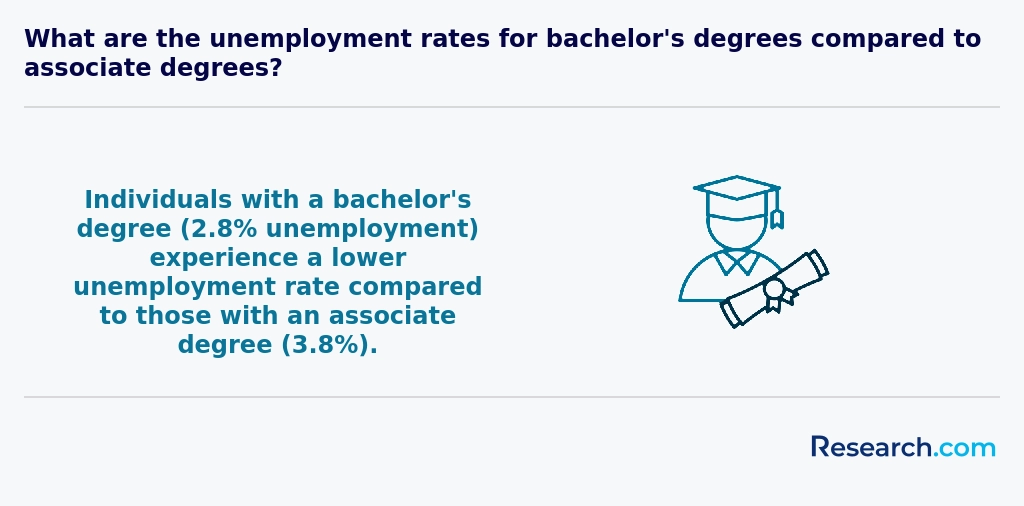
In Alaska, earning an online degree can notably enhance career mobility and opportunities for advancement. According to the Alaska Department of Labor and Workforce Development, residents with at least a bachelor's degree have unemployment rates nearly half those without postsecondary education. Employers increasingly value flexible skills gained through accredited online programs, especially in sectors like healthcare, education, and engineering, which are vital to Alaska's economy.
Online degrees also allow working professionals to upskill without relocating, vital in a state known for geographic challenges. Data from the U.S. Bureau of Labor Statistics shows that Alaskans with higher education earn about 50% more annually than those with only a high school diploma.
This wage premium supports greater job stability and opens doors to supervisory or managerial roles that often require formal qualifications.
Choosing between a thesis and a non-thesis degree program in Alaska depends largely on your career goals and learning preferences. A thesis program involves conducting original research and writing a substantial paper, which is ideal if you plan to pursue further graduate study or research-oriented roles. The University of Alaska system offers several online master's degrees with thesis options that emphasize research skills.
Non-thesis programs focus more on coursework and practical knowledge, often including capstone projects or comprehensive exams. These programs suit working professionals seeking to advance careers without committing to a lengthy research project. According to the Alaska Commission on Postsecondary Education, many students in the state favor non-thesis tracks for their flexibility and applicability.
Consider your time availability and long-term plans carefully to make the best choice between these options.
Students based in Alaska interested in studying abroad have several options within the U.S. higher education system. Many Alaska universities, including the University of Alaska system, offer exchange programs and partnerships with international institutions that allow students to earn credits abroad. These programs often combine the flexibility of online coursework with short-term overseas study experiences.
Additionally, students can enroll in fully online degree programs from accredited institutions nationwide, enabling them to access global perspectives without leaving Alaska. According to the National Center for Education Statistics, about 14% of Alaska postsecondary students participate in study-abroad related options, reflecting moderate engagement compared to other states.
Financial aid and scholarships may also support international study, though students should consult their institution's advisors for specific eligibility.
Part-time job opportunities in Alaska that complement online degree education vary depending on your field of study. Many students pursue roles in healthcare, such as medical assistants or pharmacy technicians, which align with growing industries in Alaska. According to the Alaska Department of Labor, healthcare jobs are projected to grow by 15% through 2030, offering practical experience alongside education.
In technology fields, part-time roles like IT support or junior web developer positions are available, supporting Alaska's expanding digital economy. Retail and customer service jobs often also provide flexible schedules suitable for students.
Engaging in internships with local government agencies or nonprofit organizations can enrich learning while building a professional network.
Online students in Alaska can access various networking opportunities despite geographic challenges. Many universities offering online programs, such as the University of Alaska system, provide virtual career fairs, alumni networks, and online student organizations to foster connections.
In addition, students can engage in statewide professional groups and local chapters relevant to their fields. Alaska's Department of Labor and Workforce Development supports networking through apprenticeship programs and industry events, some of which are accessible virtually.
According to the 2023 National Center for Education Statistics, over 40% of Alaskan college students participate in online programs, highlighting growing access to digital networking resources statewide.
Alumni networks play a significant role in supporting online degree students in Alaska by connecting them with experienced professionals and peers across the state. These networks offer access to job leads, internships, and mentorship opportunities, which are valuable given Alaska's unique and sometimes limited job market. According to the University of Alaska system, over 60% of graduates find employment through alumni referrals.
In addition, alumni events and online groups help students build professional relationships, a key asset for career advancement in Alaska's dispersed communities. Networking also fosters lifelong learning and collaboration beyond graduation.
In Alaska, learners can customize their online degree programs to align with specific career goals by selecting flexible courses and concentrations offered by accredited institutions. Many universities in the state, including the University of Alaska system, provide options to tailor degrees through electives and specialization tracks. Students often have the ability to choose from diverse fields such as environmental science, business, or healthcare, which reflect Alaska's economic priorities according to the Alaska Department of Labor.
Advising services play a crucial role in helping students map out their academic paths. Advisors assist in ensuring course selections meet both professional requirements and state licensure standards where applicable. Additionally, online programs often allow part-time enrollment and self-paced study, which accommodates working adults seeking career advancement.
Utilizing Alaska's workforce data and education resources can help students match program choices with in-demand jobs, further increasing the relevance of their customized degree plans.
Online students in Alaska often face unique challenges due to the state's vast geography and sparse population. Reliable internet access remains a significant hurdle; according to the Federal Communications Commission (FCC), around 25% of Alaskan households lack high-speed broadband, which can disrupt course participation and submission deadlines.
Time zone differences also affect students enrolled in programs based outside Alaska. Coordinating live sessions or deadlines can be difficult, especially for those balancing work or family obligations.
Another challenge involves limited local academic support. Unlike students in more populous states, Alaskans may find fewer in-person resources, such as tutoring or study groups, which impacts learning effectiveness.
Financial concerns add to the burden; although some programs offer in-state tuition rates, students must often manage additional costs like technology upgrades or travel for occasional campus visits.
Writing a winning application for an online college program in Alaska requires careful preparation and attention to detail. Start by thoroughly researching the specific program requirements, as universities like the University of Alaska system have unique criteria for online learners. Highlight your connection to Alaska or your interest in serving local communities, which can strengthen your application.
Focus on crafting a clear, concise personal statement that explains your goals and how the degree aligns with them. Include relevant work or volunteer experience, especially in fields important to Alaska's economy, such as health care, education, or natural resources.
Be sure to submit all required documents before deadlines, including transcripts and letters of recommendation. According to the Alaska Commission on Postsecondary Education, early submission can improve your chances by allowing more time for review.
Finally, proofread your application carefully to avoid errors and demonstrate professionalism.
Students pursuing online degrees in Alaska can gain practical experience through local internships and cooperative education (co-op) programs. Many Alaskan colleges collaborate with businesses in sectors like healthcare, fisheries, and energy, which are vital to the state's economy. The University of Alaska system, for example, offers internships that connect students with industry partners while studying remotely.
Additionally, students may engage in virtual internships or project-based learning opportunities offered by employers statewide. According to the Alaska Department of Labor, sectors such as health care and natural resources showed steady growth, providing ample hands-on training prospects.
Volunteering and community projects also help develop skills while benefiting local organizations.
Choosing the right concentration within an online degree program in Alaska involves evaluating your career goals and local job market demands. Alaska's economy heavily relies on industries like energy, healthcare, and public administration, which influence popular concentrations. According to the Alaska Department of Labor, healthcare-related fields are projected to grow by 15% through 2030, making concentrations in nursing or health administration promising choices.
Consider also your personal interests and strengths, since an online format requires strong self-motivation. Many Alaskan institutions allow flexibility in course choices, which can help tailor your focus to emerging sectors such as environmental management, critical for Alaska's unique ecosystem.
Additionally, verify that the online program is accredited and recognized across Alaska to ensure your concentration aligns with industry standards and licensing requirements in the state. Resources like the Alaska Commission on Postsecondary Education provide guidance on approved programs suitable for local employment.
- 2027 Easiest Online Colleges Programs Ranking in Washington
- 2027 Easiest Online Colleges Programs Ranking in Oregon
- 2027 Easiest Online Colleges Programs Ranking in California
- 2027 Easiest Online Colleges Programs Ranking in Hawaii
- 2027 Easiest Online Colleges Programs Ranking in Idaho
- 2027 Easiest Online Colleges Programs Ranking in Montana
- 2027 Easiest Online Colleges Programs Ranking in Utah
- 2027 Easiest Online Colleges Programs Ranking in Arizona
- 2027 Easiest Online Colleges Programs Ranking in Colorado
- 2027 Easiest Online Colleges Programs Ranking in New Mexico
- How to Choose a Master’s Concentration: Step-by-Step Guide (2026) https://degreefromanywhere.com/choosing-a-concentration/
- Conservation Internships https://alaskaconservation.org/community-resources/internships/
- How To Apply https://alaskacareercollege.edu/admissions/how-to-apply
- List of alumni staying in Alaska - COEP Alumni Network https://www.coepalumni.net/dir/state/Alaska.dz
- For students - Studyportals https://studyportals.com/for-students/
- YOUTH PROGRAMS | Alaska Resource Education https://www.akresource.org/youth-programs
- Study Abroad Programs | Go Overseas https://www.gooverseas.com/study-abroad
- Online Degree Programs at Universities in Alaska: Guide https://collegeandtuition.com/online-degree-programs-at-universities-in-alaska-guide/
- Networking Events in Alaska - Elevate Your Career | Eventbrite https://www.eventbrite.com/d/united-states--alaska/networking/
- Online Colleges in Alaska | OnlineColleges.net https://www.onlinecolleges.net/alaska/


