
2027 Best Online Colleges Programs Ranking in Florida

Co-Founder and Chief Data Scientist
Choosing the right online college program in Florida can feel overwhelming. That's why the Research.com team of data scientists created the 2027 Best Online Colleges Programs Ranking in Florida to guide you through your options.
This article will help you discover degree programs that match your goals and lifestyle, making your decision easier and more confident. Pursuing a degree opens doors to new opportunities and personal growth, and finding the perfect program is the first step.
Explore this ranking to take a positive step toward your future today.
Key benefits of getting online degrees in Florida
- Graduates in Florida with a bachelor's degree earn an average salary of around $55,000, while those with a master's degree can see salaries rise to about $75,000, demonstrating clear financial benefits as degree levels increase.
- An online business graduate from the University of Florida often pursues roles in marketing or management, enjoying strong job growth and rewarding career opportunities in the state's booming economy.
- Completing an online nursing program at Florida State University allows graduates to balance work and study perfectly, leading to quicker employment without sacrificing quality compared to traditional degrees.
- 2027 Best Online Colleges Programs Ranking in Florida
- What can I expect from online degrees in Florida?
- How much can I make with online degrees in Florida?
What can I expect from online degrees in Florida?
When you dive into an online degree in Florida, expect a learning journey designed around your busy life. Imagine juggling work and family, yet attending classes at your own pace thanks to asynchronous formats offered by top schools like the University of Florida or Florida State University. Graduates often share how this flexibility feels like unlocking a personal superpower, letting them study late at night or early mornings without sacrificing time with loved ones.
Quality is never compromised-these programs hold strong accreditation, so credits transfer smoothly and financial aid through FAFSA is within reach, just like traditional programs. Picture accessing world-class libraries and career services right from your home, bridging any distance to campus resources.
Tuition is friendlier for Florida residents, with rates around $150 to $200 per credit hour at public institutions, making education more accessible. Graduates report that their credentials open doors in thriving sectors like healthcare and technology, reflecting the state's dynamic economy and your own adventurous leap toward a promising future.
How much can I make with online degrees in Florida?
Curious about your earning potential with an online degree in Florida? Graduates from popular institutions like the University of Florida or Florida State University often find themselves stepping into careers that pay well right from the start. For example, many who earned online bachelor's degrees in business or finance report median salaries between $55,000 and $70,000 annually-enough to feel confident and ready to explore new opportunities in bustling cities like Miami or Tampa.
Imagine a graduate from the University of Central Florida diving into healthcare, where nursing roles offer even stronger income prospects around $60,000 to $80,000. The hands-on skills combined with online learning create a powerful launchpad for fulfilling and well-paid healthcare careers.
Tech fields shine brightly too. Graduates with computer science or IT degrees from schools like Florida International University often see salaries soar from $75,000 to a thrilling $95,000, thanks to Florida's growing tech hubs. Meanwhile, those studying education or social work might start closer to $45,000 but gain valuable benefits and a secure future, perfect for those seeking meaningful work in their communities.
In Florida, an online degree is more than just a credential; it's a ticket to new adventures and financial freedom in dynamic industries.
- Online degrees in Florida are offered by many accredited public and private institutions across various levels including associate, bachelor's, master's, and doctoral programs.
- Tuition for online undergraduate programs at public universities typically ranges from $6,000 to $8,000 per year for in-state students, while private institutions charge between $15,000 and $25,000 annually.
- Entry-level salaries for graduates in high-demand fields like healthcare, IT, and business range from $45,000 to $55,000, with median salaries rising to $70,000 or more for experienced professionals.
- Major job markets in Florida include Miami, Tampa, Orlando, and Jacksonville, with strong industries in tourism, healthcare, technology, finance, and education.
- Accreditation by the Southern Association of Colleges and Schools Commission on Colleges (SACSCOC) is crucial for degree recognition and eligibility for federal financial aid.
- Many online programs in Florida offer support services like career counseling, virtual tutoring, and internships, often aligning their curriculum with local industry needs.
Think of an associate degree from a Florida College System school as a two-year journey if you dive in full-time. But if your life's busy with work or family, like many part-time students, the trip might stretch to three or four years-each credit a small stepping stone forward.
Graduate degrees offer the widest range of timelines. At Florida State University, master's students say the experience ranges from a fast-paced one year to three years, depending on the program's intensity and how much time you can dedicate amid your daily rhythms.
Transfer credits, flexible scheduling, and personal commitments all sculpt your unique path, making every student's story distinctly their own in the ever-adaptable Florida online education landscape.
When exploring online programs in Florida, it is important to compare the benefits and challenges of remote learning with those of traditional on-campus education. Online programs typically offer greater flexibility and reduced costs, allowing students to maintain a balanced work-life-study schedule. In addition, many online institutions provide comprehensive academic support, virtual networking opportunities, and diverse program offerings that rival their on-campus counterparts. Despite these advantages, prospective students should consider elements such as hands-on experiences and campus community engagement, which are more readily available in a traditional setting. For instance, while on-campus programs may offer direct access to state-of-the-art facilities and robust extracurricular activities, online degrees often incorporate innovative digital tools and strategies to create an interactive learning environment. Balancing these factors enables students to choose the format that best fits their personal and professional goals. To explore cost-effective options and additional insights on tuition savings, check out our guide on most affordable online colleges. This comprehensive comparison can empower students to make an informed decision that aligns with both their financial considerations and long-term career ambitions.
Imagine juggling a full-time job while earning your degree from the University of Florida - online programs offer unmatched flexibility. Graduates often describe the freedom to attend lectures at midnight or during lunch breaks, making education fit naturally into busy lives. This contrasts with the traditional path at Florida State University, where being on campus means immersing yourself in vibrant classroom discussions, late-night library sessions, and hands-on labs that spark deeper connections with peers and professors.
Costs in Florida remain surprisingly comparable, with public institutions like the University of Central Florida charging around $6,500 annually whether you study online or on campus. Yet, online learners save on commuting and housing, allowing more financial breathing room. Both routes share strong accreditation, guaranteeing your diploma holds the same weight across Florida and beyond.
Think of online learning as navigating a digital adventure from anywhere with reliable internet, while on-campus study immerses you in the heart of campus life - complete with campus events, study groups, and face-to-face support. Each path invites you to explore knowledge through a lens that fits your unique lifestyle.
Graduates of online programs in Florida benefit from a dynamic job market that spans multiple industries, from traditional office settings to fully remote roles. Whether you’re just starting out or looking to advance with a graduate credential, here are the most common career destinations: • Healthcare and Telehealth: Hospitals, clinics, home health agencies, and growing telemedicine providers in Miami, Tampa, and Orlando. Roles include registered nurse, health administrator, and clinical informatics specialist. • Finance and Accounting: Major banks, insurance firms, and accounting practices across Jacksonville and West Palm Beach. Positions range from financial analyst and tax consultant to budget manager. • Technology and Cybersecurity: Tech startups and established IT firms in the Space Coast and Jacksonville tech corridors. Job titles include software developer, network architect, and cybersecurity analyst. • Education and Training: Public school districts, community colleges, and corporate training departments. Graduates often serve as online instructors, instructional designers, or academic advisors. • Government and Public Service: State agencies, municipal planning offices, and emergency management teams in Tallahassee and beyond. Opportunities include policy analyst, urban planner, and program coordinator. • Remote and Freelance Work: Many Florida alumni leverage online learning to secure flexible roles-such as digital marketing consultant, freelance graphic designer, or virtual project manager-that can be performed from anywhere. For professionals aiming to fast-track their career growth, exploring the easiest master’s programs to get into can open doors to senior roles and specialized fields. By aligning your online degree with in-demand industries, you’ll maximize employability in Florida’s robust and evolving job landscape.
The average cost of an online degree in Florida offers a surprising blend of affordability and quality, with median total costs around $38,355. For residents who embrace the convenience of studying remotely, in-state options often hit a more manageable median of $15,501, making pursuing an education doable without breaking the bank. Graduates from public universities share stories of balancing work and classes online while appreciating the lower tuition compared to out-of-state learners, whose median totals climb to $47,190. This financial difference often inspires students to seek residency or take advantage of Florida's community college pathways, well-known for their budget-friendly online associate programs leading to bachelor's completion.
Florida online college tuition fees reflect the state's diverse options-from public institutions with reasonable costs to private universities where tuition can soar but incentives like scholarships sweeten the deal. Imagine a student juggling family life, sipping coffee while watching a recorded lecture from a beach town; this relatable scenario spotlights how many find joy in the flexibility and value of an online degree within the Sunshine State. Additional fees such as course materials and occasional travel for exams are part of the adventure but often manageable with proper planning.
For those curious about the most cost-effective ways to earn a credential, exploring programs through a affordable online general school in florida unlocks opportunities to experience higher education without excessive financial strain. Whether aiming for an associate or bachelor's degree, Florida's online education landscape invites students to embark on a rewarding journey tailored to their lifestyle and budget.

When evaluating the affordability of online degree programs, it’s important to benchmark Florida’s median tuition against other U.S. regions to understand where students can find the best value. In Florida, the average total cost for an online degree is $45,000, with in-state students paying around $15,635 and out-of-state students averaging $48,152. By contrast, many Western states offer even lower tuition rates for online learners, driven by competitive state funding models and streamlined program delivery. For example, in several Western public universities, online bachelor’s programs can be completed for under $12,000 in-state, and even out-of-state learners often pay less than $20,000. To explore these highly affordable options, see our Cheapest Online Colleges Programs Ranking in the West, which showcases institutions that balance cost-effectiveness with academic quality. Key factors contributing to regional cost variations include:
- State Subsidies: Western states such as California and Washington invest heavily in digital learning infrastructure, passing savings on to students.
- Program Scale: Larger online cohorts spread fixed costs-like platform maintenance and faculty support-over more enrollees, reducing per-student fees.
- Articulation Agreements: Several Western community-college systems have seamless transfer pathways to four-year universities, cutting total credit-hour requirements and lowering overall expenses. Understanding these regional dynamics helps Florida residents compare value and consider whether out-of-state online programs might align better with their budget without sacrificing program quality.
Imagine starting your online degree journey in Florida and unlocking a treasure chest of financial aid opportunities crafted just for you. By filling out the Free Application for Federal Student Aid (FAFSA), you open doors to Pell Grants, federal student loans, and work-study programs that many graduates from the University of Florida Online have eagerly tapped into to reduce their tuition worries.
State aid programs like the Florida Student Assistance Grant (FSAG) and the Bright Futures Scholarship Light up possibilities for students who excel academically. Bright Futures, for instance, can cover from 75% to 100% of tuition and fees at public institutions, making dreams more tangible for online learners at schools such as Florida State University.
Institutional scholarships are another gem often overlooked. Online students at institutions like the University of Central Florida frequently share stories of scholarships awarded for both merit and financial need, painting a hopeful picture for those balancing work and study.
Federal student loans offer flexible repayment plans, calming the nerves of those financing their futures, while workforce grants and employer tuition assistance add an adventurous twist to financing education without drowning in debt.
When evaluating your higher education options, it’s crucial to understand how online programs compare to traditional on-campus formats within Florida’s dynamic education landscape. Online degrees offer significant advantages in terms of flexibility, cost-effectiveness, and the ability to balance personal commitments with academic goals. In contrast, traditional programs often provide immersive campus environments, face-to-face interactions, and on-site resources that some students value for building personal networks. For instance, while a conventional campus setting may facilitate hands-on laboratory experiences and immediate access to campus facilities, online programs leverage advanced digital platforms and virtual collaboration tools to bridge that gap. Moreover, many prospective students are seeking verified, cost-effective education pathways. Options like the affordable online general school in florida provide a robust alternative to traditional routes, delivering quality content and comprehensive support services without the added expense of relocation and campus maintenance fees. This critical comparison allows you to assess if the autonomy and technological integration of online learning align with your learning style and career objectives-or if the traditional campus experience better suits your educational needs. Both paths have distinct benefits, and your choice should ultimately reflect your personal, professional, and financial circumstances.
Many programs ask for a GPA that reflects your dedication-often between 2.0 and 3.0. This encourages you to bring your academic best, much like those enrolling in the bustling online community at the University of Central Florida. Some students fondly recall how this pushed them to grow, turning challenges into achievements.
Proof of Florida residency often sweetens the deal, making tuition more affordable and fostering a close-knit learning environment that students appreciate when balancing work or family. Technical readiness also plays a starring role. Alumni from Florida International University often highlight the importance of reliable internet and digital skills, reminding hopefuls that these tools are your passports to vibrant virtual classrooms.
Graduate programs raise the bar slightly, expecting a completed bachelor's and sometimes personal statements or recommendations, weaving personal stories into the application tapestry-just like many online learners experienced at Nova Southeastern University. Placement tests might pop up too, guiding you toward the right starting point without overwhelming your ambitions.
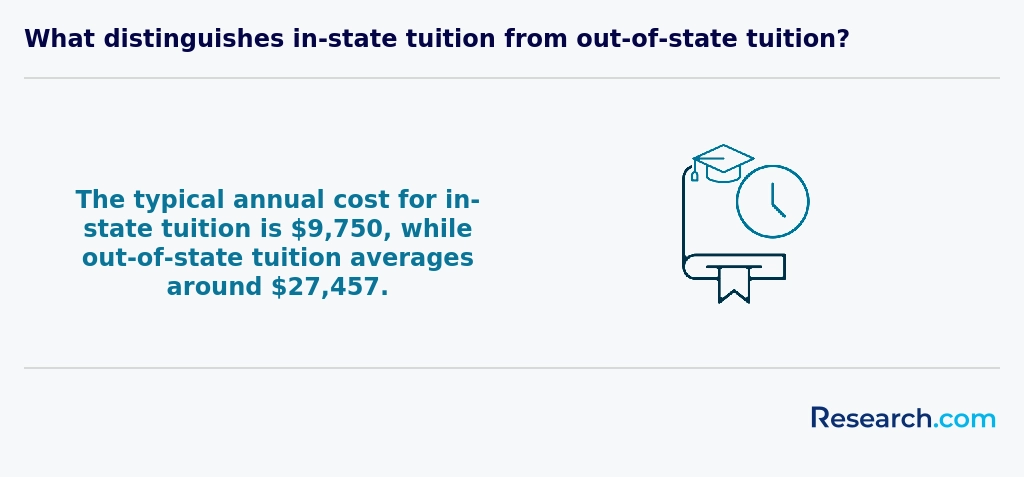
Students weighing their options often ask how an online degree stacks up against a conventional on-campus experience. While both pathways lead to accredited credentials, key differences can influence your decision: • Flexibility and Scheduling: Online programs allow asynchronous learning-complete coursework at any time-whereas on-campus classes follow a fixed schedule. This flexibility benefits working professionals, parents, and those in remote areas who need to balance study with other commitments. • Cost and Convenience: Eliminating commuting and campus fees often makes online degrees more affordable. In-state tuition for online courses can be up to 30% lower than on-campus rates, and students save on housing and meal plans. • Interaction and Networking: Traditional campuses offer face-to-face lectures, study groups, and campus events that foster immediate peer and faculty engagement. Online learners compensate through virtual discussion boards, live webinars, and networking platforms-but must be proactive in building relationships. • Technology and Learning Resources: Online programs leverage learning management systems (LMS) like Canvas or Blackboard, digital libraries, and video lectures. Campus students gain hands-on access to labs, research facilities, and on-site support services. • Career Outcomes and Recognition: Employers increasingly value online degrees from accredited Florida institutions equally to traditional diplomas-as long as they see evidence of rigorous coursework and relevant experience. For those interested in advancing beyond a master’s, you can explore our most affordable online doctorate programs to continue building expertise. By understanding these distinctions, prospective students can choose the format that aligns best with their learning style, budget, and professional goals.
When diving into online college programs Florida offers, students often embark on an exciting journey beginning with foundational courses like English composition, social sciences, and math - think college algebra or statistics. Imagine a graduate from the University of Florida recalling how mastering these basics set the stage for deeper discovery. These courses build essential skills that unlock doors to specialized fields, sparking curiosity and confidence.
As the path unfolds, learners explore targeted subjects aligned with their majors. Business enthusiasts at Florida State University might engage with accounting and marketing, while nursing students tackle anatomy and patient care, often coordinating local clinical hours. This adventure through curriculum mirrors real-world challenges, keeping the learning dynamic and relevant.
Students seeking the best online degree courses in Florida appreciate how these programs blend rigorous academics with flexibility, enabling them to balance life's demands. For those interested in exploring options that won't break the bank, check out the most affordable online colleges statewide, fueling dreams without financial stress.
When setting out to find the best affordable online degree programs Florida offers, think about what fits your everyday rhythm. Imagine juggling work or family while catching up on your classes at a popular Florida university known for flexible schedules-graduates often share how asynchronous lessons at these institutions empowered them to learn at their own pace, sparking excitement in their educational journey.
Accreditation is your compass. Many top accredited online colleges Florida provide regional accreditation, a badge of trust that graduates say opened doors for credit transfers and boosted confidence with employers. Picture graduating knowing your degree holds weight on a résumé and eases the path to federal financial aid.
Explore programs that not only match your career dreams but also connect you with faculty who bring real-world expertise-graduates recall how this gave them an edge in Florida's competitive job market. Be sure to check if the curriculum aligns with the state's booming sectors like healthcare and technology.
Cost should not hold back your ambitions. For a deeper dive into affordability, consider exploring most affordable online doctorate programs as an example of how financial planning can unlock possibilities.
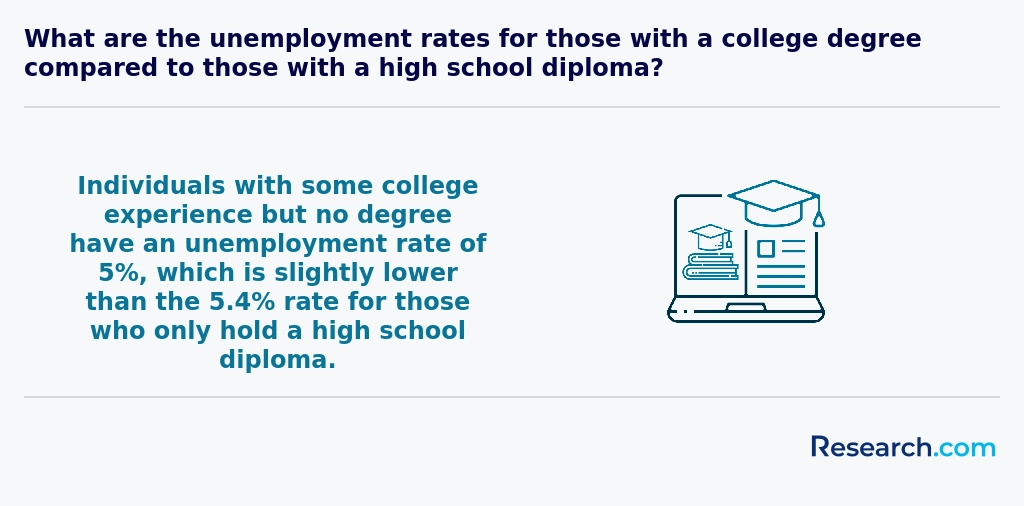
Graduates with online degrees in Florida find themselves stepping into dynamic career paths energized by the state's diverse economy. Picture a healthcare graduate from a top Florida university confidently joining a bustling hospital in Miami, navigating the rising demand for nursing and public health expertise fueled by the state's aging population. This is a prime example of Florida job prospects for online graduates thriving in real-world settings.
Tech-savvy alumni often dive into Florida's expanding technology hubs like Tampa or Orlando, where cybersecurity and software development roles flourish. Imagine a recent graduate securing a role in data analysis with a growing startup, empowered by an online degree from a respected state college. Meanwhile, business-minded students revel in the vibrant markets of tourism and international trade, imagining themselves shaping corporate strategies or managing finances across Florida's bustling sectors.
- Education and teaching: Online degree holders enhance classrooms across Florida, advancing in special education or instructional technology.
- Legal and criminal justice: Graduates explore careers in public administration or paralegal fields, contributing to community safety and governance.
- Engineering and environmental sciences: Many address pressing local challenges like coastal preservation, reflecting Florida's unique environmental needs.
If you seek flexibility, consider online master's degrees. Many discover easiest master's programs to get into that open doors to even more possibilities, embracing the adventurous spirit of lifelong learning in the Sunshine State.
Graduates earning online degrees in Florida are stepping into a job market alive with possibilities and growth. Many who completed degrees at popular institutions report landing roles in healthcare, IT, and business sectors, fueled by the state's expanding industries and a shift in employer attitudes toward remote credentials. Imagine a recent graduate from the University of Central Florida who completed an online nursing program finding rewarding work in Tampa's healthcare system, thriving as the need for skilled professionals soars.
Florida's diverse economy means that online general degree holders can explore exciting careers in marketing, finance, or management, especially in bustling cities like Miami and Orlando. The Florida job market for online graduates is not just promising-it is actively embracing the flexibility and skills that come with online learning. One graduate shared that their online business degree opened doors to roles in tourism-related companies, where hands-on projects during their studies made the transition seamless.
For those curious about affordable paths, checking out the Cheapest Online Colleges Programs Ranking in the West can ignite ideas. Overall, tackling the online degree jobs in Florida adventure means engaging with a market eager for talent, practical experience, and evolving credentials.
2027 Best Online Colleges Programs Ranking in Florida
Investing in your education is a significant decision that can shape your future, and the Research.com team is committed to supporting you in making well-informed choices. To aid prospective students in Florida, we have carefully developed the "2027 Best Online Colleges Programs Ranking in Florida." Our dedication to quality, credibility, and accuracy is evident in the thorough research and analysis behind this ranking.
We utilized the following reputable data sources to ensure a comprehensive evaluation of online college programs:
By exploring this ranking, readers will gain valuable insights into the best online college programs available in Florida, helping them confidently navigate their educational choices. For more information on how the ranking was created, please visit our Research.com methodology page.

# 5 position
University of Florida
Master of Microbiology and Cell Science: Medical Microbiology and Biochemistry
Frequently Asked Questions
Students in Florida can maximize their online learning experience by actively engaging with available resources and structuring their study routines. The Florida Virtual Campus reports that nearly 40% of Florida college students enroll in at least one online course, emphasizing the importance of time management and self-discipline.
Florida offers access to numerous digital libraries and tutoring services, which help improve understanding of complex subjects. Additionally, joining virtual study groups or campus forums encourages collaboration and networking.
Florida's state universities often provide free software and technical support to online learners, ensuring smooth course participation. Utilizing these tools can significantly enhance academic performance and satisfaction.
After completing an online degree in Florida, preparing for the job market requires strategic planning. Start by updating your resume and LinkedIn profile to highlight relevant skills and online coursework. According to the Florida Department of Economic Opportunity, sectors like healthcare, technology, and education are growing rapidly, so targeting these fields can improve job prospects.
Networking is essential-engage with Florida-based professional groups and use platforms like Handshake, which many Florida universities support. Additionally, internships or part-time roles, even virtual ones, provide practical experience.
Finally, consider certifications recognized in Florida's job market to boost your credentials beyond your online degree.
Employers in Florida increasingly prioritize a blend of technical and soft skills when hiring graduates. According to the Florida Department of Education, communication, problem-solving, and critical thinking are among the top soft skills sought after. These are essential across industries such as healthcare, technology, and business services, which dominate the state's job market.
Technical skills vary by field but often include data analysis, digital literacy, and proficiency with industry-specific software. The Florida Chamber Foundation's 2023 workforce report highlights that nearly 70% of employers expect graduates to demonstrate adaptability and teamwork alongside technical expertise.
Focusing on these skills during an online degree program can enhance job prospects significantly.
Finding internships in Florida begins with leveraging university resources. Many online degree programs in Florida offer career services that help connect students with local and remote internship opportunities. Checking with your school's internship or career office is a good first step.
Additionally, websites like Handshake and Internships.com list thousands of positions across Florida industries such as tourism, healthcare, and technology. According to the Florida Department of Economic Opportunity, internships in healthcare and information technology are growing fields with increasing availability.
Networking plays a crucial role; joining professional groups on LinkedIn or attending local career fairs, even virtually, can open doors. Florida's diverse economy and the presence of many corporate headquarters make internships accessible in a variety of sectors.
In Florida, obtaining an online degree can significantly enhance career mobility and advancement. According to the Florida Department of Education, bachelor's and higher degrees increase the likelihood of securing higher-paying management and professional roles. Many Florida employers recognize accredited online degrees from state universities, valuing the flexibility and skills gained.
Data from the U.S. Bureau of Labor Statistics shows that individuals with a bachelor's degree in Florida earn about 67% more on average than those with only a high school diploma. Online degrees also enable working professionals to upskill without interrupting their careers, which supports promotions and job changes.
Additionally, Florida's growing industries, such as healthcare and technology, often require specialized credentials accessible through online programs, further supporting career growth. The state's investment in online education infrastructure increases pathways for career advancement statewide.
Choosing between a thesis and a non-thesis degree program in Florida depends largely on your career goals and learning preferences. Thesis programs focus on original research, requiring students to produce a substantial written project. This path suits those aiming for academic roles or doctoral studies.
Non-thesis programs emphasize coursework and practical skills, often including comprehensive exams or projects. They are ideal for professionals seeking to advance in the workforce without committing to intensive research.
According to the Florida Department of Education, many public universities offer both options online, with thesis tracks typically involving fewer credit hours but more research time.
Consider the time commitment: thesis programs may take longer since research demands flexibility and persistence.
Students in Florida interested in studying abroad while pursuing online degrees have several options. Many Florida universities, such as the University of Florida and Florida State University, offer study abroad programs integrated with their online curricula. According to the Institute of International Education, over 5,000 Florida students participated in study abroad programs in 2022, ranking the state among the top in the nation for outbound student mobility.
Florida institutions often partner with international universities, enabling students to earn credits remotely or through short-term overseas experiences. These programs typically focus on culturally immersive experiences in Europe, Latin America, and Asia.
Financial aid and scholarships for study abroad are accessible to online students through Florida's Bright Futures Program and institutional support, encouraging broader participation.
Part-time jobs in Florida that complement online degrees often align with the state's thriving industries such as healthcare, technology, and tourism. For example, students pursuing healthcare degrees may find opportunities as medical assistants or patient care technicians, reflecting Florida's status as one of the largest employers of healthcare workers nationwide, according to the Florida Department of Economic Opportunity (DEO).
Technology students can seek roles like IT support specialists or junior web developers. The DEO reports these positions growing faster than the national average in Florida due to expanding tech firms in cities like Miami and Tampa. Additionally, business or marketing majors can explore internships or assistant roles in Florida's diverse tourism sector, which contributes over $90 billion annually to the state economy.
These part-time jobs provide relevant experience, flexible schedules, and networking opportunities valuable for online degree students balancing work and study.
Online students in Florida have increasing access to valuable networking opportunities despite studying remotely. Many public and private institutions facilitate virtual career fairs, webinars, and professional meetups tailored specifically for online learners. According to the Florida Department of Education, over 65% of online programs offered by state universities encourage participation in digital student organizations and alumni networks.
Additionally, colleges partner with local industries and organizations in major metro areas such as Miami, Orlando, and Tampa to provide internships and mentorships. Platforms like LinkedIn groups specific to Florida-based programs also help students connect with peers and professionals statewide.
These efforts help online students build relationships critical for career advancement and professional growth within Florida's dynamic job market.
Alumni networks play a significant role in supporting online degree students in Florida by connecting them to a wide range of professional and academic resources. Graduates often gain access to mentorship opportunities, job leads, and career advice through these communities.
According to the Florida Department of Education, institutions with active alumni networks have reported up to a 20% higher employment rate among recent graduates. This is crucial for online students, who may lack traditional on-campus networking.
Furthermore, alumni connections help students stay informed about industry trends and local job markets, which is especially valuable in Florida's diverse economy.
Many Florida colleges offering online degrees provide customizable options to align education with your career goals. You can often choose elective courses or specializations within your major that directly relate to your desired profession. For example, an online business degree might allow you to focus on entrepreneurship, finance, or marketing. Institutions such as the University of Florida and Florida State University offer flexible curricula designed for working adults.
Additionally, some programs allow you to earn certifications alongside your degree, enhancing job marketability. Academic advisors in Florida's online programs are key resources who help tailor your coursework to meet industry standards and personal objectives.
According to Florida's Department of Education, over 75% of online students report having a degree plan suited to their career aspirations, showing increased satisfaction and success rates.
Online students in Florida often face several notable challenges, impacting their educational experience and success. One primary issue is limited access to reliable high-speed internet, especially in rural areas, which affects around 10% of Floridians according to the Federal Communications Commission. This digital divide can hinder timely participation in live lectures and access to course materials.
Another challenge is balancing coursework with personal and professional responsibilities. Many online learners in Florida are adult students who juggle jobs and family, making time management difficult.
Additionally, students sometimes struggle with limited in-person support services, such as tutoring and academic advising, which are less accessible in virtual formats.
Lastly, ensuring programs have proper accreditation is crucial to protect students' investment and future career prospects, requiring careful research.
Writing a winning application for a college or university program in Florida starts with thorough research. Identify the schools offering accredited online degrees recognized by the Southern Association of Colleges and Schools Commission on Colleges (SACSCOC). Florida ranks high in online enrollment, with over 300,000 students taking at least one online course statewide, according to the Florida Department of Education.
Next, tailor your personal statement to highlight your goals, experiences, and why the program fits your career aspirations. Admissions officers value clarity and specificity. Provide clear evidence of your readiness for online study, emphasizing time management and self-discipline.
Include strong letters of recommendation and verify all academic records are up to date. Meeting application deadlines-often between November and February for fall terms-is essential. Follow instructions precisely, and proofread your materials carefully to avoid errors.
Gaining practical experience while studying online in Florida is essential for career readiness. Many Florida institutions offer virtual internships and cooperative education (co-op) programs that align with online coursework. For example, the Florida Virtual Campus connects students with local employers seeking remote interns.
Additionally, experiential learning can come from service-learning projects, often integrated into online courses, helping students apply theory to real-world challenges. According to the Florida Department of Education, over 60% of online students participate in these opportunities.
Networking through university career centers also helps students access job fairs, webinars, and mentoring tailored to Florida's job market.
Choosing the right concentration within an online degree program in Florida starts with understanding your career goals. Florida's diverse economy demands various skills, so consider concentrations that align with growth industries like healthcare, technology, and finance. According to the Florida Department of Economic Opportunity, healthcare and tech fields are expected to grow 15% and 12% respectively through 2028.
Research program curricula carefully. Look for concentrations that offer practical skills and certifications recognized by employers in Florida. For example, cybersecurity and nursing concentrations often include industry-specific certifications, enhancing job prospects. Additionally, check if the program is accredited by recognized bodies such as the Southern Association of Colleges and Schools Commission on Colleges (SACSCOC).
Finally, consider flexibility and support services. Online programs with strong advising and career services can help tailor a concentration that meets both educational and professional aspirations in Florida's competitive job market.
- 2027 Best Online Colleges Programs Ranking in Georgia
- 2027 Best Online Colleges Programs Ranking in South Carolina
- 2027 Best Online Colleges Programs Ranking in Tennessee
- 2027 Best Online Colleges Programs Ranking in Kentucky
- 2027 Best Online Colleges Programs Ranking in Virginia
- 2027 Best Online Colleges Programs Ranking in West Virginia
- 2027 Best Online Colleges Programs Ranking in Indiana
- 2027 Best Online Colleges Programs Ranking in Ohio
- 2027 Best Online Colleges Programs Ranking in Illinois
- 2027 Best Online Colleges Programs Ranking in Pennsylvania
- What are the top 10 skills that'll get you a job when you graduate? https://targetjobs.co.uk/careers-advice/skills-for-getting-a-job/what-are-top-10-skills-thatll-get-you-job-when-you-graduate
- Tips for Choosing Your Graduate Concentration - Graduate Programs for Educators https://www.graduateprogram.org/blog/tips-for-choosing-your-graduate-concentration/
- Salary expectations for different majors in Florida Public Universities (2024) https://ballotpedia.org/Salary_expectations_for_different_majors_in_Florida_Public_Universities_(2024)
- How to Choose Your College Degree Based on Career Goals https://collegedegree.education/how-to-choose-your-college-degree-based-on-career-goals/
- Best Online Degrees for Working Adults in 2026 https://www.straighterline.com/blog/degreecompletion-best-online-degrees-for-working-adults-in-2026
- Thesis vs. Non-Thesis Master's Programs: Which is Right for You? https://potomac.edu/thesis-vs-non-thesis-masters/
- Alumni Networks - Florida Atlantic Alumni https://faualumni.org/networks/
- South Florida State College https://www.southflorida.edu/current-students/student-support-resources/career-development-center/learn-experience
- Know more about thesis vs non- thesis: what is the difference? https://studyfans.com/en/blogs/816
- 6 Part-Time Jobs Good for Your Résumé and Your Major https://www.collegexpress.com/articles-and-advice/career-search/blog/6-part-time-jobs-good-your-resume-and-your-major/


