
Best Associate Degree Programs - Leading Certification Courses in New Hampshire for 2026

Co-Founder and Chief Data Scientist
Choosing the right associate degree program in New Hampshire can shape your future in meaningful ways. This article introduces a carefully crafted associate degree programs ranking developed by the Research.com team of data scientists to guide you toward the best opportunities.
Whether you're starting fresh or considering a career change, an associate degree offers practical skills and a faster route to employment. Reading this guide will help you make an informed decision and find programs that match your goals and interests.
Take the first step toward a brighter future with confidence and clarity.
Key benefits of associate degrees in New Hampshire
- Associate degree graduates in New Hampshire can expect strong salaries, especially in healthcare and technical fields, with median annual incomes ranging from about $47,860 for general roles up to $94,260 for dental hygienists and other in-demand jobs.
- Popular career paths include dental hygiene, radiologic technology, and respiratory therapy-fields known for steady demand and rewarding salaries that reflect the state's competitive job market.
- Completing an online associate degree offers flexibility and convenience, allowing students to balance work and study while gaining valuable skills, often leading to successful careers similar to those of traditional on-campus graduates in New Hampshire.
- Best Associate Degree Programs - Leading Certification Courses in New Hampshire for 2026
- What can I expect from associate degree programs in New Hampshire?
- Where can I work after finishing associate degree programs in New Hampshire?
What can I expect from associate degree programs in New Hampshire?
The average cost of an associate degree program in New Hampshire typically ranges between $8,000 and $12,000 for in-state students, depending on the institution and course load. For example, graduates from NHTI-Concord's Community College often highlight that their tuition, combined with flexible payment plans and financial aid, made completing the required 60 credits manageable without overwhelming debt.
Many students at Southern New Hampshire University appreciate the availability of part-time and online options, which allow them to work while studying and reduce overall expenses related to commuting or housing. These choices make the degree both affordable and accessible, especially for adult learners balancing family or job responsibilities.
Beyond tuition, students report benefiting from support services like academic advising and tutoring, which help them progress efficiently, avoiding extra semesters that could increase costs. Graduates frequently mention feeling confident that their investment was practical and worthwhile, given the strong career readiness focus and transfer pathways that preserve value over time.
Where can I work after finishing associate degree programs in New Hampshire?
Graduates from associate degree programs in New Hampshire often find rewarding employment opportunities across diverse fields. For example, those completing technology programs at local community colleges frequently land roles as computer support specialists or web developers, with median salaries reaching up to $99,730 for information security analysts. This reflects the strong regional demand for IT skills.
In business, many associate degree holders secure positions such as financial analysts or client accounting representatives, earning between $60,000 and $80,000 annually. These roles often come with benefits like health insurance and paid time off, making them attractive options. Graduates from New Hampshire's well-regarded business programs express satisfaction in starting steady careers with clear advancement paths.
Skilled trades and manufacturing also offer solid prospects. Graduates trained locally have moved into jobs like construction inspectors or electric system operators, earning above $60,000. Those interested in architectural engineering or animation attest to finding niche roles with even higher pay. Health care programs consistently lead to stable, fulfilling work, such as clinical nursing or dental hygiene, especially in cities like Manchester where demand remains high.
Overall, associate degree students in New Hampshire benefit from targeted training aligned with thriving local industries, enabling confident entry into well-paid and stable career paths.
After completing an associate degree program in New Hampshire, graduates can generally expect to earn a higher salary compared to those with only a high school diploma. The average hourly wage for associate degree holders here is about $23.01, translating to nearly $48,000 annually for full-time work. Many graduates from well-known local schools find this income boost both encouraging and motivating as they launch their careers.
Fields like healthcare and technology offer especially strong earning potential. For example, graduates who pursued programs in dental hygiene at New Hampshire community colleges often report starting salaries well above $90,000 per year. Similarly, students trained as radiation therapists or diagnostic medical sonographers have seen salaries close to or exceeding $80,000, reflecting the high demand in these technical roles.
Technical graduates, such as those who studied nuclear technology or aerospace engineering technology, typically earn salaries in the $77,000 to $104,000 range. Entry-level professionals, including junior associates in business or technical sectors across New Hampshire, report salaries from around $89,000 up to $110,000, which many attribute to industry connections made during their time at local institutions.
This data illustrates how an associate degree from recognized New Hampshire colleges can translate into fulfilling and well-paid career opportunities, making the investment in education feel both practical and rewarding.
- Emma: Earning my Associate Degree in Nursing from Great Bay Community College gave me hands-on experience that classroom-only programs lacked. The practical skills and supportive instructors prepared me well to start my career quickly at a local hospital. I feel confident knowing I've gained real-world expertise here in New Hampshire.
- Lucas: Studying Automotive Technology at the Lakes Region Community College was a game-changer. The state-of-the-art workshops and small class sizes made learning enjoyable and effective. Today, I'm employed at a top garage in Manchester, proud to be part of New Hampshire's skilled workforce.
- Hannah: Enrolling in the Culinary Arts associate program at the New Hampshire Technical Institute was life-changing. The blend of rigorous training with creative cooking ignited my passion. Landing a role in a leading restaurant in Portsmouth proved that trade schools offer excellent career paths filled with personal fulfillment.
- Most associate degree programs in New Hampshire have open enrollment and usually require a high school diploma or equivalent.
- Standardized tests like the SAT or ACT are generally not required but can aid in course placement; some programs may have extra criteria.
- In-state tuition for community colleges ranges from $6,000 to $7,500 yearly, with total two-year costs between $12,000 and $17,000, excluding books and living expenses.
- Graduates in nursing, business, IT, and skilled trades can expect starting salaries between $38,000 and $55,000 per year.
- Some programs, particularly nursing, have limited seats and may require competitive admission with prerequisites and deadlines.
Most associate degree programs in New Hampshire are designed to be completed in two years of full-time study, typically requiring around 60 credit hours spread over four semesters. Graduates from popular institutions like Nashua Community College often share how this timeline provided a clear, manageable path to earning their degree, balancing classes with part-time work.
Part-time students at schools such as River Valley Community College frequently extend their studies to three years or more, adjusting course loads around family or job commitments. These students often express satisfaction with the flexibility this approach offers, despite the longer timeline.
Accelerated options are available at some New Hampshire colleges, allowing motivated students to finish in as little as 18 months. Graduates taking advantage of credit transfers or dual enrollment appreciate this fast track for quickly entering the workforce.
Online programs further enhance flexibility, letting students at institutions like Great Bay Community College set their own pace, offering a personalized balance between school and life responsibilities.
The primary distinction between online and on-campus associate degree programs in New Hampshire lies in delivery format and flexibility. Online programs allow students to complete coursework entirely remotely, often asynchronously, giving them control to study according to their own schedules. For instance, graduates from Southern New Hampshire University appreciate how they could balance full-time jobs or family responsibilities while accessing coursework and support 24/7. This flexibility often translates to reduced commuting and housing expenses, making education more affordable and accessible.
On-campus associate degree students attend classes at fixed times and locations, fostering direct interaction with instructors and peers. This setting appeals to those who thrive on structured routines and immersive social experiences. Graduates value the hands-on opportunities and campus resources, such as participation in organizations and labs, which enrich their learning environment.
Both formats maintain regional accreditation and offer the same diplomas, but online programs primarily emphasize adaptability, while on-campus paths provide a traditional collegiate atmosphere tailored for students who prefer face-to-face engagement.
The average cost of an associate degree program in New Hampshire varies significantly depending on the type of institution and residency status. For in-state students attending public community colleges, such as Lakes Region Community College or River Valley Community College, tuition typically runs about $215 per credit hour. Since most associate degree programs require 60 credits, this makes the total tuition around $12,900. Many graduates from these schools express satisfaction with the affordability, which allows them to pursue career goals without accumulating heavy debt. This represents a realistic example of managing education expenses within the scope of New Hampshire community college tuition and fees.
Out-of-state students face higher tuition, generally ranging from $14,970 to $15,190 for the full program at public institutions. This increase can feel challenging but remains manageable with proper financial planning. Private institutions like Southern New Hampshire University, which offer online associate degrees, charge a higher rate of $342 per credit hour, totaling approximately $20,520. Despite the higher sticker price, many graduates appreciate flexible scheduling and transfer credit options, which can substantially lower effective costs.
Students often combine financial aid, scholarships, and work-study opportunities to reduce what they pay out of pocket. Some employers also provide tuition reimbursement, easing the financial burden further. Those evaluating their options might also explore related avenues such as a 1 year online masters for advancing their education cost-effectively.
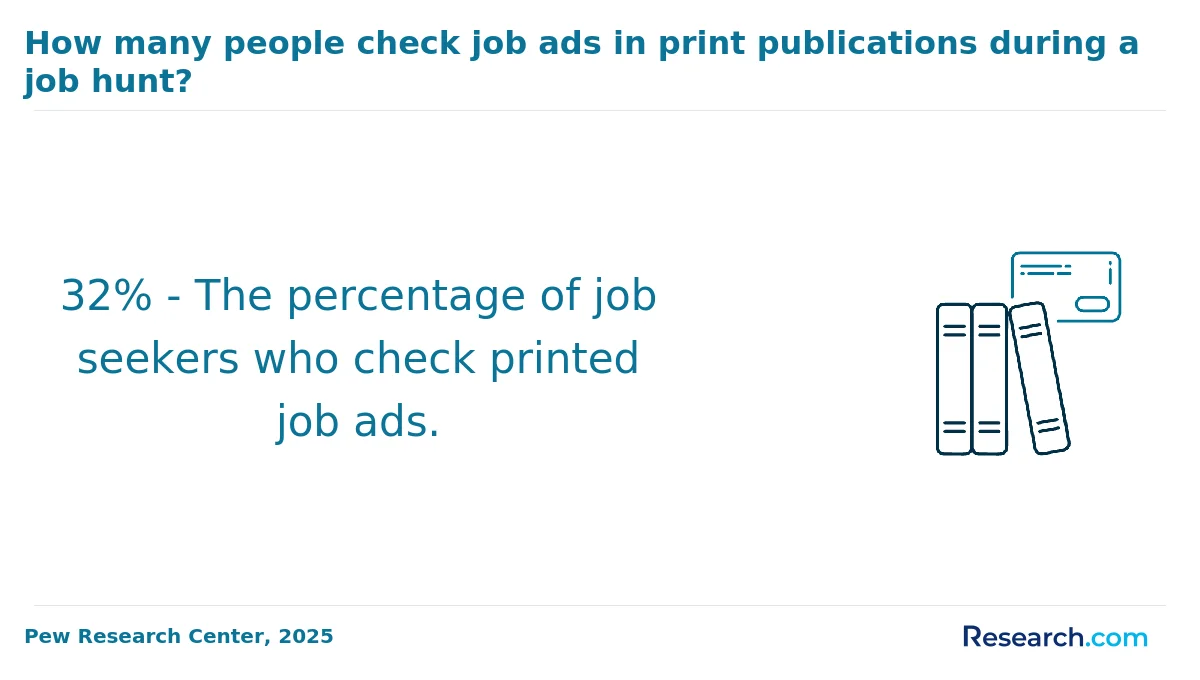
Associate degree students in New Hampshire rely heavily on the FAFSA to unlock federal grants, loans, and work-study opportunities each year. Graduates from institutions like Manchester Community College often highlight how completing the FAFSA early helped them secure essential funds to cover tuition and living costs without overwhelming debt.
The New Hampshire Charitable Foundation Associate Degree Scholarship is a game-changer for many community college students, offering up to $3,500 annually to those demonstrating financial need and academic commitment, especially in high-demand fields such as STEM or healthcare. Many students from Nashua Community College have expressed relief and motivation upon receiving this award, which also encourages returning students focused on these priority areas.
Other vital resources include the Granite Edvance Scholarship, distributing $750,000 in 2025 for residents pursuing various degrees, and field-specific scholarships from local organizations supporting crafts, nursing, and engineering. Community colleges and universities like Southern New Hampshire University offer need-based grants ranging from $400 up to $14,400, significantly easing financial pressures for qualifying students.
Additionally, New Hampshire residents benefit from the NEBHE Tuition Break program, enabling reduced tuition for out-of-state public colleges nearby, making education more accessible for associate degree seekers willing to expand their options regionally.
To enroll in an associate degree program in New Hampshire, most colleges require proof of high school completion or an equivalent credential like a GED or HiSET. Graduates from local high schools often recall confidently self-certifying their graduation during applications, followed by submitting official transcripts for verification and placement. This prerequisite ensures eligibility for federal financial aid, making documentation crucial.
Application materials typically include:
- A completed application form
- Official transcripts from all prior schools
At popular institutions such as NHTI and Southern New Hampshire University, many associate programs feature open enrollment policies, enabling smooth admissions when basic criteria are met. Some students pursuing nursing or engineering share how they prepared additional materials or prerequisite coursework, as these competitive programs demand higher academic standards.
Though SAT and ACT scores are generally optional, colleges place emphasis on high school GPA and placement exams. Successful applicants often demonstrate at least a grade C in high school Algebra I, reflecting common mathematics prerequisites. For instance, nursing candidates at Lakes Region Community College highlight completing specific science courses recently, with some also holding an active LPN license.
Students not meeting all requirements have the positive option to enter general studies tracks, allowing them to work closely with advisors and progress confidently toward their desired associate degrees.
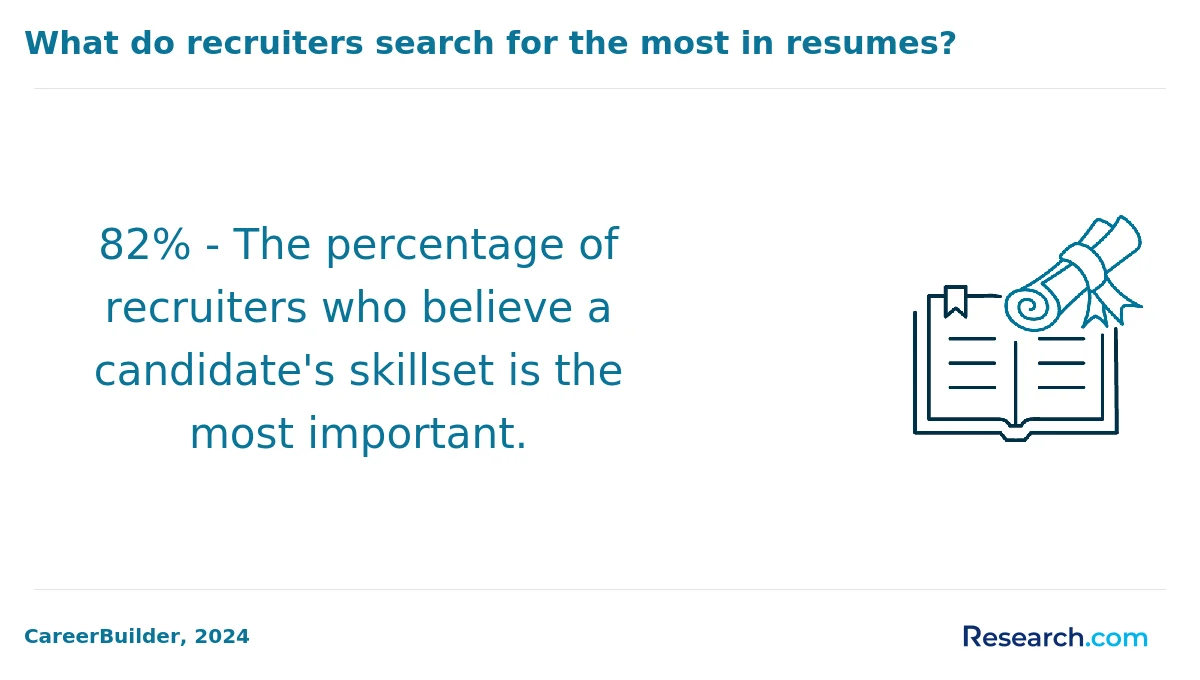
Associate degree programs in New Hampshire blend a strong academic base with specialized training. Common courses in New Hampshire associate degree programs include general education requirements such as English composition, mathematics, social sciences, natural sciences, and humanities. Graduates from institutions like NHTI-Concord's Community College often reflect positively on courses like professional communication and introductory media studies, which help develop essential skills for any career.
Students at Nashua Community College highlight the clear structure requiring at least 20 credit hours in core areas including English, math, social science, and science. The University of New Hampshire's Associate of Arts in General Studies adds courses in writing, interpersonal communication, and critical inquiry to this foundation, offering a well-rounded approach.
Major-specific coursework typically accounts for about 30 credits, allowing focus in fields like business or criminal justice. Students appreciate the flexibility to tailor their studies and recall introductory seminars aiding their academic success. To better understand academic pathways, prospective students might explore what is the easiest doctorate programs available nationally.
Choosing the best associate degree programs in New Hampshire hinges on evaluating accreditation and measurable outcomes. Accreditation validates a program's quality, which is essential for graduates who later seek credit transfer or advanced degrees. For instance, graduates from White Mountains Community College often highlight the 74% retention rate as evidence of strong academic support, fostering confidence as they progress through their studies.
Cost considerations are equally vital when how to compare associate degree costs in New Hampshire. At Nashua Community College, students appreciate the affordable in-state tuition of $7,140, which balances quality education with financial prudence. Alumni frequently note that understanding average debt levels-like Southern New Hampshire University's $7,290 average debt-helped them manage finances without compromising their educational goals.
Flexibility and support matter significantly for working adults. Colleges such as NHTI and Manchester Community College offer varied formats, including online classes, accommodating busy schedules. Graduates often feel empowered due to smaller class sizes and personalized guidance, as seen with River Valley Community College's 6:1 student-faculty ratio. For those exploring advanced options, it's also beneficial to research cheap phd online programs.
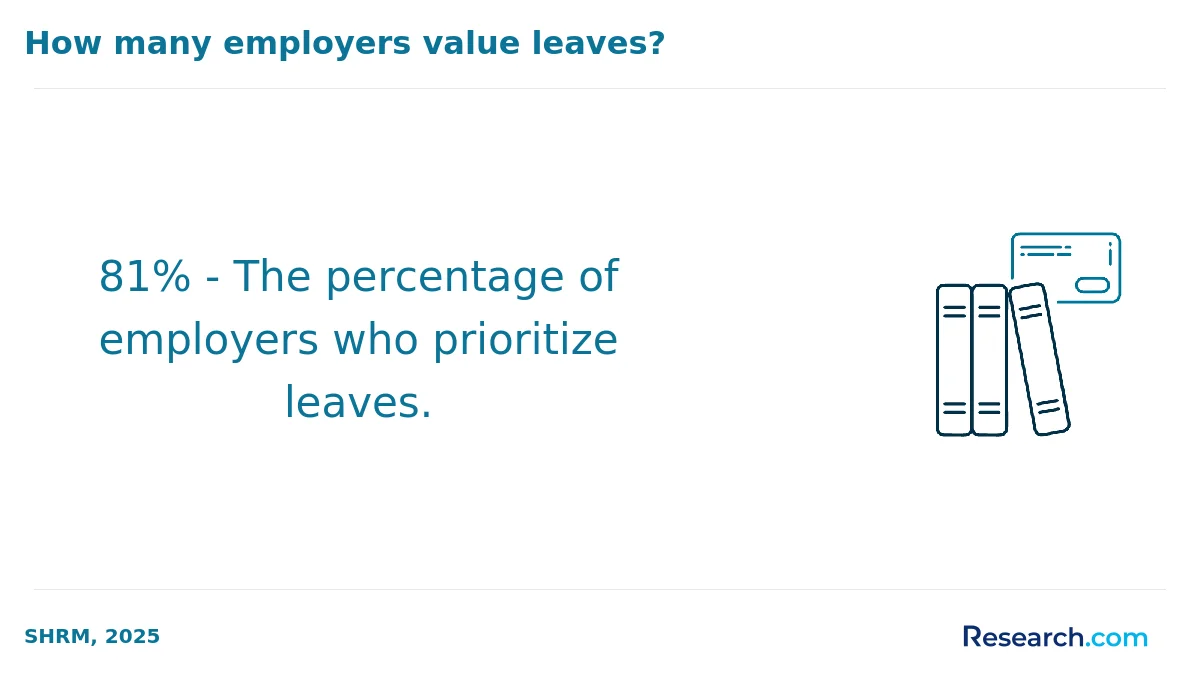
Associate degree graduates in New Hampshire find abundant career opportunities with an associate degree in New Hampshire, especially in industries aligned with the state's projected growth. Healthcare remains the top sector, with roles like registered nurses, medical assistants, and respiratory therapists experiencing strong demand and offering salaries well above state averages. Graduates from local community colleges often share positive experiences transitioning quickly into these roles, impressed by how well their programs mirror real-world healthcare challenges.
Business and administration pathways also provide attractive options. Many graduates secure positions such as human resources assistants or marketing support specialists, gaining versatile skills applicable across retail, sales, and office settings. These jobs reflect the competitive advantage of associate degree jobs in New Hampshire, frequently yielding salaries approximately 18% higher than those earned by high school diploma holders.
In addition, information technology offers solid entry points through roles like help desk technician and junior network administrator. Graduates appreciate how local technical institutes enhance their job readiness with certifications tailored to regional employer needs. Manufacturing and skilled trades, including HVAC and electrical technician roles, present stable alternatives, though with more moderate growth forecasts.
For those exploring their educational options, numerous students recommend pursuing an affordable online college to balance cost-effectiveness with quality training in these career paths.
The job market for associate degree graduates in New Hampshire remains robust, particularly in middle-skill roles that require training beyond high school but less than a bachelor's degree. Graduates from popular associate degree schools find opportunities in healthcare, manufacturing, and technology, sectors with persistent demand. For example, front-line healthcare workers and automotive technicians often secure stable employment shortly after graduation, reflecting strong employer needs.
Data shows the average hourly wage for those holding an associate degree in New Hampshire is $19.32, with top earners making up to $28 per hour or roughly $60,295 annually. These figures represent a wage premium of about 28% over high school diploma holders, highlighting the financial benefits of these programs.
Key drivers for associate degree employment opportunities New Hampshire include:
- Over half of New Hampshire's job openings are middle-skill, supporting steady demand.
- More than 2,100 associate-level job postings in mid-2025 demonstrate ongoing opportunities.
- Graduates report using networking and flexible entry-level positions to launch successful careers.
Many graduates from well-regarded programs leverage their credentials to access rewarding careers, benefiting from a growing mix of practical skills and industry connections. Prospects particularly shine for those considering the most popular online trade schools to gain flexible, career-focused training that aligns with local employer demands.
Best Associate Degree Programs - Leading Certification Courses in New Hampshire for 2026
# 1 position
NHTI-Concord's Community College - Criminal Justice/Law Enforcement Administration.
associateNHTI-Concord's Community College offers a Criminal Justice/Law Enforcement Administration program designed to prepare students for leadership roles in public law enforcement. The curriculum covers law enforcement history, operational command, organizational leadership, budgeting, and legal responsibilities. Annual in-state tuition is $7,200. Graduates earn a median salary of $40,670 one year after completion. The program is accredited by the New England Commission on Higher Education.
# 2 position
River Valley Community College - Computer and Information Sciences, General.
associateRiver Valley Community College offers a hybrid Computer and Information Sciences, General program, combining computing, computer science, and information science systems. The program has an annual in-state tuition of $6,940 and is accredited by the New England Commission on Higher Education. It provides some distance-education options to support flexible learning for students pursuing this general computing curriculum.
# 3 position
River Valley Community College - Computer Systems Networking and Telecommunications.
associateRiver Valley Community College offers a hybrid program in Computer Systems Networking and Telecommunications that prepares students to become network specialists and managers. The curriculum covers operating systems, systems design, networking theory, network management, security, and troubleshooting. The program focuses on designing and managing linked computer systems to enhance efficiency. Annual in-state tuition is $6,940. The program is accredited by the New England Commission on Higher Education.
# 4 position
River Valley Community College - Computer and Information Systems Security/Auditing/Information Assurance.
associateRiver Valley Community College offers a hybrid program in Computer and Information Systems Security/Auditing/Information Assurance. The curriculum covers computer architecture, programming, networking, cryptography, security auditing, law, risk assessment, and contingency planning. Students learn to manage security systems and safeguard solutions. The program is accredited by the New England Commission on Higher Education. Annual in-state tuition is $6,940.
# 5 position
River Valley Community College - Criminal Justice/Law Enforcement Administration.
associateRiver Valley Community College offers a hybrid Criminal Justice/Law Enforcement Administration program designed to prepare students for leadership roles in public law enforcement. The curriculum covers law enforcement history and theory, operational command leadership, administration of police organizations, labor relations, incident response, legal responsibilities, budgeting, public relations, and organizational leadership. In-state tuition is $6,940 annually. The program is accredited by the New England Commission on Higher Education.
# 6 position
River Valley Community College - Physical Therapy Assistant.
associateRiver Valley Community College offers a Physical Therapy Assistant program with a hybrid format, combining in-person and distance education. The program trains students to assist physical therapists by implementing treatment plans, conducting interventions, and monitoring patient progress. It includes instruction in anatomy, physiology, biomechanics, neuroscience, and professional ethics. Accredited by the New England Commission on Higher Education, the annual in-state tuition is $6,940, and median earnings one year after completion are $41,909.
# 7 position
River Valley Community College - Business Administration and Management, General.
associateRiver Valley Community College offers a hybrid Business Administration and Management, General program that prepares students to plan, organize, direct, and control business functions. The curriculum covers management theory, human resources, accounting, logistics, marketing, and decision-making. The program’s annual in-state tuition is $6,940. It is accredited by the New England Commission on Higher Education, providing recognized quality education with some distance-education options.
# 8 position
River Valley Community College - Accounting.
associateRiver Valley Community College offers a hybrid Accounting program designed to prepare students for professional accounting roles and related business functions. The curriculum covers accounting principles, financial and managerial accounting, tax accounting, auditing, and business information systems. The program emphasizes professional standards, ethics, and practical applications across various organizations. Annual in-state tuition is $6,940. The program is accredited by the New England Commission on Higher Education.
# 9 position
NHTI-Concord's Community College - Business Administration and Management, General.
associateNHTI-Concord's Community College offers a program in Business Administration and Management, General, designed to prepare students to plan, organize, direct, and control business functions. The curriculum covers management theory, human resources, accounting, marketing, and business decision-making. Annual in-state tuition is $7,200. Median earnings of graduates one year after completion are $36,403. The program is accredited by the New England Commission on Higher Education.
# 10 position
NHTI-Concord's Community College - Legal Assistant/Paralegal.
associateThe Legal Assistant/Paralegal program at NHTI-Concord's Community College offers a hybrid format with some distance-education options. It prepares students to perform legal research, drafting, investigatory, and administrative functions under attorney supervision. The curriculum includes instruction in legal research, document drafting, courthouse procedures, and legal specializations. Annual in-state tuition is $7,200. The program is accredited by the New England Commission on Higher Education.
Frequently Asked Questions about associate degree programs
After earning an associate degree in New Hampshire, preparing for the job market involves several strategic steps. Graduates should begin by utilizing career services offered by their community colleges, which often provide resume workshops, interview coaching, and job placement assistance. Networking is crucial; attending local industry events in New Hampshire can connect students with employers. According to the New Hampshire Department of Employment Security, many associate degree holders find opportunities in health care, manufacturing, and information technology sectors.
Additionally, earning relevant certifications can increase employability. Research from the National Center for Education Statistics shows that associate degree holders with certifications have higher employment rates. Lastly, graduates should actively explore internships and entry-level positions to gain practical experience, further boosting job prospects within the state.
Employers in New Hampshire highly value both technical and soft skills in associate degree graduates. According to the New Hampshire Department of Labor, strong communication and problem-solving abilities are among the most sought-after skills in entry-level positions. Additionally, proficiency in relevant technical tools, such as Microsoft Office, basic data analysis, and industry-specific software, enhances job prospects.
Work ethic and reliability rank as critical attributes, with many local employers emphasizing teamwork and adaptability. The National Association of Colleges and Employers reports that nearly 80% of employers in the region prioritize these soft skills when hiring graduates holding associate degrees.
As the state's economy grows in healthcare, manufacturing, and IT sectors, employers also favor graduates who demonstrate a willingness to learn and apply new knowledge quickly.
Finding internships in New Hampshire that align with your associate degree program involves several practical steps. Start by utilizing your college's career services, which often have partnerships with local businesses and can connect you to internship opportunities.
The state's Department of Employment Security offers resources and listings for internships across various industries, including healthcare, technology, and manufacturing. Many businesses in New Hampshire, especially in cities like Manchester and Nashua, actively seek interns to support their workforce.
Networking through events and professional associations can also increase your chances. Statistics show that nearly 60% of internships in New Hampshire are obtained through personal connections or referrals (NH DOL, 2023).
Online job portals specific to New Hampshire, such as NH Employment Security's job bank, provide up-to-date listings tailored to associate degree fields. Applying early and tailoring your resume to the internship requirements improves success rates.
An associate degree in New Hampshire plays a significant role in enhancing career mobility and advancement. According to the New Hampshire Department of Labor, individuals with an associate degree earn on average 20% more than those with only a high school diploma. This degree offers specialized skills that meet the needs of local employers, particularly in healthcare, technology, and manufacturing sectors.
The degree also serves as a stepping stone for further education. Over 40% of students with associate degrees in New Hampshire continue to bachelor's programs, increasing their chances of higher-level positions. Employers often value the practical training associate degrees provide, leading to faster promotions and expanded job opportunities.
Part-time job opportunities in New Hampshire that complement associate degree education often align with fields like healthcare, information technology, and business. For example, many students with associate degrees in nursing or healthcare administration find roles as medical assistants or pharmacy technicians. These jobs not only provide practical experience but also support local healthcare demand, which the New Hampshire Department of Labor reports growing steadily.
IT students can benefit from positions such as help desk technicians or computer support specialists, which offer relevant industry exposure. Retail management and administrative assistant roles are also common for those studying business-related programs, giving valuable skills in customer service and office operations.
According to the U.S. Bureau of Labor Statistics and New Hampshire's labor market data, part-time roles in these sectors tend to offer flexible schedules suitable for students while maintaining wage levels commensurate with associate degree qualifications. These opportunities foster skill development and improve employability after graduation.
To find the best degree program near me, consider using online platforms to compare programs and universities based on rankings, curriculum, and reviews from students and faculty. Research.com is a helpful resource to evaluate program quality and faculty performance near New Hampshire, offering insight into various academic disciplines offered by institutions in that area. Visiting local university campuses and attending open house events can also provide additional information on programs available near New Hampshire.
- Best Associate Degree Programs - Leading Certification Courses in Pennsylvania for 2026
- Best Associate Degree Programs - Leading Certification Courses in Delaware for 2026
- Best Associate Degree Programs - Leading Certification Courses in Maryland for 2026
- Best Associate Degree Programs - Leading Certification Courses in Tennessee for 2026
- Best Associate Degree Programs - Leading Certification Courses in Indiana for 2026
- Best Associate Degree Programs - Leading Certification Courses in Illinois for 2026
- Best Associate Degree Programs - Leading Certification Courses in Alabama for 2026
- Best Associate Degree Programs - Leading Certification Courses in Missouri for 2026
- Best Associate Degree Programs - Leading Certification Courses in Arkansas for 2026
- Best Associate Degree Programs - Leading Certification Courses in Iowa for 2026
- How to Apply: First-Year | Undergraduate Admissions https://admissions.unh.edu/apply/first-year
- Here’s How an Associate Degree Can Advance Your Career https://flex.wisconsin.edu/stories-news/heres-how-an-associate-degree-can-advance-your-career/
- Online Degree vs. Traditional | University of Arkansas Grantham https://www.uagrantham.edu/blog/pros-cons-online-degree-vs-traditional-university/
- Advancement Potential of Different Degrees and Majors - Resource Center Article https://nextmile.instride.com/resource/upward-mobility-degree-major
- A comprehensive overview of the Associate Degree https://www.crimsoneducation.org/au/blog/what-is-an-associate-degree
- Online Associate Degree Programs | SNHU https://www.snhu.edu/online-degrees/associate
- Associate Degree Programs | Academics | Miami Dade College https://www.mdc.edu/academics/programs/associate.aspx
- Top Career Skills for Two-Year College Grads in 2025 https://www.hanoverresearch.com/reports-and-briefs/higher-education/top-career-skills-for-two-year-college-grads-in-2025/
- NH Community Colleges Freeze Tuition for 2022-23 – Nashua Community College https://nashuacc.edu/nh-community-colleges-freeze-tuition-for-2022-23/
- Learn the Top Six “Soft Skills” Employers Look for in College Graduates https://admissions.usf.edu/blog/learn-the-top-six-soft-skills-employers-look-for-in-college-graduates


