Best Associate Degree Programs - Leading Certification Courses in Alabama for 2026

Co-Founder and Chief Data Scientist
Choosing the right associate degree program in Alabama can feel overwhelming, but you're not alone in this journey. Our article offers a carefully crafted ranking of the best associate degree programs, developed by the Research.com team of data scientists to guide your decision-making with reliable data.
Exploring these programs will help you find the best fit for your goals, whether you want to launch a new career or advance your skills. An associate degree opens doors to exciting opportunities and personal growth, making your future brighter and more secure.
Key benefits of associate degrees in Alabama
- Associate degree graduates in Alabama can expect competitive salaries in various careers, such as dental hygienists earning up to $94,260, respiratory therapists around $80,450, and general studies graduates starting between $35,000 and $45,000 annually.
- Popular career paths from Alabama schools include healthcare, engineering technology, and IT, with graduates from Columbia Southern University reporting an early career average salary of $64,227, showcasing strong job prospects.
- Online associate degrees offer flexibility and convenience, allowing students to balance education with personal commitments, as seen with students from Columbia Southern University thriving in their careers after completing their programs online.
- Best Associate Degree Programs - Leading Certification Courses in Alabama for 2026
- What can I expect from associate degree programs in Alabama?
- Where can I work after finishing associate degree programs in Alabama?
What can I expect from associate degree programs in Alabama?
Students pursuing an associate degree in Alabama typically find tuition costs more affordable at community colleges compared to four-year universities, often averaging between $4,000 and $6,000 per year for full-time enrollment. Graduates from prominent community colleges reflect on how this cost-effectiveness made it possible to balance education with work and family responsibilities without excessive financial strain.
For example, a graduate from a major Alabama community college shared that selecting an affordable program allowed them to use Workforce Development Scholarships to reduce costs further while gaining practical skills in industrial technology. Many students appreciate that this pathway offers flexibility through online or hybrid classes, especially at private colleges where nearly all associate degrees were completed online in 2023.
Beyond finances, students can expect personalized academic advising to tailor their course load for immediate job readiness or smooth transfer into four-year programs. Support services like tutoring and career counseling foster confidence, making the educational journey manageable and rewarding in real-world terms.
Where can I work after finishing associate degree programs in Alabama?
After finishing an associate degree program in Alabama, graduates often find themselves in diverse and promising career fields such as healthcare, technology, skilled trades, business administration, and public service. For example, those who studied at popular institutions like Jefferson State Community College or Calhoun Community College frequently secure roles as Registered Nurses, Respiratory Therapists, or Physical Therapist Assistants, often employed by major healthcare providers including UAB Medicine or Baptist Health. These positions offer not only meaningful work but also competitive salaries-with Physical Therapist Assistants earning a median of $59,264 in 2025 and over 380 job openings available annually in Alabama.
Technology graduates, coming from programs at schools such as Auburn University at Montgomery, report success entering fields like Cyber Security or IT Support, where the demand for skilled workers continues growing rapidly. Similarly, those who pursued degrees in business often find rewarding roles in retail management or administrative positions at well-known companies like Walmart and AutoZone, feeling a strong sense of accomplishment as they lead teams and serve their communities.
Graduates often express excitement about affordable education at local colleges that leads directly to stable and fulfilling employment, highlighting that an associate degree in Alabama can be a realistic and empowering step toward career growth.
Completing an associate degree program in Alabama can lead to an average annual salary of about $37,458, or roughly $18.01 per hour, based on recent state data. This means many graduates find themselves earning comfortably above entry-level wages, especially compared to those with only a high school diploma. For instance, graduates from Columbia Southern University, a popular choice in Alabama, report early-career salaries averaging $64,227, showcasing how selecting the right school and program can significantly impact your financial outlook.
Many graduates step into roles such as Program Associates, earning an average of $44,750 yearly, while administrative assistant positions like Operations Administrative Assistant bring in around $43,985. These figures are encouraging for those thinking about immediate job prospects after graduation, reflecting practical career paths accessible through Alabama's associate degrees.
In real-life terms, this could mean being able to comfortably cover rent and bills while building savings or even investing in further education. The variation in salaries-from around $28,100 to over $56,000-also emphasizes how your chosen field and experience level play crucial roles. Thus, your personal choices during and after your studies in Alabama matter greatly when considering earnings.
- Jasmine: Earning my Associate Degree in Nursing at a trade school in Birmingham was life-changing. The hands-on training prepared me perfectly for hospital work, and within months, I landed a great job at a local clinic. The personal support from instructors made the journey both rewarding and empowering.
- Marcus: Getting an Associate in Automotive Technology from a community college in Mobile gave me practical skills that employers value. I loved the small classes and real-world projects, which boosted my confidence. Now, I run my own auto repair shop, grateful for the solid foundation the program provided.
- Haley: My Associate Degree in Business Administration from a trade school in Montgomery opened doors I never imagined. The focused curriculum helped me quickly understand key concepts, and the career services were invaluable. Landing a job in local management felt seamless thanks to my education experience.
- Applicants must have a high school diploma from an accredited school or a GED certificate, with official transcripts required for admission.
- Conditional admission may be available, but all official documents must be submitted before the second semester to qualify for federal financial aid.
- In-state tuition at Alabama community colleges averages between $4,600 and $5,000 per year, excluding fees and living costs.
- Associate degree graduates in Alabama typically earn $32,000 to $52,000 annually, with potential to earn $60,000 or more in high-demand fields.
- Many programs offer transfer pathways to four-year universities, allowing students to continue their education and improve career options.
Completing an associate degree program in Alabama usually takes about two years of full-time study at popular institutions like community colleges or technical schools. Graduates often share how balancing around 15 credit hours per semester-totaling roughly 60 to 65 credit hours-kept them on track. This pace typically involves enrolling in about 20 courses over four semesters.
However, many students find that managing work or family commitments leads them to study part-time, stretching their program beyond two years. For example, some graduates from technical schools have successfully mixed summer courses with lighter semester loads to maintain steady progress without burnout.
Some specialized programs, especially in health fields, require clinical training, which can extend completion time due to scheduling limitations. On the other hand, students who leverage transfer credits or prior work experience often feel relief as they reduce their coursework, sometimes finishing faster than expected.
In Alabama's busy associate degree landscape, individual circumstances and course availability truly shape the timeline, making flexibility and planning essential for success.
The key difference between online and on-campus associate degree programs in Alabama lies in how courses are delivered and experienced. Online programs, like those at Northwest Shoals Community College, let students attend classes entirely online, blending live sessions with self-paced work. This flexibility resonates deeply with many students juggling jobs and family, allowing them to study comfortably from home without sacrificing income. Graduates often describe feeling empowered by managing their education alongside real-life demands.
Conversely, on-campus programs require in-person attendance, providing a structured environment with direct contact to instructors and classmates. Schools offering these programs create spaces where students can tap into labs, libraries, and student services, which proves invaluable for hands-on fields like nursing. Some graduates recall that being physically on campus helped them stay motivated through immediate support and community connection.
Though both paths maintain rigorous academic standards in Alabama, the choice often comes down to personal lifestyle needs and preferred learning styles. Online routes offer adaptability and cost savings, while on-campus options deliver immersive, face-to-face education essential for certain technical skills.
The average associate degree cost in Alabama varies significantly depending on residency status and the institution. For in-state students attending public community colleges such as Southern Union State or Coastal Alabama Community College, tuition is commonly charged on a per-credit-hour basis, around $129 per credit hour in 2025. Given that most associate programs require approximately 60 to 64 credit hours, the total tuition usually ranges from $7,740 to $8,256 before financial aid. Graduates often recall how this affordability eased their path to earning a degree without overwhelming debt.
Out-of-state students face nearly double that cost, with tuition reaching $258 per credit hour and totals between $15,480 and $16,512. Such figures illustrate the importance of residency status in an Alabama college tuition and fees comparison when making enrollment decisions. Many students report researching these differences extensively before committing, especially those seeking practical, trade-focused programs.
Beyond tuition, additional expenses like textbooks and living costs impact the total financial picture. However, numerous Alabama students successfully leverage federal grants, scholarships, and state aid obtained through FAFSA submissions, substantially lowering out-of-pocket expenses. For those aiming to accelerate their education, enrolling in a top associate's degree in 6 months program can be both cost-effective and time-saving, a point often shared by alumni motivated by career advancement.
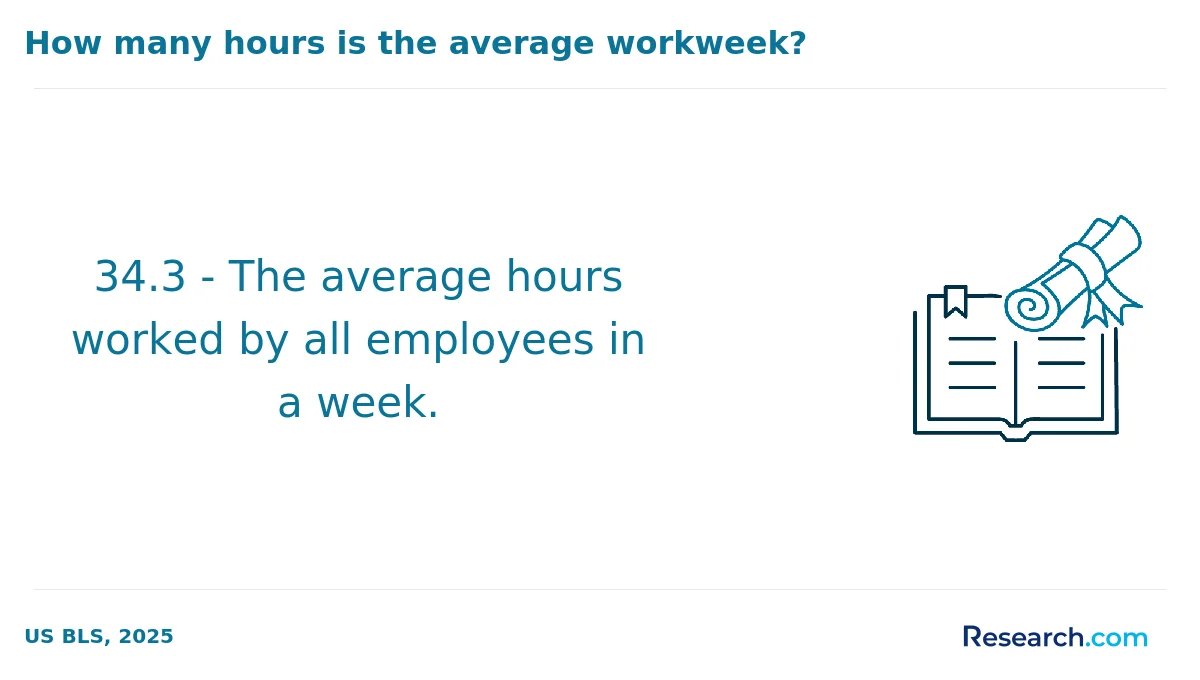
Students pursuing associate degrees in Alabama often rely on a combination of financial aid options to make their education affordable. Completing the FAFSA early is crucial; many graduates from Wallace State Community College found that securing the Federal Pell Grant, which can award up to $7,395 per year, significantly eased their tuition burden. This need-based grant remains a cornerstone for funding, especially when paired with federal student loans that offer both subsidized and unsubsidized options.
State-specific programs uniquely support Alabama residents. For example, transfer students from community colleges like Jefferson State who maintain a 3.0 GPA appreciate Alabama's Promise, which provides up to $4,000 annually if they also qualify for Pell Grants. Such targeted aid, combined with institutional scholarships from schools like Calhoun Community College, frequently helps students feel empowered and hopeful about completing their degrees.
Many also take advantage of Federal Work-Study, allowing them to earn while they learn, which students at Shelton State find especially rewarding for gaining experience alongside financial relief. Veterans benefit from Alabama VA Benefits, and older students can sometimes access tuition waivers, making education more inclusive across diverse populations.
Enrolling in an associate degree program in Alabama typically requires a high school diploma or a GED certificate, a baseline many graduates find reassuring because it's straightforward and accessible. For instance, a graduate applying to the University of Alabama recalled meeting a 3.0 high school GPA requirement if graduation was recent, which motivated a disciplined approach to academics in their final year.
Standardized tests such as the ACT or SAT are often required for recent graduates, but adults returning to education appreciate policies like those at the University of South Alabama, which offer "Special Freshman Admission" for applicants aged 23 or older, easing the pressure of test scores.
Transfer students must demonstrate at least a 2.0 college GPA, with those transferring fewer than 24 credits needing to submit both high school transcripts and test scores. This approach balances academic readiness with flexibility for students returning to school after some time.
- GED or high school diploma required
- Minimum high school GPA, e.g., 3.0 at University of Alabama
- ACT/SAT scores usually needed for recent graduates
- Special provisions for adult learners 23+ years old
- Transfer students need minimum 2.0 college GPA
- English proficiency proof for international students
Many students share how these guidelines, while structured, felt achievable and gave clear goals during their application process, encouraging confidence and a sense of progress toward their educational goals.
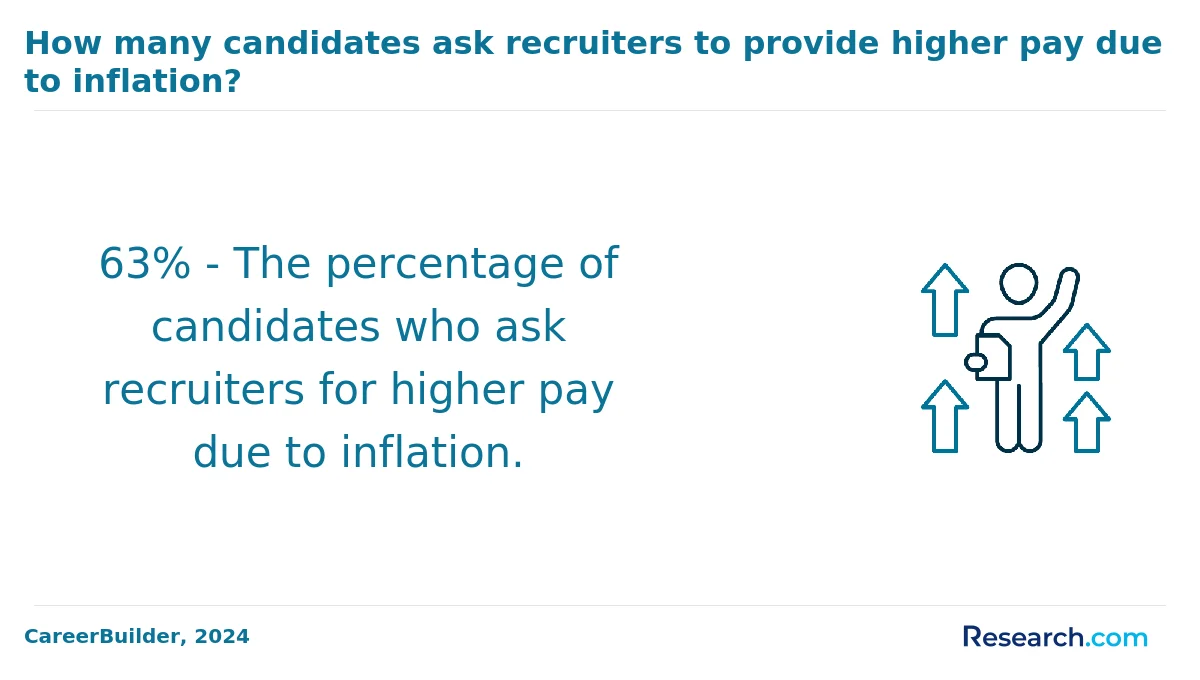
Associate degree programs in Alabama require students to complete between 60 and 64 semester credit hours, blending general education with specialized courses tailored to their career goals. Graduates from popular associate degree schools in Alabama often highlight how the core curriculum equips them with transferable skills and specific knowledge critical for workforce entry or smooth transition to four-year schools.
Key academic areas students navigate include:
- Written Composition: 6 semester hours in courses like English Composition I and II, honing essential writing and critical thinking skills.
- Humanities and Fine Arts: About 12 semester hours that include literature, fine arts, and oral communication, fostering a deeper cultural awareness and communication prowess.
- Natural Sciences and Mathematics: 11 semester hours with coursework in biology, chemistry, or physics combined with math classes such as pre-calculus algebra, promoting analytical and scientific literacy.
- History, Social, and Behavioral Sciences: 12 semester hours covering history sequences and social sciences like psychology and economics, which support understanding societal dynamics.
- Pre-Professional and Elective Courses: Around 19-23 hours focused on the student's chosen major, such as computer science or orientation courses, helping them feel confident about their career path.
This blend of courses illustrates common associate degree courses in Alabama that deliver both depth and breadth. Many students appreciate how these requirements encourage personal growth and professional readiness-be it mastering writing in ENG 101 or applying scientific principles during labs. It's clear that Alabama associate degree curriculum requirements create a well-rounded educational experience, preparing students for diverse futures.
Students pursuing the best programs for seniors online also find these course structures useful, as they balance flexibility with comprehensive academic foundations.
Choosing the best accredited associate degrees in Alabama begins with verifying accreditation, which ensures that your credits will transfer smoothly and that employers recognize your qualification. Graduates from Calhoun Community College often share how accreditation gave them confidence in their education's value. Reputation matters too; Coastal Alabama Community College is praised by alumni for its supportive faculty and strong student satisfaction, making their study experience more engaging and rewarding.
Affordability is critical, especially when balancing budgets. Comparing tuition and available financial aid is wise since many affordable associate degree programs Alabama provide competitive pricing without sacrificing quality. Some students highlight how scholarships and financial support eased their burden, allowing them to focus on learning. Furthermore, location and class size affect daily life; smaller classes in local colleges mean more personalized attention, which many graduates find boosts their motivation and success.
Looking into program offerings is essential-if you aim for nursing or business, choose a college with clinical rotations or practical business courses. For those seeking flexibility, especially working adults, exploring cheap online masters or associate programs can be a strategic next step in education, offering a balance of convenience and quality.
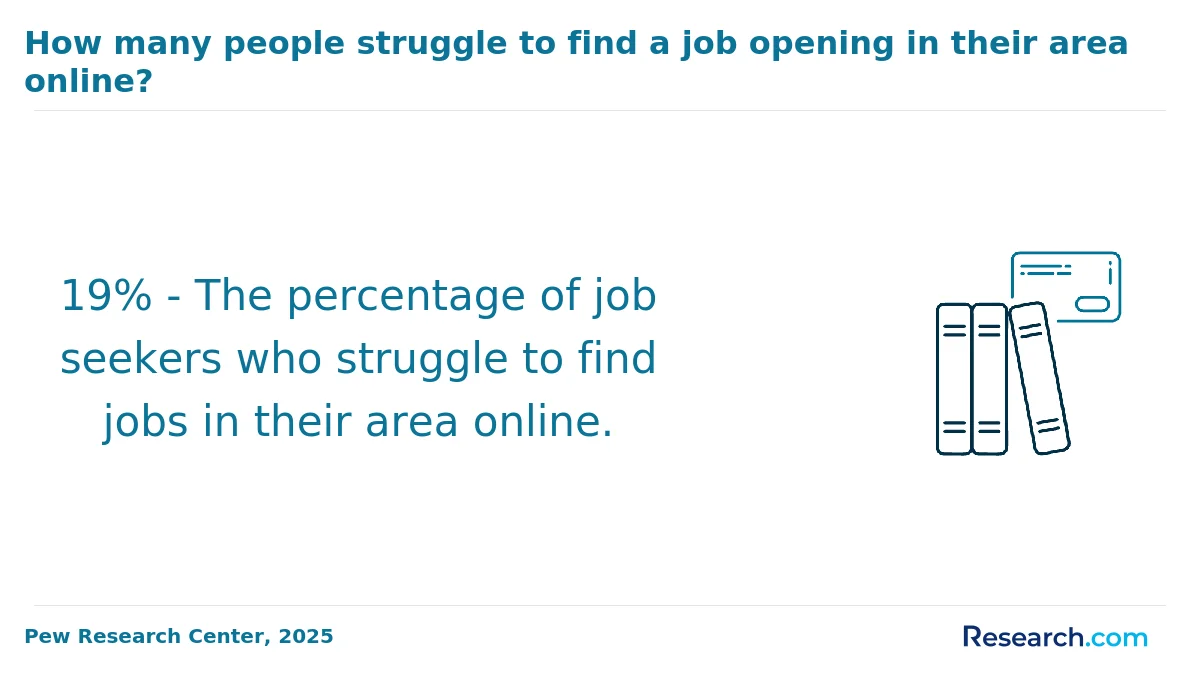
Graduates of associate degree programs in Alabama discover a variety of in-demand careers with an associate degree in Alabama, reflecting the state's economic strengths. For instance, healthcare remains a top choice, where many graduates from community colleges gain roles like registered nurses or respiratory therapists, contributing to critical healthcare services especially in rural areas. Manufacturing careers are equally promising, with opportunities as industrial technicians or quality control specialists thriving in Alabama's automotive and aerospace hubs.
Students from prominent Alabama institutions often share that transitioning into IT roles-as client support technicians or cybersecurity system administrators in Huntsville-has been both accessible and rewarding. Business-related roles, including administrative secretary or accounting assistant, also provide steady employment options across many sectors. Graduates benefit from specialized programs such as Alabama Career Essentials MAPS, which prepare them with stackable certifications enhancing job readiness.
Many pursuing associate degree job opportunities in Alabama appreciate how these credentials pave paths to well-paying, stable careers, often combined with practical training that fits real workplace demands. Prospective students exploring accredited online colleges non profit can also find flexible options to fit their needs and lifestyles, further broadening access to these careers.
The job market for associate degree graduates in Alabama remains strong, reflecting a positive Alabama employment outlook for associate degree holders. Data shows about 75.3% of graduates are employed in-state one year after finishing their programs, with those from local community colleges often securing jobs nearby. Graduates from schools such as Shelton State or Jefferson State have shared how their degrees opened doors to roles like Registered Nurses and Supervisors of Retail Sales Workers, fields currently in high demand across Alabama.
Associate degree jobs in Alabama typically offer competitive wages, with average hourly pay around $21.44 and many positions paying between $35,000 and $49,000 annually. Graduates notice not only better pay than those with only a high school diploma-around $9,200 more annually-but also more job stability thanks to the low statewide unemployment rate of 3.2% as of June 2025.
Common job opportunities include:
- Registered Nurses working in hospitals and clinics
- Heavy and Tractor-Trailer Truck Drivers supporting logistics
- Customer Service Representatives in growing retail sectors
- Supervisors of Retail Sales Workers managing teams
Many find success quickly because these roles directly relate to their training at local colleges. For those exploring pathways beyond associate degrees, combining certificate courses that pay well with an associate credential can enhance employability and income potential significantly.
Best Associate Degree Programs - Leading Certification Courses in Alabama for 2026
# 1 position
George C Wallace State Community College-Hanceville - Dental Assisting/Assistant.
associateGeorge C Wallace State Community College-Hanceville offers a hybrid Dental Assisting/Assistant program designed to train students in patient care, dental radiography, and office administrative duties under professional supervision. The curriculum covers medical record-keeping, equipment sterilization, chairside assisting, and supervised practical experience. Annual in-state tuition is $4,980. Graduates have median earnings of $34,837 one year after completion. The program is accredited by the Southern Association of Colleges and Schools Commission on Colleges.
# 2 position
John C Calhoun State Community College - Dental Assisting/Assistant.
associateJohn C Calhoun State Community College offers a hybrid Dental Assisting/Assistant program that prepares students to provide patient care, take dental radiographs, and assist in dental procedures. The curriculum includes medical record-keeping, office duties, scheduling, and equipment maintenance. The program is accredited by the Southern Association of Colleges and Schools Commission on Colleges. Annual in-state tuition is $5,060, and some distance-education options are available.
# 3 position
George C Wallace State Community College-Hanceville - Diagnostic Medical Sonography/Sonographer and Ultrasound Technician.
associateThe Diagnostic Medical Sonography/Sonographer and Ultrasound Technician program at George C Wallace State Community College-Hanceville offers a hybrid format with some distance education. It prepares students to use ultrasound technology to collect sonographic data for diagnosing medical conditions. The program includes training in patient care, data integration, and professional ethics. Annual in-state tuition is $4,980. Graduates have a median earning of $48,422 one year after completion. It is accredited by the Southern Association of Colleges and Schools Commission on Colleges.
# 4 position
Northeast Alabama Community College - Computer and Information Sciences, General.
associateNortheast Alabama Community College offers a hybrid program in Computer and Information Sciences, General, combining computing, computer science, and information science systems. The annual in-state tuition is $4,980. This program is accredited by the Southern Association of Colleges and Schools Commission on Colleges, ensuring recognized educational standards. The program provides some distance-education options, allowing flexible learning for students pursuing this field.
# 5 position
Northeast Alabama Community College - Criminal Justice/Police Science.
associateNortheast Alabama Community College offers a Criminal Justice/Police Science program with a hybrid format, including some distance education. The curriculum prepares students for duties such as patrol, investigations, traffic and crowd control, evidence management, and basic crime prevention. The program costs $4,980 annually for in-state tuition. It is accredited by the Southern Association of Colleges and Schools Commission on Colleges.
# 6 position
Northeast Alabama Community College - Industrial Mechanics and Maintenance Technology/Technician.
associateNortheast Alabama Community College offers a hybrid Industrial Mechanics and Maintenance Technology/Technician program. This program prepares students to repair and maintain industrial machinery such as cranes, pumps, engines, and conveyor systems. The annual in-state tuition is $4,980. Graduates earn a median salary of $36,746 one year after completing the program. The program is accredited by the Southern Association of Colleges and Schools Commission on Colleges.
# 7 position
Northeast Alabama Community College - Business Administration and Management, General.
associateNortheast Alabama Community College offers a Business Administration and Management, General program with a hybrid format that includes some distance-education options. The program prepares students to plan, organize, direct, and control business functions, covering management theory, human resources, accounting, logistics, marketing, and decision-making. Annual in-state tuition is $4,980. The program is accredited by the Southern Association of Colleges and Schools Commission on Colleges.
# 8 position
George C Wallace State Community College-Hanceville - Computer and Information Sciences, General.
associateGeorge C Wallace State Community College-Hanceville offers a hybrid Computer and Information Sciences, General program focusing on computing, computer science, and information science systems. The program includes some distance-education options and is accredited by the Southern Association of Colleges and Schools Commission on Colleges. Annual in-state tuition is $4,980. This program is undifferentiated by specific titles and content and should not be confused with specialized computer science or information science programs.
# 9 position
George C Wallace State Community College-Hanceville - Legal Assistant/Paralegal.
associateThe Legal Assistant/Paralegal program at George C Wallace State Community College-Hanceville offers a hybrid format with some distance education options. It prepares students to perform research, drafting, investigatory, record-keeping, and administrative tasks under attorney supervision. Instruction covers legal research, document drafting, pleading, courthouse procedures, and legal specializations. The program is accredited by the Southern Association of Colleges and Schools Commission on Colleges. Annual in-state tuition is $4,980.
# 10 position
George C Wallace State Community College-Hanceville - Physical Therapy Assistant.
associateGeorge C Wallace State Community College-Hanceville offers a Physical Therapy Assistant program with a hybrid format, combining in-person and distance education. The program prepares students to assist physical therapists by implementing treatment plans, training patients, and using therapeutic equipment. Coursework includes anatomy, physiology, kinesiology, and clinical documentation. Annual in-state tuition is $4,980, and median earnings one year after completion are $37,346. The program is accredited by the Southern Association of Colleges and Schools Commission on Colleges.
Frequently Asked Questions about associate degree programs
After completing an associate degree in Alabama, preparing for the job market involves several strategic steps. First, students should leverage career services at their college, such as resume workshops, interview practice, and job fairs that connect graduates with local employers. According to the Alabama Community College System, approximately 60% of associate degree holders find employment within their field within six months of graduation.
Building a professional network through internships or part-time jobs during study also enhances job prospects. Additionally, graduates should consider obtaining industry-recognized certifications to boost their credentials. Staying informed about in-demand skills in Alabama's key sectors like manufacturing, healthcare, and IT is vital for success.
Employers in Alabama highly value both technical and interpersonal skills when hiring associate degree graduates. According to the Alabama Department of Labor, top technical skills include proficiency in healthcare technology, manufacturing processes, and information technology tools. Many local industries demand workers who can quickly adapt to digital systems and automation.
Soft skills are equally critical. Communication, teamwork, and problem-solving are the most sought-after attributes cited in recent surveys by the Alabama Workforce Council. Over 70% of employers report that strong interpersonal skills influence hiring decisions more than technical knowledge alone.
Time management and critical thinking also stand out as essential skills that improve job performance and career advancement opportunities for associate degree holders in the state.
Finding internships in Alabama relevant to your associate degree program begins with researching local industries tied to your field of study. The Alabama Department of Labor and Alabama Works offer resources to connect students with employers offering internship positions. Community colleges often maintain partnerships with businesses in healthcare, manufacturing, and technology sectors, which are strong in Alabama's economy.
Online platforms like Handshake and Internships.com list opportunities specific to Alabama and frequently collaborate with educational institutions. According to the National Association of Colleges and Employers, students who complete internships increase their job prospects by over 60%.
Visiting your college's career services center can also provide personalized guidance and access to exclusive local internships.
In Alabama, earning an associate degree can significantly influence career mobility and advancement. According to the Alabama Commission on Higher Education, individuals with an associate degree typically earn about 20% more than those with only a high school diploma. This degree opens doors to technical and healthcare jobs that offer stability and growth opportunities.
Many employers in Alabama prefer candidates with an associate degree for positions like registered nurses, dental hygienists, and engineering technicians. The degree also provides a foundation for transferring to four-year universities, which can further enhance career prospects.
State workforce reports highlight that associate degree holders have a lower unemployment rate than those without postsecondary education. This degree thus serves as a practical investment for career advancement within Alabama's evolving job market.
In Alabama, part-time job opportunities that complement associate degree education often align with students' fields of study. For example, healthcare students can find roles as medical assistants or pharmacy technicians, where Alabama's healthcare sector employs over 200,000 workers, according to the Alabama Department of Labor (2023).
Technical and engineering students benefit from part-time positions in manufacturing firms or IT support roles. Alabama's manufacturing industry supports more than 250,000 jobs statewide, providing numerous entry-level opportunities.
Retail and customer service jobs remain common for business or general studies students, offering flexible hours compatible with class schedules. The Alabama Department of Labor reports that nearly 15% of part-time roles fall under these sectors.
Such jobs help students gain practical skills, increase employability, and often lead to career advancement after graduation.
Choosing the best degree program near me involves evaluating factors such as my academic interests, career goals, and financial considerations. There are various programs and universities available near Alabama that offer diverse fields of study and resources to support my educational journey. Consulting resources like Research.com can provide insights into program rankings and campus facilities to help make an informed decision.
- Best Associate Degree Programs - Leading Certification Courses in Tennessee for 2026
- Best Associate Degree Programs - Leading Certification Courses in Louisiana for 2026
- Best Associate Degree Programs - Leading Certification Courses in Arkansas for 2026
- Best Associate Degree Programs - Leading Certification Courses in Missouri for 2026
- Best Associate Degree Programs - Leading Certification Courses in Indiana for 2026
- Best Associate Degree Programs - Leading Certification Courses in Illinois for 2026
- Best Associate Degree Programs - Leading Certification Courses in Oklahoma for 2026
- Best Associate Degree Programs - Leading Certification Courses in Kansas for 2026
- Best Associate Degree Programs - Leading Certification Courses in Iowa for 2026
- Best Associate Degree Programs - Leading Certification Courses in Maryland for 2026
- AA or AS Degree Requirements - Jefferson State Community College https://www.jeffersonstate.edu/graduation/students/students-aa-or-as-degree/
- Financial Aid - Trenholm State Community College https://www.trenholmstate.edu/financial-aid/
- Work Experience Programs | Northeast Alabama Community College https://catalog.nacc.edu/work-experience-programs
- Traditional vs Online Education - Which One Is Right For You? | Penn Foster https://www.pennfoster.edu/blog/traditional-vs-online-education
- Options for Students with an Associate Degree | LSU Online https://online.lsu.edu/newsroom/articles/what-can-i-do-after-earning-associate-degree/
- Raising Educational Attainment by Keeping College Graduates - Public Affairs Research Council of Alabama https://parcalabama.org/raising-educational-attainment-by-keeping-college-graduates/
- What Are Employers Looking for When Reviewing College Students’ Resumes? https://www.naceweb.org/talent-acquisition/candidate-selection/what-are-employers-looking-for-when-reviewing-college-students-resumes
- Explore the Different types of Credentials. | GEAR UP https://gearup.wa.gov/student-credentials
- Careers - Footer Links - Central Alabama Community College https://www.cacc.edu/careers
- Here’s How an Associate Degree Can Advance Your Career https://flex.wisconsin.edu/stories-news/heres-how-an-associate-degree-can-advance-your-career/