Best Certificate Programs - Leading Certification Courses in Nashua for 2026

Co-Founder and Chief Data Scientist
Looking to advance your career with a valuable trade school certificate in Nashua? This article highlights the best certificate programs for 2026, carefully ranked by a team of data scientists from Research.com. Their expertise ensures you get reliable, data-driven insights to choose the right path.
Whether you want to upgrade skills or start fresh, earning a trade certification can open doors to new opportunities and personal growth. Read on to discover programs that match your goals and help you build a brighter future.
Key benefits of getting trade school certificate in Nashua
- Expected salaries for trade school graduates in Nashua are competitive, with electrical trades professionals earning between $49,000 and $96,991 annually, machinists making around $37,000 to $104,000 per year, and plumbers starting at $37,000 to $52,000 per year.
- Popular career paths include electrical work, machining, plumbing, hood cleaning, and general repairs-fields that offer stable jobs and opportunities for growth.
- Online certification offers flexibility and convenience, allowing graduates from Nashua's well-known trade schools to balance education with work or family commitments while gaining valuable skills.
- Best Certificate Programs - Leading Certification Courses in Nashua for 2026
- What can I expect from trade school certification programs in Nashua?
- Where can I work with trade school certification in Nashua?
What can I expect from trade school certification programs in Nashua?
The average cost of a trade school certification program in Nashua generally ranges between $3,000 and $8,000, depending on the field of study and the length of the program. Graduates from automotive technology at Nashua Technology Center often recall their investment felt worthwhile, especially as hands-on instruction and ASE-certified instructors provided a direct path to employment.
For example, those completing health sciences certifications at Nashua Community College appreciate the blend of practical skills and accredited coursework, which aligns well with state nursing requirements and aids in advancing their careers without overwhelming debt.
Students in precision manufacturing or construction technology report flexible enrollment options that helped them balance work and family life, while certification fees stayed reasonable compared to four-year institutions. The access to work-based learning and internships was frequently highlighted as a key benefit, offering real-world experience that justifies the cost.
Overall, the combination of specialized training, industry-recognized certification, and supportive local employer networks creates a highly positive and cost-efficient educational journey in Nashua's trade schools.
Where can I work with trade school certification in Nashua?
After finishing a trade school certification program in Nashua, graduates find themselves stepping into vibrant local industries eager for their skills. Many who trained in automotive technology, for example, quickly secured roles at nearby dealerships or repair shops, leveraging NATEF- and ASE-aligned certifications to jumpstart their careers as service technicians or mechanics.
Others trained in advanced manufacturing report being welcomed by companies like C & M Precision Tech, where they apply hands-on skills as CNC machinists or quality inspectors. These jobs often include paid training and a clear path to advancement, creating a sense of security and pride among new workers.
Graduates from business programs have embraced positions as office managers or administrative assistants in city government or retail sectors, finding their classroom lessons in accounting and marketing directly useful.
Construction technology students often share stories of starting apprenticeships with local contractors, gaining OSHA 10 certification and their first real projects, which builds confidence and a true sense of accomplishment.
The cosmetology-certified frequently describe the joy of working in Nashua's salons and spas, finally using their licensing to bring creativity to life as hairstylists or estheticians.
Overall, graduates often highlight how Nashua's trade schools open doors to hundreds of well-paying, stable jobs in industries ranging from HVAC to health sciences, fostering optimism about their future in the region.
Graduates from trade school certification programs in Nashua often find themselves starting with an annual salary around $51,000, which can feel like a rewarding leap into financial independence. Many recall their early days working hands-on in local shops or on job sites, where the skills learned at popular Nashua trade schools directly translated into steady paychecks. As they gain experience or earn additional certifications, these graduates frequently see their incomes rise to about $67,800 per year, or roughly $32.60 per hour, fueling excitement about career growth.
Some alumni, especially those in trades like HVAC, electrical work, or automotive repair, share stories of reaching median wages between $60,000 and $70,000, reflecting both skill and dedication. Those who continue advancing, possibly stepping into supervisory roles or specializing further, envision earnings exceeding $82,000 annually. The prospect of hitting $100,000 and beyond feels tangible rather than distant, inspiring new students in Nashua to commit fully to their trade education and its promising financial rewards.
- Jake: Completing the HVAC certification in Nashua opened doors I never expected. The hands-on training gave me the confidence to troubleshoot real-world problems, and now I have a steady job with a local service company. The instructors genuinely care and prepare you for success.
- Maria: Earning my dental assistant certification here was a life changer. The program balanced theory with practical experience so well that I felt ready from day one. Finding a job at a nearby clinic was seamless, and it feels amazing to help others while building my career.
- Elijah: I chose the electrical trade program in Nashua because of its reputation. The curriculum is rigorous but rewarding, and the connections I made through the school helped me land an apprenticeship quickly. Studying at a trade school gave me the practical skills employers are looking for.
- Trade school programs in Nashua often take half the time and cost less than a traditional four-year degree.
- The Nashua Technology Center offers 16 career pathway programs with hands-on training and industry certifications.
- Flexible scheduling options include part-time, evening, and self-paced courses, with frequent start dates.
- Costs range from $4,000 to $10,000, and some programs like WorkReadyNH are tuition-free for New Hampshire residents.
- Starting salaries for graduates typically range from $35,000 to $50,000, with experienced workers earning $55,000 to $80,000 or more annually.
Trade school certification programs in Nashua typically take between several months and two years to complete, depending on the specific trade and program structure. Graduates of the Automotive Service and Repair Certificate at Nashua Community College often share how the one-year evening and Saturday classes fit perfectly with their work schedules, allowing them to quickly gain practical skills and enter the workforce without the burden of general education courses.
In contrast, students from the Construction Technology program at Nashua Technology Center might reflect on the more immersive two-year experience that blends carpentry basics with OSHA safety certification, enabling them to confidently pursue apprenticeships.
For those pursuing cosmetology licenses, programs requiring up to 360 training hours can vary between one and two years, depending on full-time or part-time attendance, making it flexible for many lifestyles.
Electrical Technology students often commit to a two-year timeline, accumulating 600 hours to earn journeyman credentials, supported by hands-on safety training and apprenticeships.
In all cases, Nashua students value the balance of skill-building and scheduling flexibility, finding that a commitment of one to two years opens doors to rewarding careers ahead.
Online and on-campus trade school certification programs in Nashua differ mainly in how and where learning happens. Graduates from Nashua Technology Center often recall the energizing buzz of hands-on work, whether fixing automotive engines or practicing electrical wiring in real time. This face-to-face interaction fosters immediate feedback and connection with instructors, making complex skills feel tangible and achievable.
Conversely, students pursuing online programs appreciate the flexibility to fit classes around jobs and family life. Accessing lectures and assignments anytime empowers them to balance daily demands without sacrificing progress. However, some find it challenging when courses require physical practice, especially in fields like cosmetology or precision manufacturing, which thrive on direct equipment use available at locations like Nashua Community College.
Whether on campus or remote, Nashua's trade schools strive to maintain high certification standards, yet the experience shapes students differently: one thrives on busy, interactive environments; the other on adaptable, self-paced learning. These options reflect evolving student needs in a fast-changing workforce.
For students exploring the average trade school certification cost in Nashua, tuition typically falls between $8,700 and $20,000 for full certificate programs. At Nashua Community College, in-state students pay about $230 per credit, with most programs requiring 25 to 30 credits. This makes tuition approximately $5,750 to $6,900, plus a comprehensive fee around $23 per credit, adding roughly $575 to $690. Graduates of programs like Automotive Technology or Information Technology often share how manageable these costs felt, especially compared to private institutions, since some courses carry additional fees of $100 to $200 per class. For example, a certificate in Automotive Technology might add up to $1,000 in extra fees, a factor many prospective students consider carefully.
When considering Nashua NH vocational program tuition and fees beyond community colleges, private or for-profit trade schools present a different picture. These schools often charge $15,000 to $20,000 or more for a certificate program. Graduates from such programs recount the value of getting specialized training despite higher costs. Courses such as Aviation Technology or Air Traffic Control similarly command steep fees per module, sometimes exceeding $2,000, with nursing programs adding extra clinical fees up to $500 per semester. Many students find scholarships and federal financial aid help, but understanding these numbers upfront shapes expectations and planning.
For those weighing their options, exploring the most affordable online certificate programs in home repair can spark ideas for cost-effective pathways. Nashua's trade schools balance hands-on learning with diverse pricing, giving future students a range of financial and educational routes to build rewarding careers.

Students pursuing trade school certification programs in Nashua often find federal financial aid to be a crucial support. Completing the FAFSA each year unlocks eligibility for federal grants like the Pell Grant, which can significantly reduce tuition costs at institutions such as Nashua Community College. Graduates frequently share how receiving Pell Grants helped them stay focused on mastering their skills rather than worrying about expenses.
The New Hampshire Promise Program also plays a vital role by covering full tuition and required fees for Pell-eligible students enrolled in at least six credits per semester. Many Nashua students have expressed relief knowing that Promise bridges the gap left by other grants, making certificate programs more affordable without covering extra equipment fees.
Federal student loans add another layer of financial flexibility. For example, beginners might access up to $9,500 annually with some subsidized portions, offering a manageable path to financing their education. Local scholarships simplify the process further by often requiring just one application, which many Nashua graduates have found encouraging and user-friendly.
Most trade school certification programs in Nashua expect applicants to have a high school diploma or GED, which lays the groundwork for success. Graduates often share how having completed basic algebra and some technical courses made their first weeks less intimidating, especially in programs like Precision Manufacturing or Automotive Technology at Nashua Community College.
Common prerequisites include:
- Completion of key high school courses such as Algebra I, physics, or computer programming
- Strong written English skills for reading manuals and preparing reports
- For automotive tracks, a valid driver's license and sometimes a clean driving record
Many students recall needing to bring their own tools, which not only boosted their confidence but also prepared them for hands-on lab work and internships with local businesses. Physical abilities can matter too-being able to stand for long periods or lift up to 80 pounds is often essential, especially in manufacturing courses.
These prerequisites aren't just barriers; they actively shape a rewarding learning journey that graduates describe as empowering and well-rounded, blending classroom knowledge with real-world skills right here in Nashua.
Trade school certification programs in Nashua typically offer a well-structured Nashua career pathway program curriculum designed around hands-on learning and industry relevance. Graduates of programs like those at the Nashua Technology Center often describe their experiences mastering courses such as Automotive Technology, where they perform real engine diagnostics and repairs using professional tools. Construction Technology students gain confidence through practical work in blueprint reading and tool handling, preparing them for on-site roles right after certification.
Students appreciate the diverse certificate program courses in Nashua trade schools, which also include Electrical Technology, giving them both the theory and practical skills needed for residential and commercial wiring, often culminating in OSHA safety certifications. Others find pathways in Cosmetology and Advanced Manufacturing appealing, engaging with subjects from CNC programming to skin care techniques. These courses blend classroom teaching with simulations and internships, enabling learners to transition smoothly from study to skilled work. For those exploring affordable options, programs like cheap electrician trade school programs online also complement local offerings.
Choosing the best trade school programs in Nashua begins with pinpointing your personal career goals and exploring local industries where demand is strong. Graduates from popular Nashua colleges often share how hands-on experiences in advanced manufacturing or electrical technology labs gave them the confidence needed to excel in the workforce. Programs that blend practical training with well-structured curricula tend to produce not just skilled workers but also professionals ready to navigate career challenges.
Understanding how to choose a certification program in Nashua also means assessing the credentials behind the instruction and the certifications offered. For example, many successful students note how gaining OSHA 10 Safety Certification or Automotive Service Excellence (ASE) credentials directly boosted their job prospects in Nashua's competitive market. Flexible scheduling and strong support services are other key factors graduates mention as making their study manageable and rewarding.
When considering tuition and program length, some look for financial aid opportunities or dual enrollment options at Nashua-area schools. Others investigate specialized offerings like the cheapest online electrical lineworker training programs that can complement in-person study. These approaches ensure the program selected fits both lifestyle and long-term goals perfectly.
Graduates of trade school certification programs in Nashua step confidently into a vibrant Nashua skilled trades job market with an array of career paths tailored to local and national demands. At institutions like Nashua Technology Center and Nashua Community College, students gain hands-on expertise in fields such as advanced manufacturing, automotive technology, cybersecurity, and HVAC/R. Many find rewarding roles right after certification, often advancing toward recognized industry credentials like the ASE certification for automotive technicians or state licensing in cosmetology and electrical trades.
For those seeking diverse opportunities, careers in health sciences, including nursing and dental hygiene, are increasingly accessible and well-compensated. Practical programs at Nashua's colleges align closely with employer needs, fostering high job placement rates. Examples from recent graduates showcase success in construction technology apprenticeships and robotics positions that highlight the breadth of trade school career opportunities in Nashua.
Enhancing these core skills, programs like WorkReadyNH develop vital soft skills, supported by the National Career Readiness Certificate-often the deciding factor for hiring in this competitive job market. Consider exploring options like the low cost solar technician training program to tap into emerging green energy careers.
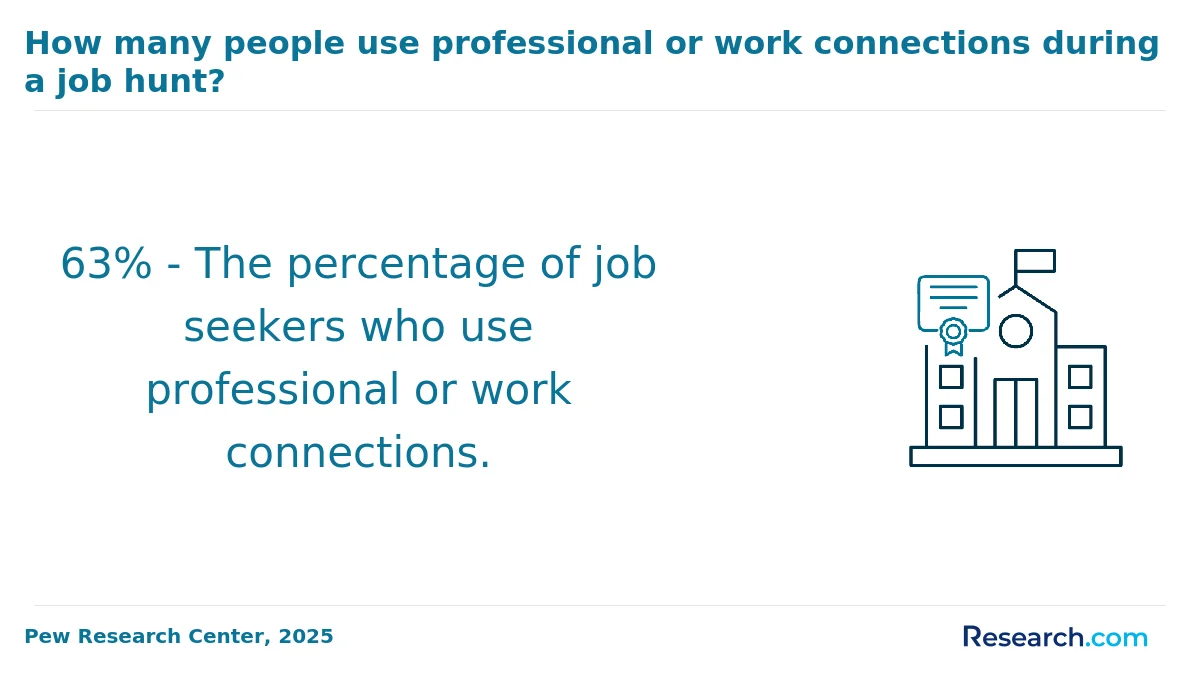
The job market for graduates of trade school certification programs in Nashua is notably robust and offers promising prospects. Many graduates from local institutions find themselves stepping directly into roles demanding technical expertise, such as repair technicians, apprentice plumbers, or HVACR specialists. Their success is often linked to programs featuring hands-on internships and work-based learning experiences, bridging the gap between education and employment.
This strong alignment with industry needs drives the availability of trade school job opportunities in Nashua, especially in sectors like advanced manufacturing, construction, and electrical technology. Graduates frequently report competitive starting salaries reflecting the region's demand for skilled workers.
- Certified graduates benefit from connections made through internships with Nashua employers
- Many local companies offer health insurance and 401(k) matching as part of employment packages
- Trade certifications shorten the time to enter the workforce compared to traditional degrees
Many students appreciate how certification programs at Nashua trade schools provide practical training that leads directly to job offers. The value of these programs is further emphasized by the growing sectors of healthcare and IT nearby, adding diverse paths for certified graduates.
Individuals exploring the benefits of trade school vs college will find Nashua's market especially attractive, with many graduates seeing faster employment and higher job stability. Overall, predicting a steady increase in Nashua trade certification graduate salaries seems reasonable as local industries continue valuing skilled trades and invest in workforce development.
Best Certificate Programs - Leading Certification Courses in Nashua for 2026
# 1 position
Nashua Community College - Automobile/Automotive Mechanics Technology/Technician.
certificate or diplomaNashua Community College offers a hybrid program in Automobile/Automotive Mechanics Technology/Technician that prepares students to repair, service, and maintain various automobile systems. Instruction covers brake, electrical, engine performance and repair, suspension, steering, transmissions, and heating and air conditioning systems. The program’s annual in-state tuition is $7,140. Graduates earn a median income of $29,652 one year after completion. It is accredited by the New England Commission on Higher Education.
# 2 position
Nashua Community College - Computer Numerically Controlled (CNC) Machinist Technology/CNC Machinist.
certificate or diplomaNashua Community College offers a hybrid Computer Numerically Controlled (CNC) Machinist Technology program that trains students to operate CNC machine tools, including lathes and mills. The curriculum covers CNC terminology, programming, setup, operations, blueprint reading, machining, technical mathematics, CAD/CAM systems, and safety practices. The program is accredited by the New England Commission on Higher Education. Annual in-state tuition is $7,140.
Frequently Asked Questions about trade school certificates
After completing a trade school certification program in Nashua, effective preparation for the job market is essential. Graduates should begin by updating their resumes to emphasize hands-on skills and certifications earned, which local employers value highly. According to the U.S. Bureau of Labor Statistics, trade careers in New Hampshire are projected to grow by 5% through 2030, increasing demand for qualified workers.
Networking is critical; attending local job fairs and connecting with industry professionals in Nashua can open opportunities. Additionally, leveraging career services offered by trade schools helps with interview practice and job placement. Finally, maintaining relevant licenses and continuing education enhances employability in competitive fields like HVAC, electrical work, and welding.
Employers in Nashua highly value graduates from trade school certification programs who demonstrate strong technical proficiency. Key skills include hands-on expertise in fields such as HVAC, electrical work, and welding, reflecting local industry demands. According to the New Hampshire Department of Employment Security, skill in operation of modern machinery and adherence to safety regulations are critical for job success.
In addition to technical know-how, employers prioritize problem-solving abilities and effective communication. A 2023 survey by the National Skills Coalition emphasizes that soft skills like teamwork and adaptability significantly enhance employability in trades.
Time management and reliability are also important, as employers report these traits improve workplace efficiency and project completion rates. Overall, combining technical skills with strong interpersonal qualities makes graduates highly competitive in Nashua's job market.
Finding internships in Nashua that align with your trade school certification program involves a strategic approach. Start by consulting your school's career services office, which often has partnerships with local employers offering internships suited to specific trades. Many Nashua businesses value certified skills and actively recruit from nearby trade schools.
Online job platforms like Indeed and Handshake list internships available within Nashua's industrial, technical, and healthcare sectors. According to the New Hampshire Department of Employment Security, over 10% of Nashua's internships are concentrated in manufacturing and construction, key fields for many trade certifications. Networking through local trade associations and Chamber of Commerce events also helps identify hidden internship opportunities.
Trade school certification programs in Nashua play a significant role in enhancing career mobility and advancement. These programs offer focused, practical training that is often aligned with local employer needs, making graduates more competitive in the job market. According to the New Hampshire Department of Education, roughly 70% of trade school graduates in the state secure employment within six months, a rate notably higher than many traditional degree holders.
Certifications in fields such as HVAC, electrical work, and healthcare support can lead to higher starting salaries and quicker promotions. Employers in Nashua frequently prioritize candidates with relevant certifications, viewing them as ready to contribute immediately. This targeted skill development supports upward social mobility, particularly for those entering the workforce or changing careers.
In Nashua, part-time job opportunities that complement trade school certification programs often align with the skills taught in these courses. For example, students in HVAC or electrical programs can seek part-time roles as helper technicians or apprentices, positions frequently available due to local demand in the region's growing residential and commercial sectors.
According to the U.S. Bureau of Labor Statistics (2023), Nashua's job market shows steady growth in skilled trades, with part-time openings in plumbing, electrical work, and automotive repair. Additionally, retail and warehouse roles that require basic technical skills can offer practical experience while fitting flexible schedules.
Jobs in local hospitals or clinics may also support certifications in medical assisting or phlebotomy, giving students hands-on experience. Networking in industry-specific settings helps build connections that can lead to full-time employment after certification completion.
To find the best degree program near Nashua, NH, consider exploring local universities and colleges that offer a wide range of academic programs. Using resources like Research.com can be helpful to compare program rankings and reviews for institutions near Nashua, NH. Additionally, visiting school campuses and speaking with admissions representatives at educational facilities near me can provide valuable insights into the programs available and their suitability for your needs.
- Best Trade School & Training Programs - Leading Certification Courses in Hamburg for 2026
- Best Trade School & Training Programs - Leading Certification Courses in Akron for 2026
- Best Trade School & Training Programs - Leading Certification Courses in Adrian for 2026
- Best Trade School & Training Programs - Leading Certification Courses in Angola for 2026
- Best Trade School & Training Programs - Leading Certification Courses in Florence for 2026
- What Skills Will Future Business Graduates Need? | AACSB https://www.aacsb.edu/insights/articles/2025/08/what-skills-will-future-business-graduates-need
- Nashua Community College – Light of Possibilities https://nashuacc.edu/
- Barriers to Career and Technical Education in New Hampshire | Nelson A. Rockefeller Center for Public Policy https://rockefeller.dartmouth.edu/report/barriers-career-and-technical-education-new-hampshire
- Rivier University | Nashua, NH https://www.rivier.edu/
- Trade Schools and Technical Colleges - Nashua, NH & Online https://careerschoolnow.org/colleges/cities/nashua-nh
- Online Trade School https://www.ashworthcollege.edu/area-of-study/trades/
- Trade School vs. Traditional University | North American Trade Schools https://nats.ca/Home/NewsArticle/trade-school-vs-traditional-university/
- Trade School Careers: Why Trade Schools Result In High Demand Jobs https://intercoast.edu/articles/trade-school-careers-why-trade-schools-result-in-high-demand-job-opportunities-for-its-graduates/
- How to Recruit Top Talent from Trade Schools | Onrec https://www.onrec.com/news/news-archive/how-to-recruit-top-talent-from-trade-schools
- Are Online Trade Schools Worth It? - Center for Employment Training https://cetweb.edu/blog/are-online-trade-schools-worth-it