Most Affordable Certificate Programs - Leading Certification Courses in Savannah for 2026

Co-Founder and Chief Data Scientist
Choosing the right trade school certificate program in Savannah can feel overwhelming. To help, this article introduces a detailed ranking created by the Research.com team of data scientists. Their analysis highlights the most affordable and valuable programs for 2026, making it easier for you to find options that fit your goals and budget.
Trade school certifications open doors to rewarding careers without the stress of long-term commitments. Reading this article can guide you toward smart choices that lead to success and personal growth.
Key benefits of getting trade school certificate in Savannah
- Expected salary: Trade school graduates in Savannah can earn from $32,000 up to $145,000 annually, depending on the field. Roles like Sheet Metal Duct Installer average $52,000, while tech jobs such as Cloud Architect reach up to $145,000.
- Popular career paths: Graduates often find success in trades like HVAC, metalwork, plumbing, and general maintenance. These careers offer steady work and growth opportunities directly after earning a certificate.
- Online certification benefits: Completing a trade school certificate online offers flexibility and convenience. Many online graduates enjoy balancing work and studies, saving time and costs compared to traditional on-campus programs.
- Most Affordable Certificate Programs - Leading Certification Courses in Savannah for 2026
- What can I expect from trade school certification programs in Savannah?
- Where can I work with trade school certification in Savannah?
What can I expect from trade school certification programs in Savannah?
The average cost of a trade school certification program in Savannah can vary, but many students find it surprisingly affordable compared to traditional college routes. Graduates from Savannah Technical College share how their roughly 12-month programs typically cost in the range of several thousand dollars, making it accessible for many eager to jumpstart careers in fields like automotive technology or allied health. One graduate reflected on how this investment felt worthwhile, especially considering the hands-on training and personalized attention they received in smaller classes.
Students in programs such as culinary arts or cosmetology at Empire Beauty School often mention the value of learning directly from experienced instructors with industry-relevant tools. The cost corresponds with a curriculum designed to get you job-ready quickly, often offering financial aid options thanks to accreditation. For those in specialized areas like aviation maintenance, the price covers rigorous training with safety and quality standards that meet real-world demands.
Overall, tuition aligns with program lengths of a few months up to a year, giving many Savannah students a practical, affordable path to exciting careers.
Where can I work with trade school certification in Savannah?
After finishing a trade school certification program in Savannah, graduates dive into a world of vibrant career possibilities. Imagine stepping out of Savannah Technical College with a welding certificate and landing a job at Gulfstream Aerospace, handling precision metalwork that keeps aircraft flying safely. Others with HVAC or electrical certifications find themselves on bustling construction sites, working for companies like CS Hurd Electrical Contracting, confidently installing systems that power the city's homes and businesses.
Healthcare programs at local schools open doors to rewarding roles at Memorial Health University Medical Center or St. Joseph's/Candler Health System, where graduates support patients as EMTs or nursing assistants, making a tangible difference daily. The thrill of Savannah's busy port also calls to many CDL or forklift-certified graduates, who quickly find jobs moving goods for top logistics firms, climbing the ranks from operator to supervisor.
Many of these graduates speak of the pride in seeing their skills valued by companies like Hyundai or Shaw Industries. These jobs offer not only steady pay but real chances to grow and build a future in Savannah's thriving economy.
After finishing a trade school certification program in Savannah, many graduates discover their earning potential far exceeds expectations. Imagine stepping into Savannah's booming tech sector, where entry-level roles in cloud computing or cybersecurity can land you a salary between $112,000 and $145,000 annually. Graduates from well-known institutions like Savannah Technical College often share stories of landing high-demand jobs as Security Engineers or Cloud Architects soon after completing their programs.
Even outside tech, opportunities in aviation technology or skilled trades bring strong financial rewards. It's common for certificate holders to earn about $10,000 more per year than those with just a high school diploma. Many Savannah graduates celebrate finding meaningful work within months, with over 94% employed in their field.
Hands-on training combined with local employer partnerships makes this journey feel rewarding and achievable. Trade school in Savannah isn't just education-it's a gateway to thriving, well-paid careers that truly change lives.
- Amy: Completing the HVAC certification in Savannah gave me hands-on skills that employers value. The small class sizes and supportive instructors made learning exciting. Now I'm employed at a local company fixing systems and feel confident about my career path in a growing industry.
- Jamal: Earning my commercial electrician certification in Savannah was a game-changer. The practical training and internship opportunities helped me quickly land a job on construction sites. I appreciate how the program balanced theory with real-world experience, making me ready for the challenges of the field.
- Sophia: The welding certification was intense but rewarding. Studying in Savannah exposed me to advanced techniques and safety standards. I'm proud to work fabricating structures here, knowing I was thoroughly prepared. The program truly boosted my confidence and opened doors in skilled manufacturing.
- A high school diploma or GED is required for most programs, and applicants generally must be at least 16 years old, with some cosmetology and allied health programs requiring age 17.
- Admission to many Health Sciences programs involves placement tests like ACCUPLACER, COMPASS, or ASSET, with scores valid for five years or waivers based on SAT/ACT or college coursework.
- Provisional admission allows taking support courses, but students must achieve regular admission status before earning certificates or diplomas.
- The average cost for trade school certification programs ranges from $2,000 to $5,000, with financial aid available for eligible students.
- Starting salaries after graduation typically range from $30,000 to $40,000 annually, with potential growth to $50,000 or more in high-demand fields like practical nursing and skilled trades.
Imagine diving into the Chatham Apprentice Program (CAP) in Savannah and earning multiple entry-level certifications in just 16 days. Graduates often say it feels like an adrenaline rush, cramming intensive, hands-on learning into a few weeks and walking away ready for work. For a more paced experience, Savannah Technical College offers programs like the Certified Construction Worker Technical Certificate, which many finish within a single academic term-roughly four months. Graduates appreciate the balance of focused training with enough time to absorb practical skills.
Then there are the longer commitments-cosmetology, practical nursing, and culinary arts programs typically take about 12 months for full-time students at places like Empire Beauty School or Virginia College. Many find this year transformative, as they build confidence while mastering their craft.
For those juggling jobs, flexible part-time schedules stretch completion but keep dreams alive. Apprenticeship programs blend paid work and learning, often taking one to two years, creating a rewarding path that graduates describe as both challenging and deeply satisfying.
Choosing between online and on-campus trade school certification programs in Savannah sparks curiosity about the best way to launch your career. Imagine attending Savannah Technical College's bustling campus, where hands-on welding labs crackle with sparks and students chat between machines. These on-campus programs offer a structured environment, with instructors guiding you face-to-face and classmates sharing the learning journey. Graduates often recall the energy of real-time interaction and the confidence gained from working directly with tools and equipment.
By contrast, picture finishing your courses after the kids are asleep, logging into Blackboard from home whenever your schedule allows. Online programs here offer flexibility, a lifesaver for those juggling jobs or family. Although you study remotely, deadlines and engagement remain firm-just like completing your syllabus exam early in the term to stay enrolled. Many Savannah students appreciate this freedom, feeling empowered to balance life while progressing steadily toward certification.
However, some trade fields still demand on-campus presence for essential labs, keeping the hands-on spirit alive. The choice hinges on whether you thrive in a lively classroom or prefer the savvy independence of online learning.
The average trade school cost in Savannah hovers around $6,000, with programs usually lasting between six months and two years. Many local graduates find this range surprisingly reasonable, especially when comparing hands-on training fields like automotive repair, healthcare, or culinary arts. For instance, Savannah Technical College, a popular choice among aspiring technicians, lists average tuition around $5,898 for full-time in-state students enrolled in certificate programs. This helps make Savannah trade school tuition and fees approachable for students eager to dive into skilled careers without the overwhelming costs of four-year degrees.
Public trade schools in the area generally charge between $4,000 and $15,000 annually, a relief for those budgeting carefully. Private institutions, while offering specialized courses, can be notably pricier, ranging from $16,500 to $31,500 per year. Many in Savannah appreciate the affordability of public options, channeling their excitement into mastering new trades without breaking the bank.
Beyond tuition, additional costs play a role in the journey. Graduates often recount paying small fees for exams like OSHA 10 or EPA 608 certification, which can add $50 to $59 per test. Textbooks and e-books add $40 to $115 each, but students consider these investments essential stepping stones to their careers. Those pursuing specialized paths, such as commercial truck driving, face higher fees-sometimes between $1,323 and $2,207-due to extra expenses like fuel surcharges and CDL testing.
Many students navigate these costs by leveraging financial aid and grants available throughout Georgia. If you're exploring your options, don't miss out on chances to enroll in one of the cheapest online electrical lineworker training programs that can further ease expenses while delivering quality education tailored to industry demands.

If you're diving into a trade school certification program in Savannah, chances are you'll find a treasure trove of financial aid options waiting to support your journey. Over 80% of students at Savannah Technical College tap into grants, scholarships, or work-study opportunities, easing the path to hands-on skills and real-world careers.
Picture one graduate who secured the Pell Grant through FAFSA, the gateway to federal aid that doesn't require repayment-allowing full focus on mastering their craft without financial stress. Others benefit from Georgia-specific gems like the HOPE Scholarship or HOPE Grant, which reward locals with tuition assistance, regardless of high school GPA, making quality education accessible even for those balancing life's curveballs.
Veterans in Savannah find extra help via GI Bill benefits, with the school's financial aid office acting as a guide through the paperwork jungle. Though federal loans have faded from Savannah Tech's offerings, private lenders like Sallie Mae remain a cautious option for those needing additional funds. The common thread? Personalized support that transforms daunting finances into hopeful opportunities.
Ready to dive into a trade school certification program in Savannah? Most local schools, like Savannah Technical College, expect you to have a high school diploma or GED certificate as your ticket in. Picture a fast learner fresh out of high school feeling proud after submitting their diploma and stepping confidently into classes designed to build real, hands-on skills.
Here's what you typically need:
- Be at least sixteen years old, although some specialized programs-like nursing or paramedic tech-might ask for more.
- Provide proof of coursework or GPA if you're eyeing competitive fields.
- If you're still finishing high school, you might get a provisional admission by sharing progress reports or letters from your school.
- Prepare for placement tests in English and math; some grads recall how these helped tailor their learning path.
- Certain courses, like commercial truck driving, require a valid driver's license or background checks.
Graduates often reflect on how these prerequisites didn't just open doors-they set a solid foundation that made their journey smoother and more rewarding as they advanced toward certificate completion.
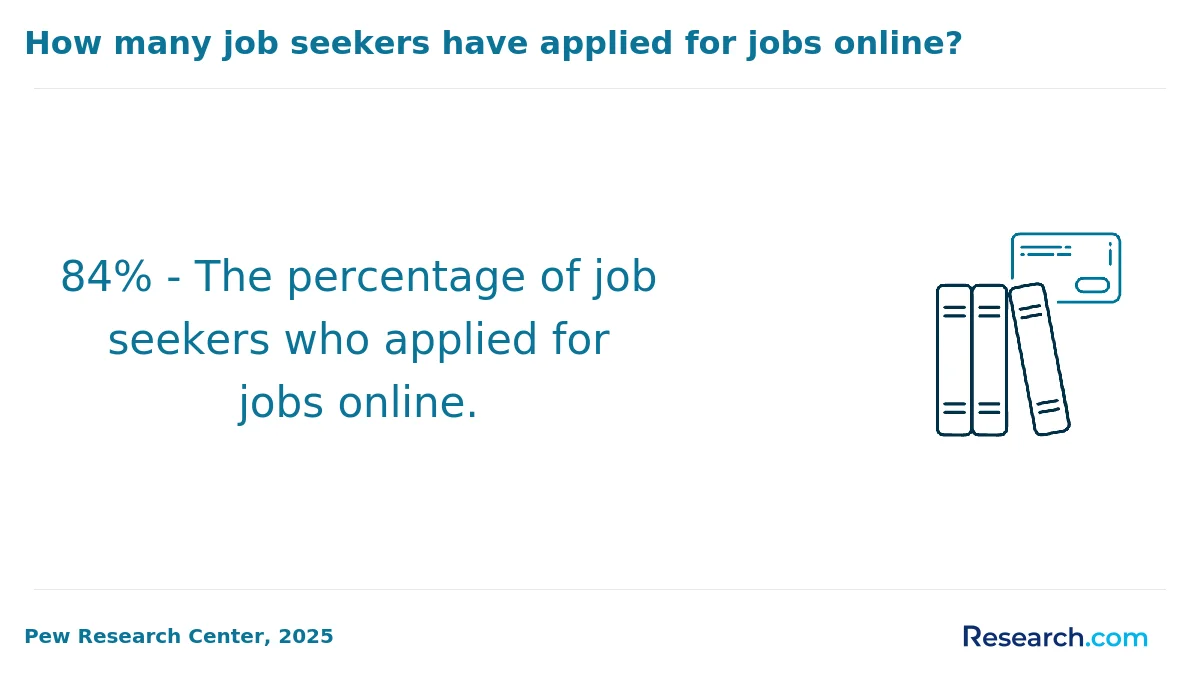
Trade school certificate courses in Savannah immerse students in hands-on learning geared toward rapidly building job-ready skills. Graduates from popular institutions like Savannah Technical College often share how their classes in automotive technology and welding matched the real demands they face on the job, giving them confidence from day one. Imagine mastering collision repair techniques that local shops crave or diving into barbering and cosmetology programs that open doors to Georgia's thriving personal care industry.
Many students find Savannah technical college certification program classes also cover essential healthcare skills. Courses such as medical assisting, nurse aide fundamentals, and phlebotomy technician prepare learners for immediate employment in bustling hospitals and clinics. In construction-related paths, vibrant lessons in carpentry, electrical technology, and machine tool operation reflect Savannah's expanding building markets and keep students excited about their future roles.
Business enthusiasts benefit too, with classes in accounting, logistics management, and project management that align perfectly with Savannah's busy port and supply chain sectors. For those curious about fast-tracked careers, exploring what are some good trade jobs can spark inspiring ideas directly linked to these trusted programs.
Choosing the best trade school certification program in Savannah means diving into programs that fit your goals and lifestyle. Graduates from Savannah Technical College often share how their flexible schedules and hands-on training helped them balance work and family while building skills in high-demand fields like welding and healthcare. When you compare trade school costs in Savannah, consider not just tuition but also fees for certification tests or materials-Savannah Tech's affordable rates and supportive financial aid make a real difference for many students.
Look for programs with strong local industry connections; alumni frequently highlight internships and employer partnerships that jumpstart their careers. Programs accredited by recognized agencies, including offerings at Georgia Tech-Savannah, open doors beyond the city through nationally respected certifications.
For those eager to upgrade skills quickly, explore short-term options and online courses-some students found useful flexibility through maintenance technician certification online. This adventurous approach lets you align education with Savannah's unique job market and your personal ambitions.
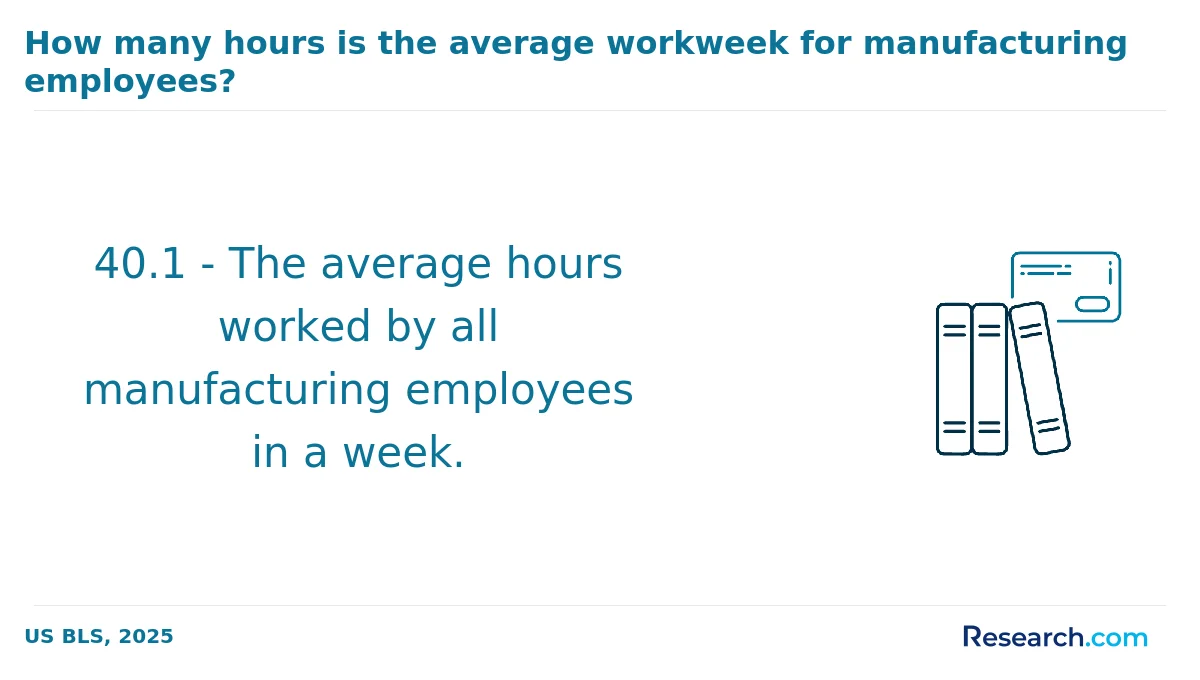
Savannah's trade school career opportunities open doors to a variety of dynamic fields where graduates quickly find themselves part of bustling industries shaping the city's future. Many hands-on learners have stepped into roles in manufacturing and logistics, leveraging credentials like the American Welding Society Certification or Commercial Driver's License (CDL) to thrive in local plants and port operations.
Healthcare is another vibrant path, where graduates with certifications in Medical Assisting or EMT roles become essential contributors to Savannah's hospitals and clinics, gaining valuable experience and respect in their communities.
Checkout some standout job paths Savannah technical certification job market consistently supports:
- Welding, precision machining, and industrial systems thanks to programs at Savannah Technical College
- Construction trades such as carpentry and electrical work fueling the city's development
- HVAC careers, with many turning to best online hvac training for cutting-edge skills
- Culinary arts, criminal justice, and digital media, carving unique niches in this eclectic city
Graduates often share how these certificate programs not only equip them with skills but also spark excitement for a rewarding career in Savannah's thriving workforce.
Graduates of trade school certification programs in Savannah are stepping into a rapidly expanding job market buzzing with opportunity. The Savannah trade school certification employment outlook gleams especially brightly in technical fields like cloud computing, cybersecurity, and robotics, where local powerhouses such as Gulfstream Aerospace and Hyundai Metaplant are actively hiring. Imagine completing a hands-on program at Savannah Technical College and within months, receiving job offers from companies eager for your skills-this is the reality for many graduates.
Students often share their excitement about the:
- Nearly 100% job placement rates in automation and robotics
- Strong employer partnerships that shape practical curricula
- Potential to earn salaries ranging from $61,000 to $145,000 annually in tech roles
Many appreciate how Savannah's lower living costs amplify their earnings, making their investments in education worth every penny. For those weighing their options on education paths, exploring trade school vs university can illuminate the quick, practical route Savannah trade school graduates enjoy.
Most Affordable Certificate Programs - Leading Certification Courses in Savannah for 2026
# 1 position
Savannah Technical College - Nursing Assistant/Aide and Patient Care Assistant/Aide.
certificate or diplomaThe Nursing Assistant/Aide and Patient Care Assistant/Aide program at Savannah Technical College offers a hybrid format, including some distance education. It prepares students to perform routine nursing-related services under nurse supervision in hospitals or long-term care facilities. The annual in-state tuition is $3,072. Graduates have a median earning of $43,592 one year after completing the program. The program is accredited by the Southern Association of Colleges and Schools Commission on Colleges.
# 2 position
Savannah Technical College - Welding Technology/Welder.
certificate or diplomaSavannah Technical College offers a hybrid Welding Technology/Welder program that prepares students to apply technical skills in welding and cutting metal surfaces. Instruction covers arc welding, resistance welding, brazing, soldering, high-energy beam techniques, welding metallurgy, and safety standards. The annual in-state tuition is $3,072. Graduates have a median earning of $41,604 one year after completion. The program is accredited by the Southern Association of Colleges and Schools Commission on Colleges.
# 3 position
Savannah Technical College - Computer Numerically Controlled (CNC) Machinist Technology/CNC Machinist.
certificate or diplomaThe Computer Numerically Controlled (CNC) Machinist Technology program at Savannah Technical College is a hybrid program preparing students to operate CNC machine tools, including lathes and mills. It covers CNC programming, setup, operations, troubleshooting, blueprint reading, technical math, and CAD/CAM systems. The program’s annual in-state tuition is $3,072. Graduates have median earnings of $41,604 one year after completion. It is accredited by the Southern Association of Colleges and Schools Commission on Colleges.
# 4 position
Savannah Technical College - Baking and Pastry Arts/Baker/Pastry Chef.
certificate or diplomaSavannah Technical College offers a hybrid Baking and Pastry Arts/Baker/Pastry Chef program designed to prepare students for professional roles in commercial baking. The curriculum covers bread and pastry making, handling, storage, cake decorating, industry operations, product packaging, marketing, and counter service. Annual in-state tuition is $3,072. The program is accredited by the Southern Association of Colleges and Schools Commission on Colleges.
# 5 position
Savannah Technical College - Electrical and Power Transmission Installation/Installer, General.
certificate or diplomaSavannah Technical College offers a hybrid program in Electrical and Power Transmission Installation/Installer, General. This program prepares students to install residential, commercial, and industrial electrical systems and power transmission lines. Instruction covers electricity, safety, wiring, insulation, grounding, blueprint interpretation, equipment operation, maintenance, and codes. The annual in-state tuition is $3,072. The program is accredited by the Southern Association of Colleges and Schools Commission on Colleges.
# 6 position
Savannah Technical College - Electrician.
certificate or diplomaThe Electrician program at Savannah Technical College offers a hybrid format with some distance-education options. It prepares students to install, operate, maintain, and repair electric apparatus and systems including residential, commercial, and industrial wiring. The curriculum covers electronics principles, power transmission, safety, testing, inspection, and relevant codes. Annual in-state tuition is $3,072. The program is accredited by the Southern Association of Colleges and Schools Commission on Colleges.
# 7 position
Savannah Technical College - Building/Home/Construction Inspection/Inspector.
certificate or diplomaSavannah Technical College offers a hybrid program in Building/Home/Construction Inspection/Inspector. It prepares students to apply industrial, labor, and governmental standards to oversee construction projects and maintain completed buildings. The curriculum includes construction processes, materials analysis, safety, building codes, blueprint interpretation, testing procedures, communication, and accident investigation. The annual in-state tuition is $3,072. The program is accredited by the Southern Association of Colleges and Schools Commission on Colleges.
# 8 position
Savannah Technical College - Heating, Air Conditioning, Ventilation and Refrigeration Maintenance Technology/Technician.
certificate or diplomaThe Heating, Air Conditioning, Ventilation and Refrigeration Maintenance Technology/Technician program at Savannah Technical College prepares students to repair, install, service, and maintain HVACR systems. Instruction covers diagnostic techniques, testing equipment, and principles of mechanics, electricity, and electronics. The program is offered in a hybrid format with some distance-education options. Annual in-state tuition is $3,072. It is accredited by the Southern Association of Colleges and Schools Commission on Colleges.
# 9 position
Savannah Technical College - Industrial Mechanics and Maintenance Technology/Technician.
certificate or diplomaThe Industrial Mechanics and Maintenance Technology/Technician program at Savannah Technical College offers a hybrid learning format, combining in-person and distance-education options. The program prepares students to repair and maintain various industrial machinery, including cranes, pumps, engines, and conveyor systems. Annual in-state tuition is $3,072. The program is accredited by the Southern Association of Colleges and Schools Commission on Colleges.
# 10 position
Savannah Technical College - Medical Insurance Coding Specialist/Coder.
certificate or diplomaSavannah Technical College offers a Medical Insurance Coding Specialist/Coder program with a hybrid format, combining in-person and distance education. The curriculum covers medical records and insurance software, anatomy, medical terminology, data classification, coding, and Medicare regulations. Annual in-state tuition is $3,072. The program is accredited by the Southern Association of Colleges and Schools Commission on Colleges, preparing students for specialized medical billing and insurance documentation roles.
Frequently Asked Questions about trade school certificates
After completing a trade school certification program in Savannah, preparing for the job market involves several strategic steps. First, graduates should update and tailor their resumes to highlight specific skills gained during their certification. Employers in Savannah often seek candidates with hands-on experience, so including any internships or practical training is essential.
Networking is also crucial. Joining local trade associations or attending job fairs, such as those hosted by the Savannah Economic Development Authority, can connect graduates with potential employers. According to the U.S. Bureau of Labor Statistics, Savannah's trade-related fields, including construction and manufacturing, are projected to grow by 8% from 2022 to 2032, increasing job opportunities for certified workers.
Additionally, graduates should consider continuing education or earning additional certifications to stay competitive. Many employers in Savannah value certifications recognized by industry bodies like the National Center for Construction Education and Research (NCCER). Effective job preparation combines credential presentation, local networking, and continuous skill improvement.
Employers in Savannah highly value practical skills in trade school certification graduates. Technical proficiency relevant to the specific trade-such as HVAC, electrical work, or welding-is essential. According to the Georgia Department of Labor, over 70% of local employers emphasize hands-on experience and mastery of industry tools.
Soft skills also play a critical role. Communication, teamwork, and problem-solving abilities are frequently cited as top traits. A 2023 survey by the National Association of Manufacturers found that 85% of employers sought workers with strong interpersonal skills alongside technical knowledge.
Time management and adaptability are important due to Savannah's evolving job market, especially in sectors like construction and manufacturing.
Finding internships in Savannah relevant to your trade school certification program involves several focused steps. Start by connecting with your school's career services, which often partner with local businesses to provide internship opportunities tailored to your field. According to the Georgia Department of Economic Development, Savannah hosts over 200 companies in manufacturing, maritime, and construction sectors-fields commonly tied to trade certifications.
Local workforce boards like WorkSource Coastal also maintain internship listings and can assist in matching you with employers seeking skilled trainees. Networking through local trade associations or chambers of commerce can open doors to unadvertised positions. Additionally, online platforms such as Georgia's Employ Georgia portal offer searchable internship databases specifically for residents.
Many Savannah internships pay between minimum wage and $15 hourly, providing practical experience alongside income. Start your search early and tailor applications to showcase your specific certifications and skills to improve your chances.
Trade school certification programs in Savannah play a significant role in enhancing career mobility and advancement. Completing a certification often leads to immediate employability in skilled trades such as HVAC, welding, and healthcare support, fields experiencing growth locally. According to the Georgia Department of Labor, occupations requiring certifications are projected to grow by over 10% in the Savannah metro area through 2028.
Certification holders typically earn higher wages than those without credentials, with data from the National Center for Education Statistics showing a median income increase of 20% in trade-related jobs. Employers in Savannah value these certifications as proof of practical skills and readiness.
Furthermore, certified professionals have more opportunities for promotion and career shifts within their industries, thanks to recognized competency standards. Veterans and working adults particularly benefit from these programs as flexible pathways to better jobs without the time and cost of traditional college degrees.
Part-time job opportunities in Savannah can significantly enhance the learning experience of students enrolled in trade school certification programs. Many local employers seek candidates with practical skills in areas like automotive repair, electrical work, and healthcare support. For example, Savannah's retail and hospitality sectors often offer part-time positions suitable for students studying culinary arts or cosmetology.
According to the U.S. Bureau of Labor Statistics, Savannah has a growing demand for certified technicians and skilled tradespeople. This presents opportunities for part-time roles in construction, HVAC maintenance, and welding, which complement hands-on training. Working part-time in these fields allows students to build real-world experience while earning income.
Additionally, healthcare-related certifications can be paired with part-time roles such as medical assistants or pharmacy aides at local clinics and pharmacies, according to the Georgia Department of Labor. Balancing study and work in these sectors helps reinforce skills and improve job prospects after certification.
To find the most affordable degree program near Savannah, GA, start by evaluating local community colleges and universities, which often offer cost-effective tuition rates. Utilize online tools like Research.com to compare tuition fees, scholarships, and financial aid options for programs available near me. Additionally, attending information sessions or contacting the admissions offices of institutions near Savannah, GA can provide clarity on programs that fit your budget and educational goals.
- Internship Programme | UN Trade and Development (UNCTAD) https://unctad.org/page/internship-programme
- Trade School Programs & Courses https://www.best-trade-schools.net/programs/
- What Skills Will Future Business Graduates Need? | AACSB https://www.aacsb.edu/insights/articles/2025/08/what-skills-will-future-business-graduates-need
- 2025-2026 Tuition Fees - Savannah Technical College https://www.savannahtech.edu/tuition-fees-2/
- Are Online Trade Schools Worth It? - Center for Employment Training https://cetweb.edu/blog/are-online-trade-schools-worth-it
- Research - Most Affordable Online Maintenance Technician Trade School Programs https://research.com/education/most-affordable-online-maintenance-technician-trade-school-programs
- Savannah Tech: Playing with the big boys https://www.connectsavannah.com/special-issues/savannah-tech-playing-with-the-big-boys-13210651
- Online Skilled Trades Training Programs | Penn Foster https://www.pennfoster.edu/programs/trades
- Trade Schools & Certification Programs - ccmrwithmsthrash https://ccmrwithmsthrash.com/trade-schools-certifications/
- Trade School vs College: What’s Best for Georgia Students? - Helms College https://www.helms.edu/trade-school-vs-college-in-georgia/