Best Trade School & Training Programs - Leading Certification Courses in Vancouver for 2026

Co-Founder and Chief Data Scientist
Choosing the right trade school in Vancouver can be a game changer for your career. With so many options, it’s important to have reliable information to guide your decision.
This article features a trade school programs ranking developed by the Research.com team of data scientists. Their work helps you identify which programs are truly worth your time and investment.
Exploring trade schools can open doors to valuable skills, job opportunities, and a fulfilling future. Whether you’re starting fresh or changing paths, this guide supports you every step of the way.
Key benefits of finishing trade school programs trade school in Vancouver
- Expected salary: Trade school graduates in Vancouver can earn well, with roles like field service technicians making $60,000 to $80,000 annually and motorcycle technicians averaging $72,996 per year, offering strong financial stability early in their careers.
- Popular career paths: Graduates often find success as sheet metal workers, barber instructors, or heavy machine operators, all promising rewarding work with opportunities to grow salary and skills through experience and certification.
- Online education benefits: Completing a trade school diploma online provides flexibility, allowing students to balance work and study while gaining recognized certifications that open doors to Vancouver's thriving trades job market.
- Best Trade School & Training Programs - Leading Certification Courses in Vancouver for 2026
- What can I expect from trade school programs trade schools in Vancouver?
- Where can I work after finishing trade school programs trade schools in Vancouver?
What can I expect from trade school programs trade schools in Vancouver?
The average cost of a trade school program in Vancouver typically ranges from about $4,000 to $12,000 depending on the program length and complexity. Graduates from well-known institutions often recall how investments in programs lasting from a few weeks to six months translated into real-world skills and quick employment. At places like BCIT, some students experienced hands-on learning that felt invaluable, utilizing state-of-the-art labs and equipment-automotive shops, heavy machinery, even aviation facilities-that justified tuition fees with practical exposure you won't find in traditional schools.
Many find the cost worthwhile as programs encourage smaller class sizes, usually limited to around 16, which means personalized guidance from instructors with solid industry experience or Red Seal endorsements. This mentorship often creates a confidence boost for new learners and career changers alike, making the financial commitment feel like an investment rather than an expense.
With SkilledTradesBC endorsements, the credentials gained offer mobility across Canada, providing graduates assurance that their cost translates into recognized qualifications. Numerous students highlight how included industry work placements connected them directly with employers, rapidly turning their tuition outlay into steady income streams soon after graduation.
Where can I work after finishing trade school programs trade schools in Vancouver?
Graduates from trade schools in Vancouver often step directly into rewarding careers that reflect the city's booming demand for skilled workers. For example, those completing programs in carpentry, plumbing, or electrical work typically find employment with local construction firms or even launch their own contracting businesses. Many share the excitement of receiving job offers within months, a reality echoed by BCIT graduates who experience a 94% employment rate shortly after finishing.
Beyond construction, trade school credentials open doors to diverse fields like infrastructure, logistics, and civil design. Imagine working as a boilermaker crafting vital metal structures, earning an average annual salary over $100,000-graduates from Vancouver's trade programs often describe this as a stable and empowering career choice.
Others pursue paths in healthcare, HVAC, IT, or business administration, where practical training matches employer needs perfectly. Whether joining government agencies, private companies, or starting independent ventures, Vancouver trade school alumni feel confident their hands-on skills and certifications make them highly sought after in a thriving job market.
Graduates from Vancouver's trade schools often find their starting salaries align closely with the city's competitive wage landscape. Many recall feeling excited when landing roles paying around $23.62 per hour, a strong foundation that reflects the demand for skilled labor in British Columbia. Those entering fields like welding or electrician work frequently begin with annual salaries between $50,000 and $75,000, quickly realizing the real potential as they gain certifications and experience.
Imagine a sheet metal worker fresh out of a local trade program-within a few years, earning upward of $64,500 as expertise deepens. Motorcycle technician grads share similar success stories, often seeing starting pay near $73,000, which surprises many new entrants with its generosity. With costs of living high in Vancouver, these figures translate into meaningful, stable livelihoods that bring pride to those embracing hands-on careers.
Trade school alumni emphasize the transformative feeling when their skill sets convert directly into tangible income, often surpassing initial expectations and fueling motivation for continued growth.
- Applicants typically need to be Canadian citizens or permanent residents with a BC Secondary School diploma or equivalent; mature students may also qualify.
- Foundation trade programs usually last about ten months and include classroom and hands-on training, while apprenticeships require employer sponsorship and on-the-job hours.
- Tuition for full-time, one-year foundation programs ranges from CAD 4,000 to CAD 8,000, with additional costs up to CAD 2,000 for materials and tools.
- About 98% of apprenticeship completers find employment shortly after graduation in trades like electrician, plumber, HVAC technician, carpenter, and machinist.
- Starting salaries range from CAD 45,000 to CAD 60,000 per year, increasing to CAD 80,000-100,000 for experienced tradespeople in high-demand fields.
- Many programs offer certifications such as OSHA 10 and First Aid/CPR, which enhance employability and earning potential.
Completing a trade school program in Vancouver can feel like navigating a flexible journey tailored to your goals and schedule. For instance, many graduates from popular local institutions find apprenticeship programs especially rewarding, though they typically span four years, combining hands-on work with technical classes. This blend often inspires pride as students apply real skills on the job while studying part-time at public colleges.
Others, new to trades, appreciate foundation programs that last less than a year-some finishing in just 8 to 12 months-offering a quick, solid start before stepping into apprenticeships or entry-level roles. Imagine completing such a program and feeling confident enough to begin your career swiftly.
Meanwhile, diploma programs offer a broader, two-year experience loved by those seeking more extensive training, unlocking more advanced opportunities. Certificates under a year also empower students to sharpen specific skills rapidly, ideal for those wanting fast, targeted growth.
Flexible options like the Trades Instructor certificate, completed in as little as 105 hours or within three years, illustrate how Vancouver trade schools support diverse learner needs, whether full-time dedication or part-time balance alongside life's demands.
The primary difference between online and on-campus trade school programs in Vancouver lies in how students engage with their learning. Online programs offer incredible flexibility, letting students access lectures and assignments anytime-perfect for a single parent juggling shifts or someone working full time. Graduates often recall the convenience of asynchronous classes, where they could pause and replay welding demos or HVAC tutorials at their own pace, fitting study smoothly into hectic lives.
Yet, hands-on skills are essential in trades and cannot be fully captured online. That's why popular Vancouver trade schools combine online theory with in-person labs. For instance, a welding student might watch detailed video lessons from home, then attend scheduled campus workshops to practice under expert supervision. This hybrid model delivers confidence and real-world readiness.
In contrast, on-campus programs immerse students in face-to-face learning daily, creating vibrant environments for immediate feedback and peer collaboration. Graduates appreciate the energy of working alongside classmates, troubleshooting projects together, and networking with instructors-all vital for mastering complex equipment and techniques.
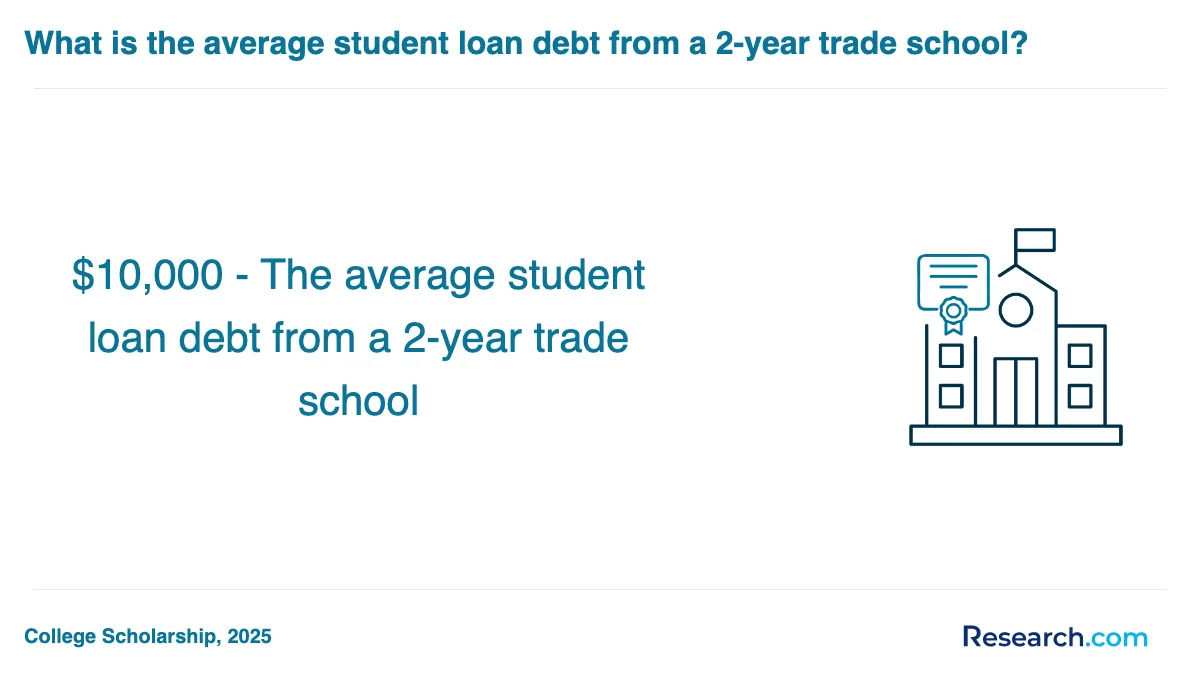
The average trade school tuition in Vancouver generally falls between $5,000 and $15,000 CAD for programs lasting one to two years. Graduates often share how affordable this range felt compared to traditional four-year degrees in the US, helping them achieve hands-on skills without accruing overwhelming debt. For example, students attending Skilled Trades College of Canada pay a flat fee of $14,400 that covers tools, textbooks, and protective equipment-making budgeting simpler while ensuring they are fully equipped.
Many Vancouver trade school program costs 2026 reflect similar figures, although specialized courses or longer durations may increase expenses. Students from the British Columbia Institute of Technology (BCIT), a leader with over 129 programs, emphasize the value of short, targeted training that fits different career goals. They often highlight how flexible payment plans allowed them to manage tuition in manageable installments without sacrificing immediate learning opportunities.
Comparing these local costs with US college tuition - often exceeding $20,000 annually - reveals why many feel trade schools here offer a rare balance of quality and affordability. For American students seeking practical alternatives, resources like cheap online landscaping technology trade school programs can supplement in-person training cost-effectively, widening access to valuable vocational education.
Financial aid plays a key role, with many programs participating in federal and provincial loan, grant, and scholarship systems. Graduates reflect that this support made pursuing apprenticeships and vocational studies feel both achievable and rewarding, showing how average trade school tuition in Vancouver is designed to support student success and career readiness.
Trade school students in Vancouver often find themselves pleasantly surprised by the financial aid opportunities that ease their educational journey. Many graduates from institutions like Vancouver Community College credit the Canada Student Grant for Full-Time Students for alleviating their financial stress, receiving up to $4,200 per year based on income. Imagine a single parent attending a HVAC program, qualifying for maximum aid thanks to income thresholds, feeling the relief of reduced tuition worries.
Provincial support through StudentAid BC adds another layer of assistance. A mechanic student recalls how submitting an application early allowed enrollment confirmation and timely release of funds, fueling confidence to focus fully on skill-building. These provincial loans and grants depend on personal circumstances, program costs, and family income, creating personalized support paths.
Private scholarships, like the DEWALT Trades Scholarship Program, make dreams tangible by awarding $5,000 to qualified applicants in trades ranging from construction to mechanics. This scholarship's accessibility to US and Canadian citizens inspires hopefuls aiming to launch careers without overwhelming debt.
Institutional bursaries at schools like Vancouver Island University encourage proactive students to meet deadlines, such as July 10 for fall funding, adding layers of support that can transform anxiety into motivation and success.
Enrolling in a trade school program in Vancouver like Vancouver Community College (VCC) or Vancouver Island University (VIU) requires meeting some clear but achievable prerequisites. Many graduates recall the moment they realized completing Grade 12 or its equivalent was their first step toward hands-on, career-ready training.
Language skills are equally vital. Trade schools expect you to demonstrate English proficiency, often through courses like English Studies 12 or tests such as the Canadian Language Benchmarks. Imagine preparing for a practical interview where your clear communication makes a strong impression-this fluency opens doors.
Mathematics also plays an essential role. Whether it's scoring well on VCC's arithmetic and algebra tests or showing mastery of Workplace Mathematics 11, these skills empower students to confidently tackle the technical challenges in fields like engineering or drafting.
- Grade 12 completion or equivalent
- English proficiency at Grade 12 level or via standardized tests
- Mathematics competency demonstrated by coursework or assessment
- Mature student status option for those with non-traditional backgrounds
- Submission of official transcripts and possibly program-specific assessments
Those balancing work or life commitments often find upgrading options and self-assessment tests reassuring, making the path accessible regardless of past academic setbacks. Graduates consistently share how meeting these prerequisites felt like unlocking a solid foundation-one that prepared them for success in their chosen trade career right here in Vancouver.

Trade school programs in Vancouver typically immerse students in practical, hands-on courses tailored to thriving industries. Many graduates from the British Columbia Institute of Technology (BCIT) recall the empowering experience of mastering carpentry, plumbing, or house inspection firsthand-skills they applied the very next day on job sites. These programs don't just teach theory; they build confidence through real-world challenges.
Electrical and mechanical trades are equally robust, with courses like wiring, HVAC, and industrial mechanics drawing many eager learners. One former student described the dynamic workshop environment at BCIT's School of Trades & Apprenticeships, where welding and heavy duty equipment technology offered constant challenges that kept learning engaging and relevant.
Popular courses span diverse fields including:
- Carpentry and ironwork
- Security systems installation
- Automotive servicing and aircraft wiring
- Cabinetmaking and interior design
Flexible, short-term options and microcredentials also allow students to upgrade skills swiftly or explore multiple trades, ideal for those balancing work and study. Many Vancouver trade school graduates feel a genuine sense of achievement, ready to enter the workforce with practical, in-demand expertise that aligns tightly with local job markets.
Trade school programs in Vancouver offer a rich variety of specializations tailored to match both local industry demands and students' ambitions. Graduates often share stories of diving into hands-on disciplines such as construction trades, where they master framing, plumbing, electrical work, and even new areas like green energy and CAD engineering. For example, many find themselves ready for careers as electricians, plumbers, or HVAC technicians soon after completing certifications like OSHA 10 or Carpenter Pre-Apprentice, all available through Vancouver's focused programs.
Others enroll in mechanical and technical trades at institutions like BCIT and KPU, gaining expertise in welding, machining, and industrial mechanics with strong support from experienced instructors and modern facilities. These programs boast impressive employment rates, showing their effectiveness in preparing students for the workforce.
Many students also pursue automotive and transportation trades, acquiring skills in automotive service, collision repair, and specialized fields such as aircraft wiring systems.
Specializations extend to less typical but highly practical fields like hairdressing, baking, refrigeration, security systems, and even unique courses like Farrier Science. This diversity reflects Vancouver's inclusive approach to trade education. Many graduates praise the invaluable hands-on learning and industry partnerships that help bridge the gap from classroom to career.
For anyone considering a practical route with solid career prospects, exploring the easiest trades that lead to high paying careers in Vancouver's trade schools provides both inspiration and direction.
Choosing the best trade school programs in Vancouver means diving deep into factors that truly affect your future. Graduates from BCIT often express pride in how the school's strong industry ties helped them land jobs swiftly-94 percent found employment within just four months. For a US student, this kind of outcome highlights the importance of accredited institutions with proven results.
Next, how to compare Vancouver trade schools boils down to program relevancy and learning style. Schools like VanWest College attract students who value smaller classes and hands-on support, which translate into confidence and skill-building in real-world settings. Practical training, such as co-op placements, enriches the learning experience and keeps you job-ready.
Cost can't be ignored, especially for international students. Some places offer tuition-free options or scholarships-Cascadia Tech Academy is a standout example. Exploring resources like most affordable maintenance technician online courses can open doors to manageable expenses without sacrificing quality.
Trade school graduates in Vancouver find a wealth of career opportunities for trade school graduates in Vancouver, fueled by a thriving economy that values practical skills and certifications. Many graduates from popular institutions such as BCIT experience successful transitions into careers ranging from construction trades-electricians and plumbers-to transportation trades like motorcycle and heavy-duty equipment technicians. These roles are not only in demand but offer competitive salaries and clear pathways for advancement.
For instance, graduates often join the Red Seal program, which supports career mobility across Canada, or start their own businesses in trades like sheet metal work, responding to Vancouver's growing urban infrastructure needs. Opportunities also abound in manufacturing, industrial sectors, and service roles such as cooks or hairstylists, reflecting diverse career options aligned with in-demand trades careers Vancouver 2026.
Real-life experiences highlight that technical training combined with hands-on learning opens doors quickly; for example, BCIT reports 94 percent of its trades graduates secure jobs within months. For those weighing options, understanding the difference between college and trade school can clarify decisions-learn more about college vs trade school.
The job market for trade school graduates in Vancouver is thriving, fueled by over one million expected job openings in British Columbia across the next decade. Graduates from popular trade schools in Vancouver often share stories of landing well-paying roles shortly after completing their programs, thanks to strong demand in fields like boilermaking, electrical, plumbing, and HVAC. These in-demand trades jobs Vancouver 2026 promise not only competitive salaries but also impressive job stability. For example, boilermakers report annual earnings exceeding $100,000, reflecting a shortage of skilled professionals.
Employers in Vancouver highly value practical certifications such as the Red Seal Interprovincial Certification, recognizing graduates for their hands-on expertise versus traditional degrees. Graduates frequently highlight how their trade schools' focus on real-world training made the transition to employment seamless.
Many students wonder about what is the difference between trade school and vocational programs, and understanding this can further clarify career choices. Graduates entering trades like civil design technicians and logistics coordinators find their skills resilient to automation, making the job outlook even brighter.
Best Trade School & Training Programs - Leading Certification Courses in Vancouver for 2026
# 1 position
Clark College - Automobile/Automotive Mechanics Technology/Technician.
associateClark College offers a hybrid program in Automobile/Automotive Mechanics Technology/Technician designed to prepare students with technical skills to repair, service, and maintain various automobile systems. The curriculum covers brake systems, electrical systems, engine performance and repair, suspension and steering, transmissions, and heating and air conditioning. Annual in-state tuition is $4,632. Graduates earn a median salary of $45,656 one year after completion. The program is accredited by the Northwest Commission on Colleges and Universities.
# 2 position
Clark College - Automobile/Automotive Mechanics Technology/Technician.
certificate or diplomaClark College offers a hybrid program in Automobile/Automotive Mechanics Technology/Technician, teaching skills to repair and maintain various automobile systems including brakes, electrical, engines, transmissions, and HVAC. The program’s annual in-state tuition is $4,632. Graduates have median earnings of $45,656 one year after completion. The program is accredited by the Northwest Commission on Colleges and Universities.
# 3 position
Clark College - Welding Technology/Welder.
associateThe Welding Technology/Welder program at Clark College offers a hybrid format with some distance-education options. It prepares students to apply technical skills in arc welding, resistance welding, brazing, cutting, and related processes. The curriculum covers welding metallurgy, safety, structural design, and industry codes. Annual in-state tuition is $4,632. Graduates earn a median salary of $46,609 one year after completion. The program is accredited by the Northwest Commission on Colleges and Universities.
# 4 position
Clark College - Computer Systems Networking and Telecommunications.
associateClark College offers a Computer Systems Networking and Telecommunications program with a hybrid format, including some distance-education options. The curriculum covers network design, implementation, management, and troubleshooting, emphasizing operating systems, networking theory, security, and optimization. The program prepares students to become network specialists and managers. Annual in-state tuition is $4,632. This program is accredited by the Northwest Commission on Colleges and Universities.
# 5 position
Clark College - Baking and Pastry Arts/Baker/Pastry Chef.
associateClark College offers a Hybrid Baking and Pastry Arts/Baker/Pastry Chef program that prepares students to work as professional bakers and pastry specialists. The curriculum includes bread and pastry making, handling, storage, decorating, and baking industry operations. Annual in-state tuition is $4,632. The program is accredited by the Northwest Commission on Colleges and Universities.
# 6 position
Clark College - Legal Assistant/Paralegal.
associateClark College offers a Legal Assistant/Paralegal program designed to prepare students for roles supporting attorneys with research, drafting, investigatory, and administrative tasks. The hybrid program includes instruction in legal research, document drafting, courthouse procedures, and legal specializations. Annual in-state tuition is $4,632. The program is accredited by the Northwest Commission on Colleges and Universities, ensuring recognized educational standards.
# 7 position
Clark College - Industrial Mechanics and Maintenance Technology/Technician.
associateClark College offers a hybrid Industrial Mechanics and Maintenance Technology/Technician program that prepares students to repair and maintain industrial machinery such as cranes, pumps, engines, and conveyor systems. The program is accredited by the Northwest Commission on Colleges and Universities. Annual in-state tuition is $4,632, with some distance-education options available to accommodate different learning preferences.
# 8 position
Clark College - Medical Insurance Coding Specialist/Coder.
associateClark College offers a Medical Insurance Coding Specialist/Coder program in a hybrid format, providing instruction in medical records, insurance software, anatomy, physiology, terminology, and coding regulations. The program prepares students for specialized data entry and classification related to medical billing and insurance documentation. Annual in-state tuition is $4,632. Graduates have a median earning of $37,087 one year after completion. The program is accredited by the Northwest Commission on Colleges and Universities.
# 9 position
Clark College - Business Administration and Management, General.
associateClark College offers a Business Administration and Management, General program with a hybrid format that includes some distance education options. The program prepares students to plan, organize, direct, and control business functions, covering management theory, human resources, accounting, logistics, marketing, and decision-making. Annual in-state tuition is $4,632. Graduates earn a median income of $30,089 one year after completion. The program is accredited by the Northwest Commission on Colleges and Universities.
# 10 position
Clark College - Office Management and Supervision.
associateClark College offers a hybrid Office Management and Supervision program that prepares students to manage business office operations and personnel. The curriculum covers employee supervision, labor relations, budgeting, scheduling, office systems, records management, and public relations. The program's annual in-state tuition is $4,632. Graduates earn a median income of $30,089 one year after completion. It is accredited by the Northwest Commission on Colleges and Universities.
Frequently Asked Questions about trade school programs
Graduates of trade schools in Vancouver can enhance their job prospects by building both technical skills and professional networks. According to WorkBC, many skilled trades in British Columbia have a growing demand, with sectors like construction and electrical work showing employment increases of over 10% in recent years.
Students should seek internships or apprenticeships during or after their programs to gain hands-on experience valued by employers. Additionally, obtaining industry certifications beyond the basic diploma can boost credibility in trades such as welding or HVAC technology.
Networking through local trade unions and career fairs can connect graduates with potential employers in Vancouver's competitive market. Continuous learning and staying updated on new technologies remain essential for long-term success.
Employers in Vancouver increasingly value trade school graduates who combine strong technical skills with effective soft skills. According to a 2023 survey by WorkBC, 78% of employers prioritize practical, hands-on experience in areas such as electrical work, carpentry, and automotive repair. Additionally, foundational skills in problem-solving and adaptability rank highly, as trade roles often require on-the-spot decisions and adjustments.
Communication skills are also essential; employers expect graduates to work well within teams and communicate clearly with clients and supervisors. The Vancouver Economic Commission highlights that teamwork and time management are among the top soft skills sought across trades. Overall, a blend of technical proficiency and interpersonal skills greatly enhances job prospects for trade school graduates in the region.
Finding internships in Vancouver that align with your trade school program requires focused research and proactive networking. Many local employers in construction, automotive, and culinary fields offer internships, which can give you essential hands-on experience. According to the Vancouver Economic Commission, sectors like technology and skilled trades grow steadily, increasing internship opportunities.
Start by contacting your trade school's career services; they often maintain updated lists of internship openings and partnerships with local Vancouver businesses. Websites like WorkBC also provide comprehensive job and internship listings tailored to British Columbia's labor market.
Additionally, professional associations related to your trade can be valuable resources. Attend trade fairs, workshops, and local networking events to connect directly with potential employers. These strategies enhance your chances of securing an internship relevant to your field.
A trade school diploma can significantly enhance career mobility and advancement for individuals in Vancouver. According to recent data from the British Columbia Ministry of Advanced Education, Skills & Training, trade school graduates often find employment faster than those with traditional academic degrees.
Completing a trade program equips students with hands-on skills and industry certifications valued by employers. This practical experience frequently leads to higher starting wages and opportunities for job promotions.
Moreover, sectors like construction, electrical work, and HVAC have seen a steady demand for skilled workers in Vancouver, supporting career growth for diploma holders.
Trade school credentials also facilitate upward mobility by allowing workers to diversify skills or specialize, which can increase earnings over time.
Part-time jobs in Vancouver can effectively complement trade school education by providing practical experience and financial support. Fields such as skilled construction labor, electrical apprenticeships, and automotive servicing offer part-time opportunities aligned with trade programs. According to WorkBC, the average wage for construction laborers in Vancouver is around CAD $22 per hour, which can support students financially while building relevant skills.
Additionally, retail positions in hardware stores or specialized equipment suppliers help develop customer service and product knowledge valuable for trades like plumbing or electrical work. Many employers prefer hiring students currently enrolled in trade schools, which enhances job prospects.
Part-time roles in warehouse operations or manufacturing also give exposure to industry practices, further reinforcing classroom learning. The availability of flexible schedules is a key advantage, allowing students to balance work and study efficiently.
To find the best degree program near Vancouver, WA, start by identifying your field of interest and desired degree level. Consider exploring local universities and colleges that offer a variety of programs; institutions such as Washington State University in nearby Vancouver are noteworthy. Additionally, using research tools like Research.com can help locate programs that are highly rated and conveniently located near me.
- Best Trade School & Training Programs - Leading Certification Courses in Walla Walla for 2026
- Best Trade School & Training Programs - Leading Certification Courses in Los Angeles for 2026
- Best Trade School & Training Programs - Leading Certification Courses in Kyle for 2026
- Best Trade School & Training Programs - Leading Certification Courses in Emporia for 2026
- Best Trade School & Training Programs - Leading Certification Courses in Springfield for 2026
- Trades and Applied Technology | Vancouver Island University | Canada https://www.viu.ca/programs/trades-applied-technology
- Vancouver Trades Programs - Learn at Vancouver Career College https://www.career.college/programs-by-category/trades/
- WorkBC Site Maintenance - Service Temporarily Unavailable https://www.workbc.ca/explore-training-and-education/trades-training/trades-training-programs
- Co-Op (Practicum) Work Permit - Vancouver Community College - International Students https://www.vcc.ca/international/current-students/immigration-and-visas/co-op-practicum-work-permit/
- Work Experience & Apprenticeships | West Vancouver Secondary School https://westvancouverschools.ca/westvancouver-secondary/programs/work-experience-apprenticeships/
- Canadian Skilled Trades Programs for International Students https://www.applyboard.com/blog/canadian-skilled-trades-programs
- Career Programs https://www.vsb.bc.ca/page/5290/career-programs