Best Trade School & Training Programs - Leading Certification Courses in Browning for 2026

Co-Founder and Chief Data Scientist
Choosing the right trade school in Browning can be a game-changer for your future career. This article introduces the best trade schools in Browning for 2026, crafted to help you navigate your options with confidence.
The featured trade school programs ranking, created by the Research.com team of data scientists, highlights programs worth considering based on detailed analysis. By reading this guide, you’ll discover opportunities to earn valuable diplomas or certifications that open doors to rewarding jobs.
Investing in a trade education can empower your skills and boost your success in today’s job market.
Key benefits of finishing trade school programs trade school in Browning
- Expected salary: Trade school graduates in Browning can earn between $46,400 and $74,800 per year, with top earners reaching up to $91,784, offering a solid income after completing training.
- Popular career paths: Many graduates find success as licensed practical nurses, electricians, HVAC technicians, welders, and automotive technicians, all roles with strong local demand and growth opportunities.
- Online certification benefits: Earning a trade diploma online allows flexible scheduling and faster completion, helping graduates balance work and life while gaining valuable skills without commuting.
- Best Trade School & Training Programs - Leading Certification Courses in Browning for 2026
- What can I expect from trade school programs trade schools in Browning?
- Where can I work after finishing trade school programs trade schools in Browning?
What can I expect from trade school programs trade schools in Browning?
Students enrolling in trade school programs in Browning often find the average cost ranges from roughly $3,000 to $15,000, depending on the program length and credential. Graduates recall that institutions like Blackfeet Community College offer accessible tuition aligned with certificate, diploma, or associate degree options, making career-focused education an attainable investment.
The practical, hands-on experience-whether in HVAC workshops or healthcare clinical rotations-creates a rich learning environment that graduates describe as both engaging and confidence-building. Many recall balancing flexible evening or weekend classes while working or managing family commitments, appreciating how these schedules eased financial and time pressures.
In fields like business management, students notice the added value of developing "soft skills" alongside technical expertise, empowering them to stand out in Montana's competitive job market. Graduates often emphasize how shorter program durations helped them quickly transition from classrooms to rewarding careers, making the studied costs feel worthwhile and well-invested in their futures.
Where can I work after finishing trade school programs trade schools in Browning?
After completing a trade school program in Browning, many graduates find themselves quickly stepping into rewarding local jobs connected to their training. For example, those from healthcare programs often join Blackfeet Community Hospital or regional clinics as medical assistants or paramedics, experiencing the immediate fulfillment of helping their community stay healthy.
Others trained in skilled trades like HVAC, welding, or electrical technology tend to find steady work with local construction firms or maintenance teams around Glacier County. Graduates frequently share how apprenticeships or direct hires give them a tangible sense of progress and belonging in Montana's thriving construction scene.
Business management and records management students from Blackfeet Community College describe starting careers in tribal offices or small Browning businesses, where they apply their skills managing records or coordinating operations. Many appreciate the hands-on learning that prepared them confidently for these roles.
Trade education in Browning isn't just about credentials-it's about entering fields where opportunities are genuine, plentiful, and close to home, making the transition from student to employee both practical and inspiring.
After finishing a trade school program in Browning, many graduates find themselves earning an average annual salary of around $61,633, or about $29.63 per hour. For those who trained at popular local trade schools, these figures translate into real financial independence and the freedom to build a comfortable life in the community they love.
Some graduates recall starting with entry-level roles earning closer to $46,400 annually, but as they gained certifications and hands-on experience through Browning's technical programs, salaries climbed steadily toward the $74,800 mark and beyond. A few even reached top-tier salaries near $91,784, turning their passion for skilled trades into lucrative careers.
One inspiring example is those who took advanced pathways to become Technical Subject Matter Experts, earning about $110,967 yearly. Their expertise and dedication, nurtured by programs in Browning, showcase the impressive earning potential waiting at the end of rigorous trade school training.
Graduates often share how the supportive environment and practical focus of Browning's trade schools helped them transform skills into steady, rewarding employment-making their investment in trade education more than worthwhile.
- Trade school programs in Browning usually take 1-2 years to complete, allowing for faster entry into the workforce compared to four-year degrees.
- Tuition costs for trade schools in Montana range from $3,450 to $10,824 per year, making them more affordable than traditional colleges.
- Popular programs include HVAC, electrical technology, welding, and medical fields, reflecting local job demand.
- Entry-level salaries for trade school graduates in Montana typically range from $35,000 to $45,000 annually, with potential for higher earnings over time.
- Many schools offer flexible learning options like self-paced and online programs for working professionals and non-traditional students.
In Browning, trade school programs typically take between 9 and 24 months to complete, offering a swift, focused path to in-demand careers. Graduates from popular Browning trade schools often share how certificate programs-from automotive technology to healthcare-wrap up in as little as 9 to 12 months, enabling them to start earning sooner than they imagined. This accelerated timeline is perfect for those eager to jump straight into practical work without lengthy general education requirements.
For students pursuing associate degrees through Browning's trade schools or nearby campuses in the Montana University System, the journey usually stretches to about two years. Many find this balance rewarding because it blends hands-on training with deeper technical knowledge, setting them up for more advanced positions.
Graduates frequently mention how choosing full-time enrollment helped them finish on schedule, while part-time students appreciate the flexibility despite extending the program length. Some also highlight apprenticeships in fields like HVAC, which may take longer but offer paid, real-world experience that makes the wait worthwhile.
The core difference between online and on-campus trade school programs in Browning lies in how you engage with your education. Online programs, favored by busy adults juggling work and family, let you study anytime from anywhere with internet access. This flexibility is a game changer for many graduates who appreciated being able to pace their learning around life's demands without sacrificing progress. However, it takes strong self-discipline since you won't have an instructor right there to guide you at every step.
On the other hand, on-campus programs at places like Blackfeet Community College offer an immersive, hands-on experience. Graduates often recall the immediate feedback they received in labs or workshops where they worked directly with professional equipment-crucial for trades like automotive technology or nursing. The structured schedule and face-to-face interaction helped many thrive, building camaraderie and confidence through group collaboration that's hard to replicate online.
Both paths lead to the same credentials, but in Browning, your choice depends on how you learn best and your lifestyle.
For students considering trade school program cost in Browning MT, the figures are encouraging. Blackfeet Community College, a staple for many seeking vocational training here, offers annual tuition and fees around $3,610. Graduates often reflect on how accessible this cost made pursuing skills in healthcare, skilled trades, or technology realistic without the burden of overwhelming debt. Compared to the statewide average tuition and fees at Browning trade schools, which can reach about $15,317 per year, the affordability of local programs stands out.
Many students appreciate that Browning's trade schools like Blackfeet Community College provide hands-on training and career-oriented coursework at a fraction of the expense of four-year institutions. This opens doors for those balancing work, family, and education goals simultaneously. Adding to this, prospective learners frequently notice additional costs can vary by program, but base tuition remains low enough to make starting a career in trades a compelling choice.
Plus, with financial aid, scholarships, and grants widely available, the actual out-of-pocket cost often feels manageable. This support fosters an encouraging environment for students to focus on their ambitions rather than financial stress. Those interested in specialized areas might explore options like the most affordable baking and pastry arts online programs, which reflect how trade education continues to evolve alongside community needs.
Ultimately, the average tuition and fees at Browning trade schools allow residents to confidently invest in their futures through affordable, high-quality practical education while enjoying the support of their community.

Trade school students in Browning find valuable financial aid opportunities that make pursuing their goals feel achievable and less overwhelming. Many rely on the Free Application for Federal Student Aid (FAFSA) to unlock federal grants and loans, which cover essentials from tuition to living costs. Graduates from Blackfeet Community College often share how Pell Grants provided crucial support during their studies.
Montana residents benefit from the Montana Access Scholarship, offering up to $1,000 to those enrolled in associate degrees or certificate programs-an encouraging boost for local students. For example, BFCC pre-engineering students often speak highly of the Glacier Electric Cooperative Scholarship, a targeted award that helped reduce their financial stress and keep them focused on training.
Beyond tuition, the Spirit of Sovereignty Scholarship at BFCC can cover diverse needs like textbooks, childcare, or gas, reflecting real-life challenges students face. The added support from community groups such as the Glacier County Regional Port Authority further brightens prospects for many Browning residents eager to build a skilled future through trade education.
To enroll in a trade school program in Browning, the key prerequisite is a high school diploma or GED. Graduates from local programs often reflect on how this foundational step unlocked opportunities to dive into hands-on training with confidence, equipped with solid literacy and math skills. Many schools require students to be at least 16 or 18 years old, ensuring maturity for safely handling equipment or clinical materials.
Specific programs bring unique requirements; for example, those entering healthcare or welding training might need:
- Proof of immunizations or physical exams
- A valid driver's license for automotive or truck driving programs
- Basic proficiency in math or science demonstrated by placement tests
Students in Browning's public school dual enrollment pathways often describe the supportive role of counselors and the challenge of maintaining a good GPA to qualify. International students may face extra steps like demonstrating English proficiency.
Successful Browning graduates emphasize the value of verifying prerequisites early with admissions offices to prepare all necessary documents and begin their career journeys without surprises.

Trade school programs in Browning are designed to get students workforce-ready with skills that matter immediately. Graduates often share how hands-on automotive technology courses transformed their understanding of vehicle repair, empowering them to confidently diagnose engine or electrical issues. These experiences reflect the practical edge Browning trade schools provide, especially at places like Blackfeet Community College.
Business and information technology classes are popular next. Students learn essentials like accounting, office administration, and digital literacy-skills that graduates say made their transition into local business roles smooth and rewarding. Imagine the confidence gained from mastering computer networks or common business software before stepping into a support or administration job.
Health programs attract those passionate about patient care in clinics or community health centers, offering real-world practice in nursing fundamentals and medical terminology, blending theory with valuable internships.
Education and human services courses prepare students to positively impact children and communities, focusing on development and engagement tailored to local needs.
- Automotive technology: hands-on vehicle repair and diagnostics
- Business and IT: accounting, office skills, digital literacy
- Health care: nursing, clinical skills, internships
- Education and human services: child development, community support
These programs highlight the blend of practical knowledge and community connection that Browning trade schools consistently deliver, setting students up for careers they find meaningful and successful.
Trade school programs in Browning commonly offer specializations that resonate deeply with the community's needs and spirit. Healthcare-related fields attract many eager students aiming to become medical assistants or nursing aides, ready to make a meaningful impact in local clinics and care facilities where every helping hand counts. Graduates often share how rewarding it feels to contribute to health services in rural Montana.
Technical trades such as welding stand out as well, with programs aligned to American Welding Society standards. Graduates speak of the pride they feel working on robust infrastructure projects nearby, knowing their skills meet national quality benchmarks. The truck driving specialization equips students with licensesopening doors to steady work driving through Montana's vast, scenic landscapes, a path chosen by many seeking independence and reliable regional employment.
Education-focused routes immerse students in the cultural mission of preserving the Blackfeet language. Graduates cherish the opportunity to teach in local schools, connecting tradition with future generations. Popular institutions like Blackfeet Community College foster this blend of culture and career readiness.
For those exploring diverse pathways, more insights about vocational trade programs online complement what Browning's schools offer, expanding avenues to specialized skills and employment.
Start by focusing on programs that align with your passions and inspire you, whether it be welding, truck driving, or medical assisting. Graduates from Browning's trade schools often share how their hands-on experience and industry-relevant curriculum made a real difference in building confidence for the workforce. If you want to avoid surprises after enrollment, always verify the accreditation status of your chosen school-this is crucial. Attending accredited trade schools in Browning ensures your certification is recognized and valued by local employers and licensing boards.
Consider how flexible the program format is in relation to your life demands. Many students appreciate options that allow part-time or evening attendance, especially when balancing work or family. Comparing costs across schools while seeking scholarships or aid, including federal aid through FAFSA, can lift financial burdens. Some find that exploring the most affordable online freight broker trade school programs helped them pursue goals without overextending budgets.
Finally, weigh the school's connections with Browning businesses and their ability to place graduates in jobs. Hearing success stories from alumni about direct employer partnerships fuels motivation and trust. Choosing the best trade school programs in Browning means finding an education that fits your ambitions, lifestyle, and opens doors in your community.
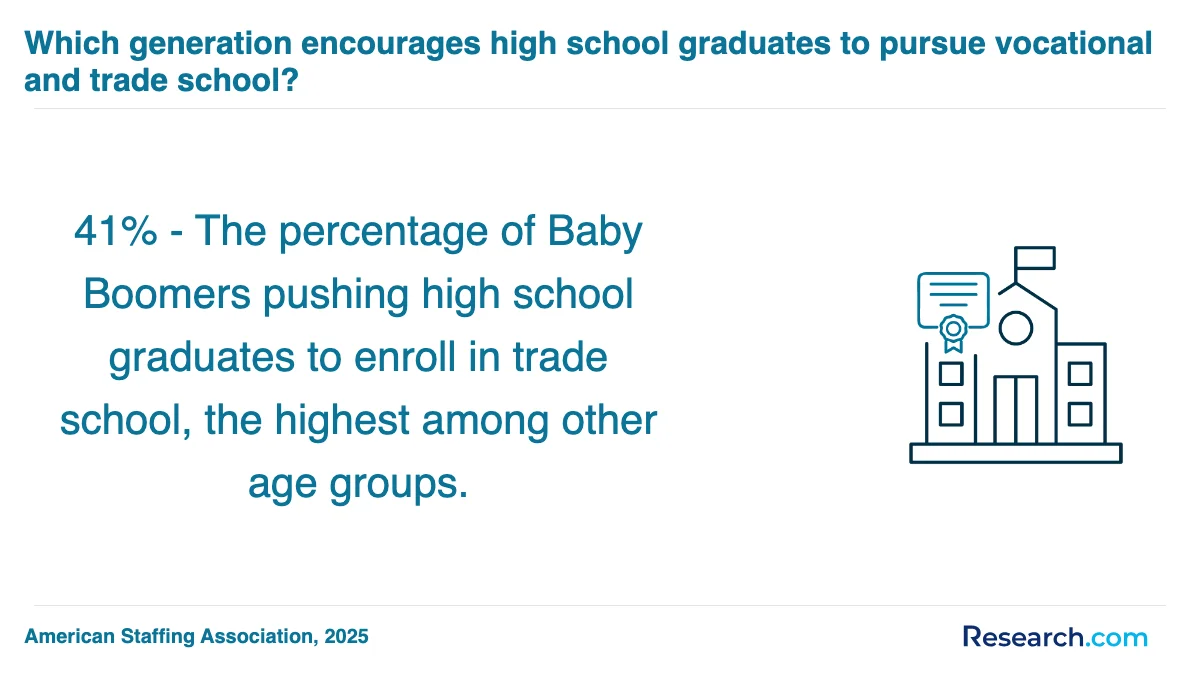
Trade school career opportunities in Browning are impressively diverse, offering graduates a pathway into sectors where high skills meet high demand. Graduates from local programs often find themselves stepping directly into roles where their practical training is valued, from healthcare to construction. For instance, many alumni excel as medical assistants or surgical technologists, crucial roles within rural healthcare settings, fostering a sense of pride and community impact.
In Browning, the construction sector continues to thrive, with trade schools preparing students for roles like carpenters and site supervisors. Graduates recount hands-on learning that translates to confidence managing projects and teams amid steady regional development.
The surge in technology-related jobs also makes IT and business services enticing fields. Many graduates pursue careers as cybersecurity analysts and office managers, affirming the relevance of trade school career opportunities in Browning.
- Aviation mechanics
- Chefs in culinary arts
- Welders and laser technicians in photonics
These high demand skilled trades Browning Montana programs equip graduates with the tangible skills employers seek. Some have even discovered their passion through creative event management or sound engineering connected with community festivals. For those interested in automotive fields, Browning trade schools often complement their offerings with programs linked to automotive mechanic training, expanding career possibilities beyond traditional paths.
The job market for trade school graduates in Browning is thriving, offering real opportunities for those who complete vocational programs locally. Graduates often find themselves in demand within construction, healthcare, and industrial technology sectors. Many report quickly securing positions after training at Browning-area trade schools, thriving in roles such as electricians, HVAC technicians, and allied health professionals. This direct connection between education and job placement highlights the strong Browning Montana skilled trades job outlook.
Local employers value graduates equipped with hands-on skills and certifications, which translate to competitive wages-electricians and dental hygienists frequently report earnings well above state averages. Jobs in digital forensics or robotics also beckon, offering exciting paths beyond traditional trades. Graduates regularly mention how training programs connect them with employers eager for specialized talent.
For students weighing options, exploring affordable floor installer certification online can expand career potential while keeping costs manageable.
- Strong employment in construction, healthcare, and advanced manufacturing
- Average wages starting near $55,000, with high-growth potential
- Programs align with Montana's expanding technical job sectors
Best Trade School & Training Programs - Leading Certification Courses in Browning for 2026
# 1 position
Blackfeet Community College - Criminal Justice/Safety Studies.
associateBlackfeet Community College offers a hybrid Criminal Justice/Safety Studies program focusing on the criminal justice system, including its organizational components, legal contexts, and public policy. Instruction covers criminal law, police and correctional systems, administration of justice, and public attitudes on criminal justice issues. The program is accredited by the Northwest Commission on Colleges and Universities. Annual in-state tuition is $3,610.
# 2 position
Blackfeet Community College - Business Administration and Management, General.
associateBlackfeet Community College offers a hybrid program in Business Administration and Management, General, designed to prepare students to plan, organize, direct, and control business functions. The curriculum includes management theory, human resources, accounting, purchasing, logistics, production, marketing, and decision-making. The program’s annual in-state tuition is $3,610. It is accredited by the Northwest Commission on Colleges and Universities.
# 3 position
Blackfeet Community College - Accounting.
associateBlackfeet Community College offers a hybrid Accounting program with some distance-education options. The program prepares students to practice accounting and perform related business functions through instruction in financial, managerial, cost, tax, and auditing principles. It covers legal aspects, reporting procedures, statement analysis, consulting, business information systems, research methods, and professional ethics. Annual in-state tuition is $3,610. The program is accredited by the Northwest Commission on Colleges and Universities.
Frequently Asked Questions about trade school programs
After completing a trade school program in Browning, preparing for the job market requires practical steps to maximize employment opportunities. First, graduates should focus on building a strong resume emphasizing hands-on skills and certifications acquired during training. Engaging with local employers through job fairs and internship programs can increase chances of placement. According to the Montana Department of Labor, industries like construction and automotive services in Browning show steady demand for skilled workers.
Networking remains crucial; joining local trade associations or unions provides access to job leads and professional support. Additionally, updating technical skills regularly helps meet evolving industry standards. Browning graduates benefit from leveraging career counseling offered by their schools to refine interview techniques and job search strategies.
Employers in Browning highly value trade school graduates who possess strong technical skills paired with practical experience. Skills such as welding, electrical work, and HVAC installation are in demand due to Browning's growing construction and manufacturing sectors. According to the U.S. Bureau of Labor Statistics (2023), skilled trades jobs like electricians and welders are expected to grow by about 8% nationally over the next decade, reflecting similar local trends.
Beyond hard skills, employers seek candidates with problem-solving abilities and effective communication. A 2022 National Association of Manufacturers study highlights that 70% of manufacturers desire trade workers who can both complete hands-on tasks and collaborate with teams efficiently.
Additionally, reliability and a strong work ethic remain critical. Browning's employers prioritize punctuality and willingness to adapt, ensuring graduates fit well into dynamic work environments.
Finding internships in Browning that align with your trade school program involves several practical steps. Start by contacting the career services office at your trade school, as they often maintain partnerships with local businesses and can recommend relevant internship opportunities.
Next, explore Browning's local industry landscape. Key sectors such as construction, hospitality, and healthcare frequently offer internships suited to trade skills. Websites like the Montana Department of Labor & Industry provide listings of registered apprenticeship and internship programs in the area.
Networking within Browning's community, including job fairs and local chambers of commerce events, can also lead to valuable connections. Additionally, platforms like Handshake or Indeed may list internships specific to Browning's trade industries.
Engaging with these resources enhances your chances of securing a meaningful internship that complements your trade education and supports career growth.
In Browning, holding a trade school diploma significantly impacts career mobility by providing practical, job-ready skills that meet local employer demand. According to recent data from the Montana Department of Labor, trade graduates in Browning experience a 15% higher employment rate within six months post-completion compared to those without a credential.
Trade diplomas open pathways for advancement by qualifying individuals for specialized roles with higher wages. For example, electricians or HVAC technicians with certifications can access supervisory positions more quickly. The U.S. Bureau of Labor Statistics highlights that skilled trades jobs in Montana grow faster than the national average, emphasizing strong upward potential.
Therefore, a trade school diploma in Browning can improve economic stability and career progression in the region's in-demand industries.
Students attending trade schools in Browning can benefit from various part-time job opportunities that align with their technical training. Positions in local construction companies or automotive repair shops provide practical experience while earning income. According to the U.S. Bureau of Labor Statistics, Browning's construction sector is projected to grow by 8% between 2022 and 2032, indicating steady availability of such roles.
Additionally, opportunities in healthcare support, such as medical assistants or phlebotomists, complement programs offered at trade schools. These roles often offer flexible hours, which suit students' schedules. Local businesses value applicants with formal training, boosting chances of employment during studies.
To find the best degree program near me in Browning, MT, consider visiting local university websites and exploring their offered programs and admission requirements. In addition, Research.com can serve as a useful tool to compare different universities and determine which institutions near Browning, MT provide fields of study that match your career goals. Lastly, visiting college fairs and scheduling discussions with academic advisors can provide further insights into the quality and relevance of various degree programs.
- Trade School Career Paths: The Direct Route to Professional Success - Florida Trade Academy https://floridatradeacademy.org/trade-school-career-paths-the-direct-route-to-professional-success-2/
- Trade Schools Overview | ACT https://www.act.org/content/act/en/students-and-parents/career-planning/career-planning-resources/trade-schools.html
- Career and Technical Training - Camden County College https://www.camdencc.edu/academics-1/trade-careers/
- Trade Programs at North American Trade Schools https://natradeschools.edu/programs/
- Technical College Right for Me? - Broward Technical Colleges https://www.browardtechnicalcolleges.com/is-a-technical-college-right-for-my-career-path/
- How to Choose the Best Trade School for Your Career - https://www.ncstrades.edu/blog/how-to-choose-the-best-trade-school-for-your-career/
- Should I Go to Trade School? Benefits of Trade Schools - Ohio Business College https://obc.edu/should-i-go-to-trade-school-benefits-of-trade-schools/
- Trade School: What Is It & What to Expect https://erieit.edu/what-to-expect-when-attending-trade-school/
- Trade Schools, What Are The Benefits - InterCoast Colleges https://intercoast.edu/articles/benefits-of-trade-schools/
- Trade school: A comprehensive guide https://www.collegeessayguy.com/blog/trade-school-guide