Best Trade School & Training Programs - Leading Certification Courses in Springfield for 2026

Co-Founder and Chief Data Scientist
Choosing the right trade school in Springfield can shape your future and open doors to rewarding careers. This article introduces the best trade school programs in Springfield for 2026, featuring a unique ranking created by the Research.com team of data scientists.
Designed to help you make informed decisions, the ranking highlights programs that offer strong training, job prospects, and valuable skills.
Whether you're starting fresh or seeking new opportunities, earning a trade school diploma or certification can lead to personal growth and career success. Let’s explore your best options together.
Key benefits of finishing trade school programs trade school in Springfield
- Strong earning potential: Trade school graduates in Springfield can earn impressive salaries, from around $33,300 annually in cosmetology to up to $144,857 for experienced CT technologists, offering great financial stability.
- Diverse career paths: Popular careers include HVAC technicians, electricians, plumbers, and truck drivers, giving you many options that fit your interests and skills.
- Flexible online options: Online trade school programs allow you to earn your diploma at your own pace, balancing work and family while receiving quality education from respected Springfield schools.
- Best Trade School & Training Programs - Leading Certification Courses in Springfield for 2026
- What can I expect from trade school programs trade schools in Springfield?
- Where can I work after finishing trade school programs trade schools in Springfield?
What can I expect from trade school programs trade schools in Springfield?
The average cost of a trade school program in Springfield typically centers around affordability and value. For instance, graduates from Ozarks Technical Community College often share that completing a 63-credit associate degree in a skilled trade costs about $12,144, though this varies based on residency and course selection. Many students find this price reasonable compared to private institutes, especially when considering the hands-on training and career support included.
Graduates from nearby Midwest Technical Institute appreciate how certificate programs can be finished in weeks or months, with costs often less than half of private schools, making it easier for those balancing family or jobs. Students frequently mention the flexibility of evening and weekend classes, which help them gain skills without sacrificing current responsibilities.
Personalized support services, like job placement and career counseling, also raise confidence among learners. Many recount feeling prepared and optimistic about entering Springfield's workforce, thanks to apprenticeship opportunities that let them earn while they learn and receive valuable real-world practice.
Where can I work after finishing trade school programs trade schools in Springfield?
After finishing a trade school program in Springfield, graduates often step into dynamic roles across health care, construction, manufacturing, IT, and transportation/logistics-the fastest-growing sectors here. Many find themselves as welders, grinders, field craftsmen, paint associates, or foremen, thriving in companies that value hands-on experience. For instance, graduates from popular Springfield trade schools have shared how joining Stainless Fabrication Inc.'s three-year paid apprenticeship opened doors to becoming certified ASME code welders, blending learning with solid pay and future advancement.
Entry-level jobs are abundant, allowing you to build skills on the job while earning. Local postings regularly include roles for specialists and inspectors, with nearly 100 trade-specific openings at any given time, creating a hopeful scene for new graduates eager to launch their careers.
Many appreciate how Springfield's tight-knit network of contractors and manufacturers actively recruits trade school talent, offering stable pathways whether you choose to stay local or travel. The strong support from apprenticeship programs and partnerships with the Missouri Job Center ensures you're part of a workforce ready to grow, with career prospects that feel promising and within reach.
Graduates of trade schools in Springfield often see promising earnings shortly after completing their programs, with an average annual salary around $59,905 or roughly $28.80 per hour. Many who trained locally in fields like truck driving or diesel mechanics share stories of quickly entering the workforce and feeling proud of their steady income, especially knowing they bypassed years of traditional college debt.
Some grads who pursued healthcare technology at well-known Springfield trade schools report starting salaries near $105,856, with room to grow beyond $140,000. Imagine stepping into a CT technologist role confidently, knowing your specialized skills are in high demand and bring a rewarding paycheck.
Others emphasize how roles in transportation supervision or skilled mechanic work provide reliable annual wages between $48,000 and $65,000, enough to support families and build futures. Even those in personal care trades, like skincare or barbering, find pride in earning a living while doing meaningful work close to home.
The range spans widely-from entry levels around $25,000 to top earners pushing $93,800-highlighting the value of gaining certifications and experience within Springfield's diverse trade sectors.
- Admission requirements vary: sophomores need at least 7 core credits, juniors require 12 by June 1, and postsecondary programs ask for high school completion or equivalent certification.
- Residency affects admission timing, with priority given to students in SCCTC's associate districts, while others may be admitted only if spots remain after April 1.
- Competitive admission is common in some vocational academies due to limited space and annual policy reviews.
- Trade school costs in Springfield typically range from $4,000 to $15,000 for two-year programs, including tuition, fees, books, and supplies.
- Graduates in healthcare, automotive technology, and skilled trades start with salaries between $35,000 and $50,000 and can earn $60,000 or more with experience.
Trade school programs in Springfield offer impressive flexibility, generally allowing students to complete their training within two years or less. Graduates from popular schools like Ozarks Technical Community College often share how they balanced work and studies, completing associate degrees around the two-year mark. For those eager to jump into the workforce swiftly, short-term certificate programs-such as welding or medical assisting-can be finished in as little as 10 weeks to 12 months, as experienced by many attending Midwest Technical Institute.
Many students at Ranken Technical College appreciate the hands-on, day-one training combined with the possibility of evening classes, enabling completion within two years while maintaining other commitments. Diploma or certificate programs requiring 600 to 1,200 hours typically translate into six months to one year of full-time study, a timeline that resonates with graduates who value rapid entry into skilled trades.
Flexibility is key in Springfield's trade schools, with year-round enrollment and adaptable schedules helping students tailor their education pace. This has created a positive, encouraging atmosphere where students feel confident about managing their unique paths to success.
Online trade school programs in Springfield offer the flexibility that many students value, especially those balancing work or family commitments. Graduates from Ozarks Technical Community College (OTC) often recall completing coursework on their own time, fitting studies around busy schedules without commuting pressures. This asynchronous format, sometimes combined with live virtual sessions, lets students stay engaged while managing their personal lives.
On the other hand, on-campus programs at Springfield's trade schools provide hands-on training that feels irreplaceable to many. Graduates highlight the value of working directly in technical labs and practicing skills under the immediate guidance of instructors. For example, those studying healthcare or advanced manufacturing at OTC find that in-person attendance deepens their confidence with real equipment and teamwork.
Both modes use the same rigorous curriculum, but online learners appreciate saving on campus-related costs and enjoy remote access to support services, while on-campus students benefit from face-to-face networking and quick feedback. The choice often hinges on whether students prefer structured environments or adaptive learning rhythms tailored to their lifestyles.
The average trade school cost in Springfield typically falls between $3,800 and $16,000 for the entire program, varying by field of study, institution, and program length. Graduates often share how attending a school like Ozarks Technical Community College with an in-state tuition of about $3,939 per year made pursuing skilled trades affordable and manageable. Many students appreciate finishing their programs in under two years, which keeps expenses lower and allows them to enter the workforce quickly.
Those exploring Springfield trade school tuition and fees find that programs such as welding, automotive technology, and medical assisting often range from $5,000 to $15,000. Shorter certificate programs can be even more budget-friendly, sometimes costing between $2,000 and $7,000. A common positive point noted by students is how schools often bundle supplies into tuition costs, removing surprises from the budgeting process. However, housing and living expenses need separate planning if students don't live locally.
Many Springfield trade school students benefit from financial aid, such as the Tennessee Educational Lottery Scholarship, which can provide up to $2,000 per year for full-time enrollees at technical colleges. Federal grants and private scholarships also help reduce out-of-pocket costs, enabling many to graduate without heavy debt. Those interested in expanding their options might explore programs or look for a construction trade school online to compare offerings and pricing further.

Trade school students in Springfield can access several financial aid options that make pursuing technical education feel achievable and less stressful. Many graduates recall the relief of applying for the Free Application for Federal Student Aid (FAFSA), which unlocks federal aid opportunities like Pell Grants, offering up to $7,395 for the 2025-26 year. These grants feel like a genuine gift-no repayment needed-which has been a game-changer for students at Springfield Technical Community College, allowing them to focus on learning rather than debt.
State-specific aid, such as the Access Missouri Financial Assistance Program, further reduces worries by providing grants between $500 and $1,700 to Missouri residents attending trade schools. Students attending community colleges and schools like Midwest Technical Institute appreciate how this grant, tied to FAFSA, arrives just in time for tuition payments.
Additionally, the Federal Work-Study Program offers a sense of independence through part-time jobs on or near campus, letting many Springfield students gain work experience while earning money. Local scholarships, including those from Paul Mitchell The School Springfield, create extra financial breathing room. Graduates often emphasize how early FAFSA completion before February 3, 2025, maximizes these supports, making their educational journey feel supported and within reach.
To enroll in a trade school program in Springfield, students typically need to provide proof of high school completion or an equivalent, such as a GED or HiSET. Graduates of Springfield Technical Community College (STCC) often recall submitting official transcripts or diplomas as a straightforward first step that confirmed their eligibility.
Many programs also ask for additional materials depending on the field. For example, healthcare or technical programs might require:
- Placement testing results or exemptions based on GPA
- Proof of immunizations
- Completion of high school courses like biology or algebra
Students with prior college credits find that submitting official college transcripts can make their journey smoother by allowing transfer credit evaluations.
Age requirements are generally flexible, with most schools admitting students 17 or 18 and older, but dual-enrollment options can accommodate eager high schoolers ready to jumpstart their careers.
For competitive programs in healthcare or skilled trades, prerequisites may include a minimum GPA or submitting letters of recommendation. Graduates describe this as an empowering challenge that helped clarify their career goals and demonstrated their commitment.

Trade school programs in Springfield typically include courses designed for immediate employment in high-demand fields. Graduates from local schools often highlight how hands-on learning in mechanical trades like HVAC/R Technician, Welding, Electrician, and Pipefitting gave them confidence working with real tools and industry equipment. One graduate shared how mastering welding techniques through practical projects made transitioning to the workforce seamless.
Health-related programs are equally prominent, featuring courses like Dental Assistant, Medical Assistant, Medical Coding, and Phlebotomy. Students commonly appreciate the blend of classroom theory with hands-on labs, which helped them feel prepared for clinical settings and interactive patient care.
Cosmetology is another popular route. Students thriving in Springfield's trade schools often mention the excitement of combining hair design, skincare, and nail technology lessons with real salon practice, preparing them for certification and eager clients.
- Mechanical trades: HVAC/R Technician, Welding, Electrician, Pipefitting
- Allied health: Dental Assistant, Medical Assistant, Medical Coding, Phlebotomy
- Cosmetology: Hair design, skincare, nail technology
- Commercial Driver's License (CDL) and Professional Truck Driving courses
Those pursuing CDL training speak positively about gaining in-depth knowledge of vehicle operation and safety regulations, which led to excitement about entering Springfield's logistics sector.
Trade school programs in Springfield cover a broad spectrum of specializations, designed to equip students with practical skills that employers actively seek. Many graduates from Midwest Technical Institute appreciate the focused allied health programs like medical assisting and phlebotomy, which prepare them for hands-on healthcare roles swiftly. Meanwhile, students at Ozarks Technical Community College enjoy the challenge and prestige of selective programs such as Diagnostic Medical Sonography, gaining credentials in multiple core sonography specialties.
Those who thrive in mechanical and skilled trades find satisfaction in Springfield-Clark Career Technology Center's hands-on welding, HVAC/R, and electrician courses, where learning practical skills like blueprint reading feels immediately applicable to job sites. Others value the quick turnaround of truck driving programs that enable earning a CDL in under 30 days with real-world driving practice, creating opportunities for immediate employment. Many students also tap into cosmetology programs to pursue creative careers in hair and nail care.
Aside from these, Springfield's trade schools also offer diverse pathways in business, construction trades, family sciences, and manufacturing. Some future-focused learners explore cheap online freight broker training as a way to expand their logistics and transportation expertise beyond traditional courses.
- Allied health: medical assisting, dental assisting, medical coding, phlebotomy
- Mechanical and skilled trades: welding, HVAC/R, electrician training
- Transportation: Commercial Driver's License (CDL) truck driving programs
- Beauty industry: cosmetology including hair, nail, and skin care
- Other fields: business technology, family sciences, construction trades, applied engineering
Choosing the best trade school programs in Springfield means focusing on what fits your career goals and lifestyle. Graduates from local schools often share how hands-on training in welding or HVAC helped them feel confident stepping into jobs right after finishing. Look for schools that offer internships or apprenticeships, as these real-work experiences in Springfield's industries can boost your skills and network. Comparing Springfield MO trade school cost comparison data is essential, too, since tuition varies widely and impacts your financial planning. Some students have found success balancing work and study by selecting programs with flexible schedules or shorter durations.
Accreditation and reputation matter, especially in Springfield's competitive market. Popular institutions here gain strong employer trust, improving job placement chances after graduation. Also, check out support services like career counseling and scholarship opportunities. For example, students pursuing culinary arts might explore an affordable online baking and pastry certificate program to supplement local offerings or reduce costs while still gaining quality training.
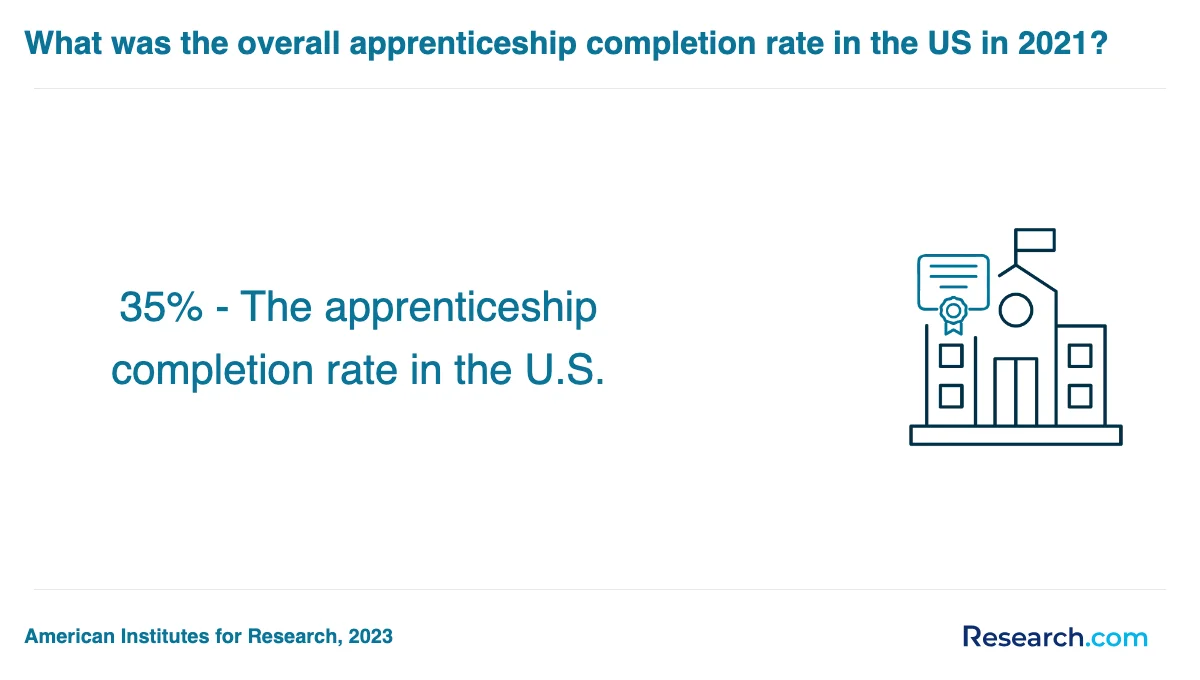
Trade school graduates in Springfield discover diverse career opportunities for trade school graduates in Springfield, spanning healthcare and skilled trades that match the city's growing market needs. Graduates from local institutions like Midwest Technical Institute (MTI) find rewarding roles in medical assisting, dental assisting, and phlebotomy, benefiting from Springfield MO trade school job placement rates as high as 97%. These strong connections with hospitals and clinics create a pathway to stable employment and career growth.
On the mechanical side, many find success in trades such as HVAC/R technician work, welding, pipefitting, and electrician roles. Imagine hands-on learning blended with industry internships through programs linked to initiatives like Build My Future, setting up students for smooth transitions into construction and manufacturing jobs that are eagerly awaited by local firms.
Other practical career paths include CDL truck driving and cosmetology, which allow graduates to enter bustling transportation and service sectors. For those looking to expand skills conveniently, exploring affordable flooring installers training online can open even more doors, combining flexibility with strong regional demand.
The job market for trade school graduates in Springfield is thriving, with numerous opportunities that reflect the city's growing industries. Graduates from local institutions like Midwest Technical Institute and State Technical College of Missouri often share stories of quick job placement and meaningful work, thanks to Springfield MO trade school job placement rates that consistently impress. These success rates stem from strong industry partnerships and hands-on training that align with employer needs.
Current skilled trades employment opportunities in Springfield Missouri include roles in:
- Construction, fueled by new housing and infrastructure projects
- Welding, critical to local manufacturing demands
- HVAC/R, electrical work, and commercial truck driving
Graduates often find themselves in positions such as foreman, technician, or inspector shortly after completing their programs. Many anticipate continued growth, especially as programs like State Tech's heavy equipment operations expand rapidly. For those exploring career paths, Springfield's trade schools also offer options like affordable online landscaping training, which broadens the range of skilled jobs available locally.
Best Trade School & Training Programs - Leading Certification Courses in Springfield for 2026
# 1 position
Ozarks Technical Community College - Dental Assisting/Assistant.
associateOzarks Technical Community College offers a Hybrid Dental Assisting/Assistant program preparing students to provide patient care, dental radiographs, and office administrative duties under supervision. The curriculum includes medical record-keeping, reception, equipment maintenance, radiography, chairside assisting, and supervised practice. Annual in-state tuition is $4,184. Graduates have median earnings of $36,855 one year after completion. The program is accredited by the Higher Learning Commission.
# 2 position
Ozarks Technical Community College - Dental Assisting/Assistant.
certificate or diplomaOzarks Technical Community College offers a hybrid Dental Assisting/Assistant program preparing students for patient care, dental radiographs, and administrative duties under dentist supervision. The curriculum includes medical record-keeping, office tasks, scheduling, equipment maintenance, sterilization, and chairside assisting. The program’s annual in-state tuition is $4,184. Graduates earn a median of $36,855 one year after completion. The program is accredited by the Higher Learning Commission.
# 3 position
Ozarks Technical Community College - Computer Systems Networking and Telecommunications.
associateOzarks Technical Community College offers a hybrid program in Computer Systems Networking and Telecommunications, focusing on the design, implementation, and management of linked computer systems and software. The curriculum covers operating systems, networking theory, security, and troubleshooting. The annual in-state tuition is $4,184. Graduates earn a median salary of $44,381 one year after completion. The program is accredited by the Higher Learning Commission.
# 4 position
Ozarks Technical Community College - Heating, Air Conditioning, Ventilation and Refrigeration Maintenance Technology/Technician.
associateOzarks Technical Community College offers a Hybrid program in Heating, Air Conditioning, Ventilation and Refrigeration Maintenance Technology/Technician. The program prepares students to repair, install, service, and maintain HVAC and refrigeration systems using technical skills and diagnostic techniques. Annual in-state tuition is $4,184. Graduates earn a median salary of $38,862 one year after completion. The program is accredited by the Higher Learning Commission.
# 5 position
Ozarks Technical Community College - Heating, Air Conditioning, Ventilation and Refrigeration Maintenance Technology/Technician.
certificate or diplomaOzarks Technical Community College offers a hybrid Heating, Air Conditioning, Ventilation and Refrigeration Maintenance Technology/Technician program. It prepares students with technical skills to repair, install, service, and maintain HVAC and refrigeration systems. Instruction covers diagnostic techniques, testing equipment, and the mechanics, electricity, and electronics relevant to the trade. The program’s annual in-state tuition is $4,184, and median earnings one year after completion are $38,862. It is accredited by the Higher Learning Commission.
# 6 position
Ozarks Technical Community College - Physical Therapy Assistant.
associateOzarks Technical Community College offers a Physical Therapy Assistant program with a hybrid format that includes some distance education. The program prepares students to assist physical therapists by implementing treatment plans, training patients, and conducting interventions. Instruction covers anatomy, physiology, biomechanics, neuroscience, communication, and professional ethics. Annual in-state tuition is $4,184. Graduates earn a median salary of $38,770 one year after completion. The program is accredited by the Higher Learning Commission.
# 7 position
Ozarks Technical Community College - Industrial Mechanics and Maintenance Technology/Technician.
associateOzarks Technical Community College offers a hybrid Industrial Mechanics and Maintenance Technology/Technician program that trains students to repair and maintain various industrial machinery, including cranes, pumps, engines, and conveyor systems. The program's annual in-state tuition is $4,184. It is accredited by the Higher Learning Commission, ensuring recognized educational standards. The curriculum covers equipment used in diverse industries such as marine deck machinery and refinery systems.
# 8 position
Ozarks Technical Community College - Industrial Mechanics and Maintenance Technology/Technician.
certificate or diplomaOzarks Technical Community College offers a hybrid Industrial Mechanics and Maintenance Technology/Technician program. The curriculum trains students to repair and maintain industrial machinery, including cranes, pumps, engines, pneumatic tools, and conveyor systems. Annual in-state tuition is $4,184. The program is accredited by the Higher Learning Commission, providing recognized technical education with some distance-learning options for flexibility.
# 9 position
Ozarks Technical Community College - Automobile/Automotive Mechanics Technology/Technician.
associateOzarks Technical Community College offers a hybrid Automobile/Automotive Mechanics Technology/Technician program that prepares students to repair, service, and maintain various automobile systems. The curriculum covers brake systems, electrical systems, engine performance and repair, suspension and steering, transmissions, and heating and air conditioning. The annual in-state tuition is $4,184, and median earnings one year after completion are $38,457. The program is accredited by the Higher Learning Commission.
# 10 position
Ozarks Technical Community College - Automobile/Automotive Mechanics Technology/Technician.
certificate or diplomaOzarks Technical Community College offers a hybrid Automobile/Automotive Mechanics Technology/Technician program that prepares students to repair, service, and maintain various automobile systems. The curriculum covers brake systems, electrical and engine performance, transmission, suspension, and heating and air conditioning. The program’s annual in-state tuition is $4,184. Graduates have median earnings of $38,457 one year after completion. The program is accredited by the Higher Learning Commission.
Frequently Asked Questions about trade school programs
After completing trade school in Springfield, preparing for the job market involves strategic steps. Research from the National Center for Education Statistics shows that about 70% of trade school graduates find employment within six months, emphasizing the importance of timely job search efforts. Begin by updating your résumé to highlight skills and certifications earned during your program.
Networking is crucial; consider joining local trade associations or attending Springfield job fairs to connect with employers seeking skilled workers. Additionally, many trade schools offer career services that provide interview coaching and job placement assistance tailored to regional industry demands.
Stay informed about Springfield's top industries such as construction, automotive, and healthcare, which frequently hire trade school graduates. Obtaining certifications like OSHA safety or industry-specific licenses can boost employability and wages in competitive fields.
Employers in Springfield highly value trade school graduates who demonstrate strong technical skills relevant to their industries. According to the Springfield Workforce Development Report (2023), proficiency in hands-on tasks such as machinery operation, electrical systems, and HVAC repair ranks among the top sought-after skills.
Additionally, soft skills like communication, teamwork, and problem-solving are crucial. The National Skills Coalition highlights that 75% of employers prefer candidates who can collaborate effectively and address workplace challenges proactively.
Adaptability and a willingness to learn new techniques also stand out. With rapidly evolving technology in trades, employers expect graduates to keep up with industry advancements to maintain productivity and safety standards.
Finding internships in Springfield tied to your trade school program starts with leveraging local resources. Many trade schools in Springfield maintain partnerships with nearby businesses, which can ease your search process. The Springfield Chamber of Commerce also lists available internships on its website, with opportunities frequently updated in fields like construction, automotive repair, and healthcare. According to the Springfield Workforce Development Board, around 65% of local trade students secure internships through school connections or job fairs.
Additionally, consider visiting local employers directly and inquire about internship openings. Networking events hosted by trade schools and community colleges often provide access to employers looking for interns. Online job platforms focusing on trade careers can help locate Springfield-based internships.
In Springfield, obtaining a trade school diploma significantly enhances career mobility and opportunities for advancement. According to data from the National Center for Education Statistics (NCES), individuals with trade credentials often enter the workforce faster than those pursuing four-year degrees, reducing student debt and increasing early earning potential.
Employers in Springfield's growing manufacturing and healthcare sectors frequently prioritize candidates with practical skills and certifications, often leading to higher starting wages and quicker promotions. A 2023 Springfield workforce study indicated that trade school graduates experience a 15% higher job retention rate compared to peers without formal training.
Additionally, trade diplomas provide a pathway to lifelong learning and skill specialization, which can help workers adapt to Springfield's evolving job market demands. This flexibility supports long-term career advancement within technical fields.
In Springfield, part-time jobs that align with trade school education offer practical experience alongside earnings. Many students find opportunities in industries such as automotive repair, construction, healthcare, and information technology. For example, local auto shops commonly hire part-time mechanics or technicians, complementing automotive trade programs.
Construction companies often seek laborers or apprentices, providing hands-on experience relevant to building trades. Healthcare roles like certified nursing assistant or medical technician positions are also popular, helping students in medical trade schools develop essential skills.
According to the Springfield Workforce Development office, over 30% of part-time jobs in these sectors support students pursuing technical training. These roles enhance resumes and build industry connections, offering valuable pathways for trade school attendees.
To find the best degree program near you in Springfield, MO, start by exploring local colleges and universities, which can provide a range of undergraduate and graduate programs. You can also use Research.com as a helpful resource to compare various academic institutions and their offerings based on your field of interest. Additionally, consider visiting campus open houses or contacting admissions offices for detailed information about programs available near Springfield, MO.
- Best Trade School & Training Programs - Leading Certification Courses in Emporia for 2026
- Best Trade School & Training Programs - Leading Certification Courses in Little Rock for 2026
- Best Trade School & Training Programs - Leading Certification Courses in Florence for 2026
- Best Trade School & Training Programs - Leading Certification Courses in Angola for 2026
- Best Trade School & Training Programs - Leading Certification Courses in Adrian for 2026
- Career Vocational Training - Thurston High School https://ths.springfield.k12.or.us/academics/college-career-center/exploring-options/career-vocational-training
- Internships and Field Experiences | Springfield College https://springfield.edu/academics/experiential-learning/internships-and-field
- Technical Education - Springfield School District https://www.ssdcougars.org/academics/counseling-guidance/technical-education
- Work Experience Education | Capital Area Career Center https://caccspringfield.org/work-experience-education
- The Ultimate Guide to Trade School for Parents - Midwest Technical Institute https://www.midwesttech.edu/admissions/the-ultimate-guide-to-trade-school-for-parents/
- 1/30/25 - Hands-On Learning vs. Traditional Education: Why the Trades Offer the Best of Both Worlds - Gould Construction Institute https://www.gwgci.org/hands-on-learning-vs-traditional-education-trades/
- Training Programs & Services | Springfield, MO - Official Website https://www.springfieldmo.gov/5470/Training-Programs-Services
- Career and Technical Education | Springfield Public Schools https://www.sps186.org/page/career-and-technical-education/
- Home - Springfield-Clark Career Technology Center https://www.scctc.org/
- Career and Technical Education - Springfield SD 19 https://www.springfield.k12.or.us/academics/cte