Most Affordable Associate Degree Programs - Leading Certification Courses in Sioux Center for 2026

Co-Founder and Chief Data Scientist
Choosing the right associate degree program is an important step toward building a rewarding career in Sioux Center. This article presents a carefully crafted ranking of the most affordable associate degree programs, developed by the Research.com team of data scientists. Their expertise ensures you have reliable information to guide your decision.
Finding a quality program at an affordable price opens doors to new opportunities without overwhelming financial pressure. Reading this article will help you feel confident about your choices and excited about your educational journey ahead.
Key benefits of associate degrees in Sioux Center
- Associate degree graduates in Sioux Center can expect competitive salaries, such as $29,000 to $47,000 annually, with jobs like accounts payable associates earning around $37,440 and retail supervisors earning up to $75,000 per year.
- Popular career paths include administrative assistants, quality assurance coordinators, and fabricators, offering steady opportunities for growth and stability in the local job market.
- Online associate degrees offer flexibility and convenience, allowing students to balance work and study while gaining valuable skills, as many graduates from local online programs report faster entry into rewarding jobs.
- Most Affordable Associate Degree Programs - Leading Certification Courses in Sioux Center for 2026
- What can I expect from associate degree programs in Sioux Center?
- Where can I work after finishing associate degree programs in Sioux Center?
What can I expect from associate degree programs in Sioux Center?
The average cost of completing an associate degree program in Sioux Center typically ranges from $4,000 to $7,000 per year, depending on the college and course load. Graduates from local institutions like Northwest Iowa Community College often recount balancing affordability with quality education, appreciating that tuition remains manageable while offering flexible scheduling options.
Many students value the option to take courses online or part-time, which helps to spread expenses and accommodate work or family commitments. This adaptability often brings relief and optimism to those who worry about rising educational costs.
At schools such as Western Iowa Tech Community College, graduates highlight how the investment in about 60 to 64 semester credits translates into practical skills and opportunities for transfer to four-year universities, softening financial concerns by opening pathways to further education without redundant costs.
The widely accessible tuition, combined with career-focused curricula, creates an encouraging environment where students feel supported on their journey toward stable employment or academic advancement.
Where can I work after finishing associate degree programs in Sioux Center?
After finishing an associate degree program in Sioux Center, many graduates find themselves stepping confidently into roles within customer service, administrative support, healthcare, retail, and skilled trades. For instance, graduates from local programs often share how landing positions as customer service representatives or administrative assistants at companies like Farmers Cooperative Society has allowed them to develop strong communication and organizational skills that feel rewarding day after day.
Retail is another common pathway, with employers such as Walmart and Casey's General Stores welcoming associate degree holders into roles like stockers or kitchen crew. Many express satisfaction with the flexible schedules and the potential to advance into leadership positions, especially when starting wages at places like Walmart range from $16 to $29 per hour-a tangible benefit that makes the hard work feel worthwhile.
Technical graduates also find opportunities with manufacturers like Smithfield Foods, where operating machinery can bring a steady income above $21 per hour. Meanwhile, those focused on healthcare support roles appreciate the meaningful work helping patients in regional facilities, reinforcing a sense of pride in contributing to community wellness.
After finishing an associate degree program in Sioux Center, many graduates find themselves stepping confidently into roles that pay around $19 to $22 per hour. For example, those who have completed their studies at well-known local schools often share how this wage compares favorably to the minimum wage, giving them a real sense of financial independence as they start their careers.
Some graduates from Sioux Center's popular programs recount beginning in entry-level jobs with pay close to $21.78 per hour, which adds up to about $45,300 annually for full-time work. This steady income helps cover living expenses while gaining experience. Others highlight paths in business or administration, where starting salaries can be around $24,400 per year, providing a ground to build upon.
Then there are inspiring stories of those advancing into specialized fields. For instance, graduates eyeing roles like Associate Governmental Program Analyst see the possibility of much higher earnings-over $90,000 annually-once they gain additional experience. Even teaching roles beginning with preschool or kindergarten salaries show the value of these associate degrees as stepping stones to rewarding, stable careers in Sioux Center.
- "Choosing to earn my Associate Degree in Welding at Sioux Center Technical College was one of the best decisions I've made. The hands-on training prepared me for real-world challenges, and now I'm working confidently at a local manufacturing plant. The sense of accomplishment and job security is incredible." - Jake
- "Studying Early Childhood Education here opened doors I didn't expect. The supportive teachers and practical experience made all the difference. Today, I'm happily employed at a preschool nearby, making a real impact on kids' lives. I'm proud to have started my career thanks to this amazing program." - Maria
- "Getting my Associate Degree in Agricultural Technology was more than just academics; it was a community experience. The trade school's focused curriculum gave me valuable skills that led to my current role managing farm equipment locally. This degree truly transformed my future with confidence and practical expertise." - Tyler
- Associate degree programs are available at Dordt University, Northwest Iowa Community College, and Western Iowa Tech Community College, with options for on-campus, online, or hybrid study formats.
- Admission typically requires a high school diploma or equivalent, with some programs needing placement tests or specific course prerequisites.
- Annual tuition and fees average between $4,800 and $5,500, with total costs for completing an associate degree ranging from $9,600 to $14,000.
- Programs usually involve 60-64 semester credits and can be completed in two years of full-time study.
- Starting salaries for graduates range from $35,000 to $45,000 annually, with potential earnings increasing to $50,000 or more in technical, healthcare, and business fields.
Completing an associate degree program in Sioux Center typically takes about two years of full-time study, which is the common experience for many students attending local institutions like Northwest Iowa Community College or Dordt University. Graduates often recall balancing a full course load of around 15 credits per semester, which allows them to stay on track and graduate within four academic semesters. This pace, while demanding, brings a real sense of accomplishment and progress every semester.
Some students find that enrolling continuously, including summer terms, can shorten the journey to as little as 20 months. For example, those pursuing business or skilled trades programs have shared how staying engaged year-round helped them enter the workforce sooner and with confidence. Part-time learners, who juggle work and family responsibilities, understandably take longer-often three to four years-but value the flexibility Sioux Center schools provide to fit education into their busy lives.
Technical associate degrees also typically follow this timeline, though accelerated options can reduce completion time to 16 to 18 months for those able to commit intensely. Many graduates appreciate the flexibility of starting their studies anytime and earning credits for prior experience, making the degree journey feel personalized and achievable.
The primary difference between online and on-campus associate degree programs in Sioux Center lies in how students experience their education daily. Graduates from Northwest Iowa Community College often recall the freedom of finishing coursework online at their own pace-balancing job hours or family commitments without the need to commute. This flexibility is especially meaningful for those managing busy lives or transportation challenges.
On the other hand, those who attended classes in person at Western Iowa Tech Community College describe a vibrant campus atmosphere that fostered strong connections with peers and instructors. They valued face-to-face interactions, immediate feedback, and access to campus resources like libraries and study groups, which made learning feel more immersive and social.
Both paths uphold the same academic standards and graduation requirements, yet the choice reflects personal priorities-whether it's convenience and flexibility or structured routines and hands-on engagement.
Determining the average associate degree cost Sioux Center students face reveals a clear picture: local nonprofit schools typically charge about $22,092 in tuition alone. This figure often surprises new enrollees, but many graduates recall that the value delivered outweighed the expense, especially when factoring in hands-on experience gained through trade programs nearby.
For those considering more budget-friendly options, Sioux Center community college tuition and fees offer a comforting alternative. In-state students at places like Kirkwood Community College pay around $221 per credit hour, which totals roughly $13,702 for a full associate degree spanning about 62 credits. Graduates from community colleges often reflect on the balance between affordable tuition and manageable living costs, emphasizing how staying local made their educational journey financially feasible without sacrificing quality.
Online associate degree programs also come into play, with tuition rates in Iowa ranging widely but often starting as low as $4,000. For those seeking accelerated options, the convenience and savings can be substantial, as highlighted by reviews of accelerated associate degree programs. Many students find these digital pathways allow them to maintain work and family commitments while advancing their skills without relocating or incurring hefty fees.
Beyond tuition, prospective students should remember that real costs include books, supplies, and living expenses, especially when living away from home. These total expenses can rise to nearly $21,659 annually at community colleges, experiences that alumni often describe as a worthwhile investment toward stable career prospects and personal growth.
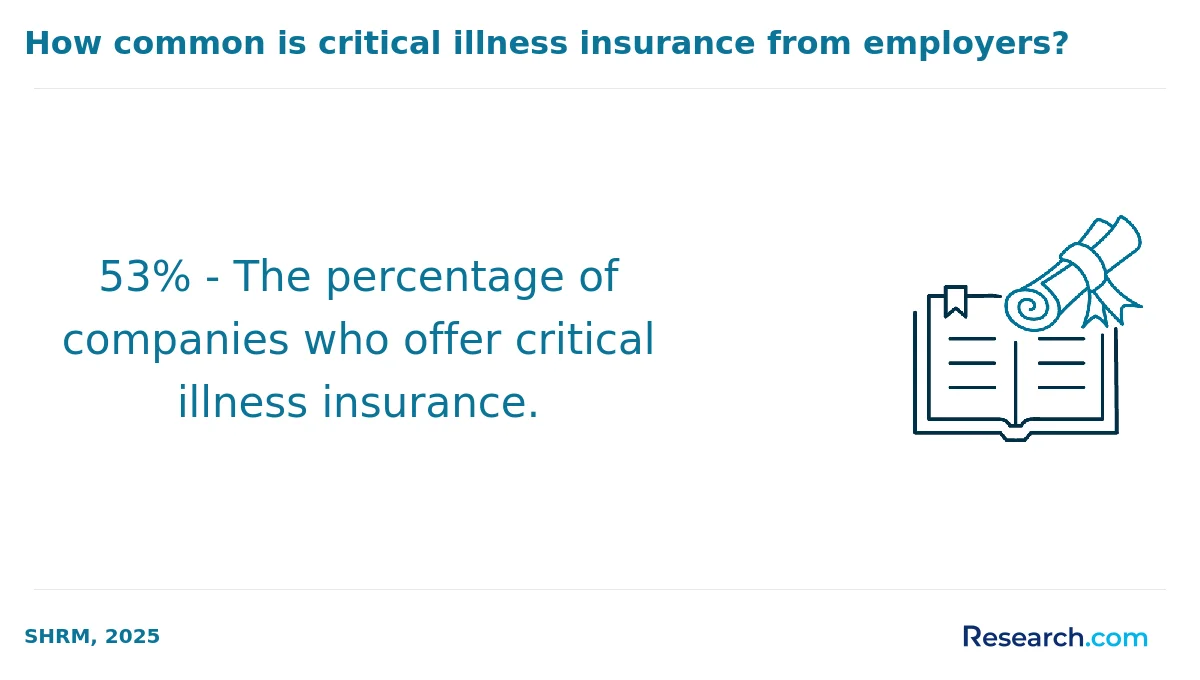
Students pursuing associate degrees in Sioux Center find substantial financial support through federal, state, and institutional programs. A graduate from Northwest Iowa Community College recalls how completing the FAFSA was the crucial first step that unlocked eligibility for the Federal Pell Grant, which helped cover tuition without the burden of repayment.
Others appreciate the Federal Direct Subsidized Loans with their manageable 6.39% interest rate for loans issued between July 2025 and June 2026, where interest doesn't accrue while enrolled. First-year students can borrow up to $3,500 annually, easing initial expenses, while second-year students can increase this to $4,500.
For Iowa residents, state scholarships like the All Iowa Opportunity Scholarship (AIOS) provide up to $5,334 yearly, rewarding both financial need and academic effort. Many who attend Western Iowa Tech have benefited from the Future Ready Iowa Scholarship, which can cover full tuition in approved high-demand programs, giving a real sense of relief and motivation.
Institutional scholarships from these colleges often cover not just tuition but also books and sometimes room and board, with some awards automatically granted upon application. Work-study opportunities on campus further help students support themselves financially while gaining valuable experience.
This blend of aid encourages many Sioux Center associate degree students to pursue their education with confidence, transforming financial worries into steps toward success.
Enrolling in an associate degree program in Sioux Center typically begins with presenting proof of a high school diploma or an equivalent like a GED, setting the essential groundwork for admission. Graduates from local community colleges often reflect on how submitting official transcripts was a straightforward step that affirmed their academic readiness.
Students should also expect GPA requirements, usually around 2.0 or 2.5, that assure the schools of their academic commitment. For those aiming for healthcare fields, such as nursing, meeting standardized testing criteria like an ACT score between 18 and 22 or passing alternative placements such as ACCUPLACER can be crucial. These exams help schools assess readiness beyond grades alone.
Prerequisite courses are another key component, especially in science-focused tracks. Many Sioux Center programs require students to have completed biology, anatomy, psychology, and medical terminology, often with a grade no lower than a C and completed within the last five to seven years. This ensures updated knowledge that students, fresh or returning, appreciate as they build confidence moving into specialized subjects.
- High school diploma or equivalent
- Minimum GPA of 2.0-2.5
- Standardized test scores or placement exams
- Completion of prerequisite science courses for specialized programs
- Participation in college orientation courses
Students from popular associate degree schools in Sioux Center often share how mandatory orientation sessions helped them adjust smoothly to college life, fostering a sense of belonging and academic clarity right from the start.
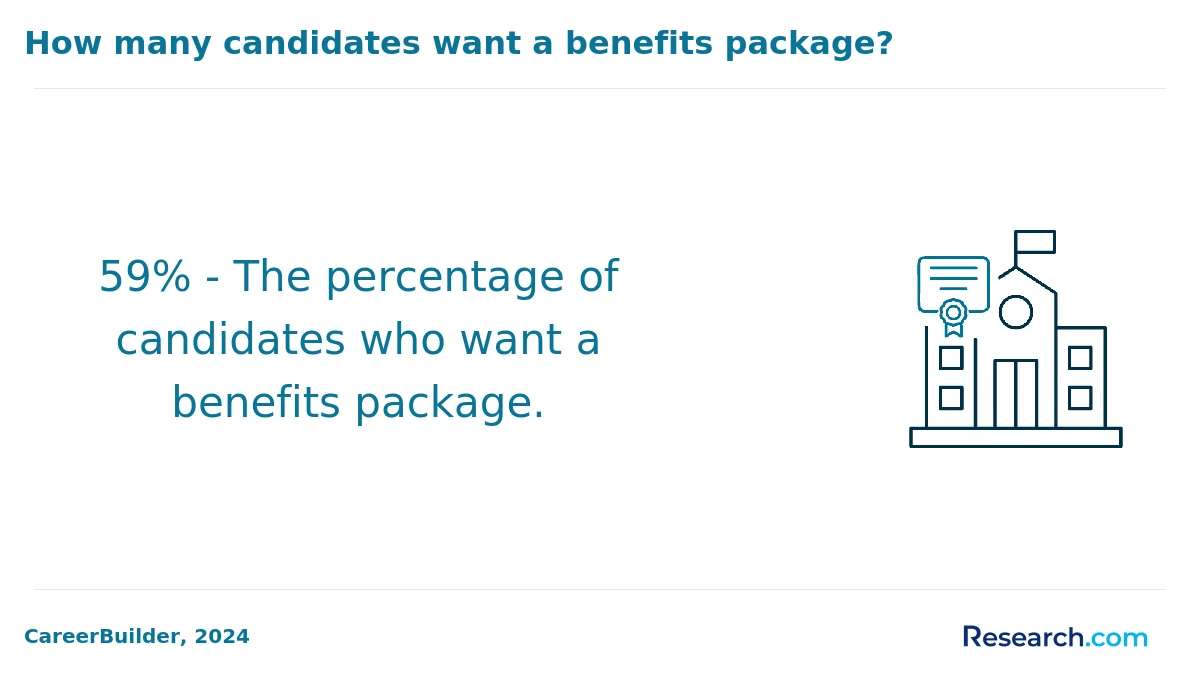
Students enrolled in associate degree programs in Sioux Center engage with a thoughtfully designed blend of general education and specialized coursework. Typical programs at institutions like Northwest Iowa Community College offer a structured associate degree course list Sioux Center that includes core classes across communications, mathematics and science, social sciences, humanities, and electives. These foundational classes build critical skills, such as effective writing and analytical thinking, which graduates often describe as essential tools they use every day in both academic and professional settings.
Many graduates share how their experience with common classes in Sioux Center associate degree programs made transitioning into the workforce or continuing education seamless. For example, courses like Composition I and II, along with public speaking, develop strong communication abilities prized by employers. Science labs and social science classes provide practical knowledge that students say made learning engaging and applicable.
Career-focused pathways at Dordt University add another dimension by including focused studies in areas such as accounting, event planning, or entrepreneurship. This combination of general education and specialized training shapes students for immediate job readiness or further study, offering a fulfilling academic journey. Students exploring what is the easiest associate's degree to get often appreciate how Sioux Center programs balance rigor and accessibility.
Choosing the best associate degree program in Sioux Center begins with aligning your goals to what local schools offer. Graduates from Northwest Iowa Community College often share how the hands-on learning and flexible schedules helped them balance work and study effectively. Many appreciate that programs are tailored to fields like healthcare and information technology, making career connections more tangible. To truly compare tuition and costs Sioux Center associate degrees is essential, especially knowing that community colleges here tend to offer more affordable rates without sacrificing quality.
Accreditation matters deeply-students at Western Iowa Tech Community College praise how their credentials opened doors for immediate employment and seamless transfer to bachelor's programs. Programs that include real-world internships or certification pathways, like the paraeducator degree at Dordt University, bring confidence and clarity to career readiness. When exploring costs, it's wise to consider financial aid options and credit transfer policies as part of your decision.
Support services, too, shape the experience; many Sioux Center students recall how tutoring and career counseling at local colleges bolstered their success. For those pursuing advanced degrees later, exploring affordable master's degrees online can provide flexible options to continue growing academically and professionally.
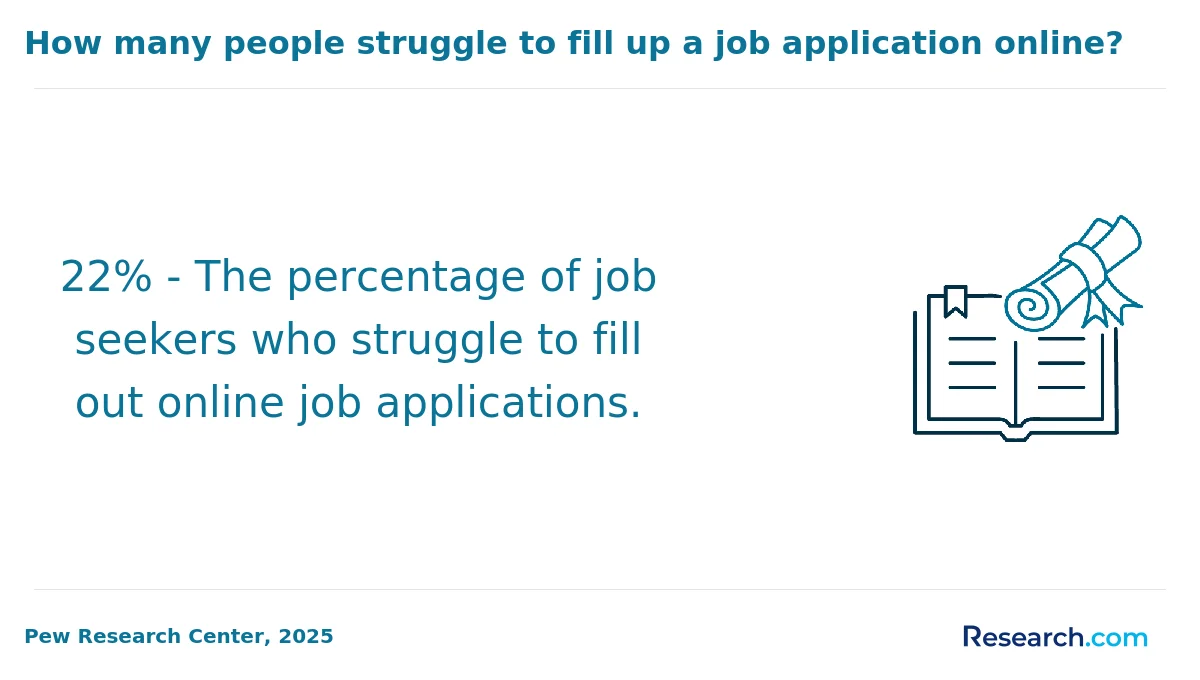
Associate degree graduates in Sioux Center find a variety of rewarding career paths that align closely with both local industry demands and personal ambitions. Healthcare-focused programs open doors to positions like Certified Nurse Assistant (CNA) or pharmacy technician, roles highly valued in nearby hospitals and care centers. Graduates often share how these roles provide fulfilling day-to-day work helping community members.
For those drawn to business and office administration, associate degrees from popular Sioux Center schools lead to jobs in accounting, bookkeeping, or retail management. Some graduates appreciate how specialized two-year programs at regional institutions foster practical skills for entrepreneurship or event planning, creating confidence to thrive in dynamic workplaces.
Technical fields offer promising options as well, with certifications in welding or IT support opening the door to local manufacturing or technology sectors. Practical, hands-on training helps graduates feel ready to meet employers' expectations in these skilled trades.
- Healthcare roles such as CNA or practical nurse
- Business positions including administrative assistant and retail manager
- Technical careers in welding, automotive tech, and IT support
- Educational pathways as paraeducators or teaching assistants
- Transfer-focused degrees preparing for further study
Many Sioux Center graduates echo that the chance to start working or continue their education locally feels encouraging and attainable. Those pursuing transfer associate degrees benefit from broad foundational skills that ease entry into four-year programs. For students exploring their options, options for attending schools that accept pell grants can make further education more accessible and affordable.
The job market for associate degree graduates in Sioux Center offers promising opportunities rooted in solid regional demand. Graduates from popular associate degree schools near Sioux Center often find themselves well-positioned in fields like healthcare, IT, and skilled trades. Many share stories of starting as respiratory therapists or administrative assistants, grateful for the swift transition to rewarding roles that support local communities.
These employment opportunities reflect broader trends seen across the Midwest, where associate degrees equate to higher employment rates and competitive salaries. For example, graduates typically earn 44% more than those with just a high school diploma, highlighting the tangible benefits of pursuing an associate degree in Sioux Center.
Job seekers here benefit from diverse openings, including:
- Healthcare support roles such as ultrasound technician
- Protective services positions
- Business and program management jobs
Recent graduates appreciate how their education at local institutions translates into real earnings and stability, reinforcing confidence in this pathway. For anyone weighing options, exploring job certifications that pay well alongside degree programs can enhance prospects even further.
This reflects a dynamic Sioux Center associate degree employment opportunities landscape where motivated individuals thrive and contribute to the region's workforce vitality.
Most Affordable Associate Degree Programs - Leading Certification Courses in Sioux Center for 2026
# 1 position
Dordt University - Computer and Information Sciences, General.
associateDordt University offers a program in Computer and Information Sciences, General, focusing on computing, computer science, and information science systems. This general program is undifferentiated by title and content and should not be confused with specialized computer science or information science programs. The annual in-state tuition is $35,960. The program is accredited by the Higher Learning Commission.
# 2 position
Dordt University - Medical Administrative/Executive Assistant and Medical Secretary.
associateDordt University offers a hybrid Medical Administrative/Executive Assistant and Medical Secretary program that prepares students for roles supporting physicians, nurses, and healthcare administrators. The curriculum includes medical terminology, business communications, healthcare operations, software applications, scheduling, and professional ethics. The program is accredited by the Higher Learning Commission. Annual in-state tuition is $35,960. This program combines practical skills with healthcare knowledge for administrative roles in medical settings.
Frequently Asked Questions about associate degree programs
After earning an associate degree in Sioux Center, preparing for the job market involves several key steps. First, students should utilize local career services offered by colleges, such as internships and job fairs, which connect graduates with employers in the area. According to the Iowa Workforce Development, Sioux Center's growing sectors include healthcare, manufacturing, and education, providing solid opportunities for associate degree holders.
Building a professional resume that highlights relevant skills and certifications is essential. Networking through local chambers of commerce and professional organizations can increase job prospects. Additionally, earning industry-specific certifications alongside the degree enhances employability, as many jobs require more than just a diploma.
Continuous learning and upgrading skills through online courses or workshops also help graduates stay competitive. The U.S. Bureau of Labor Statistics notes that associate degree holders typically earn 20% more than those with only a high school diploma, emphasizing the value of strategic job preparation in Sioux Center.
Employers in Sioux Center highly value a mix of technical and soft skills in associate degree graduates. According to the National Association of Colleges and Employers (NACE), essential job skills include effective communication, problem-solving, and teamwork. Local industry surveys also highlight proficiency in computer literacy, especially in Microsoft Office and specialized software relevant to healthcare and manufacturing sectors prominent in Sioux Center.
Strong time management and adaptability are often requested, reflecting the dynamic local job market. Additionally, practical experience through internships or cooperative education significantly boosts employability. These skills prepare graduates to meet the expectations of employers in Sioux Center's key industries, giving them a competitive edge.
Finding internships in Sioux Center relevant to your associate degree program involves several practical steps. Start by contacting local community colleges, such as Northwestern College, which often have partnerships with businesses offering internship opportunities. The U.S. Bureau of Labor Statistics notes that internships can increase job prospects by providing valuable hands-on experience.
Utilize online platforms like Handshake or your school's career services portal to search for internships within Sioux Center. Additionally, local chambers of commerce and industry groups often list openings for students. Networking with faculty and attending local job fairs can also connect you with employers actively seeking interns.
It is important to target businesses directly related to your field of study. For instance, healthcare students can explore regional clinics or hospitals, while those in agriculture might contact Sioux Center's farming cooperatives. According to recent reports, approximately 35% of Sioux Center internships are in healthcare and technical fields, reflecting local industry needs.
An associate degree in Sioux Center serves as a valuable credential that enhances career mobility and advancement opportunities. According to the U.S. Bureau of Labor Statistics, individuals with an associate degree earn approximately 20% more on average than those with only a high school diploma. Local employers in industries such as healthcare, manufacturing, and business increasingly prefer candidates holding these degrees for entry-level and mid-level positions.
Academic programs offered at nearby community colleges emphasize practical skills and workforce readiness. This focus helps graduates qualify for promotions and specialized roles faster than peers without postsecondary education.
Sioux Center's growing economy particularly rewards credentials aligned with its dominant sectors, making associate degrees a strategic investment for upward mobility.
Part-time job opportunities in Sioux Center can effectively complement associate degree education by providing practical experience and financial support. Retail positions in local stores and food service roles remain common, allowing students to develop customer service and time management skills. According to the Iowa Workforce Development data from 2023, food preparation and serving-related jobs in Sioux Center offer median wages around $12 per hour, suitable for flexible student schedules.
Healthcare support roles, such as medical assistants or nursing aides, often align well with associate degrees in health sciences. These jobs offer relevant experience and sometimes opportunities for advancement. Additionally, administrative assistant positions in local businesses can help students hone organizational and communication skills essential in many fields. Exploring roles on or near college campuses may also provide employment that understands student commitments.
To find the most affordable degree program near me, you can begin by exploring various programs and universities offering competitive tuition rates. Research.com can be a helpful resource for identifying these opportunities and comparing costs. Specifically, near Sioux Center, IA, institutions may offer various financial aid options to ensure education remains accessible and budget-friendly.
- Most Affordable Trade School & Training Programs - Leading Certification Courses in Topeka for 2026
- Most Affordable Trade School & Training Programs - Leading Certification Courses in Overland Park for 2026
- Most Affordable Trade School & Training Programs - Leading Certification Courses in Olathe for 2026
- Most Affordable Trade School & Training Programs - Leading Certification Courses in Tulsa for 2026
- Most Affordable Trade School & Training Programs - Leading Certification Courses in Billings for 2026
- Most Affordable Trade School & Training Programs - Leading Certification Courses in Dearborn for 2026
- Nces - Ipeds https://nces.ed.gov/ipeds/
- Online Degree vs. Traditional | University of Arkansas Grantham https://www.uagrantham.edu/blog/pros-cons-online-degree-vs-traditional-university/
- Should I Intern if I'm in an Associate's Program? | Career Advice & Interview Tips | WayUp Guide https://www.wayup.com/guide/intern-im-associates-program/
- How to Properly List Your Academic Degrees and Credentials - ASET - The Neurodiagnostic Society https://www.aset.org/docs/individuals/how-to-properly-list-your-academic-degrees-and-credentials/
- What is an associate’s degree? | Top Universities https://www.topuniversities.com/blog/what-associates-degree
- Welding Trade Schools in Sioux Center, IA - Welder Training https://weldingcareernow.com/welding-schools/sioux-center-ia
- Find Remote Internships For College Students https://www.accreditedschoolsonline.org/resources/college-internships-and-employment/
- Job Opportunities - Sioux Center CSD https://www.scwarriors.org/en/job-opportunities-ca2ae872
- Research - Easiest Associates Degree Programs https://research.com/degrees/easiest-associates-degree-programs
- Job Postings • Sioux Center, IA • CivicEngage https://www.siouxcenter.org/Jobs.aspx