2027 Online Ed.D. in Leadership and Learning in Organizations: Degree Fit for Leaders Tackling A Volunteer Workforce with Inconsistent Orientation
Audited and Verified:
Our Editorial and Data Verification Process
Research.com uses government datasets, official education statistics and primary institutional information to support its career and degree guides. Our review process checks factual accuracy, occupational definitions, source dates and the requirements associated with the credentials discussed.
How This Article Was Fact-Checked
Our editorial team verifies salary estimates, employment projections, education requirements and program information against original data providers and official organizations. Salary figures are checked against the relevant occupational definitions and reporting periods. Information about licensure, accreditation and required in-person training is reviewed separately.
Fact-checked and verified on:

Co-Founder and Chief Data Scientist
When volunteers receive different instructions depending on who welcomes them, service quality and confidence can suffer. A nonprofit leader may need a better orientation process now - not necessarily a doctorate.
This article examines when an online Ed.D. in Leadership and Learning in Organizations could help you diagnose the problem, lead a sustainable change, and evaluate its results. It also shows when targeted training or operational support is the wiser investment, so you can decide what to fix immediately and whether doctoral study serves your longer-term goals.
Key Things You Should Know
- Start with the process, not the degree. inconsistent orientation may reflect unclear roles, scheduling, supervision, or outdated materials rather than a lack of training expertise.
- An Ed.D. fits a broader leadership goal. it can develop applied inquiry and organizational-change skills, but it is a substantial commitment for a problem that may have a faster fix.
- Do not treat salary as a payoff forecast. the U.S. median for training and development managers was $133,000 in May 2025, not an expected salary for Ed.D. graduates or volunteer coordinators.
What is an online Ed.D. in Leadership and Learning in Organizations?
An Ed.D. in Leadership and Learning in Organizations is a practice-oriented doctorate concerned with how people learn, how organizations change, and how leaders use evidence to improve practice. Online describes where much of the instruction occurs; it does not necessarily mean self-paced study or an entirely remote degree. Exact titles, coursework, attendance rules, and final projects vary by university.
For a volunteer leader, the appeal is broader than learning to write an orientation guide. The degree may help you examine how board policy, staff supervision, volunteer motivation, and service delivery interact. It makes the most sense if you expect to lead and evaluate complex learning initiatives beyond this one onboarding problem. When comparing programs, use guidance on choosing between Ed.D. academic concentrations to check whether organizational learning is an actual area of study rather than a label inferred from one course.
How can this Ed.D. help leaders manage a volunteer workforce?
The useful doctoral skill is diagnosis before intervention. Uneven orientation is an observable symptom, not a proven cause of volunteer mistakes or turnover. A leader can map what each role requires, who currently provides instruction, and where volunteers encounter conflicting guidance. Adult-learning and change-management study can then inform an orientation process that staff can deliver consistently without ignoring differences among volunteer roles.
The distinctions below help prevent an expensive training redesign from missing an operational problem. Each possible explanation calls for different evidence and a different first response.
| Possible source of inconsistency | Evidence to check | Reasonable first response |
| Different trainers give different instructions | Current materials and observations of orientation sessions | Agree on essential messages, role-specific additions, and an owner for updates |
| Volunteers cannot attend a standard session | Scheduling records and volunteer feedback | Offer an accessible alternative and a way to confirm essential learning |
| Instructions conflict with actual work | Role descriptions, supervisor guidance, and observed procedures | Resolve the policy or supervision conflict before revising training |
A feasible improvement cycle starts with authorized, limited baseline evidence: for example, whether volunteers receive required information, can demonstrate a safety-critical task, and know whom to ask for help. The organization could pilot a revised process, then compare the same indicators over time. Changes alone would not prove that orientation caused an improvement; staffing, volunteer mix, and other changes may also matter.
An Ed.D. could add value if you have authority to coordinate staff and volunteers, access to appropriate evidence, and a continuing need to lead organizational improvement. A proposed doctoral project would still require faculty approval and any necessary organizational permission, privacy safeguards, consent, or research review. If the immediate need is simply to reconcile documents and assign an orientation owner, do that now; a certificate, experienced mentor, or short-term consultant may be more proportionate than doctoral enrollment.
What careers can you pursue with an Ed.D. in Leadership and Learning?
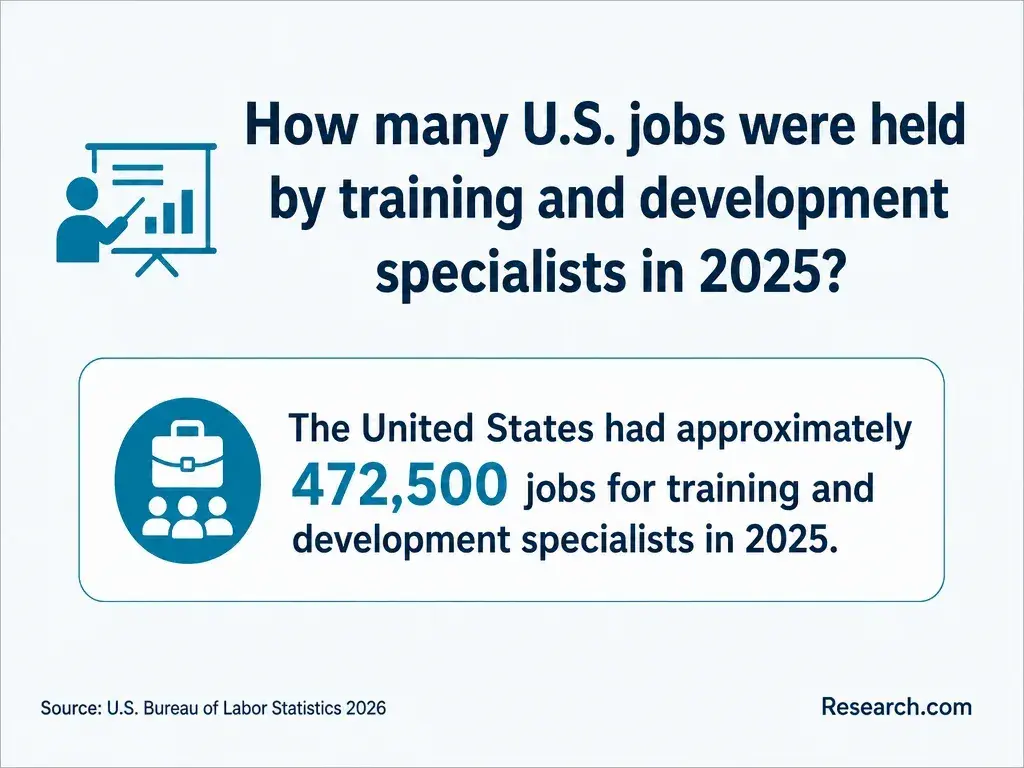
A nonprofit professional might use the degree while advancing toward director-level volunteer engagement, organizational learning, program improvement, or workforce-development responsibilities. Related work exists in training and development management, organizational consulting, and education administration. These roles differ: managing volunteer services is not the same as directing an employee training department or advising multiple organizations.
Hiring depends on demonstrated budget, staff, evaluation, and change-leadership experience as well as education. If your goal is a larger nonprofit leadership role, ask whether your current organization can give you responsibility for a cross-functional improvement project. Evidence that you designed, implemented, and responsibly evaluated a process may be more immediately useful than a doctorate without comparable leadership experience.
Confirm that the degree-granting institution holds recognized institutional accreditation, and verify its status and scope through the accreditor and U.S. Department of Education or Council for Higher Education Accreditation listings. Online delivery does not create a separate, lesser type of institutional accreditation.
Also check the university's description of the exact Ed.D. you would enter. Institutional accreditation does not establish that its curriculum specializes in nonprofit volunteer development, that a proposed workplace project will be approved, or that graduates qualify for a regulated position. If a school advertises additional programmatic recognition, verify which program and credential it actually covers.
The most relevant studies for this challenge are adult learning, organizational diagnosis, change implementation, and applied evaluation. Adult-learning coursework can inform clear, accessible instruction for volunteers with different experience levels. Research-methods study can help a leader distinguish attendance at orientation from demonstrated readiness to perform a role.
Compare syllabi and required courses rather than assuming every similarly named doctorate covers instructional design, volunteer management, or evaluation at the same depth. Ask how students practice needs assessment, receive feedback on workplace projects, and meet the final research requirement. Programs differ in whether they require a dissertation, dissertation in practice, capstone, or another approved deliverable; a guide to online Ed.D. programs without a traditional dissertation can help you frame that question, but the program's own requirements control.
Requirements vary, but programs may review prior graduate study, transcripts, professional experience, recommendations, and a statement of purpose. Some require a completed master's degree; others set different graduate-study conditions. A nonprofit title alone does not establish eligibility: explain decisions you have made, people and resources you have coordinated, and the organizational problem you hope to investigate without claiming results you have not measured.
If you hold an education specialist degree, finding an online Ed.D. route after specialist study may help identify questions to ask. Have each university evaluate whether prior work meets admission conditions separately from whether any credits would apply toward the doctorate. Neither transfer nor a shorter completion time should be assumed.
Duration depends on required credits, course sequencing, enrollment pace, and the time needed to complete an approved final project. Obtain a written plan for your intended entry term, including what happens if volunteer access, employment, or project sponsorship changes. Online students may also face live meetings, team schedules, and campus convenings.
For a nonprofit leader, the relevant cost is more than advertised tuition. Compare required credits and tuition rates with fees, travel, books or technology, reduced work hours, and the cost of staying enrolled while a project is delayed. Ask whether your employer offers assistance, what expenses qualify, and whether leaving the job triggers repayment. Information on higher education leadership doctorate tuition assistance can suggest funding questions, but assistance available to higher education employees should not be assumed available at a nonprofit.
Calculate the total from each school's published charges and your realistic schedule before comparing it with a certificate or a funded workplace improvement project. Without a verified program price and a credible career plan, a salary-based return-on-investment claim would be speculative.
Online study can preserve your location and make it easier to keep working with a community organization. Campus-based study may offer more routine in-person contact with faculty and peers. Neither format automatically provides stronger applied learning or easier access to an approved volunteer-workforce project.
Ask both programs when classes meet, whether attendance is mandatory, how teams collaborate, and whether campus visits are required. Then compare faculty guidance for workplace inquiry and the full cost of participation. A list of online doctorates in education with affordable study routes is a starting point for checking prices, not a substitute for verifying each program's current tuition, travel requirements, and fit with your work schedule.
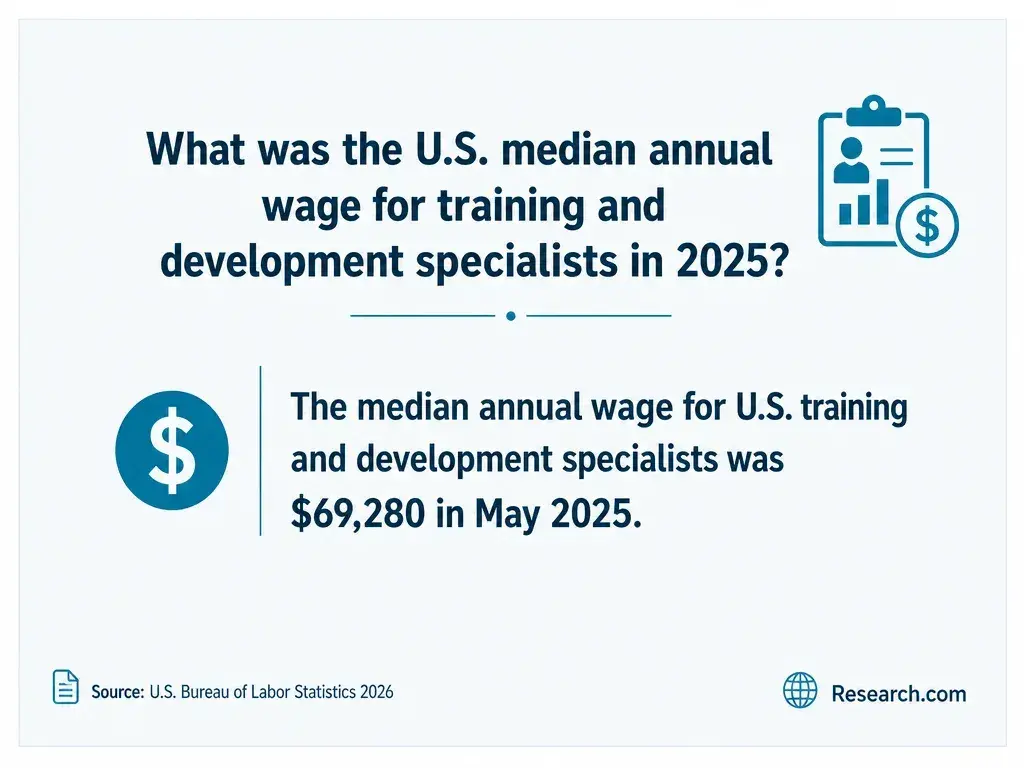
There is no single Ed.D. salary or employment forecast. As occupational context, the U.S. Bureau of Labor Statistics reports a May 2025 median annual salary of $133,000 for training and development managers and projects 6.4% employment growth for that occupation from 2025 to 2035. Those figures describe the occupation across workers and employers - not new doctorate holders, nonprofit volunteer directors, or the payoff from a particular program.
Use job postings for your intended role and location to assess likely pay, required management experience, and whether a doctorate is preferred. Nonprofit budgets and internal promotion structures may matter far more to your next opportunity than a broad national median.
Does this Ed.D. require a license or professional certification?
Leading a volunteer workforce generally does not require an educator license merely because you hold or pursue an Ed.D. A leadership and learning doctorate also does not automatically award a professional certification. Organizations may instead require role-specific training - for example, on safety, safeguarding, or handling sensitive information - based on the services volunteers provide.
If your career target changes to a regulated school position, check the specific program's licensure disclosures and the relevant state authority's requirements before enrolling. Do not infer principal, teacher, or superintendent eligibility from the Ed.D. title.
Other Things You Should Know About EdD Leadership
Provide an accessible alternative that covers the same essential information, then confirm readiness for the assigned role. Do not equate watching a recording with competence in a task that requires practice.
They may need shared information about mission and conduct, but their responsibilities differ. Define a common core and add role-specific instruction rather than using one session as the entire preparation for every position.
Check your employer's intellectual-property policies and the university's project rules before using or sharing the materials. Agree in writing on access, revision rights, and what may appear in a public academic submission.
Experience can justify a shorter route, but verify knowledge of current local policies and role-specific procedures. A consistent competency check is more defensible than assuming prior service covered today's requirements.
- Effectiveness of formal onboarding for facilitating... - PMC - NIH https://pmc.ncbi.nlm.nih.gov/articles/PMC9934447/
- Accreditation in the U.S. | ed.gov http://www.ed.gov/laws-and-policy/higher-education-laws-and-policy/college-accreditation/accreditation-in-the-us
- Their Relationship to Community Service Self-Efficacy | unomaha.edu https://digitalcommons.unomaha.edu/cgi/viewcontent.cgi
- What Is a Capstone Project? - Boston University Questrom https://www.bu.edu/questrom/blog/what-is-a-capstone-project/
- Doctorate of Education in Leadership and Adult Learning in Organizations (EdD) - William Woods University https://www.williamwoods.edu/academics-programs/leadership-and-adult-learning-in-organizations-edd-online/
- Improving Efficiency in Volunteer Onboarding | usfca.edu https://repository.usfca.edu/cgi/viewcontent.cgi
- Organizational Development Certificate | U of M CCAPS https://ccaps.umn.edu/organization-development-certificate