Best Trade School & Training Programs - Leading Certification Courses in Normal for 2026

Co-Founder and Chief Data Scientist
Choosing the right trade school program in Normal can feel overwhelming. This article is here to help you navigate those options with confidence.
The Research.com team of data scientists has created a trade school programs ranking to guide you toward the best opportunities. By exploring these carefully analyzed programs, you can find the path that fits your goals and interests.
Whether you’re aiming for a diploma or certification, a trade school education opens doors to rewarding careers. Reading on will give you valuable insights to make an informed decision for your future.
Key benefits of finishing trade school programs trade school in Normal
- Expected salary: Graduates in Normal can earn from $25 to $50 per hour in skilled trades like construction and carpentry, with electricians starting $45,000 to $60,000 annually and truck drivers making around $52,800 per year.
- Popular career paths: Common options include construction labor, electrical work, cosmetology, and diesel mechanics, offering steady demand and growing opportunities as you gain experience.
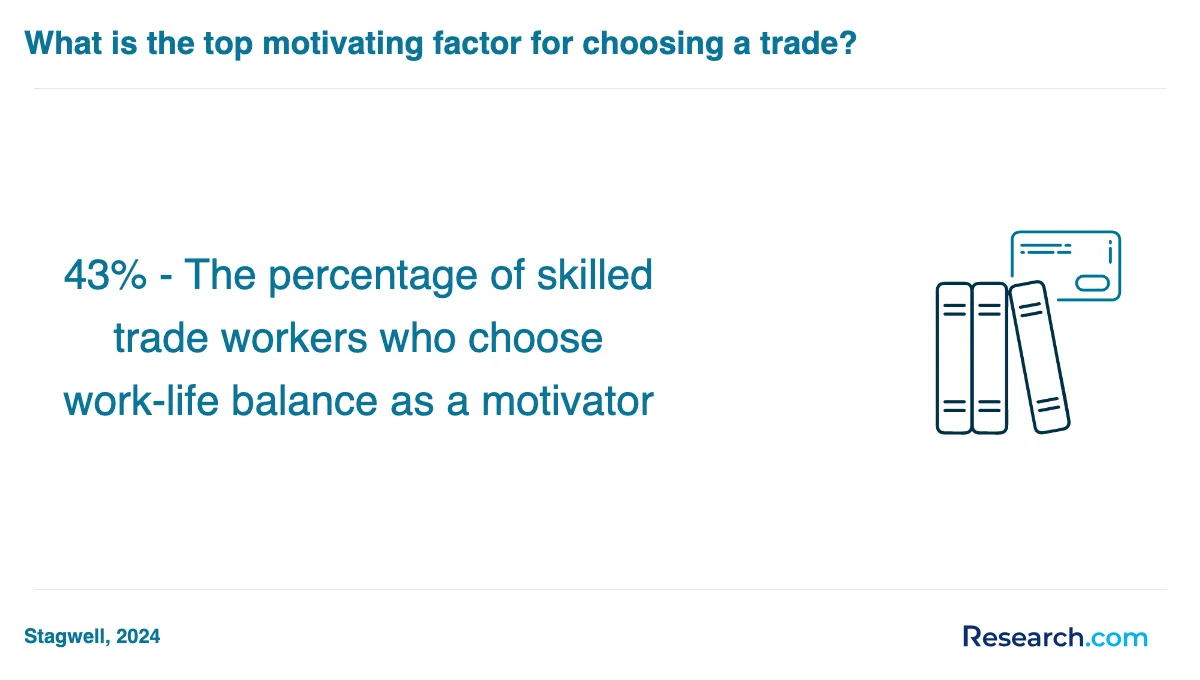
- Benefits of online certification: Completing a trade school diploma online provides flexibility to learn at your pace, balancing work and life, making it easier to start or advance your career without relocating.
- Best Trade School & Training Programs - Leading Certification Courses in Normal for 2026
- What can I expect from trade school programs trade schools in Normal?
- Where can I work after finishing trade school programs trade schools in Normal?
What can I expect from trade school programs trade schools in Normal?
When it comes to the average cost of a trade school program in Normal, students often find it's more affordable than you might expect. Graduates from local programs report that many courses range from a few thousand dollars up to around $15,000, depending on the length and specialization. For example, apprenticeships in electrical work, which combine paid on-the-job training with classroom learning at places like the Bloomington-Normal Joint Apprenticeship & Training Center, can actually help offset costs since students earn while they learn.
Others enrolled in welding or manufacturing programs mention that the investment feels worthwhile, considering the hands-on experience and industry certifications they receive. Evening and weekend classes add flexibility without extra fees, making it easier for those juggling jobs or family. Plus, some students take advantage of dual credit options through community colleges, reducing overall costs while getting a jumpstart on their career path.
Overall, trade school in Normal offers solid value with practical skills and clear career routes, making it an appealing option for many.
Where can I work after finishing trade school programs trade schools in Normal?
After finishing a trade school program in Normal, you've got a solid shot at landing jobs that fit your new skills perfectly. For example, grads from the Bloomington-Normal Joint Apprenticeship & Training Center often start as journeyman electricians or inside wiremen, working with local contractors and manufacturing facilities. These roles come with the benefit of steady, long-term work, especially since the program includes 8,000 hours of on-the-job training that really prepares you.
Truck driving grads from Heartland Community College often find themselves behind the wheel for regional or national companies, handling deliveries across Illinois or even farther. It's a career that offers independence and steady demand, which makes many grads feel confident about the road ahead.
Other trade school grads land jobs as maintenance technicians, plumbers, carpenters, or construction laborers right here in Normal. You might be fixing up homes, working on new buildings, or helping keep local facilities running smoothly. Employers around town really appreciate how trade schools gear their programs toward real-world needs, so the transition from school to work feels natural and rewarding.
If you finish a trade school program in Normal, what you make really depends on the trade you choose and how much experience you get. Many graduates from local trade schools start at around $17.50 an hour, which is a solid wage when you're just beginning. Some of your friends who studied construction or carpentry around here have told me they started near that mark but quickly moved up.
For example, if you're aiming for a role like a construction laborer, employers in Normal are offering between $25 and $50 per hour, which is a huge jump. Journeyman carpenters nearby often land hourly pay between $28.94 and $34.72. That's enough to feel proud and comfortable after just a few years of experience.
The average skilled trades wage in Normal sits around $22.24 per hour, translating to about $46,000 a year if you're working full-time. People who stick with it and specialize - think electricians or HVAC techs - can see even more impressive numbers, especially with additional certifications or experience.
It's exciting to hear from graduates in the area who started at local trade schools and now enjoy wages well above the starting range, thanks to their skills and growing demand for trade pros. So if you're considering trade school in Normal, the potential to earn a good, steady income is definitely there.
- Applicants usually need a high school diploma or GED and must be at least 17 years old; some programs require students to be 18 before starting work assignments.
- Admission involves submitting an application, paying a fee (around $35 for some programs), and providing transcripts; standardized tests like the SAT are generally not required.
- Tuition averages about $7,972 per year for in-state students and $10,688 for out-of-state students at Illinois community colleges; some apprenticeships may have tuition covered by employers or unions.
- Trade schools offer rolling admissions with multiple start dates and may require interviews, driver's licenses, or additional documents for specialized programs.
- Starting salaries in Illinois for trade school graduates range from $35,000 to $50,000, with experienced workers earning $60,000 or more annually in fields like electrical work, HVAC, welding, and healthcare.
If you're wondering how long it takes to finish a trade school program in Normal, the good news is most programs can be completed between eight months and two years. For example, graduates from popular local trade schools often finish shorter programs like medical assisting or welding in under a year, which means they're able to jump into a new career quickly and without a long wait.
Programs like automotive maintenance or cosmetology also wrap up within a year, allowing students to build skills fast. But if you're aiming for something more complex, like dental hygiene or HVAC certification, expect to spend closer to two years. These fields require extra hands-on training and sometimes clinical hours, which trade schools in Normal are known to support with flexible scheduling.
Many students appreciate that these programs are designed for full-time study, but part-time options are available if you need to balance work or family. It's pretty common to hear graduates feeling excited about how trade schools here keep things focused and efficient-getting them ready to start jobs without unnecessary delays.
The biggest difference between online and on-campus trade school programs in Normal is how and where you learn. Online programs are perfect if you need flexibility-imagine finishing assignments late at night after work or squeezing study time between family duties. Many students appreciate being able to access courses from home or anywhere, especially through nearby providers like those in Bloomington that offer trades programs just a short drive away. Graduates often mention how this setup helped them balance life without putting their goals on hold.
On the other hand, on-campus programs in Normal give you that hands-on experience you just can't get through a screen. Picture spending your days in a workshop, learning welding or HVAC with direct guidance from instructors. Some graduates say this personal interaction and immediate feedback made all the difference, boosting their confidence and skills for real-world jobs.
Both paths offer solid credentials, but choosing depends on how you like to learn and what fits your lifestyle best.
When looking at the average trade school cost in Normal Illinois, many students find public trade schools more affordable, often ranging from $9,000 to $14,500 in total for their programs. For example, graduates of local institutions like Heartland Community College report that tuition and fees for full-time, in-district students hover around $5,610 per academic year for 30 credit hours. Adding in books, supplies, and living expenses, their total yearly cost comes to about $13,648. This makes studying in Normal feel manageable and worth the investment, especially knowing many programs wrap up in less than two years.
For those considering Normal Illinois trade school tuition and fees at private schools, prices tend to be higher. Tuition can range from $10,000 up to $25,000 depending on the program, with some specialized areas like healthcare or aviation pushing costs beyond $30,000. Graduates who chose private schools often mention budgeting for additional expenses like books and equipment, which can add anywhere from $1,000 to $5,000 to the total.
Many students appreciate that trade school costs are generally much lower than traditional four-year colleges, making it easier to launch a new career quickly without endless debt. Plus, financial aid options such as grants and scholarships help ease the burden for qualifying individuals. If you're thinking about a specific field, like HVAC, it's worth checking out guides like the best online hvac certificate programs for clear cost breakdowns and options that might fit your budget.

If you're planning to attend a trade school in Normal, you'll be glad to know there are plenty of financial aid options to ease your journey. Many students start by filling out the FAFSA, which opens the door to federal aid like the Pell Grant or Work-Study programs. One graduate from a local technical institute shared how Work-Study helped cover textbooks while gaining hands-on experience on campus.
On the state side, Illinois offers the Monetary Award Program (MAP) Grant to help with tuition costs without adding debt. Some students in Normal have even accessed special grants if they're connected to military service or public safety roles, making it easier to stay focused on their trade skills rather than finances.
Scholarships offered by schools and local groups add another layer of support. For example, winners of the Distinguished Scholar Award at a popular Normal trade college often mention how that boost made a huge difference in managing expenses. The key is applying early, as both state and institutional funds can run out quickly.
To enroll in a trade school program in Normal, Illinois, you'll first need a high school diploma or GED. Many graduates from popular local trade schools share how having this basic credential really gave them the confidence to jump into hands-on training. Some programs might even accept a recognized homeschooling completion or a state-approved equivalency test, which adds some flexibility.
Age matters too-most schools ask you to be at least 17, though many require you to be 18 before starting work assignments or apprenticeships. A few students mentioned getting parental consent when they applied a bit younger, which made a big difference.
When applying, get ready to provide:
- Your high school transcripts or GED records
- A valid driver's license
- Sometimes a typed resume
There's usually a small application fee, around $20-$35, covering placement tests that help schools see if you're ready. Graduates often say these tests made them feel prepared rather than stressed.
Some specialized programs in electrical or construction trades may also require attending an orientation, passing a drug screen, or doing an interview. This hands-on approach ensures you're ready physically and mentally for the work ahead.

If you're thinking about trade school programs in Normal, you'll find a variety of courses tailored to get you job-ready fast. Many local students who graduate from places like Heartland Community College share how hands-on training made all the difference. They don't just sit and listen-they're actually using tools and equipment right away, which builds confidence and skills.
Construction trades are a big deal here. You can dive into courses for becoming a:
- Carpenter
- Electrician
- Welder
- Pipefitter
- Plumber
- Heating & Air Conditioning Mechanic
- Ironworker
These programs cover not only the physical skills but also important stuff like blueprint reading, workplace safety, and essential math like geometry. Graduates often talk about how understanding these basics helped them handle real job sites with ease.
Beyond construction, Normal's trade schools also offer courses in:
- Agriculture specialties like Precision Agriculture and Cannabis Cultivation
- Business Technology and Small Business Management
- Computer Networking and Cyber Security
- Digital Media Communications
Manufacturing-focused classes, like CNC Machinist or Quality Inspector, give you solid technical know-how in a shorter time frame too. Many students appreciate the mix of classroom lessons with actual lab work-it's a great way to feel prepared once you step into the workforce.
If you're considering trade school programs in Normal, you'll find a variety of specializations tailored to real-world jobs. Many students appreciate the hands-on feel they get, which really helps when starting out. For example, the construction technology path at Heartland Community College prepares grads for roles like CAD technicians or project assistants by teaching AutoCAD, OSHA safety, and construction scheduling. Graduates often mention how this program sets them up for both immediate work and further study.
Another favorite is engineering technology, which blends classroom lessons and practical experience in areas such as quality control and project management. This program's ATMAE accreditation gives students confidence that their skills meet national standards. Also popular is the graphic communications technology specialization, where students dive into digital and print media, learning photography, 3D animation, and web content management.
Short-term certificates nearby in Bloomington offer quick paths to careers like welder technician or robotics technician, perfect for those eager to jump into the workforce fast.
- Construction technology at Heartland Community College
- Engineering technology with hands-on project management
- Graphic communications focused on digital media and printing
- Short-term certificates in welding, robotics, and tool making
Graduate options exist too, including agriculture, IT, and criminal justice sciences for those wanting to deepen their expertise. Many Normal-based students find what fits their goals perfectly, enjoying an education aligned with local and national job markets. If you want to explore more about what's offered elsewhere and find the right fit, check out what is the best community college in the us. The variety here really empowers students to pursue careers they're passionate about.
Start by pinpointing the trade that excites you most-whether it's HVAC, welding, or IT-and look at schools in Normal offering strong programs in that area. Graduates from local colleges often praise their hands-on learning and connections to nearby industries, which helped them land jobs quickly.
Next, check if the school is properly accredited to ensure you get quality training and access to federal aid. Many students in Normal appreciate schools that publish clear graduation and job placement rates; this transparency speaks volumes about the program's success.
When you compare trade school costs in Normal, consider financial aid and scholarships available to ease tuition burdens. For those juggling work or family, flexible schedules including online or evening classes make a big difference-several locals found these options essential to finishing their programs.
For low-cost options in electrician training, look into low cost online electrician trade school programs that suit your budget without sacrificing quality.
Trade school graduates in Normal have a bunch of exciting career paths to choose from, especially if you're after quick entry into in-demand jobs. Lots of grads from local schools find themselves stepping right into roles like nursing assistants or medical techs, thanks to strong healthcare programs that match the rising need statewide. Others dive into skilled trades, such as plumbing, welding, and electrical work, gaining hands-on experience through apprenticeships that make them job-ready faster than you'd expect.
Many students swear by programs at Heartland Community College for getting their commercial driver's license-prepping them for trucking jobs that keep goods moving across Illinois and beyond. For those keen on growing fields, Normal's trade schools also offer certificates in IT and cybersecurity, perfect for future network techs and security pros. If you want to explore even more options, check out the variety of trade school career opportunities in Normal Illinois, which include:
- Healthcare support roles like nursing assistants and medical assistants
- Skilled trades such as welding, electrical, plumbing, and construction
- Transportation careers in heavy truck driving with CDL training
- Information technology pathways including cybersecurity and networking
- Agriculture, accounting technology, and administrative support positions
One graduate shared how their welding certificate opened doors to steady work and good pay right after finishing a local program. Another mentioned how IT courses helped them land a job as a digital media coordinator in a small Normal business. These stories show why the highest paying skilled trades jobs Normal IL has to offer are not just dreams-they're attainable with the right training.
If you want to explore all these options and more on trades job prospects, be sure to check out trades job info tailored for students like you looking to build a rewarding career in Normal.
The job opportunities for trade school graduates in Normal IL remain strong and promising. Graduates from popular trade schools in the area often share how quickly they find work, especially in roles like maintenance technicians or specialized trade positions. Local listings show about 38 skilled trades job openings right now, with wages ranging from $25 to $50 per hour. This competitive pay highlights the real value of trade school training.
Graduates appreciate how the Normal Illinois skilled trades employment outlook plays out with visible job growth in sectors connected to their training. For example, even though manufacturing jobs have declined recently, fields like Mining-Construction, Transportation-Warehousing, and Retail Trade have added jobs, creating opportunities for skilled candidates.
Here's what many grads experience:
- Steady demand for electricians, welders, HVAC techs, and truck drivers
- Access to apprenticeships and pre-apprenticeship programs thanks to initiatives like the Illinois Works Jobs Programs Act
- Strong starting salaries close to industry standards statewide
Many find it helpful to explore affordable online electrical lineworker training programs to start or enhance their careers with flexibility. These paths often lead to solid employment and payright here in Normal, making trade school a smart move for anyone ready to enter the skilled workforce.
Best Trade School & Training Programs - Leading Certification Courses in Normal for 2026
# 1 position
Heartland Community College - Computer Systems Networking and Telecommunications.
associateHeartland Community College offers a hybrid program in Computer Systems Networking and Telecommunications, focusing on the design, implementation, and management of interconnected computer systems and software. The curriculum covers operating systems, systems design, networking theory, security, and troubleshooting. The annual in-state tuition is $5,460. The program is accredited by the Higher Learning Commission and prepares students for roles as network specialists and managers.
# 2 position
Heartland Community College - Physical Therapy Assistant.
associateHeartland Community College offers a Physical Therapy Assistant program with a hybrid format, combining in-person and distance education. The program trains students to assist physical therapists by implementing treatment plans, training patients, and documenting progress. Instruction covers anatomy, physiology, biomechanics, neuroscience, and professional ethics. The annual in-state tuition is $5,460. The program is accredited by the Higher Learning Commission.
# 3 position
Heartland Community College - Industrial Mechanics and Maintenance Technology/Technician.
certificate or diplomaHeartland Community College offers a Hybrid program in Industrial Mechanics and Maintenance Technology/Technician. This program prepares students to repair and maintain various industrial machinery and equipment, including cranes, pumps, engines, pneumatic tools, and conveyor systems. The annual in-state tuition is $5,460. The program is accredited by the Higher Learning Commission and includes some distance-education options for flexibility.
# 4 position
Heartland Community College - Welding Technology/Welder.
certificate or diplomaHeartland Community College offers a Welding Technology/Welder program with a hybrid format, including some distance education. The program trains students in welding techniques such as arc welding, resistance welding, brazing, soldering, and high-energy beam welding. It covers welding metallurgy, safety, structural design, and applicable codes. Annual in-state tuition is $5,460. The program is accredited by the Higher Learning Commission.
Frequently Asked Questions about trade school programs
Preparing for the job market after completing trade school in Normal involves several practical steps. Graduates should start by building a professional resume that highlights their technical skills and hands-on experience gained during training. Networking with local employers and attending job fairs in Normal can increase employment opportunities. According to the Illinois Department of Employment Security, trade school graduates in the region experience a higher placement rate in skilled jobs within six months. Pursuing certifications related to your trade can also enhance employability. Finally, maintaining ongoing communication with your school's career services helps access job listings and apprenticeship programs tailored to the local labor market.
Employers in Normal highly value practical skills when hiring trade school graduates. According to the Illinois Department of Employment Security, technical proficiency in fields like HVAC, automotive technology, and electrical installations ranks top. Strong hands-on experience and certifications improve job prospects significantly.
Soft skills such as communication, teamwork, and problem solving also play a crucial role. The National Association of Manufacturers reports 84% of employers seek these qualities alongside technical knowledge. Time management and reliability are frequently emphasized in local job listings across construction and manufacturing sectors.
Overall, graduates who combine technical expertise with strong interpersonal abilities are most competitive in Normal's trade job market.
Finding internships in Normal that align with your trade school program involves several strategic steps. Start by contacting your school's career services office, which often maintains partnerships with local employers and can connect you to relevant internship opportunities.
Additionally, explore local business directories and industry networks in Normal, such as those listed by the Normal Chamber of Commerce. Many small and mid-sized businesses in the area seek interns for trades like HVAC, automotive technology, and construction.
Online resources and job boards like Indeed and Handshake also list internships, though filtering for Normal-based roles is essential. According to the Illinois Department of Employment Security, trades internships in Normal have grown steadily, reflecting increased demand for skilled workers.
A trade school diploma in Normal significantly enhances career mobility and advancement opportunities for students. Local employers in industries such as manufacturing, healthcare, and automotive services often prioritize applicants with specialized technical training. According to data from the Illinois Community College Board, graduates from trade programs in Normal earn wages approximately 15% higher on average than those without postsecondary credentials.
Trade school diplomas also provide practical skills that are immediately applicable in the workforce, enabling quicker job placement. This credential often leads to promotions and increased responsibilities, particularly in skilled trades where experience and certification are highly valued. Furthermore, many trade schools in Normal maintain partnerships with local businesses, facilitating apprenticeships and career advancement pathways.
Studies from the National Center for Education Statistics show that students with trade certificates in Illinois have a higher likelihood of stable employment within one year of graduation compared to those with only a high school diploma. This stability translates into improved economic mobility within the Normal community.
Part-time job opportunities in Normal can effectively complement trade school education by providing practical experience alongside academic learning. Many students find roles in local manufacturing plants, retail hardware stores, and construction firms, which align well with programs in welding, HVAC, or carpentry.
According to the Illinois Department of Employment Security, Normal's retail and accommodation sectors offer a steady stream of part-time openings, with average wages ranging from $12 to $15 per hour in 2023. These roles often allow flexible hours suitable for students.
Additionally, internships or entry-level technician positions in automotive repair shops can enhance skills for those studying automotive technology. Employers in the Bloomington-Normal metro area increasingly seek candidates with practical experience, improving part-time work value for trade students.
Yes, there are numerous high-quality degree programs near Normal, IL, particularly at institutions like Illinois State University. Illinois State University offers a wide range of undergraduate and graduate programs that rank well in various fields, according to Research.com. For those searching for educational opportunities "near me" or specifically "near Normal, IL," exploring local universities and programs is a practical step to finding the best fit for their academic and career goals.
- Best Trade School & Training Programs - Leading Certification Courses in Angola for 2026
- Best Trade School & Training Programs - Leading Certification Courses in Florence for 2026
- Best Trade School & Training Programs - Leading Certification Courses in Adrian for 2026
- Best Trade School & Training Programs - Leading Certification Courses in Springfield for 2026
- Best Trade School & Training Programs - Leading Certification Courses in Akron for 2026
- Best Trade School & Training Programs - Leading Certification Courses in Emporia for 2026
- Best Trade School & Training Programs - Leading Certification Courses in Little Rock for 2026
- Best Trade School & Training Programs - Leading Certification Courses in Hamburg for 2026
- 20 Careers You Can Pursue Via Trade Schools https://www.titancomputers.com/20-Careers-You-Can-Pursue-Via-Trade-Schools-s/1243.htm
- Learn A Trade - SUNY https://www.suny.edu/trades/
- Trade School Career Paths: The Direct Route to Professional Success - Florida Trade Academy https://floridatradeacademy.org/trade-school-career-paths-the-direct-route-to-professional-success-2/
- Trade School Vs. College: What's The Difference? https://thebestschools.org/degrees/trade-schools-vs-college/
- Trade School Requirements: A Complete Guide | BestColleges https://www.bestcolleges.com/trades/trade-school-application-guide/
- How to Prepare for a Trade Apprenticeship While at School https://www.migas.com.au/blog/how-to-prepare-for-a-trade-apprenticeship-while-at-school
- Trade School vs. College | Tricoci University https://www.tricociuniversity.edu/beauty-blog/trade-school-vs-college-which-right-for-you/
- Key Benefits of Trade school - Stellar Career College Chicago https://stellarcollege.edu/2024/08/30/key-benefits-of-trade-school/