
Best Certificate Programs - Leading Certification Courses in Paris for 2026

Co-Founder and Chief Data Scientist
Choosing the right certificate program can be a big step toward a rewarding career in Paris. This article introduces the best trade school certificate programs for 2026, ranked carefully by the Research.com team of data scientists. Their ranking is designed to help you find quality programs that fit your goals and interests.
Getting a trade school diploma or certification opens doors to new opportunities, skills, and financial independence. Reading this guide will give you the confidence to make an informed decision and invest in your future with clarity and optimism.
Key benefits of getting trade school certificate in Paris
- Graduates with trade school certificates in Paris can expect starting salaries from around €20,000 to €27,000 annually, depending on the trade-electricians and HVAC technicians earn between €22,000 and €27,000, culinary professionals start at €20,000 to €24,000, and automotive technicians generally earn €21,000 to €25,000.
- Popular careers include hospitality, culinary arts, construction, and allied health, offering practical and in-demand skills that lead to strong job opportunities and steady wage growth in Paris.
- Online trade school certification offers flexibility and accessibility, allowing graduates to learn at their own pace while balancing work or family, often leading to career advancement similar to traditional programs.
- Best Certificate Programs - Leading Certification Courses in Paris for 2026
- What can I expect from trade school certification programs in Paris?
- Where can I work with trade school certification in Paris?
What can I expect from trade school certification programs in Paris?
The average cost of a trade school certification program in Paris is surprisingly affordable compared to many other countries, especially for programs like the Brevet de Technicien Supérieur (BTS) or Bachelor Universitaire de Technologie (BUT). Many graduates report that tuition fees are often fully covered when enrolled in apprenticeship programs, as companies frequently fund the cost while paying a salary. This means you can realistically expect to study without the burden of direct tuition expenses while gaining valuable on-the-job experience.
Even for students not in apprenticeships, public trade schools in Paris offer low tuition fees, reflecting the French public education funding model. Additional costs might include exam fees, materials, or transportation, but these are typically manageable. Graduates often highlight the financial independence gained through paid apprenticeships alongside academic work, which is a major relief compared to upfront school fees elsewhere.
Expect to invest effort in balancing classroom learning with real-world work, but the supportive environment-with personalized coaching from workplace supervisors and academic tutors-makes this blend feel rewarding rather than overwhelming. Many have praised how this system leads to immediate practical skills and job offers from employers familiar with their work during training.
Where can I work with trade school certification in Paris?
After finishing a trade school certification program in Paris, you can expect direct access to jobs where you completed your apprenticeship or work-study. Graduates from schools like ParisTech or ICN Business School often secure permanent roles in engineering, management, or technical fields because they've already proven themselves within those companies.
Typical career paths vary by specialization. For example, technical graduates often become junior engineers, project assistants, or specialists in manufacturing, IT, or construction sectors. Business certification holders find roles in sales, marketing, or financial analysis at multinational firms or startups. Those from hospitality or fashion programs work in luxury boutiques, top restaurants, or hotels, gaining hands-on experience that makes them valuable employees.
The combination of classroom learning with paid work experience means employers value Parisian trade school graduates for their practical skills and adaptability. Many new grads feel confident stepping into roles immediately, thanks to deep workplace connections and real responsibilities handled during their studies.
After finishing a trade school certification program in Paris, graduates typically start earning through apprenticeships, which pay according to age and experience. For example, a young apprentice aged 18 to 20 might earn about €707.59 per month in the first year, rising to roughly €1,003.80 by the third year. Those slightly older, between 21 and 25, can expect starting salaries around €872.15 monthly, moving up to about €1,283.55 as they gain experience. Apprentices aged 26 and above immediately receive the full minimum wage, approximately €1,747.20 gross per month.
Graduates from well-known Parisian trade schools often transition into full-time roles with their apprenticeship employers. Entry-level salaries for certified technicians or skilled tradespeople in Paris typically range from €20,000 to €28,000 gross annually, depending on the sector. Working in fields like industrial maintenance or hospitality might start near the lower end, while technical roles or engineering positions offer higher pay.
Many graduates share a sense of relief and confidence as their steady income, benefits, and paid leave create financial stability sooner than many academic routes provide. The clear pay progression and real-world experience of Paris trade schools make these certification programs a practical choice for career-focused individuals.
- Claire: Studying graphic design at a Paris trade school opened doors I never expected. The hands-on projects and expert instructors prepared me for real-world challenges. Now, I work at a creative agency downtown, and I feel proud to have learned skills that truly matter in the job market.
- Marc: Earning my electrician certification in Paris was a game changer. The practical training was intense but rewarding. Thanks to the career support, I quickly secured a position with a local energy firm. It's fulfilling to apply what I learned and contribute to Paris's infrastructure.
- Leila: Culinary arts at a Paris trade school was a dream come true. The immersive kitchen experience and passionate chefs taught me more than just cooking - they ignited my confidence. Today, I thrive as a pastry chef in a busy patisserie, bringing joy through every dessert I create.
- Applicants need a secondary school diploma or equivalent and must often prove French language skills using tests like TCF or DELF/DALF.
- Programs use a work-study model called apprentissage, requiring a contract with an employer and offering paid work experience alongside studies.
- Typical program length is one to three years, earning 60 ECTS credits per academic year, with passing grades starting at 10 on a 0-20 scale.
- Annual tuition ranges from 200 to 600 euros at public schools, while private programs may be costlier, and some apprentices earn a salary during training.
- Graduate salaries start between €22,000 and €28,000 per year, with strong job placement in fields like design, fashion, culinary arts, and technology.
The typical duration to complete a trade school certification program in Paris is around one academic year when enrolled full-time. Graduates from the Paris College of Art, for example, share how their intensive programs require 30 credit hours completed in just two semesters, allowing them to rapidly build skills and prepare for professional opportunities within a focused timeframe.
Those pursuing work-study or apprenticeship-based certifications often experience a similar timeline, but with added flexibility. At ParisTech schools, apprenticeships usually span one year or longer, depending on the student's balance between workplace training and classes. Many graduates recall how this structure gave them the valuable chance to apply learning directly on the job while progressing steadily toward certification.
For students attending vocational training centers (CFAs), the journey is usually close to one year as well, but part-time options extend the duration for those juggling commitments. Some former students appreciated this flexibility, highlighting how it helped them gain hands-on experience without sacrificing their professional or personal life.
In essence, Paris trade schools offer pathways that match diverse lifestyles while aiming for efficient completion, whether you're a full-time learner or managing work alongside studies.
Online trade school certification programs in Paris offer busy students and working professionals a highly flexible learning schedule. Graduates from programs like HEC Paris and ESCP Business School often share how being able to study from anywhere, fitting coursework around their jobs or personal life, made completing their certification feel achievable and stress-free. These programs usually use a professor-paced format with clear deadlines that keep students on track without feeling overwhelmed.
On the other hand, on-campus programs at schools like ITECOM Art Design Paris or VFX-Workshop demand physical presence, providing immersive hands-on training that's hard to replicate online. Graduates often describe the value of daily face-to-face interaction with instructors and peers, plus access to specialized studios and workshops, which deepened their skills and boosted confidence in their craft. The on-campus setting also creates vibrant networking opportunities within Paris's creative industry, enriching the student experience beyond just coursework.
Choosing between online and on-campus formats in Paris comes down to lifestyle and learning preferences: flexibility and convenience versus immersive, practical engagement.
The average cost of trade school certification in Paris varies, but typically ranges between $5,000 and $15,000 in tuition and fees. This amount depends on the trade program, its length, and whether the institution is public or private. Many graduates who have completed certificate programs at Paris Junior College recall the affordability and flexibility of community college options, which generally fall near the lower end of this spectrum. For those pursuing quicker entry into the workforce through shorter programs, public trade schools in the U.S. charge an average tuition of around $8,683 for programs under two years, providing a practical solution without overwhelming debt.
Paris trade school tuition and fees 2026 are expected to follow these trends, making certificate programs in trades like automotive technology, cosmetology, and HVAC accessible choices for local students. Graduates often mention how receiving hands-on training in these programs gave them confidence walking into jobs with real skills, highlighting a sense of accomplishment and readiness that comes with tailored career preparation.
For prospective students looking beyond traditional on-site programs, options for cheap online landscaping training offer additional flexibility and potential cost savings, allowing learners in Paris to balance education with current work or family commitments while staying within budget.
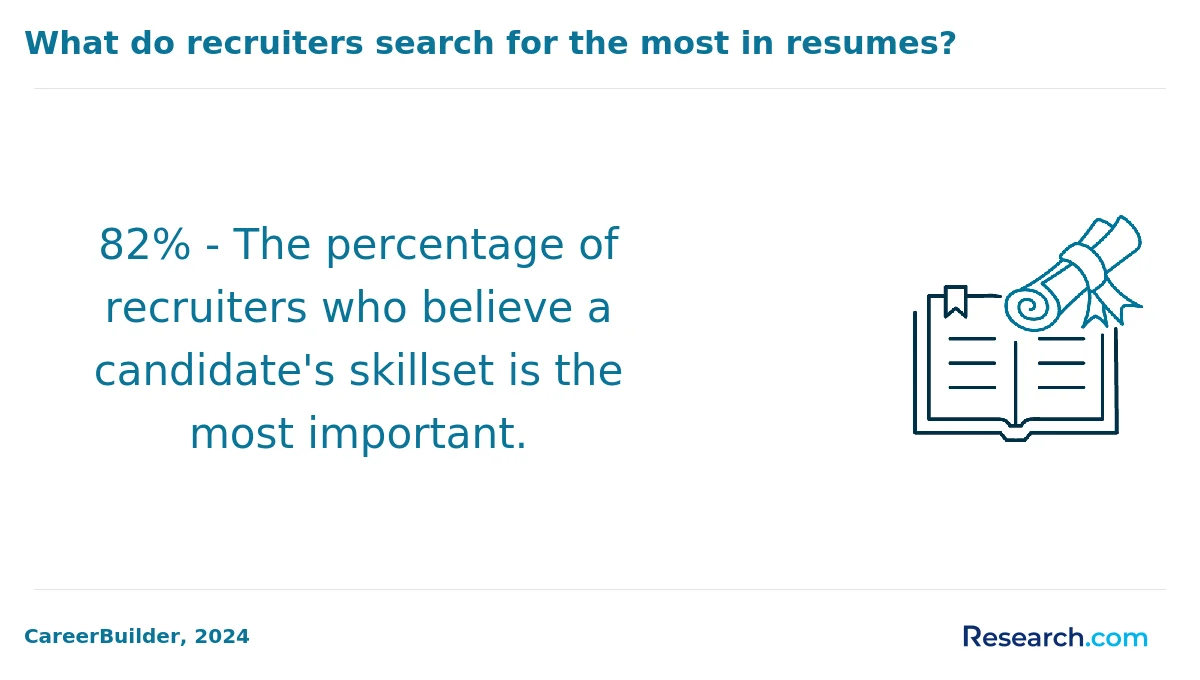
Students enrolled in trade school certification programs in Paris often benefit from the well-established French apprenticeship system, which is the primary source of financial aid. For example, many graduates from institutions like ISIT Paris have shared how apprenticeship contracts allowed them to gain hands-on experience while earning a salary, eliminating the stress of tuition fees. The employer covers tuition costs, meaning students can focus exclusively on learning and working without worrying about student debt.
During the typical 12-month apprenticeship, students split their time between classroom instruction and paid work. This dual approach not only provides practical skills but also financial independence, a key relief for many international students managing living expenses in Paris.
Employers in Paris also gain tax deductions and receive government support when hiring apprentices. This creates a sustainable ecosystem that benefits both businesses and students. Trade schools often support students by helping secure these apprenticeships and offering ongoing coaching, which many graduates describe as invaluable in navigating the demands of work and study simultaneously.
To enroll in a trade school certification program in Paris, you must meet several practical prerequisites that many successful graduates have experienced firsthand. First, having completed secondary education equivalent to a U.S. high school diploma or GED is essential. Graduates from trade schools in Paris note that their foreign diplomas were carefully evaluated to confirm equivalency with French standards, which helped ensure smooth enrollment.
Age is another straightforward requirement; you generally need to be at least 18 years old. For language proficiency, students report preparing rigorously to prove skills in either French or English, depending on the program's language of instruction. For example, those attending creative certificate programs often demonstrated English proficiency or obtained French certificates to fully engage with their courses.
Additional prerequisites often include:
- Submission of transcripts from at least three years of prior study
- Personal statements reflecting motivation and career goals
- Portfolios showcasing technical or artistic talent for specialized fields
- Interviews to evaluate commitment and suitability
Many graduates recall that these steps made them confident and well-prepared for the intense, hands-on nature of their training in Paris's competitive trade schools.
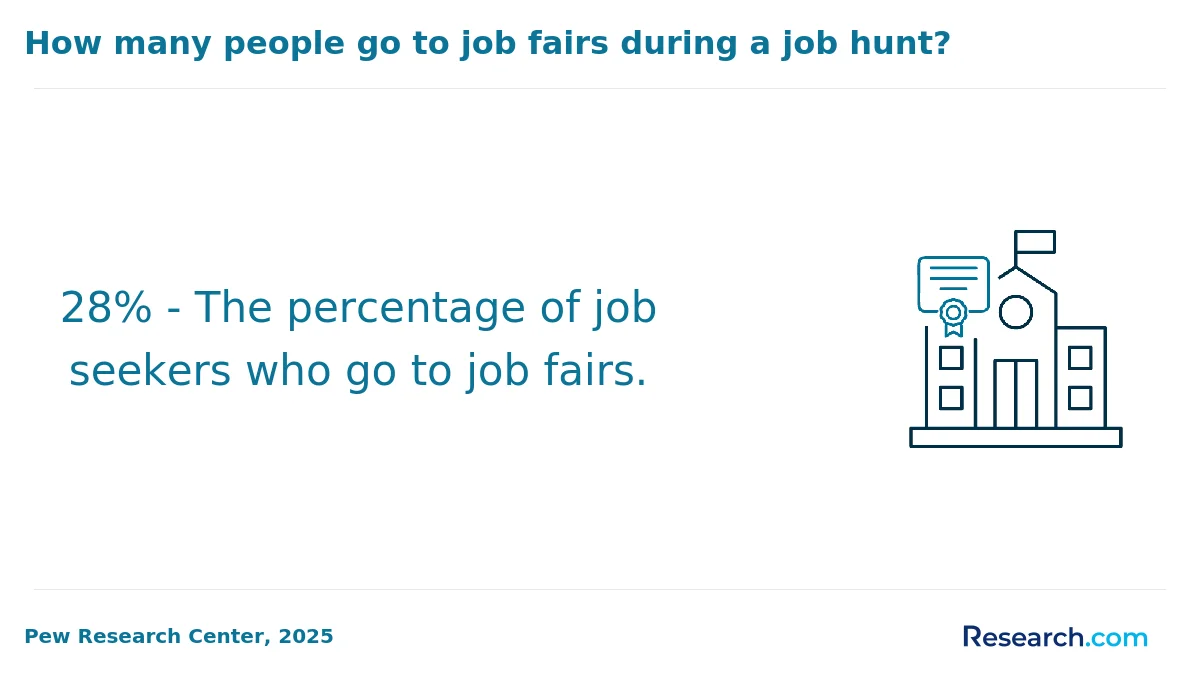
Trade school certificate courses in Paris focus on practical skills that quickly translate into job-ready expertise. Graduates from popular Parisian institutions often mention how core courses like management and leadership, finance and accounting, and project management gave them confidence managing teams and budgets in local businesses. These foundational subjects are designed with real-world scenarios, making the learning process engaging and immediately useful in the Paris workforce.
Specialized technical tracks are a highlight in the Paris vocational training program curriculum. Students can choose from highly targeted programs such as maintenance engineering, construction and civil engineering, and electrical and power engineering. These courses include hands-on modules like steelwork design, circuit breaker inspection, and troubleshooting electrical faults, providing tangible skills praised by graduates who have stepped into growing trades.
Many trade schools in Paris are also adapting to current industry trends by offering short courses in digital skills and emerging technologies. Programs on Artificial Intelligence for Business and Digital Marketing Strategy at top business schools combine workshops and action projects, helping students apply tech effectively in real companies.
Other commonly found courses include:
- Human resources management
- Customer relations
- Secretarial and administration
- Quality and productivity
This blend reflects Paris's diverse economy and the importance of service and administrative roles. Program lengths vary widely, from a few weeks to several months, suiting those balancing work or other commitments. For anyone evaluating what to study, it's worth exploring what trades are most in demand locally and how trade school certificate courses in Paris can align with those trends.
Choosing the best trade school certification Paris requires focusing on programs that align directly with your career objectives and offer recognized accreditation. Graduates from institutions like Albert School praise the value of certifications tied to the European Qualifications Framework, which enhances their international employability. Consider flexible formats such as short executive courses or summer schools that match your lifestyle and learning preferences, especially if you balance work and study.
Understanding how to compare vocational program costs Paris is crucial. Many students find that programs offering ECTS credits or joint diplomas accredited by the French Ministry of Education provide stronger long-term returns on investment. Additionally, language of instruction and entry requirements can impact your experience-several programs are taught fully in English, opening doors for international students without French proficiency.
Networking opportunities also matter. Graduates who chose Paris-based trade schools with strong industry ties often highlight how these connections accelerate their career paths. For hands-on career growth, investigate options like trade schools for construction management, where industry-linked projects make learning practical and engaging.

Graduates of trade school certification programs in Paris find diverse career opportunities that leverage the city's vibrant industrial and creative sectors. Many enter fields like graphic design, fashion, and visual merchandising after completing art and design certificates at institutions such as the Paris College of Art. These graduates frequently join renowned brands, putting their skills to work in real-world projects.
In the realm of business and digital industries, programs focusing on Digital Strategy Management and Big Data open doors to roles like agile project managers and digital marketing specialists. Alumni often secure positions at international firms headquartered in Paris or launch their own startups. This practical focus aligns perfectly with vocational training jobs Paris 2026, where digital expertise is in growing demand.
The energy sector also attracts graduates, thanks to specialized work-study programs in Energy Transition Marketing and Management that prepare students for project management and strategic sales roles within evolving energy companies.
Other business-oriented programs at schools such as Dauphine-PSL emphasize fast job placement in finance, consulting, and marketing roles with top French and global companies. Many graduates attest that integrated work-study contracts boost their employability.
For US students exploring training paths in Paris, understanding the vocational school vs trade certificate program distinction can clarify which route best fits their career goals.
Trade school graduates in Paris benefit from a job market that highly values practical skills and industry experience. Recent graduates report that apprenticeships and flexible programs offered by popular Parisian trade schools like CFA Sup and IFTC Paris are crucial in building career-ready skills. Employers in sectors such as consulting, digital technology, and engineering actively seek candidates with both certification and hands-on experience. This is reflected in the strong trade school job opportunities in Paris, where job fairs connect students directly to companies like Capgemini and Thales.
Graduates often share experiences of securing positions quickly due to the robust professional networks established during their studies. The emphasis on both technical expertise and soft skills ensures these employment rates for vocational graduates Paris remain encouraging. Key benefits include:
- Programs combining classroom learning with real-world apprenticeships
- Support for non-French speakers meeting language requirements
- Access to industries with high demand for certified professionals
For those considering specialized fields like welding, there are also low cost online classes for welding trade school available, making it easier to gain certification while developing relevant skills for the Paris job market.
Best Certificate Programs - Leading Certification Courses in Paris for 2026
# 1 position
Paris Junior College - Welding Technology/Welder.
certificate or diplomaThe Welding Technology/Welder program at Paris Junior College offers a hybrid format with some distance education. It trains students in various welding techniques, including arc welding, resistance welding, and high-energy beam welding. The curriculum covers welding metallurgy, safety, structural design, and applicable codes. Annual in-state tuition is $2,580. Graduates earn a median salary of $28,729 one year after completion. The program is accredited by the Southern Association of Colleges and Schools Commission on Colleges.
# 2 position
Paris Junior College - Nursing Assistant/Aide and Patient Care Assistant/Aide.
certificate or diplomaParis Junior College offers a hybrid Nursing Assistant/Aide and Patient Care Assistant/Aide program designed to prepare students for routine nursing-related tasks in hospitals or long-term care facilities under supervision. The program’s annual in-state tuition is $2,580. It is accredited by the Southern Association of Colleges and Schools Commission on Colleges, ensuring recognized educational standards.
# 3 position
Paris Junior College - Electrician.
certificate or diplomaParis Junior College offers a hybrid Electrician program preparing students to install, operate, maintain, and repair electrical systems including residential, commercial, and industrial wiring. The curriculum covers electronics principles, wiring, power transmission, safety, job estimation, and applicable codes. Annual in-state tuition is $2,580. The program is accredited by the Southern Association of Colleges and Schools Commission on Colleges.
# 4 position
Paris Junior College - Medical Insurance Coding Specialist/Coder.
certificate or diplomaParis Junior College offers a Medical Insurance Coding Specialist/Coder program in a hybrid format, combining distance education with on-site instruction. The program trains students in medical records, insurance software, anatomy, physiology, medical terminology, coding, and Medicare regulations. The annual in-state tuition is $2,580. The program is accredited by the Southern Association of Colleges and Schools Commission on Colleges.
# 5 position
Paris Junior College - Heating, Air Conditioning, Ventilation and Refrigeration Maintenance Technology/Technician.
certificate or diplomaParis Junior College offers a Hybrid program in Heating, Air Conditioning, Ventilation and Refrigeration Maintenance Technology/Technician. The program trains students to repair, install, service, and maintain HVAC and refrigeration systems, emphasizing diagnostic techniques, testing equipment, and relevant principles of mechanics, electricity, and electronics. Annual in-state tuition is $2,580. Graduates earn a median salary of $28,207 one year after completion. The program is accredited by the Southern Association of Colleges and Schools Commission on Colleges.
Frequently Asked Questions about trade school certificates
After completing trade school certification programs in Paris, preparing for the job market involves strategic planning and skill enhancement. Graduates should focus on building a professional network by attending industry events and joining local trade associations. According to the Paris Chamber of Commerce, 70% of trade school graduates find employment within six months by leveraging connections.
It is essential to create a polished resume highlighting practical skills and certifications. Additionally, internships or apprenticeships during or after studies provide valuable hands-on experience highly regarded by French employers.
Language skills, especially French proficiency, significantly increase employment chances in Paris's competitive trade sectors.
Job seekers can use online platforms like Pôle Emploi and APEC, which offer tailored job listings and career advice for certified professionals.
Employers in Paris highly value both technical and soft skills in graduates of trade school certification programs. According to a 2023 survey by Pôle Emploi, proficiency in practical skills such as electrical work, plumbing, and automotive repair ranks among the top requirements.
Additionally, problem-solving ability and adaptability are crucial soft skills. A report from the Paris Chamber of Commerce highlights that 72% of employers seek candidates who demonstrate effective communication and teamwork.
Time management and reliability also feature prominently, ensuring graduates can meet tight deadlines and workplace demands. These combined skills improve employability in Paris's competitive job market.
Finding internships in Paris relevant to your trade school certification program requires strategic research and networking. Many US-based students use resources like the American Chamber of Commerce in Paris, which often lists internship opportunities in various trades. According to the French Ministry of Labour, approximately 60% of internships in Paris are linked to technical and vocational training sectors, which benefits trade certification students.
Contacting your school's career services can provide connections to Parisian companies offering internships in your field. Platforms such as Welcome to the Jungle and LinkedIn also list internships specifically in Paris. Engaging with professional associations related to your trade can reveal hidden internship offers unavailable on public job boards.
Trade school certification programs serve as practical pathways for career mobility and advancement, even for students based in Paris aiming to connect with the US workforce. In the United States, certifications offer proof of specialized skills and often lead to higher employment rates. According to the National Center for Education Statistics, individuals with trade certifications have a 20% higher chance of securing skilled jobs compared to those without formal credentials.
Such qualifications can reduce entry barriers in fields like healthcare, technology, and skilled trades, creating clear career ladders. Employers frequently value certifications as evidence of up-to-date expertise, which supports promotions and salary growth. Thus, trade school certification acts as a credible and efficient way to enhance professional opportunities globally, including for Paris-based students.
Part-time job opportunities in Paris offer practical experience that can complement trade school certification programs. Many students find roles in hospitality, retail, and customer service sectors beneficial, as these positions develop communication and organizational skills relevant across trades.
According to INSEE, the French national statistics agency, hospitality jobs constitute nearly 15% of part-time roles in Paris, making them accessible for students seeking flexible hours. Additionally, entry-level technician assistant positions support hands-on learning in fields like automotive repair and electronics.
Internships and apprenticeships linked with local workshops or small businesses also provide tailored work experience, helping students apply their certifications in real-world settings. Platforms like Pôle emploi regularly list such opportunities, specifically aimed at students and recent graduates.
To find the best degree program near you in Paris, TX, start by exploring local colleges and universities to understand what programs they offer. Educational institutions like Paris Junior College may have degree options that suit your interests, and you can also search for satellite campuses of larger universities in the vicinity. Additionally, using resources like Research.com can help you identify top-rated programs near Paris, TX, by providing information on rankings and academic strengths.
- How to finance your training https://www.ferrandi-paris.com/en/how-finance-your-training
- Vocational training at ISIT - Isit https://www.isit-paris.fr/en/vocational-training-at-isit/
- Certificates | HEC Paris https://www.hec.edu/en/master-s-programs/certificates
- Fee Assistance - The British School of Paris https://www.britishschool.fr/admissions/fee-assistance/
- Trade Schools & Certification Programs - ccmrwithmsthrash https://ccmrwithmsthrash.com/trade-schools-certifications/
- Research - Trade School Or Vocational Program https://research.com/degrees/trade-school-or-vocational-program
- 7 Tips for a Smoother Transition from Trade School to Career | Refrigeration School, Inc. (RSI) https://www.rsi.edu/blog/skilled-trades/7-tips-for-a-smoother-transition-from-trade-school-to-career/
- The Value of Trade and Career Schools: Top Institutions for Skill-Based Education https://excelonassociates.com/the-value-of-trade-and-career-schools-top-institutions-for-skill-based-education/
- What is the salary of a work-study student ? | IPAG https://www.ipag.edu/en/blog/what-salary-work-study-student
- EBS https://www.ebs-paris.fr/en/finance-your-studies/


