Best Trade School & Training Programs - Leading Certification Courses in Shawnee for 2026

Co-Founder and Chief Data Scientist
Choosing the right trade school in Shawnee can feel overwhelming, but this article is here to help. We've gathered a detailed trade school programs ranking created by the Research.com team of data scientists to guide you through your options with confidence.
By exploring this guide, you’ll discover valuable insights to find programs that match your career goals and lifestyle. Earning a trade school diploma or certification opens doors to rewarding job opportunities and personal growth.
Investing in your skills today can lead to a brighter, more fulfilling future.
Key benefits of finishing trade school programs trade school in Shawnee
- Trade school graduates in Shawnee can expect competitive salaries, such as starting salaries between $41,600 and $62,000, with higher earnings possible in advanced roles like Technical Subject Matter Experts making over $105,000 annually.
- Popular career paths for graduates include maintenance, electrical work, HVAC, welding, and healthcare support-fields that offer steady demand and rewarding hands-on work locally.
- Completing a trade school diploma or certification online offers flexibility and convenience, allowing students to balance studies with personal commitments while gaining skills valued by Shawnee employers.
- Best Trade School & Training Programs - Leading Certification Courses in Shawnee for 2026
- What can I expect from trade school programs trade schools in Shawnee?
- Where can I work after finishing trade school programs trade schools in Shawnee?
What can I expect from trade school programs trade schools in Shawnee?
The average cost for trade school programs in Shawnee varies depending on the area of study, with typical tuition ranging between $3,100 and $4,300. For instance, lineworker training programs offered locally usually cost around $3,100, while CDL Class A truck driving courses can go up to approximately $4,300 as of 2025. Graduates from these programs often highlight the value of their investment, noting that the mix of classroom learning and hands-on experience equips them well for the workforce.
Students enrolling in schools like the Gordon Cooper Technology Center experience rigorous schedules that simulate real job environments, attending classes multiple days per week for several hours. The programs emphasize industry certifications such as OSHA 10 and Forklift Safety, which improve employability immediately after graduation.
Many graduates mention the supportive learning environment, with small class sizes allowing personalized instruction and strong connections with local employers. Plus, scholarships and financial assistance are commonly available to ease the burden of tuition costs, making trade schools an accessible option for many seeking new career pathways in Shawnee.
Where can I work after finishing trade school programs trade schools in Shawnee?
After finishing a trade school program in Shawnee, many graduates find rewarding employment in various local industries eager to hire skilled workers. For example, graduates from popular Shawnee trade schools often secure roles as journeyperson electricians, working on residential and commercial projects that support the city's expanding infrastructure. This hands-on experience directly impacts the community, making the work both meaningful and stable.
Other graduates report success in maintenance technician positions at schools, hospitals, and factories, where they apply their training to keep essential equipment running smoothly. Concrete laborers and general construction workers frequently join local building contractors and road crews, contributing to visible city development and public projects.
Students specializing in automotive technology or HVAC enjoy opportunities at dealerships, repair shops, and service companies, sometimes even launching their own businesses. Apprenticeships, available in fields like transportation and management, provide paid, on-the-job training that often leads to full-time roles. Many graduates express pride and confidence entering Shawnee's diverse job market with skills that employers value.
After finishing a trade school program in Shawnee, graduates typically earn an average annual salary of around $62,001, which breaks down to about $29.81 per hour or $5,166 per month. This range reflects a diversity of fields and experience levels common among Shawnee trade school alumni.
Many graduates from popular Shawnee schools find entry-level positions, such as maintenance technicians, starting between $41,600 and $45,000 annually. These jobs often require only a trade certificate or GED and provide a strong foundation for building a stable career.
Those who continue to develop their skills, especially in technical roles like Technical Subject Matter Experts, can expect salaries rising up to $105,752 per year. Graduates pursuing careers in Shawnee Public Schools or related public sectors also enjoy competitive earnings, with average salaries near $72,431.
This earning potential highlights the value of trade school training in Shawnee, where graduates increasingly experience satisfaction and confidence in their career paths as they apply practical skills earned through local programs.
- Admission usually requires a high school diploma or GED, with some programs needing test scores or college credits.
- Tuition ranges from $3,000 to $10,000 per year, with shorter certificate programs costing less.
- Applicants must often show proficiency in math, English, and reading, using tests like ASSET, COMPASS, or an ACT score of 21+.
- Starting salaries for graduates range from $32,000 to $45,000 annually, with experienced workers earning $50,000 to $70,000 or more.
- Many programs include hands-on training, certifications required by employers, and job placement assistance.
- Some programs have additional requirements, such as background checks or age limits (e.g., 18 for truck driving).
In Shawnee, most trade school programs are designed for quick completion, allowing graduates to enter the workforce promptly. Certificate programs at Shawnee Community College, for example, often take less than a year, making them ideal for those eager to start careers in fields like auto body repair or basic HVAC. Graduates from these programs often share how the accelerated pace kept their motivation high and provided practical skills they could immediately apply.
One-year certificates are also popular for roles such as automotive technician assistants. These programs balance comprehensive training with manageable time commitments, fitting well with students' busy lives. Meanwhile, two-year associate degrees in subjects like agriculture business or computer systems offer a deeper education but still align with the standard timeframe for such qualifications nationwide.
Cosmetology and beauty students attending Shawnee Beauty College experience flexible schedules, with programs ranging from under a year for nail technician certification up to 18 months for full cosmetology training. Many appreciate the option to spread their studies part-time, ensuring they can balance education and work.
The primary difference between online and on-campus trade school programs in Shawnee centers on how students engage with their education. Online programs, like those offered by Kaplan College Online, provide flexibility that many working adults or parents appreciate. Graduates often share how completing coursework from home or during breaks at work allowed them to balance family and job responsibilities without stress. They connect with instructors through digital classrooms and access resources anytime, making independent learning smooth and convenient.
On the other hand, on-campus programs in Shawnee's technical colleges deliver hands-on training crucial for trades involving physical skills. Students benefit from in-person instruction, immediate feedback during labs, and the camaraderie of peers-all essential for mastering practical tasks. Graduates value these immersive experiences, noting that direct access to facilities bolstered their confidence and readiness for the workforce.
Hybrid models combine the best of both, offering online flexibility with scheduled in-person sessions for practical components, appealing to those needing some structure but not full-time attendance.
The average trade school cost in Shawnee generally falls between $5,000 and $8,000 per year at public institutions, a range reflected by the tuition rates at local schools like Gordon Cooper Technology Center. Graduates often share how manageable these costs make pursuing a vocational career, especially when combined with scholarships or financial aid. At Gordon Cooper, the average tuition and fees for the 2024-2025 academic year are $5,682, aligning closely with state public trade school averages. This affordability allows students to focus on hands-on learning without overwhelming debt.
Students who enroll in private trade schools in Shawnee typically face higher Shawnee trade school tuition and fees, often ranging from $12,000 to $20,000 annually. These institutions tend to offer specialized programs with enhanced facilities, which contribute to the increased cost. Graduates emphasize that the investment in private trade schools can lead to advanced skills and credentials that boost career prospects.
When considering total expenses, prospective students should factor in additional costs for books, supplies, and commuting. Many find that these variables significantly influence the overall commitment required. Those seeking guidance on selecting a program often explore resources about what schools have the best trade programs to identify options that balance quality and affordability effectively.

Trade school students in Shawnee have access to a range of financial aid options that make pursuing their careers more achievable. Completing the Free Application for Federal Student Aid (FAFSA) each year starting October 1 is the first crucial step. This unlocks eligibility for federal programs such as the Federal Pell Grant, which offers up to $7,395 for accredited programs of 600 clock hours or more-something many graduates from local schools like Gordon Cooper Technology Center have appreciated when managing tuition costs.
Oklahoma residents benefit from state support programs like the Oklahoma Tuition Aid Grant (OTAG) and Oklahoma Promise. These grants provide additional relief, automatically applied for through FAFSA, provided eligibility criteria such as residency and Pell Grant qualification are met.
Many students also find relief through institutional scholarships and federal work-study, allowing them to earn while they learn. Veterans and active military members often access GI Bill® benefits, adding vital financial backing and peace of mind. Shawnee's trade schools actively assist students in navigating these options, creating a supportive environment where many have felt empowered to achieve their goals despite financial challenges.
Enrolling in a trade school program in Shawnee typically requires a high school diploma or GED, a foundational step for almost all applicants. Graduates from popular Shawnee schools often recall how meeting this basic requirement opened doors to hands-on training that transformed their careers.
Additional prerequisites depend on the program's focus. For instance, those aiming to become occupational therapy assistants frequently need completed coursework in algebra, biology, and chemistry, with grades of C or better. Many graduates recall preparing diligently for placement exams or meeting ACT scores of 18 or above to ensure smooth admission.
Practical programs like certified nurse assistant or truck driving demand meeting minimum age requirements, generally 16 for healthcare roles and 18 for truck driving. Applicants often must pass background checks and drug screenings before starting clinical or safety-related training.
Key prerequisites in Shawnee trade schools include:
- High school diploma or GED
- Minimum age between 16 and 18, depending on the program
- Placement exams or ACT/SAT scores tailored to the program
- Background checks and drug screenings for healthcare and driving courses
- Completion of relevant coursework for specialized programs
- Submission of official transcripts and application forms
International students often find success by providing proof of English proficiency such as TOEFL scores, alongside transcripts and financial documentation. Many graduates emphasize how these clear, upfront requirements helped them confidently prepare, making the admission process approachable and achievable.
Trade school programs in Shawnee, especially at places like Gordon Cooper Technology Center, offer a variety of career-driven courses designed to fast-track students into the workforce. Graduates often recall their hands-on experiences, such as practicing medical procedures in Practical Nursing or working with diagnostic equipment in Medical Lab Technology.
Healthcare programs are a cornerstone, including:
- Practical Nursing
- Medical Lab Technology
- Paramedic and Nursing Assistant/Aide training
- Health Careers Certification
Skilled trades provide practical skills for fields in demand. Students might find themselves mastering automotive repair or welding, using equipment identical to what employers expect. Popular programs include:
- Automotive Service and Collision Technology
- Diesel Technician
- Carpentry and Masonry
- Precision Machining and Welding Technology
- Electrician training
Business and technology fields also attract those aiming for office or IT careers. These courses-ranging from Computer Network Technology to Accounting & Financial Services-similarly blend theory with real-world applications, helping graduates confidently step into administrative or tech roles.
Many appreciate the availability of short-term courses tailored for adult learners seeking new skills quickly, often within a year. This flexible approach suits busy schedules and career transitions perfectly, illustrating why Shawnee trade schools are a trusted choice for diverse learners.
Trade school programs in Shawnee offer a diverse range of specializations tailored to equip students with practical, job-ready skills highly valued by local employers. Graduates from Gordon Cooper Technology Center often share how their healthcare-related training in Practical Nursing or Medical Laboratory Technology seamlessly transitioned them into rewarding roles, thanks to certifications recognized throughout Oklahoma.
Key areas include:
- Healthcare fields such as Physical Therapist Assistant
- Skilled trades including Carpentry, Welding, and Diesel Technician
- Automotive and aviation programs featuring ASE and FAA certifications
- Technology and business pathways like Computer Network Technology and Graphic Design
- Essential services such as HVAC, Early Care & Education, and Electrical Careers
Many students appreciate hands-on learning in these programs, which reflect the real-world demands of Shawnee's job market. For those seeking additional affordable options, there are low cost online certificate programs in home repair available, complementing the on-campus experience and broadening career opportunities further.
Choosing the best trade school programs in Shawnee involves evaluating practical training and accreditation closely. Graduates from popular Shawnee colleges often share that hands-on experience with local employers and real-world internships made their transition to the workforce rewarding and less stressful. Many highlight the importance of schools accredited by recognized agencies, which ensures their certificates or degrees are respected by employers across the region. This accreditation often correlates with higher job placement rates, a vital factor when investing in your education.
Assessing Shawnee trade school tuition and fees is essential, as balancing cost with program length and financial aid options affects your overall satisfaction. Students frequently recommend exploring schools offering flexible schedules, including online or evening classes, which accommodate work and family life. For those interested in automotive careers, researching auto mechanic trade school options within Shawnee can provide specific insight into market demand and salary expectations, helping you make a smarter choice.

Trade school graduates in Shawnee find diverse career opportunities tailored to the region's economy. From hands-on construction roles to healthcare support, these programs offer practical skills that align with local employer demand. Graduates of popular Shawnee trade schools often pursue careers such as:
- Carpenters, concrete finishers, and masons working on both residential and commercial projects
- Electricians and welders entering skilled trades with opportunities for licensing and advancement
- Cosmetologists, barbers, and estheticians who build loyal client bases or start their own salons
- Medical assistants and pharmacy technicians supporting Shawnee's healthcare facilities
Many students appreciate the direct pathways these programs provide-securing well-paid Shawnee trade school jobs and salaries that support independent living. Graduates often share how hands-on training and apprenticeships helped them gain confidence and early employment. For those considering options, understanding what trades are in demand can clarify which fields offer sustainable growth and rewarding career opportunities for trade school graduates in Shawnee.
The Shawnee trade school graduate employment rates reflect a thriving job market with diverse opportunities across public and private sectors. Graduates from popular trade schools in Shawnee report finding work quickly in roles such as electricians, painters, and maintenance technicians thanks to strong demand from local employers including school districts and municipal agencies. For example, the Shawnee Mission School District frequently hosts job fairs aimed specifically at non-teaching professionals, connecting graduates directly with employers seeking skilled workers.
Hands-on, practical skills from trade programs are particularly valued in Shawnee's job opportunities for skilled workers in Shawnee. Parks and Recreation departments and private companies also hire vocational graduates for equipment repair, construction, and installation positions like garage door technicians and countertop installers. Many of these roles offer paid on-the-job training, helping recent graduates gain experience and build confidence as they start their careers.
Graduates often share how their training replaced years of experience requirements, allowing them to launch their careers with the technical expertise acquired at local trade schools. Those seeking more information on the difference between trade school and vocational programs often find this clarity valuable when choosing the right pathway for career growth in Shawnee.
Best Trade School & Training Programs - Leading Certification Courses in Shawnee for 2026
# 1 position
Gordon Cooper Technology Center - Automobile/Automotive Mechanics Technology/Technician.
certificate or diplomaThe Automobile/Automotive Mechanics Technology/Technician program at Gordon Cooper Technology Center offers a hybrid format with some distance education. It prepares students to repair, service, and maintain various automobile systems, including brakes, electrical, engine performance, transmissions, and heating and air conditioning. Graduates earn a median salary of $47,876 one year after completion. The program is accredited by the Oklahoma State Board of Career and Technology Education.
# 2 position
Gordon Cooper Technology Center - Nursing Assistant/Aide and Patient Care Assistant/Aide.
certificate or diplomaThe Nursing Assistant/Aide and Patient Care Assistant/Aide program at Gordon Cooper Technology Center prepares students to perform routine nursing-related tasks in hospitals or long-term care facilities under nurse supervision. This hybrid program offers both in-person and distance-education options. Graduates have a median annual earning of $47,573 one year after completion. The program is accredited by the Oklahoma State Board of Career and Technology Education.
# 3 position
Gordon Cooper Technology Center - Electrician.
certificate or diplomaThe Electrician program at Gordon Cooper Technology Center offers hybrid instruction to develop skills in installing, operating, maintaining, and repairing electrical systems, including wiring, motors, controls, and distribution panels. The curriculum covers electronics principles, power transmission, safety, testing, inspection, and relevant codes. The program is accredited by the Oklahoma State Board of Career and Technology Education, ensuring adherence to industry standards and quality training.
# 4 position
Gordon Cooper Technology Center - Heating, Air Conditioning, Ventilation and Refrigeration Maintenance Technology/Technician.
certificate or diplomaThe Heating, Air Conditioning, Ventilation and Refrigeration Maintenance Technology/Technician program at Gordon Cooper Technology Center offers a hybrid format with some distance-education options. It trains students to repair, install, service, and maintain heating, air conditioning, and refrigeration systems. Instruction covers diagnostic techniques, use of testing equipment, and principles of mechanics, electricity, and electronics related to these systems. The program is accredited by the Oklahoma State Board of Career and Technology Education.
# 5 position
Gordon Cooper Technology Center - Welding Technology/Welder.
certificate or diplomaThe Welding Technology/Welder program at Gordon Cooper Technology Center offers hybrid learning with some distance education options. It prepares students to apply technical skills in various welding methods, including arc welding, resistance welding, and high-energy beam welding. The curriculum covers welding metallurgy, safety, structural design, and applicable codes. Median earnings one year after completion are $39,018. The program is accredited by the Oklahoma State Board of Career and Technology Education.
# 6 position
Gordon Cooper Technology Center - Computer Numerically Controlled (CNC) Machinist Technology/CNC Machinist.
certificate or diplomaThe Computer Numerically Controlled (CNC) Machinist Technology program at Gordon Cooper Technology Center prepares students to operate CNC machine tools, including lathes and mills. Instruction covers CNC programming, setup, operations, troubleshooting, blueprint reading, technical math, CAD/CAM systems, and safety practices. This hybrid program is accredited by the Oklahoma State Board of Career and Technology Education. Graduates have median earnings of $39,018 one year after completion.
Frequently Asked Questions about trade school programs
Preparing for the job market after completing a trade school program in Shawnee involves several practical steps. First, graduates should obtain any required state certifications or licenses, which can significantly improve employability. Many trade schools in Oklahoma offer career services that help students build resumes and practice interviewing skills.
The Oklahoma Employment Security Commission reports that trade-related jobs in Shawnee, such as HVAC technicians and electricians, are expected to grow by 8% over the next decade.
Networking with local employers through job fairs and internships, often facilitated by trade schools, increases chances of securing work. Continuous skills development and staying updated on industry standards is essential for long-term success.
Employers in Shawnee highly value trade school graduates who demonstrate strong technical skills relevant to their field, such as electrical work, HVAC, or welding. According to the U.S. Bureau of Labor Statistics, skills in problem-solving and hands-on experience account for more than 60% of hiring preferences in skilled trades nationwide.
Besides technical proficiency, employers also look for soft skills like effective communication, teamwork, and reliability. A survey by the National Association of State Directors of Career Technical Education Consortium (NASDCTEc) highlights that 85% of employers prefer candidates who show punctuality and a strong work ethic.
Being adaptable and willing to learn new technologies is increasingly important due to evolving industry standards in Shawnee's labor market.
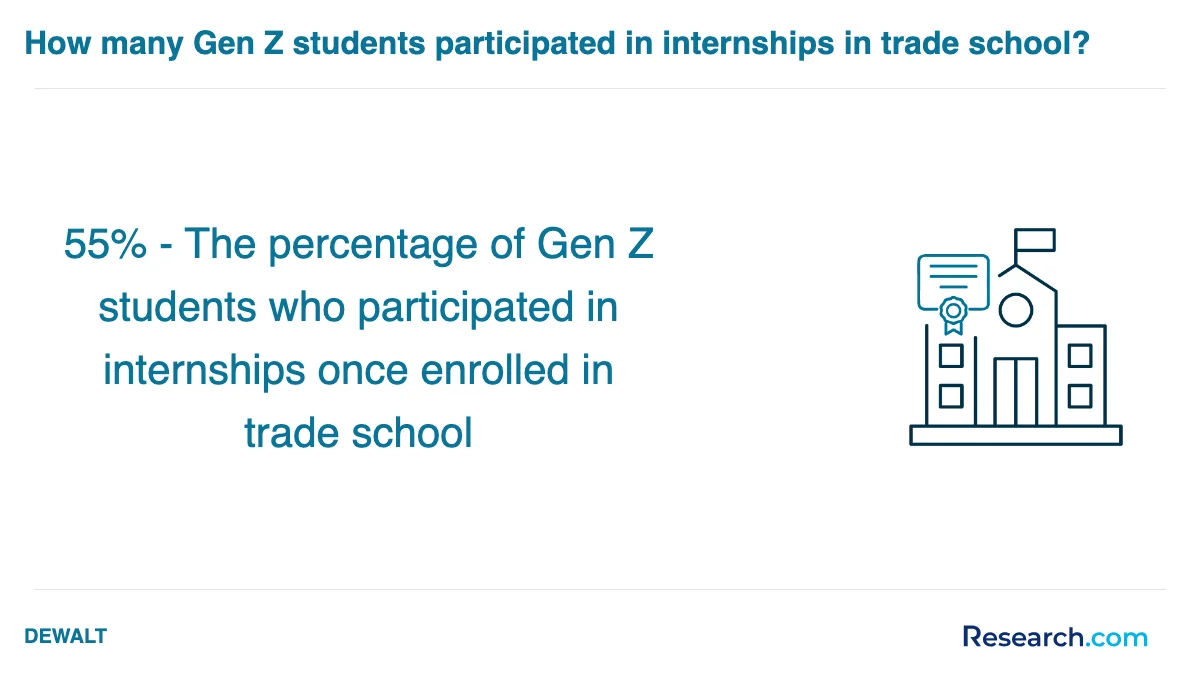
Finding internships relevant to your trade school program in Shawnee involves multiple strategies. Start by consulting your trade school's career services office, as many maintain partnerships with local businesses offering structured internship opportunities. These programs often align directly with your field of study.
Additionally, explore Shawnee-area workforce development agencies, such as the Oklahoma Employment Security Commission, which occasionally list internships in trades like construction, automotive, and healthcare. According to recent data, approximately 35% of internships in Shawnee's technical fields are coordinated through these agencies.
Networking locally is also effective. Attend trade fairs, industry events, or connect with local trade unions and chambers of commerce to uncover hidden internship possibilities. Online platforms like Handshake or local job boards specific to Oklahoma can further assist in your search.
In Shawnee, earning a trade school diploma significantly enhances career mobility and advancement opportunities. According to the Oklahoma Employment Security Commission, individuals with vocational credentials in fields like welding, HVAC, and electrical work experience a 10-15% higher employment rate than those with only a high school diploma. Trade certifications often meet local employer demand, allowing graduates quicker entry into well-paying jobs. Additionally, these programs emphasize hands-on skills, which employers in Shawnee highly value for promotions and career growth. The U.S. Bureau of Labor Statistics notes that many trade occupations in the region show faster-than-average wage growth, reflecting strong advancement potential.
In Shawnee, part-time jobs that complement trade school education often involve hands-on experience in fields like automotive repair, HVAC, and healthcare support. Positions such as automotive technician aides or medical assistants not only provide income but also reinforce classroom learning. According to the U.S. Bureau of Labor Statistics, jobs in construction and manufacturing in the Shawnee metropolitan area are growing steadily, offering roles like carpenter's assistant or machine operator for students.
Local employers value trade skills, so part-time roles in plumbing, electrical, or welding shops can improve practical abilities. These jobs typically require flexible hours, accommodating class schedules. Shawnee's community workforce development reports that students can earn between $12 and $18 per hour in relevant fields.
To find the best degree program near you in Shawnee, OK, start by identifying your field of interest and researching nearby institutions, such as Oklahoma Baptist University, which offers a variety of programs. Utilize resources like Research.com to compare program rankings, faculty, and facilities, helping you analyze the academic strengths of universities near Shawnee, OK. Additionally, visiting local college open houses and speaking with admissions officers can provide valuable insights into finding the best fit near me.
- Best Trade School & Training Programs - Leading Certification Courses in Emporia for 2026
- Best Trade School & Training Programs - Leading Certification Courses in Springfield for 2026
- Best Trade School & Training Programs - Leading Certification Courses in Little Rock for 2026
- Best Trade School & Training Programs - Leading Certification Courses in Kyle for 2026
- Best Trade School & Training Programs - Leading Certification Courses in Florence for 2026
- Best Trade School & Training Programs - Leading Certification Courses in Angola for 2026
- College & Career Pathways - Shawnee Mission School District https://www.smsd.org/academics/college-career-pathways
- Career & Technology Programs - Shawnee Community College https://shawneecc.edu/academics/business-programs/
- Home - Career and Technical Campus https://ctc.smsd.org/
- Client Challenge https://www.usd450.net/o/shawnee-heights-high-school/page/career-and-technical-education
- Pathways to Professions https://shawneeforward.com/pathways-to-professions
- Adult Career Development – Adult Career Development – Gordon Cooper Technology Center https://www.gctech.edu/apps/pages/index.jsp
- Potential Careers | Shawnee State https://www.shawnee.edu/areas-study/college-professional-studies/potential-careers
- STUDENT INTERN/WORK STUDY | Absentee Shawnee Tribe https://www.astribe.com/employment/student-internwork-study
- Go to Trade School or Get Hired as an Apprentice? How to decide trade school or apprenticeship / Furnace and Air Conditioner repair in Olathe, Overland Park, Lenexa, Shawnee, and Gardner https://www.onehourairkc.com/go-to-trade-school-or-get-hired-as-an-apprentice-how-to-decide-trade-school-or-apprenticeship/
- Workforce Development & Social Services - Potawatomi.org https://www.potawatomi.org/blog/service/workforce-development-social-services/