
Best Associate Degree Programs - Leading Certification Courses in San Marcos for 2026

Co-Founder and Chief Data Scientist
Choosing the right associate degree program in San Marcos can shape your future in meaningful ways. This article presents a carefully crafted associate degree programs ranking created by the Research.com team of data scientists to guide you in making an informed decision about which trade school programs to consider.
By exploring these options, you’ll discover valuable insights that highlight quality education and career opportunities. Pursuing an associate degree is a great step toward achieving your goals, opening doors to new skills and rewarding careers.
Key benefits of associate degrees in San Marcos
- Expected salary: Associate degree holders in San Marcos can earn competitive wages, such as $46,132 per year as operations associates, $46,957 to $52,310 for retail sales associates, and up to $73,460 annually as sales specialists.
- Popular career paths: Graduates often find success in roles like retail management, customer service, brand ambassador, and specialized sales positions, offering diverse opportunities to match your interests and skills.
- Online degree benefits: Many students appreciate the flexibility of online associate degrees, enabling them to balance work and study easily while accessing quality education from recognized local schools.
- Best Associate Degree Programs - Leading Certification Courses in San Marcos for 2026
- What can I expect from associate degree programs in San Marcos?
- Where can I work after finishing associate degree programs in San Marcos?
What can I expect from associate degree programs in San Marcos?
The average cost of an associate degree program in San Marcos typically ranges from $5,000 to $12,000 for in-district students, depending on the college and major chosen. Graduates often reflect on how this investment felt manageable, especially when balanced against the value of hands-on training and real-world exposure they gained. For example, students at Smith Chason College appreciate that the cost includes access to state-of-the-art imaging labs and clinical placements that build job-ready skills in healthcare fields.
Many find the affordable tuition complemented by campus amenities-a quiet study lounge or convenient parking-that create an encouraging learning atmosphere. Such environments boost motivation during demanding coursework and clinical rotations.
Others narrated how financial support options eased their journeys, making the cost seem reasonable when paired with community connections and networking opportunities with local hospitals. This practical blend of education and experience leaves students feeling confident about entering the workforce or transferring to a bachelor's program without overwhelming debt.
Where can I work after finishing associate degree programs in San Marcos?
Graduates of associate degree programs in San Marcos find themselves stepping into a dynamic job market with real momentum. Many from popular local schools share how quickly they secured roles in healthcare-becoming dental hygienists or medical assistants-and felt the satisfaction of helping their community firsthand. The demand isn't just local; the broader Austin metro area fuels steady openings, with thousands of healthcare positions awaiting skilled workers.
Others discovered rewarding paths in technical trades, landing jobs as HVAC or automotive service technicians, where hands-on skills lead to solid wages and career growth. These roles offer a tangible sense of accomplishment after completing trade-focused associate programs found at San Marcos community colleges.
Business and administrative graduates report finding ample opportunities in sales and office management within the city, enjoying positions where their interpersonal talents really shine. With nearly 400 job openings specifically targeting associate degree holders in San Marcos, the path forward feels accessible, motivating, and full of promise.
After finishing an associate degree program in San Marcos, many graduates find themselves pleasantly surprised by the earning potential. On average, associate degree holders make about $17.99 per hour, which equates to roughly $37,400 per year for full-time work. Students from well-known local schools often share stories of landing retail sales associate roles paying between $46,957 and $52,310 annually, quickly turning their education into a stable income.
Others who have taken advantage of specialized programs end up as Sales Specialists, enjoying salaries soaring up to $73,460 per year. Many graduates appreciate the boost in confidence and financial independence that comes from roles like Sales Support Specialists or Brand Ambassadors, earning in the $40,000 to $51,000 range. Those pursuing operational roles report starting salaries around $46,132 annually, with opportunities to advance as skills develop.
Policing graduates find even greater value, since San Marcos law enforcement rewards an associate degree with an additional $50 per month education incentive, reinforcing how tangible these benefits can be in daily life.
- Javier: Earning my Associate Degree in Automotive Technology at San Marcos Trade School was a game-changer. The hands-on training prepared me to confidently work at local repair shops. I love that I gained practical skills fast, and now I'm proud to contribute to the community through my work.
- Melissa: My Associate Degree in Early Childhood Education opened doors I never imagined. The personalized support at San Marcos Community College empowered me to land a job at a nearby preschool. It's rewarding to shape young minds while knowing my education truly made a difference in my career.
- Andre: Studying Information Technology at the San Marcos Technical Institute was intense but worth every moment. The small classes and expert instructors made learning clear and accessible. After graduation, I found a great IT support role downtown, where my skills solve real problems every day.
- Applicants typically need a high school diploma or equivalent, with some programs requiring prerequisite courses or competitive selection based on GPA and points.
- Tuition for healthcare-related associate degrees ranges from about $3,000 to $6,000 per year for in-state students at public colleges, with private schools and specialized programs costing more.
- Graduates in healthcare imaging fields usually start with salaries between $50,000 and $65,000 annually, with opportunities to increase earnings through experience and certifications.
- Common careers include MRI technologist, diagnostic medical sonographer, registered nurse, and technical support roles, supported by strong externship and networking opportunities.
- Campuses offer accessible transportation options such as onsite parking and public transit, along with modern facilities for hands-on training.
An associate degree in San Marcos typically takes about two years of full-time study, a timeline many local graduates celebrate as both manageable and rewarding. Students at popular schools often share how committing to a full course load-around 15 credit hours each semester-helped them stay on track and finish in this ideal timeframe. For example, graduates juggling jobs found that enrolling in accelerated 8-week summer or winter sessions at their San Marcos institutions compressed the process significantly, allowing them to earn their degree faster without compromising quality.
On the other hand, some students balancing family or work commitments opted for a lighter schedule, taking six to twelve credit hours per semester. They often described this path as challenging but fulfilling, stretching their degree completion to three or even five years while maintaining life stability. Others who attended trade-focused schools in San Marcos mentioned how intensive hands-on programs and year-round courses enabled them to graduate sooner than expected, proving that pacing your journey is a personal yet achievable choice.
Choosing between online and on-campus associate degree programs in San Marcos often comes down to lifestyle and learning style. Imagine a working adult juggling family commitments who thrives on the flexibility of Alamo Colleges' 48 fully online associate degrees-accessing lectures and submitting assignments anytime, day or night. This freedom lets students study without sacrificing job or family time, creating a sense of relief and accomplishment. Meanwhile, graduates from Texas State University's on-campus programs recall the energizing buzz of face-to-face interactions, where they found motivation in real-time discussions and campus activities, fostering deeper connections and structured routines.
While both options share the same academic rigor and prepare students equally well, the on-campus experience offers tangible campus resources and social engagement that some find inspiring. Online learners appreciate self-paced options, which can speed up their path or let them revisit complex topics at their own rhythm. For international students, the mix of in-person and online classes has additional implications, since visa rules limit online course counts-adding another layer to consider.
Understanding the average associate degree cost in San Marcos means recognizing the range offered by local community colleges, which serve as the primary venues for such programs. In-district students typically face tuition and fees between $4,600 and $7,500 for the complete two-year associate degree program. These realistic figures reassure many graduates who have managed to complete their studies without overwhelming debt, appreciating how the cost efficiency makes pursuing technical or applied fields more accessible.
Tuition and fees for San Marcos associate programs can fluctuate depending on residency status. Out-of-district and out-of-state students may encounter prices stretching from $9,700 up to $15,000 for the full program, which aligns with experiences shared by those who transferred from nearby areas or neighboring states. Graduates often highlight that managing living expenses within San Marcos, such as housing or commuting, alongside the educational costs, shapes the ultimate affordability of their degree paths.
Students aiming for personalized advice often find value at institutions like Texas State University when considering costs, even though it primarily offers bachelor's programs. Exploring accessible educational routes for associate degrees, coupled with financial aid and scholarship options, creates a hopeful scenario. Engaging in research about college majors for the future through resources like college majors for the future further enables students to align their budget with career goals, making the average investment feel targeted and worthwhile.

Many students pursuing associate degrees in San Marcos find that financial aid can transform the challenge of paying for college into an achievable goal. At institutions like Texas State University and community colleges nearby, graduates recall how completing the Free Application for Federal Student Aid (FAFSA) opened doors to Pell Grants and federal loans, lightening their tuition burden and allowing them to focus more on their studies than finances.
For those who don't qualify for federal aid, often due to citizenship status, the Texas Application for State Financial Aid (TASFA) becomes a vital lifeline. Local students have shared how TASFA grants and the TEXAS Grant provided essential support, making their time in San Marcos affordable and less stressful. Meeting the state deadline by February 15 helps secure these funds before they run out.
Institutional scholarships and grants offered by San Marcos colleges also play a crucial role, rewarding merit and need with tailored awards. Many graduates felt encouraged by private scholarships from local organizations, which celebrated their community ties. Though alternative loans exist, students agree these should be last resort options due to repayment concerns.
Enrolling in at least six credit hours and maintaining a solid GPA proved key to keeping aid active, ensuring students remain on track academically. Overall, the blend of federal, state, institutional, and private aid makes pursuing an associate degree in San Marcos an attainable and uplifting experience.
Enrolling in an associate degree program in San Marcos usually begins with holding a high school diploma or its equivalent, such as a GED. Graduates from local schools often recall how this basic step opened doors to programs at institutions like Texas State University, where meeting the university's core curriculum standards was essential. Imagine starting your first semester, knowing you'll tackle foundational subjects like English and math, just as many before you have.
Specific prerequisites vary by program, especially in health-related fields. For instance, students aiming for medical lab science share stories about needing at least a "C" in biology and chemistry courses and maintaining a 2.5 GPA to qualify. These requirements ensure you're fully prepared for the rigorous clinical placements that follow.
- Completion of core curriculum courses
- Minimum GPA thresholds, typically around 2.5
- Program-specific classes, such as biology and chemistry for healthcare tracks
- Additional steps like background checks or immunizations for clinical programs
- Standardized tests like the TEAS for competitive nursing programs
Many students find that transfer credits must align with these standards, especially for programs like social work, which demands at least 45 credit hours including certain humanities and math courses. This careful vetting means that when you finally get accepted, you're stepping into a community ready to support your success.
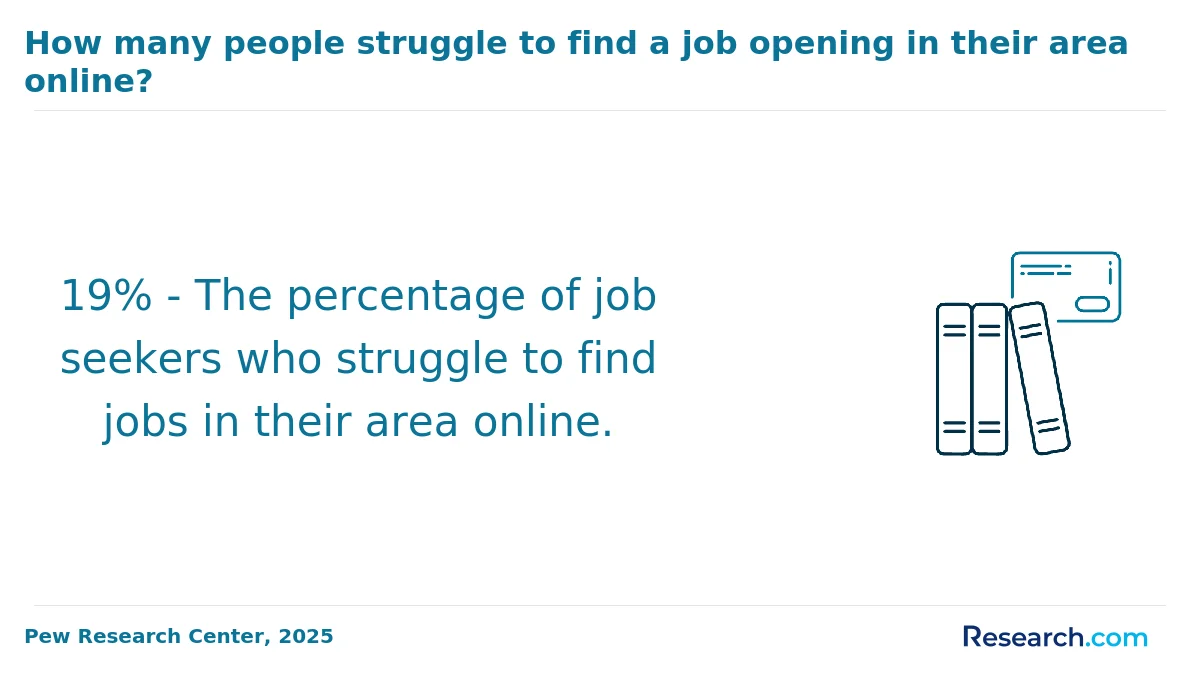
Understanding the associate degree course requirements in San Marcos means recognizing the balance between general education and major-specific instruction. Graduates often share how foundational courses in English composition, mathematics, social sciences, and natural sciences sharpen essential communication and analytical skills, giving them confidence in both academic and workplace settings. Typical classes for associate programs San Marcos include history, psychology, and introductory math, all designed to build critical thinking.
For those pursuing technical fields, such as health sciences at popular local colleges, specialized courses dive deep into anatomy, patient care, and clinical training. Nursing students, for example, experience hands-on clinical rotations that transform textbook knowledge into real-world application. Practical components like laboratory work and internships bring these experiences to life, enabling students to step into jobs feeling capable and prepared.
Students interested in business, computer science, or criminal justice also benefit from targeted courses-ranging from accounting fundamentals to programming and criminal law-that align with diverse career paths. Many San Marcos students looking to continue their education while balancing life often explore online degree programs for seniors, finding flexible options that suit their schedules seamlessly.
Choosing the best associate degree program in San Marcos starts with verifying accreditation, ensuring your degree holds weight with employers and future colleges. Graduates from Texas State University often reflect on how this accreditation gave them confidence when applying for jobs or transferring credits. Understanding how to compare associate degree costs in San Marcos is equally essential; some find that private schools like Southern Careers Institute-Austin offer career-focused education but can have higher tuition, while public options may provide more affordable routes with flexible schedules.
Consider how you want to learn-online programs work well for those balancing family or work, a path many San Marcos students have embraced, whereas hands-on learners thrive in face-to-face environments, especially in healthcare or technical fields. Reflecting on career services is crucial too; graduates often share how internships and job placement support made the difference in launching their careers, especially when programs align with their goals.
Finally, when deciding your path, explore fields tied to high paying majors, giving you a clear vision of rewarding opportunities that await after graduation.
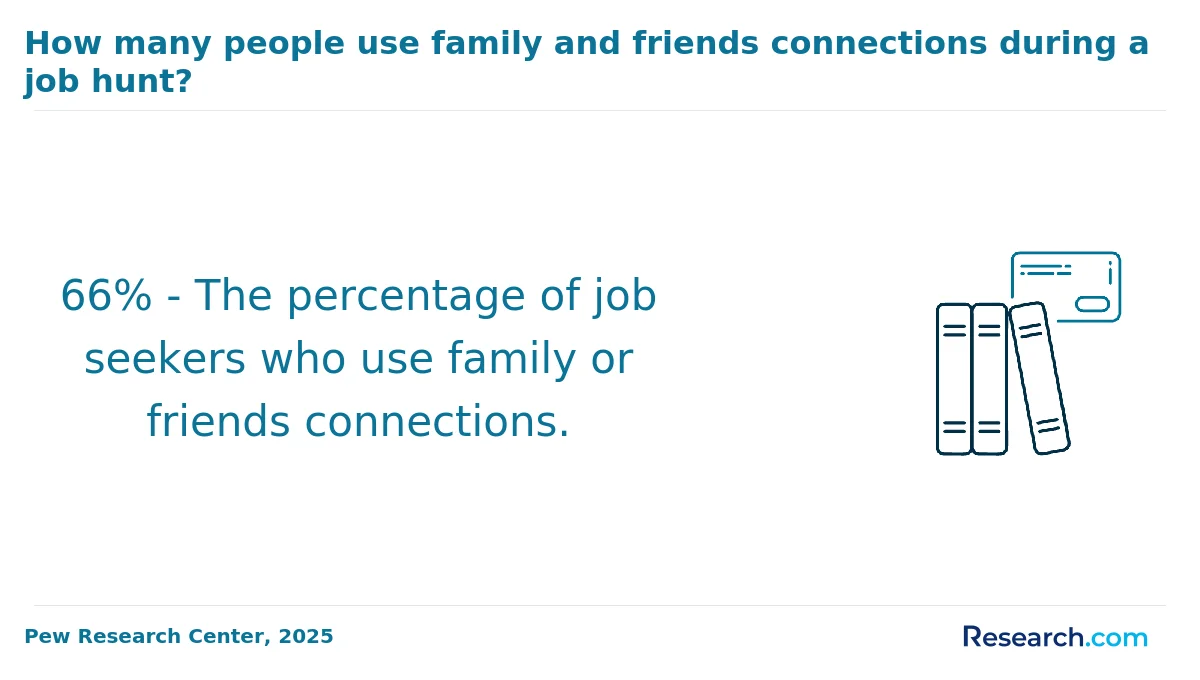
Associate degree graduates in San Marcos unlock a broad spectrum of career paths tailored to the city's vibrant job market. Popular local schools pride themselves on graduates who transition smoothly into the workforce, embracing roles that resonate deeply with their training and passions. Healthcare careers, for instance, remain a cornerstone with graduates from programs like Associate Degree Nursing (ADN) becoming registered nurses in hospitals or home health agencies, where they experience firsthand the fulfillment of patient care.
Business and administrative fields appeal to many, offering positions such as administrative assistants or customer service representatives in bustling San Marcos offices. Graduates often share how practical skills gained in college translate into real-world confidence and growth.
Technical roles also draw interest; many move into roles like laboratory support or veterinary technology, enjoying hands-on work that keeps days engaging and rewarding.
- Healthcare: nursing, radiologic technologists, respiratory therapists
- Business: administrative assistant, customer service, assistant manager
- Technical: Parkway Technician, lab support, veterinary technology
The variety reflects the in-demand jobs for associate degree holders San Marcos employers seek, aligning studies with meaningful career opportunities. Some graduates even consider advancing beyond their associate degrees-exploring options like a one year doctorate degree to deepen expertise and open new doors in their professions.
The job market for associate degree graduates in San Marcos offers tangible opportunities but also challenges that demand strategic navigation. Graduates from popular local schools, like those focusing on healthcare or technology, find that positions such as dental hygienist, x-ray technician, or sales associate are common entry points, with wages averaging around $17.99 per hour and sometimes reaching $30.03. Many graduates share how hands-on training received during their programs directly improved their readiness and confidence for these roles.
Employment opportunities with an associate degree in San Marcos show promising variety, supported by nearly 1,839 open positions specifically seeking this credential. Graduates often highlight the importance of practical experience combined with support services like resume reviews offered at local colleges.
Consider how the Austin-San Marcos metro area's 3.1% unemployment rate facilitates a competitive but vibrant labor market, especially in healthcare and management. Many graduates supplement this by pursuing professional certifications that pay well, enhancing their employability and income potential.
- Average hourly wage: $17.99-$30.03
- Common job titles: dental hygienist, sales associate, x-ray technician
- Local job openings: 1,839+
- Support services: resume and interview coaching
Best Associate Degree Programs - Leading Certification Courses in San Marcos for 2026
# 1 position
Palomar College - Dental Assisting/Assistant.
associatePalomar College offers a Dental Assisting/Assistant program in a hybrid format, combining in-person and distance education. The program trains students to provide patient care, assist with dental procedures, take radiographs, and perform office administrative tasks under supervision. Instruction includes medical record-keeping, equipment sterilization, chairside assisting, and supervised practice. Annual in-state tuition is $1,354. The program is accredited by the Western Association of Schools and Colleges Accrediting Commission for Community and Junior Colleges.
# 2 position
Pima Medical Institute-San Marcos - Veterinary/Animal Health Technology/Technician and Veterinary Assistant.
associateThe Veterinary/Animal Health Technology/Technician and Veterinary Assistant program at Pima Medical Institute-San Marcos prepares students to assist veterinarians and zoological professionals in patient care, clinical procedures, and owner communication. The curriculum covers animal nursing, health, nutrition, handling, clinical pathology, radiology, anesthesiology, dental prophylaxis, surgical assistance, laboratory procedures, and office administration. The program is accredited by the Accrediting Bureau of Health Education Schools.
# 3 position
Pima Medical Institute-San Marcos - Physical Therapy Assistant.
associateThe Physical Therapy Assistant program at Pima Medical Institute-San Marcos offers a hybrid format with some distance education options. It trains students to assist physical therapists by implementing treatment plans, training patients, and monitoring progress. The curriculum covers applied anatomy, physiology, biomechanics, neuroscience, and professional ethics. Graduates have median earnings of $44,175 one year after completion. The program is accredited by the Accrediting Bureau of Health Education Schools.
# 4 position
Palomar College - Computer and Information Sciences, General.
associatePalomar College offers a hybrid Computer and Information Sciences, General program that includes some distance-education options. The program focuses on computing, computer science, and information science and systems, providing a broad foundation without specialization. Annual in-state tuition is $1,354. The program is accredited by the Western Association of Schools and Colleges Accrediting Commission for Community and Junior Colleges.
# 5 position
Palomar College - Information Technology.
associatePalomar College offers a hybrid Information Technology program focusing on designing technological information systems for business and research support. The curriculum covers computer hardware and software principles, algorithms, databases, telecommunications, user tactics, application testing, and human interface design. The program is accredited by the Western Association of Schools and Colleges Accrediting Commission for Community and Junior Colleges. Annual in-state tuition is $1,354.
# 6 position
Palomar College - Computer Science.
associatePalomar College offers a hybrid Computer Science program focusing on computer theory, problem-solving, and system design from a scientific viewpoint. The curriculum covers computational science principles, programming, and applications for various end-uses. The program’s annual in-state tuition is $1,354. It is accredited by the Western Association of Schools and Colleges Accrediting Commission for Community and Junior Colleges.
# 7 position
Palomar College - Computer Systems Networking and Telecommunications.
associatePalomar College offers a hybrid program in Computer Systems Networking and Telecommunications, focusing on the design, implementation, and management of linked computer systems and software. The curriculum covers operating systems, networking theory, security, and troubleshooting, preparing students for roles as network specialists and managers. Annual in-state tuition is $1,354. The program is accredited by the Western Association of Schools and Colleges Accrediting Commission for Community and Junior Colleges.
# 8 position
Palomar College - Criminal Justice/Law Enforcement Administration.
associatePalomar College offers a hybrid Criminal Justice/Law Enforcement Administration program that prepares students for management roles in public law enforcement. The curriculum covers law enforcement history, operational command, labor relations, incident response, legal responsibilities, budgeting, and organizational leadership. The program is accredited by the Western Association of Schools and Colleges Accrediting Commission for Community and Junior Colleges. Annual in-state tuition is $1,354.
# 9 position
Palomar College - Criminal Justice/Police Science.
associatePalomar College offers a Hybrid Criminal Justice/Police Science program designed to prepare students for police and public security duties. The curriculum includes patrol, investigative activities, traffic and crowd control, evidence management, and crime prevention. The program’s annual in-state tuition is $1,354. It is accredited by the Western Association of Schools and Colleges Accrediting Commission for Community and Junior Colleges.
# 10 position
Palomar College - Electrician.
associatePalomar College offers a hybrid Electrician program that prepares students to install, operate, maintain, and repair electric apparatus and systems in residential, commercial, and industrial settings. The program includes instruction on electronics, wiring, power transmission, safety, electrical testing, and applicable codes. Annual in-state tuition is $1,354. The program is accredited by the Western Association of Schools and Colleges Accrediting Commission for Community and Junior Colleges.
Frequently Asked Questions about associate degree programs
After earning an associate degree in San Marcos, preparing for the job market involves several practical steps. Start by refining your resume to highlight skills and experiences gained during your program. Many local employers value vocational and technical expertise, so emphasize relevant coursework or internships.
Networking plays a crucial role; attending job fairs and connecting with professionals through platforms like LinkedIn can increase your chances of employment. According to the Texas Workforce Commission, San Marcos has seen growing demand in healthcare and manufacturing sectors, which often hire associate degree holders.
Additionally, consider obtaining certifications related to your field to enhance your job prospects and demonstrate specialized knowledge to employers.
Employers in San Marcos highly value technical proficiency and practical skills in associate degree graduates. According to the Texas Workforce Commission, skills in computer literacy, healthcare basics, and applied engineering are among the most sought after in the local job market.
Strong communication abilities are also critical. Employers expect graduates to demonstrate clear verbal and written communication, which supports teamwork and customer service roles.
Additionally, problem-solving and critical thinking are emphasized. Many San Marcos employers prioritize candidates who can adapt and make informed decisions on the job.
Time management and reliability remain fundamental soft skills, reflecting a consistent trend in hiring preferences for entry-level positions requiring an associate degree.
Finding internships in San Marcos relevant to your associate degree involves several proactive steps. Start by visiting career services at local community colleges, such as San Marcos Community College, which often partner with area businesses to provide internship opportunities.
San Marcos benefits from a diverse local economy, including education, healthcare, and retail sectors, which offer internships in fields like business administration, healthcare, and information technology. According to the Texas Workforce Commission, internships in the region have grown by 12% over recent years, reflecting a positive trend.
Additionally, explore online platforms like Handshake or Indeed, filtering for San Marcos-based internships related to your program. Networking through local chambers of commerce or professional associations also increases your chances of finding suitable placements.
In San Marcos, earning an associate degree significantly improves career mobility and advancement opportunities. According to the Bureau of Labor Statistics, jobs requiring an associate degree typically offer a 15% higher median salary compared to those needing only a high school diploma. Local employers in industries like healthcare, technology, and manufacturing highly value these credentials.
Additionally, an associate degree often provides a clear pathway to further education, such as bachelor's degrees, which can open doors to management roles and specialized positions. The Texas Higher Education Coordinating Board reports rising demand for associate degree holders across Central Texas, underscoring increased job security and promotion potential.
For San Marcos residents, this degree acts as both a stepping stone and a practical qualification that fosters economic growth and upward social mobility within the community.
In San Marcos, part-time job opportunities that complement associate degree programs are diverse, reflecting the city's growing economy and educational landscape. For students in healthcare-related fields, local clinics and pharmacies offer roles such as medical assistants or pharmacy technicians, providing practical experience directly related to their coursework.
Retail and customer service positions in the downtown area can benefit business, marketing, or communications students by enhancing interpersonal skills and understanding consumer behavior. According to the Texas Workforce Commission, the retail sector accounts for approximately 18% of part-time jobs in the San Marcos region, illustrating strong availability.
Additionally, administrative roles in educational institutions and local government offices provide valuable exposure for students pursuing degrees in administration or public service. These positions often offer flexible hours, aligning with students' academic schedules.
There are several reputable degree programs near San Marcos, CA, offered by universities and colleges that provide a wide range of academic options. Close to San Marcos, students can explore programs in various fields such as business, engineering, health sciences, and more. Research.com can be a helpful resource to compare programs and find the best degree programs near me to suit individual career goals and interests.
- Best Trade School & Training Programs - Leading Certification Courses in Los Angeles for 2026
- Best Trade School & Training Programs - Leading Certification Courses in Walla Walla for 2026
- Best Trade School & Training Programs - Leading Certification Courses in Kyle for 2026
- Best Trade School & Training Programs - Leading Certification Courses in Emporia for 2026
- Best Trade School & Training Programs - Leading Certification Courses in Springfield for 2026
- Best Trade School & Training Programs - Leading Certification Courses in Little Rock for 2026
- Research - Best College Majors To Pursue https://research.com/degrees/best-college-majors-to-pursue
- What is an associate’s degree? | Top Universities https://www.topuniversities.com/blog/what-associates-degree
- Explore the Different types of Credentials. | GEAR UP https://gearup.wa.gov/student-credentials
- Associate Degree programs - United International Business School (UIBS) https://www.uibs.org/undergraduate/associate/
- Cleary Associates Degree Research - L. Douglas Wilder School of Government and Public Affairs - Virginia Commonwealth University https://wilder.vcu.edu/news-and-events/news-posts/earning-an-associate-degree-has-varying-value-for-workers-based-on-demographics-vcu-researchers-find.html
- What Comes After Associate Degree: Here Are Your Options https://potomac.edu/do-you-feel-complete-after-earning-an-associates-degree/
- How to Properly List Your Academic Degrees and Credentials - ASET - The Neurodiagnostic Society https://www.aset.org/docs/individuals/how-to-properly-list-your-academic-degrees-and-credentials/
- Online Associate Degree Programs | SNHU https://www.snhu.edu/online-degrees/associate
- Find Remote Internships For College Students https://www.accreditedschoolsonline.org/resources/college-internships-and-employment/
- Study at California State University San Marcos | Study Group https://students.studygroup.com/study-options/direct-admit/california-state-university-san-marcos


