
Most Affordable Associate Degree Programs - Leading Certification Courses in Houston for 2026

Co-Founder and Chief Data Scientist
Thinking about earning an associate degree in Houston? Choosing the right program can be overwhelming, but we’re here to help.
This article introduces a carefully crafted associate degree programs ranking created by the Research.com team of data scientists. It highlights the most affordable options, making it easier for you to find quality trade school programs that fit your budget.
By exploring these programs, you can take confident steps toward a rewarding career, gaining skills that open new opportunities and financial stability.
Investing in your education is a positive, empowering choice worth exploring.
Key benefits of associate degrees in Houston
Expected salaries for associate degree graduates in Houston vary by career: healthcare roles like registered nursing often start above $50,000 annually, while administrative jobs usually range from $35,000 to $46,300, offering solid income early in your career.
Popular career paths include healthcare, business, and technical fields. Graduates often find rewarding jobs as registered nurses, administrative assistants, or technicians, reflecting Houston's strong demand for skilled workers and providing diverse opportunities.
Online associate degrees offer flexibility, allowing students to balance work and study effectively. Many online graduates from Houston schools report saving time and money while achieving the same respected qualifications as traditional on-campus students, making education more accessible and convenient.
- Most Affordable Associate Degree Programs - Leading Certification Courses in Houston for 2026
- What can I expect from associate degree programs in Houston?
- Where can I work after finishing associate degree programs in Houston?
What can I expect from associate degree programs in Houston?
The average cost of an associate degree program in Houston typically ranges from $4,000 to $8,000 per year at community colleges such as Houston Community College (HCC) and Lone Star College. Graduates often reflect on the affordability as a key factor in their decision, especially when balancing work and family commitments.
Students enrolling in these programs can expect an efficient, focused curriculum lasting about two years, blending general education with specialized courses in fields like Digital Gaming, Fire Science, or Hospitality Administration. One graduate recalled juggling evening online classes offered by HCC, which made completion possible without sacrificing a full-time job.
Many schools provide flexibility through hybrid and fully online options, appealing to working adults. Additionally, Houston students appreciate the opportunity to transfer credits-sometimes up to 44 hours-to four-year universities, significantly reducing time and costs on a bachelor's degree journey.
Such practical arrangements contribute to the steady 5% rise in associate degree completions near Houston seen since 2019, underscoring the value students find in cost-effective, accessible education options.
Where can I work after finishing associate degree programs in Houston?
Graduates from associate degree programs in Houston find strong employment opportunities across healthcare, business administration, technology, and skilled trades, supported by local industry demand. For example, many graduates from Houston's well-regarded allied health programs secure positions in the Texas Medical Center, the world's largest medical complex, working as medical assistants or radiologic technicians, often reporting rewarding experiences with steady job growth.
In business sectors, alumni from Houston community colleges regularly step into roles like administrative assistants or project coordinators at major corporations and nonprofits, appreciating clear career advancement pathways. Technical graduates frequently obtain jobs as mechanical designers or CAD technicians within the city's vibrant energy and manufacturing industries, helping develop solutions that power Houston's economy while earning competitive salaries.
Education-focused associate degree holders frequently work as behavior instruction associates in local school districts, enjoying stable employment and hourly wages exceeding $25. Overall, those completing associate degrees locally cite satisfaction with the practical skills gained and the ability to immediately join dynamic, in-demand fields throughout Houston.
After completing an associate degree program in Houston, graduates typically see an average annual salary around $37,407, with most hourly wages falling between $13.51 and $18.70. For many students from popular Houston community colleges, this translates into entry-level roles where steady income supports livable urban lifestyles and career growth.
More specialized graduates, such as those pursuing administrative or technical fields, can experience significantly higher earnings. For instance, administrative supervisors hold median salaries near $67,570, while operations administrative assistants average about $46,321. These figures reflect the added value of focused training received at Houston's well-regarded institutions.
Additionally, graduates entering technical careers often exceed the average income, with median wages for court reporters and ship engineers reaching up to $130,000 annually, as reported by workforce data. Many associate degree holders from Houston cite satisfaction from rapid financial progress, especially when their studies align with local industry needs.
- Maria: Earning my Associate Degree in Nursing at the Houston Community College trade school was life-changing. The hands-on training gave me real confidence, and I landed a nursing assistant job at Memorial Hermann quickly. The supportive instructors truly prepared me for Houston's fast-paced healthcare environment.
- Jamal: Studying Automotive Technology at a local Houston trade school was one of the best decisions I made. The practical skills I gained helped me secure a mechanic position at a leading dealership. The focused curriculum and small class size made mastering the craft both efficient and rewarding.
- Elena: My Associate Degree in Graphic Design from a Houston trade school opened so many doors. The creative projects and industry connections made finding work at a marketing firm seamless. It felt empowering to learn specialized skills that Houston's vibrant business community really values.
- Admission usually requires a high school diploma or GED, with many community colleges offering open admission policies.
- Some programs may have extra requirements like minimum GPAs; for example, the University of Houston-Downtown requires a 2.25 GPA for certain applicants.
- Annual tuition at Houston-area community colleges ranges from $2,000 to $4,000 for in-district students, with total two-year costs around $8,000 to $16,000 including supplies and living expenses.
- Starting salaries for associate degree holders in high-demand fields in Houston range from $34,000 to $50,000 per year, with experienced workers earning $60,000 or more.
- Popular and lucrative fields include healthcare, engineering technology, and business administration, with options to transfer credits to four-year universities.
Completing an associate degree program in Houston typically takes about two years of full-time study, based on a requirement of approximately 60 credit hours. Graduates from popular institutions like Houston Community College often recall enrolling in 15 credit hours per semester, allowing them to graduate in four semesters with a sense of accomplishment and readiness for the workforce.
However, many students find that part-time enrollment extends this timeline to three to five years, especially when juggling work or family commitments. For example, part-time students taking 6 to 9 credit hours per semester have shared how pacing their courses allows them to manage life's demands while steadily progressing toward their degree.
On the flip side, highly motivated students in Houston take advantage of accelerated options, completing degrees in as little as 12 to 18 months by attending summer sessions and shorter 8-week terms. This flexible approach is praised for enabling quicker entry into careers or transfer opportunities.
High school students in Houston enrolled in dual credit or early college programs experience the unique benefit of earning an associate degree alongside their diploma, often within four years, which graduates describe as a rewarding head start on their educational journey.
The main difference between online and on-campus associate degree programs in Houston lies in course delivery and flexibility. Online programs, available at institutions like the University of Houston and Houston Christian University, let students access lectures and assignments anytime, ideal for those juggling work or family. Many online learners appreciate the flat-rate tuition, which remains constant regardless of residency, easing financial planning. One graduate shared how completing courses remotely allowed them to study during late hours, fitting education smoothly into their busy life.
On-campus programs demand in-person attendance on structured schedules, often weekday or evening classes, promoting direct interaction with instructors and peers. Students value hands-on access to labs, libraries, and campus events, enriching their experience. Another graduate recalled how face-to-face dialogue with professors and collaboration with classmates helped them stay motivated and deepen understanding.
Both paths lead to equivalent degrees recognized by employers, but choosing depends on your learning style and campus involvement preferences.
The average cost of associate degree in Houston varies significantly based on residency status and the chosen institution. At Houston Community College (HCC), in-district students pay about $107.50 per credit hour. For a 60-credit hour program, this results in roughly $6,450 for total tuition. Graduates often share how this affordable rate made it possible to complete their degree while working part-time or supporting a family. Out-of-district or out-of-state students face higher fees, with per-credit costs rising to $322, which totals nearly $19,320, demonstrating how residency status impacts the overall financial commitment.
When considering Houston associate degree tuition and fees at Lone Star College, local students pay slightly more-around $111 per credit hour, culminating in approximately $6,660 for the full program. Out-of-district Texas residents and international students incur substantially higher costs, reinforcing the affordability for community members. Many graduates recall how choosing in-district enrollment at Lone Star opened doors without overwhelming student debt.
Across Texas public community colleges, annual tuition and fees for in-district students generally range between $2,000 and $4,000, placing associate degree totals between $4,000 and $8,000. These figures exclude extra expenses like textbooks, transportation, or living costs, which few students can avoid. Financial aid options, including grants and scholarships, play a critical role for Houston students, easing the burden and making these programs achievable. For those exploring the investment in career readiness, researching highest paid certifications alongside an associate degree can provide valuable financial direction.
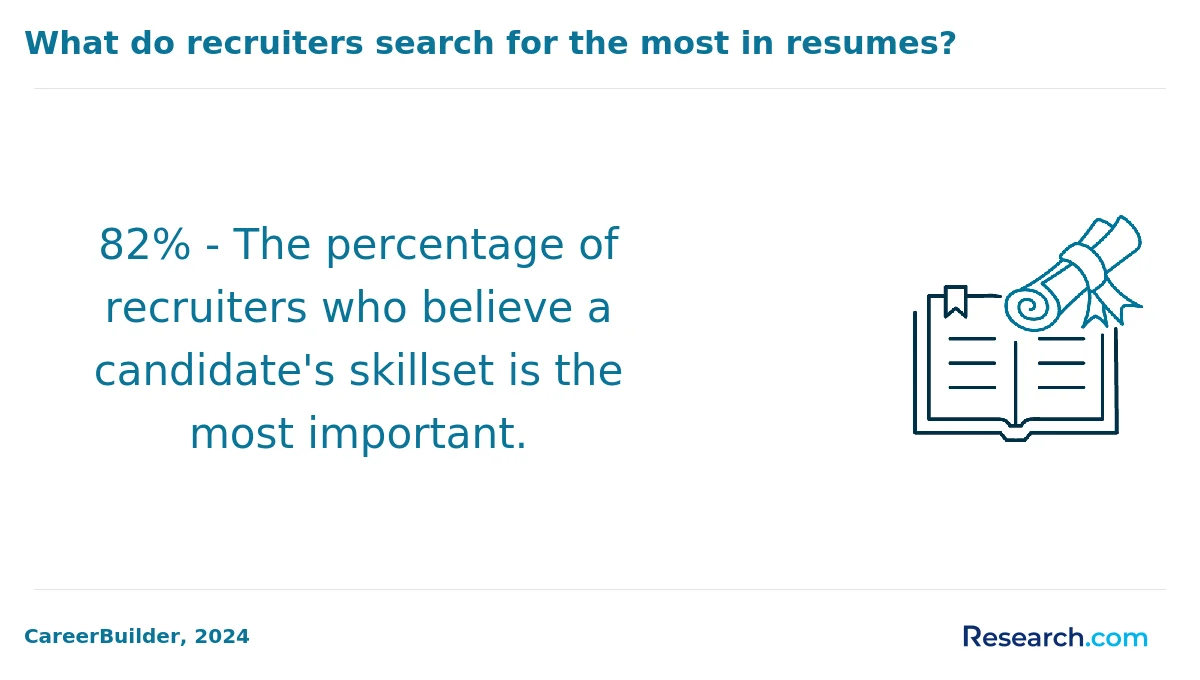
Students pursuing associate degrees in Houston commonly access financial aid through the Free Application for Federal Student Aid (FAFSA), which unlocks federal, state, and institutional funds. For example, a graduate from Houston Community College benefited from the Pell Grant, which for 2025-2026 offers up to $7,395 to students based on financial need, requiring no repayment. Many also gain from Federal Work-Study programs, giving them the chance to earn money while developing skills on campus.
State grants like the TEXAS Grant and Texas Educational Opportunity Grant (TEOG) significantly help Texas residents attending public community colleges by covering tuition and mandatory fees. Students at University of Houston-Clear Lake have expressed relief through the Hawk Promise, a program covering tuition and fees for new in-state students from families earning up to $65,000, provided academic criteria are met.
Institutional scholarships at Houston Community College, University of Houston, and University of Houston-Downtown reward academic excellence and leadership, often requiring FAFSA submission plus additional applications. Graduates frequently mention that applying early, as with University of Houston's June 1 priority deadline, was crucial for maximizing aid opportunities.
Enrolling in an associate degree program in Houston requires meeting core academic prerequisites designed to ensure college readiness. Most schools, such as those popular in Houston, expect applicants to have earned a high school diploma or GED, verified by final transcripts or certificates. Graduates often recall the relief of having this clear benchmark met early in their process.
Key academic standards include:
- A minimum GPA, often around 3.0 unweighted, like at Sam Houston State University, which provides automatic admission for such applicants.
- Standardized test scores such as ACT or SAT are generally optional in Houston programs through 2030 but may strengthen applications, especially for those outside top class rankings.
- Transfer students typically need 12-18 transferable credit hours with a college GPA between 2.0 and 2.5, allowing flexibility for those returning to school.
Students remember submitting essays and resumes to showcase extracurriculars when test scores were missing, reflecting a holistic admissions approach common to Houston's flexible systems.
Additional prerequisites may include coursework in biology or chemistry and immunization proof, particularly for health-focused programs. Graduates often express confidence after meeting these targeted requirements, feeling prepared for their academic journey in Houston's associate degree colleges.
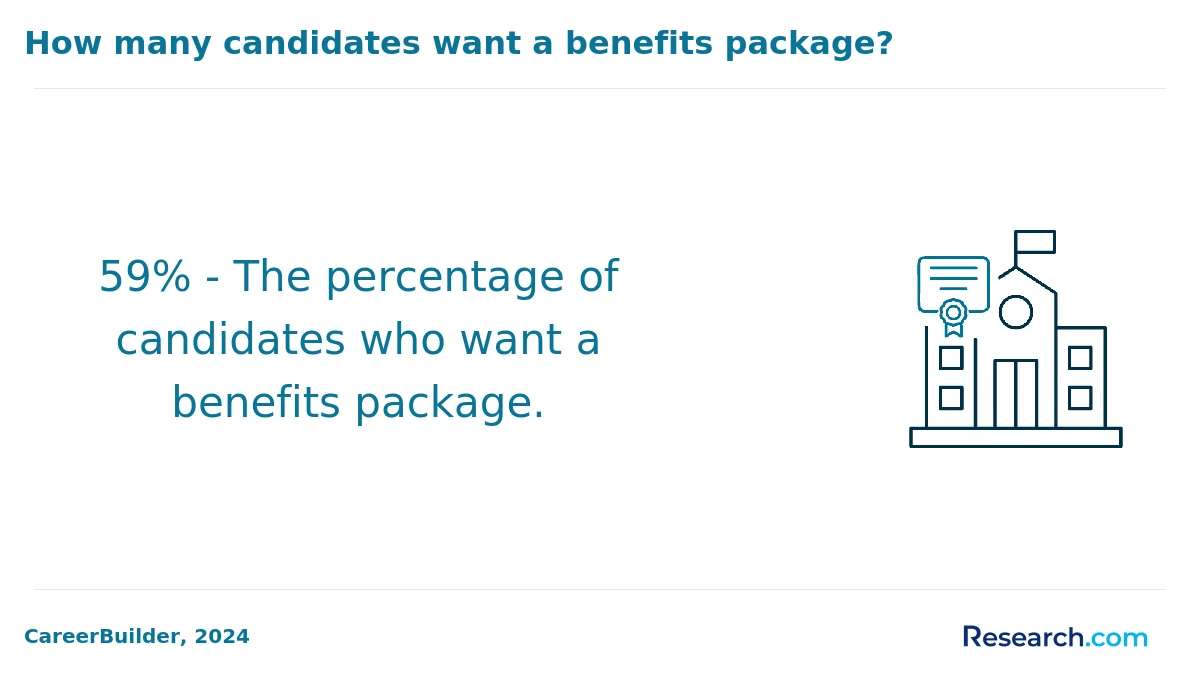
Associate degree curriculum Houston community colleges typically feature a blend of core curriculum courses and specialized classes tailored to students' career goals. Graduates from popular Houston institutions often recall foundational classes such as English Composition, College Algebra, and Introduction to Psychology forming the bedrock of their education. These core areas cover essential subjects like English, Mathematics/Natural Sciences, Humanities/Fine Arts, and Social/Behavioral Sciences, reflecting the most common courses in Houston associate degree programs.
Beyond the basics, students select courses aligned with their chosen fields. For example, those pursuing Business Administration take Principles of Accounting, while Nursing students engage with Anatomy and Physiology. Other popular tracks include Computer Technology and Health Information Technology, with courses like Computer Programming or Introduction to Nursing boosting job readiness.
Practical, workforce-focused classes such as Emergency Medical Services, Heating and Air Conditioning, and Industrial Electricity greatly appeal to students seeking immediate employment. This versatile offering supports local industry demands, making associate degrees in Houston both comprehensive and career-relevant. Many explore options at colleges offering open enrollment, ensuring accessible pathways to success.
Choosing the best associate degree programs in Houston starts with confirming accreditation to ensure credits transfer smoothly and your degree holds value with employers. Community colleges like Houston Community College and Lone Star College boast regional accreditation, reassuring students about academic quality. Graduates often praise the supportive faculty and reliable campus resources at schools such as Lee College, which enhances their satisfaction and career readiness.
Cost is crucial when comparing Houston associate degree costs. For example, Houston Community College offers one of the lowest net prices locally, making it ideal for students seeking affordable education without sacrificing quality. Many students highlight how scholarships and financial aid at these institutions reduce their financial stress, enabling focus on studies and career goals.
Flexibility also matters. Students juggling jobs or family responsibilities favor the College of the Mainland's adaptable schedules with evening and online classes, which allow balancing life and academics efficiently. When researching programs, consider how location and access to advising support can impact your success. By factoring in these elements along with program reputation, you align your choice with long-term ambitions, including pathways to some of the highest paying bachelor degrees.

Associate degree jobs in Houston span a variety of vital sectors supported by the city's diverse economy. Graduates from popular associate degree schools in Houston report success in health care roles such as Radiology Technologist and Evidence Technician, where hands-on skills meet steady demand. Business administration graduates find opportunities as Administrative Assistants or Office Administrators, capitalizing on organizational talents honed during studies. Many feel fulfilled working in public service jobs like Library Specialist or Community Representative, serving local communities and school districts.
Career opportunities with an associate degree in Houston also thrive in technology and energy. Graduates enter cybersecurity, engineering technology, and data coordination roles, which offer clear advancement paths without requiring four-year degrees. Students often share that starting in these technical roles helps build confidence and professional momentum quickly.
For those considering further education, some associate degree holders leverage credits at top accredited non-profit colleges to pursue bachelor's degrees, expanding career horizons. These layered options underline how associate degree programs in Houston open many doors with practical, rewarding career paths aligned to local market needs.
Houston's job market for associate degree graduates is vibrant, offering over 5,300 job postings in 2025 for roles across healthcare, business, education, and technology. Local graduates from popular associate degree schools find ample opportunities as administrative assistants, radiology technologists, and office administrators, reflecting strong Houston employment trends for associate degree holders. Graduates often share how working in institutions like MD Anderson Cancer Center or local school districts provides a rewarding career path with consistent demand.
Healthcare leads the way, with many employers requiring only an associate degree for critical roles such as radiology technologists and community health representatives. The tech sector is rapidly growing, seeing a 28% increase in job listings, especially in IT support, cloud computing, and cybersecurity, where skills like Python and data analysis are highly prized. Graduates with certifications can break into well-paid technical roles, some earning upwards of $70,000 annually.
For those exploring associate degree job opportunities in Houston, real success stories often mention hands-on experience gained at community colleges. These grads highlight how Houston's economic diversity supports steady advancement.
Some associate degree roles also provide competitive salaries. For more insight into financial prospects, check out the best paying trade school jobs.
Most Affordable Associate Degree Programs - Leading Certification Courses in Houston for 2026
# 1 position
Houston Community College - Computer and Information Sciences, General.
associateHouston Community College offers a fully online Computer and Information Sciences, General program focusing on computing, computer science, and information science systems. The program is accredited by the Southern Association of Colleges and Schools Commission on Colleges. Annual in-state tuition is $2,040. Graduates report median earnings of $42,875 one year after completion.
# 2 position
Houston Community College - Computer Systems Networking and Telecommunications.
associateHouston Community College offers a hybrid program in Computer Systems Networking and Telecommunications, focusing on the design, implementation, and management of linked computer systems and software. The curriculum includes operating systems, systems design, networking theory, network management, security, and troubleshooting. The annual in-state tuition is $2,040. Graduates have median earnings of $42,875 one year after completion. The program is accredited by the Southern Association of Colleges and Schools Commission on Colleges.
# 3 position
Houston Community College - Physical Therapy Assistant.
associateHouston Community College offers a Physical Therapy Assistant program designed to train students in implementing treatment care plans, patient training, and clinical documentation under physical therapist supervision. This hybrid program covers applied anatomy, physiology, biomechanics, neuroscience, and professional ethics. In-state annual tuition is $2,040. Graduates have median earnings of $42,459 one year after completion. The program is accredited by the Southern Association of Colleges and Schools Commission on Colleges.
# 4 position
Houston Community College - Automobile/Automotive Mechanics Technology/Technician.
associateHouston Community College offers a Hybrid program in Automobile/Automotive Mechanics Technology/Technician that prepares students to repair, service, and maintain various automobile systems. Coursework includes brake systems, electrical systems, engine performance, and HVAC systems. The program is accredited by the Southern Association of Colleges and Schools Commission on Colleges. Annual in-state tuition is $2,040, and median earnings one year after completion are $39,835.
# 5 position
Houston Community College - Computer Science.
associateHouston Community College offers a fully online Computer Science program emphasizing computer theory, problem solving, and system design from a scientific perspective. The curriculum covers computational science principles, programming, and practical applications. Annual in-state tuition is $2,040. The program is accredited by the Southern Association of Colleges and Schools Commission on Colleges.
# 6 position
Houston Community College - Language Interpretation and Translation.
associateHouston Community College offers a fully online Language Interpretation and Translation program designed to prepare students as professional interpreters and translators for English, Canadian French, and other languages. The curriculum includes intensive language instruction and covers various interpretation methods and translation applications, including business and technical fields. The program’s annual in-state tuition is $2,040 and it is accredited by the Southern Association of Colleges and Schools Commission on Colleges.
# 7 position
Houston Community College - Legal Assistant/Paralegal.
associateHouston Community College offers a Legal Assistant/Paralegal program with a hybrid format that includes some distance-education options. The program prepares students to perform research, drafting, investigatory, record-keeping, and related administrative tasks under attorney supervision. Coursework covers legal research, drafting legal documents, courthouse procedures, and legal specializations. The annual in-state tuition is $2,040. The program is accredited by the Southern Association of Colleges and Schools Commission on Colleges.
# 8 position
Houston Community College - Criminal Justice/Police Science.
associateHouston Community College offers a Criminal Justice/Police Science program designed to prepare students for law enforcement roles such as patrol, investigations, traffic and crowd control, and evidence management. The hybrid program includes some distance education options and has an annual in-state tuition of $2,040. It is accredited by the Southern Association of Colleges and Schools Commission on Colleges.
# 9 position
Houston Community College - Electrical and Power Transmission Installation/Installer, General.
associateHouston Community College offers a hybrid program in Electrical and Power Transmission Installation/Installer, General, which prepares students to install indoor and outdoor electrical systems and power transmission lines. The curriculum covers electricity, safety, wiring, insulation, grounding, blueprint interpretation, equipment operation, and relevant codes. The annual in-state tuition is $2,040. The program is accredited by the Southern Association of Colleges and Schools Commission on Colleges.
# 10 position
Houston Community College - Interior Design.
associateHouston Community College offers a Hybrid Interior Design program that trains students in artistic principles and techniques for planning, designing, and furnishing interior spaces. The curriculum covers computer applications, drafting, lighting, acoustics, color coordination, textiles, and structural design. Students also learn building codes and applications for various commercial and residential environments. The program’s annual in-state tuition is $2,040 and it is accredited by the Southern Association of Colleges and Schools Commission on Colleges.
Frequently Asked Questions about associate degree programs
After completing an associate degree in Houston, preparing for the job market involves several strategic steps. First, graduates should develop a well-crafted resume highlighting relevant skills and internship or practicum experience gained during their studies.
Networking plays a crucial role; attending local job fairs and connecting with Houston-based employers can open doors in industries such as healthcare, technology, and energy, which commonly hire associate degree holders.
Additionally, utilizing Houston community college career centers for job placement assistance and interview preparation is highly recommended. According to the Texas Workforce Commission, Houston's job market for associate degree holders is expected to grow 7% by 2028, emphasizing the importance of targeted job search efforts.
Employers in Houston highly value both technical and soft skills in associate degree graduates. According to recent data from the Houston-Galveston Area Council workforce reports, critical thinking, communication, and teamwork rank among the top soft skills sought. These skills are essential across industries such as healthcare, manufacturing, and information technology.
In technical areas, proficiency in relevant software and equipment is important. For example, healthcare employers look for graduates familiar with electronic health records systems, while manufacturing values skills related to automation and machinery operation.
Local employment surveys show that nearly 70% of Houston employers prioritize adaptability and problem-solving abilities in candidates with associate degrees.
Finding internships in Houston that align with your associate degree program involves several strategic steps. Start by contacting your college's career services office, which often maintains connections with local businesses and can offer internship listings tailored to your field.
Houston's diverse economy, especially in healthcare, energy, and technology sectors, provides numerous internship opportunities. According to the Greater Houston Partnership, nearly 15,000 internships are available annually in the region. Accessing platforms such as Handshake, LinkedIn, and local job boards enhances your search for roles relevant to your studies.
Networking with faculty, attending career fairs, and joining local professional associations also increase chances of securing an internship. Additionally, some community colleges in Houston partner with companies specifically for associate degree students, providing structured internship programs approved by the college.
Obtaining an associate degree in Houston can significantly enhance career mobility and advancement opportunities. According to the Texas Workforce Commission, individuals with an associate degree in Houston earn approximately 20% more on average than those with only a high school diploma. This degree often serves as a stepping stone to higher-paying positions in industries like healthcare, technology, and manufacturing, which are prominent in the Houston metropolitan area.
Associate degrees also improve job security and offer pathways to further education. Many Houston employers prioritize candidates with these credentials for promotions and specialized roles. Data from the National Center for Education Statistics shows that about 40% of Houston's associate degree holders report upward career movement within five years of graduation.
Houston offers a variety of part-time job opportunities that can enhance the experience of students pursuing associate degrees. Fields such as healthcare, business, and technology are particularly strong due to Houston's large medical complex and growing economy.
Part-time roles like medical assistants, pharmacy technicians, or administrative assistants align well with associate degrees in health sciences or business administration. According to the Texas Workforce Commission, healthcare support occupations in Houston are expected to grow by over 15% through 2028, providing ample opportunities.
Retail and customer service positions are also prevalent, offering flexible schedules for students while building communication skills.
Yes, there are affordable degree programs available both near you and near Houston, TX. Various universities and community colleges offer a range of programs that cater to different fields of interest, often at competitive tuition rates. Consider exploring resources like Research.com to identify and compare costs for degree programs in your area.
- Most Affordable Trade School & Training Programs - Leading Certification Courses in Tulsa for 2026
- Most Affordable Trade School & Training Programs - Leading Certification Courses in Olathe for 2026
- Most Affordable Trade School & Training Programs - Leading Certification Courses in Overland Park for 2026
- Most Affordable Trade School & Training Programs - Leading Certification Courses in Topeka for 2026
- Most Affordable Trade School & Training Programs - Leading Certification Courses in Ocala for 2026
- Most Affordable Trade School & Training Programs - Leading Certification Courses in Statesboro for 2026
- Tuition & Fees | https://www.lonestar.edu/tuition.htm
- Tuition & Fees | Costs & Financial Aid | University of Houston https://www.uh.edu/financial/undergraduate/tuition-fees/index.php
- Advocates fight college enrollment crisis - DefenderNetwork.com https://defendernetwork.com/news/local-state/houston-education-advocates-fight-college-enrollment-crisis/
- Associate degree - Wikipedia https://en.wikipedia.org/wiki/Associate_degree
- Research - Best Certification Programs For Careers That Pay Well https://research.com/degrees/best-certification-programs-for-careers-that-pay-well
- Online vs Traditional Degrees: Similarities and Differences https://www.aiu.edu/blog/online-vs-traditional-degrees/
- Texas transfer students face these big barriers at universities https://houstonlanding.org/learning-curve-texas-universities-say-these-are-the-big-barriers-facing-transfer-students/
- Advancement Potential of Different Degrees and Majors - Resource Center Article https://nextmile.instride.com/resource/upward-mobility-degree-major
- Associate Degree Programs | Academics | Miami Dade College https://www.mdc.edu/academics/programs/associate.aspx
- Top 5 Skills Employers Look For | Nth Degree https://newmanu.edu/top-5-skills-employers-look-for


