
2027 Best Social Work Degree Programs Ranking in Indiana

Co-Founder and Chief Data Scientist
Choosing the right social work degree program can shape your future in meaningful ways. This article presents the 2027 Best Social Work Degree Programs Ranking in Indiana, carefully created by the Research.com team of data scientists. It aims to guide Indiana students toward programs that truly stand out.
Exploring this ranking helps you identify quality programs that align with your goals and passion for making a difference. Earning a social work degree opens doors to rewarding careers focused on helping others and creating positive change.
Key benefits of getting social work degree in Indiana
- Social work degree graduates in Indiana can earn competitive salaries, such as $68,800 annually for Social Workers and up to $83,400 for Community Organizers and Youth Workers, offering financial stability and rewarding careers.
- Career paths include roles like Child Welfare Specialist, Residential Counselor, and Social Worker, providing diverse opportunities to make a positive impact in various community and health settings.
- Completing a social work degree online, as some Indiana universities offer, allows greater flexibility for working students, making it easier to balance education with personal and professional commitments.
- Key benefits of getting social work degree in Indiana
- What can I expect from social work degree in Indiana?
- Where can I work with social work degree in Indiana?
- How much can I make with social work degree in Indiana?
- 2027 Best Social Work Degree Programs Ranking in Indiana
- Key Findings
- How long does it take to complete social work degree in Indiana?
- Licensing and Certification Requirements in Indiana
- What's the difference between online and on-campus social work degree?
- Finding Affordable Social Work Programs in Indiana
- What is the average cost of social work degree in Indiana?
- Licensure and Certification for Social Work in Indiana
- What financial aid is available to social work degree students in Indiana?
- What are the prerequisites for enrolling in social work degree program in Indiana?
- Licensure and Certification Requirements
- What courses are typically in social work degree programs in Indiana?
- What types of specializations are available in social work degree programs in Indiana?
- How do you choose the best social work degree in Indiana?
- What career paths are available for social work degree students in Indiana?
- What is the job market for social work degree in Indiana?
- Related Social Work Rankings for Nearby States
- Top Trending Social Work Rankings
- See What Experts Have To Say About Studying Social Work
What can I expect from social work degree in Indiana?
The average cost of a social work degree in Indiana varies, but many students find public universities provide in-state tuition options that are more affordable. Graduates from schools like Indiana University or Ball State University often share how managing tuition alongside financial aid or scholarships made their education feel attainable. Some recall budgeting carefully while balancing internships at local non-profits-real-world experiences that enriched their learning without breaking the bank.
Private colleges in Indiana tend to have higher tuition, yet students appreciate the smaller class sizes and personalized mentorship that help them thrive in clinical social work training. Many graduates describe how assistantships or grant opportunities eased their financial load, allowing them to focus on mastering both policy analysis and ethical practice.
Looking ahead, Indiana's universities may expand hybrid programs combining online and fieldwork to offer flexible, cost-conscious options. This could make earning a social work degree even more feasible, inviting a diverse range of future professionals eager to serve their communities statewide.
Where can I work with social work degree in Indiana?
Graduates from social work programs at popular Indiana institutions often find rewarding roles with the Department of Child Services, where they support foster care and adoption efforts that directly impact families in need. Many share how hands-on internships during their studies prepared them to advocate passionately for children and families, making a tangible difference in their communities.
Healthcare settings like hospitals and mental health clinics also attract Indiana social work graduates eager to provide counseling and patient advocacy. It's common for former students to describe the fulfillment of helping patients navigate complex recovery processes, especially in collaboration with interdisciplinary care teams.
School social work offers another meaningful path, especially in Indiana's public school districts requiring BSW or MSW qualifications. Graduates often recall moments of making a positive impact by addressing student behavioral and academic challenges, fostering inclusive environments.
Emerging trends suggest growing opportunities in elder care and gerontology as Indiana's population ages, alongside expanding roles within nonprofit organizations tackling homelessness and substance abuse. For students passionate about systemic change, these evolving sectors offer exciting, purpose-driven futures.
How much can I make with social work degree in Indiana?
Graduates from social work programs at Indiana institutions often find promising salary prospects that align with their education level and specialization. For example, entry-level social workers with a Bachelor's degree might begin near $45,000, yet those progressing to roles such as Child Welfare Specialists can expect mean annual wages around $59,190. Many social work students from Indiana universities report feeling optimistic as they step into these roles, especially knowing the salary reflects meaningful community impact.
For those who pursue advanced degrees or licensure, earnings examples become even more encouraging. Social workers with a Master's degree or clinical licensure frequently access higher pay brackets. Positions like Social Workers generally have a mean annual wage of $68,800 in Indiana, a number that excites graduates aiming to sustain a fulfilling career with financial growth.
More specialized roles such as Community Organizers and Youth Workers in Indiana show mean wages reaching $83,400, illustrating how branching into advocacy or youth support can be both emotionally rewarding and financially satisfying. Graduates from notable Indiana programs often share stories of tangible career advancement tied to their passion and perseverance.
2027 Best Social Work Degree Programs Ranking in Indiana
How do we rank schools?
Investing in your education is a significant decision that can shape your future, and the Research.com team understands the importance of making informed choices. To assist prospective students in Indiana, we have meticulously crafted the "2027 Best Social Work Degree Programs Ranking in Indiana." Our commitment to quality, credibility, and accuracy is reflected in the extensive research and analysis conducted to compile this ranking.
We utilized the following reputable data sources to ensure a comprehensive evaluation of social work programs:
By exploring this ranking, readers will gain valuable insights into the top social work degree programs available in Indiana, empowering them to make well-informed decisions about their educational paths. For more details on our methodology, please visit our Research.com methodology page.


# 14 position
Saint Mary's College
Bachelor of Social Work


Key Findings
- Indiana offers accredited social work programs at both bachelor's (BSW) and master's (MSW) levels with in-state tuition ranging from $9,000 to $12,000 per year.
- Bachelor's degree graduates start with an average salary of about $40,000 annually, while MSW holders can earn between $55,000 and $65,000 as they gain experience.
- The social work job market in Indiana is expected to grow by around 9% through 2031, matching the national rate.
- Licensing requires an accredited degree, supervised fieldwork, and passing the ASWB exam for the relevant practice level.
- Various financial aids like federal grants and scholarships are available to help reduce education costs.
- Practical experience opportunities in Indiana universities improve graduate employability in hospitals, schools, and government agencies.
How long does it take to complete social work degree in Indiana?
Completing a social work degree in Indiana generally takes about four years for a Bachelor of Social Work (BSW) and around two years for a Master of Social Work (MSW). Many graduates from Indiana University or Purdue University Fort Wayne share how the four-year BSW journey felt well-paced, allowing them to balance coursework with meaningful field practicum experiences. This hands-on training not only enriched their knowledge but also built confident connections in real community settings.
MSW students often experience varied timelines. Some graduates appreciate the flexibility of part-time and accelerated programs, especially those who started with a BSW and completed their master's in just one year. Others coming from different fields find the two-year duration essential for mastering advanced skills and meeting the 900-hour supervised fieldwork requirement.
Looking ahead, Indiana's social work programs may increasingly offer blended formats and personalized pacing, making the time commitment feel more manageable and tailored to individual goals. This evolving flexibility excites future students aiming to grow within their communities while balancing real-life demands.
Licensing and Certification Requirements in Indiana
In Indiana, social work graduates must obtain licensure to practice professionally, and understanding the state’s requirements is essential for planning your career path. First, most bachelor’s degree holders pursue the Licensed Social Worker (LSW) credential by completing a CSWE-accredited BSW, logging 3,000 hours of supervised field experience, and passing the Association of Social Work Boards (ASWB) Bachelor’s exam. Next, those with an MSW often aim for the Licensed Clinical Social Worker (LCSW) designation: after 3,000 hours of post-master’s clinical supervision, candidates take the ASWB Clinical exam to demonstrate proficiency in assessment, diagnosis, and treatment. Key steps and details: • Educational Prerequisites: Graduation from a CSWE-accredited program (BSW for LSW; MSW for LCSW). • Supervised Experience: 3,000 hours of supervised practice tracked through the Indiana Professional Licensing Agency (IPLA). • Examinations: Register and schedule the ASWB exam at the appropriate level; exam fees range from $230 to $260. • Application Process: Submit transcripts, supervision verification, and exam scores via the IPLA portal; processing can take 4–6 weeks. • Continuing Education: LCSWs must complete 30 hours of CE every two years, including ethics, to renew their license. For candidates seeking affordable programs that also align with licensure goals, consider exploring the Most Affordable Social Work Degree Programs Ranking in Louisville, KY, where cost-effective options balance quality education with the accreditation standards required for Indiana licensure.
What's the difference between online and on-campus social work degree?
Students pursuing social work degrees in Indiana often find online programs offer unparalleled flexibility, especially for those balancing jobs or family. Graduates from online programs at universities like Indiana University-Purdue University Indianapolis appreciate the ability to complete coursework asynchronously, fitting study times into hectic days without sacrificing progress. This adaptability fosters a sense of empowerment and control over their educational journey.
Conversely, on-campus students at schools such as the University of Southern Indiana thrive on face-to-face interaction, hands-on experiences, and immediate access to campus resources. They often recall the energy from group discussions and the direct mentoring that shaped their professional confidence and network-building. Such engagement can feel deeply motivating and supportive throughout their studies.
Looking forward, the line between online and on-campus social work education in Indiana may blur further as hybrid models evolve. Imagine virtual classes combined with local community-based internships, blending flexibility with tangible field experience. Graduates envision exciting possibilities for more personalized pathways that match diverse lifestyles while maintaining rigorous professional standards.
Finding Affordable Social Work Programs in Indiana
When exploring social work degree programs in Indiana, affordability is a crucial factor for many students. To find programs that fit your budget, it's essential to research and compare the costs of different institutions. You can explore the most affordable social work programs in Indiana to discover options that align with your financial situation. By considering factors such as tuition fees, living expenses, and available financial aid, you can make an informed decision about which program is the best fit for you. Additionally, looking into online or part-time programs can provide more flexibility and potentially reduce costs. Ultimately, finding an affordable social work program in Indiana can help you achieve your academic and career goals without breaking the bank.
What is the average cost of social work degree in Indiana?
For students pursuing a social work degree in Indiana, the average cost is notably influenced by whether they attend public or private institutions. Recent data suggests that in-state tuition for social work programs typically centers around $11,000, making it a relatively affordable option compared to national averages. Graduates from universities like Indiana University-Purdue University Indianapolis often share how the manageable tuition allowed them to focus more on gaining practical experience rather than worrying about financial strain, which enriches their learning journey.
Private colleges in Indiana, while generally more costly, can vary widely in tuition fees, sometimes reaching above $30,000 annually. However, many private institutions offset this with scholarships and assistantships, making the overall expense more accessible. Students from popular private schools describe the combination of financial aid and the supportive campus community as empowering, fostering both academic growth and peace of mind throughout their social work degree. This balance is a crucial factor when considering the average cost of social work degree Indiana programs.
Looking ahead, as demand grows for social work professionals, there may be increasing flexibility in program delivery, including online options or part-time paths that could further reduce costs and accommodate working students. For those focused on finding affordable routes without compromising quality, reviewing the most affordable social work programs in Indiana presents valuable insights into budget-friendly opportunities.

Licensure and Certification for Social Work in Indiana
Becoming a licensed social worker in Indiana involves meeting state-specific education, examination, and supervised practice requirements that ensure professionals are fully prepared for ethical, evidence-based practice. After earning a Bachelor of Social Work (BSW) or Master of Social Work (MSW) from a CSWE-accredited program, candidates must: • Complete the appropriate ASWB exam. BSW graduates take the Bachelor’s level exam to obtain a Licensed Social Work Associate (LSWA), while MSW graduates sit for the Master’s level exam to become Licensed Master Social Workers (LMSWs). • Accumulate supervised practice hours. To advance from an LMSW to a Licensed Clinical Social Worker (LCSW), Indiana requires 3,000 hours of post-graduate clinical supervision over at least two years in settings like community mental health centers or hospitals. • Maintain continuing education. All Indiana social workers must renew their license biennially by completing 30 hours of approved continuing education, including ethics and cultural competency courses. • Pay renewal fees and submit affidavits. Licenses expire every two years; timely renewal ensures uninterrupted practice. Many students balance affordability with quality by choosing cost-effective pathways-such as pursuing the most affordable online social work degree-while fulfilling licensure prerequisites. Understanding these requirements early can streamline your journey from classroom to clinical practice, positioning you for a successful social work career in Indiana.
What financial aid is available to social work degree students in Indiana?
Social work students in Indiana increasingly benefit from a diverse mix of financial aid options that make their education more attainable. Graduates from Indiana University and Purdue University often share how combining Pell Grants through FAFSA with institutional scholarships lightened their financial burden, allowing them to focus on fieldwork experiences instead of stressing over tuition.
Looking ahead, state-specific programs like the Twenty-First Century Scholars and Workforce Ready Grant may expand, targeting social work fields to meet rising community needs. Imagine future students receiving tuition support while gaining hands-on experience tackling local social challenges, strengthening both their skills and connection to Indiana's communities.
Many social work students also value the support from NASW Indiana chapter scholarships, which reward dedication and academic excellence, sparking motivation in recipients. Some graduates recall how work-study roles or graduate assistantships not only helped cover costs but enriched their resumes with real-world insights, a trend likely to grow as universities promote practical learning alongside financial support.
Such aid packages exemplify how Indiana's social work education continues evolving, fostering hopeful and empowered students ready to serve their communities.
What are the prerequisites for enrolling in social work degree program in Indiana?
Enrolling in a social work degree program in Indiana typically means meeting foundational prerequisites that prepare you for both academic rigor and hands-on practice. Graduates from popular programs at Indiana University and IUPUI often reflect on how completing high school with a focus on psychology or sociology created a smooth transition into their Bachelor of Social Work (BSW) courses. Many recall the value of submitting thoughtful personal statements and securing strong letters of recommendation, which helped showcase their genuine passion for social work.
Looking ahead, it's likely that Indiana's Master of Social Work (MSW) programs will increasingly prioritize applicants' practical experience, such as volunteering at community health centers or local shelters. Graduates have shared how these real-world engagements made learning more meaningful and fueled their dedication. The trend of some schools waiving GRE scores may continue, making the path more accessible while still emphasizing a strong undergraduate background.
Future students might also expect a rise in collaborative admissions processes, where interviews and background checks ensure a well-rounded, committed cohort ready to navigate Indiana's unique social challenges with empathy and skill.
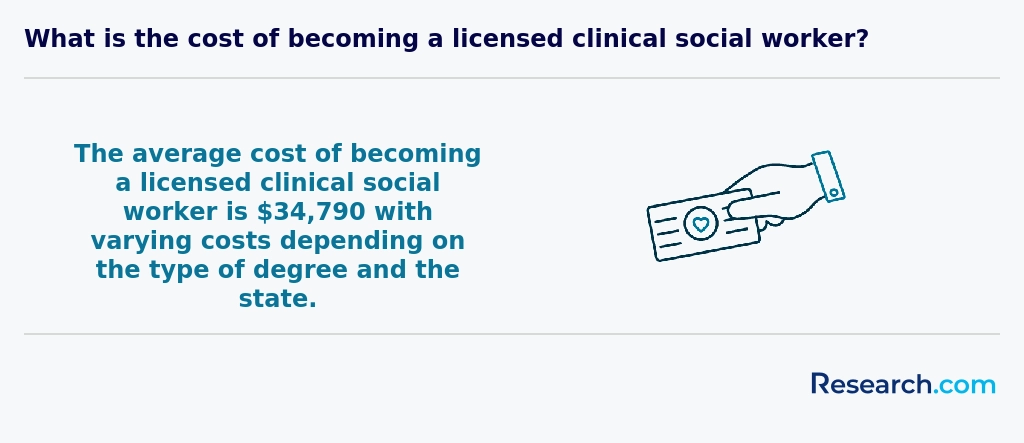
Licensure and Certification Requirements
Securing state licensure is essential for social work practice in Indiana. The Indiana Behavioral Health and Human Services Licensing Board oversees two main credentials:
- Licensed Social Worker (LSW): Requires a CSWE-accredited BSW or MSW, passing the ASWB Bachelors or Masters exam, and state registration.
- Licensed Clinical Social Worker (LCSW): Requires a CSWE-accredited MSW, 3,000 hours of post-master’s supervised clinical experience, and passing the ASWB Clinical exam.
Aspiring clinicians often pursue accelerated pathways in msw programs to streamline preparation for the LCSW track. Licenses must be renewed every two years with 30 hours of continuing education, including ethics and clinical practice updates.
What courses are typically in social work degree programs in Indiana?
Indiana's social work degree programs typically include courses that balance foundational theory with hands-on practice, preparing students to make a real difference in their communities. Graduates from popular schools like Indiana University and Ball State often describe how courses such as Introduction to Social Work and Human Behavior in the Social Environment helped them understand the complexities of client situations, from family dynamics to societal impacts.
Core classes like Social Welfare Policy allow students to explore real Indiana laws and policies, envisioning how they can advocate for change within the state. Research Methods courses equip students with skills to analyze data that directly informs evidence-based practice, which graduates recall using during internships at local social service agencies.
Field Practicum is especially praised for providing supervised, immersive experiences that foster confidence and empathy, turning classroom learning into impactful work in healthcare or child welfare settings. Electives tailored to mental health or substance abuse treatment let students personalize their education toward future trends in social work throughout Indiana's evolving social landscape.
What types of specializations are available in social work degree programs in Indiana?
Indiana's social work programs often feature a range of specializations designed to prepare students for evolving community needs. Graduates from Indiana State University and IUPUI commonly share how focusing on areas like Child and Family Welfare, Mental Health, or Healthcare Social Work helped them feel confident entering the workforce. These specializations allow them to support vulnerable populations, whether working in schools or hospitals. As the field expands, emerging trends suggest that social workers trained in Community and Policy Practice will play increasing roles in shaping equitable local policies across Indiana.
The appeal of these targeted tracks lies in their relevance to pressing social issues unique to Indiana, such as aging populations and mental health crises. Students appreciate how their chosen concentration enhances their practical skills and future career prospects. For those exploring career options with bachelors degrees in social work online, Indiana's programs provide a strong foundation to specialize thoughtfully, matching their passions with community demands.
The landscape of Indiana social work program concentrations is adapting rapidly, promising graduates not only fulfilling careers but also the ability to make meaningful impacts in diverse settings throughout the state.
How do you choose the best social work degree in Indiana?
Choosing the best social work degree in Indiana means anticipating how education fits into your future career and lifestyle. Graduates from Indiana University's social work programs often highlight the value of CSWE accreditation, which ensures their degree meets high national standards and opens doors to licensure. Many find that selecting a program with flexible online or hybrid options suits working adults balancing commitments while gaining essential field practicum experience.
Affordability shapes decisions too. Graduates from schools in Indianapolis appreciate programs that balance cost with strong support services and higher graduation rates, a vital consideration when looking at the array of affordable social work degrees Indiana offers. Exploring resources like the most affordable online social work degree programs can make professional training more accessible.
Finally, students envision building local connections through practicum opportunities in cities like Fort Wayne, where diverse social service environments enrich hands-on learning. Future social workers foresee these experiences as pivotal in launching meaningful careers that impact Indiana's communities directly.
What career paths are available for social work degree students in Indiana?
Graduates with a social work degree in Indiana find a dynamic range of career paths reflecting the state's evolving social challenges. Many pursue roles as licensed clinical social workers (LCSWs), providing therapy in hospitals or private practices, where they witness firsthand the impactful change they bring to mental health care. Others with a Bachelor of Social Work (BSW) engage as case managers or child welfare specialists, often inspired by experiences during internships at well-known Indiana universities. These graduates express fulfillment in supporting vulnerable families through the state's expanding child welfare initiatives.
Emerging jobs for social work degree holders in Indiana include school social workers fostering student well-being and healthcare social workers aiding patient recovery and adjustment. With Indiana's commitment to aging populations, gerontological social work is growing, offering rewarding roles in elder care. Many graduates also thrive in policy advocacy or nonprofit administration, shaping programs that address community needs. For those curious about cost considerations, exploring the Most Affordable Social Work Degree Programs Ranking in Louisville, KY can provide valuable guidance.
What is the job market for social work degree in Indiana?
Indiana's social work job opportunities continue to expand, particularly in healthcare, child welfare, and government agencies. Graduates from popular Indiana institutions often describe entering the workforce with confidence, drawn by steady demand in community-based roles and mental health services. Many find that obtaining advanced credentials such as Licensed Clinical Social Worker (LCSW) significantly boosts their career prospects and earning potential.
Working directly with vulnerable populations in settings like hospitals or social service organizations gives graduates a tangible sense of purpose. These experiences reflect broader state trends, where social workers earn a median wage near $48,000 and benefit from strong local demand. This dynamic creates a positive outlook for Indiana social work career outlook, motivating students to seek specialized training and certification.
Many emphasize how affordable tuition at Indiana's public universities enables them to manage costs effectively. Combined with financial aid and loan forgiveness programs for government or nonprofit roles, these factors make pursuing social work especially rewarding. For those interested in advancing further, exploring certifications that pay well could open doors to even greater opportunities.
Frequently Asked Questions About social work
Social work degree students in Indiana can maximize their learning experience by engaging deeply with both academic and practical opportunities. Indiana hosts multiple accredited social work programs, including those recognized by the Council on Social Work Education (CSWE), ensuring high educational standards. Students should take advantage of field placements and internships, which are often required components, to gain hands-on experience within communities facing diverse challenges.
Networking with local social service agencies, such as the Indiana Division of Mental Health and Addiction, provides valuable insights into state-specific policies and practices.
Additionally, staying informed about Indiana's social welfare statistics-like its ongoing efforts to improve child welfare services-helps students understand regional needs. Participating in workshops, seminars, and professional organizations such as the Indiana Chapter of the National Association of Social Workers can further enhance knowledge and career prospects.
Emerging niches within the social work field in Indiana reflect broader national trends, focusing on specialized areas to address developing community needs. One key growth area is gerontology, where social workers help Indiana's aging population manage healthcare, housing, and social services. According to the Indiana Department of Health, the state's population aged 65 and older is projected to increase by 35% by 2030, driving demand for expertise in elder care.
Another expanding niche involves behavioral health, particularly substance use disorder treatment. Indiana's ongoing efforts to combat opioid addiction create opportunities for social workers in integrated healthcare settings.
Additionally, digital social work methods, including teletherapy and online case management, are becoming vital due to increased access challenges in rural Indiana.
After completing a social work degree in Indiana, preparing for the job market involves several important steps. First, obtaining licensure is essential; most social work positions require at least the Licensed Social Worker (LSW) credential, which demands passing the Association of Social Work Boards (ASWB) exam.
Networking is also vital. Joining professional groups such as the Indiana Chapter of the National Association of Social Workers (NASW) helps graduates connect with employers and mentors. Indiana's Division of Mental Health and Addiction provides job listings and internship opportunities to gain practical experience.
Finally, developing strong communication and case management skills will enhance employability in Indiana's diverse social work settings, including healthcare, schools, and government agencies.
Employers in Indiana prioritize several key skills when hiring social work degree graduates. Strong communication abilities are essential, enabling professionals to effectively interact with clients from diverse backgrounds. Critical thinking and problem-solving skills help social workers address complex social issues and develop practical solutions.
Indiana's labor market emphasizes cultural competence due to its varied population, requiring graduates to understand and respect different cultural perspectives. According to the Indiana Department of Workforce Development, approximately 15% of social work roles require expertise in mental health counseling, highlighting the need for specialized knowledge.
Additionally, proficiency in case management and the ability to work collaboratively with community resources are highly valued skills in Indiana's social service sector.
Finding internships related to social work degrees in Indiana involves a strategic approach combined with local resources. Many accredited programs require field placements, so students should begin by consulting their school's internship office or social work department for approved agencies.
Indiana offers numerous social service organizations, including local government agencies, healthcare facilities, and nonprofits like the Indiana Chapter of the National Association of Social Workers (IN NASW), which often list internship opportunities.
Additionally, students can use the Indiana Department of Workforce Development's job portal, which sometimes features social work internships relevant to degree requirements.
Networking with professionals through state conferences can also open doors to placements.
Obtaining a social work degree in Indiana significantly enhances career mobility and advancement opportunities. According to the Bureau of Labor Statistics, Indiana employs over 10,000 social workers, with a projected growth rate of 12% through 2031, faster than average for all occupations. A degree, especially a Bachelor of Social Work (BSW) or Master of Social Work (MSW), is often required for licensure and increases eligibility for specialized roles in healthcare, child welfare, or mental health services.
Licensed social workers in Indiana typically earn higher salaries and have access to supervisory or administrative positions. The Indiana DCS and other agencies frequently prioritize candidates with accredited social work degrees for career advancement.
Studying for a social work degree in Indiana equips students with the skills necessary for interdisciplinary collaboration. Indiana programs emphasize practical training alongside theory, preparing students to work with professionals in healthcare, education, and law enforcement. According to the Indiana Professional Licensing Agency, nearly 70% of licensed social workers engage in roles requiring coordination with other service providers.
Curricula often include courses on clinical assessment, community resources, and ethics, fostering understanding across disciplines. Field placements in diverse settings, such as hospitals and schools, provide real-world experience. The Indiana Department of Workforce Development highlights that social workers with interdisciplinary skills are in higher demand, reflecting the state's growing integrated care initiatives.
Choosing between a thesis and a non-thesis social work degree program in Indiana depends largely on your career goals and learning preferences. Thesis options typically involve conducting original research and writing a substantial paper, ideal for students interested in clinical practice, academic careers, or pursuing a PhD. Non-thesis programs often emphasize practical skills and fieldwork, preparing students for direct social work roles in agencies and community settings. According to the Indiana University School of Social Work, about 60% of MSW students opt for non-thesis tracks, focusing on internships and applied learning.
Consider your time commitment as thesis programs usually require more research hours, which can extend graduation timelines. Additionally, check if your target employer or licensure board in Indiana values research experience, as requirements can vary. Reviewing curriculum details and speaking to advisors at local universities can provide clarity on what suits your professional path best.
Students based in Indiana who wish to study social work abroad have several pathways available through partnerships and exchange programs facilitated by their home universities. Many Indiana schools offering social work degrees participate in international programs that allow students to complete part of their coursework overseas, gaining global perspectives on social welfare.
The Council on Social Work Education (CSWE) accredits programs in Indiana, many of which emphasize international fieldwork options. Indiana University, for instance, supports study abroad experiences in countries like South Africa and Ireland, where students engage in community social work settings relevant to global challenges.
Participation in such programs often requires students to coordinate with academic advisors early, as international placements demand additional planning for licensure recognition and credit transfer. According to Indiana's Commission for Higher Education, about 15% of social work students in the state explore study abroad opportunities each year, highlighting growing interest in global social work education.
In Indiana, part-time job opportunities that complement social work degree education often involve roles in community support and healthcare settings. Positions such as case management assistant, behavioral health technician, or crisis hotline responder allow students to gain practical experience alongside their studies. These roles help develop skills in client communication, assessment, and intervention.
According to the Indiana Department of Workforce Development, the demand for social service aides is projected to grow by 9% through 2030, reflecting opportunities for students seeking relevant part-time work.
Local nonprofits and health agencies frequently offer positions fitting academic schedules, providing hands-on learning in areas like mental health and youth services.
Social work students in Indiana have access to various networking opportunities that enhance their education and career prospects. Universities such as Indiana University and Purdue offer student chapters of the National Association of Social Workers (NASW), which connect students with professionals and peers statewide. Joining these chapters provides access to conferences, workshops, and local events tailored to social work issues in Indiana.
Additionally, Indiana hosts regional NASW events that focus on state-specific challenges and policies, allowing students to engage with experienced practitioners and policymakers. Internship placements across social service agencies also foster networking, often leading to job referrals. According to the Indiana NASW chapter, over 70% of social workers find employment through professional connections made during their studies.
Alumni networks play a crucial role for social work degree students in Indiana by providing access to professional connections and mentorship opportunities. Graduates can connect with practitioners who understand the state's specific social service landscape, including local agencies and regulatory requirements. According to the Indiana University School of Social Work, active alumni networks help students secure internships and job placements, which is vital given Indiana's competitive social work job market.
These networks often organize events and workshops, offering students chances to learn about emerging trends and licensure requirements in Indiana. Furthermore, alumni support can enhance students' skills and confidence as they transition into the workforce.
Indiana offers several options to customize your social work degree program according to your career goals. Many universities provide concentrations or electives in areas such as clinical social work, child welfare, or community organizing. Choosing specific internships or field placements in agencies that align with your interests enhances practical experience and networking opportunities.
Additionally, some programs offer flexible scheduling, including online or part-time routes, enabling working professionals to balance coursework with employment. According to the Council on Social Work Education, Indiana schools maintain accreditation standards ensuring the curriculum is relevant to state workforce needs.
Customizing your program can also mean pursuing dual degrees or certifications, such as counseling or public administration, to broaden career prospects.
Social work students in Indiana often face several challenges during their academic journey. One primary issue is balancing rigorous coursework with field placements, which are mandatory for hands-on experience. These placements can be time-consuming and emotionally demanding, affecting students' well-being and academic performance.
Additionally, financial strain is common. Indiana ranks below the national average in terms of funding for public higher education, which means many students struggle with tuition costs and related expenses. According to the Indiana Commission for Higher Education, nearly 40% of social work students express concerns about debt.
Access to quality internships in rural areas also poses difficulties, limiting practical opportunities for some students. These challenges require flexibility and robust support systems to ensure student success.
With a social work degree in Indiana, graduates can pursue several professional certifications to advance their careers. The key certification is becoming a Licensed Social Worker (LSW), which requires a bachelor's or master's degree in social work and passing the ASWB (Association of Social Work Boards) exam. Indiana also offers the Licensed Clinical Social Worker (LCSW) credential for advanced practice, requiring a master's degree, supervised clinical experience, and a clinical exam.
Additional certifications include the Certified School Social Worker (CSSW) for work in educational settings and certifications in specialized areas like substance abuse or child welfare. These certifications enhance job prospects and are recognized nationally.
Applying for a social work program in Indiana requires careful preparation to stand out. Start by thoroughly researching accredited programs approved by the Council on Social Work Education (CSWE), as Indiana has several well-regarded schools, including Indiana University and Purdue University Global. Highlight your relevant experience, such as volunteer work or internships in community service, which is crucial for demonstrating commitment to social work values.
Include a strong personal statement that clearly explains why you want to pursue social work and how you plan to contribute to Indiana communities. Admissions committees often appreciate applicants who understand local social issues.
Maintain a competitive GPA, ideally above 3.0, and prepare solid letters of recommendation from professionals familiar with your dedication to social work.
The social work profession is widely recognized across the globe for its commitment to social justice, human rights, and improving well-being. In the United States, including Indiana, social workers often face challenges such as addressing poverty, mental health, and child welfare. Globally, social work adapts to diverse cultural and economic contexts while maintaining core ethical principles outlined by organizations like the International Federation of Social Workers.
Indiana reported over 17,000 active social workers in 2023, reflecting strong local demand aligned with national growth projections of 12% from 2022 to 2032 by the U.S. Bureau of Labor Statistics. This growth shows a shared global emphasis on professional social services.
Understanding global perspectives helps Indiana students appreciate how social work practices fit within international frameworks. Skills such as cultural competence and policy advocacy are increasingly important, given the interconnected nature of social issues worldwide.
Gaining practical experience while studying for a social work degree in Indiana is essential to develop professional skills and meet licensure requirements. Most accredited Indiana programs include supervised field placements or internships as a mandatory part of the curriculum. These opportunities take place in diverse settings such as hospitals, schools, government agencies, and nonprofit organizations.
Students typically complete between 400 and 900 hours of fieldwork during their degree, depending on the program and degree level. According to the Indiana University School of Social Work, around 85% of students secure placements through university partnerships, ensuring relevant and supervised practical experience.
Additionally, volunteering with local social service agencies can enhance hands-on learning and networking, supplementing formal internships and improving job prospects post-graduation.
Choosing the right concentration within a social work degree program in Indiana involves aligning your interests with local community needs and career goals. Indiana offers various specializations such as child welfare, healthcare, mental health, and gerontology. According to the Indiana Department of Workforce Development, demand for social workers in healthcare and child services is expected to grow by 12% through 2030.
Consider internships or field placements provided by Indiana universities, as practical experience helps clarify your preferred concentration. Additionally, research the licensure requirements specific to concentrations in Indiana, as they can vary by focus area. Exploring faculty expertise and alumni outcomes at Indiana schools can also inform your decision.
Related Social Work Rankings for Nearby States
- 2027 Best Social Work Degree Programs Ranking in Illinois
- 2027 Best Social Work Degree Programs Ranking in Kentucky
- 2027 Best Social Work Degree Programs Ranking in Missouri
- 2027 Best Social Work Degree Programs Ranking in Iowa
- 2027 Best Social Work Degree Programs Ranking in Minnesota
- 2027 Best Social Work Degree Programs Ranking in Arkansas
- 2027 Best Social Work Degree Programs Ranking in Georgia
- 2027 Best Social Work Degree Programs Ranking in Alabama
- 2027 Best Social Work Degree Programs Ranking in South Carolina
- 2027 Best Social Work Degree Programs Ranking in Louisiana
Top Trending Social Work Rankings
See What Experts Have To Say About Studying Social Work
Read our interview with Social Work experts

References
- Social Work Salaries - How Much Do Social Workers Make? https://www.onlinemswprograms.com/careers/social-worker-salaries/
- Global Definition of Social Work https://www.ifsw.org/what-is-social-work/global-definition-of-social-work/
- Social Worker (LCSW, MSW) Salary Guide By State https://socialworklicensemap.com/social-work-careers/social-work-salary/
- Study Social Work Abroad | Go Overseas https://www.gooverseas.com/study-abroad/social-work
- 10 Careers for Social Work Majors https://www.umassglobal.edu/blog-news/careers-for-social-work-majors
- Interdisciplinary Collaboration in Social Work and the ASWB Exam https://agentsofchangeprep.com/blog/interdisciplinary-collaboration-in-social-work-and-the-aswb-exam/
- Preparing For A Career In Social Work: Tips For New Graduates https://www.tripodpartners.com/career-advice/social-work/preparing-for-a-career-in-social-work-tips-for-new-graduates/
- 6 Ways Pacific Oaks College Prepares Social Workers To Support Children in the Real World - Voices Digital https://www.pacificoaks.edu/voices/from-the-magazine/6-ways-pacific-oaks-college-prepares-social-workers-to-support-children-in-the-real-world/
- Indiana Social Work Licence Requirements | Psychology.org https://www.psychology.org/social-work/licensure/indiana/
- Social Work News https://www.mysocialworknews.com/article/how-to-find-your-social-work-niche


