2027 Best Social Work Degree Programs Ranking in Missouri

Co-Founder and Chief Data Scientist
Choosing the right social work degree program in Missouri can shape your future career and personal growth. This article features the 2027 Best Social Work Degree Programs Ranking in Missouri, crafted by the Research.com team of data scientists to help you make an informed choice.
Discover programs that align with your goals and values, ensuring a meaningful education. Earning a social work degree opens doors to rewarding opportunities where you can make a real difference in communities and lives. Explore your options confidently and take a step closer to a fulfilling path.
Key benefits of getting social work degree in Missouri
- Graduates with a social work degree in Missouri can earn competitive salaries, with Social Workers making about $68,800 annually and Community Organizers or Youth Workers earning around $83,400 per year.
- A social work degree opens diverse career paths, including roles as Child Welfare Specialists, Residential Counselors, or Community Organizers, allowing graduates from Missouri colleges to find meaningful work that fits their passion for helping others.
- Completing a social work degree online from a Missouri university offers flexibility and convenience, making it easier to balance studies with family or work while gaining the same valuable skills as traditional programs.
- 2027 Best Social Work Degree Programs Ranking in Missouri
- What can I expect from social work degree in Missouri?
- Where can I work with social work degree in Missouri?
What can I expect from social work degree in Missouri?
If you're thinking about getting a social work degree in Missouri, you might be wondering about the cost. On average, tuition can really vary depending on whether you go to a public or private school. For example, at popular public universities like the University of Missouri, in-state students tend to pay less-typically around $8,000 to $12,000 per year. Many graduates mention that this makes it easier to manage their budget, especially if they're also working or have family commitments.
On the flip side, private colleges with strong social work programs might charge closer to $20,000 or more annually. While it's a bigger investment, lots of students find that the flexible part-time or online options offered help them juggle school with life, making the cost feel worthwhile. Plus, these programs usually come with valuable fieldwork placements that really prepare you for real-world social work in Missouri's communities.
So, the cost depends a lot on where you choose to study and how you balance your time, but many students find it doable and totally worth it for their future careers.
Where can I work with social work degree in Missouri?
If you're diving into a social work degree in Missouri, you've got a bunch of cool career paths waiting for you. Graduates from schools like the University of Missouri or Webster University often land jobs in hospitals or clinics, helping patients and their families navigate tough health stuff. Imagine supporting someone through a medical crisis or connecting them with community resources - it's pretty rewarding work.
Many grads also find meaningful roles in child welfare with the Missouri Department of Social Services. They're out there making a real difference, like placing kids in safe foster homes or helping families stay strong. Urban spots like St. Louis and Kansas City are buzzing with these opportunities.
School social work is another great option, where you get to be the supportive mentor for students facing challenges at school. Schools across Missouri, encouraged by the state's education department, are bringing more social workers on board every year.
Plus, there's work in mental health centers, correctional facilities, and nonprofits tackling homelessness and poverty. Most grads say working in these varied settings makes every day feel impactful and fulfilling.
- Missouri offers ASW, BSW, and MSW social work degrees, with many programs accredited by the CSWE.
- In-state undergraduate tuition at public universities ranges from $8,000 to $12,000 annually, while private schools charge $20,000 to $30,000 per year.
- Graduate MSW programs cost between $15,000 and $25,000 per year, not including fees, books, and living expenses.
- Entry-level social workers in Missouri earn around $40,000 to $45,000 annually, with experienced MSW holders earning $55,000 to $70,000.
- Social work employment in Missouri is projected to grow 8% over the next decade, driven by demand in mental health and healthcare sectors.
- Licensure in Missouri requires a graduate degree and supervised clinical experience for LMSW and LCSW credentials.
To navigate the financial aspects of pursuing a Social Work degree in Missouri, it's essential to explore affordable options that don't compromise on quality. Many prospective students find themselves weighing the costs and benefits of different programs, seeking a balance between affordability and the value of the education they will receive. For those on a budget, considering the cheapest social work programs in Missouri can be a strategic move. These programs, often offered by public universities or through online platforms, can provide a high-quality education at a lower cost. By opting for an affordable program, students can reduce their financial burden, allowing them to focus more on their studies and less on the economic strain of tuition fees. This approach can be particularly beneficial for those who are committed to pursuing a career in social work but may not have the financial resources to attend a more expensive institution. Ultimately, finding an affordable Social Work program in Missouri can be the first step towards a fulfilling and budget-friendly educational journey.
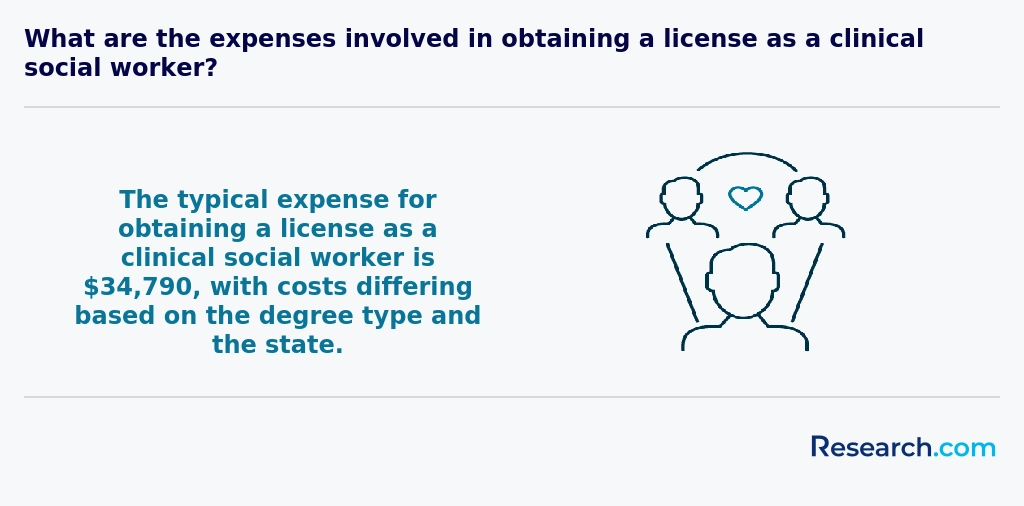
In Missouri, all social work practitioners must secure state licensure to provide professional services. The first credential is the Licensed Bachelor Social Worker (LBSW), which requires graduation from a CSWE-accredited BSW program, completion of at least 400 supervised practicum hours, and passage of the Association of Social Work Boards (ASWB) Bachelors Exam. Next, aspiring clinicians pursue the Licensed Master Social Worker (LMSW) by earning an MSW, logging 3,000 hours of supervised post-master’s practice, and passing the ASWB Master’s Exam. Finally, those aiming for independent clinical practice must obtain the Licensed Clinical Social Worker (LCSW) credential: after holding an LMSW, candidates complete an additional 2,000 hours of clinical supervision and pass the ASWB Clinical Exam. Missouri’s licensure board also mandates continuous professional development: social workers must renew their license every two years by submitting proof of at least 30 continuing education credits, including ethics and cultural competency modules. Maintaining membership in the National Association of Social Workers (NASW) or similar professional organizations often simplifies tracking these requirements and provides access to specialized training and networking. Navigating licensure pathways can be streamlined when students choose a program that aligns with state requirements from day one. Those exploring cost-effective options should review our curated list of affordable accredited bsw programs, each designed to satisfy Missouri’s educational prerequisites while minimizing debt. By understanding and planning for each licensure stage early, graduates can transition seamlessly from capstone fieldwork to fully licensed practice, ensuring they meet employer expectations and deliver high-quality care.
If you're thinking about getting a social work degree in Missouri, the average cost can feel like a big question mark. On average, students pay around $14,837 for in-state tuition, while out-of-state learners might see that number jump up to about $38,073. Those numbers include not just tuition but the full cost of the degree, which really helps you plan your budget without surprises.
Graduates from some well-known Missouri universities often share how paying in-state tuition really eased their stress, letting them focus on building skills rather than worrying about loans. Meanwhile, students who came from out of state remember juggling expenses more carefully but feeling that the education was worth every penny because of the reputation of the programs.
When exploring your options, remember the cheapest social work programs in Missouri are an excellent starting point to save money without compromising quality. Missouri social work degree tuition fees can seem high at private colleges, often winding up well over $30,000, but state schools offer great value by keeping costs manageable.
Books, supplies, and other fees add up too, so it's smart to factor in an extra $1,500 to $3,000 a year in expenses. Many students find scholarships and financial aid that really lighten the load, making it possible to get a solid social work education right here in Missouri without breaking the bank.
Understanding the pathway to becoming a licensed social worker in Missouri is essential for students planning their education and career. Here’s what you need to know: Overview of Social Work Licensure Missouri offers three primary licenses: Licensed Bachelor Social Worker (LBSW), Licensed Master’s Social Worker (LMSW), and Licensed Clinical Social Worker (LCSW). Each level has specific education, supervised experience, and examination requirements administered by the Missouri Committee for Social Workers. Licensed Bachelor Social Worker (LBSW)
- Education: Bachelor’s degree in social work from a CSWE-accredited program.
- Supervision: No post‐degree supervised hours required.
- Exam: Pass the ASWB Bachelor’s exam.
- Scope: Provides case management, community outreach, and support under LMSW/LCSW supervision. Licensed Master’s Social Worker (LMSW)
- Education: Master’s degree in social work from a CSWE-accredited program.
- Supervision: No additional supervised hours required before initial licensure.
- Exam: Pass the ASWB Master’s exam.
- Scope: Can practice independently in non‐clinical settings and pursue LCSW clinical supervision. Licensed Clinical Social Worker (LCSW)
- Education: CSWE-accredited MSW program.
- Supervision: 3,000 hours of post-master’s clinical supervision over at least 24 months.
- Exam: Pass the ASWB Clinical exam.
- Scope: Diagnose and treat mental health disorders, provide psychotherapy, and bill insurance. Renewal and Continuing Education
- Renewal Cycle: Every two years.
- CE Credits: 30 hours per cycle, including ethics and diversity training.
- Reporting: Submit documentation and fees through the Missouri Division of Professional Registration. For those comparing program costs or seeking budget-friendly options in the Midwest, explore Affordable Social Work Degree Programs Ranking in Illinois to inform your decision.
To practice social work in Missouri, graduates must secure state licensure through the Missouri Division of Professional Registration. Key steps include:
- Earn a CSWE-accredited degree (BSW for Licensed Social Worker, MSW for Licensed Clinical Social Worker).
- Complete supervised field hours (minimum 3,000 hours post-MSW for clinical licensure).
- Pass the appropriate ASWB exam (bachelor’s level for LSW, clinical level for LCSW).
- Submit an application, background check, and fee to the Missouri Board of Social Work.
- Maintain licensure with continuing education (30 hours every two years).
For advanced clinical roles, explore specialized msw programs designed to meet Missouri’s certification requirements.
If you're thinking about diving into a social work degree in Missouri, getting your basics right is key. For a Bachelor of Social Work (BSW), most schools want to see that you've got your high school diploma and did well in classes like English, psychology, or sociology. Imagine a student at one of Missouri's popular universities who found that having these courses under their belt made the transition way smoother when starting the social work program.
Now, if you're looking at a Master of Social Work (MSW), you'll need a bachelor's degree first-ideally in social work or something similar like psychology. Graduates from Missouri colleges often say submitting official transcripts with a solid GPA around 3.0, letters of recommendation, and a personal statement really helped them stand out. Plus, having some volunteer or work experience in social services can boost your application big time.
Many schools, like well-known Missouri universities, might also ask for interviews or admission tests. This really helps them get a feel for your passion and readiness. Knowing these steps upfront takes some stress away and makes you feel more confident about your social work journey.
For many emerging social work professionals in Missouri, understanding the process to achieve licensure and certification is a critical next step after completing their degree. Graduates are required to pass the nationally recognized Association of Social Work Boards (ASWB) exam, and they should plan on reviewing state-specific requirements that might include additional coursework or field experience hours. Institutions often integrate exam preparation and practical training in their curriculum to better position students for this important transition. Moreover, staying current with continuing education and professional development opportunities will help maintain licensure over time. For those looking for flexible education options that can align with licensure preparation, exploring online bachelors degrees in social work benefits can be a valuable avenue. By ensuring all certification prerequisites are met, graduates not only boost their employability but also equip themselves to make a significant impact within organizations and communities across Missouri.
When picking the best social work degree programs Missouri has to offer, a big deal is making sure the program is CSWE-accredited. Graduates from places like the University of Missouri often share how this accreditation helped them get licensed easily since Missouri's Division of Professional Registration requires it for roles like Licensed Baccalaureate Social Worker (LBSW). Another thing to keep in mind is affordability-public schools around here usually hover near $9,500 a year for in-state, but private ones can go way higher. Some grads mention how scholarships and financial aid made a huge difference, especially when juggling work and study.
Scheduling flexibility matters too. Many social work students love how Missouri State University offers part-time or online options, fitting nicely with busy lives. You'll want to find a program with solid fieldwork, because hands-on experience is what really pulls everything together. If you're worried about costs, definitely check out this list of affordable accredited bsw programs. It's super helpful when trying to balance quality and price during your search.
Also, don't forget to think about the local job market-you're aiming for a career in Missouri, so programs that connect students with local agencies or internships give you a real leg up. Many grads from Missouri colleges say these partnerships made finding a job after graduation way less stressful.
2027 Best Social Work Degree Programs Ranking in Missouri
Investing in your education is a significant decision that can shape your future, and the Research.com team understands the importance of making informed choices. To assist prospective students in Missouri, we have meticulously crafted the "2027 Best Social Work Degree Programs Ranking in Missouri." Our commitment to quality, credibility, and accuracy is reflected in the extensive research and analysis conducted to compile this ranking.
We utilized the following reputable data sources to ensure a comprehensive evaluation of social work programs:
By exploring this ranking, readers will gain valuable insights into the best social work degree programs available in Missouri, helping them make informed decisions about their educational paths. For more details on our methodology, please visit our Research.com methodology page.


Frequently Asked Questions About social work
Social work degree students in Missouri can maximize their learning experience by engaging actively in field placements. Missouri mandates at least 400 hours of supervised practicum for Bachelor of Social Work (BSW) programs, offering hands-on exposure in diverse settings such as healthcare, schools, and community agencies (Council on Social Work Education, 2023).
Students should also seek out professional organizations like the Missouri Chapter of the National Association of Social Workers. Membership provides networking, workshops, and updated state-specific industry insights.
Finally, combining coursework with continuing education opportunities and certifications in specialties like child welfare or substance abuse enhances practical skills, increasing employability in Missouri's growing social service sector.
Emerging niches within the social work field in Missouri reflect broader national trends, with specialized areas gaining importance. One growing niche is healthcare social work, where professionals support patients navigating complex medical systems. This is crucial in Missouri, a state with significant rural populations facing unique health challenges. Another expanding area is behavioral health social work, focusing on mental health and substance abuse treatment. Additionally, child welfare social work continues to evolve, driven by state initiatives tackling family stability and child protection.
Technology integration also creates new roles, such as tele-social work, enabling remote client support. According to the Missouri Department of Social Services, demand for these specialties is increasing steadily, reflecting a need for adaptable, skilled practitioners. These niches offer valuable opportunities for future social workers in Missouri.
After earning a social work degree in Missouri, preparing for the job market involves several practical steps. Graduates should pursue licensure through the Missouri Committee for Social Work Examiners, which requires passing the ASWB exam. Licensure enhances job prospects and is often mandatory for clinical roles. Gaining experience through internships or volunteer work within Missouri's diverse health and social service agencies helps build a strong resume.
The Missouri Economic Research and Information Center projects steady growth in social work jobs statewide through 2030, especially in healthcare and child welfare sectors. Networking with local professionals and joining the Missouri chapter of the National Association of Social Workers can provide valuable connections and job leads.
Employers in Missouri value social work graduates who demonstrate strong communication skills. The ability to effectively engage with clients from diverse backgrounds is critical in addressing the needs of various populations. According to the Missouri Department of Social Services, cultural competence and empathy are essential skills for successful social workers in the state.
Analytical skills and critical thinking are also highly sought after. Graduates must assess client situations accurately and develop appropriate intervention plans. Knowledge of state and federal social welfare policies is important to navigate resources efficiently.
Additionally, organizational skills and the capacity to manage documentation meticulously play a significant role in professional success. As reported by the Bureau of Labor Statistics, Missouri expects a steady growth in social work jobs, increasing demand for qualified individuals proficient in case management.
Finding internships relevant to a social work degree in Missouri involves several practical steps. Start by consulting your university's social work department, as many Missouri schools, including the University of Missouri, have established partnerships with local agencies.
The Missouri Department of Social Services offers internship opportunities within various divisions, such as child welfare and mental health. Checking their official website can provide updated openings and application procedures.
Professional organizations like the Missouri chapter of the National Association of Social Workers (NASW) also maintain internship listings and networking events that can connect students with field placements.
Additionally, local hospitals, non-profits, and community service organizations in cities like St. Louis and Kansas City frequently seek social work interns. Early application and clear communication with potential sites enhance the chances of securing positions.
A social work degree in Missouri significantly enhances career mobility and advancement opportunities. According to the Missouri Department of Social Services, individuals with a Bachelor of Social Work (BSW) or Master of Social Work (MSW) are more likely to secure positions with higher responsibility and better salaries. Employers in healthcare, education, and government sectors highly value these credentials for specialized roles.
The Missouri State Board for Social Work requires licensure for clinical practice, which is achievable with an MSW and supervised experience. Licensed social workers often access leadership positions and advanced clinical roles, contributing to upward career trajectories.
The U.S. Bureau of Labor Statistics projects a 10% growth for social workers in Missouri through 2031, reflecting rising demand for qualified professionals able to fill diverse roles across the state.
Studying for a social work degree in Missouri equips students with skills tailored to interdisciplinary collaboration. Degree programs emphasize teamwork across healthcare, education, and criminal justice sectors. This approach reflects Missouri's growing demand for professionals who navigate complex social systems, as highlighted by the Missouri Department of Social Services.
Curricula integrate courses on ethics, policy, and community health, fostering a broad understanding of related fields. Practical components, such as internships, often place students in settings alongside nurses, educators, or law enforcement. According to the Council on Social Work Education, Missouri schools meet national standards that prepare graduates for diverse professional environments.
Overall, Missouri's social work education prepares students to effectively address multifaceted social issues through collaborative, interdisciplinary methods.
When choosing between a thesis and a non-thesis social work degree program in Missouri, consider your career goals and learning preferences. Thesis programs typically involve conducting original research and writing a comprehensive paper. This path suits students interested in academic careers, research, or advanced graduate study.
Non-thesis programs focus more on practical skills and coursework, often including internships or fieldwork. They are ideal for students seeking direct entry into social work practice or professional licensing.
In Missouri, the Council on Social Work Education (CSWE) accredits programs ensuring quality standards. Most social work graduates in Missouri pursue licensure as Licensed Certified Social Workers (LCSW), which may not require a thesis but benefits from practical experience.
Understanding these differences can help prospective students align their education with professional requirements and personal ambitions.
Students in Missouri pursuing social work degrees have increasing opportunities to study abroad through established partnerships and exchange programs offered by their universities. Many Missouri schools with accredited social work programs, such as the University of Missouri and Saint Louis University, participate in global collaboration networks that include countries in Europe, Latin America, and Asia.
Studying abroad often involves completing field internships overseas, allowing students to gain practical experience in diverse social work settings. The Council on Social Work Education (CSWE) supports international education standards, helping Missouri students access quality global programs.
Financial aid and scholarships specific to study abroad in social work may be available through university programs or organizations like the Bureau of Educational and Cultural Affairs.
Students pursuing social work degrees in Missouri can benefit from various part-time job opportunities that enhance their education and practical skills. Positions such as behavioral health technician, case aide, or residential counselor offer hands-on experience working with diverse populations. These roles often involve support in mental health facilities, schools, or community organizations, providing valuable exposure to social work principles.
Missouri's Department of Social Services highlights that internships and part-time roles in child welfare agencies also offer critical field experience aligned with degree requirements. According to the Bureau of Labor Statistics, social work-related jobs in Missouri are expected to grow by 10% through 2031, encouraging job seekers to gain relevant experience early.
Additionally, volunteer work at nonprofits or crisis centers can complement academic learning while expanding professional networks. Such involvement helps students develop key skills in client advocacy and case management vital for future licensure and employment.
Social work students in Missouri benefit from a variety of networking opportunities that support their academic and professional growth. Universities such as the University of Missouri and Saint Louis University offer active social work clubs and organizations where students connect with peers and professionals. Statewide, the Missouri Chapter of the National Association of Social Workers (NASW-MO) provides events, workshops, and conferences tailored to students and early-career social workers.
Participation in internships and field placements, often coordinated through university programs, connects students with local agencies and nonprofits. According to NASW-MO, nearly 70% of social work students secure employment through networks developed during their education. These connections foster mentorship and job placement in Missouri's diverse communities.
Alumni networks play a crucial role for social work degree students in Missouri by offering valuable connections within the field. Graduates can access mentorship opportunities from experienced professionals, which helps with career guidance and skill development.
These networks often provide exclusive job listings and internship information tailored to Missouri's social service sector. According to the Missouri Department of Social Services, strong professional networks increase placement success for social work graduates by up to 30%.
Furthermore, alumni groups frequently host events, workshops, and continuing education sessions, enhancing students' knowledge of regional policies and community needs. This localized support helps students transition smoothly from academia to practice in Missouri's diverse social work landscape.
In Missouri, students can tailor their social work degree programs to align with their specific career goals by choosing electives, specializations, and field placements. Many accredited programs offer concentrations such as clinical social work, child and family services, or community development. This customization is vital, as the Missouri Department of Social Services highlights the growing need for specialized social workers in healthcare and child welfare sectors.
Internship opportunities allow practical experience in diverse settings like schools, hospitals, or government agencies, helping students build relevant skills. Missouri's licensing requirements also encourage alignment with career objectives by offering clear pathways for clinical or advanced practice licensure after graduation. Prospective students should review curriculum options and speak with program advisors to ensure their education fits their ambitions.
Social work students in Missouri often face several challenges during their studies. One common difficulty is managing the demanding fieldwork requirements, which include hundreds of practicum hours needed for graduation. These placements sometimes offer limited flexibility, making it hard to balance coursework, work, and personal life.
Financial concerns also present a significant obstacle. According to the Missouri Department of Higher Education, the average tuition for social work programs can strain many students' budgets, especially when combined with unpaid internships.
Mental health and emotional resilience are additional challenges. The nature of social work exposes students to sensitive issues, requiring strong coping skills and ongoing support.
Finally, students report navigating complex licensing requirements after graduation, which involve passing the ASWB exam and meeting Missouri's specific criteria for clinical practice.
With a social work degree in Missouri, you can pursue several professional certifications that enhance your career opportunities. Most notably, the Licensed Certified Social Worker (LCSW) credential is highly respected and often required for advanced clinical practice. To become an LCSW, candidates must complete a Master's in Social Work (MSW), accumulate supervised experience, and pass the Association of Social Work Boards (ASWB) clinical exam.
Other certifications include Licensed Bachelor Social Worker (LBSW) and Licensed Master Social Worker (LMSW), which cater to various levels of practice. The Missouri Division of Professional Registration oversees these licenses, ensuring standards match national requirements.
Certification significantly improves job prospects in social services, healthcare, and school settings across Missouri, where social work employment is projected to grow by 7% through 2030, per the Bureau of Labor Statistics.
To write a winning application for a social work program in Missouri, start by thoroughly researching each school's admissions criteria. Highlight relevant volunteer or work experience, as Missouri programs often seek candidates with demonstrated commitment to community service.
Strong letters of recommendation from professionals who can attest to your interpersonal skills and dedication are crucial. Missouri's Department of Social Services notes that practical experience considerably strengthens an application.
Be clear and concise in your personal statement, focusing on your motivation for social work and how you plan to contribute to Missouri communities. Include specific examples that align with current social issues in the state.
Finally, ensure your academic records meet program requirements, as many Missouri programs require a minimum GPA of 3.0 for admission into their Bachelor's or Master's social work degrees.
Social work as a career holds significance not only in Missouri but globally, emphasizing social justice, human rights, and community well-being. While social work education in the US, including Missouri, follows standards set by the Council on Social Work Education (CSWE), many countries align with similar core principles though specific practices vary. Globally, social workers address issues like poverty, health disparities, and child welfare, reflecting a shared commitment to vulnerable populations.
In Missouri, the demand for social workers is projected to grow by 13% from 2020 to 2030, faster than average, according to the U.S. Bureau of Labor Statistics. This trend echoes global increases in social service needs driven by aging populations and economic challenges.
International collaborations and exchanges have enriched Missouri's social work programs, providing students with broader cultural awareness and practical skills applicable worldwide. Understanding these global perspectives prepares graduates to work effectively within diverse communities, both locally and abroad.
Gaining practical experience is essential while studying for a social work degree in Missouri. Most accredited programs require students to complete field placements or internships. These opportunities allow students to work directly with clients under professional supervision, providing hands-on experience in areas like child welfare, healthcare, or mental health.
Missouri universities often partner with local agencies such as the Department of Social Services or nonprofit organizations to offer these placements. According to the Council on Social Work Education, students typically complete 400 to 900 hours of fieldwork, depending on degree level.
Additionally, volunteering with community groups or joining student social work organizations can further enrich practical learning.
Choosing the right concentration within a social work degree program in Missouri requires consideration of your career goals and the local job market. Common specializations include clinical social work, school social work, and family services. According to the Missouri Department of Social Services, demand is growing for social workers in mental health and child welfare sectors.
Explore programs accredited by the Council on Social Work Education (CSWE) as they ensure quality education and better licensure prospects. Missouri offers licensure as a Licensed Master Social Worker (LMSW) or Licensed Clinical Social Worker (LCSW), which may influence your concentration choice.
Research field placement opportunities in your preferred area to gain relevant experience before graduation, and consider faculty expertise when selecting a program.
- 2027 Best Social Work Degree Programs Ranking in Kansas
- 2027 Best Social Work Degree Programs Ranking in Iowa
- 2027 Best Social Work Degree Programs Ranking in Arkansas
- 2027 Best Social Work Degree Programs Ranking in Illinois
- 2027 Best Social Work Degree Programs Ranking in Kentucky
- 2027 Best Social Work Degree Programs Ranking in Indiana
- 2027 Best Social Work Degree Programs Ranking in Minnesota
- 2027 Best Social Work Degree Programs Ranking in Colorado
- 2027 Best Social Work Degree Programs Ranking in Louisiana
- 2027 Best Social Work Degree Programs Ranking in Alabama
See What Experts Have To Say About Studying Social Work
Read our interview with Social Work experts

- Grand Challenges for Social Work https://grandchallengesforsocialwork.org/
- Become a Social Worker in Missouri https://socialworklicensemap.com/social-work-licensure/become-a-social-worker-in-missouri/
- Guide to Careers in Social Work https://www.onlinemswprograms.com/careers/
- How to Overcome the Top Challenges Social Workers Face https://www.pacificoaks.edu/voices/social-work/social-work-challenges/
- Social work certificates | edX https://www.edx.org/certificates/social-work-certificates
- My social work journey: from experience to practice https://socialworkwithadults.blog.gov.uk/2023/09/26/my-social-work-journey-from-experience-to-practice/
- 1+ Social Worker Cover Letter Examples (with In-Depth Guidance) https://www.tealhq.com/cover-letter-examples/social-worker
- Considering a Career inSchool Social Work? https://www.sswam.org/Careers
- Global Perspectives in Social Work https://www.gu.se/en/study-in-gothenburg/exchange-student/courses/sw1118
- Web Exclusive https://www.socialworktoday.com/archive/exc_081823.shtml