
2027 Most Valuable Social Work Degree Programs Ranking in Pennsylvania

Co-Founder and Chief Data Scientist
Choosing the right social work degree program in Pennsylvania can shape your future career and impact countless lives. This article introduces the 2027 Most Valuable Social Work Degree Programs Ranking in Pennsylvania, carefully developed by the Research.com team of data scientists.
Our goal is to help you make an informed decision by highlighting programs that offer the best value and opportunities. Pursuing a social work degree is rewarding, opening paths to meaningful work that makes a real difference in communities. Let's explore the top programs together.
Key benefits of getting social work degree in Pennsylvania
- Salary for social work degree graduates: Graduates in Pennsylvania can expect competitive salaries, such as $68,800 annually for Social Workers and $59,190 for Child Welfare Specialists and Residential Counselors, offering financial stability in rewarding roles.
- Potential career paths: A social work degree from a Pennsylvania university opens diverse opportunities, from community organizing to youth work, helping you make a meaningful impact in different community settings.
- Benefits of online degrees: Earning your social work degree online provides flexibility and convenience, allowing you to balance studies with work or family while gaining the skills needed to succeed in Pennsylvania's job market.
- 2027 Most Valuable Social Work Degree Programs Ranking in Pennsylvania
- What can I expect from social work degree in Pennsylvania?
- Where can I work with social work degree in Pennsylvania?
What can I expect from social work degree in Pennsylvania?
The average cost of earning a social work degree in Pennsylvania can vary quite a bit depending on where you study. If you choose a public university like Temple University or the University of Pittsburgh, you'll likely find tuition more affordable, especially if you're a state resident. Graduates often mention feeling relieved about this because it makes pursuing their passion for social work less stressful financially.
On the other hand, private schools in Pennsylvania, like the University of Pennsylvania, tend to have higher tuition fees. But many students find that scholarships and financial aid specifically for social work make a big difference, helping them cover costs without piling up too much debt.
One common experience graduates share is how money worries ease once they start receiving financial support and know the program offers real-world internships or fieldwork that prepares them for meaningful jobs. This hands-on experience is priceless, giving you confidence and connections while keeping education expenses manageable.
Where can I work with social work degree in Pennsylvania?
If you're studying social work in Pennsylvania, you've got a bunch of cool options when it comes to jobs. Graduates from places like the University of Pennsylvania or Temple University often find themselves working in hospitals, helping patients and their families navigate tough health challenges. It's a rewarding spot, especially if you enjoy making a real difference in people's lives during difficult times.
Others dive into child welfare, joining agencies that support kids in foster care or help with adoption programs. Imagine working in Philadelphia or Pittsburgh, where you get to protect vulnerable children and support families-that's exactly what many social work grads love about their roles.
Schools are another hotspot. Many grads from universities all around the state land jobs as school social workers, helping students handle tricky situations and improving their mental wellbeing. It's a role full of heart and impact, especially in communities that really need that extra support.
Plus, community centers and nonprofits offer roles assisting folks with housing, addiction, or homelessness-perfect if you want to be out there advocating and connecting people to important resources.
Lots of grads also find meaningful work in correctional facilities or criminal justice programs, guiding people through reentry and rehabilitation. Pennsylvania's social work scene is diverse, and this mix of settings means you can find a career that really fits your passion.
- Pennsylvania offers accredited social work programs at both bachelor's (BSW) and master's (MSW) levels, following standards set by the Council on Social Work Education (CSWE).
- In-state tuition for public bachelor's programs ranges from $7,000 to $12,000 per year, while private institutions charge between $20,000 and $30,000 annually.
- Graduate MSW programs typically cost between $15,000 and $30,000 per year, excluding living expenses and extra fees.
- Entry-level social workers in Pennsylvania earn about $50,000 annually, with experienced professionals making $70,000 or more.
- The state requires social workers to be licensed through the State Board, which involves completing an accredited degree, supervised experience, and passing an exam.
- Job growth for social workers in Pennsylvania is projected to grow by 10% or more through 2030.
In Pennsylvania, social work graduates must obtain state licensure to practice professionally. Understanding these requirements early ensures a smooth transition from academia to the field. 1. Accredited Education • Must hold a BSW or MSW from a CSWE-accredited program. • Ensure coursework aligns with PA’s core competencies in ethics, diversity, and clinical practice. 2. ASWB Examination • Bachelor’s-level graduates sit for the ASWB Bachelor’s exam to become Licensed Social Workers (LSW). • Master’s-level graduates pass the ASWB Clinical exam to earn the Licensed Clinical Social Worker (LCSW) credential. 3. Supervised Practice • LCSW candidates complete at least 2,000 hours of supervised clinical experience over a minimum of two years. • Supervision must be provided by a PA-licensed LCSW or psychologist. 4. Application and Fees • Submit an online application to the Pennsylvania State Board of Social Workers, Marriage and Family Therapists, and Professional Counselors. • Pay required fees (currently $42 exam fee; $115 application fee; subject to change). 5. Continuing Education and Renewal • LSW/LCSW licenses renew every two years. • Complete 30 continuing education credits, including 3 credits in ethics. For comparisons on online affordability and program value, prospective students may also review our Affordable Online Social Work Degree Programs Ranking in California.
Accelerated online Master of Social Work (MSW) programs offer a unique blend of flexibility, efficiency, and rigorous academic training that can be especially beneficial for working professionals and those seeking to advance their careers quickly. These programs are designed to deliver the same high-quality curriculum as traditional, on-campus programs while allowing you to complete your degree in a shorter time frame. By integrating comprehensive coursework with real-world field experiences, accelerated online MSW programs ensure you build the essential skills needed to excel in the rapidly evolving field of social work. Students benefit from the ability to balance professional responsibilities or family obligations with studies, all without sacrificing the depth of learning required for successful practice. Many programs use innovative blended learning techniques and virtual simulations to mimic on-site experiences, allowing you to gain hands-on experience in a flexible environment. Additionally, these programs frequently offer dedicated support services, from career counseling to networking opportunities, which help pave the way for post-graduate success. For those exploring online educational pathways, it is worthwhile to consider options like msw programs online that are tailored to meet modern challenges in social work while accelerating the journey from education to employment. This streamlined approach not only reduces the time to enter the workforce but also helps meet the growing demand for qualified social workers capable of making an immediate impact.
When thinking about the average social work degree cost Pennsylvania students can expect, most grads share that the total price tags hover around $35,000 if you're in-state. For those coming from out-of-state, the cost usually bumps up closer to $52,000. It's a familiar story among folks who finish programs at well-known places like Temple University or Pennsylvania State University. They often mention feeling both excited and a bit nervous about investing in their future, but many say it's totally worth it given the quality of education and opportunities afterward.
Students at private colleges like the University of Pennsylvania might see higher price points, but many have found that financial aid and scholarships help ease the load. Plus, you'll hear from alumni who felt supported by the financial aid process there, making it easier to focus on coursework and field experience instead of money stress. These experiences perfectly highlight how important it is to know the total cost social work degree programs PA students face and plan accordingly.
Don't forget the extra expenses, either-things like books, fees, and living costs can add up to an additional $12,000 to $15,000 a year. Thankfully, programs and agencies like the Pennsylvania Higher Education Assistance Agency offer state grants that can really lower what you owe. If affordability is a concern, check out the affordable social work schools in Pennsylvania to find options that fit your budget while still providing a solid education.
In Pennsylvania, earning the appropriate license is essential for practicing social work and advancing your career. There are two primary credentials: the Licensed Social Worker (LSW) and the Licensed Clinical Social Worker (LCSW). To become an LSW, candidates must:
- Hold a Bachelor of Social Work (BSW) or Master of Social Work (MSW) degree from a CSWE-accredited program.
- Pass the ASWB Bachelor’s exam.
- Submit an application and fee to the Pennsylvania State Board of Social Workers, Marriage and Family Therapists, and Professional Counselors. For the LCSW credential, requirements include:
- Completion of an MSW from a CSWE-accredited institution.
- Accumulation of at least 3,000 hours of supervised clinical practice under an LCSW supervisor.
- Passing the ASWB Clinical exam. Continuing education is mandatory: licensees must complete 30 hours of approved coursework every two years, including ethics and cultural competence modules. Specialized roles-such as School Social Worker or Gerontological Social Worker-may require additional endorsements or certifications through the State Board. Advanced practitioners seeking leadership, research, or teaching positions often pursue doctoral education. Those interested in cost-effective online doctorate pathways can explore the cheapest doctorate in social work online to align with both budget and career goals. Successfully navigating these licensing and certification steps ensures credibility, enhances professional mobility, and underscores your commitment to ethical, high-quality care.
For students like Emily, who are eager to pursue a career in social work but are concerned about the financial implications, it's essential to explore affordable options. One crucial step in making an informed decision is to research and compare the costs of different social work programs in Pennsylvania. By considering factors such as tuition fees, additional costs, and financial aid options, prospective students can find a program that fits their budget. For instance, looking into affordable social work schools in Pennsylvania can provide valuable insights into institutions that offer quality education at a lower cost. This preliminary research can help aspiring social workers navigate the complexities of higher education financing and make a more informed decision about their educational pathway.
Jumping into a social work degree program in Pennsylvania usually starts with some straightforward prerequisites. If you're going for a Bachelor of Social Work (BSW), most schools like Temple University or the University of Pittsburgh expect you to have a high school diploma or GED and a decent GPA-around a 2.5 or higher. A few grads mention how submitting official transcripts and sometimes test scores felt like a breeze once they had their paperwork in order.
Some schools might ask for SAT or ACT scores, but many have eased up on this lately, keeping things flexible. Having some volunteer work or community experience can really boost your application too-even if it's not a must-have. It's like showing you're already passionate about helping people.
For those aiming for a Master of Social Work (MSW), most universities require a bachelor's degree first, but it doesn't always have to be in social work. Many grads from places like West Chester University say writing a personal statement and providing references really helped them express why social work matters to them. Plus, background checks and immunization records are part of the deal to keep everyone safe during fieldwork.
To practice as a social worker in Pennsylvania, you must meet state licensure criteria that ensure competence and ethical standards.
- Education:
- For Licensed Social Worker (LSW): earn a CSWE-accredited BSW.
- For Licensed Clinical Social Worker (LCSW): complete a CSWE-accredited MSW or consider an online msw option.
- Supervised Practice:
- LSW applicants need 2,000 hours of post-degree supervised experience.
- LCSW applicants require 3,000 hours under qualified supervision.
- Examination:
- Pass the ASWB Associate Exam for LSW.
- Pass the ASWB Clinical Exam for LCSW.
- Application:
- Submit official transcripts, supervision verification, and exam scores to the PA State Board.
- Renewal & Continuing Education:
- Renew every two years.
- Complete 30 hours of approved continuing education per cycle, including ethics and cultural competence.
Trying to find the best social work degree programs Pennsylvania has can feel overwhelming, but focusing on a few key things helps. Many grads from well-known schools here say checking that the program is CSWE-accredited is a must-this guarantees you're learning from a solid program that supports licensure in PA. Deciding between a BSW or MSW is another big step. If you're just starting out, a BSW gives great foundational skills, but for those aiming at clinical roles or specialized fields like counseling, an MSW is the way to go.
Costs can vary wildly-some graduates shared that public colleges here charge around $10,000-$15,000 yearly for in-state tuition, while private schools can be a lot more. So, it's smart to compare tuition and financial aid to find affordable social work colleges in Pennsylvania that won't break the bank. Flexibility matters too! Evening classes or online options really helped students juggling work or family, plus getting local practicum spots makes theory real and ensures you meet PA's practical requirements.
If you're considering how to keep going after your master's, a few grads mentioned checking out the cheapest doctorate in social work online options to keep advancing without stopping life. Lastly, picking a school with a solid rep was something lots of successful grads pointed out-they found better jobs afterward and felt proud to be part of a respected program here.
2027 Most Valuable Social Work Degree Programs Ranking in Pennsylvania
Investing in your education is a significant decision that can shape your future, and the Research.com team understands the importance of making informed choices. To assist prospective students in Pennsylvania, we have meticulously created the "2027 Most Valuable Social Work Degree Programs Ranking in Pennsylvania." Our commitment to quality, credibility, and accuracy is reflected in the extensive research and analysis behind this ranking.
We utilized the following reputable data sources to ensure a comprehensive evaluation of social work programs:
By exploring this ranking, readers will gain valuable insights to help identify the most valuable social work degree programs in Pennsylvania, supporting informed educational decisions. For more information on how we created this ranking, please visit our Research.com methodology page.


Frequently Asked Questions About social work
Social work degree students in Pennsylvania can maximize their learning by engaging in field education, which is a required component of most accredited programs. The Council on Social Work Education (CSWE) mandates practical internships, giving students hands-on experience with diverse populations. In Pennsylvania, agencies often offer placements in mental health, child welfare, and healthcare settings, providing exposure to real-world challenges.
Additionally, students benefit from joining local chapters of professional bodies like the National Association of Social Workers (NASW)-Pennsylvania Chapter. These groups offer networking, workshops, and updated policy information crucial for career growth.
Utilizing state resources such as the Pennsylvania Department of Human Services data can also deepen understanding of regional social issues. Students combining academic knowledge with practical experience are well positioned for successful careers in Pennsylvania's social work field.
Emerging niches in the social work field in Pennsylvania reflect broader national trends shaped by evolving social needs. One notable area is gerontological social work, responding to Pennsylvania's growing elderly population-nearly 19% of residents are aged 65 or older, according to the U.S. Census Bureau. Professionals in this niche focus on aging-related challenges, including healthcare access and elder abuse prevention.
Behavioral health social work is expanding rapidly due to rising awareness of mental health issues and substance abuse. The Pennsylvania Department of Human Services emphasizes the importance of this specialization in supporting individuals with opioid use disorders and co-occurring conditions.
Another key niche involves social work in juvenile justice, with demand for experts who can advocate and design interventions for youth offenders. Educational social work also gains traction, addressing the needs of diverse student populations in urban and rural districts.
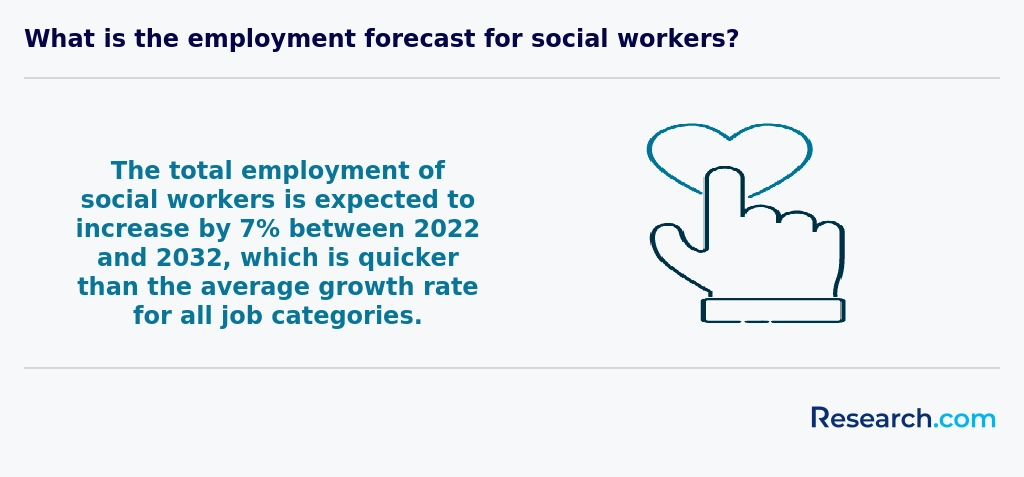
After completing a social work degree in Pennsylvania, preparing for the job market involves several key steps. First, obtaining state licensure is crucial; The Pennsylvania State Board of Social Workers, Marriage and Family Therapists, and Professional Counselors oversees this process. Most positions require at least the Licensed Social Worker (LSW) credential. According to the Pennsylvania Department of Labor, the demand for social workers is projected to grow 7% between 2022 and 2032, higher than average job growth nationally.
Networking through internships and joining local chapters of organizations like the National Association of Social Workers (NASW) Pennsylvania chapter can expand job opportunities. Additionally, creating a strong resume highlighting fieldwork and relevant certifications improves chances of employment. Continuous education and specialization in areas such as child welfare or mental health increase employability in Pennsylvania's diverse social work settings.
Employers in Pennsylvania seek social work graduates with strong communication skills, as effective interaction with clients and multidisciplinary teams is essential. Critical thinking and problem-solving abilities are highly valued, enabling professionals to navigate complex social issues and create impactful intervention plans.
Knowledge of state and federal regulations related to social services is important, reflecting Pennsylvania's specific legal frameworks. Emotional intelligence and cultural competence rank among top skills, helping social workers serve diverse populations compassionately and respectfully.
According to the Pennsylvania Department of Labor & Industry, adaptability and ethical judgment also are crucial, especially in fast-changing environments like healthcare and child welfare. These skills enhance job performance and client outcomes statewide.
Finding internships in Pennsylvania related to a social work degree involves several practical steps. Many universities with accredited social work programs, such as those recognized by the Council on Social Work Education (CSWE), have established partnerships with local agencies. These include hospitals, schools, non-profits, and government organizations.
The Pennsylvania Department of Human Services also provides resources and listings for internships and field placements in social services. Students should consult their school's field education office early, as securing an internship requires coordinating academic schedules with agency availability.
According to the CSWE, about 70% of social work students nationwide complete their internships within their state, making local placement highly accessible in Pennsylvania's urban and rural areas.
Obtaining a social work degree in Pennsylvania significantly enhances career mobility and advancement opportunities. According to the Pennsylvania Department of Labor & Industry, social workers with a bachelor's or master's degree experience employment growth rates exceeding the national average, reflecting increased demand across healthcare, child welfare, and mental health sectors.
Licensed social workers, especially those with a Master of Social Work (MSW), are eligible for advanced roles requiring clinical licensure, such as becoming Licensed Clinical Social Workers (LCSW). This credential is critical for career progression in Pennsylvania's regulated social work environment.
Wages also improve with higher degrees; the U.S. Bureau of Labor Statistics reports that Pennsylvania social workers with advanced degrees earn 15-20% more than those with only a bachelor's.
Further, many employers in Pennsylvania prioritize graduates from accredited programs, which supports upward career movement and access to specialized positions.
Studying for a social work degree in Pennsylvania equips students with skills essential for interdisciplinary collaboration. Programs emphasize teamwork across health care, education, and criminal justice systems, reflecting Pennsylvania's integrated approach to social services. According to the Pennsylvania Department of Human Services, social workers often coordinate with medical professionals, counselors, and legal experts to support clients effectively.
Many Pennsylvania universities incorporate practical fieldwork in diverse settings, allowing students to engage with various disciplines firsthand. For example, joint coursework with nursing or psychology departments is common, enhancing understanding of complex human needs.
This interdisciplinary training responds to the state's diverse population and evolving social challenges, preparing graduates for adaptable and holistic social work roles.
Choosing between a thesis and a non-thesis social work degree program in Pennsylvania depends largely on your career goals and learning preferences. Thesis programs emphasize research skills and are ideal if you plan to pursue a PhD or work in academic or policy research settings. In contrast, non-thesis programs focus more on practical skills and fieldwork, preparing students for direct practice roles in Pennsylvania's social work workforce.
The Pennsylvania Department of Labor and Industry projects a 6% growth in social work jobs through 2030, highlighting demand for practitioners skilled in applied knowledge. Accredited programs following Council on Social Work Education standards often offer both options.
Consider also time commitment; thesis tracks may extend your study by several months due to research and writing requirements. Review specific university program details and Pennsylvania licensure needs to align your choice with professional credentials.
Students based in Pennsylvania seeking social work degrees have several opportunities to study abroad through exchange programs and partner universities. Many Pennsylvania institutions with accredited social work programs, such as the University of Pennsylvania and Temple University, offer study abroad options allowing students to earn credits while gaining global perspectives.
These programs often include destinations with strong social welfare systems, like the United Kingdom or Scandinavia, where students can observe different social work practices firsthand. According to the Council on Social Work Education (CSWE), international experiences enrich students' cultural competence, a vital skill in social work.
Financial aid and scholarships may be available, and students should consult their school's international office for specific arrangements tailored to social work majors. Pennsylvania social work programs emphasize these opportunities to enhance students' readiness for diverse populations domestically and internationally.
Students pursuing social work degrees in Pennsylvania can benefit from various part-time jobs that enhance their education and practical skills. Positions such as case aides, mental health technicians, or community outreach workers offer valuable hands-on experience. According to the Pennsylvania Department of Labor & Industry, social service assistants in the state earn a median wage of about $16 per hour as of 2023, making these roles both educational and financially feasible.
Many nonprofit organizations and healthcare providers in Pennsylvania seek part-time support staff to assist with client coordination and resource referral. These opportunities help students apply classroom knowledge while building professional networks essential for social work careers. Moreover, internships or practicum roles are often available through university partnerships with local agencies, providing structured experience alongside employment.
Social work students in Pennsylvania benefit from numerous networking opportunities through university partnerships and statewide organizations. Many Pennsylvania universities with social work programs offer access to professional events, workshops, and guest lectures that connect students with experienced practitioners. For example, the Pennsylvania Chapter of the National Association of Social Workers (NASW-PA) hosts conferences and networking mixers that are valuable for students pursuing licensure and career growth.
Internships and field placements often enable direct contact with social service agencies and community leaders. According to NASW-PA, nearly 75% of students report gaining professional contacts through these placements. Additionally, local universities frequently facilitate alumni networks and mentoring programs designed to support job placement after graduation.
Alumni networks play a significant role for social work degree students in Pennsylvania by providing valuable connections within the professional community. These networks often facilitate mentorship opportunities, linking current students with experienced social workers who offer guidance on career paths and job placements.
Many Pennsylvania schools encourage active alumni engagement, which can lead to internships and employment opportunities. According to the Pennsylvania Department of Labor & Industry, the state's social work field is expected to grow by 6% through 2030, making these connections crucial for navigating competitive job markets.
Furthermore, alumni networks offer access to workshops, continuing education, and regional social work events, enhancing students' practical knowledge and professional development.
Customizing a social work degree program in Pennsylvania allows students to align their education with specific career goals. Many accredited Pennsylvania universities offer concentrations such as clinical social work, school social work, or community practice. Choosing electives related to mental health, substance abuse, or child welfare can deepen expertise in high-demand areas.
Field placement options are another vital customization aspect. Pennsylvania schools typically partner with local agencies in healthcare, child services, or corrections, enabling practical experience tailored to student interests.
Graduate programs often provide opportunities for specialization through research projects or internships, enhancing professional readiness.
According to the Pennsylvania Department of Labor & Industry, social work roles focusing on healthcare and mental health services are projected to grow 14% through 2030, highlighting the value of targeted program choices.
Social work students in Pennsylvania often face a number of significant challenges during their education. Many encounter the difficulty of balancing rigorous academic coursework with intensive field placements, which are required by the Council on Social Work Education (CSWE) for program accreditation. These placements demand students to apply theory in real-world settings, often dealing with vulnerable populations.
Financial strain is another common issue. According to the Pennsylvania Higher Education Assistance Agency, many social work students rely on loans and scholarships, yet the average debt upon graduation remains a concern. Additionally, navigating licensure requirements-such as passing the Association of Social Work Boards (ASWB) exam-adds pressure to students preparing for professional entry.
With a social work degree in Pennsylvania, several professional certifications are available to enhance your career prospects. The most common credential is the Licensed Social Worker (LSW) offered by the Pennsylvania State Board of Social Workers, Marriage and Family Therapists, and Professional Counselors. This license permits entry-level practice under supervision.
Advancing your career, the Licensed Clinical Social Worker (LCSW) is a highly regarded certification requiring a master's degree, supervised clinical hours, and passing a clinical exam. According to the Pennsylvania Department of State, there are over 10,000 active LCSW professionals statewide as of 2023, reflecting strong demand.
Additional certifications include those in school social work and gerontology, which align with Pennsylvania's diverse population needs. Pursuing these credentials can improve job opportunities and earning potential in the region.
To write a winning application for a social work program in Pennsylvania, start by clearly demonstrating your commitment to helping others. Pennsylvania institutions value applicants who show practical experience in social services, such as volunteering or internships. Highlight any direct work with diverse populations, as social work in Pennsylvania often serves urban and rural communities with varied needs.
Ensure your personal statement reflects understanding of Pennsylvania's specific social issues, like substance abuse rates, which the Pennsylvania Department of Human Services reports as significant concerns.
Strong academic records matter; emphasize relevant coursework and your GPA, as competitive programs often require at least a 3.0. Lastly, secure thoughtful recommendation letters from professionals familiar with your dedication and skills in social work environments.
Social work as a profession is recognized globally for its commitment to improving individual and community wellbeing. In the United States, including Pennsylvania, social workers often address social justice, health disparities, and mental health, reflecting worldwide concerns. According to the National Association of Social Workers, over 715,000 licensed social workers practice in the U.S., with Pennsylvania ranking among states with a high demand for social work professionals.
Global perspectives emphasize the adaptability of social work skills across cultures. For example, social workers in Pennsylvania are trained to understand systemic issues that also appear internationally, such as poverty and inequality. This global outlook prepares graduates for meaningful careers both locally and abroad.
Many Pennsylvania universities incorporate global contexts within their social work curricula, highlighting international frameworks like the United Nations' Sustainable Development Goals. This equips students to navigate complex social challenges from a global viewpoint while serving diverse populations at home.
Gaining practical experience while studying for a social work degree in Pennsylvania is essential for career preparation. Most accredited programs require students to complete field placements or internships, offering hands-on work in agencies such as hospitals, schools, and community organizations. These placements often range between 400 and 900 hours, depending on the degree level.
Additionally, Pennsylvania's Department of Human Services supports partnerships that help students connect with local social service providers for real-world training. Engaging in volunteer opportunities or part-time roles related to social work also enhances experience and resumes.
According to the Council on Social Work Education, practical experience remains a crucial component for licensure and effective employment in Pennsylvania.
Choosing the right concentration within a social work degree program in Pennsylvania involves aligning your career goals with the state's specific needs. Common concentrations include clinical social work, child welfare, and gerontology. Pennsylvania's Department of Human Services reports a particularly high demand for professionals in behavioral health and aging services, reflecting the state's aging population.
Consider your interests and the populations you want to serve. Clinical social work often requires a master's degree and leads to licensure as an LCSW, enabling private practice. Child welfare focuses on supporting families through state agencies, where Pennsylvania employs thousands annually.
Research academic programs' specializations and practicum opportunities, as hands-on experience is vital. The Council on Social Work Education provides data on accredited programs in Pennsylvania, helping you assess quality and focus areas.
- 2027 Most Valuable Social Work Degree Programs Ranking in New Jersey
- 2027 Most Valuable Social Work Degree Programs Ranking in New York
- 2027 Most Valuable Social Work Degree Programs Ranking in West Virginia
- 2027 Most Valuable Social Work Degree Programs Ranking in Ohio
- 2027 Most Valuable Social Work Degree Programs Ranking in Virginia
- 2027 Most Valuable Social Work Degree Programs Ranking in Massachusetts
- 2027 Most Valuable Social Work Degree Programs Ranking in North Carolina
- 2027 Most Valuable Social Work Degree Programs Ranking in Tennessee
- 2027 Most Valuable Social Work Degree Programs Ranking in South Carolina
- 2027 Most Valuable Social Work Degree Programs Ranking in Maine
See What Experts Have To Say About Studying Social Work
Read our interview with Social Work experts

- Scholarships for Social Work Students in Pennsylvania https://pennsylvania.thegrantportal.com/grant-details/62543/accessing-scholarships-for-social-work-students-in-pennsylvania
- Is an Online Master’s in Social Work (MSW) Degree Worth it? https://socialworklicensemap.com/social-work-degrees/online-msw-programs/is-an-online-masters-in-social-work-msw-degree-worth-it/
- The Evolution of Online Social Work Education https://www.socialworktoday.com/news/enews_0317_1.shtml
- How to Become a Social Worker in Pennsylvania https://onlinedegrees.keuka.edu/blog/how-become-social-worker-pennsylvania
- Social Work Networking Nights - National Association of Social Workers https://www.naswma.org/page/218
- Global Perspectives in Social Work https://www.gu.se/en/study-in-gothenburg/exchange-student/courses/sw1118
- Grand Challenges for Social Work https://grandchallengesforsocialwork.org/
- Social Work Salary with Masters on the Rise https://newmanu.edu/nth-degree/social-work-salary-with-masters-on-the-rise
- How to Overcome the Top Challenges Social Workers Face https://www.pacificoaks.edu/voices/social-work/social-work-challenges/
- Preparing For A Career In Social Work: Tips For New Graduates https://www.tripodpartners.com/career-advice/social-work/preparing-for-a-career-in-social-work-tips-for-new-graduates/


