
2027 Most Valuable Social Work Degree Programs Ranking in New York

Co-Founder and Chief Data Scientist
Choosing the right social work degree program can shape your future in meaningful ways. To help New York students make an informed decision, this article presents the 2027 Most Valuable Social Work Degree Programs Ranking in New York, created by the Research.com team of data scientists.
By exploring this ranking, you'll gain valuable insights into programs that offer strong career potential and real-world impact. Pursuing a social work degree opens doors to rewarding opportunities where you can make a positive difference in your community. This guide aims to support your journey with clear, trusted information tailored to your goals.
Key benefits of getting social work degree in New York
- Graduates with a social work degree in New York can earn competitive salaries such as $68,800 annually for Social Workers and $59,190 for Child Welfare Specialists and Residential Counselors, making it a financially rewarding career choice.
- Career options include becoming Social Workers, Youth Workers, or Community Organizers, with opportunities to impact communities positively and grow professionally in diverse fields.
- Online social work degrees offer flexible schedules and allow students to balance work and study, as seen with graduates from popular New York schools who appreciate the convenience and quality education.
- 2027 Most Valuable Social Work Degree Programs Ranking in New York
- What can I expect from social work degree in New York?
- Where can I work with social work degree in New York?
What can I expect from social work degree in New York?
The average cost of a social work degree in New York varies widely depending on the institution and degree level. Graduates from Columbia University or Fordham University often report tuition costs ranging from $50,000 to $65,000 per year for their Master of Social Work (MSW) programs, reflecting the premium placed on their nationally recognized curricula and extensive fieldwork opportunities. Meanwhile, students at Hunter College benefit from more affordable tuition, often closer to $15,000 per year for in-state residents, making it a popular choice for those balancing budget constraints with rigorous training.
Many graduates emphasize the value of these costs through hands-on field placements in New York's diverse communities, which solidify their skills in real-world settings such as child welfare agencies or mental health clinics in Manhattan and Brooklyn.
Despite the tuition differences, all programs require substantial commitment to field hours-up to 1,200-providing students with invaluable supervised experience. This investment in both education and practice prepares graduates to confidently pursue licensure and rewarding careers throughout New York State's high-demand social work sector.
Where can I work with social work degree in New York?
Graduates from social work programs at prominent New York institutions such as Fordham University and Hunter College often find employment across a broad spectrum of sectors within the state. Many alumni quickly secure roles in healthcare settings like hospitals and mental health clinics, where they engage in counseling and patient advocacy, benefiting from New York's reported average healthcare social worker salary of around $74,000. This strong demand reflects the critical nature of these positions.
Others pursue careers in child welfare, working with agencies akin to the Administration for Children's Services, assisting vulnerable children through investigations and foster care. These roles bring meaningful impact, as social workers protect over 300,000 children annually in the city alone. School social work is another common path for graduates, especially with growing awareness of mental health challenges in New York's public and private schools.
Additionally, many graduates enter the criminal justice system, supporting rehabilitation and reentry programs, while others join community nonprofits focused on homelessness prevention and veteran support. The practical experience students gain at New York-based universities equips them to contribute effectively in these diverse, rewarding roles.
- New York offers accredited Bachelor of Social Work (BSW) and Master of Social Work (MSW) programs approved by the Council on Social Work Education.
- Tuition ranges from $7,000 to $10,000 per year for in-state BSW students at public universities, while private schools charge between $20,000 and $40,000.
- MSW tuition costs vary between $15,000 and $30,000 annually at public institutions and $30,000 to $50,000 at private ones.
- Entry-level salaries in New York start at $45,000 to $55,000 for BSW holders and $55,000 to $65,000 for MSW graduates.
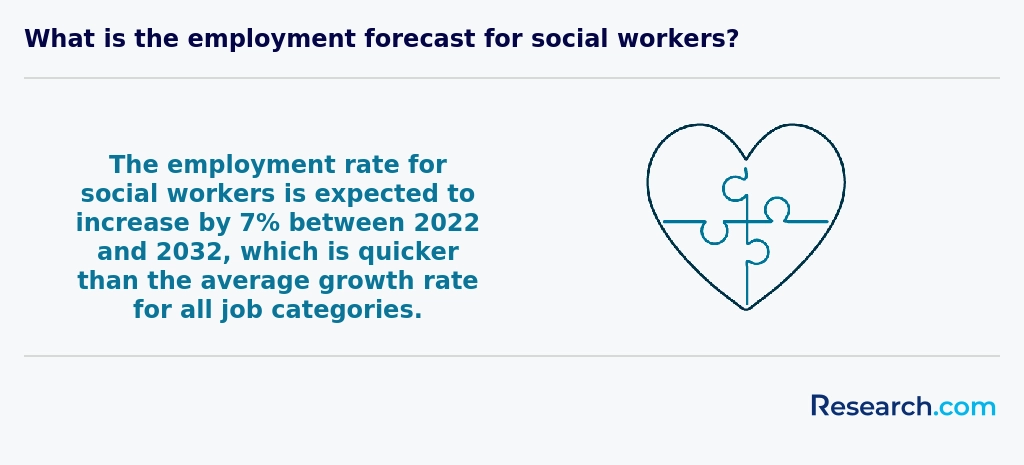
- The job market is expected to grow by 12% through 2030, especially in healthcare, child and family services, and mental health sectors.
- Licensure requires passing the Licensed Clinical Social Worker (LCSW) exam after completing supervised clinical experience.
Pursuing a Doctor of Social Work (DSW) or PhD in Social Work in New York equips professionals with advanced clinical, leadership, and research skills that distinguish them in competitive job markets. Doctoral graduates often secure faculty positions, direct large-scale community programs, or influence policy at state and federal levels. Most programs require a Master’s in Social Work (MSW), strong research experience, and a commitment to scholarly practice. Coursework typically includes advanced quantitative and qualitative research methods, program evaluation, and leadership in human services. Graduates report that rigorous dissertation work enhances critical thinking and contributes original insights to the field. Financial investment and program format vary widely: part-time, full-time, on-campus, and online options are available to accommodate working professionals. For those seeking flexibility without sacrificing quality, explore the most affordable online doctoral programs for social work, which balance cost with accredited curricula and robust faculty mentorship. Ultimately, earning a doctorate in social work not only elevates your career prospects-often leading to six-figure salaries in academia or executive roles-but also empowers you to drive systemic change and advance the profession’s knowledge base.
Understanding the return on investment (ROI) of a Social Work degree in New York is essential for making an informed decision about your education and career. By comparing program costs, average salaries, and time to pay off student loans, prospective students can gauge which schools offer the highest value. On average, tuition for a Bachelor’s in Social Work (BSW) at a public New York college is approximately $18,383 per year, while private institutions average $47,419 annually. A Master’s in Social Work (MSW) can cost between $54,500 and $81,800 per year depending on the institution’s public or private status. Graduates report a mean annual salary of $64,360, with specialized roles-such as Community Organizer-earning up to $79,310. Assuming a four-year BSW program and an entry-level salary of $56,680, the typical payback period for student loans ranges from 7 to 10 years, depending on your repayment plan and living expenses. To maximize ROI, consider factors such as scholarship availability, field placement stipends, and accelerated degree options that shorten time in school. Engaging in paid internships and leveraging alumni networks can also reduce debt burden and increase earning potential. For those seeking more cost-effective options outside New York, explore the Inexpensive Social Work Degree Programs Ranking in Atlanta, GA, which highlights affordable yet high-quality programs. Finally, regularly revisit your budget and loan repayment strategy post-graduation. Taking advantage of income-driven repayment plans, state loan forgiveness programs for social workers, and employer tuition assistance can significantly improve your long-term financial outlook and ensure your investment in a Social Work degree delivers both personal fulfillment and economic stability.
The average social work degree cost in New York is shaped mainly by whether you attend a public or private institution. According to recent data, the median total cost for completing a social work degree stands at approximately $50,327, while in-state students typically pay a lower median total of about $35,884. Graduates from public programs like Hunter College's Silberman School of Social Work have found tuition around $7,200 per year for in-state MSW students more manageable compared to higher-cost private programs. This affordability contributes to positive student experiences, with many appreciating being able to focus on studies rather than overwhelming financial burdens.
Private university tuition for social work can range significantly, often between $30,000 and $55,000 annually, reflecting the expensive nature of some prestigious programs such as Columbia University's School of Social Work. Students frequently mention balancing the high cost with scholarships, grants, and assistantships which are widely available and crucial for reducing debt after graduation. This dynamic influences total expenses for social work programs NY, combining tuition and other costs that include an estimated $1,200 annually for books and supplies.
Beyond tuition, living costs in New York, particularly in New York City, are notably higher than the national average, adding pressure on budgeting. However, many graduates feel rewarded by the strong network and career opportunities available post-degree. Prospective students should also explore options at the top social work school in New York to find programs aligned with their financial and educational goals.
When selecting a social work degree program in New York, it's essential to consider several factors to ensure a fulfilling educational journey and a successful career. One of the critical steps is to research and identify the top social work school in New York, as this can significantly impact the quality of education and future job prospects. Accreditation by the Council on Social Work Education (CSWE) is also a must, as it ensures that the program meets the necessary standards for social work education. Additionally, considering the curriculum, specializations, field placement opportunities, and support services offered by the program can help prospective students make an informed decision. By carefully evaluating these factors, individuals can choose a social work program in New York that aligns with their career goals and provides them with the necessary skills and knowledge to succeed in the field.
Becoming licensed ensures you meet New York State’s standards for professional social work.
- Degree requirement: MSW from a CSWE-accredited program (advanced standing if you hold a BSW) - you can explore msw online options.
- Examination: pass the ASWB LMSW exam for initial licensure (Licensed Master Social Worker).
- Supervised experience: complete 3,000 hours of post-master’s supervised practice under an LCSW, typically over two years.
- Clinical licensure: pass the ASWB clinical exam to earn Licensed Clinical Social Worker (LCSW) status.
- Application & renewal: submit transcripts, exam results, and background check to NYSED; renew every three years with 36 continuing education credits.
To enroll in social work degree programs in New York, applicants must meet distinct academic prerequisites. For undergraduate programs at institutions like the State University of New York (SUNY), candidates typically need a high school diploma or GED with coursework in English, psychology, sociology, or biology. A minimum GPA around 2.5 to 3.0 is usually expected, complementing test scores where required. Graduates from these programs often recall their foundational high school experiences as essential to their academic confidence.
Graduate MSW applicants must hold a bachelor's degree from an accredited college or university. While not always necessary to have an undergraduate degree in social work, coursework or experience related to human services or psychology significantly strengthens an application. Many MSW programs in New York request a minimum GPA of about 3.0 and may require GRE scores.
- Letters of recommendation
- A statement of purpose detailing career goals
- Relevant volunteer or work experience
- An interview assessing communication skills and dedication
These prerequisites reflect what graduates at prominent New York schools describe as a crucial preparation phase, providing clarity in their professional motivation and readiness to navigate complex human services environments. Meeting these criteria helps ensure success in both academic and licensure pathways.

Choosing the best social work degree in New York hinges on understanding the appropriate degree level for your career goals-Bachelor of Social Work (BSW), Master of Social Work (MSW), or a Doctorate. Graduates from Hunter College and Fordham University often praise the flexible MSW options that accommodate work and family, essential for a demanding lifestyle in New York.
Accreditation by the Council on Social Work Education (CSWE) is vital, ensuring your degree meets rigorous national standards. This is particularly relevant when preparing for the Licensed Clinical Social Worker (LCSW) credential, required in New York for clinical independence. Affordable social work colleges in New York typically range from $7,000 to $15,000 annually for in-state public options, while private schools can cost up to $50,000.
Many students value programs with strong community ties and internships, leveraging New York's expansive social services network to gain hands-on experience. For those seeking advanced credentials with financial prudence, exploring the most affordable online doctoral programs for social work can be a practical choice.

2027 Most Valuable Social Work Degree Programs Ranking in New York
Investing in your education is a significant decision that can shape your future, and the Research.com team understands the importance of making informed choices. To assist prospective students, we have carefully developed the "2027 Most Valuable Social Work Degree Programs Ranking in New York." Our commitment to quality, credibility, and accuracy is demonstrated through thorough research and analysis, ensuring reliable guidance for your educational journey.
We utilized the following reputable data sources to compile this ranking:
By exploring this ranking, readers will gain valuable insights into the most worthwhile social work degree programs in New York, helping them make well-informed decisions. For more information on how this ranking was created, please visit our Research.com methodology page.


# 4 position
College of Staten Island CUNY
Master of Social Work


# 15 position
Touro University
Master of Social Work


Frequently Asked Questions About social work
Social work degree students in New York can enhance their learning by engaging deeply with field placements. New York requires supervised internships as part of licensing, offering invaluable real-world experience. According to the New York State Office of Children and Family Services, completing 900 or more internship hours is common for social work students, which sharpens practical skills.
Students should also utilize networking opportunities provided by local professional organizations like the New York State Social Work Education Association. Attending workshops and conferences helps stay current with policy and practice trends.
Finally, prioritizing study of New York's unique social issues, such as urban poverty and immigration, allows students to better serve their communities post-graduation.
Emerging niches within the social work field in New York increasingly reflect the state's diverse population and complex social challenges. One significant area is geriatric social work, driven by the growing elderly population; by 2030, New York expects over 3.5 million residents aged 65 and older, according to the New York State Department of Health.
Another expanding niche involves healthcare social work, especially in mental health and chronic illness management, supported by New York's emphasis on integrated care models. Additionally, social workers focusing on immigration and refugee services are in high demand, given New York's role as a gateway for immigrants.
Technology and digital mental health services also present new opportunities, aligning with national trends identified by the National Association of Social Workers.
After completing a social work degree in New York, preparing for the job market involves several key steps. First, obtaining licensure is essential. The New York State Office of the Professions requires candidates to pass the Licensed Master Social Worker (LMSW) exam to practice professionally. According to the New York State Education Department, over 15,000 social workers hold active licenses, reflecting strong regional demand.
Building practical experience through internships or volunteer work during your studies significantly improves employability. Employers value hands-on experience with diverse populations, a critical aspect of social work in New York's urban and rural communities.
Networking with local agencies and attending job fairs hosted by organizations like the New York State Society for Clinical Social Work can also help graduates connect with employers.
Finally, staying informed about emerging social issues and continuing education opportunities enables social workers to adapt to New York's evolving social services landscape.
Employers in New York seek specific skills when hiring social work degree graduates. Critical thinking and effective communication are essential, enabling professionals to assess client needs and collaborate with diverse communities. According to the New York State Office of Children and Family Services, cultural competence is also highly valued, reflecting the state's diverse population. Knowledge of state and federal regulations related to social services is important, as is proficiency in case management and documentation.
Additionally, interpersonal skills and emotional resilience help graduates manage challenging situations. Data from the Bureau of Labor Statistics indicates that adaptability and problem-solving skills increase job stability and success in the New York social work sector.
Finding internships in New York relevant to a social work degree involves strategic planning and research. Start by exploring programs accredited by the Council on Social Work Education (CSWE), which often include built-in internship placements with local agencies. New York's diverse population creates numerous opportunities in hospitals, schools, and nonprofit organizations.
Utilize resources like the New York State Office of Children and Family Services and community health centers, which frequently partner with universities for internship programs. According to the New York State Higher Education Services Corporation, many social work programs require at least 900 hours of supervised fieldwork.
Networking with professionals and joining local chapters of the National Association of Social Workers (NASW) in New York can also lead to internship opportunities. University career centers and online platforms specializing in social service internships provide valuable listings for students.
A social work degree in New York significantly enhances career mobility and advancement opportunities. According to the New York State Education Department, obtaining a Bachelor of Social Work (BSW) or Master of Social Work (MSW) degree is essential for licensure, which is mandatory for most clinical and non-clinical positions. The NYS Bureau of Labor Statistics notes that social workers with an MSW can expect a higher median salary-about $65,000 annually-compared to $50,000 for those with only a BSW.
Having a degree also qualifies professionals for specialized roles in healthcare, child welfare, and mental health, sectors that are rapidly growing within New York. Further, advanced degrees are often required for supervisory or administrative roles, opening pathways into leadership positions.
Networking through accredited New York schools and internships often leads to better job placements and promotions. The state's emphasis on continuous education and licensure renewal encourages ongoing professional development, which strengthens career advancement.
Studying for a social work degree in New York uniquely prepares students for interdisciplinary roles by integrating diverse fields such as psychology, healthcare, education, and public policy. Many accredited programs, including those recognized by the Council on Social Work Education (CSWE), emphasize collaboration skills to work effectively across multiple professional teams.
New York's social work curricula often include field placements in settings like hospitals, schools, and community agencies, exposing students to real-world interdisciplinary environments. According to the New York State Education Department, over 70% of graduates engage in roles that require coordination with other professionals, enhancing communication and problem-solving abilities.
This comprehensive approach equips graduates to address complex social issues through cooperative strategies, making them adaptable in various professional contexts throughout the state.
Choosing between a thesis and a non-thesis social work degree program in New York largely depends on your career goals and learning preferences. A thesis program often suits students interested in research or pursuing a doctorate later, as it involves extensive writing and independent study. Non-thesis programs typically focus on practical skills and fieldwork, appealing to those aiming for immediate professional practice in New York's diverse social work settings.
According to the New York State Education Department, hands-on experience is crucial for licensure, which both program types address, but non-thesis routes often emphasize internships more intensely.
Additionally, thesis options may require more time and research commitment, potentially extending graduation timelines.
Understanding these differences helps prospective students align their education with career outcomes in New York's social work demand areas.
Students based in New York seeking social work degrees have several opportunities for studying abroad through partnership programs between New York universities and international institutions. Many schools, such as Columbia University and New York University, offer exchange programs or semester-long study abroad options focused on social work practice in diverse cultural settings. These programs emphasize global social issues, policy comparison, and hands-on experience in community-based organizations.
According to the Council on Social Work Education, New York ranks among the top states for accredited social work programs, providing strong foundations for international studies. Students can also use federal financial aid and some scholarships to support study abroad expenses, enhancing accessibility.
Part-time jobs in New York that complement social work degree education often focus on direct client interaction and community support roles. Typical positions include case aides, peer support specialists, and residential counselors. These roles provide practical experience in advocacy, crisis intervention, and client management, which are essential skills for social workers. According to the New York State Office of Children and Family Services, such roles can enhance learning by offering exposure to real-world settings while completing coursework.
Additionally, jobs in nonprofit organizations or community health centers help students understand system navigation and resource allocation. These experiences are valuable for students preparing for licensure and employment in New York's growing social service sector.
Social work students in New York benefit from numerous networking opportunities that help build professional connections essential for career growth. Many universities host regular events, guest speaker sessions, and career fairs featuring local social service agencies and nonprofit organizations. Participation in the New York State Chapter of the National Association of Social Workers (NASW-NYS) offers students access to workshops, conferences, and a statewide network of practitioners.
Field placements and internships in New York City and other metropolitan areas also connect students directly with experienced professionals. These experiences often lead to job offers and mentorship. According to NASW, New York has one of the largest social work communities, with over 85,000 licensed social workers, increasing the chances for meaningful engagement during study.
Alumni networks play a significant role in supporting social work degree students in New York. These networks connect current students with experienced graduates who have already navigated the local job market. This access can lead to mentoring opportunities, internships, and job referrals, which are crucial in a competitive field like social work.
New York State has a growing demand for licensed social workers, with over 100,000 professionals currently practicing. Alumni connections often provide insider knowledge about New York's specific licensing requirements and continuing education resources, which are essential for career advancement.
Additionally, attending alumni events allows students to build relationships that can foster professional growth and emotional support throughout their studies and early careers.
Customizing a social work degree in New York allows students to align their education with specific career goals. Many programs offer concentrations such as clinical social work, policy advocacy, or community organizing, enabling focused expertise. Students can select electives that address issues relevant to New York's diverse population, such as urban poverty or immigrant services. Field placements are another key customization aspect; local agencies and nonprofits often collaborate with schools, providing practical experience tailored to career interests. According to the New York State Education Department, over 50 accredited institutions offer specialized tracks and internships, helping students build relevant skills for the state's dynamic social work landscape.
Social work students in New York often face several notable challenges during their studies. A primary concern is managing the demanding coursework combined with required field placements, which can total over 900 hours, according to the New York State Education Department. Balancing these responsibilities with personal and work commitments stresses many students.
Another challenge is the high cost of education. Tuition fees at New York public universities average around $10,000 per year for in-state students, while private institutions can exceed $40,000 annually. This financial burden often necessitates student loans or part-time jobs.
Additionally, navigating New York's diverse urban populations can be complex. Students must develop cultural competence skills to effectively serve communities in cities like New York City, where social needs are vast and varied.
With a social work degree in New York, you can pursue several professional certifications that enhance your career opportunities. The most common certification is the Licensed Master Social Worker (LMSW), which allows graduates to practice in various settings under supervision. After gaining experience, you may apply for the Licensed Clinical Social Worker (LCSW), enabling independent clinical practice. According to the New York State Education Department, over 30,000 social workers hold these licenses, indicating robust demand.
Additional certifications include specialized credentials in areas like school social work or gerontology, which require state approval and continuing education. These certifications help tailor your expertise to specific populations or fields.
Writing a winning application for a social work program in New York involves clear, focused preparation. Start with a strong personal statement that highlights your commitment to social justice and community service, key values in New York's diverse social work field. Use specific examples of voluntary work or relevant experience.
Many programs in New York, including those accredited by CSWE (Council on Social Work Education), emphasize applicants' understanding of local social issues like housing insecurity and immigrant support, so tailor your essay accordingly.
Include letters of recommendation from professionals familiar with your skills and dedication. Lastly, maintain a competitive GPA, ideally above 3.0, as reported by institutions like Hunter College and Columbia University, to strengthen your chances.
Social work careers in New York reflect broader global trends emphasizing social justice, human rights, and community development. According to the National Association of Social Workers (NASW), New York employs over 40,000 social workers, highlighting the high demand in the state compared to national growth projections of 12% through 2031 from the U.S. Bureau of Labor Statistics. Globally, social work engages with diverse populations, focusing on health, poverty reduction, and crisis intervention, which resonate with priorities in New York's urban and rural communities alike.
International frameworks, such as those from the International Federation of Social Workers (IFSW), influence U.S. education standards by promoting ethics and cultural competence. This global perspective encourages New York programs to prepare students for work in multicultural settings and international contexts. Thus, social work degrees in New York often include courses on global social policy and comparative practice, aligning local careers with worldwide challenges and collaboration.
Gaining practical experience while pursuing a social work degree in New York is essential for career readiness. Most accredited programs in the state, including those recognized by the Council on Social Work Education (CSWE), require field placements or internships as a component of the curriculum.
Students typically engage in supervised internships at hospitals, schools, government agencies, or nonprofit organizations. According to the New York State Office of Children and Family Services, social work field hours can range from 400 to over 900 hours, depending on the program level.
Additionally, many universities offer partnerships with local agencies in New York City and beyond, allowing students to work directly with diverse populations. This hands-on experience helps meet academic requirements while developing valuable professional skills.
Choosing the right concentration within a social work degree in New York depends on understanding your career goals and the needs of the local community. New York offers concentrations such as clinical social work, school social work, and policy advocacy, each preparing students for specific roles. According to the New York State Education Department, clinical social workers are in high demand, with over 17,000 licensed professionals statewide as of 2023.
Consider practical experience opportunities too. Many programs in New York provide internships in diverse settings like hospitals, schools, and government agencies. Additionally, reviewing employment trends from the New York State Department of Labor can help identify which concentrations have higher job growth.
Lastly, check if your intended concentration meets New York's licensing requirements for the Licensed Clinical Social Worker (LCSW) or other certifications, ensuring your education aligns with professional standards.
- 2027 Most Valuable Social Work Degree Programs Ranking in New Jersey
- 2027 Most Valuable Social Work Degree Programs Ranking in Pennsylvania
- 2027 Most Valuable Social Work Degree Programs Ranking in Massachusetts
- 2027 Most Valuable Social Work Degree Programs Ranking in Ohio
- 2027 Most Valuable Social Work Degree Programs Ranking in Virginia
- 2027 Most Valuable Social Work Degree Programs Ranking in Maine
- 2027 Most Valuable Social Work Degree Programs Ranking in West Virginia
- 2027 Most Valuable Social Work Degree Programs Ranking in North Carolina
- 2027 Most Valuable Social Work Degree Programs Ranking in South Carolina
- 2027 Most Valuable Social Work Degree Programs Ranking in Tennessee
See What Experts Have To Say About Studying Social Work
Read our interview with Social Work experts

- Social work certificates | edX https://www.edx.org/certificates/social-work-certificates
- How To Become A Licensed Social Worker In New York https://www.psychology.org/social-work/licensure/new-york/
- Ethical challenges for social workers during Covid-19: A global perspective https://www.ifsw.org/ethical-challenges-for-social-workers-during-covid-19-a-global-perspective/
- Social Work https://www.wits.ac.za/course-finder/undergraduate/humanities/social-work/
- Types of Social Work Jobs: 4 Career Paths https://onlinedegrees.keuka.edu/blog/types-of-social-work-jobs
- 5 Career Planning Steps for Success in Social Work https://www.twrecruitment.com.au/blog/2026/02/5-career-planning-steps-for-success-in-social-work
- The Evolution of Online Social Work Education https://www.socialworktoday.com/news/enews_0317_1.shtml
- My social work journey: from experience to practice https://socialworkwithadults.blog.gov.uk/2023/09/26/my-social-work-journey-from-experience-to-practice/
- School Social Work Certification - NYSSSWA https://nyssswa.org/credentialing/school-social-work-certification/
- Grand Challenges for Social Work https://grandchallengesforsocialwork.org/





