2027 Fastest Online Social Work Degree Programs Ranking in the USA

Co-Founder and Chief Data Scientist
Choosing the right social work degree program can shape your future and career success. Our article introduces the 2027 Fastest Online Social Work Degree Programs Ranking in the USA, developed by the expert team of data scientists at Research.com.
This ranking helps you easily identify programs that offer quality education with efficient pacing, so you can achieve your goals faster.
Whether you're starting fresh or advancing your skills, earning a social work degree opens doors to meaningful opportunities and community impact.
Explore the options and make an informed choice today.
Key benefits of getting online social work degree in America
- Graduates with a social work degree can expect competitive salaries, such as Social Workers earning a mean annual wage of $68,800 and Community Organizers making around $83,400 per year, offering financial stability and rewarding work.
- Career paths are diverse, including roles like Child Welfare Specialist, Residential Counselor, and Youth Worker, providing many avenues to make a positive impact in communities.
- Online social work degrees provide flexibility and accessibility, allowing students to balance studies with personal commitments while gaining the same valuable skills and credentials as traditional programs.
- 2027 Fastest Online Social Work Degree Programs Ranking in the USA
- What can I expect from online social work degree in America?
- Where can I work with online social work degree in America?
What can I expect from online social work degree in America?
The average cost of an online social work degree in America varies widely depending on the institution and degree level. For example, online Bachelor of Social Work (BSW) programs at popular state universities often range from $10,000 to $25,000 total, while Master of Social Work (MSW) degrees from well-known public colleges usually fall between $20,000 and $40,000. Graduates frequently highlight the value of investing in accredited programs that combine flexible coursework with essential field placements in their local communities, which can range from 400 to 900 hours.
Many students successfully balance full-time jobs and family commitments while studying, appreciating online structures that offer video lectures, interactive assignments, and academic advising. For instance, a graduate from a recognized university praised the accessibility of support services, which made staying motivated easier during challenging clinical practice courses.
Financial aid and scholarships often play a crucial role in managing costs, making reputable programs more affordable. To maximize your investment, choose CSWE-accredited programs at universities known for strong career counseling and connections to hands-on practicum opportunities in your area.
Where can I work with online social work degree in America?
Graduates with an online social work degree in America find opportunities in diverse settings, reflecting the profession's wide-ranging impact. Many begin careers in healthcare, working in hospitals or mental health clinics where they help patients manage medical and emotional challenges. For example, graduates from well-known programs like the University of Southern California often share how coordinating patient care brought deep personal satisfaction.
Others choose to work in schools, supporting students facing academic or social hurdles. Graduates from institutions such as the University of Michigan describe the rewarding experience of creating safer, more supportive environments that improve student outcomes. Some pursue roles in government agencies, focusing on child welfare or public health, as seen by alumni of Columbia University who contribute to crucial social programs.
Non-profit settings attract graduates eager to advocate for underserved communities, providing counseling and outreach related to housing or substance abuse. Many who studied at Boston University highlight the meaningful connections they made in these roles. Finally, earning licensure as a clinical social worker empowers graduates to work independently in private practice, offering flexibility and direct client support.
Strong licensure preparation embedded in online programs ensures graduates are ready for professional challenges in their chosen fields across America.
- Online social work degrees offer BSW and MSW options with fully online or hybrid formats accredited by the Council on Social Work Education (CSWE).
- The total tuition cost for an online BSW ranges from $10,000 to $30,000, while MSW programs typically cost between $20,000 and $50,000.
- Entry-level salaries for social workers with a BSW average around $50,000 annually; MSW holders usually start between $60,000 and $65,000 per year.
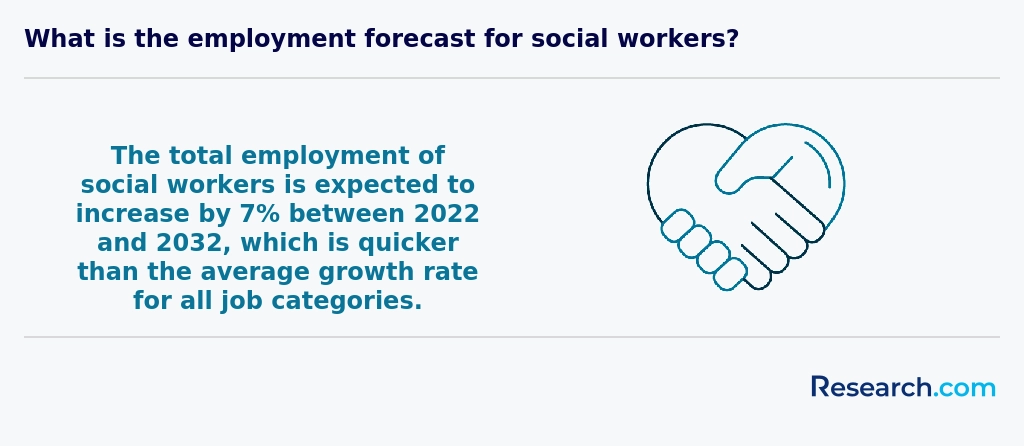
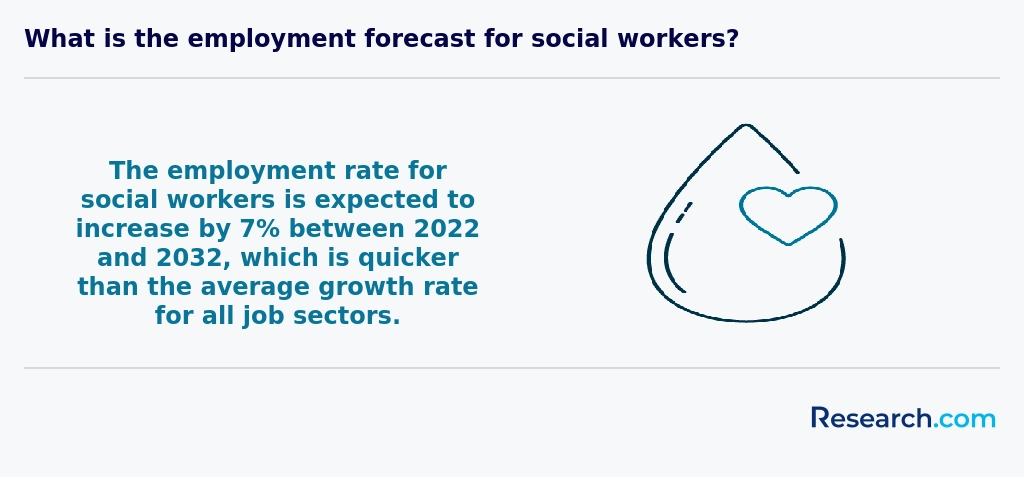
- The job market for social workers is expected to grow about 12% from 2022 to 2032, driven by factors like aging populations and increased mental health awareness.
- Licensure is required in most states, usually after graduation from an accredited program and completing supervised clinical hours.
- Accredited online programs often include fieldwork and internships to help students gain practical experience.
Succeeding in an online degree program requires intentional planning, proactive communication, and effective time management. Students should establish a dedicated study space, create a well-organized schedule, and set achievable weekly goals. Engaging in virtual study groups, participating in live webinars, and utilizing digital resources can enhance the learning experience and help forge meaningful connections with peers and instructors. Additionally, take advantage of technology by exploring platforms that support interactive learning and utilizing university career services to secure internships and practical experiences. Regularly set aside time to review course materials and reflect on feedback, ensuring academic growth throughout your journey. Remember, investing in your education is not just about obtaining a degree-it’s about building a resilient foundation for your future career. For example, if you’re curious about program affordability as you plan your educational strategy, consider exploring whether is online bachelors degree in social work affordable compared to traditional formats. Embrace these practices to maximize your success and turn your passion into a meaningful professional impact.
Accreditation by the Council on Social Work Education (CSWE) and state licensure are essential to practice as a social worker and require:
- Enrollment in a CSWE-accredited online program, such as select msw programs
- Completion of at least 900 hours of supervised practicum in clinical or community settings
- Passing the relevant Association of Social Work Boards (ASWB) exam for your licensure level
- Submission of transcripts, background checks, and application fees to your state board
- Ongoing continuing education as mandated by your state to renew your license
The average cost of an online social work degree in America typically centers around $38,400 total, with in-state students often paying less-around $29,043-while out-of-state students might see costs near $36,288. These figures represent a practical median for many students pursuing either Bachelor or Master of Social Work degrees through well-regarded institutions. Graduates from popular universities in states like California or Texas often share how budgeting for these costs was manageable by taking advantage of in-state tuition benefits and financial aid opportunities.
Many students find that affordable online social work programs in the USA offer flat tuition rates that do not vary by residency, simplifying financial planning and potentially saving out-of-state students significant sums. For instance, online programs from universities known for social work enable students to excel without the stress of unpredictable costs, helping maintain the motivation and positive outlook crucial for balancing studies with life and work commitments.
In addition to tuition, graduates frequently highlight the importance of considering extra expenses such as textbooks, technology fees, and licensure exam costs after graduation. Planning early for these fees can ease the financial burden and make the journey smoother.
If you're looking to stretch your budget further, it's wise to research the cheapest social work programs in the country. Choosing accredited programs from well-established universities ensures you receive quality education and solid career prospects in a rewarding field while managing costs effectively.
Upon earning your online social work degree, the next critical step is obtaining state licensure, which typically involves completing an accredited curriculum, accumulating supervised practice hours, and passing the Association of Social Work Boards (ASWB) exam. Bachelor’s degree holders often qualify for the Licensed Baccalaureate Social Worker (LBSW) or Licensed Master’s Social Worker (LMSW) exam, while Master of Social Work (MSW) graduates pursue the Licensed Clinical Social Worker (LCSW) track. Requirements vary by state: most demand 2,000–4,000 hours of post-degree supervised experience, ethical training, and periodic continuing education to maintain active status. To ensure program alignment with licensure standards: compare curricula against ASWB content outlines, verify Council on Social Work Education accreditation, and review state board guidelines. Prospective students exploring colleges with cheap social work programs online should confirm that practicum placements, field supervisors, and exam preparation resources are fully supported. After passing the ASWB exam, graduates submit verification of education, supervised hours, and exam results to their state board. Many states also require jurisprudence exams or background checks. Once licensed, social workers must complete 20–40 hours of continuing education every renewal cycle, covering topics such as ethics, cultural competence, and evidence-based practice. Understanding these licensure pathways not only safeguards your professional standing but also enhances employability in clinical, school, and healthcare settings. Early engagement with mentors, state board liaisons, and career services can streamline the process, allowing you to transition smoothly from student to licensed practitioner and maximize the impact of your online social work education.
Navigating state licensure is a critical step for online social work graduates seeking clinical or advanced practice roles. Each state sets its own criteria for licensure, generally requiring a combination of a CSWE-accredited degree, supervised clinical hours, and successful completion of the Association of Social Work Boards (ASWB) exam. For example, most states mandate 2,000 to 4,000 hours of supervised experience post-graduation before you can sit for the clinical level exam, while bachelor’s-level graduates often pursue the ASWB bachelor’s exam to qualify for entry-level positions. Pennsylvania applicants must complete 3,000 supervised hours and pass the ASWB master’s-level exam. To find affordable options that meet these requirements, consider our Low Cost Online Social Work Degree Programs Ranking in Pennsylvania, which highlights CSWE-accredited curricula designed for licensure success. Other states may vary: California, for instance, requires 3,000 hours plus a jurisprudence exam on state law, whereas Texas includes additional training in ethics and cultural competence. Preparing for the ASWB exam involves structured study plans, practice questions, and familiarity with the exam’s four domains: human development, assessment, intervention, and ethics. Graduates often credit exam prep courses and study groups for boosting their pass rates. After licensure, most states require continuing education-typically 20–40 hours every two years-to maintain your credential and stay current with best practices in client care, policy changes, and emerging research. By understanding and proactively meeting your state’s licensure requirements, you position yourself for a seamless transition from graduation to practice. Always verify the latest guidelines with your state board and leverage institutional career services or alumni networks to connect with licensed mentors who can guide you through the application, supervision, and examination process.
To enroll in an online social work degree program in America, you'll need to meet specific prerequisites that differ by degree level but share core expectations. For example, graduates from online Bachelor of Social Work (BSW) programs at universities like Arizona State University often highlight starting with a high school diploma or GED and maintaining at least a 2.5 GPA, ensuring a solid academic foundation. Many found submitting SAT or ACT scores optional, which helped reduce stress during admission.
Master of Social Work (MSW) applicants at institutions such as the University of Southern California typically hold a bachelor's degree, preferably in social sciences or psychology, with a minimum 3.0 GPA. Letters of recommendation and personal statements stand out as essential components; these allow candidates to express their passion and readiness to support vulnerable communities.
Also, several programs require background checks to align with state licensing rules. Graduates recall that having volunteer or work experience in social services, even if not strictly mandatory, boosted their confidence and applications, connecting classroom theory to real-world impact.
For prospective students seeking to pursue a career in social work without accumulating significant debt, exploring the cheapest social work programs can be a strategic starting point. Many institutions offer affordable online social work degree options that balance quality education with financial accessibility. When evaluating these programs, it's essential to consider factors such as accreditation, curriculum, field experience opportunities, and support services for online students. Accreditation by the Council on Social Work Education (CSWE) ensures that the program meets national standards, which is crucial for those seeking licensure. Additionally, programs that offer a well-rounded curriculum, including courses in human behavior, social justice, and research methods, can provide students with a comprehensive understanding of the field. Field experience, typically in the form of a practicum, allows students to apply theoretical knowledge in real-world settings, which is invaluable for building practical skills and professional networks. Support services, such as academic advising and career counseling, can also make a significant difference in a student's success and transition into the workforce. By carefully considering these aspects, students can find an affordable online social work program that aligns with their career aspirations and financial situation, enabling them to pursue their passion for social work without shouldering excessive debt.
When choosing the best accredited online social work programs USA, verify CSWE accreditation first, as graduates emphasize how it directly impacted their ability to get licensed. Many popular universities in America offer programs balancing coursework with practical field placements, which is vital for real-world experience. For example, students appreciate flexible formats that allow them to study asynchronously while completing virtual internships, making it manageable alongside full-time jobs or family commitments.
Cost is also crucial. Graduates from top colleges note that affordable online social work degrees in America, especially public universities, keep debt manageable without sacrificing quality. Exploring options such as colleges with cheap social work programs online can lead to substantial savings. Beyond tuition, consider additional fees for fieldwork or exam prep.
Finally, support services matter. Alumni frequently recommend programs with strong advising, career counseling, and exam preparation for LSW or LCSW credentials, as these services boost confidence and career success after graduation. Look for faculty who bring real-world experience and curriculum tailored to your career goals, from clinical social work to policy advocacy.
2027 Fastest Online Social Work Degree Programs Ranking in the USA
Investing in your education is a significant decision that can shape your career and personal growth, and the Research.com team recognizes the importance of making well-informed choices. To help prospective students navigate their options, we have carefully developed the "2027 Fastest Online Social Work Degree Programs Ranking in the USA." Our dedication to quality, credibility, and accuracy is demonstrated through rigorous research and thorough analysis.
We utilized the following reputable data sources to ensure a comprehensive evaluation of social work programs:
By consulting this ranking, readers will gain valuable insights into the fastest online social work degree programs across the country, enabling them to choose programs that align with their career goals efficiently. For more information about how our rankings are created, please visit our Research.com methodology page.





Frequently Asked Questions About social work
Online social work degree students in America can maximize their learning by actively engaging with digital class materials and participating in virtual discussions. Research from the Council on Social Work Education (CSWE) highlights that students who collaborate regularly with peers and instructors tend to perform better. Utilizing university-provided resources, such as virtual libraries and tutoring, also enhances understanding.
Practical experience remains crucial; students should seek virtual internships or community partnerships that align with coursework. According to the Bureau of Labor Statistics, hands-on training improves job readiness. Time management and creating a dedicated study space are essential to balancing work and education effectively, ensuring consistent progress towards degree completion.
The social work field in the U.S. is evolving with several emerging niches driven by societal changes and increasing demand for specialized care. One fast-growing area is geriatric social work, addressing the needs of an aging population, which the U.S. Census Bureau estimates will reach 73 million people aged 65 or older by 2030.
Another expanding niche is healthcare social work, focusing on chronic illness management and behavioral health integration within medical settings.
Digital and telehealth social work has also gained prominence, especially after the COVID-19 pandemic, allowing remote services to underserved areas.
Additionally, environmental social work, which connects social justice with ecological concerns, is attracting attention as climate change impacts vulnerable communities.
After completing an online social work degree in America, it is essential to focus on building practical experience and professional credentials. Many graduates pursue internships or supervised fieldwork to meet licensure requirements, such as those set by the Association of Social Work Boards (ASWB). According to the U.S. Bureau of Labor Statistics, social workers with licenses earn higher salaries and have better job prospects.
Networking within professional organizations like the National Association of Social Workers can connect graduates with job opportunities and mentors. Additionally, crafting a strong resume that highlights both clinical skills and community engagement improves marketability.
Continuing education and specialization in areas like child welfare or mental health may further enhance employability in a competitive field.
Employers in America's social work field prioritize a combination of interpersonal and technical skills when hiring graduates from online social work degree programs. Strong communication abilities are essential, as social workers must effectively engage with clients, colleagues, and community resources. Critical thinking and problem-solving skills help professionals navigate complex cases and develop appropriate intervention plans.
Additionally, cultural competence is increasingly valued due to the diverse populations served. According to the National Association of Social Workers (NASW), empathy and ethical judgment are crucial for maintaining professional standards. Familiarity with relevant technology, such as client management systems, also enhances employability in today's digital workplace.
Finding internships in America relevant to a social work degree involves several key steps. Many online programs include internship placement assistance through their field education offices. These offices collaborate with agencies approved by the Council on Social Work Education (CSWE), which accredits social work programs nationwide.
Students can also explore internships by contacting local nonprofits, healthcare providers, and government social service agencies. According to the U.S. Bureau of Labor Statistics, social workers typically complete supervised internships or fieldwork as part of their education, often required to meet state licensing standards.
Additionally, professional organizations like the National Association of Social Workers (NASW) offer resources and job boards listing internships. Networking through professors and attending local NASW chapter events can further increase internship opportunities. Early preparation and proactive outreach are essential for securing meaningful placements.
An online social work degree in America significantly enhances career mobility and advancement opportunities. According to the Bureau of Labor Statistics, social workers with a master's degree often access higher-paying roles and specialized fields like clinical social work or administration. Online programs accredited by the Council on Social Work Education (CSWE) meet the same rigorous standards as campus programs, ensuring graduates are qualified for licensure and competitive positions.
Flexible online study allows working professionals to upskill without pausing their careers, fostering continuous advancement. Additionally, many employers increasingly recognize online degrees, broadening job prospects nationwide.
Studying for a social work degree in America equips students with skills essential for interdisciplinary collaboration. Programs accredited by the Council on Social Work Education (CSWE) focus on integrating knowledge from psychology, sociology, public health, and policy studies. This approach enables graduates to work effectively alongside professionals in healthcare, education, and law enforcement.
Online social work degrees also emphasize communication and critical thinking, both vital in team-based environments. According to the U.S. Bureau of Labor Statistics, 68% of social workers engage in interdisciplinary teams to address complex client needs. Accredited programs often include practical experiences such as field placements, further enhancing cooperative skills across disciplines.
Choosing between a thesis and a non-thesis social work degree program in America largely depends on your career goals and learning preferences. Thesis programs typically emphasize research skills and require a significant independent project. This option suits students interested in academic, policy, or clinical research roles. Non-thesis programs focus more on practical skills and fieldwork, preparing graduates for direct practice and licensure. According to the Council on Social Work Education (CSWE), many accredited programs offer both options to accommodate diverse professional pathways. Consider workload, time commitment, and future aspirations when deciding, especially as online formats may vary in research support.
Students based in America who wish to study social work abroad have several options, primarily through online programs with international components or study-abroad partnerships. Many U.S. accredited universities offer hybrid online social work degrees that include international field placement opportunities. This allows students to gain global experience while meeting U.S. licensing requirements. According to the Council on Social Work Education (CSWE), accreditation remains a key consideration when choosing programs internationally linked to U.S. degrees.
Additionally, some programs partner with universities in countries like Canada or the UK, providing exchange options or joint degrees. However, fully abroad-based online social work degrees are rare due to varying licensing standards. Students should carefully verify that any international coursework aligns with U.S. social work licensure regulations to ensure their degree is recognized upon return.
Students pursuing an online social work degree in America often seek part-time jobs that enhance their academic experience and career prospects. Common opportunities include roles as behavioral health aides, social services assistants, and case management aides. These positions provide practical experience working with clients, supporting social workers, and understanding community resource networks.
The U.S. Bureau of Labor Statistics reports the median wage for social service assistants was $37,540 annually in 2022, making these roles financially beneficial for students. Additionally, many part-time jobs in nonprofit organizations or community centers offer flexible hours compatible with academic schedules.
Engaging in such roles enriches practical skills, improves resumes, and supports licensure requirements like supervised fieldwork hours mandated by the Council on Social Work Education (CSWE).
Online social work students in America have multiple networking opportunities despite the virtual format. Many accredited programs encourage connections through virtual discussion boards, group projects, and live video sessions. These platforms help students exchange ideas and build relationships with peers and faculty.
Students often gain access to local social work chapters and national organizations such as the National Association of Social Workers (NASW), which offer webinars, conferences, and mentorship programs tailored to online learners.
Field placements and internships remain crucial, providing real-world experience and professional contacts in local communities. According to NASW, about 75% of social workers find their first job through networking and internships.
Additionally, some programs partner with social service agencies nationwide to facilitate networking events, expanding professional opportunities for graduates across regions.
Alumni networks provide vital support to students pursuing online social work degrees in America by fostering professional connections. These networks often offer mentoring opportunities, which can enhance students' understanding of real-world social work challenges. Data from the Council on Social Work Education (CSWE) highlights that graduates with strong professional networks are 30% more likely to secure relevant employment within six months post-graduation.
Furthermore, alumni networks facilitate job referrals and internships, crucial for gaining hands-on experience. They also help students stay informed about emerging state licensure requirements, which can vary across the U.S.
Access to these communities supports career advancement and continuous learning, essential in a field focused on advocacy and social justice.
Customizing an online social work degree in America allows students to align their education with specific career goals. Many programs offer elective courses focusing on areas like child welfare, mental health, or substance abuse, enabling tailored learning experiences. Some schools allow students to choose between research-oriented or clinical practice tracks, which can impact future job opportunities.
Field placements or internships, often required for accreditation by the Council on Social Work Education (CSWE), provide real-world experience in settings of a student's interest. Additionally, online students can often access certificate programs or specialized training to enhance qualifications.
According to the Bureau of Labor Statistics, tailored expertise increases employability in a competitive social work job market projected to grow 12% through 2032.
Online social work students in America commonly face several challenges balancing rigorous coursework with personal and professional responsibilities. Many report difficulties managing time effectively, especially when juggling work, family, and online study demands. According to the Council on Social Work Education (CSWE), nearly 60% of social work students are employed while studying, adding complexity to their schedules.
Technical issues also pose barriers, as stable internet and familiarity with digital platforms are essential. Ensuring access to reliable technology can be difficult, particularly for students in rural or underserved areas.
Additionally, students often experience limited hands-on practice opportunities. Field placements are crucial in social work education but coordinating them remotely can be challenging. The CSWE emphasizes that quality practicum experience is vital for licensure and professional readiness.
Finally, feelings of isolation and lack of peer interaction can impact motivation and engagement, a common concern noted in studies on online social work education.
With an online social work degree in the United States, graduates can pursue several professional certifications to advance their careers. The most common is the Licensed Social Worker (LSW), which allows practice at the entry level. After gaining supervised experience, many aim for the Licensed Clinical Social Worker (LCSW) credential, vital for providing therapy and clinical services.
The Association of Social Work Boards (ASWB) administers certification exams used by most U.S. states. Additionally, specialized credentials such as Certified School Social Work Specialist (C-SSWS) and Certified Advanced Social Work Case Manager (C-ASWCM) are available.
According to the U.S. Bureau of Labor Statistics, social work certifications significantly boost employment prospects and salary potential in the field.
Writing a winning application for an online social work program in America requires clear demonstration of your commitment and understanding of social work principles. Most accredited programs, often approved by the Council on Social Work Education (CSWE), expect applicants to highlight relevant volunteer or employment experience in human services or related fields.
A well-crafted personal statement is crucial; focus on your motivation to help diverse populations and specific career goals. According to the National Association of Social Workers, applicants with prior experience in community engagement or internships have a higher acceptance rate. Also, ensure your academic records meet program prerequisites, typically including courses in psychology, sociology, and statistics. Letters of recommendation should come from professionals familiar with your interpersonal and leadership skills.
Social work is a globally recognized profession focused on promoting well-being and social justice. While the core values remain consistent worldwide, specific practices and priorities vary by region due to cultural, economic, and social differences. In the United States, social workers address challenges such as mental health, child welfare, and substance abuse, guided by standards from the Council on Social Work Education (CSWE).
Globally, social workers collaborate on issues like human rights, poverty reduction, and disaster response. The International Federation of Social Workers highlights the importance of international education and exchange to strengthen skills.
In America, a Bachelor's or Master's degree accredited by CSWE is required for professional practice, aligning U.S. education with global standards.
Gaining practical experience is essential while studying for an online social work degree in America. Most accredited programs require students to complete field internships or practicums, typically totaling 900-1,200 hours. These hands-on placements occur in various settings such as hospitals, schools, or community agencies.
Students often work closely with supervisors who guide them in applying classroom knowledge to real-world situations. The Council on Social Work Education (CSWE) mandates these experiences to ensure readiness for professional licensure.
Additionally, some programs collaborate with local organizations nationwide, allowing flexible placements even for remote students.
Choosing the right concentration within an online social work degree program in America depends largely on your career goals and interests. Common concentrations include clinical social work, community organization, and policy advocacy. According to the Council on Social Work Education (CSWE), clinical social work remains the most popular specialty, preparing students for direct client therapy roles.
Consider job market demand; the U.S. Bureau of Labor Statistics projects a 12% growth in social work jobs from 2022 to 2032, with healthcare and mental health sectors expanding.
Research program accreditation and curriculum focus to ensure alignment with licensure requirements in your state.
Reflect on your preferred client population, such as children, veterans, or the elderly, to select a concentration that suits your passion and maximizes career opportunities.
See What Experts Have To Say About Studying Social Work
Read our interview with Social Work experts

- The Importance of Professional Networking in Social Work https://www.onlinemswprograms.com/resources/social-work-networking/
- Social work certificates | edX https://www.edx.org/certificates/social-work-certificates
- Preparing For A Career In Social Work: Tips For New Graduates https://www.tripodpartners.com/career-advice/social-work/preparing-for-a-career-in-social-work-tips-for-new-graduates/
- Best Online Master's Programs For Social Work 2025 https://www.psychology.org/social-work/best-masters-programs/
- Social Work Careers https://socialworklicensemap.com/social-work-careers/
- Interdisciplinary Collaboration in Social Work and the ASWB Exam https://agentsofchangeprep.com/blog/interdisciplinary-collaboration-in-social-work-and-the-aswb-exam/
- 6 Ways Pacific Oaks College Prepares Social Workers To Support Children in the Real World - Voices Digital https://www.pacificoaks.edu/voices/from-the-magazine/6-ways-pacific-oaks-college-prepares-social-workers-to-support-children-in-the-real-world/
- Expected Social Work Salaries By Degree Level https://www.publichealthonline.org/social-work-salaries/
- What is a Social Worker? - Career Insights | Teal https://www.tealhq.com/career-paths/social-worker
- 585 Institutions offering Social Work Courses Abroad https://www.hotcoursesabroad.com/study/training-degrees/international/social-work-courses/cgory/l19-3/sin/ct/programs.html