
2027 Most Valuable Social Work Degree Programs Ranking in Boston

Co-Founder and Chief Data Scientist
Choosing the right social work degree can shape your future in meaningful ways. If you're a prospective student in Boston, this article offers valuable guidance tailored just for you.
The 2027 Most Valuable Social Work Degree Programs Ranking in Boston was developed by the Research.com team of data scientists. It's designed to help you make an informed decision about which programs truly stand out.
By exploring this ranking, you'll discover opportunities that align with your passion for helping others and building a rewarding career. Your journey toward making a difference starts here.
Key benefits of getting social work degree in Boston
- Graduates with a social work degree in Boston can expect strong salary potential, with Social Workers earning a mean annual wage of $68,800 and Community Organizers making up to $83,400, offering financial stability and rewarding careers.
- Career paths include roles like Child Welfare Specialist, Residential Counselor, and Youth Worker, allowing graduates from Boston's top schools to make meaningful impacts in diverse community settings.
- Online social work degrees from reputable Boston universities offer flexibility and accessibility, enabling students to balance work and studies while gaining credentials recognized by local employers.
- Key benefits of getting social work degree in Boston
- What can I expect from social work degree in Boston?
- Where can I work with social work degree in Boston?
- How much can I make with social work degree in Boston?
- 2027 Most Valuable Social Work Degree Programs Ranking in Boston
- Key Findings
- How long does it take to complete social work degree in Boston?
- Licensing and Certification in Massachusetts
- What's the difference between online and on-campus social work degree?
- Living and Learning in Boston: Campus Culture and Community Engagement
- What is the average cost of social work degree in Boston?
- Additional Resources for Prospective Social Work Students in Boston, MA
- What financial aid is available to social work degree students in Boston?
- Application and Success Tips for Aspiring Social Workers
- What are the prerequisites for enrolling in social work degree program in Boston?
- Advanced and Doctoral Pathways in Social Work
- What courses are typically in social work degree programs in Boston?
- What types of specializations are available in social work degree programs in Boston?
- How do you choose the best social work degree in Boston?
- What career paths are available for social work degree students in Boston?
- What is the job market for social work degree in Boston?
- Top Trending Social Work Rankings
- See What Experts Have To Say About Studying Social Work
What can I expect from social work degree in Boston?
The average cost of pursuing a social work degree in Boston generally varies depending on the institution and program level but typically ranges between $25,000 and $50,000 per academic year for full-time enrollment. Graduates from well-known Boston universities often recount the significant investment in tuition was balanced by strong access to scholarships and financial aid, which helped alleviate financial pressure while studying. For example, students at prominent local colleges benefit from comprehensive support services that guide them through applying for grants tailored to social work disciplines.
Many students appreciate that the cost reflects not only classroom instruction but also hands-on field placements at high-quality sites such as hospitals and community agencies within Boston's vibrant social services sector. These real-world experiences create invaluable professional connections and bolster career readiness, justifying the investment in their education. Graduates often describe their education as an empowering journey that blends academic rigor with practical training backed by Boston's diverse community resources.
Where can I work with social work degree in Boston?
Graduates with a social work degree from institutions like Boston University and Simmons University find diverse employment opportunities across Boston's healthcare, education, government, and nonprofit sectors. Many secure positions in renowned hospitals such as Massachusetts General Hospital, applying their skills in mental health support and case management to improve patient well-being.
Others pursue roles in Boston Public Schools, where they directly aid students facing social or emotional challenges, collaborating closely with families and educators to foster positive learning environments. Government agencies, including the City of Boston's Department of Neighborhood Development, hire social workers to manage cases related to child protection, elder care, and housing assistance, providing graduates with meaningful community impact roles.
Nonprofit organizations also attract many social work professionals, offering opportunities to address homelessness, substance abuse, and domestic violence through counseling and outreach. Boston's vibrant social work field reflects a dynamic career landscape, where graduates often express deep fulfillment in making tangible differences in diverse populations across the city.
How much can I make with social work degree in Boston?
Graduates holding social work degrees from institutions in Boston can anticipate varied earning potentials aligned with their chosen career paths. For example, those entering roles such as Child Welfare Specialist or Residential Counselor typically earn a mean annual wage around $59,190. This salary level reflects entry to mid-level positions often secured by Bachelor of Social Work (BSW) graduates.
More advanced roles, such as Community Organizer or Youth Worker, command higher average wages of approximately $83,400 annually, indicating strong demand for professionals with specialized skills and experience. Social Workers more broadly report mean earnings near $68,800 per year in the Boston area, a figure bolstered by Boston's vibrant social services sector and its high standard of living.
Graduates from renowned Boston universities often describe feeling energized by the practical application opportunities during their studies, such as internships at local hospitals or nonprofit agencies. These practical experiences not only enhance skills but contribute to competitive salaries post-graduation. With licenses like the LCSW and several years of experience, earnings can surpass these averages, creating promising financial prospects for social work professionals.
2027 Most Valuable Social Work Degree Programs Ranking in Boston
How do we rank schools?
Investing in your education is a significant decision that can shape your future, and the Research.com team understands the importance of making informed choices. To assist prospective students in Boston, we have meticulously crafted the "2027 Most Valuable Social Work Degree Programs Ranking in Boston." Our commitment to quality, credibility, and accuracy is reflected in the extensive research and analysis conducted to compile this ranking.
We utilized the following reputable data sources to ensure a comprehensive evaluation of social work programs:
By exploring this ranking, readers will gain valuable insights into the most valuable social work degree programs in Boston, enabling them to make well-informed decisions about their educational paths. For more information on our rigorous methodology, please visit our Research.com methodology page.


Key Findings
- Boston offers accredited BSW and MSW programs at multiple institutions, preparing students for roles in healthcare, education, and social services.
- Annual tuition for public university BSW programs ranges from $15,000 to $25,000, while private universities charge between $30,000 and $50,000 per year.
- MSW degree costs generally fall between $25,000 and $60,000, depending on residency and financial aid.
- Social worker employment in Boston is expected to grow by about 12% over the next decade, exceeding national growth averages.
- Starting salaries for social work graduates range from $50,000 to $60,000, with median long-term earnings between $65,000 and $80,000 based on experience and specialization.
- Licensure in Massachusetts requires graduation from a CSWE-accredited program and passing the ASWB exam to practice legally.
How long does it take to complete social work degree in Boston?
In Boston, completing a Bachelor of Social Work (BSW) typically requires about four years of full-time study at well-regarded institutions like Boston University or Simmons University. Graduates often share how the comprehensive curriculum and community engagement opportunities enriched their academic journey, making the duration feel purposeful and rewarding. For those pursuing a Master of Social Work (MSW), the standard timeline is two years full-time, but accelerated programs offered by Boston-area schools can reduce this to just one year for students with a prior BSW or related degree.
Part-time MSW options, popular among working professionals, extend the duration to three or four years, allowing for a balanced pace. Graduates appreciate this flexibility, often recounting experiences of managing coursework alongside employment through evening or online classes. Dual-degree programs pairing social work with fields like public health may require three or more years, reflecting the rigorous interdisciplinary training typical in Boston's academic landscape.
Licensing and Certification in Massachusetts
When researching msw programs, confirm CSWE accreditation to meet licensure eligibility with the Massachusetts Board of Registration of Social Workers. To become a Licensed Clinical Social Worker (LCSW):
- Complete a CSWE-accredited MSW program.
- Accumulate 3,360 hours of supervised clinical practice under an LCSW supervisor.
- Apply for ASWB Clinical Exam authorization through the Massachusetts Board.
- Pass the ASWB Clinical Exam and submit official transcripts with supervision verification.
- Renew your license every two years, completing at least 30 hours of approved continuing education.
What's the difference between online and on-campus social work degree?
Online and on-campus social work degrees in Boston differ primarily in learning environment and flexibility. Graduates from Boston University and Simmons University often highlight the value of in-person engagement, which fosters deeper connections with faculty and peers through seminars and workshops. This direct interaction supports the development of crucial communication skills needed for social work practice.
On-campus students benefit from immediate access to local field placements at Boston's leading hospitals and community agencies, easing the process of securing supervised practica essential for licensure and career growth. The Massachusetts Department of Higher Education notes that these opportunities enhance professional networking and create a supportive learning atmosphere.
Conversely, graduates of UMass Boston's online programs appreciate the flexibility to balance their studies with work or family responsibilities. While all students must complete in-person fieldwork, online learners take pride in managing practicum arrangements independently, reflecting strong self-motivation. Though online formats may limit spontaneous campus networking, they maintain rigorous curricula that meet licensure standards.
Living and Learning in Boston: Campus Culture and Community Engagement
Boston’s vibrant neighborhoods and rich history create an unparalleled backdrop for social work students seeking real-world experience. From the bustling streets of Fenway–Kenmore to the eclectic community of Allston, each area offers affordable student housing, lively cultural events, and easy access to public transportation via the MBTA. Graduate and undergraduate programs often partner with local nonprofits in Dorchester and Roxbury, providing field placements that immerse students in diverse populations and pressing social issues. Beyond the classroom, student organizations at institutions like Boston University and Simmons University host regular workshops, volunteer fairs, and peer-mentoring sessions. These events foster critical networking opportunities, connecting you with seasoned social workers, policy advocates, and alumni who champion social justice initiatives citywide. Many students also join grassroots movements at Harvard Square or attend policy forums in the Financial District, honing advocacy skills crucial for effective practice. While Boston’s dynamic environment offers exceptional learning, cost considerations remain important. To compare regional affordability and explore alternative pathways, see the Affordable Social Work Degree Programs Ranking in Missouri, which highlights budget-friendly options without compromising academic quality. Ultimately, embracing Boston’s community engagement opportunities enriches your educational journey-equipping you with the cultural competence, professional networks, and hands-on experience essential for a successful career in social work.
What is the average cost of social work degree in Boston?
The average cost of a social work degree in Boston varies notably depending on residency and the level of study. For residents attending public institutions, the median total tuition and fees typically amount to around $46,874, making it a more affordable option for undergraduate and some graduate students. Out-of-state students, however, face higher expenses, with median total costs reaching approximately $62,674. These figures include tuition, fees, and other necessary expenses, which many graduates describe as a worthwhile investment given the comprehensive education and training offered by Boston's universities.
Students enrolled in private colleges within Boston often encounter costs on the higher end, with tuition rates frequently exceeding $55,000 annually at renowned institutions. Graduates commonly share that the intensive field placements, extensive faculty support, and networking opportunities at such schools significantly enhance their practical skills and career readiness, motivating them to manage the financial commitment confidently.
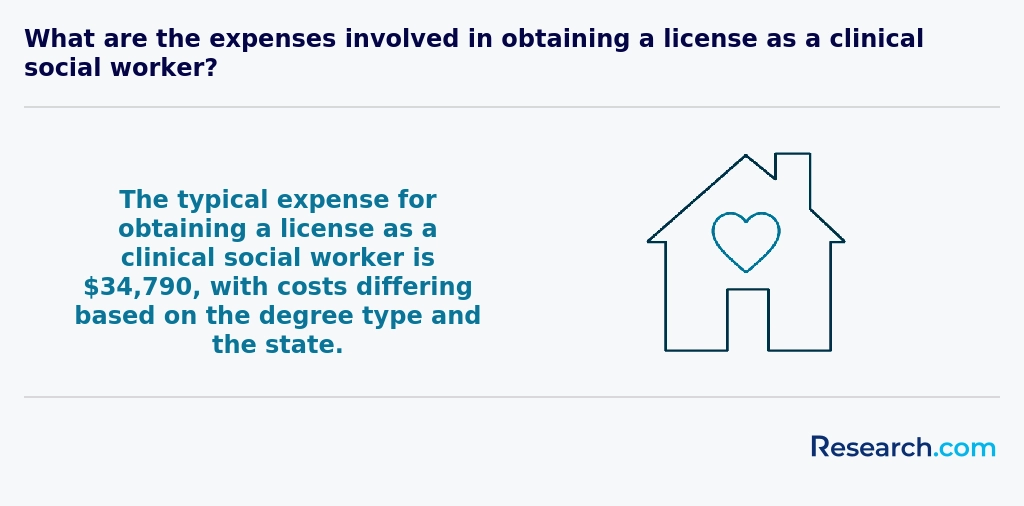
When budgeting for a social work degree, it is important to consider the total tuition fees social work programs Boston offer, alongside additional expenses such as textbooks, licensing exams, and fieldwork fees. Many students find financial aid and scholarships helpful but competitive, prompting some to pursue part-time or online studies to ease cost pressures. Prospective students can explore valuable social work programs in Massachusetts here to better understand the investment and returns of different options.
Additional Resources for Prospective Social Work Students in Boston, MA
As you navigate your journey towards a career in social work, it's essential to consider all available resources that can enhance your educational experience and career prospects. For those looking to deepen their understanding of social work practices or explore specialized fields, there are numerous online courses, workshops, and conferences that offer valuable insights and skills. Additionally, many organizations in Boston provide mentorship programs, internships, and volunteer opportunities that can give you hands-on experience and networking opportunities. When researching the best social work programs in Boston, it's also beneficial to look into valuable social work programs in Massachusetts, as these often reflect the highest standards of education and preparation for a career in social work. By leveraging these resources and opportunities, you can make informed decisions about your educational path and set yourself up for success in your future career as a social worker.
What financial aid is available to social work degree students in Boston?
Financial aid for social work students in Boston is robust and varied, helping ease the burden of tuition and living expenses. Graduates from Boston University and Simmons University often share how federal Pell Grants significantly reduced their out-of-pocket costs, providing up to $7,395 yearly without repayment requirements. Many also benefit from Direct Subsidized and Unsubsidized Loans, which offer manageable interest rates compared to private lenders, making education financing more accessible.
State programs through the Massachusetts Office of Student Financial Assistance further assist residents pursuing social work, offering grants and scholarships that supplement federal aid. Social work students frequently recount receiving departmental scholarships funded by alumni at their institutions, which range from modest sums to several thousand dollars, making a tangible difference in their academic journeys.
Work-study opportunities on Boston campuses not only offset costs but also provide invaluable hands-on experience within social work settings, enhancing both financial security and professional growth. Additionally, private scholarships from organizations like the National Association of Social Workers help dedicated students nationwide, including those in Boston, to pursue their careers with greater confidence and less financial stress.
Application and Success Tips for Aspiring Social Workers
Navigating the application process and excelling within a social work program in Boston, MA, requires a blend of careful planning, genuine passion, and a proactive mindset. Prospective students should start by thoroughly researching each program’s admission criteria, and then focus on crafting a compelling personal statement that showcases both their academic strengths and commitment to social justice. Additionally, engaging in relevant volunteer work or internships can not only strengthen your application but also provide practical insights into the field. For those looking to fast-track their journey while balancing other responsibilities, exploring options like accelerated social work programs can offer the convenience of online learning combined with rigorous coursework. Make sure to gather strong letters of recommendation from professionals in the field, as these endorsements can significantly elevate your application. Once admitted, success in the program hinges on effective time management, active participation in field placements, and continuous networking with faculty and peers. Consider forming study groups or participating in campus events that expand your understanding of local community challenges and opportunities. Remember, each step you take-from the initial application to real-world internships-builds the foundation for a rewarding career in social work.
What are the prerequisites for enrolling in social work degree program in Boston?
Enrolling in a social work degree program in Boston requires meeting specific academic and experiential prerequisites tailored to undergraduate or graduate levels. For Bachelor of Social Work (BSW) candidates at institutions such as Boston University or Simmons University, a high school diploma with a GPA usually between 2.5 and 3.0 is expected, alongside completion of core courses in English, social sciences, and math. Graduates from these programs often reflect on how these foundational courses prepared them for the interpersonal challenges encountered during their field placements.
Prospective Master of Social Work (MSW) students must hold a bachelor's degree, which need not be in social work but preferably includes relevant coursework in psychology or sociology. Boston's graduate programs often require a minimum GPA of 3.0, letters of recommendation, and a compelling personal statement. Many students recall that sharing personal volunteer experiences at local agencies, such as community centers or elder care facilities, highlighted their commitment and enhanced their applications.
Several schools in Boston emphasize community involvement, encouraging applicants to gain hands-on experience through internships or volunteer work. This practical engagement not only strengthens applications but also fosters empathy and professional readiness. While some programs may request GRE scores, this requirement has diminished post-pandemic, easing the admission process for many Boston applicants.
Advanced and Doctoral Pathways in Social Work
For social work professionals aiming to lead research initiatives, inform policy, or teach at the university level, pursuing a doctoral degree can be transformative. Doctor of Social Work (DSW) and PhD in Social Work programs build on MSW foundations, with curricula emphasizing advanced research methods, leadership skills, and the theoretical frameworks that underpin social welfare systems. Typical admission requirements include a master’s degree in social work, a minimum GPA (often 3.5 or higher), letters of recommendation, and a personal statement outlining research interests. Doctoral candidates engage in coursework on advanced qualitative and quantitative research, program evaluation, and organizational leadership. Many programs also require a dissertation or capstone project that contributes new knowledge to the field. Completion timelines vary: accelerated online DSW programs may be completed in three years, while PhD tracks often span four to six years, depending on full-time or part-time enrollment and dissertation milestones. Financial considerations are a key factor when choosing a doctoral path. For those seeking to minimize debt while maximizing academic rigor, exploring the cheapest online doctorate in social work offers a viable alternative to traditional, campus-based programs. Graduates of affordable online doctorates often report comparable research support, faculty mentorship, and networking opportunities to on-campus peers, with the added flexibility to balance professional and personal commitments. Earning a doctoral degree in social work opens doors to high-impact roles such as university faculty, policy analyst, or senior leadership positions in nonprofit and governmental agencies. By carefully evaluating program accreditation, faculty expertise, and alumni outcomes, prospective doctoral students can select a pathway that aligns with both their career aspirations and budgetary needs.
What courses are typically in social work degree programs in Boston?
Social work degree programs in Boston, such as those at Boston University and Simmons University, offer a rigorous curriculum designed to prepare students for professional practice. Graduates often recall courses like Human Behavior in the Social Environment, which explores the psychological and social dynamics impacting individuals and families, helping students understand diverse client backgrounds.
Students also engage deeply with Social Welfare Policy and Services, gaining insights into the US social welfare system and advocacy methods that are crucial when working with Boston's varied communities. The course on Research Methods and Statistics equips students to evaluate programs and contribute to evidence-based social work.
Practical skills come alive in Practice with Individuals, Families, and Groups, where graduates describe transforming theory into empathetic counseling and effective case management. The Field Practicum offers supervised hands-on experience within Boston's social services, reinforcing learning with real-world challenges.
Many students appreciate electives focused on local issues like urban poverty and homelessness, reflecting Boston's unique social environment and inspiring a strong professional commitment.
What types of specializations are available in social work degree programs in Boston?
Boston's social work degree specializations cater to a diverse range of professional interests, reflecting the city's dynamic social landscape. Graduates from prominent Boston universities frequently undertake clinical social work, which trains them in mental health counseling and prepares them for LCSW licensure, enabling them to provide therapy in various settings. Many also focus on child and family social work, engaging in real-world situations such as foster care and adoption services, which students often find deeply fulfilling.
Those studying at well-known Boston colleges emphasize geriatric social work, addressing the challenges of an aging population through hands-on experiences in healthcare facilities and elder advocacy programs. Other specializations include substance abuse treatment and healthcare social work, where students contribute to patient care in hospitals and community clinics, gaining practical skills in rehabilitation and support. Policy and advocacy remain vital concentrations, allowing students to influence social justice initiatives directly.
Prospective students considering Boston social work program concentrations can also explore accelerated social work programs, which provide a fast track to these in-demand fields, allowing them to respond swiftly to the evolving needs of the community.
How do you choose the best social work degree in Boston?
Choosing the best social work degree in Boston requires prioritizing accredited programs by the Council on Social Work Education (CSWE), as graduates often share how this accreditation was crucial for obtaining licensure and advancing their careers. Several local institutions offer diverse specializations, including clinical practice and community organization, allowing students to align studies with their personal goals. Graduates from popular Boston colleges often emphasize the value of embedded internships and fieldwork, which provide hands-on experience in vibrant urban settings such as hospitals and nonprofit agencies.
Cost considerations are equally important when exploring the best social work degree programs in Boston. Public universities typically offer more affordable tuition, while private colleges may provide scholarships that students have found essential. For those weighing options, many also explore the cheapest online doctorate in social work to balance financial concerns with flexible study schedules and career advancement.
The city's dense professional network offers abundant field placement opportunities, enabling students to build lasting connections. Real-world learning combined with strong alumni networks positively impacts employment outcomes, a factor Boston students often highlight when recommending affordable social work colleges Boston for a fulfilling educational experience.

What career paths are available for social work degree students in Boston?
Graduates holding social work degrees in Boston find a wealth of career paths tailored to the city's dynamic social landscape. Clinical social work is a prominent avenue, where MSW graduates provide counseling and therapy in institutions like Massachusetts General Hospital, often requiring licensure. Others pursue school social work within Boston Public Schools, supporting student mental health and family engagement during challenging times. Healthcare social workers aid patients and families navigating complex medical systems at facilities such as Boston Medical Center, blending compassion with practical assistance.
Boston's social work graduates also excel in child and family social work, contributing to foster care and adoption services through agencies like Boston Children's Services. Additionally, community organizing and advocacy roles offer meaningful work confronting homelessness, substance abuse, and immigrant rights-areas rich with both challenge and reward. These rewarding social work careers in Boston resonate strongly with graduates from local universities, who appreciate the city's collaborative environment for impactful professional growth.
For students concerned about program affordability, exploring options such as the Affordable Social Work Degree Programs Ranking in Missouri can provide comparative insights beyond Boston's offerings.
What is the job market for social work degree in Boston?
The social work job opportunities Boston offers are diverse and robust, driven by the city's strong healthcare, education, and nonprofit sectors. Graduates from prominent institutions such as Boston University and Simmons University often secure positions in hospitals or community agencies, where they provide vital services in mental health and family support. These graduates report positive experiences with local internships that bridge classroom learning and practical application, enhancing their career readiness.
Boston social work career outlook is especially promising, with the Massachusetts labor market projecting an 18% growth in demand for social workers through 2032. Clinical roles in healthcare settings tend to offer salaries exceeding $75,000 annually, reflecting the value placed on specialized skills. Students in Boston appreciate that the region's commitment to social services extends to comprehensive licensure requirements, ensuring professional standards and employability.
Those weighing program options often consider tuition costs alongside employment prospects. Many portfolios include resources such as the best paying 6 month certificate programs online, providing accelerated paths that complement traditional degrees and expand job market access.
Frequently Asked Questions About social work
Social work degree students in Boston can maximize their learning experience by engaging deeply with the city's diverse communities. Boston offers numerous field placements at hospitals, schools, and nonprofits, providing practical experience essential for skill development. The Massachusetts Department of Higher Education highlights that programs with strong internship components improve student readiness for professional roles.
Many Boston schools encourage participation in research projects or community advocacy, enhancing critical thinking and policy understanding. Additionally, attending local networking events with agencies such as the Massachusetts Chapter of the National Association of Social Workers expands professional connections.
Students should also utilize Boston's rich academic resources like public lectures and workshops to stay current on social issues.
The social work field is evolving rapidly, especially in Boston, where new areas of focus are gaining prominence. Emerging niches include geriatric social work, driven by the region's aging population, and healthcare social work, which supports patients navigating complex medical systems. Boston's vibrant tech industry also fosters growth in digital social work, using technology to enhance mental health services. Additionally, environmental social work is developing as concerns about climate change grow, addressing its social impacts. According to the Massachusetts Department of Public Health, demand for specialized social workers in these niches is expected to increase 12% by 2030, highlighting opportunities for students in the city.
After completing a social work degree in Boston, preparing for the job market involves several strategic steps. First, gaining practical experience through internships or practicums is essential, as Massachusetts requires supervised fieldwork for licensure. According to the Massachusetts Board of Registration of Social Workers, most entry-level jobs demand at least a Bachelor of Social Work (BSW) and supervised experience.
Networking within Boston's extensive social services community can enhance job prospects. Joining local organizations such as the Massachusetts Chapter of the National Association of Social Workers (NASW) provides access to job listings and professional development.
Graduates should also focus on obtaining relevant licenses like the Licensed Social Worker (LSW), necessary for many roles in healthcare and community services.
Continued education and certifications improve competitiveness, especially in Boston's diverse urban settings where social workers address issues ranging from homelessness to mental health.
Employers in Boston seeking graduates with social work degrees prioritize strong communication and interpersonal skills. These are essential for effectively interacting with diverse populations, including clients facing mental health or housing challenges. Additionally, critical thinking and problem-solving abilities are highly valued, enabling social workers to develop practical solutions in complex cases.
Boston social service agencies also emphasize cultural competence, reflecting the city's diverse communities. According to the Massachusetts Department of Labor's 2023 report, around 40% of social work job postings in Boston explicitly requested bilingual skills or cultural awareness.
Knowledge of policy and advocacy is another key skill, aiding graduates in navigating local and state regulations to support clients. Proficiency in technology, especially case management software, increasingly appears as a requirement in this field.
Finding internships in Boston for social work students involves a combination of university resources, local agencies, and professional networks. Many Boston-area universities with social work programs, such as Boston University and Simmons University, have established partnerships with hospitals, schools, and nonprofit organizations to offer field placements.
Students should also explore local agencies like the Massachusetts Department of Children and Families and community health centers, which frequently offer relevant internship opportunities. According to the Council on Social Work Education, about 90% of accredited programs in Massachusetts facilitate field placements as a graduation requirement, ensuring practical experience.
Additionally, attending networking events and joining local chapters of groups such as the National Association of Social Workers - Massachusetts Chapter can help students connect with internship supervisors and employers in the Boston social service sector.
A social work degree significantly enhances career mobility and advancement opportunities in Boston's diverse and growing human services sector. According to the U.S. Bureau of Labor Statistics, social workers in Massachusetts earn a median annual wage of approximately $66,000, which often increases with advanced degrees and specialized certifications.
Boston hosts numerous hospitals, schools, and nonprofit organizations that actively seek skilled social workers, especially those with a Master of Social Work (MSW). Graduates with an MSW are often eligible for clinical positions and leadership roles, positioning them for faster career growth.
Licensure requirements in Massachusetts, including becoming a Licensed Independent Clinical Social Worker (LICSW), typically require an MSW and supervised experience, which further boosts job prospects and salary potential in the Boston area.
Strong professional networks and partnerships between Boston universities and local agencies also facilitate internships and job placements, supporting career advancement for degree holders.
Studying for a social work degree in Boston offers a strong foundation for interdisciplinary roles by emphasizing collaboration across healthcare, education, and community services. Many Boston programs incorporate practical experiences with hospitals, schools, and public agencies, reflecting the city's diverse population and complex social needs. This hands-on approach builds skills in teamwork, assessment, and cultural competence, essential for working alongside professionals in psychology, nursing, and law enforcement.
According to the Boston Public Health Commission, the integration of social work with other disciplines improves client outcomes. Boston's educational institutions often include courses in policy analysis, mental health, and public administration to prepare students for multifaceted challenges.
Choosing between a thesis and a non-thesis social work degree program in Boston depends on your career goals and learning preferences. Thesis programs typically involve conducting original research, which suits those aiming for academic, policy, or research-focused careers. This path demands strong analytical skills and time commitment.
In contrast, non-thesis programs often prioritize practical skills through internships and applied projects, ideal for students seeking direct clinical or community work. According to the Council on Social Work Education, Boston-area programs follow this common structure, reflecting national trends.
Consider your preferred balance of research vs. practice when making your choice.
Students based in Boston who wish to study social work abroad have several avenues to explore. Many Boston universities with social work programs offer study abroad opportunities through partner institutions in countries such as the United Kingdom, Ireland, and Australia.
These programs often include semester exchanges or summer intensives focused on international social welfare practices. Boston University's School of Social Work, for example, facilitates global learning experiences connected to curriculum requirements.
Additionally, students can pursue internships through organizations linked to the Council on Social Work Education (CSWE), which accredits programs throughout the US and supports global collaboration.
Financial aid and scholarships designated for international study are sometimes available through Boston's higher education institutions.
Boston offers multiple part-time job opportunities that align well with social work degree studies. Common roles include case management assistant positions at local non-profits or community health centers. These jobs provide hands-on experience in client interaction and resource coordination, essential skills for social workers.
Additionally, working as a crisis hotline volunteer is a valuable way to develop communication skills and emotional resilience. According to the Massachusetts Department of Public Health, Boston-based organizations frequently recruit volunteers for such roles, which complement academic learning.
Positions in school counseling support or youth mentoring programs are also prevalent. The Boston Public Schools system often hires part-time aides, giving social work students a front-line view of educational social support services.
These job options not only enhance resumes but also expand professional networks within Boston's social service community.
Social work students in Boston benefit from a vibrant network of academic institutions, professional organizations, and community agencies. Boston houses renowned schools like Boston University and Simmons University, which actively facilitate student connections through events, workshops, and alumni networks. According to the National Association of Social Workers (NASW) Massachusetts chapter, local membership offers access to over 2,000 professionals and regular networking events tailored to social work students and graduates.
Additionally, Boston's strong nonprofit sector provides internship and volunteer placements, enabling students to build professional relationships in real-world settings. Conferences such as the annual NASW Massachusetts conference attract social workers statewide, creating opportunities for mentorship and collaboration. These combined experiences enhance student access to career resources and job opportunities in a competitive field.
Alumni networks play an essential role for social work degree students in Boston by offering access to a wide professional community. Graduates from Boston's social work programs often join active networks that facilitate mentorship, job placement, and internships.
According to the Boston Foundation, over 70% of social workers in the city find employment through connections made via alumni groups. These networks organize events and workshops that help students learn about the latest practices and local challenges in social work.
Such engagement not only supports career development but also fosters collaborative efforts to address urban social issues unique to Boston's diverse population.
In Boston, many universities offer flexible social work degree programs that allow students to tailor their education to specific career goals. Customization options often include choosing specialized courses, such as clinical social work, community organizing, or policy advocacy. Some schools provide concentrations or certificates that enhance expertise in areas like mental health or substance abuse.
Field placements are a critical part of customization, enabling students to gain hands-on experience in diverse Boston settings, from hospitals to nonprofits. According to the Boston Public Health Commission, these practicum opportunities help students build local professional networks.
Additionally, part-time and online formats accommodate working professionals aiming to balance education with career commitments. Prospective students should review each program's curriculum and practicum options carefully to align with their desired social work path.
Social work students in Boston often face several challenges unique to the city's educational and social environment. One major difficulty is balancing demanding coursework with required field placements in busy urban settings. According to the Massachusetts Department of Higher Education, many students report stress linked to managing practical experience alongside academic responsibilities.
Additionally, the high cost of living in Boston poses financial strain on students, limiting options for part-time work during studies. According to a 2023 survey from the Boston Foundation, nearly 40% of social work students struggle with housing affordability.
Finally, navigating diverse and complex social issues in Boston's communities requires cultural competence and emotional resilience, which can be stressful for emerging professionals early in their training.
With a social work degree in Boston, graduates can pursue several professional certifications that enhance their career prospects. The most common credential is the Licensed Social Worker (LSW), which allows professionals to practice under supervision throughout Massachusetts. After gaining experience, many choose to obtain the Licensed Certified Social Worker (LCSW) license, requiring a master's degree, 3,000 hours of supervised clinical experience, and a passing score on the ASWB clinical exam.
Other certifications include the Certified Alcohol and Drug Counselor (CADC), which is valuable given Boston's focus on addiction recovery services. According to the Massachusetts Board of Registration of Social Workers, approximately 30% of social workers in Boston hold LCSW licensure, reflecting strong demand for advanced credentials in the area.
These certifications open doors in clinical, school, healthcare, and community settings throughout the city and state.
Writing a winning application for a social work program in Boston requires careful preparation and clear demonstration of your commitment to the field. Start by researching programs accredited by the Council on Social Work Education (CSWE), as Boston hosts several such institutions, including Boston University and Simmons University. Highlight any practical experience with vulnerable populations, as programs value hands-on involvement. Craft a compelling personal statement that explains your motivation, career goals, and how the program aligns with your aspirations.
Include strong letters of recommendation from professionals familiar with your work or academic abilities. Schools often expect a minimum GPA near 3.0 for competitive applicants. Additionally, Boston social work programs appreciate applicants who demonstrate cultural competency and an understanding of local community challenges, supported by references like the Massachusetts Department of Public Health reports.
Social work as a profession holds significant value globally, reflecting diverse approaches shaped by cultural, economic, and political contexts. In the United States, including Boston, social work education often aligns with standards set by the Council on Social Work Education (CSWE), ensuring graduates are prepared to address local and global social challenges.
Globally, social workers collaborate on issues such as human rights, social justice, and community development. According to the Boston Public Health Commission, approximately 5,000 social workers serve in the Boston area, reflecting strong regional demand driven by urban social concerns.
International organizations like the International Federation of Social Workers promote best practices worldwide, influencing education curricula in US programs to include comparative global perspectives. For Boston students, understanding this global context enhances career flexibility within diverse populations and international settings.
Gaining practical experience is essential when studying for a social work degree in Boston. Most accredited programs, including those approved by the Council on Social Work Education (CSWE), require field placements as part of their curriculum. These internships typically span 400-900 hours and involve working with local agencies such as hospitals, shelters, and community centers in the Greater Boston area.
Boston's diverse social service organizations provide students with opportunities to engage in real-world situations alongside professionals. For example, institutions like Boston Medical Center and the Massachusetts Department of Children and Families host field interns.
Additionally, some universities offer partnerships for research projects and service-learning opportunities, allowing students to combine academic study with hands-on work. This practical experience is crucial for meeting licensure requirements in Massachusetts and enhancing job prospects after graduation.
Choosing the right concentration within a social work degree in Boston requires understanding your career goals and the needs of the local community. Boston offers various specializations, such as clinical social work, school social work, or policy advocacy. According to the Massachusetts Department of Elementary and Secondary Education, demand for school social workers has grown by 12% over the past five years due to increasing mental health concerns in schools.
Additionally, the Boston Public Health Commission highlights the need for social workers in substance abuse and homelessness services. Reflect on your interests in these areas and review Boston-area job trends reported by the Bureau of Labor Statistics for social workers, which predicts a 13% growth in the next decade nationwide. Practical experience and internships in Boston agencies can also guide your choice.
Related Social Work Rankings for Nearby Cities
- 2027 Most Valuable Social Work Degree Programs Ranking in Albany
- 2027 Most Valuable Social Work Degree Programs Ranking in Garden City
- 2027 Most Valuable Social Work Degree Programs Ranking in Bronx
- 2027 Most Valuable Social Work Degree Programs Ranking in New York
- 2027 Most Valuable Social Work Degree Programs Ranking in New Brunswick
- 2027 Most Valuable Social Work Degree Programs Ranking in Philadelphia
- 2027 Most Valuable Social Work Degree Programs Ranking in Rochester
- 2027 Most Valuable Social Work Degree Programs Ranking in Baltimore
- 2027 Most Valuable Social Work Degree Programs Ranking in Washington
- 2027 Most Valuable Social Work Degree Programs Ranking in Raleigh
Top Trending Social Work Rankings
See What Experts Have To Say About Studying Social Work
Read our interview with Social Work experts

References
- The Evolution of Online Social Work Education https://www.socialworktoday.com/news/enews_0317_1.shtml
- Social Work Internships https://www.stjude.org/education-training/professional-development/internships/social-work.html
- Global Perspectives in Social Work https://www.gu.se/en/study-in-gothenburg/exchange-student/courses/sw1118
- Grand Challenges for Social Work https://grandchallengesforsocialwork.org/
- Social work certificates | edX https://www.edx.org/certificates/social-work-certificates
- 10 Careers for Social Work Majors https://www.umassglobal.edu/blog-news/careers-for-social-work-majors
- The Power of Finding Your Niche as a Social Worker https://www.credentialedapparel.com/blogs/news/the-power-of-finding-your-niche-as-a-social-worker
- Social Work https://al.edu.pl/en/studies/english-courses-for-erasmus-students/social-work
- Surviving your social work degree placement - Community Care https://www.communitycare.co.uk/content/news/surviving-your-social-work-degree-placement
- MSW Programs in Massachusetts https://socialworklicensemap.com/social-work-degrees/master-of-social-work-programs/msw-programs-massachusetts/


