
2027 Most Valuable Social Work Degree Programs Ranking in the West

Co-Founder and Chief Data Scientist
Choosing the right social work degree program is an exciting step toward a rewarding career helping others. If you're in the West and exploring your options, this article is designed just for you.
We present the 2027 Most Valuable Social Work Degree Programs Ranking in the West, developed by the Research.com team of data scientists. This ranking offers clear insights to help you find programs that stand out for quality and value.
Reading this guide will empower your decision-making and highlight the meaningful opportunities a social work degree can open. Your future in social work starts here.
Key benefits of getting social work degree in the West
- Graduates with a social work degree can enjoy competitive salaries, such as Social Workers earning a mean annual wage of $68,800 and Community Organizers earning $83,400, making the field financially rewarding.
- Career paths are broad and fulfilling, with options including roles like Child Welfare Specialist or Residential Counselor, allowing graduates from Western universities to find meaningful work in various community and health settings.
- Online social work degrees offer flexibility and accessibility, enabling students from the West to balance studies with work or family, as seen with many graduates from top online programs who enter the workforce confidently and prepared.
- Key benefits of getting social work degree in the West
- What can I expect from social work degree in the West?
- Where can I work with social work degree in the West?
- How much can I make with social work degree in the West?
- 2027 Most Valuable Social Work Degree Programs Ranking in the West
- Key Findings
- How long does it take to complete social work degree in the West?
- Licensing and Certification Requirements
- What's the difference between online and on-campus social work degree?
- What is the average cost of social work degree in the West?
- Return on Investment for a Social Work Degree in the West
- What financial aid is available to social work degree students in the West?
- Return on Investment: Balancing Cost, Debt, and Career Earnings
- What are the prerequisites for enrolling in social work degree program in the West?
- Accelerating Your Social Work Education in the West with Online Programs
- What courses are typically in social work degree programs in the West?
- What types of specializations are available in social work degree programs in the West?
- How do you choose the best social work degree in the West?
- What career paths are available for social work degree students in the West?
- What is the job market for social work degree in the West?
- Top Trending Social Work Rankings
- See What Experts Have To Say About Studying Social Work
What can I expect from social work degree in the West?
When it comes to the cost of getting a social work degree out West, expect quite a range depending on where you study. Public universities in states like California or Washington usually offer more wallet-friendly tuition, especially if you're an in-state student. Many grads from schools like the University of Washington share how manageable their tuition felt compared to private colleges, thanks to in-state rates and scholarships.
On the other hand, private colleges-those smaller, specialized programs-can be pricier. But lots of students find that the extra cost comes with more personalized support or smaller class sizes, which can be a game-changer. For example, graduates from private West Coast universities often mention that financial aid, plus scholarships targeting social work students, smoothed their path and helped reduce stress.
So, while the sticker price might look intimidating at first, many social work students end up feeling confident by mixing in-state tuition benefits, aid, and the payoff of hands-on internships in local communities.
Where can I work with social work degree in the West?
If you earn a social work degree in the West, you've got tons of doors opening up for you. Graduates from popular schools like the University of Washington or USC often land jobs in child welfare agencies, where they help protect kids and support families going through tough times. Imagine being the person who steps in during a crisis, making real change happen-that's what many grads love about this path.
Others find themselves working in hospitals or mental health clinics, especially in places like California or Oregon. They support patients managing illness or navigating emotional challenges, which feels super rewarding when you see someone making progress.
There's also a solid crowd heading into schools, helping kids overcome obstacles like poverty or trauma so they can thrive. Many grads from schools like Portland State share how meaningful it is to watch kids grow because of their support.
You can also join community centers or government agencies in big cities like Seattle or San Francisco, working on homelessness programs or substance abuse counseling. These roles offer a chance to connect deeply with diverse communities, which many find incredibly fulfilling.
How much can I make with social work degree in the West?
If you're wrapping up a social work degree from a school out West-think University of Washington or USC-you're probably wondering, "How much can I actually make?" Well, graduates often find themselves stepping into roles like Social Worker positions, where the average annual wage is about $68,800. Not too shabby for starting out!
Some jump into Child Welfare Specialist or Residential Counselor gigs, both averaging around $59,190 annually. These roles are solid choices and often bring a real sense of fulfillment beyond just the paycheck. Others, especially those who've landed roles closer to community organizing or youth work, are seeing mean salaries of $83,400 per year. It's a step up that reflects both the experience and the extra skills you pick up along the way.
Many grads from top Western schools share stories of starting out in urban hubs like Seattle or Los Angeles, where wages are a bit more generous, balancing out those city living costs. So yeah, with your degree in hand, the West offers some pretty promising opportunities that not only pay well but let you make a real difference in people's lives.
2027 Most Valuable Social Work Degree Programs Ranking in the West
How do we rank schools?
Investing in your education is a significant decision that can shape your future, and the Research.com team understands the importance of making informed choices. To assist prospective students, we have meticulously crafted the "2027 Most Valuable Social Work Degree Programs Ranking in the West." Our commitment to quality, credibility, and accuracy is reflected in the extensive research and analysis conducted to compile this ranking.
We utilized the following reputable data sources to ensure a comprehensive evaluation of social work programs:
By exploring this ranking, readers will gain valuable insights into the most valuable social work degree programs available in the Western region, enabling them to make well-informed decisions about their educational investments. For more details on how this ranking was created, please visit our Research.com methodology page.




Key Findings
- Annual tuition in public universities ranges from $8,000 to $15,000 for in-state students and $20,000 to $35,000 for out-of-state students.
- Private universities charge between $25,000 and $40,000 per year, excluding additional costs like books and living expenses.
- Starting salaries for Bachelor of Social Work graduates typically range from $40,000 to $50,000, while Master of Social Work graduates start between $50,000 and $65,000 annually.
- The job market for social workers in the Western U.S. is growing about 10% from 2022 to 2032, faster than the average for all jobs.
- Licensure usually requires earning an accredited degree and passing a licensing exam, with many pursuing Licensed Clinical Social Worker (LCSW) status.
How long does it take to complete social work degree in the West?
If you're starting fresh with a Bachelor of Social Work (BSW) in the West, expect about four years to finish up. Think of it like your typical college journey-maybe at the University of Washington or San Francisco State-where you balance general classes with social work topics. Graduates often mention how that timeframe feels right for building a solid foundation.
For those aiming for the Master of Social Work (MSW), it usually takes another two years after your bachelor's. But here's a cool thing: some schools in California or Oregon offer accelerated one-year MSW programs if you already have a BSW or a similar degree. It's a lot to juggle, but grads say it's totally doable with strong focus.
Many students juggling work appreciate part-time MSW options that stretch the program to three or four years, giving more room to breathe. This flexibility is a lifesaver for folks in busy cities like Seattle, where balancing a job and studies is key.
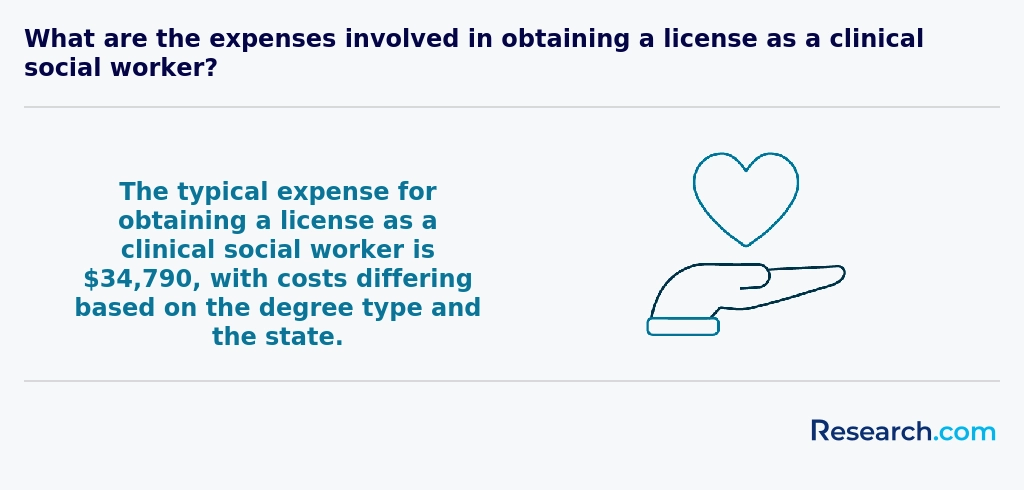
Licensing and Certification Requirements
Becoming a licensed social worker in the West builds on your degree with state-specific credentials:
- Graduate from a CSWE-accredited Master of Social Work program; many students choose online msw programs for flexibility.
- Complete the required supervised practice hours (usually 2,000–4,000 hours) under approved clinical supervision.
- Pass the Association of Social Work Boards (ASWB) exam at the master’s or clinical level.
- Apply to your state licensing board, submitting exam results, background check, and application fees.
- Maintain licensure through periodic renewals and state-mandated continuing education credits.
What's the difference between online and on-campus social work degree?
If you're checking out social work degrees in places like California or Washington, one big thing to know is how online and on-campus programs really differ. Online degrees give you the freedom to juggle classes with a busy life-think working full-time, raising a family, or managing other commitments. Graduates from online programs at universities like Oregon State share how logging into lectures at midnight or finishing assignments after work fit their schedules perfectly. But it definitely takes some serious self-drive to keep up without regular face-to-face check-ins.
On the flip side, on-campus programs at schools like the University of Washington offer that classic college vibe. Students love the chance to chat with professors after class or join campus groups focused on social justice work. Being on campus also makes it easier to connect for field placements nearby, which is key since Western programs require 400 to 900 hours of hands-on experience. Plus, those in-person moments often spark friendships and networking that can last forever.
Both paths are accredited equally, so you're getting solid training no matter what. The main tradeoff is between flexibility and that hands-on community feel, which just depends on what fits your life best.
What is the average cost of social work degree in the West?
The average cost of a social work degree in the West can feel pretty manageable when you break it down. For many students attending public universities in states like California or Oregon, the median total expense is around $9,720 for in-state residents, which is a relief compared to the out-of-state total cost that often jumps to about $42,886. Graduates from popular schools say the investment feels worth it, especially after landing jobs in community agencies or clinics, where they can directly see the impact of their education.
Private colleges and universities in the West tend to be on the higher end, sometimes nearing that $42,000 mark, but they often come with robust scholarship opportunities tailored for social work students aiming to make a difference. Many students talk about how these scholarships, paired with federal assistance like FAFSA, helped them stay focused on their passion without stressing too much over finances.
When calculating the total expense for social work programs western states usually include costs beyond just tuition-think textbooks, fees, and living expenses, especially in cities like Seattle or San Francisco. Some students who attended these programs found creative ways to budget, balancing part-time jobs with studies, which made the experience more rewarding and less overwhelming.
For those curious about faster paths to a degree, you might want to check out the fastest online social work schools in Arizona that offer flexible options without sacrificing quality.

Return on Investment for a Social Work Degree in the West
Investing in a Social Work degree in the Western United States requires a clear understanding of both costs and long-term earnings potential. Here’s how to evaluate your return on investment (ROI): • Average Tuition vs. Earnings – Master of Social Work (MSW): Median tuition around $29,000 per year; median annual salary $64,360 (Social Workers) to $79,310 (Community Organizers). – Bachelor of Social Work (BSW): Tuition varies from $15,000 to $40,000 per year; entry-level salaries range $40,000–$55,000. – Payback Period: MSW graduates typically recoup tuition costs within 2–3 years based on median earnings. • Specialization Premiums – Mental Health & Substance Abuse: +8% salary premium over generalist roles. – Healthcare Social Work: Median wage $68,000, driven by hospital and clinical settings. – Child & Family Services: Stable demand yields steady salary growth of 5% annually. • Online vs. On-Campus ROI – Online programs often lower total cost by up to 20% through reduced fees and travel expenses. – On-campus graduates report higher networking ROI, translating to 10–15% faster job placement. • Advanced Credentials and Long-Term Gains – Doctoral degree holders can expect median salaries above $85,000 and leadership roles in academia, policy, or research. For those exploring cost-effective options, consider an affordable social work doctoral program to maximize long-term ROI. • Debt Management Strategies – Public Service Loan Forgiveness (PSLF) can eliminate remaining federal debt after 120 qualifying payments. – Income-driven repayment plans cap monthly payments at 10–20% of discretionary income, reducing short-term financial strain. By comparing tuition investments against median salaries, specialization premiums, and financing options, prospective students can make data-driven decisions to optimize their ROI in the vibrant social work landscape of the West.
What financial aid is available to social work degree students in the West?
If you're diving into a social work degree in the West, there's a good mix of financial help waiting for you. Lots of grads from schools like the University of Washington or San Diego State University talk about how federal aid really takes a load off. Filling out the FAFSA opens doors to grants, loans, and work-study gigs that fit around busy social work schedules. The Pell Grant is a favorite too-its need-based cash, up to about $7,395, doesn't have to be paid back, which feels like a huge win.
Then, there are scholarships from programs just for social workers. In California, for example, Cal-SWEC helps students get financial support and even loan forgiveness. Some grads have shared how Washington State's Social Work Loan Repayment Program motivated them to stay in public service jobs, rewarding commitment with financial perks. Plus, if you work in nonprofits or public service after graduating, federal programs like Public Service Loan Forgiveness can actually wipe out your student debt after enough qualifying payments.
Many students also find local scholarships or employer tuition help, which together really make paying for school feel doable instead of overwhelming.
Return on Investment: Balancing Cost, Debt, and Career Earnings
Understanding the return on investment (ROI) of a social work degree is essential for making a financially sound decision. To calculate your ROI, compare the total cost of tuition, fees, and living expenses against projected median salaries in your chosen field. For example, if an MSW program costs $60,000 in total and leads to an average starting salary of $64,360, the payback period can be as short as one year, assuming salaried employment. When assessing programs, factor in the time value of money, interest accrual on student loans, and potential income growth over a 10- to 20-year career span. Reducing debt burden accelerates ROI and improves long-term financial stability. Seek institutional scholarships, federal grants, and work-study positions early in your application process. Internships not only provide hands-on experience but often come with stipends or employer tuition reimbursement. Additionally, consider less expensive in-state or online options; you can compare cost-effective pathways by exploring our Cheapest Social Work Degree Programs Ranking in California to identify programs that optimize both affordability and quality. Finally, monitor your post-graduation earning trajectory by networking with alumni and leveraging career services. Tracking salary benchmarks for roles such as clinical social worker, school social worker, and community services manager will help you adjust your career plan and maximize ROI. By meticulously evaluating program costs, funding opportunities, and salary outcomes, prospective social work students can achieve a balance between educational investment and rewarding, sustainable career earnings.
What are the prerequisites for enrolling in social work degree program in the West?
If you're thinking about diving into a social work degree in the West, you'll want to know what it takes to get in. For a Bachelor of Social Work at popular spots like the University of Washington or Arizona State, you usually need a high school diploma and some solid grades, especially in subjects like psychology or communications. Many grads mention how volunteering at local shelters or community centers not only boosted their applications but also gave them a real feel for the work ahead.
Going for a Master's, say at UCLA or Portland State, means you'll need a bachelor's degree first. Some programs welcome any background, but having studied social sciences can definitely help. A GPA around 3.0 is common, plus you'll need letters of recommendation and a personal statement that shows your passion and goals. A few schools might ask for GRE scores, but that's becoming less usual.
Students in the West often highlight how accredited programs, recognized by the Council on Social Work Education, paved the way for easy state licensing, especially in California and Washington. Knowing these requirements upfront can really keep your plans on track and your excitement high.
Accelerating Your Social Work Education in the West with Online Programs
To accelerate your social work education in the West, considering online programs can be a strategic move, especially for those who need flexibility in their schedule. Online social work programs, such as those offered by reputable universities, allow students to balance their studies with work or family commitments. For instance, if you're interested in pursuing a degree in social work in Arizona, you can explore the fastest online social work schools in Arizona to find a program that fits your needs and pace. This flexibility is particularly beneficial for working professionals or those living in remote areas with limited access to traditional educational institutions. Online programs often include virtual field placements and internships, which provide students with hands-on experience in social work practice. By leveraging online education, students can gain the knowledge and skills required to succeed in social work while enjoying the convenience of learning from anywhere.
What courses are typically in social work degree programs in the West?
If you're thinking about a social work degree out West, expect a solid mix of courses that really get you ready for the real world. Graduates from schools like the University of Washington or Arizona State often talk about how classes like Introduction to Social Work gave them a clear picture of the profession's history and ethics, making everything feel meaningful from day one.
Then there's Human Behavior in the Social Environment, which students find eye-opening because it helps you understand what makes people tick-whether that's due to family, community, or mental health challenges. At places like Portland State University, Social Welfare Policy courses really hit home, showing how laws impact vulnerable folks right in your neighborhood.
One highlight? The Field Education or Practicum, where you step out of the classroom and into real social work settings. Many graduates say that hands-on experience is where they gained confidence and truly connected to the work, whether helping elders in rural Washington or supporting kids in urban Arizona.
What types of specializations are available in social work degree programs in the West?
If you're thinking about social work degree specializations in the Western US, there's a nice variety to choose from depending on what really sparks your passion. Graduates from popular schools like those in California or Washington often say they loved focusing on areas like child and family social work, which means getting hands-on with helping kids, families, and foster care systems. Others found themselves drawn to mental health and substance abuse, dealing with real struggles around addiction and emotional support-super relevant given the strong local demand for these services.
School social work is another popular path, especially for those who enjoy working in educational settings and making a difference in kids' daily lives. Healthcare social work attracts those wanting to jump into medical environments helping patients and families navigate complex challenges. Then there's gerontology, focusing on elder care, which a lot of Western students find rewarding as the population ages. Community and social justice advocacy is perfect for anyone passionate about change and fighting for marginalized groups.
If you're curious about exploring these options without breaking the bank, check out the most affordable msw online programs tailored to fit a range of needs and budgets.
How do you choose the best social work degree in the West?
Picking the best social work degree in the West really comes down to a few key things that students commonly experience. Accreditation is huge-graduates from programs like those at the University of Washington feel confident knowing their degree is CSWE-accredited, which is vital for licensure and quality education. Cost is always on everyone's mind; many find that public schools in the West offer affordable social work degrees Western states-wide, which makes balancing budgets a bit easier compared to pricier private options.
Flexibility also plays a big role. Graduates from places like Arizona State University appreciate online MSW options that let them juggle work and family while studying. And don't forget about specialization-finding programs near urban hubs like LA or Seattle means access to awesome internships, which past students say really boosted their confidence and skills. If you're curious about advanced studies, check out this affordable social work doctoral program designed for those wanting to go further.
Most folks searching for top social work degree programs in the West say these factors really helped them choose smartly and feel good about their path.

What career paths are available for social work degree students in the West?
If you're thinking about social work career options in the West, there's actually a bunch of paths you can take. Graduates from popular schools like those in California or Washington often dive into clinical social work, offering counseling to people who really need it. Then there's healthcare social work, which means working in hospitals or clinics helping patients navigate tough situations. Some grads also find themselves in schools, supporting kids through emotional or social challenges, which is incredibly rewarding.
Others choose child and family social work, focusing on adoption services or family support programs, while some get involved in community social work, organizing resources for underserved neighborhoods. And substance abuse counseling is another big one, especially in places with strong mental health rehab centers.
Job opportunities for social work graduates West can be pretty exciting because you might work in bustling cities like San Francisco or quieter rural areas. Affordable programs matter too-a lot of folks check out options like the Cheapest Social Work Degree Programs Ranking in California to manage tuition costs while chasing these rewarding careers.
What is the job market for social work degree in the West?
If you're thinking about social work jobs in the Western US, the outlook is pretty bright. Graduates from well-known programs at universities in California or Oregon often find rewarding roles in healthcare, government agencies, or nonprofits almost right away. Many share stories of landing jobs in urban hubs like Seattle or Los Angeles, where wages tend to be higher, helping offset the cost of living. Meanwhile, those who study at schools closer to rural areas in Nevada or Idaho find fulfilling opportunities addressing local challenges like mental health or elder care, making a real difference in tight-knit communities.
One common experience among grads is navigating the standard licensure process required across the Western region, which really sets a quality bar and boosts credibility in the job market. Plus, considering the cost of your degree-ranging from about 7,000 to 30,000 annually depending on your program type-can help you weigh your investment carefully. For some, starting with a best associate degree in 6 months online accredited program offers a quicker, affordable entry point, making it easier to jump into this growing field.
Overall, the Western region social work employment outlook is promising, with steady growth driven by expanding healthcare and social services. This means lots of chances for new social workers to find satisfying work while helping communities thrive.
Frequently Asked Questions About social work
Social work degree students in the Western United States can maximize their learning by engaging deeply with field placements, which the Council on Social Work Education highlights as essential for practical skill development. Many accredited programs require 900 to 1,200 hours of supervised fieldwork, offering hands-on experience with diverse populations. Taking advantage of internships in California, Washington, or Colorado's social services allows students to apply classroom theories to real-world cases.
Additionally, participating in workshops and local community organizations enhances cultural competency and networking. According to the Western Association of Schools and Colleges, students who combine academic learning with community engagement tend to report higher satisfaction and career readiness.
Emerging niches in the social work field reflect growing societal needs and shifts within the Western United States. One key area is geriatric social work, driven by the aging population in states like California and Washington. According to the National Association of Social Workers, demand for specialists in elder care is increasing due to longer life expectancies.
Behavioral health social work is also expanding, particularly in addressing addiction and mental health disorders. The Substance Abuse and Mental Health Services Administration highlights a rising need for social workers equipped to handle these challenges.
Additionally, social workers focusing on immigration and refugee services are vital in border states like Arizona and California, supporting diverse communities through legal and social integration processes.
After earning a social work degree in the West, job market preparation begins with obtaining state licensure, as all western states require credentials such as the Licensed Clinical Social Worker (LCSW) to practice independently. Graduates should complete supervised clinical hours promptly to meet these requirements.
Networking plays a crucial role; joining regional chapters of professional organizations like the National Association of Social Workers (NASW) can connect graduates with employers and job openings. According to the Bureau of Labor Statistics, California and Washington show particularly strong growth in social work opportunities, averaging 10% employment increases through 2030.
Additionally, practical experience is vital-internships during study and volunteer work can enhance resumes and interviewing skills. Familiarity with electronic health records and emerging telehealth services is increasingly important due to technological advances in the field.
Employers in the Western US highly value social work graduates who demonstrate strong communication and interpersonal skills. These abilities are essential for effectively working with diverse populations and advocating for client needs. According to the California Social Work Education Center, cultural competence is increasingly important due to the region's demographic diversity.
Critical thinking and problem-solving skills are also top priorities, enabling graduates to assess complex situations and develop suitable intervention plans. Knowledge of state-specific regulations and ethical standards further increases a candidate's employability. Additionally, proficiency in technology and data management is becoming vital as agencies adopt digital tools for case documentation and reporting.
Internships are essential for social work students in the Western US to gain practical experience. Start by exploring your university's career center, as many schools have partnerships with local agencies. California, Oregon, and Washington offer numerous nonprofits and public health organizations actively seeking interns.
Online platforms like Handshake and Idealist also list social work internships specific to your region. According to the Council on Social Work Education, over 80% of accredited programs in the West connect students directly with community placement sites. Additionally, joining state social work associations can provide networking opportunities and internship leads. Early application and tailored resumes increase your chances of securing valuable placements.
A social work degree significantly enhances career mobility and advancement opportunities in the Western United States. Graduates with a Bachelor or Master of Social Work (BSW or MSW) are qualified for a variety of roles, from case management to clinical practice. According to the U.S. Bureau of Labor Statistics, social worker jobs in California, Washington, and Oregon are projected to grow by approximately 12% from 2020 to 2030, faster than the national average.
Holding an MSW, particularly with clinical licensure (LCSW), opens doors to leadership positions and higher salaries. States like California require this for private practice, increasing job prospects.
Professional networks and state associations in the West also support continued development and credentialing, further boosting career growth.
Studying for a social work degree in the Western United States equips students with skills essential for interdisciplinary roles in healthcare, education, and community services. Programs accredited by the Council on Social Work Education (CSWE) emphasize collaboration across fields, preparing graduates to work alongside professionals in psychology, nursing, and public policy.
Curricula often include practical training in multidisciplinary environments, reflecting the region's diverse population and complex social issues. According to the Western Interstate Commission for Higher Education (WICHE), over 70% of social work graduates in the West engage in roles requiring cross-sector collaboration within their first year post-graduation.
This hands-on experience fosters understanding of systems thinking and teamwork, vital for addressing comprehensive client needs in modern social work practice.
When choosing between a thesis and a non-thesis social work degree program in the Western US, consider your career goals and learning preferences. Thesis programs emphasize research and may appeal to students interested in academic careers or doctoral studies. Non-thesis tracks focus more on practical skills and fieldwork, ideal for those aiming to enter direct social work practice faster.
Many Western schools, including those in California and Washington, offer both options. According to the Council on Social Work Education, about 40% of social work graduates in the West choose the non-thesis route, valuing hands-on experience over research.
Funding and program length also differ: thesis students might secure research assistantships, while non-thesis tracks often complete their degrees more quickly.
Students based in the Western United States seeking to study social work abroad have several structured options through exchange programs and partner universities. Many universities in states like California and Washington collaborate with international institutions, enabling students to complete part of their Bachelor or Master of Social Work degrees overseas while earning credits toward their US-based programs.
Popular destinations include Canada, the United Kingdom, and Australia, where social work curricula align closely with US standards. The Council on Social Work Education (CSWE) supports these initiatives to ensure program accreditation and credit transferability remain intact.
According to the CSWE, approximately 15% of Western social work students participate in study-abroad programs, seeking global perspectives on social justice and community health.
Students pursuing social work degrees in the Western United States can enhance their education through various part-time jobs closely related to their field. Positions such as case aides, residential counselors, and mental health technician roles offer practical experience while supporting vulnerable populations. According to the Bureau of Labor Statistics (2023), these jobs often provide flexible hours that fit student schedules.
Many universities in the West, including those in California and Washington, have partnerships with local nonprofits and healthcare facilities. These connections create opportunities for students to work part-time in environments relevant to social work practice, such as community outreach programs and child welfare agencies.
Social work students in the Western United States benefit from extensive networking opportunities that enhance their professional growth. Regional associations, like the California Chapter of the National Association of Social Workers (NASW-CA), offer regular events, workshops, and conferences specifically designed for students. These gatherings connect aspiring social workers with experienced practitioners and potential employers.
Moreover, universities in the West often collaborate with local agencies and nonprofit organizations, providing internship placements that serve as key networking platforms. Data from NASW shows that 65% of West Coast social work graduates report securing jobs through connections made during their studies.
Online platforms and social media groups also support student networking, especially important in rural areas. These combined resources create a strong foundation for career opportunities in social work across the region.
Alumni networks play a crucial role in supporting social work degree students in the Western United States. These networks provide valuable opportunities for mentorship, connecting current students with experienced professionals who understand regional challenges and job markets.
In states like California and Washington, strong alumni connections often lead to internships and field placements, essential for hands-on experience required by accredited social work programs. According to NASW, over 60% of Western social work graduates find their first jobs through networking.
Moreover, alumni groups offer workshops, job fairs, and online platforms where students can access up-to-date industry information and employment trends specific to Western social work. This support enhances career readiness and community engagement.
Customizing a social work degree program in the Western US often begins with selecting specialized areas that align with career goals. Many universities offer concentrations such as child welfare, mental health, or community development, allowing students to tailor their studies.
Field placements are another key customization point. Students can choose internships in settings like hospitals, schools, or government agencies, gaining relevant hands-on experience.
Additionally, some programs offer flexible formats, including part-time and online options, helping working professionals align education with their schedules. According to the Council on Social Work Education (CSWE), programs in California and Washington are among the leaders in these adaptable offerings.
Social work students in the Western United States often face significant challenges during their studies. Many struggle with balancing rigorous academic coursework and demanding field placements, which require practical experience in diverse community settings. According to a 2022 report by the Council on Social Work Education, nearly 60% of students in the West cite time management as a major difficulty. Financial constraints are common, with tuition costs and limited funding opportunities adding stress. Additionally, students encounter emotional fatigue from working with vulnerable populations during internships. Navigating licensing requirements and preparing for certification exams also present ongoing hurdles throughout their educational journey.
With a social work degree in the Western United States, you can pursue various professional certifications that enhance career opportunities. The most widely recognized is the Licensed Clinical Social Worker (LCSW), which authorizes clinical practice and is required in states like California, Oregon, and Washington.
Beyond the LCSW, certifications such as the Certified Social Work Case Manager (C-SWCM) and the Academy of Certified Social Workers (ACSW) credential are valuable for specialized practice areas. According to the California Board of Behavioral Sciences, nearly 70% of social workers in the state hold an LCSW or equivalent license, reflecting strong demand for certified professionals in the region.
These certifications generally require a Master of Social Work (MSW) degree, supervised clinical hours, and passing a licensing exam, all essential steps for advancing your social work career in the West.
Writing a winning application for a social work program in the Western US requires careful planning and attention to detail. Begin by thoroughly researching programs accredited by the Council on Social Work Education (CSWE), as accreditation is essential for licensure.
Strong applications include a clear personal statement that reflects genuine passion for social justice and helping communities. Highlight relevant experience, such as internships or volunteer work, which many programs in California, Washington, and Oregon highly value.
Official transcripts showing a solid academic record are crucial, especially in psychology, sociology, or related fields. Letters of recommendation from supervisors or professors who know your skills also strengthen your application.
Recent data from the Western Association of Schools and Colleges (WASC) suggest programs receive hundreds of applications yearly, so a unique narrative that links your background to social work challenges improves your chances.
A career in social work holds a vital role worldwide, but perspectives and opportunities vary globally. In the West, especially in the US, social work is recognized as a professional discipline focused on helping individuals, families, and communities. According to the National Association of Social Workers, there are over 700,000 licensed social workers in the United States as of 2023.
Internationally, social work often addresses broader systemic issues such as human rights and social justice. The Council on Social Work Education emphasizes that Western degree programs prepare students for diverse roles, including healthcare, child welfare, and mental health services. These programs align with global standards set by the International Federation of Social Workers, promoting ethical practice and cultural sensitivity.
Demand for social workers in the US is projected to grow 12% from 2022 to 2032, fueling interest in accredited social work degrees. This growth reflects an increasing societal focus on mental health and social equity, consistent with trends in other developed countries.
Gaining practical experience during a social work degree in the Western US is crucial for career readiness. Most accredited programs require students to complete field placements or internships, typically ranging from 400 to 900 hours, depending on the school's curriculum and the degree level.
These placements often occur in local social service agencies, hospitals, schools, or community organizations, providing direct client interaction under professional supervision.
Universities in states like California, Washington, and Oregon frequently partner with public and nonprofit institutions to ensure diverse practical opportunities. According to the Council on Social Work Education, over 85% of students in Western social work programs complete relevant internships before graduation.
Additionally, some schools offer specialized practicums focusing on areas such as child welfare or mental health, allowing students to tailor their experience to career interests.
Choosing the right concentration within a social work degree program in the West involves assessing your interests, career goals, and the needs of the region. Popular concentrations include clinical social work, school social work, and community organizing. According to the Western Association of Schools and Colleges, programs in states like California and Washington often emphasize clinical practice due to high demand in mental health services.
Research from the Bureau of Labor Statistics shows that clinical social workers in the Western U.S. earned average salaries ranging from $60,000 to $75,000 annually in 2023, reflecting strong regional job prospects. You should also consider state licensure requirements, as they can vary and affect which specialization you pursue.
Exploring faculty expertise and available field placements in your chosen school can help identify a program that matches your interests. Many West Coast programs offer hands-on experience with diverse populations, supporting specialized skills in substance abuse, child welfare, or gerontology.
Top Trending Social Work Rankings
See What Experts Have To Say About Studying Social Work
Read our interview with Social Work experts

References
- Grand Challenges for Social Work https://grandchallengesforsocialwork.org/
- Social work certificates | edX https://www.edx.org/certificates/social-work-certificates
- How To Become A Social Worker | Psychology.org https://www.psychology.org/social-work/how-to-become/
- Social Work https://al.edu.pl/en/studies/english-courses-for-erasmus-students/social-work
- My social work journey: from experience to practice https://socialworkwithadults.blog.gov.uk/2023/09/26/my-social-work-journey-from-experience-to-practice/
- Tripod Partners https://www.tripodpartners.com/career-advice/social-work/advancing-your-social-work-career-tips-for-promotion/
- How to become a social worker https://basw.co.uk/careers/how-become-social-worker
- Top Skills Employers Look for in Qualified Social Workers Today - Vitalis https://www.vitalissocialcare.co.uk/career-development/top-skills-employers-look-for-in-social-workers-today/
- How to Overcome the Top Challenges Social Workers Face https://www.pacificoaks.edu/voices/social-work/social-work-challenges/
- Types of Social Workers: Exploring the Many Fields in Which They Serve https://www.umassglobal.edu/blog-news/types-of-social-workers


