2027 Most Affordable Social Work Degree Programs Ranking in Alaska

Co-Founder and Chief Data Scientist
Choosing the right social work degree program can feel overwhelming, especially when cost is a big concern. This article introduces the 2027 Most Affordable Social Work Degree Programs Ranking in Alaska, created by the Research.com team of data scientists. It's designed to guide you toward smart, budget-friendly options that fit your goals.
By exploring these programs, you'll discover opportunities to build a rewarding career helping others while managing your finances wisely. Earning a social work degree opens doors to meaningful work and personal growth-making it a step worth considering for your future.
Key benefits of getting social work degree in Alaska
- Graduates with a social work degree in Alaska can expect strong earning potential, such as a Social Worker earning around $68,800 annually or a Community Organizer earning about $83,400 per year, offering financial stability in rewarding careers.
- Career paths for social work graduates include roles like Child Welfare Specialist or Youth Worker, allowing you to make a meaningful impact on communities across Alaska while building a diverse and fulfilling professional life.
- Obtaining a social work degree online from an Alaskan university offers flexibility to balance work and study, making it easier to gain valuable experience and advance your career without relocating.
- 2027 Most Affordable Social Work Degree Programs Ranking in Alaska
- What can I expect from social work degree in Alaska?
- Where can I work with social work degree in Alaska?
What can I expect from social work degree in Alaska?
The average cost of pursuing a social work degree in Alaska gracefully dances between practical investment and priceless opportunity. Graduates from institutions like the University of Alaska Anchorage describe tuition hovering around $6,000 to $8,000 per year for in-state students, a figure that feels manageable compared to the unique and rich experiences gained.
Imagine walking across a campus where you're not just learning textbook theories but preparing to serve sprawling rural communities and vibrant indigenous villages. The cost covers more than classes-it pays for immersion into these real-life worlds. For many, financial aid and scholarships tailored for Alaskan students ease the burden, turning the expense into a hopeful stepping stone.
One graduate recalls the excitement of applying classroom knowledge to tribal social service internships, a blend of challenge and soul-deep fulfillment that made every dollar feel like currency in a grander mission. Costs may add up with living expenses in Alaska's distinctive environment, but the payoff is the profound ability to impact lives in settings few others understand.
Where can I work with social work degree in Alaska?
Graduates with a social work degree from Alaska's well-regarded programs-like those at the University of Alaska Anchorage-often find themselves woven into the fabric of communities from Anchorage to the remote villages. Imagine stepping into a government office where you help families navigate child welfare systems, or working alongside behavioral health teams in a small-town clinic, providing counseling to patients who deeply value your support.
Many classmates have shared stories of supporting indigenous populations, delivering vital mental health resources where conventional services barely reach. Others embrace school social work roles, guiding students through life's storms with empathy and resilience, turning hallways into safe spaces. The nonprofit sector bursts with opportunities, from battling homelessness to crafting programs that alter lives, making every day a chance to spark hope.
Licensure paths inspire graduates too-those who earn their LCSW license dive into private practice, offering psychotherapy grounded in Alaskan realities. This is social work in Alaska: a meaningful adventure where every step impacts lives across the vast, soulful landscapes of the state.
- Tuition for a Bachelor of Social Work (BSW) in Alaska ranges from $7,000 to $10,000 per year at public universities, with private schools often charging over $15,000 annually.
- Master of Social Work (MSW) programs cost between $12,000 and $25,000 per year, depending on the school and tuition status.
- Entry-level social workers with a bachelor's degree earn between $45,000 and $50,000 annually, while those with an MSW start at $55,000 to $65,000.
- Experienced social workers in Alaska can earn salaries around $75,000 or more, influenced by specialization and work setting.
- Job growth for social workers in Alaska is estimated at about 10% over the next decade, with major employers including healthcare, schools, government, and nonprofits.
- Licensing requires a CSWE-accredited degree and passing the ASWB exam, which is essential for clinical practice and most professional roles.
Understanding the full scope of expenses and long-term benefits is vital when evaluating social work programs. Tuition can vary widely across Alaska’s public and private institutions, with in-state bachelor’s programs averaging $7,500 per year and out-of-state rates reaching nearly $20,000 annually. For MSW students, total program fees typically range from $25,000 to $50,000, depending on credit load and residency status. Beyond base tuition, anticipate additional costs-technology fees ($200–$500 per semester), books and supplies ($1,000 per year), and field practicum travel expenses ($500–$1,500). When assessing return on investment (ROI), compare these outlays against projected earnings: with a mean annual wage of $64,360 for social workers and up to $79,310 for community organizers, many graduates recoup tuition within two to three years. For a deeper dive into how institutions structure their MSW pricing and financial aid options, explore our analysis of msw degree cost and funding strategies. Finally, consider accelerated or part-time pathways that spread costs over a longer period, reducing semester-to-semester debt. Combined with scholarship opportunities and employer tuition reimbursement-common in Alaska’s healthcare and government sectors-this strategic planning can optimize your investment, ensuring both affordability and competitive earning potential in your social work career.
Investing in a Social Work degree in Alaska involves weighing upfront costs against long-term earnings and career stability. On average, a Bachelor of Social Work (BSW) in Alaska can cost between $12,000 and $18,000 per year for in-state students, while out-of-state tuition may reach $25,000 annually. Considering the mean annual wage of $64,360 for social workers in Alaska, graduates can expect a typical payback period of 4 to 6 years, depending on loan terms and financial aid. Key factors influencing ROI include:
- Tuition and Fees: Compare program costs across public and private institutions in Alaska, factoring in additional expenses such as technology fees and textbooks.
- Financial Aid Impact: Grants, scholarships, and loan forgiveness programs-such as those available for graduates who serve rural communities-can reduce the effective cost by 30–50%.
- Salary Trajectory: Entry-level BSW holders may start at $45,000–$50,000, with substantial growth potential to $70,000+ in specialized or supervisory roles.
- Loan Repayment Plans: Federal income-driven repayment options and Public Service Loan Forgiveness (PSLF) can significantly shorten repayment timelines for those working in nonprofit or government settings. For students seeking further cost comparisons and ROI metrics beyond Alaska, consider exploring the Most Affordable Online Bachelor's in Social Work Degree Programs Ranking in the West, which highlights tuition trends, salary outcomes, and debt ratios across western states. By analyzing both regional and national data, prospective social workers can make informed decisions that maximize the value of their education and minimize financial strain.
In Alaska, the journey to a social work degree involves a unique financial landscape shaped by the state's vast expanses and remote communities. The average cost of a social work degree in Alaska hovers around $40,260, reflecting the blend of residency factors and institution types across the state. For many who choose to study at the University of Alaska Anchorage, known for its dedicated social work programs, the tuition for in-state students can be as low as about $7,738, making higher education feel more like an attainable adventure than an insurmountable expense.
Graduates often recall balancing their studies with part-time jobs or community volunteering, where the deeper understanding they gained fueled their passion to serve in Alaska's unique social environments. Community colleges within the University of Alaska system offer affordable steps toward social work careers, helping students launch their education without the heavy upfront financial burden some fear when considering the average cost of social work degree in Alaska.
Many alumni of Alaska's programs find that scholarships and grants, including state aid, transform the financial equation, allowing them to focus on the calling of social work without being chained to excessive debt. These supports are vital, especially as they prepare for roles that blend passion with professionalism. If you're curious about the ethical standards guiding social work practice, exploring Texas psychologist ethics can offer comparative insights into the responsibilities awaiting graduates.

When considering a social work degree in Alaska, it's essential to find a program that aligns with your career goals and provides the necessary skills to succeed in the field. One crucial step in this process is researching and comparing different programs to determine which one is the best fit for you. To find the best social work program in Alaska, look for institutions that are accredited by the Council on Social Work Education (CSWE) and offer a comprehensive curriculum that includes field experience and specialization options. Additionally, consider factors such as program length, cost, and reputation, as well as the availability of support services like academic advising and career counseling. By taking the time to carefully evaluate your options and choose a high-quality program, you can set yourself up for success in your social work career and make a meaningful difference in the lives of others.
To practice in Alaska, social workers must:
- Graduate from a CSWE-accredited program (BSW for LBSW; MSW for LCSW).
- Accumulate 3,000 supervised clinical hours under a board-approved supervisor.
- Pass the ASWB Clinical or Master’s exam, administered by the Association of Social Work Boards.
- Apply for licensure through the Alaska Board of Social Work Examiners, including fees and a background check.
- Complete 45 continuing education hours every two years for renewal.
Many candidates choose msw programs with integrated exam preparation and supervision support.
To step into the world of social work in Alaska, prospective students at places like the University of Alaska Anchorage find themselves starting with a simple yet essential foundation-a high school diploma or GED. Imagine a graduate recalling how submitting official transcripts and maintaining at least a 2.5 GPA made them feel proud and ready for the challenge ahead. Courses in English, psychology, and sociology aren't just boxes to check; they shape the lens through which students understand Alaska's unique social fabric.
For those aiming higher at the master's level, the path grows richer. Graduates speak warmly of how holding a bachelor's degree, even if not directly in social work, coupled with a personal statement that captures their passion, opened doors. Some share how GREs felt intimidating at first but were waived thanks to their community involvement and prior experience. Prerequisite courses in human behavior or social welfare policy became vivid mosaics, connecting classroom lessons to Alaska's rural realities and diverse Indigenous communities, lending purpose to every assignment.
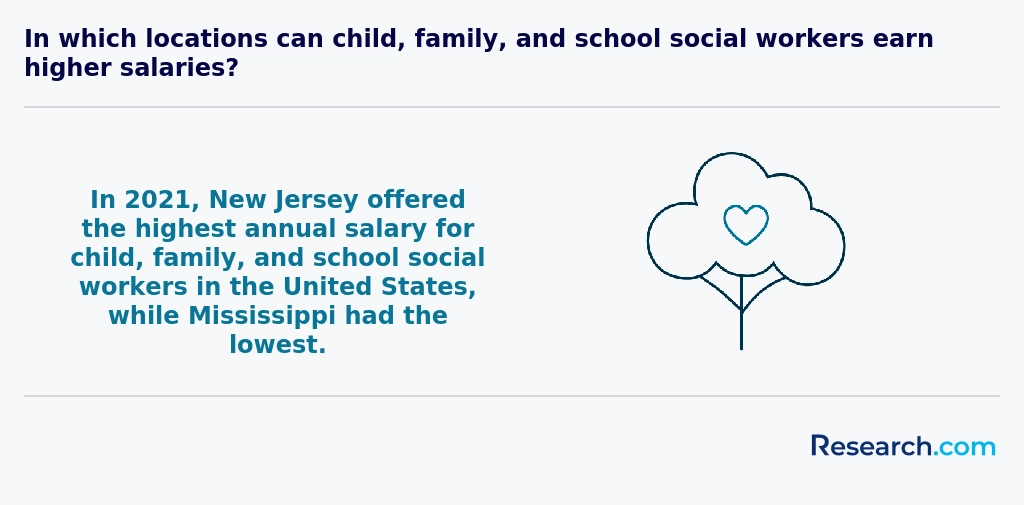
Understanding salary trends is crucial for prospective social work professionals as it helps them set realistic expectations and plan for long-term financial stability. While Alaska offers competitive average wages and fulfilling work opportunities, it's also important to consider how regional differences can impact overall earnings. For instance, urban centers or states with a higher demand for advanced licensure, such as LCSWs, may offer significantly higher compensation compared to rural areas. In fact, if you're curious about national trends and want a detailed comparison of salary scales across various regions, you might want to explore where do lcsw make the most money. This section not only highlights the importance of comparing regional data but also guides you to understand factors like cost of living, experience level, and specialty certifications that directly influence compensation. As you advance in your career, staying informed about these trends will empower you to negotiate better salaries and make strategic career decisions that align with your professional and financial goals.
Imagine diving into courses that unveil the intricate dance between human behavior and social environments, where you explore how Alaskan landscapes and cultures shape people's lives. At renowned institutions like the University of Alaska Anchorage, graduates recall how foundational classes on human behavior and social environment felt like decoding the language of communities grappling with both modern challenges and ancient traditions.
In practice-focused courses, you learn to counsel individuals and families navigating life's storms-whether it's helping a rural family access healthcare or supporting Indigenous elders preserving their heritage amid change. Graduates often describe these classes as emotionally rewarding, transforming theory into real-world empathy.
Policy courses open the door to understanding social welfare's ripple effects across Alaska's unique social fabric, while research methods empower you to analyze data that drives impactful interventions in remote or urban settings.
Field education amplifies this learning with heart, placing you in clinics, schools, or nonprofits, where you witness firsthand how social work molds brighter futures amid Alaska's vast, diverse communities.
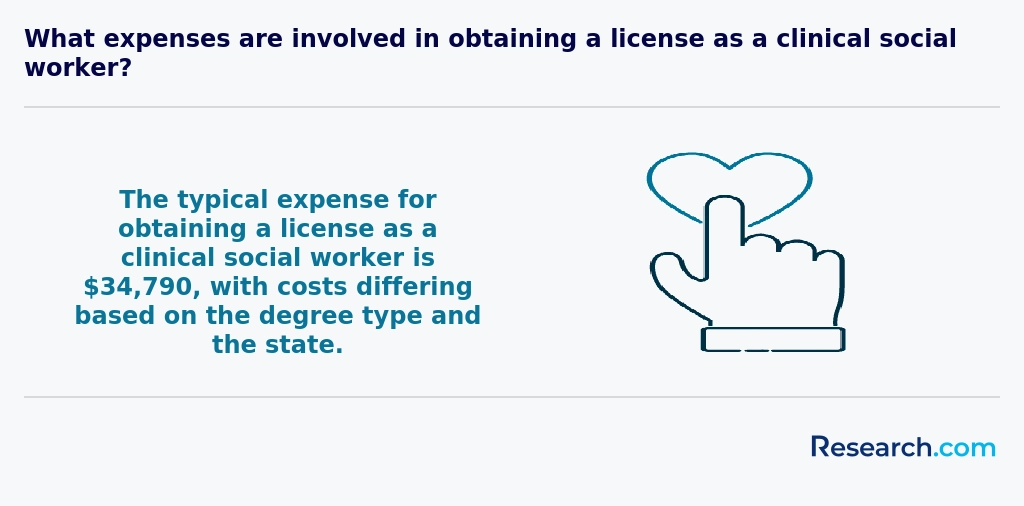
Choosing the best social work degree in Alaska means diving into more than just course lists-it's about riding the northern winds of opportunity and personal alignment. Graduates from the University of Alaska Anchorage often share how the CSWE-accredited MSW program transformed not only their skills but their entire view of community healing in a rugged state where connections matter as much as credentials. The vibrant push-and-pull between urban Anchorage and remote villages demands flexibility; many students thrive balancing evening classes or online options, crafting their studies around real-life rhythms.
Affordability echoes loudly in this vast landscape, making affordable social work colleges Alaska a beacon for those savvy in navigating tuition costs and living expenses. Imagine a student juggling scholarships, part-time jobs, and employer tuition aid-all woven to afford a future of meaningful impact. The career focus-whether clinical pathways or policy advocacy-shapes your journey through this Alaskan educational wilderness.
For a broader academic palette, exploring psychology universities utah student reviews can spark fresh perspectives, often illuminating paths complementary to social work's core mission.

Social work graduates in Alaska find themselves woven into the fabric of communities as clinical counselors, child family advocates, and cultural champions bridging gaps across vast, rugged landscapes. Imagine a graduate from the University of Alaska Anchorage walking the line between rural villages and urban centers, providing mental health support where distances stretch and resources thin. This is the heartbeat of social work career opportunities in Alaska-dynamic, varied, and deeply impactful.
Others embrace roles in schools, where they become trusted allies helping Indigenous youth navigate emotional and social challenges, fostering resilience in culturally rich classrooms. Meanwhile, healthcare social workers in Fairbanks navigate fast-growing hospitals, acting as patient advocates and case managers in a booming sector driven by Alaska's aging population. These firsthand experiences from graduates highlight a mosaic of possibilities that nourish hope and healing.
For those drawn to systemic change, government and nonprofit agencies offer pathways in community development and policy advocacy, addressing housing, poverty, and substance abuse across both metropolitan and remote areas. Aspiring students can explore the best social work program in Alaska at local universities, grounding their passion in practical skills and tailored education designed for Alaska's unique social landscape.

2027 Most Affordable Social Work Degree Programs Ranking in Alaska
Investing in your education is a significant decision that can shape your future, and the Research.com team understands the importance of making informed choices. To assist prospective students, we have meticulously created the "2027 Most Affordable Social Work Degree Programs Ranking in Alaska." Our commitment to quality, credibility, and accuracy is demonstrated through extensive research and analysis underpinning this ranking.
We utilized the following reputable data sources to ensure a comprehensive evaluation of social work degree programs:
By exploring this ranking, readers will gain valuable insights into the most affordable social work degree options in Alaska, supporting them in making well-informed educational decisions. For more information on how this ranking was developed, please visit our Research.com methodology page.


Frequently Asked Questions About social work
Social work degree students in Alaska can maximize their learning experience by engaging in practical field placements offered through accredited programs. The Council on Social Work Education (CSWE) accredits Alaskan institutions, ensuring students gain relevant hands-on skills in diverse settings such as tribal organizations, rural communities, and urban centers.
Students should also leverage Alaska's unique cultural landscape by participating in community-based projects that address indigenous and rural populations' specific needs. According to the Alaska Department of Labor, these experiences improve cultural competency and prepare students for Alaska's workforce.
Furthermore, networking with local social service agencies and attending statewide conferences can expand professional opportunities and provide mentorship.
The social work field in Alaska is evolving with several emerging niches responding to the state's unique social challenges. One growing area is tribal social work, focusing on providing culturally relevant services to Alaska Native communities. This niche addresses issues like substance abuse, mental health, and family welfare within indigenous populations.
Another expanding specialty is behavioral health social work, driven by increased statewide demand for mental health services. According to the Alaska Department of Health and Social Services, behavioral health social workers are key in addressing rising rates of depression and suicide, especially in rural areas.
Additionally, geriatric social work is gaining importance due to Alaska's aging population. Social workers in this niche assist older adults with healthcare coordination and social support.
After earning a social work degree in Alaska, preparing for the job market requires a focused approach to meet state-specific demands. Alaska's Department of Labor identifies growth in healthcare, social assistance, and tribal social services, highlighting promising job sectors for social workers.
Obtaining state licensure is essential, with the Licensed Social Worker (LSW) credential being a common requirement. Applicants must pass the ASWB exam and complete supervised experience, which varies by licensure level.
Networking with local agencies, such as the Alaska Native Tribal Health Consortium or Division of Behavioral Health, improves employment chances. Internships and fieldwork completed during the degree provide valuable connections and experience.
The Alaska job market strongly values cultural competence, given diverse populations. Continuing education and training tailored to Alaskan communities strengthen professional profiles.
Employers in Alaska seek social work graduates with strong communication skills to effectively engage with diverse populations. Given the state's unique cultural landscape, cultural competence is particularly important. Graduates must understand and respect Native Alaskan communities and traditions, as this improves service delivery.
Critical thinking and problem-solving capabilities are essential to navigate complex social issues faced in rural and urban settings. According to the Alaska Department of Labor, social workers must also demonstrate adaptability due to resource limitations in remote areas.
Knowledge of relevant laws and ethical standards, including confidentiality and client rights, ranks highly among sought-after skills. Additionally, employers prioritize graduates who are proficient in crisis intervention and case management to support vulnerable populations efficiently.
Finding internships relevant to a social work degree in Alaska involves leveraging local educational institutions and community organizations. Many universities offering social work programs, such as the University of Alaska Anchorage, facilitate connections with agencies for field placements required by the Council on Social Work Education (CSWE).
Students should explore partnerships with local health clinics, tribal organizations, and social service agencies like the Alaska Department of Health and Social Services, which often provide internship opportunities. Additionally, reaching out to nonprofit organizations in Alaska's rural areas can expand practical experience options.
Using Alaska's online job and internship boards, alongside university career centers, increases chances of finding placements. According to Alaska's Department of Labor, internships in social work are critical for meeting licensure requirements and gaining experience in addressing issues unique to Alaskan communities.
A social work degree significantly enhances career mobility and advancement opportunities in Alaska. Holding a Bachelor of Social Work (BSW) or Master of Social Work (MSW) is often a key requirement for many roles in the state's social services sector. According to the Alaska Department of Labor and Workforce Development, employment for social workers in Alaska is projected to grow by 6% through 2030, slightly faster than the national average.
Graduates with an MSW typically have access to higher-level positions, such as clinical social worker or program administrator, which offer better pay and greater responsibility. Licensed social workers in Alaska must complete relevant degrees and supervised experience, a process that drives advancement possibilities. Additionally, social work qualifications allow professionals to work across various settings, including healthcare, schools, and government agencies, supporting versatility in career paths.
Studying for a social work degree in Alaska equips students with skills necessary for interdisciplinary collaboration, essential in a state with diverse communities and complex social challenges. Programs emphasize working alongside healthcare providers, educators, and law enforcement to address overlapping issues such as mental health, substance abuse, and child welfare.
Alaska's social work curricula often integrate local cultural competence training, preparing graduates to engage respectfully with Alaska Native populations. According to the Alaska Department of Labor and Workforce Development, social workers frequently partner with multiple agencies, requiring a strong understanding of various professional roles.
This interdisciplinary focus enhances problem-solving abilities, critical for effective resource coordination across sectors in Alaska's unique environment.
Choosing between a thesis and a non-thesis social work degree program in Alaska depends on your career goals and learning preferences. Thesis programs focus on research and preparing students for advanced academic work or doctoral studies. They typically require completing original research, which benefits those interested in policy development or teaching social work.
Non-thesis options emphasize practical skills through internships and coursework. These are ideal if your goal is immediate practice as a licensed social worker in Alaska, where demand is growing. According to the Alaska Department of Labor, social work employment is projected to grow by 7% through 2030, highlighting practical experience's value.
Consider factors like time commitment and personal interest when deciding, since thesis tracks often take longer to complete due to research requirements.
Students in Alaska seeking to study social work abroad have several pathways through U.S.-based university exchange programs and online partnerships. While Alaska itself has limited direct international social work programs, many universities with social work accreditation by the Council on Social Work Education (CSWE) offer study abroad opportunities.
For example, universities in the Pacific Northwest often coordinate with institutions in Canada or New Zealand, countries known for strong social work education. According to the CSWE, nearly 40% of accredited social work programs in the U.S. report international field placements or study abroad components.
Alaskan students should also explore virtual global social work modules, which have grown due to recent technological advances, enabling access to international perspectives without relocating.
Students pursuing social work degrees in Alaska can benefit from various part-time job opportunities that complement their education. Common roles include case aide positions in local agencies, which provide direct client interaction and experience with administrative tasks. Organizations like the Alaska Native Tribal Health Consortium and local schools frequently offer openings suitable for students.
Additionally, part-time roles as behavioral health aides or family support workers are prevalent. According to the Alaska Department of Labor and Workforce Development, these positions help students develop skills in crisis intervention and community resource coordination essential for social work.
Other opportunities include internships or assistant roles within child welfare services, allowing students to understand state regulations and service delivery firsthand. Gaining such experience while studying enhances both practical skills and employability in Alaska's social work field.
Social work students in Alaska have several valuable networking opportunities that enhance their academic and professional growth. The University of Alaska Anchorage offers a well-connected social work program where students can join the Student Alaska National Association of Social Workers (ANASW) chapter, helping them connect with professionals statewide. According to the ANASW, Alaska's social work community is tight-knit, with frequent regional conferences and workshops that facilitate face-to-face networking among students, faculty, and practitioners.
Field placements are another key networking avenue. Many students gain hands-on experience through partnerships between universities and local Alaska Native organizations, health agencies, and social service providers. This exposure often leads to mentorship and future job referrals, significantly benefiting career development within Alaska's unique social service landscape.
Alumni networks provide valuable support for social work students in Alaska by enhancing professional development opportunities. Graduates often connect current students with internships and job openings, which is crucial in a state where rural and urban social services face workforce challenges.
These networks also enable mentorship, allowing students to receive guidance from experienced social workers familiar with Alaska's unique social and cultural landscape. According to the National Association of Social Workers, approximately 1,800 licensed social workers practice in Alaska, highlighting the importance of localized professional connections.
Participation in alumni events helps students build lasting relationships, increasing their chances of employment within Alaska's government agencies, nonprofits, and healthcare systems.
Customizing a social work degree program in Alaska largely depends on your career goals and interests. Many universities offer concentrations such as child welfare, community health, or mental health, allowing you to tailor your studies to specific populations or issues relevant in Alaska.
Fieldwork placement is a key customization tool. Alaska's programs often provide opportunities in diverse settings-from urban Anchorage agencies to rural village clinics-which can help you gain practical experience in areas matching your career focus.
Additionally, some programs offer elective courses focused on Indigenous social work or public policy, reflecting the state's unique cultural context and social challenges. Engaging with these can prepare you for culturally competent practice.
Finally, consider programs accredited by the Council on Social Work Education (CSWE), ensuring your degree meets standards recognized by most employers nationwide.
Social work students in Alaska often face unique challenges tied to the state's vast geography and remote communities. Many programs require field placements, but securing internships in rural or Indigenous areas can be difficult due to limited local resources and travel distances. According to the Alaska Department of Labor, approximately 40% of Alaska's population lives in remote regions, complicating access to educational and practical training opportunities.
Additionally, students may encounter higher living costs and limited housing in university towns like Anchorage and Fairbanks. Balancing coursework with community obligations in culturally diverse populations, including Alaska Native groups, also demands cultural competency and sensitivity.
With a social work degree in Alaska, you can pursue several professional certifications that enhance your career opportunities. The most recognized is the Licensed Social Worker (LSW) credential, which allows you to practice under supervision. After gaining experience, you may qualify for the Licensed Clinical Social Worker (LCSW) certification, permitting independent clinical practice.
The Alaska Board of Social Work Examiners sets the requirements for these licenses, typically involving passing the ASWB exam. According to the U.S. Bureau of Labor Statistics, Alaska's social work jobs are expected to grow moderately through 2030, reflecting steady demand for certified professionals in healthcare and social services.
Additional credentials include Certified Advanced Alcohol and Drug Counselor (CAADC), useful for those focusing on substance abuse. These certifications affirm your expertise, broaden job prospects, and ensure compliance with Alaska's regulatory standards.
To write a winning application for a social work program in Alaska, start by thoroughly researching the specific schools you are interested in. Many programs, such as the University of Alaska Anchorage's Bachelor or Master of Social Work, emphasize community engagement and Alaska Native cultural awareness.
Highlight any relevant volunteer or work experience, especially within Alaskan communities or rural settings, as these are highly valued. Clearly explain your motivation for pursuing social work and connect it to local social issues like substance abuse or mental health, which are prevalent in Alaska, according to the Alaska Department of Health.
Strong recommendation letters and a well-crafted personal statement focusing on your commitment to serving diverse populations can improve your chances. Also, demonstrate awareness of licensing requirements in Alaska by mentioning plans to meet state standards for social work licensure.
Social work is a globally recognized profession focused on improving individual and community well-being. While the core values of social justice, dignity, and service remain consistent worldwide, career opportunities and challenges vary by region. In the United States, including Alaska, social workers address unique issues like rural health disparities and indigenous community needs.
According to the U.S. Bureau of Labor Statistics, the demand for social workers in Alaska is expected to grow by 8% from 2022 to 2032, reflecting broader national trends. This growth aligns with increased awareness of mental health and elder care worldwide.
Internationally, social work careers often emphasize human rights and sustainable development, shaping practices that are increasingly integrated into American social work education and training.
Gaining practical experience while studying for a social work degree in Alaska typically involves field placements or internships, which are mandatory components of accredited programs. These opportunities allow students to work directly with local populations under supervision, providing hands-on practice in diverse settings such as healthcare, schools, and social service agencies.
Many Alaska universities partner with community organizations to place students in environments serving Indigenous communities, veterans, and rural populations. According to the Council on Social Work Education (CSWE), field education comprises at least 400 hours for undergraduate degrees and 900 hours for master's programs, ensuring substantial real-world training.
Students can also explore volunteer roles or part-time positions in agencies like the Alaska Department of Health and Social Services to enhance their exposure while completing coursework.
Choosing the right concentration within a social work degree program in Alaska begins with understanding local community needs. Alaska faces unique challenges such as rural isolation, Indigenous populations, and substance abuse issues, which influence demand for specialized social workers. According to the Alaska Department of Labor, areas like child welfare and behavioral health have high job growth potential.
Students should research concentrations like clinical social work, school social work, or community organization, aligning them with career goals and regional demands. Consulting program curricula, speaking with advisors, and reviewing Alaska's Workforce Development data can guide an informed choice.
Licensing requirements in Alaska also vary by concentration, so understanding these early helps ensure smooth career entry.
- 2027 Most Affordable Social Work Degree Programs Ranking in Oregon
- 2027 Most Affordable Social Work Degree Programs Ranking in Utah
- 2027 Most Affordable Social Work Degree Programs Ranking in Nebraska
- 2027 Most Affordable Social Work Degree Programs Ranking in Kansas
- 2027 Most Affordable Social Work Degree Programs Ranking in Oklahoma
- 2027 Most Affordable Social Work Degree Programs Ranking in Texas
- 2027 Most Affordable Social Work Degree Programs Ranking in Missouri
- 2027 Most Affordable Social Work Degree Programs Ranking in Louisiana
- 2027 Most Affordable Social Work Degree Programs Ranking in Wisconsin
- 2027 Most Affordable Social Work Degree Programs Ranking in Mississippi
See What Experts Have To Say About Studying Social Work
Read our interview with Social Work experts

- Social work certificates | edX https://www.edx.org/certificates/social-work-certificates
- The Evolution of Online Social Work Education https://www.socialworktoday.com/news/enews_0317_1.shtml
- Practice & Networking Groups | AASW https://www.aasw.asn.au/about-aasw/practice-networking-groups/
- Social Work Networking Nights - National Association of Social Workers https://www.naswma.org/page/218
- Alaska Social Work License: LBSW, LMSW & LCSW Requirements https://www.publichealthonline.org/human-services/alaska-social-work-licensure/
- Interdisciplinary Collaboration in Social Work and the ASWB Exam https://agentsofchangeprep.com/blog/interdisciplinary-collaboration-in-social-work-and-the-aswb-exam/
- Social Work Education: Interdisciplinary teams a growing area of training https://www.socialworkblog.org/featured-articles/2018/04/social-work-education-interdisciplinary-teams-a-growing-area-of-training/
- Social Work Career Pathways https://socialworklicensemap.com/social-work-careers/pathways/
- Free State Social Work https://www.freestatesocialwork.com/
- The Best International Social Work Internships for Undergrads and Grads https://www.internhq.com/fields/social-work/