
2027 Most Valuable Social Work Degree Programs Ranking in Philadelphia

Co-Founder and Chief Data Scientist
Exploring social work degree programs in Philadelphia can feel overwhelming, but it doesn't have to be. This article features the 2027 Most Valuable Social Work Degree Programs Ranking in Philadelphia, developed by the Research.com team of data scientists to help you make an informed decision on where to study.
Choosing the right program opens doors to meaningful careers that truly impact lives. Reading this ranking offers clarity and confidence as you take important steps toward a rewarding future in social work.
Discover the programs that stand out for value and opportunity in your city.
Key benefits of getting social work degree in Philadelphia
- Graduates with a social work degree can expect rewarding jobs such as Social Workers earning a mean annual wage of $68,800 or Youth Workers with around $83,400 per year, offering financial stability in Philadelphia's growing social services sector.
- A degree opens diverse career paths including Child Welfare Specialist and Residential Counselor positions, helping you make a meaningful difference while building a fulfilling career in community support roles.
- Obtaining a social work degree online from a Philadelphia-based university provides flexible learning options, allowing you to balance studies with personal commitments while gaining the same valuable skills as traditional students.
- Key benefits of getting social work degree in Philadelphia
- What can I expect from social work degree in Philadelphia?
- Where can I work with social work degree in Philadelphia?
- How much can I make with social work degree in Philadelphia?
- 2027 Most Valuable Social Work Degree Programs Ranking in Philadelphia
- Key Findings
- How long does it take to complete social work degree in Philadelphia?
- Why Choosing the Right Social Work Program Matters
- What's the difference between online and on-campus social work degree?
- Return on Investment (ROI) for Social Work Degrees in Philadelphia, PA
- What is the average cost of social work degree in Philadelphia?
- Licensure Requirements in Pennsylvania
- What financial aid is available to social work degree students in Philadelphia?
- Navigating Licensure and Certification in Social Work
- What are the prerequisites for enrolling in social work degree program in Philadelphia?
- Doctoral Programs in Social Work: What You Need to Know
- What courses are typically in social work degree programs in Philadelphia?
- What types of specializations are available in social work degree programs in Philadelphia?
- How do you choose the best social work degree in Philadelphia?
- What career paths are available for social work degree students in Philadelphia?
- What is the job market for social work degree in Philadelphia?
- Top Trending Social Work Rankings
- See What Experts Have To Say About Studying Social Work
What can I expect from social work degree in Philadelphia?
The average cost of pursuing a social work degree in Philadelphia typically aligns with the regional tuition rates seen in Pennsylvania's public and private universities. Graduates from programs like those at Temple University and the University of Pennsylvania often reflect on balancing tuition expenses with financial aid, scholarships, or assistantships that made their education manageable. Many recall moments of relief when securing funding that offset the high cost of urban living combined with academic demands.
It's worth noting that the investment in tuition is closely tied to the direct value students gain-hands-on field experience in agencies addressing homelessness, mental health, or child welfare, for instance-creating a deeply practical education. For many, the financial commitment feels less like a barrier and more like a gateway to meaningful work opportunities in Philadelphia's social services network, where local employers actively seek out their homegrown talent. While costs vary, this practical, community-rooted experience forms a powerful return on investment for those driven to make a real difference.
Where can I work with social work degree in Philadelphia?
Graduates with a social work degree in Philadelphia often discover their careers stretching far beyond traditional expectations. Many find themselves at institutions like the University of Pennsylvania or Temple University, where hands-on experience during studies leads them directly into valuable roles within major healthcare settings such as Pennsylvania Hospital or the Children's Hospital of Philadelphia. Here, social workers aren't just counselors; they become advocates navigating the complexities of patient care and mental health emergencies.
Others are drawn to the city's vibrant child welfare sector, working for the Department of Human Services to protect vulnerable youth. Graduates describe a profound sense of purpose when supporting families in crisis, realizing their daily impact extends into reshaping entire communities.
Educational institutions, from public schools to universities, also become natural workplaces. Social work students remark on the rewarding challenge of fostering student well-being and behavioral growth, seeing firsthand how their efforts contribute to meaningful change in young lives.
Nonprofits like Project HOME offer another calling, where graduates infuse passion into programs tackling homelessness and addiction, often describing their work there as both exhausting and deeply fulfilling.
Public service roles within city government present roles requiring resilience and creativity, proving that social work careers in Philadelphia demand a unique blend of empathy and strategic thinking.
How much can I make with social work degree in Philadelphia?
Graduates from social work programs in Philadelphia, such as those at Temple University or the University of Pennsylvania, often find their initial earnings reflective of the diverse opportunities available. Typical social work roles offer median salaries around $68,800 annually, according to BLS data, but specific positions can vary widely in pay.
For example, a graduate working as a Child Welfare Specialist or Residential Counselor can expect mean annual wages near $59,190. These roles often involve direct, impactful work with vulnerable populations, offering rewarding experiences despite salaries below the regional average for social workers.
On the other hand, positions like Community Organizer or Youth Worker bring a higher financial return, with mean wages around $83,400. Graduates drawn to advocacy or youth services in Philadelphia's nonprofit or community sectors frequently report satisfaction balancing meaningful work with stronger paychecks.
Many grads discover their social work degrees in Philadelphia pave the way for both stable income and professional growth. The difference in pay highlights how choosing a specialty and workplace setting shapes financial outcomes substantially in this field.
2027 Most Valuable Social Work Degree Programs Ranking in Philadelphia
How do we rank schools?
Investing in your education is a significant decision that can shape your future, and the Research.com team recognizes the importance of making well-informed choices. To guide prospective students in Philadelphia, we have carefully developed the "2027 Most Valuable Social Work Degree Programs Ranking in Philadelphia." Our dedication to quality, credibility, and accuracy is evident through thorough research and analysis behind this ranking.
We utilized the following reputable data sources to ensure a comprehensive evaluation of social work programs:
By exploring this ranking, readers will gain valuable insights into the most valuable social work degree programs in Philadelphia, empowering them to make confident decisions about their educational and professional futures. For more details on our methodology, please visit our Research.com methodology page.


Key Findings
- Social work bachelor's degree tuition in Philadelphia ranges from $15,000 to $35,000 per year, varying by public or private institutions.
- Master of Social Work programs typically cost between $20,000 and over $40,000 annually.
- Entry-level social workers in Philadelphia earn between $45,000 and $55,000 per year, with experienced professionals making $60,000 to $75,000.
- The job market for social workers in Philadelphia is expected to grow by about 10% over the next decade.
- Licensure in Pennsylvania requires supervised experience hours and passing a licensing exam to practice in certain roles.
How long does it take to complete social work degree in Philadelphia?
Completing a social work degree in Philadelphia is rarely a simple race against the calendar. Graduates from Temple University often recall how their Bachelor of Social Work took the standard four years, but the depth of learning and real-world internships made time feel richer, not rushed. Meanwhile, those pursuing a Master of Social Work found the traditional two-year path offering invaluable moments of growth, especially with demanding field hours that stretched their schedules yet solidified their passion.
Part-time options at local colleges reflect a different reality, where students juggle family and jobs, extending their studies to as long as six years. A graduate from the University of Pennsylvania's affiliated programs once described this flexible pace as empowering-it transformed education into a lived experience rather than a deadline-driven hurdle.
Internships, required by the Council on Social Work Education, don't just add hours; they blur the lines between classroom and community, making the entire process a vibrant, ongoing journey rather than a fixed endpoint.
Why Choosing the Right Social Work Program Matters
When pursuing a social work degree, it's essential to choose a program that aligns with your career goals and provides the necessary foundation for success. In Philadelphia, PA, students have numerous options, but not all programs are created equal. To make an informed decision, it's crucial to consider factors such as accreditation, curriculum, and field experience. By selecting a reputable program, such as a valuable social work school in Pennsylvania, you can ensure that you receive a high-quality education that prepares you for the challenges and rewards of a career in social work.
What's the difference between online and on-campus social work degree?
Choosing between online and on-campus social work degrees in Philadelphia is more than a matter of convenience-it shapes your entire learning journey. Graduates from Temple University often recall the energizing buzz of face-to-face classes, where lively discussions and instant feedback from professors sparked deeper understanding and built lasting networks. These on-campus experiences connect students directly with Philadelphia's vibrant social service agencies, smoothing the way for meaningful field placements.
Conversely, alumni from University of Pennsylvania's online MSW program describe the freedom of balancing coursework around their busy lives. They value the flexibility to study from home while still engaging with local community projects through carefully arranged placements. Yet, this path demands a high degree of self-motivation and discipline, transforming remote challenges into personal growth.
In both settings, Philadelphia's unique social landscape is a classroom itself, but the choice between formats invites a critical reflection: do you thrive on in-person energy and spontaneous connections, or does personalized pacing better sustain your passion for social change?
Return on Investment (ROI) for Social Work Degrees in Philadelphia, PA
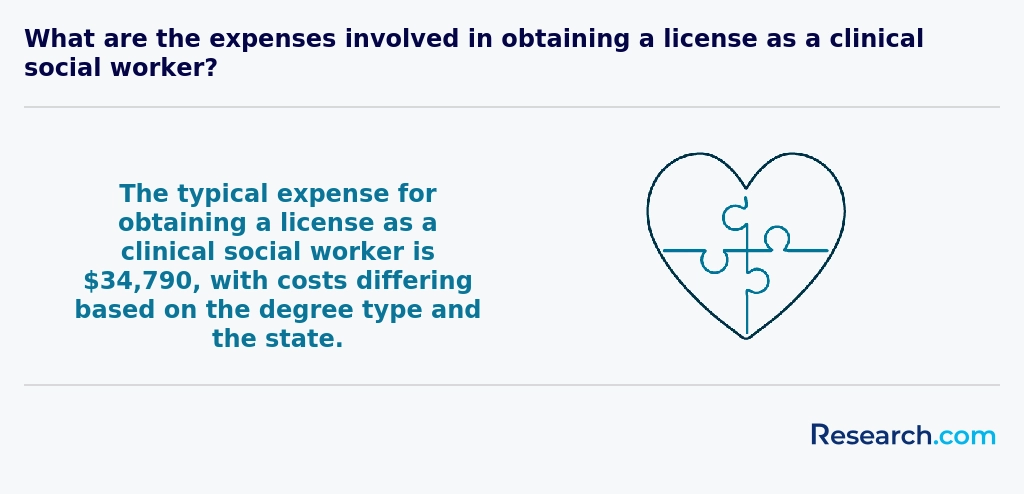
Evaluating the return on investment (ROI) of a Social Work degree involves balancing tuition costs, potential debt, and post-graduation earnings. In Philadelphia, the average MSW tuition of $34,790, coupled with an average student debt of $41,334, can be weighed against a mean annual salary of $64,360. At this rate, graduates typically recoup their investment within 5–7 years, depending on living expenses and loan repayment plans. To optimize ROI, consider cost-saving strategies such as accelerated degree tracks, employer tuition assistance, and targeted scholarships. Comparing in-state and out-of-state tuition reveals that Philadelphia’s public institutions often offer lower rates for Pennsylvania residents. Additionally, exploring regional affordability benchmarks-like the Inexpensive Social Work Degree Programs Ranking in Tennessee-can provide insight into alternate pathways for those open to relocation or online delivery models. Long-term ROI also improves with specialization: roles in clinical social work, healthcare, and policy advocacy command higher salaries (up to $79,310 for Community Organizers) and faster career advancement. By analyzing debt-to-income ratios, leveraging financial aid, and selecting programs with strong licensure support, prospective students can ensure their Social Work degree in Philadelphia delivers both personal fulfillment and sustainable financial returns.
What is the average cost of social work degree in Philadelphia?
The average cost of a social work degree in Philadelphia hovers around $37,800 for in-state students and can rise to approximately $57,898 for those coming from out-of-state. This represents a substantial investment, yet many graduates from well-known programs at institutions like Temple University or Bryn Mawr College reflect positively on their choices, emphasizing the value beyond just tuition. The cost reflects not only classroom instruction but the comprehensive preparation needed to impact communities meaningfully.
Students pursuing social work degrees in Philadelphia frequently navigate a landscape where public universities offer more affordable tuition, while private institutions command higher rates. One common experience among graduates is balancing these costs with part-time work or choosing online options, such as Temple University's MSW program, which helps soften financial pressures while maintaining quality education. Understanding the cost of social work degree programs Philadelphia-wide is crucial for making strategic decisions about where and how to study.
Beyond tuition, additional expenses like fees, books, and living costs are often underestimated, yet they shape the overall financial reality of students in the city. Many social work students tap into their passion for social change to push through these challenges, inspired by the visible impact they can make post-graduation. For those weighing their options, exploring programs at a valuable social work school in Pennsylvania could offer both quality and financial sense, highlighting the intersection of cost and career readiness.
Licensure Requirements in Pennsylvania
To practice social work in Philadelphia, you must secure state licensure through the Pennsylvania State Board of Social Workers, Professional Counselors and Marriage and Family Therapists. Follow these key steps:
- Earn an MSW from a CSWE-accredited program; consider fastest online msw programs to streamline your education.
- Apply for the Licensed Master Social Worker (LMSW) credential and pay applicable board fees.
- Pass the Association of Social Work Boards (ASWB) Master’s exam.
- Complete 3,000 hours of supervised clinical practice (usually over two years) with a board-approved supervisor.
- Submit an application and pass the ASWB Clinical exam to obtain the Licensed Clinical Social Worker (LCSW) license.
- Renew your LMSW/LCSW every two years, meeting continuing education requirements to maintain compliance and professional growth.
What financial aid is available to social work degree students in Philadelphia?
Financial aid for social work students in Philadelphia is more than just a safety net-it's a transformative opportunity that students from Temple University and the University of Pennsylvania often describe as a lifeline. Many tap into federal Pell Grants, which can cover a significant portion of tuition without ever needing repayment. Imagine a graduate recalling how this grant allowed them to focus fully on fieldwork instead of juggling multiple jobs. Beyond federal aid, state grants through the Pennsylvania Higher Education Assistance Agency (PHEAA) specifically support residents pursuing social work, sometimes filling gaps that grants or scholarships leave behind.
Scholarships and assistantships from universities themselves provide yet another layer of support. Graduates frequently share stories of receiving merit-based scholarships that felt like recognition of their potential, not just financial relief. Adding to this, student aid from the Philadelphia Chapter of the National Association of Social Workers, paired with work-study jobs, creates a mosaic of funding sources that reflect the city's commitment to social service education.
Moreover, Philadelphia's social work graduates cherish the federal Public Service Loan Forgiveness program as a beacon-knowing that after dedicating themselves to community work, their debts might eventually vanish brings a rare sense of hope. This array of financial aids profoundly reshapes their educational journey, making social work degrees in Philadelphia accessible and deeply rewarding.
Navigating Licensure and Certification in Social Work
After completing a Social Work degree in Philadelphia, PA, the next critical step is obtaining the necessary licensure and certifications that allow you to practice professionally and expand your career opportunities. Graduates should familiarize themselves with the state-specific requirements, which typically include a set number of supervised clinical hours, passing a standardized exam, and completing ongoing continuing education courses to maintain licensure. Establishing early contact with your program’s career services can be invaluable, as they often offer workshops and one-on-one counseling to help you prepare for this transition. For those considering advanced credentials, exploring resources like lcsw masters programs can provide insights into further specialization and potentially faster routes to licensure. Emphasizing a proactive approach during your academic journey-by engaging in field placements and seeking mentorship-can significantly streamline the post-graduation certification process and bolster your professional profile in Philadelphia’s competitive social work landscape.
What are the prerequisites for enrolling in social work degree program in Philadelphia?
Enrolling in a social work degree in Philadelphia means more than just meeting basic academic thresholds; it's about demonstrating genuine readiness to engage with the city's complex social fabric. For a Bachelor of Social Work at institutions like Temple University, applicants typically need a high school diploma with at least a 2.5 GPA. Yet, graduates often recall how submitting a heartfelt personal statement that connects their own community experiences made their application stand out, revealing passion beyond grades.
Master's programs, such as those at the University of Pennsylvania, expect a bachelor's degree with a solid GPA near 3.0, but it's the practical background that truly resonates - internships or volunteer work in Philly's diverse neighborhoods often make the difference. Alumni reflect on how working with underserved populations in West Philadelphia taught them resilience and empathy, essential traits recognized by admissions committees.
Admissions aren't just about transcripts; they seek candidates prepared to confront Philadelphia's social challenges head-on, with academic proficiency paired with lived or volunteered insights, underscoring a commitment to community impact.
Doctoral Programs in Social Work: What You Need to Know
Pursuing a Doctor of Social Work (DSW) or PhD in Social Work in Philadelphia deepens your clinical expertise, expands research skills, and opens leadership roles in academia, policy advocacy, and high-level administration. Most DSW programs require 2–3 years beyond the MSW, blending advanced coursework-such as organizational leadership, evidence-based practice, and advanced social policy analysis-with a capstone or dissertation. PhD tracks often span 4–6 years, emphasizing original research methods and theoretical contributions to the field. Admission prerequisites typically include an accredited MSW, a minimum GPA (often 3.0 or higher), letters of recommendation, and a research proposal or statement of purpose highlighting your policy or practice interests. Philadelphia institutions may also require a minimum of two years of post-master’s supervised experience. Many programs offer hybrid and fully online formats, providing working professionals flexibility without sacrificing clinical practicum or research residencies. For those comparing costs and delivery models, our guide to the best affordable online doctorate in social work can help you evaluate tuition, financial aid, and program reputation. Career outcomes for doctoral social work graduates include senior clinical roles (e.g., clinical director or chief social worker), university faculty positions, and policy analyst or program evaluator roles within government agencies. Salaries for DSW holders in metropolitan areas like Philadelphia often start in the $80,000–$100,000 range, with tenure-track faculty earning above $90,000 depending on institution and research funding. Graduates also report greater influence over program development and policy implementation, leveraging their advanced training to shape systemic change. To maximize your doctoral investment, seek programs accredited by the Council on Social Work Education (CSWE) and look for faculty whose research aligns with your interests-whether that’s urban mental health disparities, child welfare reform, or community program evaluation. Engaging early with faculty mentors and securing funded assistantships or research grants can offset tuition and enhance your professional network, positioning you for leadership roles upon graduation.
What courses are typically in social work degree programs in Philadelphia?
The courses in a social work degree program in Philadelphia extend far beyond theory, immersing students in the complex realities of urban life. Graduates from universities like Temple and the University of Pennsylvania often describe their Human Behavior and the Social Environment class as eye-opening, revealing how intertwined individual struggles are with broader community dynamics. This course challenges students to consider not just isolated cases, but the ripple effects within families and neighborhoods.
Social Work Practice courses push students to develop hands-on skills in real time-learning engagement, assessment, and intervention methods that they immediately apply during field practicum placements across Philadelphia's diverse social service agencies. Graduates often recount how these experiences forged their confidence and empathy, preparing them to face issues like homelessness or addiction with nuanced understanding.
Specialized courses on Social Welfare Policy and Research Methods propel students to critically analyze how local and national legislation shapes social outcomes. This analytical lens, combined with fieldwork, instills a deep sense of purpose and readiness to advocate effectively for disadvantaged communities in Philadelphia's unique environment.
What types of specializations are available in social work degree programs in Philadelphia?
Specializations within social work degrees in Philadelphia challenge students to engage deeply with complex community needs. Graduates from institutions like the University of Pennsylvania find themselves drawn into Clinical Social Work, where they diagnose and treat mental health issues-often pursuing licensure as Licensed Clinical Social Workers, which enhances their ability to create meaningful change. Others gravitate toward School Social Work, navigating Philadelphia's diverse public schools to address crises that touch real families daily.
Child and Family Welfare remains vital in the city, as graduates work passionately within systems supporting foster care and adoption, witnessing firsthand the profound impact of social work on vulnerable populations. Some students choose Gerontology, tackling elder abuse and healthcare access challenges faced by Philadelphia's aging residents, while others confront Pennsylvania's opioid epidemic through Substance Abuse and Addictions specialization.
Philadelphia's social work degree specializations encourage graduates to envision their roles beyond theory, transforming education into action. Many appreciate dual degree pathways at local universities, which pair social work with fields like law or public administration, broadening career options and inspiring a lifelong commitment to community advocacy. Exploring lcsw masters programs further refines their professional path.
How do you choose the best social work degree in Philadelphia?
Choosing the best social work degree in Philadelphia goes beyond simply comparing tuition rates or program rankings. Graduates from Temple University often reflect on how the real strength of their education lay in the connections formed through local internships, where working alongside Philadelphia's diverse communities shaped their understanding far more than classroom theory alone. For many, deciding between a Bachelor of Social Work and a Master of Social Work means evaluating which will best position them for licensure and meaningful clinical roles-a step that directly impacts career satisfaction.
Affordable social work colleges in Philadelphia, including public universities, provide a crucial balance of cost and quality, but it's essential to explore scholarship and assistantship options to ease financial pressures. Alumni from the University of Pennsylvania recall how accreditation by the Council on Social Work Education ensured their degree's credibility when navigating competitive job markets.
Reflect on your long-term goals: do specializations in child welfare or mental health resonate with your passion? Consider how the curriculum's alignment with Philadelphia's social service agencies can empower you practically. If you're seeking advanced credentials, investigate the best affordable online doctorate in social work, which graduates praise for combining flexibility with rigorous training.
What career paths are available for social work degree students in Philadelphia?
Graduates with a social work degree in Philadelphia find themselves at the crossroads of diverse and impactful career paths. Whether working as clinical social workers in hospitals or private practice, they offer critical therapy and counseling services that change lives daily. Others step into roles as child, family, and school social workers, championing the welfare and educational success of Philadelphia's youth-a deeply rewarding and emotionally charged journey many say reaffirms their passion for the field.
Jobs for social work degree holders Philadelphia also include healthcare social workers who expertly navigate patient recovery plans and community resources, blending compassion with coordination skills. Nonprofit community outreach coordinators tackle homelessness and addiction head-on, often drawing from their experiences at prominent universities like the University of Pennsylvania and Temple University, where hands-on training transforms theory into real-world impact. Exploring career options beyond direct care, some pursue policy analysis or advocacy with local agencies, tackling complex social justice issues affecting the city.
For prospective students weighing cost, financial realities in Philadelphia remain manageable. Many discover assistance through scholarships and aid, as highlighted in the Inexpensive Social Work Degree Programs Ranking in Tennessee, illustrating how strategic choices can ease financial burdens in pursuing these fulfilling career trajectories.
What is the job market for social work degree in Philadelphia?
The social work job opportunities in Philadelphia offer a dynamic landscape shaped by the city's unique social challenges and robust institutional support. Graduates from renowned institutions like the University of Pennsylvania and Temple University often share stories of quickly finding roles in healthcare or mental health agencies, where their degrees translate directly into impactful community work. These experiences illustrate a career path that is both emotionally rewarding and professionally stable.
Philadelphia's social work degree career outlook is buoyed by ongoing investments in community programs and government initiatives focused on behavioral health. Many recent graduates report engaging with local nonprofits and schools, encountering real-world cases of poverty and addiction that underscore their purpose. The balance between meaningful work and steady salary prospects-around $60,000 annually-makes the field appealing despite financial concerns during education.
For students weighing their options, exploring accelerated undergraduate programs in the area can hasten entry into this growing sector, offering both career momentum and a chance to serve Philadelphia's evolving needs.
Frequently Asked Questions About social work
Social work degree students in Philadelphia can maximize their learning experience by engaging in field placements within diverse community organizations. Philadelphia offers over 300 social service agencies, providing rich opportunities for practical experience. According to the Council on Social Work Education, hands-on practice significantly enhances students' skills and employment prospects.
Additionally, students should leverage the city's strong network of professional associations, such as the Philadelphia chapter of the National Association of Social Workers (NASW). These groups offer mentorship, workshops, and networking events that support career growth.
Lastly, utilizing resources at Philadelphia's universities, including research centers focused on urban social work issues, can deepen theoretical understanding and promote evidence-based practice.
The social work field in Philadelphia is evolving with several emerging niches responding to contemporary social needs. One key area is healthcare social work, which integrates behavioral health with medical care. According to the National Association of Social Workers, demand for this specialty grows as Philadelphia expands its community health programs.
Another important niche is geriatric social work, driven by the city's increasing elderly population; Philadelphia's Department of Public Health reports that individuals over 65 constitute nearly 15% of residents, fueling need for specialized support.
Additionally, trauma-informed social work focuses on addressing mental health among victims of violence or abuse, a critical concern given the city's urban challenges.
Lastly, school social work continues to grow as schools seek professionals to support students' mental and emotional well-being.
After earning a social work degree in Philadelphia, effective preparation for the job market is vital. Start by obtaining licensure, as most employers in Pennsylvania require at least the Licensed Social Worker (LSW) credential. The Pennsylvania Licensing Board oversees this process, which includes passing the ASWB exam.
Building a strong professional network through internships and local organizations such as the Philadelphia Chapter of the National Association of Social Workers (NASW) can improve job prospects. Philadelphia's social services sector is growing, with a 7% expected increase in social work jobs through 2030, according to the Bureau of Labor Statistics.
Additionally, consider gaining specialized skills in areas like mental health or child welfare where demand is high locally. Continuing education is also important; employers value applicants committed to lifelong learning.
Employers in Philadelphia highly value social work graduates who demonstrate strong communication and interpersonal skills. The ability to effectively engage with diverse populations, including vulnerable groups, is essential for success in local agencies.
Critical thinking and problem-solving are also top skills, enabling graduates to assess complex situations and develop appropriate intervention plans. According to the Pennsylvania Department of Labor & Industry, these competencies are crucial for meeting the needs of Philadelphia's varied communities.
Additionally, cultural competence and knowledge of local social services systems are in demand, helping social workers navigate Philadelphia's unique urban challenges.
Finding internships in Philadelphia relevant to a social work degree involves targeted research and utilizing local resources. Many universities, such as the University of Pennsylvania and Temple University, have partnerships with nonprofits and healthcare organizations providing supervised internship placements. The Philadelphia Department of Human Services and organizations like Project HOME offer practical experience for social work students.
Students should explore platforms like Handshake and Philadelphia Works, which list internship opportunities specific to social services. Networking through local professional groups, such as the Philadelphia Chapter of the National Association of Social Workers, can also increase internship prospects.
According to the Bureau of Labor Statistics, Philadelphia offers a higher-than-average demand for social workers, enhancing internship availability.
In Philadelphia, earning a social work degree significantly enhances career mobility and advancement opportunities. According to the Bureau of Labor Statistics, social workers in the Philadelphia metropolitan area can expect a 9% job growth rate from 2022 to 2032, which is faster than the national average. A Bachelor of Social Work (BSW) often qualifies graduates for entry-level roles, while a Master of Social Work (MSW) is increasingly required for clinical positions and leadership roles.
Employers in Philadelphia highly value accredited degrees, such as those recognized by the Council on Social Work Education (CSWE). This accreditation influences access to specialized fields like healthcare, child welfare, and mental health services. Advanced degrees also enable professionals to pursue licensure, critical for career progression and increased salary potential within Pennsylvania.
Studying for a social work degree in Philadelphia provides comprehensive preparation for interdisciplinary roles by integrating coursework that emphasizes collaboration with fields such as healthcare, education, and law. Philadelphia's universities often include practicum experiences in diverse settings, exposing students to real-world problems requiring teamwork across professions. The city's strong network of hospitals, schools, and social service agencies serves as a practical training ground. According to the Council on Social Work Education, programs here align with national competencies emphasizing communication and coordination with other disciplines. This approach equips graduates to effectively address complex social issues in community-focused and institutional environments.
Choosing between a thesis and a non-thesis social work degree program in Philadelphia depends largely on your career goals and learning preferences. A thesis option usually suits those interested in research, advanced academic study, or future doctoral programs. The thesis involves conducting original research under faculty supervision, which can deepen knowledge and enhance analytical skills.
On the other hand, non-thesis programs often emphasize practical experience and coursework, aligning well with students aiming for immediate entry into clinical or community social work. Philadelphia has several accredited schools offering both options, including universities recognized by the Council on Social Work Education (CSWE).
Data from the Pennsylvania Department of Education shows that roughly 60% of social work graduates in the state enter direct practice roles, making non-thesis programs a practical choice for many locally. However, if you plan to contribute to social work policy, administration, or research in Philadelphia's diverse communities, the thesis track may provide valuable skills and credentials.
Students based in Philadelphia who wish to study social work abroad have several pathways through US universities offering international experiences. Many Philadelphia schools with social work programs, such as the University of Pennsylvania and Temple University, provide study abroad options or international internships tailored to social work practice.
These programs allow students to explore global social issues while earning credits toward their degrees. For example, Temple University's social work department often partners with programs in countries like Ireland and Australia, facilitating practical fieldwork overseas.
Additionally, students can participate in faculty-led short-term study tours or exchange programs, which provide cultural immersion alongside social work training. According to the Council on Social Work Education (CSWE), exposure to global perspectives enhances cultural competence, an essential skill for social workers in Philadelphia's diverse communities.
Philadelphia offers several part-time job opportunities that complement social work degree education. Many students gain practical experience by working as case management assistants at local nonprofits such as the Philadelphia Corporation for Aging, which serves nearly 250,000 older adults annually. Positions in community health centers also provide hands-on exposure to client advocacy and resource coordination.
Additionally, part-time roles in social service agencies or government programs like the Department of Human Services offer insight into child welfare and family services. According to the Bureau of Labor Statistics, Philadelphia's social work sector is expected to grow by 8% through 2030, underscoring the value of relevant work experience during studies.
Philadelphia offers robust networking opportunities for social work students through its diverse academic institutions and professional organizations. Universities like the University of Pennsylvania and Temple University host regular events that connect students with local social service agencies.
Additionally, the Philadelphia Chapter of the National Association of Social Workers (NASW) provides workshops, conferences, and volunteer activities that help students build professional relationships. According to NASW, over 1,000 social workers participate locally, fostering a strong community.
These connections are vital for internships and employment, as Philadelphia has a growing demand for social workers in healthcare, schools, and nonprofit sectors.
Alumni networks offer significant advantages for social work degree students in Philadelphia. These networks connect current students with experienced professionals who have completed their degrees in the city's diverse educational institutions. According to the Council on Social Work Education, strong alumni ties can improve job placement rates by as much as 20%.
In Philadelphia, notable social work programs foster active alumni groups that provide mentorship, internship opportunities, and career guidance. Networking events and workshops held by these groups facilitate connections within the local social services sector, which is critical given Philadelphia's large urban population and complex social challenges.
Students benefit from access to job leads and firsthand insights about Philadelphia's healthcare systems, nonprofit organizations, and government agencies. This practical support helps bridge the gap between academic knowledge and professional success in social work careers.
Customizing your social work degree in Philadelphia involves selecting concentrations, internships, and elective courses that align with your career goals. Many local universities offer specializations like child welfare, clinical social work, or substance abuse counseling. Tailoring your field placements within Philadelphia agencies helps you gain relevant on-the-ground experience specific to urban populations.
The Council on Social Work Education (CSWE)-accredited programs in Philadelphia provide flexible curriculum options to suit various professional paths. According to the Pennsylvania Department of Labor & Industry, social workers in Philadelphia earn an average annual wage of $61,000, highlighting the importance of targeted skills.
Engaging with local nonprofits or government bodies during your studies enhances networking opportunities and job readiness in your chosen specialty.
Social work students in Philadelphia often face a variety of challenges unique to the region's urban environment and educational landscape. One common difficulty is managing rigorous coursework alongside demanding field placements, which are required for licensure and often located in high-need communities. According to the Pennsylvania Department of Human Services, Philadelphia has a significant population requiring social services, increasing placement pressures.
Financial strain is another challenge, with rising tuition costs coupled with the city's living expenses. Data from the College Board shows average tuition for public universities in Pennsylvania has increased steadily, putting additional stress on students who may also work part-time.
Additionally, accessing supportive resources can be complicated by Philadelphia's social inequalities. Students frequently report balancing academic responsibilities with providing community support, which can affect mental health and academic performance.
With a social work degree earned in Philadelphia, graduates can pursue several professional certifications that enhance career opportunities. The most common certification is the Licensed Social Worker (LSW), which allows practice under supervision. Many then advance to become a Licensed Clinical Social Worker (LCSW), enabling independent clinical work and counseling.
Additional certifications include the Certified School Social Work Specialist (C-SSWS) for those focused on educational settings. In Pennsylvania, the LCSW requires 3,000 hours of supervised experience and passing a national licensing exam, as regulated by the Pennsylvania State Board of Social Workers, Marriage and Family Therapists, and Professional Counselors.
According to the Bureau of Labor Statistics, the Philadelphia metro area employs over 4,500 social workers, reflecting demand for credentialed professionals. Specialized certificates in areas like substance abuse or healthcare social work are also available, offering flexibility depending on career goals.
To write a winning application for a social work program in Philadelphia, start by clearly demonstrating your passion for helping communities. Highlight any volunteer or work experience related to social services, as hands-on involvement strengthens your profile. According to the Council on Social Work Education, Philadelphia-area programs often look for applicants with a strong understanding of local social challenges.
Be sure to articulate your career goals and how the program aligns with them. Philadelphia universities place value on applicants who show awareness of urban social issues such as poverty and healthcare access.
Strong letters of recommendation from professionals familiar with your skills in social environments are essential. Additionally, a well-written personal statement that reflects your commitment and understanding of ethical social work practices can distinguish your application.
Social work careers in Philadelphia reflect a growing global emphasis on addressing social inequality and promoting human rights. Internationally, social work focuses on cultural competence, sustainable development, and advocacy, which aligns with U.S. education standards. The Council on Social Work Education (CSWE) ensures that Philadelphia's programs meet global competencies, preparing graduates to work in diverse environments.
Philadelphia's social work workforce contributes to international efforts by engaging with immigrant populations and global health issues locally. According to the Bureau of Labor Statistics, Pennsylvania expects a 10% growth in social work jobs by 2032, showing rising demand for skilled professionals reflecting global social challenges.
This global perspective encourages students to develop skills in policy analysis, community engagement, and ethical practice, providing a foundation for careers both domestically and abroad.
Gaining practical experience while studying for a social work degree in Philadelphia is essential for career readiness. Many accredited programs require field practicum placements, where students work with local agencies under supervision. Philadelphia offers numerous opportunities through partnerships with hospitals, schools, and nonprofits. For example, the Philadelphia Department of Behavioral Health provides placements supporting mental health services. According to the Council on Social Work Education, practicum hours typically range from 400 to 900, depending on the program level.
Students can also volunteer at community-based organizations to build experience and professional networks. These activities enhance real-world understanding alongside academic learning.
Choosing the right concentration within a social work degree program in Philadelphia depends on your career goals and community needs. Philadelphia has a high demand for social workers specializing in mental health, child welfare, and substance abuse counseling, according to the Pennsylvania Department of Labor & Industry.
Consider concentrations that align with local employment trends; for example, gerontology and healthcare social work are growing due to the city's aging population.
Investigate programs accredited by the Council on Social Work Education (CSWE) for quality education and local internship opportunities. This ensures relevant practical experience within Philadelphia's diverse communities.
Related Social Work Rankings for Nearby Cities
- 2027 Most Valuable Social Work Degree Programs Ranking in New Brunswick
- 2027 Most Valuable Social Work Degree Programs Ranking in New York
- 2027 Most Valuable Social Work Degree Programs Ranking in Baltimore
- 2027 Most Valuable Social Work Degree Programs Ranking in Bronx
- 2027 Most Valuable Social Work Degree Programs Ranking in Garden City
- 2027 Most Valuable Social Work Degree Programs Ranking in Washington
- 2027 Most Valuable Social Work Degree Programs Ranking in Albany
- 2027 Most Valuable Social Work Degree Programs Ranking in Rochester
- 2027 Most Valuable Social Work Degree Programs Ranking in Boston
- 2027 Most Valuable Social Work Degree Programs Ranking in Raleigh
Top Trending Social Work Rankings
See What Experts Have To Say About Studying Social Work
Read our interview with Social Work experts

References
- Social Work Careers https://socialworklicensemap.com/social-work-careers/
- Grand Challenges for Social Work https://grandchallengesforsocialwork.org/
- Social work certificates | edX https://www.edx.org/certificates/social-work-certificates
- The Power of Finding Your Niche as a Social Worker https://www.credentialedapparel.com/blogs/news/the-power-of-finding-your-niche-as-a-social-worker
- The Evolution of Online Social Work Education https://www.socialworktoday.com/news/enews_0317_1.shtml
- What is a Social Worker? - Career Insights | Teal https://www.tealhq.com/career-paths/social-worker
- Top Skills Employers Look for in Qualified Social Workers Today - Vitalis https://www.vitalissocialcare.co.uk/career-development/top-skills-employers-look-for-in-social-workers-today/
- Social Work Salary with Masters on the Rise https://newmanu.edu/nth-degree/social-work-salary-with-masters-on-the-rise
- Social Work Salaries - How Much Do Social Workers Make? https://www.onlinemswprograms.com/careers/social-worker-salaries/
- Types of Social Workers: Exploring the Many Fields in Which They Serve https://www.umassglobal.edu/blog-news/types-of-social-workers


