
2027 Most Valuable Social Work Degree Programs Ranking in Missouri

Co-Founder and Chief Data Scientist
Exploring social work degree programs in Missouri? This article introduces the 2027 Most Valuable Social Work Degree Programs Ranking in Missouri, thoughtfully developed by the Research.com team of data scientists. It's designed to help you navigate your educational options with confidence.
By understanding which programs offer the best value, you can choose a path that aligns with your goals and passion for making a difference. Earning a social work degree opens doors to meaningful careers that positively impact communities.
Take this opportunity to make an informed choice and embark on a rewarding journey in social work.
Key benefits of getting social work degree in Missouri
- Graduates with a social work degree in Missouri can expect rewarding salaries, with jobs like Social Workers earning around $68,800 annually and Community Organizers earning about $83,400 per year, ensuring financial stability while making a positive impact.
- Career paths for social work degree holders include roles such as Child Welfare Specialist or Residential Counselor, offering diverse opportunities to support individuals and communities effectively.
- Obtaining a social work degree online from Missouri-based universities offers flexibility and convenience, making it easier to balance studies with work or family life without sacrificing quality education.
- Key benefits of getting social work degree in Missouri
- What can I expect from social work degree in Missouri?
- Where can I work with social work degree in Missouri?
- How much can I make with social work degree in Missouri?
- 2027 Most Valuable Social Work Degree Programs Ranking in Missouri
- Key Findings
- How long does it take to complete social work degree in Missouri?
- Post-Graduation Outcomes and Return on Investment
- What's the difference between online and on-campus social work degree?
- Cost-Effectiveness of Social Work Programs in Missouri
- What is the average cost of social work degree in Missouri?
- Accelerated and Online Learning Options
- What financial aid is available to social work degree students in Missouri?
- Advanced Degrees: Pursuing a Doctorate in Social Work (DSW)
- What are the prerequisites for enrolling in social work degree program in Missouri?
- Licensing Requirements in Missouri
- What courses are typically in social work degree programs in Missouri?
- What types of specializations are available in social work degree programs in Missouri?
- How do you choose the best social work degree in Missouri?
- What career paths are available for social work degree students in Missouri?
- What is the job market for social work degree in Missouri?
- Related Social Work Rankings for Nearby States
- Top Trending Social Work Rankings
- See What Experts Have To Say About Studying Social Work
What can I expect from social work degree in Missouri?
The average cost of pursuing a social work degree in Missouri often feels like an exciting investment rather than a burden. At well-known public universities, in-state tuition rates generally offer a more affordable pathway for local students eager to dive into this impactful field. Many graduates recall balancing their budgets while embracing scholarships and financial aid uniquely designed for social work students, which lightened the financial load considerably.
Imagine walking through the halls of a respected Missouri college, where classmates share stories of juggling field placements and part-time jobs, all while knowing their tuition remains manageable thanks to lower in-state fees. Private college attendees sometimes experience higher tuition but find rewarding support through grants and fellowships targeted at future social workers.
These costs reflect not only classroom learning but immersive experiences-like collaborating with community agencies or healthcare providers-that make the degree deeply meaningful. With strategic financial planning and resources, aspiring social workers in Missouri turn the cost question into a hopeful first step toward a fulfilling career.
Where can I work with social work degree in Missouri?
Graduates from social work programs at Missouri universities like the University of Missouri or Webster University often find themselves stepping into vibrant roles across diverse sectors. Imagine working in a bustling hospital in St. Louis, helping patients navigate emotional challenges after surgery, or supporting families through child welfare programs with the state's Department of Social Services. These real-world experiences bring meaning and adventure to daily work, where every case is unique and impactful.
Many social work alumni also discover fulfilling careers in schools, addressing the struggles of students facing bullying or family crises, especially in urban districts like Kansas City. Nonprofits across Missouri offer another exciting path, where graduates collaborate on mental health initiatives or support shelters combating homelessness. The sense of purpose here is powerful-knowing your efforts uplift whole communities.
Whether licensed as an LSW or advancing toward an LCSW, Missouri's social work graduates embrace the challenge of service in healthcare, education, government, and nonprofit arenas, guided by practical training and passion to make a tangible difference every day.
How much can I make with social work degree in Missouri?
Graduates from social work programs at popular Missouri institutions often find a range of exciting opportunities with rewarding salaries. For instance, those stepping into roles as social workers can expect a mean annual wage around $68,800. Imagine starting your career in St. Louis or Kansas City, where vibrant communities and diverse challenges add purpose to your work and often come with higher pay.
Some graduates choose to become child welfare specialists or residential counselors, earning approximately $59,190 annually. These roles offer rich experiences, whether supporting families or providing safe environments for youth-perfect for those who thrive on meaningful connections.
Others pursue careers as community organizers or youth workers, where earnings can soar to about $83,400 each year. Graduates tell stories of energizing campaigns and impactful outreach programs across Missouri, which turn passion into tangible change-and a strong paycheck.
Exploring Missouri's unique mix of urban and rural needs, social work graduates discover that the path to fulfilling work can also be a promising financial journey.
2027 Most Valuable Social Work Degree Programs Ranking in Missouri
How do we rank schools?
Investing in your education is a significant decision that can shape your future, and the Research.com team understands the importance of making informed choices. To assist prospective students in Missouri, we have carefully developed the "2027 Most Valuable Social Work Degree Programs Ranking in Missouri." Our dedication to quality, credibility, and accuracy is evident in the thorough research and analysis behind this ranking.
We utilized the following reputable data sources to ensure a comprehensive evaluation of social work programs:
By exploring this ranking, readers will gain valuable insights into the most valuable social work degree programs in Missouri, empowering them to make well-informed decisions about their educational paths. For more information on how this ranking was created, please visit our Research.com methodology page.


Key Findings
- Tuition for social work degrees in Missouri ranges from $7,000 to $10,000 per year at public universities and $20,000 to $30,000 at private schools, excluding books and living costs.
- Missouri offers accredited Bachelor of Social Work (BSW) programs that take four years and Master of Social Work (MSW) programs that take about two years after a bachelor's degree.
- Starting salaries for BSW graduates in Missouri average between $38,000 and $42,000 annually, while advanced degrees can lead to median salaries around $55,000 or more.
- Employment for social workers in Missouri is expected to grow by 5% from 2022 to 2032, especially in mental health, child welfare, and elder care sectors.
- Licensing in Missouri requires passing the ASWB exam and completing supervised clinical hours, needed especially for clinical social work roles.
How long does it take to complete social work degree in Missouri?
Diving into a social work degree in Missouri often feels like embarking on a meaningful journey that takes shape over time. For many students attending universities like the University of Missouri or Saint Louis University, completing a Bachelor of Social Work usually unfolds over four years of full-time study. Imagine walking across campus each semester, building your foundation with core classes and hands-on fieldwork that brings social work theory to life.
Graduate students exploring advanced paths often find the Master of Social Work a flexible adventure. Full-time MSW programs typically last two years, but many Missouri schools offer part-time or accelerated formats that stretch from one to four years. Picture balancing evening classes with internships, weaving your studies into real-world challenges while maintaining a job or family life.
For the bravest explorers seeking doctoral studies, those three to six years are filled with research quests and specialized learning, though Missouri offers these to only a few determined candidates. Graduates often describe their path as demanding but rewarding, a challenging climb toward impacting communities in profound ways.
Post-Graduation Outcomes and Return on Investment
Graduates from Missouri’s top social work programs report robust employment and licensure success, making the return on investment (ROI) a critical measure for prospective students. Recent data show an average job placement rate of 88% within six months of graduation, with licensure exam pass rates hovering around 85%-figures that underscore both the quality of training and the profession’s demand. According to alumni surveys, the median starting salary for Bachelor of Social Work (BSW) holders in Missouri is approximately $50,000 annually, while Master of Social Work (MSW) graduates command starting wages closer to $60,000, allowing most graduates to recoup tuition costs within four to five years. To further optimize ROI, students often leverage targeted financial strategies. For example, graduates who pursue roles in high-demand specializations-such as child welfare or mental health-report median salaries up to 20% above the state average. Meanwhile, careful selection of program costs and aid packages can reduce debt burdens; many alumni recommend comparing in-state tuition with peer institutions and exploring regional affordability studies. For those weighing cross-state options, the Affordable Social Work Degree Programs Ranking in Mississippi offers valuable insights into low-cost MSW pathways. Beyond salary and debt, Missouri social work alumni emphasize the intangible ROI of community impact and professional networks. Over 90% of respondents credit field practicum sites and faculty mentorship with accelerating their career trajectories, while strong employer ties in healthcare, schools, and nonprofit sectors translate into ongoing opportunities for advancement. By balancing program quality, cost, and post-graduation support, Missouri’s social work degrees deliver a compelling ROI-both financially and in lifelong career fulfillment.
What's the difference between online and on-campus social work degree?
Choosing between online and on-campus social work degrees in Missouri feels like stepping into two distinct learning adventures. Imagine attending the University of Missouri's vibrant campus, where you join lively discussions, form close bonds during group projects, and access rich resources like libraries and counseling centers. Graduates often recall the energizing buzz of face-to-face classes and the immediate support from professors and peers.
On the flip side, pursuing a degree online through schools like Missouri State University offers a flexible rhythm perfectly suited to busy lives-whether juggling work, family, or rural living far from city campuses. One graduate shared how studying remotely empowered them to balance their passion for social work with parenting, all while engaging through interactive digital platforms.
Tuition costs also sketch different stories: in-person study usually means steady campus fees around $8,000-$12,000 annually, while online programs may cost more per credit but save you from housing and commuting hassles. Fieldwork stays central to both paths, though on-campus students often get placement support on-site, whereas online learners uncover community roles nearby with faculty guidance.
Cost-Effectiveness of Social Work Programs in Missouri
To make an informed decision about pursuing a social work degree in Missouri, it's essential to consider the cost-effectiveness of various programs. The financial investment in a social work education can be significant, but the long-term benefits often outweigh the costs. Prospective students should research the tuition fees, additional expenses, and available financial aid options for each program. For instance, those looking for cheapest online social work schools in Missouri can find affordable options that fit their budget. By evaluating the cost-effectiveness of social work programs, students can choose a path that aligns with their career goals and financial situation, ultimately leading to a rewarding and sustainable career in social work.
What is the average cost of social work degree in Missouri?
The average cost of a social work degree in Missouri offers an intriguing balance between quality education and affordability, especially for those in-state. Many students pursuing social work degrees at public universities like the University of Missouri often find themselves managing a total in-state cost around $14,837. Graduates from these programs share stories of the rich experiences that blend rigorous academic training with real-world practice, making every dollar worth the investment.
Private institutions such as Fontbonne University and Webster University tend to have higher tuition fees, which can push the total cost significantly upward, but their graduates often emphasize the close-knit communities and unique opportunities that justify the expense. For those curious about average social work degree cost Missouri presents, this spectrum of tuition fees allows one to explore options reflective of personal priorities and financial plans.
Additionally, many students discover that the journey includes not only tuition but also fees, textbooks, and supplies, which add roughly an extra $1,000 to $3,000 a year. Exploring flexible options like online programs has become increasingly enticing, with schools now offering various pathways that fit diverse lifestyles. If affordability is paramount, checking out the cheapest online social work schools in Missouri can be a refreshing way to chart your educational course.
Hearing from graduates, the financial investment in Missouri social work program tuition fees unlocks passionate careers dedicated to meaningful social impact. Whether attending a bustling campus or studying remotely, students find that prudent planning opens doors to valuable learning experiences and exciting futures.

Accelerated and Online Learning Options
In today’s fast-paced world, many prospective social work students are seeking flexible learning paths that fit around their busy schedules. Accelerated programs offer an intensive curriculum that allows students to complete foundational coursework in less time, while robust online formats ensure that learning never stops, even when balancing professional and personal responsibilities. These options not only minimize time-to-degree but also enable students to apply practical skills in real time in their current roles. For example, many institutions now emphasize digital platforms that foster interactive learning through real-time webinars and virtual group discussions, transforming conventional classroom settings into innovative, dynamic environments. Additionally, prospective students interested in flexible pacing may explore accelerated social work programs online, which combine the rigor of traditional programs with the convenience of online education. By embracing these accelerated and hybrid formats, you can jumpstart your career in social work while still meeting other life commitments, positioning you to quickly make a meaningful, positive impact in your community.
What financial aid is available to social work degree students in Missouri?
Imagine stepping onto the vibrant campuses of the University of Missouri or Missouri State University, where social work students unlock an array of financial aids that feel like hidden treasures on their journey. Many graduates recall how applying for FAFSA became the key to unlocking federal Pell Grants-free funds reaching up to $7,395-that eased their tuition burden without the shadow of repayment.
State-level support also shines brightly in Missouri. The Missouri Aid Grant offers aspiring social workers between $500 and $3,000, making the dream of a degree more accessible for residents attending local public and private colleges. One enthusiastic student shared how this aid paired perfectly with university scholarships awarded for academic excellence or financial need, making education feel like a true partnership with their school.
The adventure continues beyond school with loan forgiveness programs encouraging graduates to serve underserved communities while lightening their loan load. Missouri's social services departments collaborate on these initiatives, turning service into opportunity. Plus, specialized scholarships from the National Association of Social Workers Missouri Chapter add another layer of hopeful support for those dedicated to making a difference.
Advanced Degrees: Pursuing a Doctorate in Social Work (DSW)
For social work professionals aiming to reach the highest level of clinical practice, leadership, and research, a Doctor of Social Work (DSW) represents a strategic next step. A DSW curriculum typically combines advanced coursework in evidence-based practice, policy analysis, and organizational leadership with a doctoral capstone or dissertation project that addresses real-world social challenges. Graduates often move into executive roles within nonprofit agencies, academic positions, or consultancies shaping social welfare policy. Many Missouri universities and colleges now partner with community agencies and healthcare systems to offer robust practicum opportunities for DSW candidates, ensuring that theoretical insights translate into measurable community impact. For those balancing career and family commitments, online pathways provide flexibility without compromising rigor. Prospective students should evaluate program accreditation, cohort size, faculty expertise, and residency requirements when choosing a DSW program. To explore cost-effective, high-quality options, consider reviewing our list of cheap online dsw programs, which highlights programs designed to minimize debt while maximizing career outcomes. Whether your goal is to lead a child welfare agency or direct research on mental health interventions, a DSW can elevate your expertise and expand your influence across the social work profession.
What are the prerequisites for enrolling in social work degree program in Missouri?
Diving into social work programs in Missouri, you'll find that a high school diploma or its equivalent is the first key to unlocking a Bachelor of Social Work (BSW) adventure. Imagine a student at a well-known Missouri university, gathering official transcripts and eagerly meeting a GPA threshold around 2.5, a doorway to this enriching path.
For those stepping into Master of Social Work (MSW) territory, the journey often begins with a bachelor's degree-sometimes in social work, psychology, or sociology, sometimes in unexpected fields. Many graduates recall balancing prerequisite courses like human behavior and statistics, weaving theory with real-life passion.
Letters of recommendation and personal statements become more than documents; they tell your story, reflecting commitment and experiences from on-the-ground volunteer work across local communities. Some programs may ask for GRE scores, but campus whispers mention this is loosening, letting your genuine drive shine brighter.
And crucially, students at Missouri's respected schools always verify that their program is CSWE-accredited, knowing this ensures their diploma truly opens doors in Missouri's vibrant social services landscape.
Licensing Requirements in Missouri
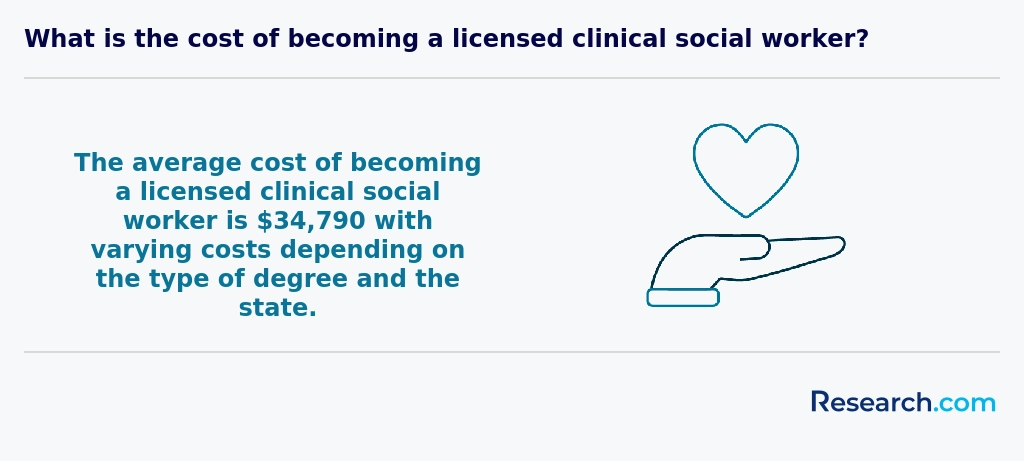
To practice social work in Missouri, you must be licensed by the Missouri Committee for Social Workers. The two primary credentials are:
- Licensed Social Worker (LSW)
- Education: CSWE-accredited BSW or MSW
- Exam: ASWB Bachelor’s (for BSW) or Master’s (for MSW)
- Licensed Clinical Social Worker (LCSW)
- Education: CSWE-accredited MSW
- Supervision: 3,360 hours of post-degree clinical experience under an LCSW
- Exam: ASWB Clinical exam
Consider fulfilling education and supervised-hour requirements faster through accelerated msw programs.
What courses are typically in social work degree programs in Missouri?
Diving into a social work degree in Missouri means embracing a curriculum rich with meaningful, real-world learning. Graduates from institutions like the University of Missouri or Southeast Missouri State University often describe their journey through courses such as Introduction to Social Work, where they first explore the profession's deep-rooted values and ethics-sparking a passion to make a difference.
Imagine studying Human Behavior and the Social Environment, uncovering how biological and social factors shape the lives of people in both urban St. Louis neighborhoods and rural Missouri communities. This course opens eyes to the complex stories behind every client's experience.
Social Welfare Policy and Services offers students an exciting chance to dissect state-specific programs, preparing them for advocacy roles right here in Missouri. Adding hands-on excitement, Research Methods equips future social workers to design meaningful studies, while Practice courses encourage skill-building through role-play and internships.
Field Education-the cornerstone of many Missouri programs-drops students into real social work settings, from child welfare agencies to mental health clinics, where learning leaps off the page and into the heart of community impact.
What types of specializations are available in social work degree programs in Missouri?
Missouri social work degrees open doors to exciting specializations that shape unique career journeys. Imagine focusing on Child and Family Welfare, where graduates from the University of Missouri share stories of transforming foster care systems and supporting families through challenging times. Or dive into Mental Health and Substance Abuse, popular among students at Missouri State University, who find deep fulfillment helping individuals navigate recovery and crisis.
Healthcare Social Work is another vibrant path, often chosen by those attending Saint Louis University, where working alongside medical teams inspires a powerful sense of purpose. For those drawn to schools, School Social Work offers a chance to champion student well-being and behavioral health-reflecting the practical experiences of graduates from Webster University.
The growing field of Gerontology calls students eager to support aging populations, combining empathy with specialized skills. Exploring social work specializations in Missouri reveals how these diverse options connect passion with impact. Many students also discover opportunities to accelerate their training through accelerated social work programs online, making their journey all the more adventurous.
How do you choose the best social work degree in Missouri?
Choosing the best social work degree in Missouri feels like setting off on an exciting journey through diverse educational landscapes. Graduates from well-known Missouri universities often share how discovering CSWE accreditation was a game-changer-knowing their hard work met national standards brought real peace of mind. Imagine yourself engaging deeply in local internships, perhaps partnering with community organizations in St. Louis or Kansas City, gaining hands-on experience that transforms classroom theory into meaningful action.
Exploring affordable social work colleges Missouri also means weighing tuition costs thoughtfully, especially for in-state versus out-of-state options. Some graduates fondly recall how scholarships and financial aid made a tangible difference, enabling them to focus entirely on their fieldwork and studies. Career support services and alumni networks at schools with strong ties to Missouri's social service agencies help students proudly step into roles that shape mental health or child welfare initiatives statewide.
Finally, for those eager to tailor their path, specialized programs can align perfectly with long-term goals. To explore flexible options further, you might want to check out cheap online dsw programs, which many find ideal for advancing careers without pausing real-world impact.
What career paths are available for social work degree students in Missouri?
Graduates holding a social work degree in Missouri find themselves stepping into a world of meaningful career paths that truly make a difference. From joining the Missouri Department of Social Services to supporting families through child protective services, many embark on journeys where every day feels rewarding. Imagine working alongside healthcare teams in St. Louis hospitals, helping patients navigate recovery and discharge plans-a role many graduates from the University of Missouri cherish for its direct impact on individual lives.
Exciting opportunities also abound in schools, where social workers provide essential counseling and behavioral support to students facing challenges. Non-profit agencies in Kansas City offer another thrilling avenue, focusing on advocacy for vulnerable populations like the elderly or homeless, where graduates feel their passion for social justice come alive. Missouri social work degree job prospects expand even further when earning licensure as a Licensed Master Social Worker, opening doors to clinical positions and leadership roles.
For those curious about balancing quality education with affordability, the Affordable Social Work Degree Programs Ranking in Mississippi offers insight into accessible options that Missouri students sometimes explore to complement their learning experience.
What is the job market for social work degree in Missouri?
The social work job outlook Missouri holds exciting promise, especially for graduates from well-known programs at universities like the University of Missouri or Missouri State University. These graduates often find themselves stepping into vibrant roles across healthcare facilities, schools, and community organizations. Picture a recent graduate working closely with families in need, providing vital support in local clinics or school counseling centers, all while earning a competitive salary around $51,000 annually. This steady demand is fueled by growing challenges such as mental health support and substance abuse counseling, creating meaningful career pathways for those eager to make a difference.
Missouri's affordable tuition rates, averaging about $10,000 annually at public institutions for undergraduates, attract many passionate students who feel encouraged by strong community networks and licensing boards. Graduate programs, like a Master of Social Work, cost between $15,000 and $30,000 yearly and open doors to advanced roles and greater earnings. Many graduates also explore options to enhance their credentials through online certifications that pay well, fueling their career growth.
Missouri social work career opportunities are diverse, with expanding needs in child welfare, healthcare, and schools. Graduates describe feeling a deep sense of fulfillment while navigating this adventurous career path, discovering new ways to impact lives every day.
Frequently Asked Questions About social work
Social work degree students in Missouri can maximize their learning by engaging in accredited programs, such as those recognized by the Council on Social Work Education (CSWE). This accreditation ensures their education meets national standards, which is vital for licensure. Missouri offers both Bachelor of Social Work (BSW) and Master of Social Work (MSW) programs, often including field placements that provide practical experience in diverse settings.
Hands-on internships are crucial. Students should seek placements in agencies serving Missouri's underserved populations, like child welfare or mental health, to gain relevant skills. According to the Missouri Department of Social Services, such experience improves job readiness.
Networking through local professional groups, including the Missouri Chapter of the National Association of Social Workers (NASW-MO), also enhances learning by connecting students with practitioners and job opportunities.
Emerging niches within the social work field in Missouri reflect broader national trends shaped by evolving societal needs. One fast-growing area is geriatric social work, responding to Missouri's increasing elderly population. According to the Missouri Economic Research and Information Center, the state's 65+ demographic is expected to grow by over 20% by 2030, creating demand for specialists in aging-related issues.
Another developing niche is healthcare social work, especially in integrated care settings. Social workers in hospitals and clinics help patients navigate complex health systems, addressing mental health and chronic illnesses. Also notable is the rise of school social work, focusing on mental health support for K-12 students, aligning with Missouri's recent funding increases for student services.
Finally, digital and telehealth social work is expanding due to advancements in technology and COVID-19's impact on service delivery. This niche involves virtual counseling and remote case management, offering flexible solutions for diverse populations statewide.
After earning a social work degree in Missouri, preparation for the job market involves several strategic steps. First, obtaining licensure is crucial. Missouri requires social workers to be licensed through the Missouri State Committee for Social Workers, with credentials such as LSW (Licensed Social Worker) or LCSW (Licensed Clinical Social Worker).
Gaining practical experience through internships or supervised clinical hours is essential. Many programs integrate these opportunities, boosting employability. Networking with local agencies, nonprofits, and professional groups like the Missouri Chapter of the National Association of Social Workers can provide job leads and mentorship.
According to the Missouri Economic Research and Information Center, social work employment in the state is expected to grow approximately 8% through 2030, indicating steady demand. Preparing a professional resume emphasizing relevant skills and certifications will also enhance job prospects in this competitive field.
Employers in Missouri seek several critical skills in social work degree graduates to address diverse community needs effectively. Strong communication skills are essential, as social workers must interact clearly with clients, families, and multidisciplinary teams.
Missouri's Department of Social Services emphasizes the importance of cultural competence to work effectively with the state's varied populations. Graduates should also demonstrate solid ethical judgment, reflecting the National Association of Social Workers (NASW) Code of Ethics, which guides responsible practice.
Furthermore, problem-solving and critical thinking abilities are crucial for navigating complex cases and developing intervention plans. Knowledge of state-specific policies and local resources adds value, helping graduates support clients with tailored assistance.
Missouri Bureau of Labor Statistics reports that employers prioritize adaptability and emotional resilience, key traits for managing the challenges social workers face daily.
Finding internships related to social work degrees in Missouri involves several key steps. First, students should explore opportunities through their university's social work department, as most accredited programs require or strongly encourage field placements. Missouri's Department of Social Services also offers internship programs that provide practical experience in public welfare services.
Additionally, organizations like local health departments, schools, and nonprofit agencies frequently partner with universities to host social work interns. The Missouri Chapter of the National Association of Social Workers (NASW-MO) provides resources and networking events that can help students identify internship openings.
According to the U.S. Bureau of Labor Statistics, internships significantly improve employment prospects in the social work field by offering essential hands-on experience and professional connections.
A social work degree in Missouri significantly enhances career mobility and advancement opportunities within the state's human services sector. Graduates with a Bachelor of Social Work (BSW) or Master of Social Work (MSW) often qualify for diverse roles, from case management to clinical social work, expanding their job prospects.
Holding an MSW is particularly valuable, as it permits licensure as a Licensed Specialist Clinical Social Worker (LSCSW), required for many advanced clinical positions in Missouri. According to the Missouri Department of Health and Senior Services, LSCSW licenses correlate with higher salary potential and leadership roles.
The Missouri Economic Research and Information Center (MERIC) projects social work employment growth of 7% through 2030, indicating strong demand.
Advancement often depends on licensure status and education level, so obtaining a social work degree can be a crucial step in career progression statewide.
Studying for a social work degree in Missouri equips students with interdisciplinary skills essential for addressing complex social issues. Programs typically integrate coursework from psychology, sociology, public health, and law, fostering collaboration across sectors. According to the Missouri Department of Social Services, graduates are trained to work effectively with diverse teams in healthcare, education, and community organizations.
Missouri's accredited social work programs emphasize practical field experience, often requiring internships in varied settings. This hands-on approach enhances students' abilities to navigate different professional perspectives. Additionally, the curriculum includes content on policy, ethics, and cultural competence, which supports effective interdisciplinary communication and advocacy.
Choosing between a thesis and a non-thesis social work degree in Missouri depends largely on your career goals. A thesis program emphasizes research, preparing students for doctoral studies or research-based roles. Non-thesis tracks focus more on practical skills and fieldwork, ideal for those seeking direct practice or licensure.
Most social work programs in Missouri, including those accredited by the Council on Social Work Education (CSWE), offer both options. According to the Missouri Department of Higher Education, about 60% of social work graduates enter clinical or community roles, where a non-thesis degree suffices.
Meanwhile, students aiming for academic careers might benefit from the thesis track, which typically requires a substantial research project over 6-12 months. Consider program length, faculty expertise, and your long-term plans when deciding.
Students based in Missouri who wish to study social work abroad have several pathways through U.S. accredited universities and exchange programs. Many Missouri institutions, such as the University of Missouri system, offer partnerships with international universities that allow students to complete part of their social work curriculum overseas. This hands-on global experience helps build cultural competence, a growing priority in social work education.
According to the Council on Social Work Education (CSWE), programs often include study abroad courses focused on global social issues. Missouri students benefit from such programs in countries like Spain, South Africa, and Australia, enhancing their understanding of diverse social policies and practices.
Part-time jobs in Missouri offer valuable experience that complements social work degree education. Positions such as case aide or community outreach worker allow students to engage directly with vulnerable populations while applying classroom knowledge.
Other opportunities include working as a mental health technician or support staff in nonprofit organizations. These roles help develop critical communication skills and understanding of behavioral health issues common in Missouri communities.
The Missouri Economic Research and Information Center (MERIC) reports a growing demand for social service assistants, projecting 14% job growth through 2030. Part-time roles in this field provide practical insight into social welfare systems and client advocacy.
Social work students in Missouri benefit from numerous networking opportunities that connect them with professionals and peers. State universities often have active social work clubs and student organizations that host events, workshops, and guest speakers. These groups provide chances to meet experienced social workers and potential employers.
The Missouri Chapter of the National Association of Social Workers (NASW-MO) is especially valuable. It offers conferences, seminars, and local meetings where students can expand their professional networks while staying informed about regional issues and job openings.
Additionally, many Missouri schools maintain partnerships with local agencies for internships and field placements, giving students real-world experience and contact with practicing social workers.
Alumni networks play a crucial role in supporting social work degree students in Missouri. These networks connect current students with graduates who have professional experience in various social service sectors. Through mentorship and guidance, alumni help students navigate internships and job placements, which is essential in Missouri's competitive social work field.
Many Missouri universities, such as the University of Missouri and Saint Louis University, maintain active alumni groups that offer workshops, networking events, and job leads specifically for social work students. According to the Missouri Association of Social Work (MASW), networking can increase employment opportunities by up to 30%.
Furthermore, alumni often share insights on state licensure processes and continuing education requirements mandated by the Missouri Committee for Social Work Examiners, helping students stay informed and prepared for professional success.
Customizing a social work degree program in Missouri involves selecting specializations and elective courses aligned with your career goals. Many Missouri universities offer concentrations such as clinical social work, community development, or child and family services. Choosing fieldwork placements in agencies related to your interests enhances practical experience.
Additionally, consider programs accredited by the Council on Social Work Education (CSWE), ensuring quality education that meets Missouri licensing requirements. The Missouri Department of Social Services highlights clinical social workers as a growing role, with a projected 12% job growth through 2030, emphasizing demand for specialized skills.
Online and part-time options also provide flexibility, allowing working professionals to tailor study schedules around career commitments.
Social work students in Missouri commonly face several challenges throughout their education. One significant difficulty is balancing demanding coursework with field practicum requirements, which are essential for hands-on experience but often involve high time commitments in diverse community settings. Missouri's diverse population also means students must be culturally competent and prepared to address varied social issues.
Financial strain is another concern. According to the Missouri Department of Higher Education, the average tuition for in-state social work programs can exceed $8,000 annually, making affordability a key challenge for many students.
Additionally, navigating licensure requirements after graduation can be complex. The Missouri State Committee for Social Workers outlines rigorous criteria, including supervised hours and exams, which require early planning during study.
With a social work degree in Missouri, graduates can pursue several professional certifications to enhance their credentials. A key certification is the Licensed Social Worker (LSW), which allows entry-level practice under supervision and is regulated by the Missouri Division of Professional Registration.
After gaining supervised experience, social workers may apply for the Licensed Clinical Social Worker (LCSW) credential. This license authorizes independent clinical practice and is vital for those focusing on therapy or counseling roles. According to the Missouri state board, the LCSW requires at least two years of post-master's supervised clinical experience.
Additional credentials such as Certified Advanced Social Work Case Manager (C-ASWCM) offered by the National Association of Social Workers can also complement a Missouri social work license. These certifications broaden a professional's expertise, improving career prospects in diverse settings including hospitals and schools.
To write a winning application for a social work program in Missouri, start by clearly demonstrating your passion for helping others. Missouri universities often look for candidates with strong interpersonal skills and a commitment to social justice. Highlight relevant volunteer or work experience, especially in local community settings.
Include a well-crafted personal statement that outlines your motivation and career goals. Missouri's Council on Social Work Education emphasizes applicants' understanding of ethical issues in social work, so addressing this can strengthen your application.
Strong academic records matter; as of recent admissions data, competitive applicants often have GPAs above 3.0.
Finally, secure recommendations from professionals familiar with your dedication and skills in social services within Missouri communities.
Global perspectives on a social work career emphasize culturally competent practice and addressing social justice worldwide. In the US, including Missouri, social work education aligns with standards from the Council on Social Work Education (CSWE), which incorporates global issues such as migration, human rights, and international development.
Missouri's social workers often engage with diverse populations, reflecting broader global trends toward inclusivity and equity. According to the Bureau of Labor Statistics, employment for social workers in Missouri is projected to grow 13% from 2022 to 2032, indicating rising demand amid complex societal challenges.
Understanding global social work perspectives helps Missouri students prepare for careers that may involve cross-cultural collaboration and international policy influence while grounded in US-based social work ethics.
Gaining practical experience while studying for a social work degree in Missouri is essential for building skills and meeting state licensure requirements. Most accredited programs require students to complete supervised field placements or internships through partnerships with local agencies, such as schools, healthcare facilities, or community organizations. These hands-on opportunities allow students to work directly with clients under professional supervision.
According to the Council on Social Work Education, Missouri programs typically require at least 400 hours of fieldwork. Students can also benefit from volunteer roles and part-time jobs in social service settings to enhance their experience. The Missouri Department of Social Services provides resources to connect students with relevant agencies.
Choosing the right concentration within a social work degree program in Missouri depends on your career goals and interests. Missouri offers several specialized tracks such as clinical social work, school social work, and substance abuse counseling. According to the Missouri Department of Social Services, clinical social workers remain in high demand, especially in rural and underserved areas. Students should consider concentrations that align with state licensure requirements, like the Licensed Specialist Clinical Social Worker (LSCSW).
Exploring internship opportunities and faculty expertise at Missouri universities can also guide your decision. Programs accredited by the Council on Social Work Education (CSWE) ensure quality education and better career outcomes. Missouri's job market data from the Bureau of Labor Statistics indicates a growing need for social workers in healthcare and child welfare sectors, which may influence your choice of specialization.
Related Social Work Rankings for Nearby States
- 2027 Most Valuable Social Work Degree Programs Ranking in Nebraska
- 2027 Most Valuable Social Work Degree Programs Ranking in Arkansas
- 2027 Most Valuable Social Work Degree Programs Ranking in Oklahoma
- 2027 Most Valuable Social Work Degree Programs Ranking in Kentucky
- 2027 Most Valuable Social Work Degree Programs Ranking in Tennessee
- 2027 Most Valuable Social Work Degree Programs Ranking in Minnesota
- 2027 Most Valuable Social Work Degree Programs Ranking in Wisconsin
- 2027 Most Valuable Social Work Degree Programs Ranking in Ohio
- 2027 Most Valuable Social Work Degree Programs Ranking in Michigan
- 2027 Most Valuable Social Work Degree Programs Ranking in West Virginia
Top Trending Social Work Rankings
See What Experts Have To Say About Studying Social Work
Read our interview with Social Work experts

References
- Social Work Education: Interdisciplinary teams a growing area of training https://www.socialworkblog.org/featured-articles/2018/04/social-work-education-interdisciplinary-teams-a-growing-area-of-training/
- Social Work Degrees https://socialworklicensemap.com/social-work-degrees/
- Social Work https://www.mssu.edu/academics/arts-sciences/social-work/index.php
- Practice & Networking Groups | AASW https://www.aasw.asn.au/about-aasw/practice-networking-groups/
- Social work certificates | edX https://www.edx.org/certificates/social-work-certificates
- Global Definition of Social Work https://www.ifsw.org/what-is-social-work/global-definition-of-social-work/
- Web Exclusive https://www.socialworktoday.com/archive/exc_081823.shtml
- Guide to Careers in Social Work https://www.onlinemswprograms.com/careers/
- Surviving your social work degree placement - Community Care https://www.communitycare.co.uk/content/news/surviving-your-social-work-degree-placement
- MSW Programs in Greater St. Louis - Campus & Online Master of Social Work https://www.masterofsocialwork.com/states/missouri/st-louis


