
2027 Most Valuable Social Work Degree Programs Ranking in Little Rock

Co-Founder and Chief Data Scientist
Choosing the right social work degree program in Little Rock is a big step toward a meaningful and rewarding career. To help you navigate this important decision, our article presents the 2027 Most Valuable Social Work Degree Programs Ranking in Little Rock.
This ranking was carefully developed by the Research.com team of data scientists to provide reliable insights into the best programs available. By exploring this guide, you'll gain clarity on which degrees offer strong value and opportunities after graduation.
Pursuing a social work degree is an exciting journey that opens doors to making a real difference in communities. This article is designed to support your goals and inspire confidence in your educational choices.
Key benefits of getting social work degree in Little Rock
- Graduates with a social work degree in Little Rock can expect strong earning potential, with average salaries like $68,800 for Social Workers and up to $83,400 for Community Organizers, offering financial stability in rewarding careers.
- Career paths include roles as Social Workers, Youth Workers, and Residential Counselors, giving you diverse options to make a positive impact in your community right here in Little Rock.
- Online social work degrees from local institutions offer flexibility and convenience, allowing you to balance studies with personal commitments while gaining quality education comparable to traditional programs.
- Key benefits of getting social work degree in Little Rock
- What can I expect from social work degree in Little Rock?
- Where can I work with social work degree in Little Rock?
- How much can I make with social work degree in Little Rock?
- 2027 Most Valuable Social Work Degree Programs Ranking in Little Rock
- Key Findings
- How long does it take to complete social work degree in Little Rock?
- Licensure Requirements in Arkansas
- What's the difference between online and on-campus social work degree?
- Return on Investment (ROI) for Social Work Degrees in Little Rock, AR
- What is the average cost of social work degree in Little Rock?
- Professional Development and Career Resources
- What financial aid is available to social work degree students in Little Rock?
- Licensure and Certification Requirements in Arkansas
- What are the prerequisites for enrolling in social work degree program in Little Rock?
- Exploring Opportunities in Social Work Education
- What courses are typically in social work degree programs in Little Rock?
- What types of specializations are available in social work degree programs in Little Rock?
- How do you choose the best social work degree in Little Rock?
- What career paths are available for social work degree students in Little Rock?
- What is the job market for social work degree in Little Rock?
- Top Trending Social Work Rankings
- See What Experts Have To Say About Studying Social Work
What can I expect from social work degree in Little Rock?
The average cost of pursuing a social work degree in Little Rock varies, but students commonly find tuition for programs like those at the University of Arkansas at Little Rock (UALR) to be affordable compared to many other urban centers. Graduates often recall balancing the price of education with the value gained through accredited courses and practical field internships that provide hands-on experience in local agencies confronting real-world challenges such as addiction and child welfare.
Many social work students describe the financial commitment as an investment in a meaningful career, where the relative affordability of tuition allows them to focus more deeply on mastering skills in ethical decision-making and community advocacy. The combination of regional tuition costs and opportunities for scholarships or state grants creates an environment where passion and practical support meet, fostering confidence as students prepare for vital licensure exams required to practice in Arkansas.
These experiences, rooted in Little Rock's specific social needs, make the cost feel justified; graduates emphasize that the education opens doors in both public and private sectors, turning financial concerns into motivation and purpose rather than a barrier.
Where can I work with social work degree in Little Rock?
Graduates from social work programs at Little Rock's well-regarded universities often find themselves stepping into roles that directly impact lives in meaningful ways. Imagine supporting a family navigating child welfare challenges through the Arkansas Department of Human Services, where many alumni start their careers. These roles aren't abstract-they're deeply human, involving real children, parents, and communities striving for better futures.
Others choose healthcare settings like local hospitals or mental health clinics, where their daily work blends clinical skills with compassion, helping patients wrestle with trauma or chronic illness. A recent graduate shared how their clinical training locally translated into partnership roles on multidisciplinary teams, delivering hope and hands-on healing to clients.
Nonprofit agencies in Little Rock focused on homelessness or domestic violence are also popular workplaces, challenging new professionals to innovate while providing vital support. Graduates often describe these experiences as both humbling and empowering, underscoring social work's broad reach-from public institutions to private practice.
With licensing pathways clear in Arkansas, many graduates even establish their own practices or join community mental health centers, further embedding themselves in Little Rock's evolving social service landscape, which continuously opens doors beyond conventional career expectations.
How much can I make with social work degree in Little Rock?
Graduates from social work programs in Little Rock face a nuanced salary landscape that often surprises newcomers. While the Arkansas Department of Workforce Services reports average salaries ranging from $48,000 to $58,000 annually, recent graduates from local universities have found that earning potential can exceed these figures, especially with advanced degrees and licenses.
Consider a graduate who specialized in clinical social work at a popular Little Rock college and became a Licensed Clinical Social Worker (LCSW). They can earn upwards of $65,000 annually, aligning with the median U.S. social worker wage of around $68,800 reported by the Bureau of Labor Statistics. Meanwhile, others pursuing roles as child welfare specialists or residential counselors earn approximately $59,190 a year nationally, reflecting stable and meaningful careers.
For those leaning into community organizing or youth work, the national mean wage can reach $83,400-an inspiring benchmark for ambitious graduates wanting to impact Little Rock's communities deeply. These figures underscore that local education paired with targeted certification opens doors to rewarding salaries that challenge the notion that social work is a low-paying calling.
2027 Most Valuable Social Work Degree Programs Ranking in Little Rock
How do we rank schools?
Investing in your education is a significant decision that can shape your future, and the Research.com team recognizes the importance of making well-informed choices. To support prospective students in Little Rock, we have carefully developed the "2027 Most Valuable Social Work Degree Programs Ranking." Our dedication to quality, credibility, and accuracy is demonstrated through rigorous research and thorough analysis behind this ranking.
We utilized the following reputable data sources to ensure a comprehensive evaluation of social work programs:
By exploring this ranking, readers will gain valuable insights into the most valuable social work degree programs offered in Little Rock, empowering them to choose the educational path best suited to their goals. For more information on how this ranking was created, please visit our Research.com methodology page.

# 3 position
Philander Smith University
Bachelor of Social Work

Key Findings
- Social work programs in Little Rock include public and private schools accredited by the Council on Social Work Education (CSWE), which is required for licensure and employment.
- Undergraduate tuition ranges from $7,000 to $10,000 per year for in-state students, while private schools can charge around $15,000 annually.
- Graduate programs like the Master of Social Work (MSW) cost between $10,000 and $20,000 per year.
- Entry-level social workers earn about $40,000 to $45,000 annually, with mid-career salaries rising to $55,000 to $65,000.
- Licensing in Arkansas requires graduating from a CSWE-accredited program and passing the ASWB exam for LMSW or LCSW credentials.
- Flexible program options such as online or hybrid formats are available, including field placements at local agencies for practical experience.
How long does it take to complete social work degree in Little Rock?
In Little Rock, completing a social work degree typically unfolds over a timeline that invites both patience and perseverance. Graduates from the University of Arkansas at Little Rock often reflect on their full-time Bachelor of Social Work journey lasting around four years, a period filled with hands-on learning and community engagement. This standard duration challenges students to immerse themselves deeply, transforming theory into practice through mandated 900 to 1,200 hours of supervised fieldwork that is as demanding as it is rewarding.
For many, the decision to pursue a Master of Social Work adds a new chapter, usually requiring two more years of dedicated study. Some fortunate students benefit from accelerated advanced standing programs, cutting this to just about one year, allowing them to swiftly step into advanced roles. Meanwhile, part-time enrollment options offer flexibility for working adults, though this choice can extend the timeline, bringing a unique rhythm to balancing life and study in ways that can feel empowering despite the longer path.
Licensure Requirements in Arkansas
After earning your social work degree, follow these steps to obtain state licensure:
- Graduate from a CSWE-accredited program: Complete a BSW for entry-level licensure or an MSW for clinical practice (explore the fastest online msw programs to accelerate your timeline)
- Pass the appropriate ASWB exam: Bachelor’s exam for BSW holders; Master’s or Clinical exam for MSW holders
- Complete supervised practice: MSW graduates must accrue 3,000 hours under a licensed clinical social worker (LCSW) supervisor
- Apply to the Arkansas Board of Examiners in Social Work: Submit transcripts, exam scores, supervision verification, and the application fee
- Maintain your license: Renew biennially with at least 30 hours of continuing education
What's the difference between online and on-campus social work degree?
Graduates from social work programs at the University of Arkansas at Little Rock often describe their on-campus experience as a vibrant mix of face-to-face learning and hands-on community engagement. Being physically present means tapping directly into local agencies through university-arranged practicum placements, fostering connections that feel immediate and deeply personal. This structured environment provides a rhythm that many find motivating, with scheduled classes shaping their week around peers and professors.
Conversely, alumni of online social work degrees appreciate the freedom to study around their existing commitments-work, family, or other duties-without sacrificing accreditation or the quality of fieldwork, which they arrange locally in Little Rock neighborhoods. These students often express pride in independently navigating their practicum opportunities, developing self-discipline and resilience. While lacking daily campus buzz, the flexibility helps them maintain balance without losing sight of professional standards.
Both pathways demand practical experience and rigorous coursework, but they craft distinct narratives: one steeped in communal energy, the other in adaptable self-direction, reflecting different but equally valid journeys toward becoming a social worker in Little Rock.
Return on Investment (ROI) for Social Work Degrees in Little Rock, AR
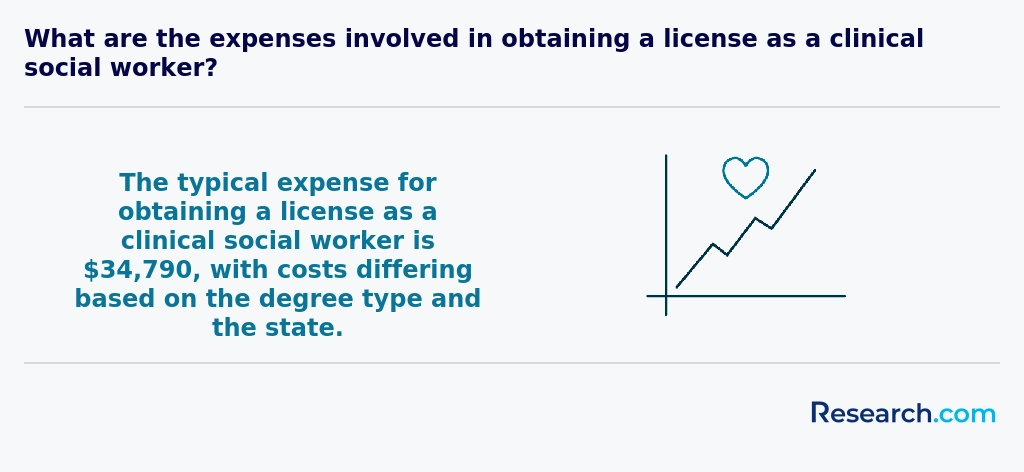
Understanding the true value of a social work degree goes beyond tuition and salaries-it hinges on the return on investment (ROI). By comparing total program costs against post-graduation earnings and debt repayment timelines, prospective students can gauge which programs deliver the greatest long-term benefit. Many local MSW graduates incur an average debt of $34,790, while entry-level social workers in Little Rock earn a mean annual wage of $64,360. This creates a payback period of roughly 0.5–1.0 years when accounting for taxes and living expenses. Key ROI metrics include: • Net Tuition Cost: Total tuition minus average financial aid and scholarships • Average Starting Salary: Mean annual wage for social workers and specialized roles • Payback Period: Time required to recoup net tuition via post-graduation earnings Programs that optimize ROI often feature:
- Generous institutional scholarships and graduate assistantships
- High licensure exam pass rates, signaling employer trust and faster career advancement
- Strong alumni networks that translate into salary negotiations and leadership roles For a direct comparison of cost-effective social work programs in the region, see our Affordable Social Work Degree Programs Ranking in Oklahoma, which highlights institutions with the best balance of affordability and career outcomes.
What is the average cost of social work degree in Little Rock?
The average cost of a social work degree in Little Rock reflects a balance between accessible public education and more costly private options. Graduates from the University of Arkansas at Little Rock often recall how the in-state tuition, averaging about $9,748, made pursuing their bachelor's or master's degrees more feasible than expected. This relative affordability challenges the common presumption that advanced degrees in social work come with prohibitive price tags, especially in comparison to national figures.
Yet, it's not just tuition that shapes the financial reality. Many students share stories of budgeting carefully for textbooks, field placement fees, and background checks-expenses that can add hundreds or even thousands annually, too often overlooked when considering the average cost of social work degree in Little Rock. Their experiences highlight the importance of planning beyond tuition alone and anticipating these additional costs.
For those considering private colleges, the price may climb significantly, sometimes exceeding $20,000 a year. Nevertheless, several graduates emphasize that scholarships and financial aid opportunities substantially ease this burden. Such financial support makes this path accessible to passionate individuals committed to professional social work roles, reinforcing a hopeful narrative amid concerns about affordability.
Many students also explore complementary paths, like enrolling in a substance abuse counseling degree program, which can sometimes dovetail with social work careers and spread out financial investment more strategically. Reflecting on their journeys, these graduates find that understanding the full scope of Little Rock social work degree tuition and fees is key to making informed, confident decisions about their futures.
Professional Development and Career Resources
Graduates of social work programs benefit greatly from robust professional development and targeted career resources that can bridge the gap between academic achievement and workplace success. In Little Rock, AR, many institutions support students with career counseling, mentorship programs, and networking events that connect them with local agencies and industry professionals. In addition to formal internships, attending workshops on resume building, interview techniques, and professional etiquette can make a significant difference when entering the job market. Moreover, leveraging online career guides-such as insights on social work job salary trends-can help aspiring social workers understand salary benchmarks and career trajectories in today’s competitive environment. By taking advantage of these resources, students and recent graduates can continuously develop their skills, expand their professional network, and position themselves for long-term career success in the ever-evolving field of social work.
What financial aid is available to social work degree students in Little Rock?
Financial aid for social work students in Little Rock is more than just numbers; it's a lifeline that transforms aspirations into reality. Graduates from the University of Arkansas at Little Rock often recall how federal grants like the Pell Grant, offering up to $7,395 annually, significantly eased their tuition burden, making education accessible without the shadow of overwhelming debt.
Many found state scholarships, such as the Arkansas Academic Challenge Scholarship, a vital resource, offering up to $4,000 based on academic merit. These funds often bridged the gap between costs and confidence, allowing students to focus on their calling rather than financial strain.
Work-study opportunities embedded within Little Rock's universities provided more than income; they offered hands-on experience with community agencies, reinforcing a sense of purpose. Meanwhile, federal student loans present manageable options, but graduates stress weighing their future earning potential carefully.
Beyond traditional aid, nonprofits and government agencies supporting social work careers often contribute through employer tuition assistance, turning employment into an educational partnership. Together, these resources create a network of support that challenges the misconception that social work degrees come with inevitable financial hardship.
Licensure and Certification Requirements in Arkansas
Becoming a licensed social worker in Arkansas involves meeting education, examination, and supervised practice requirements to ensure you’re fully prepared for professional responsibilities. First, you must graduate from a Council on Social Work Education (CSWE)–accredited bachelor’s or master’s program. Many aspirants strengthen their foundation by completing an online bachelor’s in human services, which covers essential coursework in human behavior and social welfare policy. After earning a Bachelor of Social Work (BSW), you apply for the Licensed Baccalaureate Social Worker (LBSW) credential through the Arkansas Board of Social Work. This entails submitting official transcripts, a background check, and passing the Association of Social Work Boards (ASWB) Bachelor’s exam. Once you’ve obtained your LBSW, you can practice under general supervision and accrue the required 3,000 supervised clinical hours toward your clinical credential. To advance to the Licensed Clinical Social Worker (LCSW) level, you must:
- Hold an MSW from a CSWE-accredited program.
- Complete at least 3,000 post-master’s supervised hours, documented by a qualified supervisor.
- Pass the ASWB Clinical exam, which tests advanced knowledge in clinical assessment, diagnosis, and treatment planning.
- Submit verification of supervised experience and examination results to the Arkansas Board. Licensure renewal occurs every two years, requiring 30 hours of continuing education-including ethics, cultural competency, and clinical skill updates-to maintain best practices. Familiarizing yourself with these steps early-ideally during your degree program-ensures a seamless transition into independent practice and reinforces your commitment to ethical, competent social work in Arkansas.
What are the prerequisites for enrolling in social work degree program in Little Rock?
To enroll in a social work degree program in Little Rock, the journey often begins with holding a high school diploma or its equivalent, particularly for Bachelor of Social Work (BSW) applicants. Graduates from local universities recall the initial challenge of submitting SAT or ACT scores, though many found relief in optional testing policies adopted by some schools here. Beyond grades, students emphasize how meaningful volunteer work or internships within Little Rock's community hubs made their applications stand out, transforming abstract requirements into lived passion.
For Master of Social Work (MSW) hopefuls, having a bachelor's degree-sometimes in psychology or sociology-is just the gateway. Graduates share how writing heartfelt personal statements and securing compelling recommendation letters revealed their readiness to tackle the complex realities of social work in Arkansas' diverse settings. Some recall the added hurdle of GRE scores, which, while optional in many programs, tested their resolve.
Moreover, local institutions underscore ethical vigilance by requiring criminal background checks before field placements, ensuring that commitment to protecting vulnerable populations is not theoretical but enacted. This layered process reflects Little Rock's dedication to fostering both competence and deep integrity in its social work students.
Exploring Opportunities in Social Work Education
As students navigate the process of selecting a social work degree program in Little Rock, AR, it's essential to consider the broader landscape of social work education and the opportunities it presents. For those interested in pursuing a career in this field, researching valuable social work schools in Arkansas can provide valuable insights into the quality and reputation of various programs. This research can help students make informed decisions about their educational pathway, ensuring they align their academic pursuits with their career aspirations and personal goals. By understanding the nuances of social work education, students can better position themselves for success in this rewarding and challenging field.
What courses are typically in social work degree programs in Little Rock?
Students pursuing social work degrees in Little Rock encounter a curriculum deeply rooted in both theory and hands-on practice, designed to prepare them for real-world challenges. At institutions like the University of Arkansas at Little Rock, graduates often reflect on how foundational courses such as social work ethics, human behavior in the social environment, and social welfare policy felt immediately relevant when working with underserved city populations.
These courses are not mere academic exercises; they become the lens through which students interpret complex social dynamics. For example, examining human behavior alongside direct field education at local agencies helps students connect psychological theories with real struggles faced daily by individuals and families.
Students also find value in specialized practice classes, addressing topics from child welfare to mental health, sharpening counseling and intervention skills. One common memory is how social work research methods challenged them to evaluate evidence critically, ensuring their future work is grounded in proven strategies.
The hands-on practicum experiences, especially prevalent at Little Rock-based colleges, foster a strong sense of purpose and confidence, as students witness the tangible impact of their efforts on community well-being.
What types of specializations are available in social work degree programs in Little Rock?
Exploring social work degree specializations Little Rock offers reveals an intriguing spectrum beyond traditional expectations. Graduates from prominent local institutions frequently highlight clinical social work-a specialization focused on mental health therapy and emotional support-as a path that demands both empathy and resilience. Many find fulfillment knowing they contribute directly to individuals' healing journeys, often within hospitals or private practices. Child and family social work, deeply tied to Little Rock's diverse communities, draws students passionate about advocating for vulnerable youth and family welfare, a commitment that resonates with the city's urban challenges and cultural richness. Some graduates share how studying health and medical social work opened doors to collaborating with healthcare providers, enhancing patient care during crucial moments. Administration and policy specializations attract those eager to influence broader social systems, turning ideas into meaningful community resources. For those curious about psychology careers focused on younger populations, programs connect well with interests such as adolescent psychologist careers. This variety proves that Little Rock social work career tracks meet both heart and mind.
How do you choose the best social work degree in Little Rock?
Choosing the best social work degree in Little Rock means looking beyond surface factors like tuition or location. Graduates from the University of Arkansas at Little Rock often emphasize the value of CSWE accreditation, which not only validates academic rigor but also ensures readiness for Arkansas licensure. Many reflect on how the program's blend of classroom learning and local internships built their confidence for real-world challenges.
Affordability is often assumed to be about headline tuition, but many students discover hidden costs like clinical placement fees and materials. Finding affordable social work programs in Little Rock means exploring all expenses and financial aid options closely, as some local universities offer tuition advantages to in-state students paired with flexible payment plans. These practical considerations turn education from a financial burden into an achievable investment.
Flexibility is frequently underestimated. Graduates juggling family or work commitments share how hybrid or evening classes at local schools made their academic journey possible. Reflect on your own lifestyle-would hybrid formats enable you to thrive? Ultimately, your success depends on tailoring your education to your life's realities, not just conventional program structures. For those aiming to navigate Arkansas social work licensure, understanding the iowa lpc application process can provide useful perspective on professional licensing steps.
What career paths are available for social work degree students in Little Rock?
Graduates from popular Little Rock institutions pursuing social work degrees frequently find themselves drawn to diverse career paths that challenge societal norms. Rather than settling simply for traditional roles, these professionals engage deeply with communities-whether as child and family social workers confronting urgent crises or mental health specialists helping individuals reclaim stability amid adversity. The intensity of these roles fosters a strong sense of purpose, as many students recall how hands-on experiences during their education in Little Rock transformed theoretical knowledge into impactful action.
Jobs with a social work degree Little Rock graduates pursue often include healthcare social work in hospitals or clinics where coordinating patient care requires empathy and precision. Others thrive as school social workers addressing student wellness, seeing firsthand how early intervention changes trajectories. Additionally, community social workers collaborate with nonprofits and state agencies, a path many find rewarding as they witness tangible improvements in social programs. Those aiming higher pursue clinical licensure, expanding their horizons to private practice.
Considering the cost and outcomes, Little Rock's social work programs offer an affordable pathway to meaningful careers. For guidance on related fields, students explore online psychology degrees ohio thesis requirements, which complement their professional growth and open further opportunities.

What is the job market for social work degree in Little Rock?
The social work job opportunities in Little Rock reveal a landscape rich with potential for graduates willing to engage deeply with their communities. Those who earn their degrees from local institutions, such as the University of Arkansas at Little Rock, often describe the rewarding challenge of supporting vulnerable populations through healthcare, schools, and nonprofits. Rather than simply chasing a paycheck, these graduates integrate learning with purpose, helping patients navigate complex systems or assisting families in crisis. The Arkansas Department of Workforce Services reports an average annual wage around $48,000, reflecting a stable yet growing market that values experience and licensure.
Employment outlook for social workers in Little Rock Arkansas encourages students to reflect beyond traditional roles. For example, local hospitals need social workers who can blend clinical expertise with community outreach, creating a satisfying balance of direct care and meaningful impact. With rising demand in sectors like mental health, graduates often find their paths expanding, especially if they pursue advanced degrees.
Prospective students also weigh costs carefully; many select the University of Arkansas for its competitive in-state tuition, balancing affordability with quality. Those exploring further academic options may consider online psychology bachelor's degree courses as complementary to their social work education, broadening career opportunities in related fields.
Frequently Asked Questions About social work
Social work degree students in Little Rock can maximize their learning by engaging in hands-on field placements, which are often required by accredited programs. These internships provide real-world experience in organizations such as local hospitals, schools, and government agencies. The University of Arkansas at Little Rock, for example, emphasizes community-based internships to prepare students for licensure.
Students should also take advantage of the city's diverse population to understand various social issues firsthand. Networking with local social workers through workshops and professional associations can enhance job prospects and practical knowledge. Additionally, staying informed about Arkansas-specific social policies and trends is key to relevant practice.
The social work field is evolving rapidly, with emerging niches reflecting changing societal needs. In Little Rock, areas such as geriatric social work are gaining importance due to the city's growing elderly population, which is expected to increase by over 15% in the next decade according to the U.S. Census Bureau.
Another niche is healthcare social work, especially in rural and underserved communities surrounding Little Rock. This includes roles in hospitals and clinics helping patients navigate complex medical systems and manage chronic illnesses.
Addiction and behavioral health social work also remains a critical focus, with Arkansas reporting higher than average substance use rates per the Substance Abuse and Mental Health Services Administration (SAMHSA).
Lastly, digital and telehealth social work is expanding, driven by advancements in technology and increased demand for virtual care services post-pandemic.
After earning a social work degree in Little Rock, graduates should focus on gaining practical experience. Many employers prefer candidates with internships or fieldwork completed during their studies, which are typically required by programs accredited by the Council on Social Work Education (CSWE).
Networking is also crucial. Attending local events like those hosted by the Arkansas Chapter of the National Association of Social Workers (NASW) can connect new professionals with potential employers and mentors.
Licensure is essential to practice clinically in Arkansas. Graduates must pass the ASWB exam and complete supervised hours to become Licensed Certified Social Workers (LCSW), a step that improves job prospects significantly.
The Arkansas Department of Workforce Services highlights that social work positions in Little Rock are expected to grow by 12% through 2030, faster than the national average, indicating strong local demand.
Employers in Little Rock value several key skills when hiring social work degree graduates. Critical thinking and problem-solving abilities are essential, enabling professionals to assess client needs effectively. Strong communication skills, both verbal and written, are crucial for interacting with diverse populations and coordinating with agencies.
Additionally, cultural competence is highly regarded due to Little Rock's diverse communities. According to the Arkansas Department of Human Services, adaptability and resilience are important as social workers often face challenging environments. Knowledge of ethical standards and case management software also enhances job prospects.
Graduates with these competencies are better prepared to meet local social service demands. Demonstrating practical experience through internships or fieldwork in Little Rock agencies provides a significant advantage.
Finding internships in Little Rock for social work students involves leveraging local resources and educational institutions. Many universities in the area, including the University of Arkansas at Little Rock, maintain partnerships with social service agencies. Students should consult their school's career services or social work department for listings of approved internship sites.
The Arkansas Department of Human Services offers various internship programs tailored to social work students, providing hands-on experience in child welfare and community services. Additionally, nonprofit organizations such as the Central Arkansas Development Council frequently seek interns interested in social support roles.
Networking through professional groups like the Arkansas Chapter of the National Association of Social Workers can also open doors to internship opportunities, as these organizations share local postings and host career fairs.
A social work degree significantly enhances career mobility and advancement opportunities in Little Rock. Professionals with a Bachelor of Social Work (BSW) or Master of Social Work (MSW) are in demand across healthcare, education, and government sectors. According to the U.S. Bureau of Labor Statistics, social workers in Arkansas are expected to see a 12% employment growth from 2022 to 2032, which is faster than average.
Holding an MSW in Little Rock often qualifies individuals for clinical licensure, enabling higher-paying roles and supervisory positions. Additionally, many employers prefer candidates with formal social work education due to stringent state licensing requirements.
Local agencies such as the Arkansas Department of Human Services commonly recruit graduates, emphasizing practical experience gained during degree programs.
Studying for a social work degree in Little Rock equips students with knowledge that spans multiple disciplines, essential for collaborative professional environments. Programs emphasize understanding community health, psychology, and public policy, preparing graduates to work alongside healthcare providers, educators, and legal professionals.
Little Rock's social work curricula often include internships within diverse settings such as hospitals, schools, and government agencies, fostering practical skills in real-world interdisciplinary teams. According to the Arkansas Department of Health, social workers here frequently coordinate with mental health and substance abuse counselors, highlighting the importance of interdisciplinary training.
This approach supports careers in integrated care models increasingly common across the US, making Little Rock graduates competitive in multifaceted roles.
When choosing between a thesis and a non-thesis social work degree program in Little Rock, students should consider their career goals and learning preferences. Thesis programs often appeal to those interested in research or pursuing a doctorate later, since they include a significant research project. Non-thesis tracks generally focus more on practical skills and fieldwork, which can be beneficial for immediate entry into social work practice or licensure.
In Little Rock, social work students face diverse community needs, making hands-on experience crucial. According to the Arkansas Department of Human Services, more than 2,000 social workers are employed statewide, highlighting strong demand for skilled practitioners.
Choosing a thesis program typically requires strong research skills and time commitment, whereas non-thesis options may offer more flexibility for working professionals. Accreditation by the Council on Social Work Education ensures program quality regardless of the track.
Students based in Little Rock interested in studying social work abroad have several pathways through established exchange programs and affiliate partnerships with international universities. Many U.S. institutions offer semester-long or year-long study abroad options that include social work courses and field placements. For example, the University of Arkansas at Little Rock (UALR) participates in statewide and national consortia that enable access to approved overseas programs.
Programs typically focus on countries with advanced social welfare systems like Canada, the United Kingdom, or Australia, allowing students to compare international approaches to social work practice. Credits earned abroad often transfer back toward degree completion.
According to the Council on Social Work Education (CSWE), international experiences can enhance cultural competence, a vital skill for social workers in Little Rock's increasingly diverse communities.
Students pursuing social work degrees in Little Rock can gain valuable experience through part-time jobs that align with their field. Local nonprofits and community service organizations often seek part-time case aides or program assistants, roles that provide direct exposure to client interaction and resource coordination. According to the U.S. Bureau of Labor Statistics, social work-related roles in Arkansas grew by approximately 7% from 2020 to 2030, reflecting increasing demand.
Additionally, students might explore internships or part-time positions at hospitals or mental health clinics in Little Rock. These settings offer practical experience working with vulnerable populations, an essential skill for social workers. Volunteering at shelters or youth centers also complements academic learning by enhancing interpersonal and crisis management skills.
Social work students in Little Rock have access to a variety of valuable networking opportunities that can enhance their education and career prospects. Local universities such as the University of Arkansas at Little Rock offer events, workshops, and guest lectures where students can connect with experienced professionals and faculty members.
Additionally, students can join regional chapters of national organizations like the National Association of Social Workers (NASW), which provides networking events, conferences, and mentorship programs tailored to Arkansas social workers.
Community agencies and nonprofit organizations in Little Rock also frequently collaborate with social work programs, allowing students to engage in internships and volunteer positions that foster professional relationships and practical experience.
Alumni networks offer valuable support to social work degree students in Little Rock by providing access to mentorship and professional connections. Graduates often share job opportunities within social services agencies, nonprofit organizations, and healthcare institutions, which are prominent employers in the area. According to the National Association of Social Workers Arkansas Chapter, about 70% of recent social work graduates find employment through networking within their alumni community.
These networks also facilitate continuing education and skill development through workshops and seminars, helping students stay current with local policies and best practices. Engaging with experienced alumni enhances students' understanding of Little Rock's unique community challenges, increasing their effectiveness as future professionals.
Customizing a social work degree program in Little Rock is possible by selecting electives and specialized tracks aligned with individual career goals. Many local institutions offer concentrations in areas like clinical social work, child welfare, or community organization. This flexibility helps students tailor their education to sectors they wish to enter.
Additionally, field internships in Little Rock agencies provide practical experience and networking opportunities, allowing students to focus on specific populations or issues. The University of Arkansas at Little Rock highlights that over 80% of their social work students secure placements matching their interests.
Students should also consider pursuing continuing education or certifications post-graduation to further specialize and meet licensing requirements in Arkansas.
Social work students in Little Rock often face several common challenges throughout their studies. A notable difficulty is balancing demanding field placements with coursework. Fieldwork typically requires 450 to 900 supervised hours, which can interfere with jobs or family responsibilities. This is consistent with national standards set by the Council on Social Work Education.
Another challenge is navigating limited local resources for specialized training. While Arkansas has active human services agencies, access to certain clinical or policy internships can be competitive. According to the University of Arkansas data, the retention rates in social work programs reflect this pressure, with about 20% of students taking longer than the average two years to graduate.
Financial constraints also affect many students. Graduate tuition combined with living expenses in Little Rock can create stress, especially since median social worker salaries in Arkansas are below the national average, approximately $41,000 annually per U.S. Bureau of Labor Statistics.
With a social work degree, graduates in Little Rock can pursue several professional certifications that enhance their career prospects. The most common certification is the Licensed Master Social Worker (LMSW), which allows practice under supervision. Graduates who acquire experience can advance to the Licensed Clinical Social Worker (LCSW) credential, enabling independent clinical work.
The Arkansas Board of Examiners in Social Work oversees licensing in the state, ensuring compliance with state-specific requirements. National certifications, such as the Certified Social Work Case Manager (C-SWCM), are also available and respected.
According to the U.S. Bureau of Labor Statistics, Arkansas expects social worker employment to grow by 12% from 2020 to 2030, highlighting increased opportunities for certified professionals in the region.
Applying to a social work program in Little Rock requires a clear understanding of the expectations set by local universities and accrediting bodies like the Council on Social Work Education (CSWE). Start by presenting a strong personal statement that highlights your commitment to social justice and community service, key values in Arkansas social work. Include specific examples of volunteer or work experience in Little Rock or nearby areas to demonstrate your connection to local needs.
Ensure your academic records meet the minimum GPA requirements, typically around 3.0, and provide letters of recommendation from professionals familiar with your social work potential. Some Little Rock programs also value an understanding of Arkansas' demographic challenges, so mentioning awareness of issues such as poverty or rural community support can strengthen your application.
The field of social work carries a global significance, addressing social justice, human rights, and community well-being worldwide. In the United States, including Little Rock, social workers often follow standards set by the Council on Social Work Education (CSWE), which align with international guidelines established by organizations like the International Federation of Social Workers.
Social work careers globally emphasize cultural competence, a focus increasingly important as communities become more diverse. In Little Rock, social workers support populations facing challenges such as poverty and health disparities, reflecting broader issues seen internationally.
Employment growth for social workers in Arkansas is projected at 12% from 2022 to 2032, according to the Bureau of Labor Statistics, mirroring global demand for social services. The profession is valued for its adaptability and crucial role in improving quality of life across different societies.
Gaining practical experience during a social work degree in Little Rock typically involves completing field placements or internships, which are core components of accredited programs. These experiences allow students to apply classroom knowledge in real-world settings, such as community agencies, healthcare facilities, or nonprofit organizations. The Council on Social Work Education (CSWE) mandates that Bachelor's and Master's programs include supervised fieldwork hours to ensure competence.
Little Rock offers a range of agencies where students can intern, including local government social services and organizations addressing homelessness and family welfare. According to the Arkansas Department of Human Services, these placements can provide exposure to diverse populations and social challenges within the city.
Many universities in Little Rock also support partnerships with local nonprofits, enhancing networking opportunities that can lead to employment after graduation. Students are encouraged to seek programs with strong community connections to maximize their practical training.
Choosing the right concentration within a social work degree program in Little Rock requires understanding both your career goals and local community needs. Popular concentrations include clinical social work, school social work, and community organization. Each offers different career paths, such as therapy, educational support, or policy advocacy.
According to the Arkansas Department of Human Services, Little Rock has a growing demand for social workers in mental health and child welfare, making those specializations particularly valuable locally.
Research accredited programs and consider field practicum opportunities in Little Rock to gain hands-on experience. Engage with local agencies to identify which skills are most sought after in the job market.
Related Social Work Rankings for Nearby Cities
- 2027 Most Valuable Social Work Degree Programs Ranking in Springfield
- 2027 Most Valuable Social Work Degree Programs Ranking in Jackson
- 2027 Most Valuable Social Work Degree Programs Ranking in Tuscaloosa
- 2027 Most Valuable Social Work Degree Programs Ranking in Saint Louis
- 2027 Most Valuable Social Work Degree Programs Ranking in Baton Rouge
- 2027 Most Valuable Social Work Degree Programs Ranking in Nashville
- 2027 Most Valuable Social Work Degree Programs Ranking in Lawrence
- 2027 Most Valuable Social Work Degree Programs Ranking in Wichita
- 2027 Most Valuable Social Work Degree Programs Ranking in New Orleans
- 2027 Most Valuable Social Work Degree Programs Ranking in Houston
Top Trending Social Work Rankings
See What Experts Have To Say About Studying Social Work
Read our interview with Social Work experts

References
- How to become a social worker https://basw.co.uk/careers/how-become-social-worker
- Study Social Work Abroad | Go Overseas https://www.gooverseas.com/study-abroad/social-work
- Preparing For A Career In Social Work: Tips For New Graduates https://www.tripodpartners.com/career-advice/social-work/preparing-for-a-career-in-social-work-tips-for-new-graduates/
- Guide to Careers in Social Work https://www.onlinemswprograms.com/careers/
- Global Definition of Social Work https://www.ifsw.org/what-is-social-work/global-definition-of-social-work/
- Social Work Degrees https://socialworklicensemap.com/social-work-degrees/
- The Best International Social Work Internships for Undergrads and Grads https://www.internhq.com/fields/social-work/
- Web Exclusive https://www.socialworktoday.com/archive/exc_081823.shtml
- Surviving your social work degree placement - Community Care https://www.communitycare.co.uk/content/news/surviving-your-social-work-degree-placement
- MSW Programs in Arkansas - Campus & Online Master of Social Work https://www.masterofsocialwork.com/states/arkansas/


