2027 Most Valuable Social Work Degree Programs Ranking in Burlington

Co-Founder and Chief Data Scientist
Choosing the right social work degree program is an important step toward building a rewarding career. This article presents the 2027 Most Valuable Social Work Degree Programs Ranking in Burlington, developed by the Research.com team of data scientists to help students make informed decisions.
By exploring this ranking, you'll discover programs that offer strong value and support your passion for helping others. A social work degree opens doors to meaningful work and personal growth.
Take this opportunity to find the program that fits your goals and start shaping a brighter future.
Key benefits of getting social work degree in Burlington
- Graduates with a social work degree in Burlington can expect competitive salaries, such as Social Workers earning about $68,800 annually and Community Organizers making around $83,400 per year, offering financial stability and rewarding career options.
- Career paths include roles like Child Welfare Specialist, Residential Counselor, and Youth Worker, providing diverse opportunities to make a meaningful impact in the community, inspired by successful social work graduates from local colleges.
- Online social work degrees from Burlington institutions offer flexibility for balancing work and study, with graduates appreciating the ability to learn at their own pace while gaining the same valuable skills as traditional programs.
- Key benefits of getting social work degree in Burlington
- What can I expect from social work degree in Burlington?
- Where can I work with social work degree in Burlington?
- How much can I make with social work degree in Burlington?
- 2027 Most Valuable Social Work Degree Programs Ranking in Burlington
- Key Findings
- How long does it take to complete social work degree in Burlington?
- Licensure Requirements in Vermont
- What's the difference between online and on-campus social work degree?
- Next Steps for Aspiring Social Workers
- What is the average cost of social work degree in Burlington?
- Licensure and Certification in Vermont
- What financial aid is available to social work degree students in Burlington?
- Licensure and Certification Requirements for Social Workers in Vermont
- What are the prerequisites for enrolling in social work degree program in Burlington?
- Choosing the Right Social Work Program in Burlington, VT
- What courses are typically in social work degree programs in Burlington?
- What types of specializations are available in social work degree programs in Burlington?
- How do you choose the best social work degree in Burlington?
- What career paths are available for social work degree students in Burlington?
- What is the job market for social work degree in Burlington?
- Top Trending Social Work Rankings
- See What Experts Have To Say About Studying Social Work
What can I expect from social work degree in Burlington?
The average cost of a social work degree in Burlington can vary depending on the school, but students typically find that tuition for a bachelor's degree ranges from about $15,000 to $25,000 per year at popular local colleges. Graduate programs, like the Master of Social Work (MSW), usually run higher-around $20,000 to $30,000 annually. Many graduates say it felt worth every penny because the programs heavily focus on hands-on experience and community connections, which really helps when you're starting your career.
One graduate shared how their field placements at local nonprofits and healthcare centers not only boosted their skills but also made Burlington feel like home. This sort of real-world practice is priceless for gaining confidence and licensing readiness without feeling overwhelmed by theoretical-only classes.
Plus, some schools in Burlington offer scholarships or assistantships aimed at social work students, which can make the whole cost feel more manageable. It's comforting to know these programs focus just as much on supporting you financially as they do academically.
Where can I work with social work degree in Burlington?
If you're studying social work at one of Burlington's popular colleges, you'll find a bunch of awesome career paths waiting for you right around the corner. Graduates from local programs often land jobs in healthcare settings like hospitals or community centers, where they help patients and families navigate tough times. Imagine supporting someone through recovery or connecting them with resources-that kind of work feels really rewarding.
Lots of grads also jump into public agencies, working on child protective services or family support programs. It's hands-on and meaningful, especially knowing you're making a real difference in vulnerable people's lives in Burlington.
Nonprofits are another hotspot for social workers here. Think helping those experiencing homelessness or preventing domestic violence. Burlington has a strong nonprofit scene, so you'll have plenty of chances to dive into advocacy or community outreach.
And if you enjoy schools, many graduates find roles supporting students' mental health and social needs, making a big impact right in your own backyard at local schools or universities.
The best part? Having your LMSW or LCSW license opens even more doors and boosts your salary, and many students at Burlington colleges feel excited about that next step.
How much can I make with social work degree in Burlington?
If you're wrapping up a social work degree in Burlington, you're probably wondering how much cash you can bring in. Graduates often step into roles like Social Worker, where the average annual pay sits around $68,800. That's a solid start for anyone fresh out of college at a place like the University of Vermont or Champlain College, both known for their social work programs.
Some grads jump into positions like Child Welfare Specialist or Residential Counselor, earning about $59,190 a year on average. Those jobs really let you make a difference while keeping steady paychecks coming in. On the other hand, roles like Community Organizer or Youth Worker can pay even better, with average salaries edging up to $83,400 annually. That's pretty impressive, especially if you're passionate about leading community efforts or youth programs here in Burlington.
Many social work grads share how exciting it is to find meaningful work locally that pays well enough to live comfortably, even with Burlington's higher cost of living. Balancing an impactful career and decent income feels like a win after hitting the books at your favorite local school.
2027 Most Valuable Social Work Degree Programs Ranking in Burlington
How do we rank schools?
Investing in your education is a significant decision that can shape your future, and the Research.com team understands the importance of making informed choices. To assist prospective students in Burlington, we have meticulously crafted the "2027 Most Valuable Social Work Degree Programs Ranking in Burlington." Our commitment to quality, credibility, and accuracy is reflected in the extensive research and analysis conducted to compile this ranking.
We utilized the following reputable data sources to ensure a comprehensive evaluation of social work programs:
By exploring this ranking, readers will gain valuable insights into the most valuable social work degree programs available in Burlington, helping them make informed decisions about their educational paths. For more details on our methodology, please visit our Research.com methodology page.


Key Findings
- Tuition for social work degrees in Burlington ranges from $10,000 to $15,000 per year at public colleges, while private schools can charge over $20,000 annually.
- Entry-level social workers earn between $40,000 and $50,000 per year, with experienced professionals making $60,000 to $70,000, and managers or clinicians potentially earning over $75,000.
- The job market for social workers in Burlington is growing at about 8% over the next decade, faster than the average for all occupations.
- Obtaining a Licensed Clinical Social Worker (LCSW) credential requires a Master of Social Work degree, passing a licensing exam, and about 3,000 hours of supervised experience.
- Burlington offers local internships and field placements through community agencies and hospitals, essential for skill development and employability.
How long does it take to complete social work degree in Burlington?
If you're wondering how long it takes to finish a social work degree in Burlington, it really depends on what level you're aiming for. Most students who go for a Bachelor of Social Work (BSW) usually spend about four years studying full-time, just like most undergrad programs. But, if you're the type to push through with extra classes or even year-round courses, some local schools offer accelerated programs that can get you done in three years. That's a big win if you're eager to start working sooner!
For those looking to go further with a Master of Social Work (MSW), expect two years full-time after your bachelor's, but don't worry if you need to work or juggle life commitments-a lot of places around Burlington have part-time options that might stretch your studies to three or four years. Graduates often mention how these flexible schedules really helped them balance work, family, and school without feeling overwhelmed.
Most students find that the hands-on practicum experience, which is a must for accreditation, plays a big role in shaping their timeline. Spending semesters in real-world settings at Burlington universities gives you confidence and practical skills you'll carry into your career.
Licensure Requirements in Vermont
To practice as a social worker in Vermont, follow these key steps:
- Graduate from a CSWE-accredited program. If you plan clinical practice, pursue an msw degree.
- Complete supervised practice hours: 2,000 for Licensed Social Worker (LSW); an additional 3,000 for Licensed Clinical Social Worker (LCSW).
- Pass the appropriate ASWB exam: bachelor’s level for LSW or master’s level for LCSW.
- Apply to the Vermont Board of Social Work: submit official transcripts, exam scores, supervision verification, a background check, and required fees.
Licenses renew every two years and require 30 hours of continuing education to maintain your credential.
What's the difference between online and on-campus social work degree?
If you're thinking about a social work degree in Burlington, the choice between online and on-campus really comes down to how you want to learn and live your daily life. Online programs are perfect if you've got a busy schedule-maybe you're working or juggling family stuff. You can log in to classes from anywhere and pace yourself, which some graduates love because it lets them fit school around their life without a long commute. For example, many students enrolled in online social work programs stay connected through virtual internships that still meet all licensure rules.
On the flip side, if you thrive on face-to-face interaction, the University of Vermont's on-campus social work programs offer that classic college vibe. Graduates often say how much they appreciate the hands-on experiences with local agencies right in Burlington-it really brings the theory to life and builds a strong network of friends and mentors. Plus, being on campus means quick access to professors and student resources, which many find super helpful.
Cost-wise, both paths can be similar in tuition, but on-campus students might have extra campus fees. So it's about what fits your lifestyle and learning style the best!
Next Steps for Aspiring Social Workers
If you’re ready to take the next step toward a rewarding career in social work, preparing effectively for your academic journey is crucial. Begin by researching the specific prerequisites and admission requirements for your chosen program, which will often include a strong academic background, relevant volunteer experience, and a well-crafted personal statement. Engaging with current students and alumni through campus visits or virtual meet-ups can provide invaluable insights into campus life, internships, and networking opportunities that can shape your future. Additionally, consider exploring available resources and career support services that many institutions offer to help students transition smoothly from classroom studies to professional roles. For instance, understanding the landscape of social work professions is key; you can learn more about the essential skills and qualifications needed to thrive in this field by visiting social work careers. Taking proactive steps-such as attending informational webinars, scheduling campus tours, and connecting with career advisors-can greatly enhance your preparedness and confidence as you embark on your educational journey, setting a strong foundation for a fulfilling career in social work.
What is the average cost of social work degree in Burlington?
If you're thinking about the average cost of social work degree in Burlington, the numbers might surprise you in a good way. Most students attending well-known schools here, like the University of Vermont, find that in-state total tuition fees come to about $19,000, which is way more manageable than many expect. Graduate students, including those pursuing a Master of Social Work, often encounter higher costs, but there are plenty of financial aids and scholarships to soften the blow, making it feel a bit less stressful.
Graduates often share how juggling tuition with books and living expenses wasn't as daunting thanks to Burlington's supportive community and accessible resources around campus. However, if you're coming from out of state, the total tuition fees for social work programs Burlington can feel a bit steeper, sometimes doubling, but many agree the investment feels worth it for the quality education and connections they gain.
Beyond tuition fees, students like to highlight the importance of budgeting for extra costs - books, supplies, and living expenses - which can easily add a few thousand dollars annually. Exploring various financial aid options and scholarships is key, and many find that the University of Vermont and nearby colleges offer special help for social work majors that can bring down the real cost.
Curious about whether this path is worth it? You might want to check out https://research.com/degrees/is-a-degree-in-social-work-worth-it for insights that help many make their decision with confidence.
Licensure and Certification in Vermont
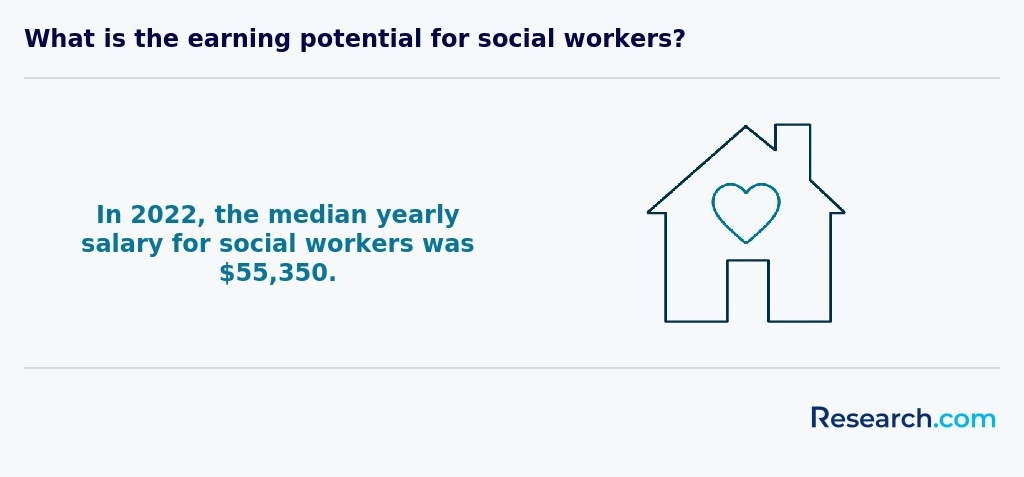
Graduates must secure state licensure to practice professional social work in Burlington, VT.
- Educational Requirement: earn a CSWE-accredited BSW for entry-level licensure or complete an MSW-consider msw programs to meet this requirement.
- Examination: pass the appropriate ASWB exam (Bachelor’s level for LSW or Clinical level for LCSW).
- Supervised Experience: accumulate at least 3,000–4,000 hours of supervised clinical practice over two years for LCSW candidates.
- Application Process: submit official transcripts, exam results, and supervision documentation to the Vermont Board of Social Work.
- Continuing Education: complete required CEUs (typically 20 hours every two years) for license renewal.
What financial aid is available to social work degree students in Burlington?
If you're aiming for a social work degree in Burlington, there's good news about financial aid - plenty of options make the journey a lot less stressful. Most students start by filling out the FAFSA to unlock federal aid like Pell Grants, which don't need to be paid back. Imagine a graduate from a well-known Burlington college, who used the maximum Pell Grant of $7,395 to cover a big chunk of tuition - that's a huge relief when balancing work and study.
On top of that, local universities often hand out merit-based scholarships. These are perfect if you've shown strong academics or community involvement, like volunteering at a nonprofit in Burlington's neighborhoods. Plus, some schools team up with local agencies to offer special scholarships or stipends for social work majors dedicated to helping underserved communities.
Many grads I've heard from also rave about the Public Service Loan Forgiveness program. If you're working full-time in public service after college, you could have your loans wiped out after 10 years, which feels like a real weight off your shoulders. And don't forget to check with Burlington colleges - they often know about smaller state grants or aid that could make your education even more affordable.
Licensure and Certification Requirements for Social Workers in Vermont
After completing your BSW or MSW in Burlington, VT, obtaining state licensure is essential to practice legally and advance your career. Vermont offers two primary credentials: the Licensed Social Worker (LSW) and the Licensed Clinical Social Worker (LCSW). • Licensed Social Worker (LSW): - Education: Minimum of a Bachelor of Social Work from a CSWE-accredited program. - Supervision: 2,000 hours of supervised practice under an LCSW or qualified supervisor. - Examination: Passing score on the ASWB Bachelor’s or Master’s level exam, depending on degree level. - Renewal: Biennial renewal requires 30 hours of continuing education, including ethics and cultural competency. • Licensed Clinical Social Worker (LCSW): - Education: Master of Social Work from a CSWE-accredited program. - Supervision: 3,000 post-MSW supervised clinical hours (minimum two years) with documented clinical supervision. - Examination: Successful completion of the ASWB Clinical exam. - Renewal: Every two years, candidates must complete 40 continuing education hours, with at least 10 in clinical practice and 3 in ethics. In addition, Vermont requires background checks and verification of supervised hours. Graduates often report that early planning for licensure-such as securing a qualified supervisor and tracking practicum hours-streamlines the process. For students comparing affordability and program outcomes, you can explore our Affordable Social Work Degree Programs Ranking in Kansas to identify cost-effective pathways that still meet rigorous licensure requirements.
What are the prerequisites for enrolling in social work degree program in Burlington?
If you're thinking about a social work degree in Burlington, there are some key things you'll need before applying. For a Bachelor of Social Work (BSW), most local colleges ask for a high school diploma or GED, along with official transcripts. Graduates tell stories about how submitting a heartfelt personal statement and strong letters of recommendation really helped them stand out, showing their passion for helping others.
If you're aiming for a Master of Social Work (MSW), you'll need a bachelor's degree first-any major works, but social sciences background definitely gives you a boost. Some schools here still want GRE scores, though a lot have dropped that lately, especially after the pandemic made things more flexible.
Many students found that having volunteer or work experience in social services, like helping at local shelters or community centers around Burlington, made a big difference. It's not just about meeting requirements; it shows you're ready for the real challenges social workers face every day in our diverse communities.
Choosing the Right Social Work Program in Burlington, VT
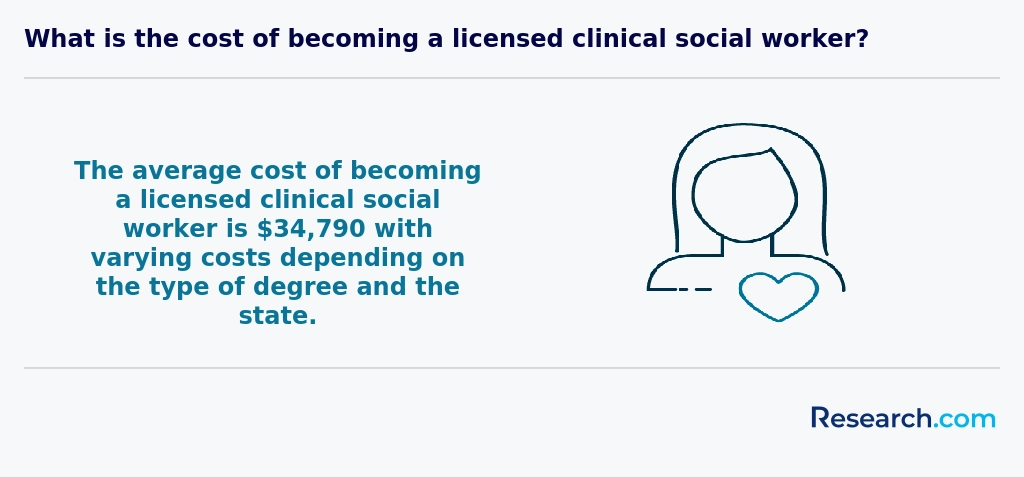
When considering a Social Work degree in Burlington, VT, it's essential to evaluate various factors that will influence your educational journey and future career. One crucial aspect is the reputation of the institution offering the program, which can significantly impact the quality of education and job prospects after graduation. For instance, attending a valuable social work school in Vermont can open doors to better networking opportunities, higher job placement rates, and a more comprehensive curriculum that prepares students for the challenges of the social work field. Additionally, researching the faculty's expertise, the availability of specializations, and the emphasis on practical experience through internships or field placements can provide insights into the program's strengths and weaknesses. By carefully assessing these elements, prospective students can make informed decisions that align with their career aspirations and personal goals, ultimately leading to a more fulfilling and successful experience in the social work profession.
What courses are typically in social work degree programs in Burlington?
If you're diving into a social work degree in Burlington, expect to tackle courses that really get you ready for the real world. Graduates from local schools often mention how foundational classes like human behavior and social environment helped them understand people and communities deeply-think of it as learning to see the bigger picture behind individual struggles.
Another hit among students is social welfare policy and services, where you'll explore how different programs work and how to advocate for change, which feels empowering when you picture yourself making a difference in Vermont's communities.
Hands-on courses like social work practice and case management are game changers, teaching you how to support individuals or families directly. Many students rave about those field placements in community centers or hospitals around Burlington-they say this real-world vibe is where it all clicks and feels rewarding.
And don't forget ethics and values; it's all about doing the right thing, which really sticks with you moving forward.
Some folks love diving into electives on mental health or child welfare, tailoring their learning to what fires them up most.

What types of specializations are available in social work degree programs in Burlington?
If you're diving into a social work degree in Burlington, you'll find plenty of specializations to choose from that match the community's real needs. Many students at popular colleges around here pick clinical social work, which means they learn to offer therapy and counseling. Graduates love how they can directly help folks with mental health challenges, often landing jobs in hospitals or local clinics.
Another favorite among Burlington's social work program concentration options is child and family social work. Imagine working with kids and families facing tough situations like poverty or neglect-that's exactly what many graduates from regional colleges feel passionate about. It's rewarding, knowing you make a real impact where it matters most.
Health and hospital social work is another practical path that many find inspiring. At universities in Burlington, students often share how rewarding it is to support patients with chronic illnesses or families dealing with end-of-life care, working closely with doctors and nurses.
Some students are drawn to community organization and social policy, aiming to help fix social inequalities by working with nonprofits or government groups. These options make Burlington an exciting place to study, especially since the city's public universities keep education affordable.
If you want to explore broader options, you might check out online psychology degree programs too, which complement social work studies well.
How do you choose the best social work degree in Burlington?
Picking the best social work degree in Burlington means focusing on what really counts for you. Many graduates from popular colleges in Burlington share how crucial it was to choose a program that's CSWE-accredited, as it unlocked opportunities for professional licensure and made their diplomas respected across Vermont and nearby states. It's not just about ticking boxes; think about how flexible the classes are. Some students loved the on-campus vibe with its tight-knit community, while others thrived with hybrid options that fit their busy lives. Affordable social work degrees in Burlington often balance quality with costs that don't break the bank, including extra expenses like books and fees. Hearing from past BSW and MSW students, practical field internships at local healthcare centers or nonprofits made their experience feel real and rewarding. And if you wonder about career chances, checking out connections these programs have with local employers can really boost your odds for internships or jobs in psychology with no experience.

What career paths are available for social work degree students in Burlington?
If you're diving into social work careers in Burlington, you'll find a bunch of rewarding paths waiting for you. Graduates from popular schools here often end up in roles like child and family social workers, helping families navigate tough times, or mental health and substance abuse social workers, providing real support to those struggling with addiction or emotional challenges. Some take on healthcare social work, making hospital visits and treatment easier to handle, while others work in schools, helping students deal with behavioral or academic hiccups.
Many Burlington social work degree job opportunities also include clinical social work, which usually requires an MSW and licensure, offering therapy and counseling to clients. Students share that studying in Burlington's vibrant community makes it easy to connect theory with real-world experiences, giving them a confidence boost when starting their careers.
For anyone thinking about growing within the field, it's a good idea to check out the kentucky lpc application process because advanced certifications really open doors to higher pay and specializations.
What is the job market for social work degree in Burlington?
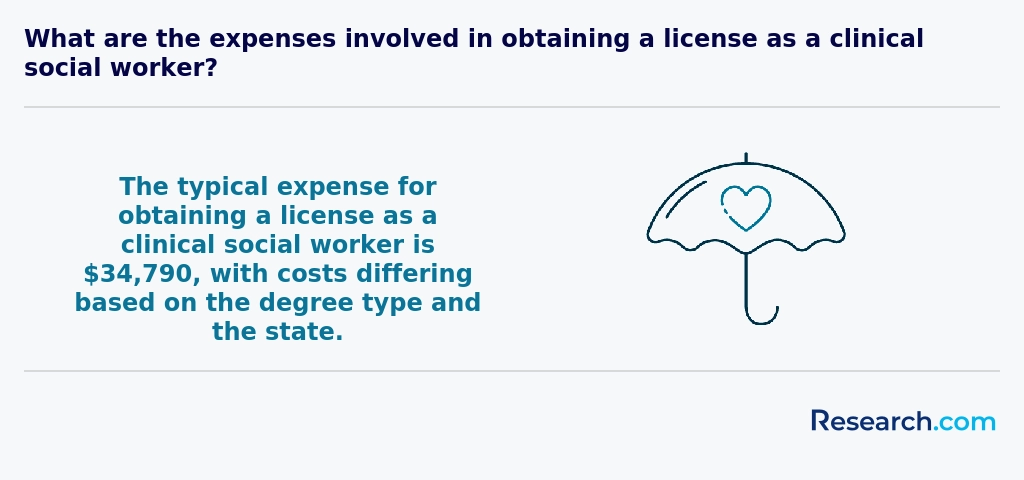
If you're considering a social work degree job outlook in Burlington, the news is pretty encouraging. Graduates from local schools like the University of Vermont often find themselves in demand across hospitals, schools, and nonprofit organizations, thanks to the city's real need for social workers in healthcare and community services. Many grads share how rewarding it feels to support families and kids facing tough challenges right in their own neighborhoods.
Social work career opportunities in Burlington usually pop up in places that make a real difference-think child protective services, mental health centers, or senior care programs. Plus, because Burlington is close to bigger urban hubs, there's a steady flow of openings in government and healthcare agencies. Those who earn a degree here also know the value of getting licensed; some even look into lpc employment requirements maryland to explore similar certification paths.
Frequently Asked Questions About social work
Social work degree students in Burlington can maximize their learning by engaging actively in field placements, which are a core component of social work education accredited by the Council on Social Work Education (CSWE). These practical experiences allow students to apply classroom knowledge to real-world scenarios, enhancing skill development.
Additionally, taking advantage of Burlington's diverse community resources, such as local nonprofits and healthcare facilities, provides valuable exposure to various client populations. Networking with experienced professionals through workshops and seminars can also deepen understanding of social policies and practices.
The University of Vermont's social work program, for example, emphasizes community engagement, preparing students to meet local needs effectively.
Emerging niches in the social work field are shaping new opportunities for graduates, especially in communities like Burlington. One growing area is geriatric social work, driven by the increasing aging population in Vermont. Professionals in this niche support elderly clients with healthcare navigation and mental health challenges.
Another expanding specialty is medical social work, where practitioners assist patients in hospitals and clinics managing chronic illnesses or disabilities. The Bureau of Labor Statistics projects a 13% growth in healthcare social worker roles by 2031, reflecting this demand.
Additionally, social workers focusing on substance abuse treatment are in higher demand, as Vermont faces rising opioid-related issues.
After earning a social work degree in Burlington, preparing for the job market involves several strategic steps. First, gaining practical experience is crucial; most employers prefer candidates with internships or volunteer work in social service agencies. Local organizations like the Chittenden County-based United Way offer opportunities to build relevant skills. Networking is equally important; attending events hosted by the Vermont College of Fine Arts or the University of Vermont's social work departments can connect graduates to professionals and potential employers.
Additionally, obtaining licensure as a Licensed Master Social Worker (LMSW) is often required for more advanced roles in Vermont. According to the Vermont Office of Professional Regulation, this process includes passing the ASWB exam and meeting supervised experience requirements. Utilizing job search platforms focused on social work roles in Burlington or the wider Vermont area can also enhance prospects.
Employers in Burlington value social work graduates who demonstrate strong interpersonal and communication skills. These skills are essential for effectively engaging with diverse client populations. According to the National Association of Social Workers (NASW), employers prioritize cultural competence to address Burlington's growing multicultural communities.
Critical thinking and problem-solving abilities are also in high demand, as social workers must assess complex client situations and develop appropriate care plans. Additionally, organizational skills help manage heavy caseloads common in this region's social services agencies.
Technical proficiency, including familiarity with electronic health records and case management software, is increasingly important. The Vermont Department of Labor reports social workers with these competencies have better job prospects locally.
Finding internships relevant to a social work degree in Burlington involves leveraging local resources and institutions offering social services. Many social work programs in the city partner with organizations like the Vermont Department of Mental Health, community health centers, and nonprofit agencies to provide practical experience.
Students should start by consulting their university's career services or social work department, as these offices often maintain updated lists of internship opportunities tailored to social work.
Burlington also has several active social service agencies, such as Spectrum Youth & Family Services, which regularly accept interns. Networking through local professional social work groups can help uncover less-publicized placements.
According to the Council on Social Work Education, experiential learning through internships significantly improves licensing exam pass rates in Vermont.
Obtaining a social work degree in Burlington significantly enhances career mobility and advancement opportunities within the local job market. According to recent data from the Bureau of Labor Statistics, social workers in the Burlington metropolitan area earn a median annual wage higher than the national average, reflecting strong demand for qualified professionals.
Employers in healthcare, education, and community services often require a Bachelor's or Master's degree in social work (BSW or MSW) as a minimum qualification for advancement. Advanced degrees also enable eligibility for clinical licensure, which is essential for senior roles such as licensed clinical social worker (LCSW).
Graduates with social work degrees benefit from access to Burlington's numerous nonprofit organizations and state-supported agencies, offering diverse roles and upward career paths. This educational credential is a key factor for promotions, leadership positions, and specialized practice areas in the region.
Studying for a social work degree in Burlington equips students with the skills to engage in interdisciplinary roles effectively. Programs typically integrate coursework that connects social work with psychology, public health, education, and criminal justice. This approach reflects the complexity of real-world challenges, where collaboration among professionals from various fields is essential.
Local institutions emphasize fieldwork, allowing students to work alongside healthcare providers, educators, and law enforcement agencies. According to the University of Vermont's Center for Rural Studies, nearly 70% of social work graduates in the region report collaborating with multiple disciplines within their first year of employment.
This comprehensive training fosters adaptability and communication skills, preparing students to address diverse community needs through teamwork and shared expertise.
When choosing between a thesis and a non-thesis social work degree program in Burlington, consider your career goals first. Thesis programs often appeal to those aiming for research, academic roles, or doctoral studies, since they involve conducting original research and writing a detailed paper. Non-thesis options usually focus on practical skills and fieldwork, fitting students who want to enter social work practice directly.
Both types typically require similar credit hours, but thesis tracks may take longer to complete. The University of Vermont's recent data shows 40% of MSW students prefer non-thesis for faster workforce entry. Local employers often value practical experience highly, so non-thesis candidates might have an advantage in community agencies.
Students based in Burlington who wish to study social work abroad have several pathways available within the U.S. higher education system. Many Burlington institutions partner with international universities to offer exchange programs, allowing students to earn credits while gaining global experience. These programs often focus on comparative social work practices, helping students understand diverse cultural and policy contexts.
Additionally, some accredited U.S. universities provide joint or dual degree options with schools abroad, enabling students to complete parts of their Master of Social Work (MSW) curricula internationally. According to the Council on Social Work Education, approximately 15% of U.S. social work programs offer such international opportunities.
Financial aid and scholarships specific to study abroad can also support Burlington students, especially through programs affiliated with the federal government or private foundations. Researching these avenues is key to making informed decisions about studying social work abroad.
Part-time job opportunities in Burlington that complement social work degree education often include roles in community service organizations, healthcare facilities, and educational institutions. Many students find positions as case management aides, where they assist licensed social workers in delivering client services. According to the Vermont Department of Labor, health support roles in Chittenden County are expected to grow by 8% through 2028, reflecting increasing demand for social care-related jobs.
Volunteering or working part-time at local nonprofits, such as shelters or youth programs, provides practical experience in counseling and resource coordination. Additionally, roles in mental health clinics or rehabilitation centers offer exposure to therapeutic techniques and client interaction management.
Campus-based opportunities, including peer counseling and student support services at Burlington-area colleges, can also strengthen communication and crisis intervention skills vital for social work careers.
Social work students in Burlington benefit from several valuable networking opportunities that enhance their academic and professional growth. Many local universities, such as the University of Vermont, offer student organizations like the Student Social Work Association, where students can connect with peers and professionals in the field. Additionally, Burlington hosts events through the Vermont Chapter of the National Association of Social Workers (NASW), providing access to workshops, conferences, and volunteer opportunities.
Local healthcare facilities, schools, and nonprofit organizations frequently collaborate with social work programs, offering internships and practicum placements. These experiences foster direct networking with experienced practitioners. According to recent data from the NASW Vermont Chapter, participation in such events increases student employment prospects by approximately 25% within six months of graduation.
Alumni networks offer significant benefits to social work degree students in Burlington by providing access to experienced professionals and local job markets. Graduates can receive mentorship, career advice, and internship opportunities through these connections. According to the National Association of Social Workers, networking greatly increases job placement rates, which is especially vital in competitive regions like Burlington.
Many local universities in Burlington actively engage their alumni in workshops and social work events, building strong professional communities. These networks often share job openings and offer support during licensure preparation, improving graduates' career prospects.
Overall, involvement in alumni networks enhances both practical knowledge and professional growth in social work.
Customizing a social work degree program in Burlington allows students to align their studies with specific career goals. Many local institutions offer elective courses and specializations, such as clinical social work, child welfare, or community advocacy. This flexibility helps students gain relevant expertise for their desired roles.
Additionally, students can select internships within Burlington's diverse social services sector to build hands-on experience. The Burlington School District and local nonprofits often provide valuable field placement opportunities, which are essential for licensure.
According to the Council on Social Work Education, tailoring your curriculum with targeted electives and real-world experience increases employability by 15% in local markets like Burlington.
Social work students in Burlington commonly face challenges balancing rigorous coursework with field placements. According to the Council on Social Work Education, practical experience is essential but often time-consuming, requiring students to manage demanding schedules. Additionally, many students report stress related to handling sensitive community issues during their internships, which can affect emotional well-being.
Financial constraints are another key concern. Tuition and living expenses in Vermont, as reported by the Vermont Higher Education Council, pose barriers for some students pursuing social work degrees. Limited availability of local scholarships makes affordability a persistent challenge.
Finally, access to diverse practicum opportunities in rural areas around Burlington is sometimes limited, impacting students' exposure to a broad range of social work settings.
With a social work degree, graduates in Burlington can pursue several professional certifications to advance their careers. The most common certification is the Licensed Social Worker (LSW), which allows practitioners to provide clinical services under supervision.
After gaining experience, social workers may pursue the Licensed Clinical Social Worker (LCSW) credential. The LCSW enables independent clinical practice and is highly valued in diverse settings such as hospitals, schools, and mental health clinics.
Other certifications include the Certified Advanced Social Work Case Manager (C-ASWCM) and certifications in specialized fields like school social work or substance abuse counseling. These credentials enhance expertise and job prospects.
For accurate and current licensing requirements in Burlington, individuals should consult the Vermont Office of Professional Regulation and the National Association of Social Workers (NASW).
Writing a winning application for a social work program in Burlington requires clear demonstration of your commitment to helping others. Admissions committees look for candidates with strong communication skills, relevant volunteer or work experience, and a solid academic record. In Burlington, many programs prefer applicants with a bachelor's degree in related fields or prior exposure to social services.
Highlight your understanding of local social issues, such as homelessness and substance abuse, which are significant in the area according to the Burlington Social Services Department. Include any community involvement that reflects this awareness.
Strong letters of recommendation and a personal statement outlining your motivation and career goals are essential. Demonstrating knowledge of ethical standards in social work also strengthens your application.
Social work careers in Burlington reflect a growing global emphasis on addressing social issues through professional expertise. Around the world, social workers focus on improving wellbeing, advocating for vulnerable populations, and influencing policy. In the U.S., including Burlington, the field is shaped by standards set by the Council on Social Work Education (CSWE), which also informs international practices.
Globally, social work professionals collaborate with organizations like the International Federation of Social Workers to promote human rights and social justice. Locally, Burlington social workers contribute to child welfare, mental health, and community development, aligning with these broader goals.
According to the U.S. Bureau of Labor Statistics, social work employment is projected to grow 12% nationally through 2031, indicating strong demand that Burlington's programs mirror. Understanding this global context helps prospective students appreciate how their careers in Burlington connect to worldwide social challenges.
Gaining practical experience while studying for a social work degree in Burlington is essential to building the skills employers seek. Most accredited programs require students to complete supervised field placements or internships, often arranged through partnerships with local agencies. These opportunities allow students to work directly with vulnerable populations, develop case management skills, and apply classroom knowledge in real-world situations.
The University of Vermont's Social Work Program, for example, integrates fieldwork that amounts to 480 hours, fulfilling criteria set by the Council on Social Work Education. Additionally, Burlington's community organizations, such as the Howard Center, regularly collaborate with students for placements, providing diverse settings like mental health and family support services. According to the National Association of Social Workers, practical experience significantly improves job readiness upon graduation.
Choosing the right concentration within a social work degree program in Burlington involves understanding your career goals and the local community needs. Popular concentrations include clinical social work, child and family services, and healthcare social work. The University of Vermont, located near Burlington, reports a growing demand for healthcare social workers due to expanding mental health services in the area.
Consider which population you feel most passionate about helping and review program curricula for hands-on training opportunities. Additionally, verify if the program prepares you for Vermont's Licensed Clinical Social Worker (LCSW) credential, essential for many advanced roles.
Networking with local social service agencies can also clarify which specialties are in demand.
Related Social Work Rankings for Nearby Cities
- 2027 Most Valuable Social Work Degree Programs Ranking in Albany
- 2027 Most Valuable Social Work Degree Programs Ranking in Boston
- 2027 Most Valuable Social Work Degree Programs Ranking in Rochester
- 2027 Most Valuable Social Work Degree Programs Ranking in Bronx
- 2027 Most Valuable Social Work Degree Programs Ranking in Garden City
- 2027 Most Valuable Social Work Degree Programs Ranking in New York
- 2027 Most Valuable Social Work Degree Programs Ranking in New Brunswick
- 2027 Most Valuable Social Work Degree Programs Ranking in Philadelphia
- 2027 Most Valuable Social Work Degree Programs Ranking in Baltimore
- 2027 Most Valuable Social Work Degree Programs Ranking in Washington
Top Trending Social Work Rankings
See What Experts Have To Say About Studying Social Work
Read our interview with Social Work experts

References
- Social Work https://www.wits.ac.za/course-finder/undergraduate/humanities/social-work/
- Social workers https://www.ontario.ca/my-career-journey/explore-in-demand-careers/social-workers
- How Long Does It Take to Become a Social Worker? https://www.onlinemswprograms.com/careers/how-to-become-a-social-worker/how-long-does-it-take/
- Top Skills Employers Look for in Qualified Social Workers Today - Vitalis https://www.vitalissocialcare.co.uk/career-development/top-skills-employers-look-for-in-social-workers-today/
- Child Study Team https://www.burlington-nj.net/apps/pages/index.jsp
- Find the right Registered Social Worker in Burlington | First Session https://www.firstsession.com/find/registered-social-workers-in-burlington
- Is an Online Master’s in Social Work (MSW) Degree Worth it? https://socialworklicensemap.com/social-work-degrees/online-msw-programs/is-an-online-masters-in-social-work-msw-degree-worth-it/
- Preparing For A Career In Social Work: Tips For New Graduates https://www.tripodpartners.com/career-advice/social-work/preparing-for-a-career-in-social-work-tips-for-new-graduates/
- What is a Social Worker? - Career Insights | Teal https://www.tealhq.com/career-paths/social-worker
- Web Exclusive https://www.socialworktoday.com/archive/exc_081823.shtml