2027 Most Affordable Social Work Degree Programs Ranking in the USA

Co-Founder and Chief Data Scientist
Choosing the right social work degree program is a big step toward a meaningful career that makes a real difference. To help you navigate your options, this article presents the 2027 Most Affordable Social Work Degree Programs Ranking in the USA. Created by the Research.com team of data scientists, the ranking offers clear insights into affordable programs worth considering.
Reading this guide can empower you to make informed decisions, balancing quality and cost. Pursuing a social work degree opens doors to rewarding opportunities and personal growth, giving you the tools to support communities and individuals effectively.
Key benefits of getting social work degree in America
- Social work degree graduates can earn competitive salaries, such as Social Workers with a mean annual wage of $68,800 and Community Organizers earning around $83,400, offering financial stability in meaningful careers.
- Graduates from popular universities often explore diverse career paths like Child Welfare Specialist, Residential Counselor, or Youth Worker, allowing flexible roles that impact communities positively.
- Completing a social work degree online, like graduates from well-known online programs, provides the benefit of balancing studies with life commitments, making education accessible and convenient without compromising quality.
- 2027 Most Affordable Social Work Degree Programs Ranking in the USA
- What can I expect from social work degree in America?
- Where can I work with social work degree in America?
What can I expect from social work degree in America?
Imagine stepping onto a vibrant campus at the University of Michigan or the University of North Carolina, where social work degrees are both a calling and a carefully crafted journey. Most students dive into tuition costs averaging around $10,000 to $30,000 per year at public universities, a figure that feels achievable when weighed against scholarships, federal aid, and employer sponsorships.
Graduates often recall how financial concerns eased as they discovered funding options-grants that felt like lifelines and work-study opportunities that blended earning with learning. For instance, a master's student might juggle a part-time internship at a community clinic, gaining invaluable experience while alleviating tuition worries.
This balance creates an empowering atmosphere where passion and practicality collide. The affordability of these programs in America brings students closer to their dreams of change-making careers, where every dollar invested unlocks new possibilities to serve diverse communities with heart and skill.
Where can I work with social work degree in America?
Graduates from social work programs at places like the University of Michigan or Boston College step into worlds as varied as the stories they carry. Imagine walking the halls of a bustling hospital in Chicago, offering emotional lifelines to patients navigating health crises. Or picture a social worker in a Los Angeles public school, bridging gaps for students struggling to focus amid chaotic home lives. These careers aren't just jobs-they're dynamic callings fueled by compassion and real-world impact.
Many find roles in government agencies where they protect children or advocate for the elderly, drawing on skills honed through rigorous coursework and internships at universities like USC or the University of Washington. Others thrive in nonprofit organizations tackling issues like domestic violence or addiction, turning passion into action as they cultivate community resilience across urban and rural America.
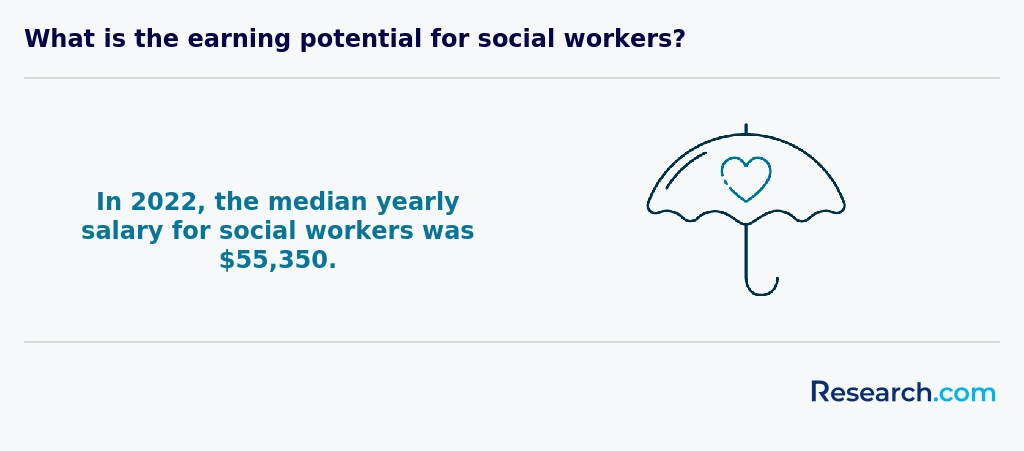
Some grads take the path toward private practice, channeling clinical licenses earned through intense study into personalized counseling. The prospect of earning a median wage of around $61,000 in 2022, with potential boosts in cities or specialized niches, makes this field both rewarding and hopeful.
- Social work degrees are available at associate, bachelor's, master's, and doctoral levels, with the Master of Social Work (MSW) being required for professional practice and usually taking two years after a bachelor's degree.
- Bachelor's degree tuition ranges from $7,000 to $15,000 per year at public universities and $20,000 to $40,000 at private schools; master's programs cost $10,000 to $30,000 per year at public institutions and may be higher at private colleges.
- Entry-level social workers earn about $50,000 annually, with a median wage of approximately $61,000 in 2022, depending on specialty and location.
- Job growth for social workers is expected to increase by 13% from 2022 to 2032, faster than average for all jobs, due to rising demand in mental health and social services.
- Most states require social workers to hold a license, which involves graduating from a CSWE-accredited program and passing a state exam, with continuing education needed to maintain licensure.
When pursuing a career in social work, success extends beyond selecting an affordable and accredited program. Prospective students should prioritize building a strong foundation of soft skills, leveraging mentorship opportunities, and staying current with industry trends. Begin by setting clear professional goals and seeking out internships or volunteer work that allow you to apply theoretical knowledge in real-world settings. Actively engaging with professional associations, attending relevant webinars, and joining discussion forums can further enhance your understanding of evolving social issues and best practices. Additionally, consider exploring programs like the most affordable online msw to balance quality education with flexible learning options. Cultivating a network with alumni and industry experts can open doors to valuable insights and career advancement opportunities. Finally, invest time in developing digital literacy-as many social work programs now integrate virtual learning and online research-which will prove essential throughout your academic journey and beyond.
A robust field education component is essential for any social work program, as it bridges theory and practice while preparing students for licensure and employment. Prospective students should evaluate programs based on the variety and depth of practicum sites, supervisory ratios, and the extent of hands-on training. Top affordable social work degrees partner with hospitals, schools, community agencies, and policy organizations to ensure diverse placement options. Key factors to consider:
- Diversity of Practicum Settings: Seek programs that offer rotations in clinical, school, and community environments to build versatile skill sets.
- Supervision and Feedback: Ideal placements include regular one-on-one supervision with licensed social workers, ensuring reflective practice and professional growth.
- Integration with Coursework: Strong programs coordinate field assignments with classroom topics, reinforcing learning outcomes across ethics, policy, and intervention techniques. When comparing cost and quality, remember that advanced practicum requirements can vary by degree level. For example, students exploring doctoral-level practice may also inquire about how much does an online dsw program cost, as this investment often includes specialized internship placements and research practicums. By prioritizing field education opportunities alongside tuition and financial aid, applicants can secure comprehensive training that leads directly to successful careers in social work.
The average cost of a social work degree in America hovers around $41,000 in total, a figure that has become a familiar milestone for many aspiring change-makers. For example, graduates emerging from popular universities like the University of Michigan or Boston University often reflect on tuition costs that align closely with this median. Those attending as in-state students might find a friendlier price tag, closer to $13,000 during their entire journey, while out-of-state peers brace for a steeper sum, often right around the median total. This difference shapes the financial puzzle that social work students lovingly piece together as they chase their passion for impact.
Imagine balancing textbooks, late-night study sessions, and the pulse of social change, all while factoring in the reality of tuition. One recent graduate from a leading college recalls how the additional expenses-like field placements, which sometimes offer unpaid internships-added layers to their budgeting adventure. But the reward? Priceless. In this context, finding an affordable social work degree programs USA becomes part of the strategic quest, a journey where funding meets purpose.
For those exploring options, scholarships and financial aid soften the cost's bite and create brighter pathways. Some students discover hidden gems in programs recognized for both quality and cost-efficiency. To guide this exploration, those hunting for the cheapest social work degree can start by comparing offerings and costs thoughtfully and strategically to find a balance that works for their dreams and wallets.
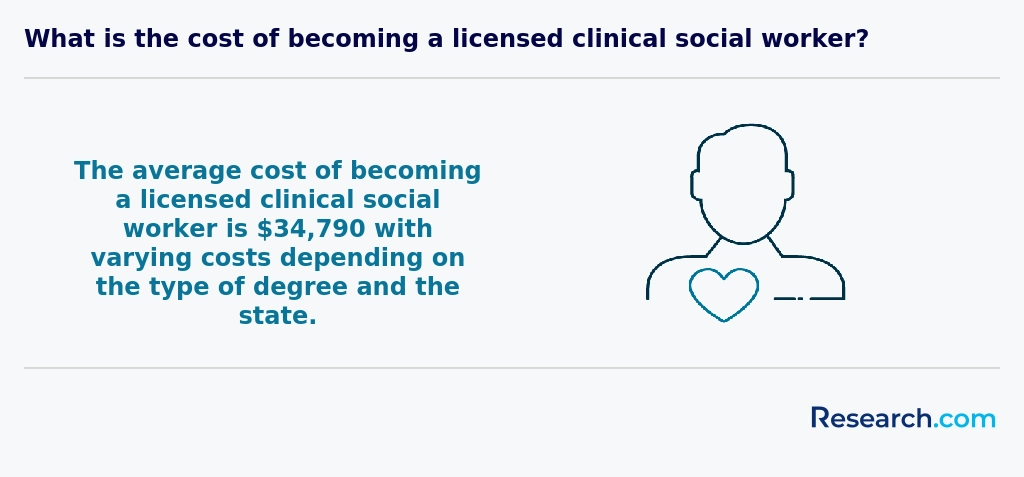
When considering a career in social work, one of the most significant factors to take into account is the cost of education. With the rising costs of tuition, it's essential for prospective students to find affordable options that can provide them with the necessary skills and knowledge to succeed in this field. For those looking for the cheapest social work degree, online programs can offer a flexible and cost-effective alternative to traditional on-campus programs. By understanding the various factors that contribute to the cost of a social work degree, students can make informed decisions about their educational paths and set themselves up for success in their future careers.
To practice as a social worker in the USA, you must obtain state licensure. While exact rules vary by state, most candidates follow these core steps:
- Earn a CSWE-accredited degree (BSW for entry-level roles; MSW for clinical practice).
- Complete supervised fieldwork (typically 1,500–3,000 hours under a licensed social worker).
- Pass the appropriate ASWB exam (Bachelor’s, Master’s, or Clinical level).
- Submit your application to the state board, including transcripts, exam results, background check, and fees.
- Maintain your license with continuing education (often 30–40 hours every renewal cycle).
Many students accelerate this process through programs like our fastest online msw programs, combining coursework and practicum to meet licensure requirements more quickly.
Diving into social work degrees in America means stepping into a world where your past efforts and academic story matter deeply. Imagine a graduate from the University of Michigan recalling those nights crafting heartfelt personal statements, revealing why social justice fuels their dreams. For bachelor's hopefuls, a solid high school diploma or GED stands as your gateway, often paired with SAT or ACT scores-though many schools now waive those tests to spotlight your passion instead.
At schools like the University of Southern California, master's candidates must brandish a bachelor's degree, sometimes outside social work, yet be ready to fill gaps with prerequisite courses. Graduates cherish how their volunteer hours-perhaps 300 at a local shelter-served as more than checkboxes; they shaped empathy in real ways. A GPA close to 3.0 becomes a beacon, while letters of recommendation echo your genuine commitment.
In these programs, personal stories meet academia, turning prerequisites into stepping stones for future change-makers fueled by heart and hustle.

Choosing the best social work degree in America means more than scanning lists-it's about stepping into the shoes of those who've walked the path. Imagine a graduate from a renowned university in New England sharing how their CSWE-accredited program gave them not just a degree, but a passport to real-world impact through deep local internships. These hands-on experiences, connected tightly to community agencies, turn theory into heartfelt practice.
Then there's the wallet talk-public universities often win favor with affordable social work degrees USA, especially when tuition and aid lines are carefully navigated. One graduate reminisced about juggling family and work thanks to their program's flexible online and part-time options, proving that education bends to life's rhythm.
Specializations paint your professional canvas vividly-healthcare, child welfare, substance abuse. Seek a program resonating with your passion and bolstered by faculty expertise. If you wonder about advanced paths, here's a spark: check out how much does an online dsw program cost to envision future possibilities.
2027 Most Affordable Social Work Degree Programs Ranking in the USA
Investing in your education is a significant decision that can shape your career and future, and the Research.com team fully recognizes the importance of making well-informed choices. To support prospective students seeking affordable social work degree programs, we have carefully developed the "2027 Most Affordable Social Work Degree Programs Ranking in the USA." Our dedication to quality, credibility, and accuracy is demonstrated through thorough research and data analysis.
We utilized the following reputable data sources to ensure a comprehensive and reliable evaluation:
By reviewing this ranking, readers will gain critical insights into affordable social work degree options, enabling them to make confident and strategic decisions about their education and career path. For more information on how this ranking was created, please visit our Research.com methodology page.


# 14 position
Oglala Lakota College
Bachelor of Science in Social Work


Frequently Asked Questions About social work
Social work degree students in America can maximize their learning experience by actively engaging in field placements, which are mandatory in most accredited programs. The Council on Social Work Education (CSWE) requires students to complete at least 400 hours of supervised practicum, providing essential hands-on training. Participating in diverse internships broadens practical skills and exposes students to different client populations.
Additionally, students should leverage resources such as research opportunities and student organizations. According to the National Association of Social Workers, involvement in professional groups enhances networking and career readiness. Staying current with social policies through credible sources also deepens theoretical understanding.
Emerging niches within the social work field in the United States reflect evolving societal needs and increased specialization. One rapidly growing area is healthcare social work, where professionals focus on helping patients navigate complex medical systems. The Bureau of Labor Statistics (2023) projects a 12% growth in this specialty by 2031, faster than average for all occupations.
Another expanding niche is in environmental social work, which addresses the social impacts of environmental issues like climate change. This field integrates community advocacy and policy development.
Additionally, digital and telehealth social work is rising, particularly after the COVID-19 pandemic, enabling remote support services.
Preparing for the job market after earning a social work degree in America requires strategic planning. Graduates should prioritize obtaining relevant field experience through internships or practicums, which are often required for licensing. According to the Council on Social Work Education (CSWE), accredited programs include these hands-on opportunities that strengthen job readiness.
Networking is crucial; joining professional groups like the National Association of Social Workers (NASW) can open doors to job listings and mentorship. Additionally, obtaining state licensure, such as the Licensed Social Worker (LSW) or Licensed Clinical Social Worker (LCSW), significantly increases employability. The U.S. Bureau of Labor Statistics reports a 12% job growth for social workers from 2020 to 2030, reflecting healthy demand. Keeping skills current through continuing education also aids career advancement.
Employers in the United States highly value strong communication skills in social work degree graduates. Effective verbal and written communication is essential for advocating clients and collaborating with multidisciplinary teams. Additionally, critical thinking and problem-solving abilities are crucial, enabling social workers to assess complex situations and develop appropriate interventions.
According to the National Association of Social Workers (NASW), empathy and cultural competence are top skills that improve client outcomes and foster trust. Graduates must also demonstrate organizational skills and proficiency in case management software, given the digital shift in social services.
Knowledge of ethics and legal standards remains fundamental, ensuring compliance with federal and state regulations throughout practice.
Finding internships relevant to a social work degree in America involves utilizing multiple resources and understanding key partnerships. Most accredited social work programs require internships as part of their curriculum, typically completed through arrangements made by the university's field education office. According to the Council on Social Work Education (CSWE), over 90% of accredited US programs have formal links with community agencies to facilitate student placements.
Students should begin by consulting their academic advisors and career centers, which maintain databases of approved agencies. Local nonprofit organizations, healthcare facilities, schools, and government social service departments are common hosts for social work internships. The U.S. Bureau of Labor Statistics highlights that gaining internship experience significantly improves employability in this field.
Additionally, national platforms like the National Association of Social Workers (NASW) offer directories and internship listings, supporting students with guidance and networking opportunities. Students should apply early, as competitive placements often require a resume, references, and sometimes background checks.
A social work degree significantly enhances career mobility and advancement opportunities within the United States. According to the U.S. Bureau of Labor Statistics (BLS), employment of social workers is projected to grow 12% from 2022 to 2032, faster than the average for all occupations. This growth creates diverse opportunities across healthcare, schools, and government agencies. A Bachelor of Social Work (BSW) qualifies graduates for entry-level positions, while a Master of Social Work (MSW) opens pathways to clinical roles and leadership positions.
Licensure, often requiring an MSW, is essential for clinical social work, which typically commands higher wages. The National Association of Social Workers reports that MSW graduates earn approximately 20-30% more on average than those with only a BSW. Overall, possessing a social work degree increases professional flexibility, job stability, and potential for advancement in a growing field.
Studying for a social work degree in America equips students with skills essential for interdisciplinary collaboration. Accredited programs by the Council on Social Work Education (CSWE) emphasize teamwork across health, education, and criminal justice sectors. According to the Bureau of Labor Statistics, 78% of social workers engage with professionals from other disciplines to enhance client outcomes. Coursework includes training in communication, ethical decision-making, and systems theory, enabling graduates to navigate complex social issues alongside medical staff, educators, and policymakers.
Field placements often occur in diverse settings, providing practical experience in multidisciplinary teams. This hands-on approach prepares students to contribute effectively to integrated care models widely adopted in the U.S.
Choosing between a thesis and a non-thesis social work degree program in America depends on your career goals and learning preferences. Thesis programs involve conducting original research and writing a detailed paper, which can prepare you for doctoral studies or research roles. Non-thesis programs typically focus on practical skills and often require additional coursework or a capstone project instead of a thesis.
According to the Council on Social Work Education (CSWE), about 40% of Master of Social Work (MSW) students opt for thesis tracks, which may delay graduation by a semester or more. Those aiming for clinical practice or administration often prefer non-thesis options for quicker entry into the workforce.
Consider your interest in research and your post-degree plans to decide which path fits best.
American students interested in studying social work abroad have several options that complement degrees earned in the United States. Many U.S. universities offering social work programs partner with international institutions to provide study-abroad semesters or exchange programs. These opportunities allow students to experience diverse social welfare systems while earning credits toward their Bachelor or Master of Social Work degrees.
According to the Council on Social Work Education (CSWE), accredited programs often encourage global learning as it enhances cultural competence, an essential skill in social work practice. Some students also pursue dual degree programs combining U.S. social work education with international credentials.
Additionally, organizations like the International Federation of Social Workers support global networking, which can direct students to affordable study-abroad options tailored to social work.
Part-time jobs related to social work degree education in America offer valuable practical experience and financial support. Common roles include case aides, community outreach assistants, and behavioral health technicians. These positions expose students to client interactions, data collection, and support services in settings like non-profits, clinics, and schools.
Working in such roles helps develop critical skills such as communication, empathy, and case management, which are essential for social work professionals. According to the Bureau of Labor Statistics, employment in social work-related support roles is expected to grow 9% from 2022 to 2032, reflecting increasing demand for these positions.
Moreover, some universities have partnerships that connect students with internships and part-time opportunities, aligning academic theory with practice. Balancing studies and relevant job experience can enhance graduate employability and provide early exposure to fields like child welfare, mental health, or substance abuse services.
Networking is a crucial part of the social work education experience in America. Many universities have partnerships with local agencies, offering students direct access to professionals through internships and field placements. These real-world settings help students build valuable connections.
Professional organizations like the National Association of Social Workers (NASW) provide opportunities to attend conferences, workshops, and regional events. In 2023, NASW reported over 120,000 members nationwide, reflecting its broad network reach.
Social work programs also facilitate alumni networks and mentorship programs, which are vital for career development. Students can join study groups and participate in campus clubs focused on social justice issues.
Alumni networks play a vital role in supporting social work degree students in America. These networks connect current students to graduates who have practical experience in various social work fields. According to the Council on Social Work Education (CSWE), strong alumni connections can increase job placement rates by up to 30% for recent graduates.
Through mentorship opportunities, alumni provide guidance on career paths and licensing requirements, such as obtaining the Licensed Clinical Social Worker (LCSW) credential.
They also offer access to exclusive internships and job openings within government agencies and non-profits, sectors that employ the majority of social workers in the U.S. This support strengthens students' professional development and networking capabilities early in their careers.
Customizing a social work degree program in America allows students to align their education with specific career goals. Many universities offer concentrations such as clinical social work, policy advocacy, or school social work, enabling tailored expertise. Electives, internships, and field placements provide practical experience in areas of interest. For example, the Council on Social Work Education (CSWE) accredits programs that include diverse specialization options.
Students can also choose between a Bachelor of Social Work (BSW) or a Master of Social Work (MSW), with MSW programs often offering advanced tracks. According to the U.S. Bureau of Labor Statistics, specialized skills can lead to higher employment prospects and salaries in fields like healthcare or mental health services.
Social work students in America frequently encounter financial challenges, as tuition fees and related costs can be substantial. According to the Council on Social Work Education (CSWE), many students also balance studies with part-time jobs, leading to increased stress. Academic rigor is another challenge; social work programs require mastery of complex subjects like human behavior and social policy. Fieldwork placements, essential for practical experience, can be time-consuming and emotionally demanding, with students often exposed to difficult social situations. Additionally, students may face limited access to mental health resources despite high stress levels, highlighting the need for institutional support throughout their education.
With a social work degree in the United States, many professional certification paths become available. The most recognized is the Licensed Clinical Social Worker (LCSW), which allows practitioners to provide psychotherapy and clinical services. Requirements typically include a master's degree in social work, supervised clinical hours, and passing the Association of Social Work Boards (ASWB) clinical exam.
Other certifications include the Certified Social Work Case Manager (C-SWCM) and Certified Advanced Alcohol and Drug Counselor (CAADC), broadening career opportunities in healthcare and substance abuse treatment. According to the U.S. Bureau of Labor Statistics, LCSWs have a median annual wage of about $60,000, reflecting the demand for certified social workers nationwide.
Professional certifications enhance credibility and promote career advancement in social work fields such as mental health, child welfare, and healthcare settings. The Association of Social Work Boards provides up-to-date standards and exam information for all licensures in the U.S.
Writing a winning application for a social work program in America requires clear demonstration of your passion and understanding of the field. Highlight any relevant volunteer or work experience, as hands-on exposure strengthens your profile. According to the Council on Social Work Education, applicants with at least 100 hours of field experience improve their chances significantly.
Your personal statement should articulate your commitment to social justice, diversity, and ethical practice, which are core values in social work education. Emphasize your problem-solving skills and empathy, supported with concrete examples.
Ensure your academic records meet program standards-typically a minimum GPA of 3.0 is expected for competitive programs. Finally, secure strong letters of recommendation from professionals familiar with your abilities in related areas.
Global perspectives on a social work career highlight its growing importance in addressing complex social issues worldwide. In the United States, social work education follows rigorous standards set by the Council on Social Work Education (CSWE), ensuring graduates are prepared for diverse challenges. According to the U.S. Bureau of Labor Statistics, social work employment is projected to grow 12% from 2022 to 2032, reflecting increased demand for services. American social work education often emphasizes international social justice, human rights, and cultural competence-skills valued globally. Many U.S. programs offer opportunities for international fieldwork, enhancing students' global understanding of social challenges and policies.
Gaining practical experience while studying for a social work degree in America is essential for career readiness. Most accredited programs require field internships or practicum placements, often totaling 400 to 900 hours. These placements occur in various settings such as hospitals, schools, and community organizations. According to the Council on Social Work Education (CSWE), this hands-on training bridges classroom knowledge with real-world skills.
Students can also seek volunteer opportunities related to social services to enhance their experience. Many universities have partnerships with local agencies to streamline placements. Additionally, some programs offer part-time or summer practicums, allowing flexibility while completing coursework.
Choosing the right concentration within a social work degree program in America begins with understanding your career goals. The Council on Social Work Education (CSWE) accredits programs that offer various specializations, such as clinical social work, child welfare, or gerontology. According to the Bureau of Labor Statistics, clinical social work is one of the fastest-growing fields, with a projected 12% job growth from 2022 to 2032.
Evaluate the populations or issues you feel most passionate about, like mental health, schools, or community development. Research program curricula to see if they offer practical experience opportunities, since fieldwork is critical for licensing.
Finally, consider program flexibility, including online options, especially if you are balancing work or family commitments.
See What Experts Have To Say About Studying Social Work
Read our interview with Social Work experts

- Surviving your social work degree placement - Community Care https://www.communitycare.co.uk/content/news/surviving-your-social-work-degree-placement
- Social Work Networking Nights - National Association of Social Workers https://www.naswma.org/page/218
- MSW Specializations: Clinical, Macro, Advanced Generalist Programs https://www.masterofsocialwork.com/resources/msw-specializations
- The Power of Finding Your Niche as a Social Worker https://www.credentialedapparel.com/blogs/news/the-power-of-finding-your-niche-as-a-social-worker
- How to become a social worker https://basw.co.uk/careers/how-become-social-worker
- Grand Challenges for Social Work https://grandchallengesforsocialwork.org/
- Study Social Work Abroad | Go Overseas https://www.gooverseas.com/study-abroad/social-work
- Social work certificates | edX https://www.edx.org/certificates/social-work-certificates
- My social work journey: from experience to practice https://socialworkwithadults.blog.gov.uk/2023/09/26/my-social-work-journey-from-experience-to-practice/
- Global Definition of Social Work https://www.ifsw.org/what-is-social-work/global-definition-of-social-work/