
2027 Best Social Work Degree Programs Ranking in the West

Co-Founder and Chief Data Scientist
Choosing the right social work degree program can shape your future and amplify your impact in communities across the West. This article introduces the 2027 Best Social Work Degree Programs Ranking in the West, developed by the Research.com team of data scientists to provide clear, trustworthy guidance.
Explore top programs backed by data to find the best fit for your goals. Earning a social work degree opens doors to meaningful careers where you can make a real difference. Dive in and discover opportunities that align with your passion and ambition.
Key benefits of getting social work degree in the West
- Salary benefits: Graduates with a social work degree can earn competitive wages, such as $68,800 annually for social workers and up to $83,400 for community organizers or youth workers, providing financial stability and rewarding work.
- Career paths: Social work graduates from popular Western universities often find diverse opportunities in roles like child welfare specialist, residential counselor, or community organizer, allowing them to make a meaningful impact in many sectors.
- Online degree advantages: Earning a social work degree online offers flexibility and convenience, enabling graduates to balance work and study effectively while gaining the same recognized credentials as traditional programs.
- Key benefits of getting social work degree in the West
- What can I expect from social work degree in the West?
- Where can I work with social work degree in the West?
- How much can I make with social work degree in the West?
- 2027 Best Social Work Degree Programs Ranking in the West
- Key Findings
- How long does it take to complete social work degree in the West?
- Student Support, Mentorship, and Career Services
- What's the difference between online and on-campus social work degree?
- Most Affordable Social Work Programs in the West
- What is the average cost of social work degree in the West?
- Licensure and Certification Requirements for Social Workers in the West
- What financial aid is available to social work degree students in the West?
- Additional Resources for Social Work Students in the West
- What are the prerequisites for enrolling in social work degree program in the West?
- Accreditation and Licensure Requirements
- What courses are typically in social work degree programs in the West?
- What types of specializations are available in social work degree programs in the West?
- How do you choose the best social work degree in the West?
- What career paths are available for social work degree students in the West?
- What is the job market for social work degree in the West?
- Top Trending Social Work Rankings
- See What Experts Have To Say About Studying Social Work
What can I expect from social work degree in the West?
The average cost of pursuing a social work degree in the Western United States varies widely depending on the institution, but students often find it to be a significant yet worthwhile investment. Graduates from prominent programs at universities like those in California and Washington recall tuition rates for bachelor's degrees hovering around $7,000 to $15,000 per year at public institutions, whereas private colleges tend to charge closer to $25,000 annually.
For master's level social work degrees, which most clinical roles require, costs generally rise, with state schools averaging $10,000 to $20,000 per year and private universities reaching up to $35,000. Despite the financial commitment, many students describe the experience as deeply rewarding, especially when field placements connect classroom theory to impactful community work in areas like homelessness or mental health.
Several graduates emphasize that scholarships, grants, and assistantships often mitigate expenses, making the path more accessible. The strong regional demand for social workers assures many that the upfront costs translate into meaningful careers within healthcare or child welfare agencies throughout the West.
Where can I work with social work degree in the West?
Graduates from social work programs at well-regarded Western universities often find themselves embraced by diverse career paths reflecting the region's deep commitment to social progress. Many start in healthcare settings-hospitals or mental health clinics in states like California and Oregon-where they provide critical counseling and coordinate community support, witnessing firsthand how their efforts ease patient struggles. One graduate recalled the rewarding challenge of helping an elderly patient transition smoothly from hospital to home care, highlighting the profound impact social workers have in medical environments.
Others gravitate toward schools or universities, particularly in Colorado and Arizona, engaging with students facing emotional or social hurdles. In these roles, social workers become trusted allies, fostering hope and resilience during pivotal academic years. It's common to hear from alumni who found joy in crisis intervention moments that transformed a student's outlook entirely.
Government agencies and nonprofits in the West offer fertile ground for making systemic change, from supporting child welfare programs to battling homelessness in major cities. Graduates often describe a deep sense of purpose when navigating these complex social systems, especially in states prioritizing integrated community services.
Many embrace private practice after licensure, drawn by the independence to tailor care. Washington and Oregon's smoother licensing pathways encourage this, appealing to those seeking intimate, therapeutic connections that ignite personal fulfillment.
How much can I make with social work degree in the West?
Graduates with social work degrees from well-known universities in the West often find that their earning potential reflects both the demand for social services and the cost of living in the region. For example, social workers in California, where many students attend schools like the University of Southern California or UC Berkeley, report mean annual wages around $68,800, aligning closely with the national data for social workers.
Those specializing as Child Welfare Specialists or Residential Counselors typically see mean salaries near $59,190. Meanwhile, graduates who pursue roles as Community Organizers or Youth Workers enjoy higher mean wages, approximately $83,400 annually, as these roles require distinct skills and often offer broader opportunities for impacting community change.
Graduates recall balancing their passion for public service with earning potential: starting salaries might be modest, especially in rural areas, but the growth in mental health and healthcare fields within urban centers like Seattle or San Francisco frequently leads to higher wages and career advancement.
This pattern underscores the rewarding nature of social work careers in the West-not just financially, but personally-where professionals build meaningful community connections while earning salaries that can support a comfortable lifestyle.
2027 Best Social Work Degree Programs Ranking in the West
How do we rank schools?
Investing in your education is a significant decision that can profoundly impact your career, and the Research.com team appreciates the importance of making well-informed choices. To support aspiring social workers in the Western United States, we have carefully developed the "2027 Best Social Work Degree Programs Ranking in the West." Our dedication to quality, credibility, and accuracy is demonstrated through the thorough research and analysis underpinning this ranking.
We utilized the following reputable data sources to ensure a comprehensive evaluation of social work programs:
By reviewing this ranking, readers will obtain clear, trustworthy guidance on top social work degree programs in the West, empowering them to make confident educational decisions tailored to their goals. For a detailed explanation of our approach, please visit our Research.com methodology page.


Key Findings
- Most social work programs in the Western U.S. are accredited by the Council on Social Work Education (CSWE), required for licensure eligibility.
- Bachelor of Social Work (BSW) tuition ranges from $7,000 to $15,000 per year for in-state students, while out-of-state and private school costs can exceed $20,000 and $40,000 respectively.
- Master of Social Work (MSW) programs typically cost between $25,000 and $45,000 total and are needed for clinical practice roles.
- Starting salaries for BSW graduates range from $45,000 to $50,000 annually, while MSW graduates often start at $55,000 or more.
- Employment growth for social workers in states like California, Washington, and Oregon is projected at 12% to 15% through 2030, faster than the national average.
How long does it take to complete social work degree in the West?
Completing a social work degree in the West typically requires thoughtful commitment, with most students spending about four years on a Bachelor of Social Work (BSW). Graduates from respected institutions, such as the University of Washington or San Diego State University, often share how their balanced curriculum-combining human behavior studies and field practicum-prepared them deeply for the profession. The steady pace allows for meaningful immersion in both theory and hands-on practice, fostering confidence and enthusiasm as they progress.
For those pursuing a Master of Social Work (MSW), an additional two years of full-time study is common, focusing on advanced clinical skills and research. Some accelerated programs at popular West Coast universities can shorten this to one year for those with prior social work backgrounds, offering a rewarding challenge for highly motivated students. Graduates often recall the intense but fulfilling nature of this journey, especially the supervised fieldwork that solidifies their readiness to make real-world impact.
Many students balancing work or family choose part-time options, extending their studies to three or four years or more. This flexibility, while requiring patience, often brings a sense of accomplishment as they integrate learning with life's demands, reflecting the supportive environments found in Western social work programs.
Student Support, Mentorship, and Career Services
Social work education is not only about academic rigor-it’s also about the holistic support that propels students toward career success. Many top programs bolster their curriculum with robust mentorship initiatives, dedicated career services, and networking opportunities that connect students with seasoned professionals. These resources empower students to secure high-quality internships, engage in community projects, and gain firsthand insights into the field. For example, several programs highlight the advantages of flexible learning paths, as seen with online bachelors degrees in social work benefits, which allow students to balance work, study, and hands-on experience simultaneously. Furthermore, active alumni networks and career workshops provide continuing guidance even after graduation, ensuring that emerging social work professionals are well-equipped to navigate competitive job markets, pursue advanced certifications, and ultimately drive meaningful social change.
What's the difference between online and on-campus social work degree?
Choosing between an online and on-campus social work degree in the Western United States often comes down to how you envision your daily experience. Graduates from universities like the University of Southern California recall the energizing atmosphere of in-person classes, where spontaneous conversations and direct faculty support made navigating complex social work theories feel achievable and motivating. On-campus programs create a community where hands-on learning and access to campus resources support deeper engagement.
By contrast, many graduates of Arizona State University's online MSW appreciate the flexibility that allowed them to manage family, work, and studies simultaneously. They describe the convenience of attending lectures virtually while completing field internships near their homes, which brought real-world practice without uprooting their lives. For those balancing responsibilities, this adaptability often feels empowering and realistic.
Cost-wise, Western public universities' on-campus tuition ranges widely, but online programs, like the University of Colorado's flat-rate tuition, can provide financial relief, making social work education more accessible. Both paths demand rigorous field placement hours, ensuring hands-on experience that defines the profession.
Most Affordable Social Work Programs in the West
Navigating tuition costs is a critical step for any prospective social work student, and focusing on budget-friendly options can ease financial stress. In the Western United States, public universities often offer the lowest in-state rates, with annual tuition for a Master of Social Work (MSW) ranging from $10,000 to $15,000. Private institutions, while typically more expensive, may provide robust scholarship packages that offset sticker prices. Key factors influencing affordability include residency status, program length, and delivery format. Online or hybrid programs frequently reduce expenses related to housing and commuting, allowing students to balance part-time work with coursework. Additionally, accelerated pathways-such as advanced standing for BSW graduates-can shave months or even a full year off your degree timeline, translating to significant savings. For those seeking state-specific guidance, consider exploring specialized rankings that highlight the most cost-effective programs. For example, prospective students interested in Pacific region affordability can review the Affordable Social Work Degree Programs Ranking in Hawaii to benchmark living and tuition costs against other Western states. Beyond tuition, don’t overlook ancillary expenses: field placement fees, licensing exam costs, and required textbooks. Many institutions offer bundled digital resources or open-access materials that reduce these outlays. To maximize savings, apply early for federal grants like the Pell Grant, target discipline-specific scholarships, and investigate employer tuition-assistance programs. By prioritizing affordability and leveraging financial planning tools, you can secure a social work education that aligns with both your career goals and your budget, ensuring a sustainable investment in your future.
What is the average cost of social work degree in the West?
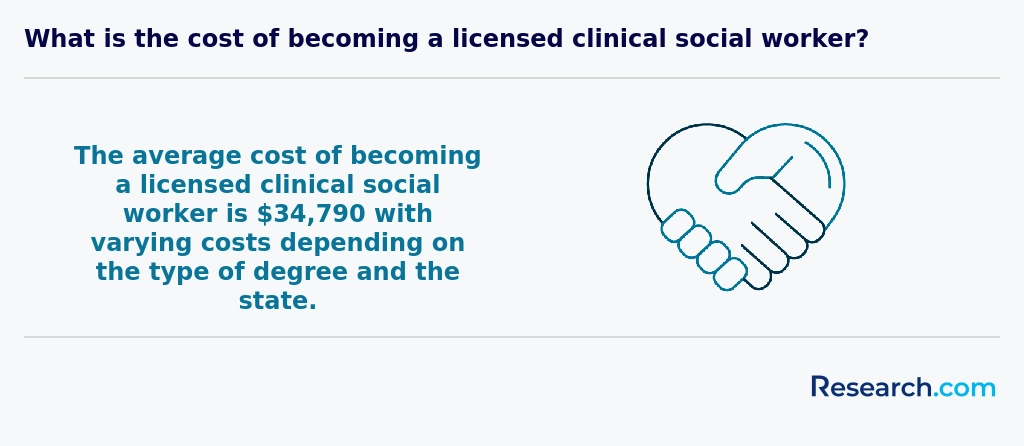
When examining the average social work degree cost in the West, it's clear that tuition varies widely depending on residency and institution type. On average, total expenses for social work degree Western states hover around $42,886 for out-of-state students, while in-state residents often see a significantly lower median total cost near $9,720. Graduates from well-known universities in California, Oregon, and Washington recall balancing these costs with the rewarding experience of gaining hands-on skills that directly impact communities, making the investment worthwhile.
Many who pursued their degrees at public institutions found that being an in-state student provided a financial relief that allowed them to devote more attention to internships and field education. The difference in cost is notable compared to private schools where tuition tends to be higher, often reaching between $30,000 and $50,000 annually. Still, private institutions are known for robust networking opportunities and specialized coursework that some students find indispensable for their career paths.
Beyond tuition, additional expenses like fees, books, and living costs play a significant role in the overall financial picture. Graduates often advise budgeting for licensure exam fees and necessary fieldwork expenses, emphasizing how these might vary by program. Prospective students can benefit greatly by exploring financial aid and scholarships tailored to social work disciplines in the West, and those eager to find the best fit might look into the best online social work schools in Arizona for flexible options that ease cost concerns.
Licensure and Certification Requirements for Social Workers in the West
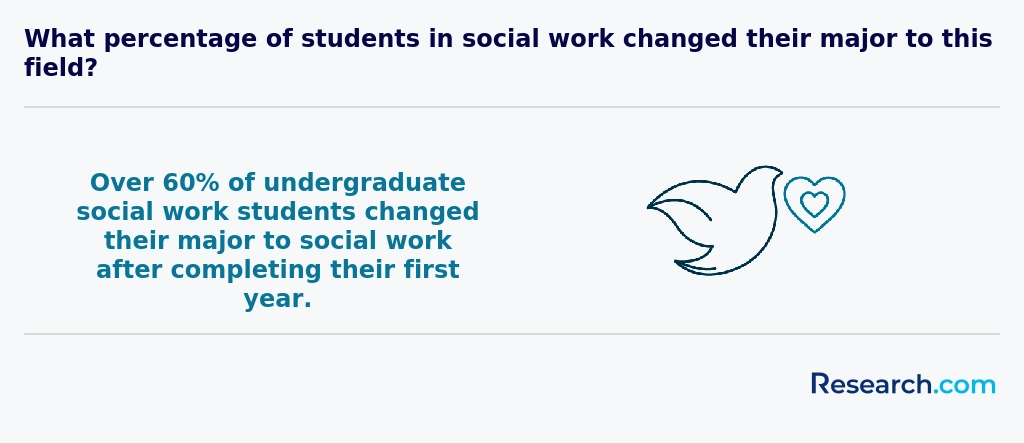
Earning a Social Work degree is only the first step toward practice; obtaining state licensure ensures you can work independently and advance your career. In the Western United States, licensure pathways generally include: 1. Foundational License (LBSW/LSW) - Requirements: Bachelor’s degree from a CSWE-accredited program, passing the Association of Social Work Boards (ASWB) Bachelor’s exam, and a background check. - Scope: Entry-level positions in community outreach, case management, and non-clinical roles. 2. Advanced Clinical License (LMSW/LCSW) - Requirements: Master’s degree in Social Work (MSW), completion of 2,000–4,000 hours of supervised clinical experience (varies by state), and passing the ASWB Clinical exam. - Scope: Clinical practice, private practice, mental health counseling, and healthcare social work. 3. State-Specific Variations - California: Requires 3,200 hours of supervised practice and additional coursework in ethics and law. - Washington: Mandates 2,000 supervised hours and a state jurisprudence exam. - Oregon: Offers provisional licensure for recent graduates to accrue clinical hours under supervision. 4. Renewal and Continuing Education - Most states require licensure renewal every 1–2 years, with 20–30 continuing education units (CEUs). Topics often include ethics, cultural competence, and trauma-informed care. 5. Online Study and Flexibility Many candidates balance work and licensure prep by enrolling in affordable online social work programs, which integrate exam review courses and supervised field placements. Understanding these requirements early empowers prospective social workers to plan their education, fieldwork, and exam preparation efficiently-ensuring a seamless transition from student to licensed professional.
What financial aid is available to social work degree students in the West?
Many social work students in the Western United States find federal financial aid essential in managing tuition costs. Graduates from the University of Washington share how Pell Grants have lifted significant financial weight, offering up to $7,395 that never needs to be repaid. Complementing this, Federal Direct Loans provide subsidized options at reasonable interest rates, easing the path through costly Master of Social Work programs.
State aid also plays a crucial role. For instance, students at California State University benefit from Cal Grants, which can cover tuition and fees up to $12,570, directly addressing the high tuition expenses in California's public universities. These grants make advanced education feel achievable rather than overwhelming.
Institutional scholarships and assistantships often fill remaining gaps. Those attending Portland State University describe how merit-based awards and graduate assistantships not only reduce financial strain but also enrich their learning experiences through research and teaching opportunities.
Additionally, loan forgiveness through programs like Public Service Loan Forgiveness offers heartfelt relief. Graduates working in nonprofits around Oregon and Washington express gratitude knowing their decade of service can lead to loan cancellation, making long-term social work careers sustainable and fulfilling.
Additional Resources for Social Work Students in the West
For students interested in pursuing a Social Work degree in the West, particularly in Arizona, it's essential to explore all available options, including online programs. Those looking for the best online social work schools in Arizona can find valuable resources and rankings to inform their decision. This can help them make a more informed choice about their educational path and future career in social work.
What are the prerequisites for enrolling in social work degree program in the West?
Enrolling in a social work degree program in the West often starts with meeting clear academic and personal prerequisites. Graduates from well-known programs at universities like the University of Washington or the University of Southern California recall how having a strong high school record, especially in psychology and sociology, made their Bachelor of Social Work applications stand out. Volunteering in community services was another crucial step, showcasing genuine commitment beyond grades.
For Master of Social Work hopefuls, the expectations grow more focused. Many graduates mention the importance of holding a bachelor's degree-not necessarily in social work-and maintaining a GPA around 3.0 from their final undergraduate years. Letters of recommendation and heartfelt personal statements are often key components that reveal dedication and interpersonal strengths, valued deeply by admissions committees in these Western schools.
Experience in social services, whether professional or volunteer, frequently tipped the scale for many applicants. Graduates share how interview opportunities provided a chance to express passion and readiness, reinforcing that these programs seek not just intellect but true empathy. Understanding these requirements early in the Western social work landscape helps future students prepare thoughtfully and confidently.

Accreditation and Licensure Requirements
Accreditation by the Council on Social Work Education (CSWE) ensures your degree meets national standards and qualifies you to pursue state licensure. In the Western U.S., licensure typically involves:
- Graduation from a CSWE-accredited BSW or MSW program.
- Completion of 900–1,500 supervised field education hours.
- Passing the relevant ASWB exam (bachelor’s or master’s level).
- Submission of state board applications, background checks, and any additional state-specific requirements.
Selecting an accredited, cost-effective program is key-explore cheapest online msw programs to balance quality education with affordability.
What courses are typically in social work degree programs in the West?
Students pursuing social work degrees in the West engage deeply with courses that blend theory and practice in meaningful ways. Graduates from well-known universities like the University of Washington or the University of California often recall how foundational classes such as Human Behavior and the Social Environment gave them a keen understanding of the psychological and social factors shaping individuals and communities around them.
Social Welfare Policy and Services courses bring the history and ongoing challenges of policy directly into focus, preparing students to navigate complex systems while advocating for change. Research Methods is another cornerstone, equipping students to confidently analyze data and support evidence-based decisions, an essential skill in today's evolving social work landscape.
Field Education, often praised by graduates from institutions like Portland State University, provides invaluable real-world exposure. They describe these practicum experiences in diverse Western settings-rural clinics, community centers with indigenous populations, or urban schools-as moments when theory comes alive and their passion for social justice truly ignites.
What types of specializations are available in social work degree programs in the West?
Social work degree specializations in the West typically include clinical social work, child and family welfare, gerontology, and substance abuse counseling. Graduates from well-regarded universities like those in California and Washington reflect on how clinical training prepares them to work directly with clients in hospitals and community clinics, fostering both confidence and empathy. Many students find that focusing on child and family welfare resonates deeply, especially given the increased support and funding for child services throughout the region.
Western US social work program concentration options also embrace gerontology, responding to the region's aging population by equipping students to assist seniors in settings like nursing homes and hospice care. Others are drawn to substance abuse counseling, motivated by firsthand awareness of addiction challenges in local communities. These specializations combine rigorous coursework with real-world practicum experiences that graduates describe as transformative.
For those balancing work and study, exploring online bachelors degrees in social work benefits offers a way to pursue these diverse specializations without geographic constraints, broadening access to meaningful careers in social advocacy and care.
How do you choose the best social work degree in the West?
Choosing the best social work degree in the West means prioritizing accredited programs that align with your values and career ambitions. Graduates from California and Oregon universities often share how CSWE accreditation assured them their degree met high professional standards and prepared them well for licensure. Beyond accreditation, many find that weighing the affordability between public and private Western schools is crucial; the substantial tuition differences can affect not only finances but also the overall experience.
Another key consideration is specialization and practical experience. Graduates praise programs that offer child welfare or clinical practice pathways with strong internship connections, often citing how hands-on fieldwork at local agencies enriched their learning and boosted confidence in real-world settings. Flexible learning options, such as evening classes or online courses, found at several Western institutions also make it easier to balance work and study without sacrificing depth.
For those looking for affordable social work degrees Western US options include exploring affordable online social work programs that maintain robust academic and fieldwork standards, making professional advancement accessible without overwhelming debt.
What career paths are available for social work degree students in the West?
Graduates with a social work degree in the West find diverse social work career options in the West that allow them to make a meaningful impact. Many begin in clinical social work, where licensed professionals diagnose and treat mental health disorders, especially valued in states like California, Washington, and Oregon. Others choose child and family social work, helping vulnerable children navigate foster care or adoption, a role deeply rewarding for those passionate about protection and advocacy. Some graduates find their place in schools, supporting students with mental health or behavioral challenges, fostering academic success in environments like the University of Washington or UCLA.
Community social workers also thrive, advocating for underserved populations and driving policy changes that improve lives. Personal experiences from graduates of Western universities often highlight the satisfaction of seeing direct, positive outcomes in their communities. Given the range of job opportunities for social work graduates West, pursuing programs with reasonable tuition, like those featured in the Affordable Social Work Degree Programs Ranking in Hawaii, helps students invest wisely in their future vocation.
What is the job market for social work degree in the West?
The job market for social work degree holders in the West is notably robust, reflecting growing community needs and expanding healthcare services. Graduates from well-known universities such as those in California and Washington often find opportunities in metropolitan areas like Los Angeles or Seattle, where demand for social workers in healthcare, child welfare, and substance abuse counseling remains strong. Many graduates express encouragement from the meaningful impact they have on diverse populations, feeling motivated by the real difference they make daily.
Salary expectations align with these vibrant job markets. For example, social work graduates in California frequently earn salaries above the national median, benefiting from higher wages in urban centers. Those who invest in a Master's degree often do so with confidence, aware that licensing in states like Oregon and Washington enhances their clinical career prospects. Students exploring their educational options in the West might find value exploring colleges with fast track programs to enter the workforce sooner and capitalize on this encouraging employment outlook for social work graduates West.
Frequently Asked Questions About social work
Social work degree students in the West can maximize their learning experience by engaging deeply in field placements. Accredited programs in California, Oregon, and Washington typically require internships of 900 hours or more, offering hands-on experience that complements classroom learning. According to the Council on Social Work Education (CSWE), practical training enhances skill development in real settings, crucial for future licensure exams.
Students should also actively participate in professional organizations like the National Association of Social Workers (NASW), which is strong in Western states. Membership provides access to networking, continuing education, and advocacy resources.
Finally, leveraging available online resources and workshops tailored to Western social issues-such as rural healthcare disparities or immigrant populations-can provide contextually relevant knowledge to better prepare future social workers.
Emerging niches in social work in the Western United States reflect evolving community needs and policy changes. One growing area is gerontological social work, addressing the expanding elderly population in states like California and Washington. This niche focuses on aging-related issues, including healthcare coordination and elder abuse prevention.
Another promising field is behavioral health social work, which has gained importance due to rising mental health awareness and opioid crises in the West. Social workers specialize in substance abuse treatment and integrated care models, supported by state initiatives such as California's Drug Medi-Cal Organized Delivery System.
Furthermore, climate change social work is developing as professionals assist communities affected by wildfires and natural disasters-an increasingly urgent need in Western states. These social workers provide crisis intervention and support resilience building.
Preparing for the job market after earning a social work degree in the West involves strategic steps. Graduates should first ensure they meet state licensure requirements, such as obtaining the Licensed Clinical Social Worker (LCSW) credential, which is essential for advanced practice in most Western states.
Gaining practical experience through internships or field placements during your education significantly boosts employability. According to the Western Association of Schools and Colleges, over 70% of social work graduates in the region secure jobs within six months of graduation, often citing hands-on training as key.
Networking with local agencies and professional organizations like the National Association of Social Workers (NASW) can open doors to specialized roles. Additionally, staying informed about demographic trends and social issues specific to Western communities helps tailor skills to regional needs.
Employers in the Western United States highly value social work graduates who demonstrate strong communication skills. The ability to clearly convey information and empathize with clients is essential for effective case management and support.
Critical thinking and problem-solving skills are also prioritized. Professionals must assess complex situations and develop appropriate intervention strategies, especially when working with diverse populations.
Competence in cultural sensitivity and awareness is increasingly important, given the West's diverse demographic makeup. The Council on Social Work Education (CSWE) emphasizes cultural competence as a core skill for graduates.
Additionally, proficiency in teamwork and collaboration is crucial, as social workers often coordinate with healthcare providers, educators, and governmental agencies to deliver comprehensive care.
Finding internships for social work degrees in the Western United States involves several key steps. Start by exploring university-affiliated resources; many Western schools have partnerships with local social service agencies offering field placements required for accreditation by the Council on Social Work Education (CSWE). According to the 2023 CSWE report, over 85% of social work programs in the West integrate internships within their curricula.
Students should also leverage state and local government websites, nonprofit organizations, and healthcare facilities. California, Washington, and Oregon provide online portals listing available internships specifically for social work students. Networking with faculty and attending regional social work conferences can uncover opportunities beyond formal postings. Early application is crucial, as demand often exceeds supply.
A social work degree significantly enhances career mobility and advancement opportunities in the Western United States. According to the Bureau of Labor Statistics, California, Washington, and Oregon are among states with high employment levels for social workers, reflecting strong demand. A Bachelor of Social Work (BSW) often qualifies graduates for entry-level roles, but obtaining a Master of Social Work (MSW) greatly expands prospects, especially for clinical positions and leadership roles.
Licensure requirements in the West typically mandate an MSW for clinical social workers, enabling higher salaries and supervisory positions. Regional job markets highly value accredited degrees, which correlate with increased career advancement.
Studying for a social work degree in the Western United States equips students with skills vital for interdisciplinary collaboration. Programs integrate knowledge of psychology, public health, and education to prepare graduates to work alongside professionals in various fields.
Western social work curricula often include practicum experiences in diverse settings such as hospitals, schools, and community organizations. This hands-on training enhances communication and teamwork abilities essential for interdisciplinary roles.
According to the Council on Social Work Education, over 70% of accredited programs in the West emphasize interdisciplinary approaches in their coursework, reflecting workforce demands in urban and rural areas alike.
When choosing between thesis and non-thesis social work degree programs in the Western US, consider your career goals. Thesis programs emphasize research and critical analysis, suitable if you aim for doctoral studies or research roles. Non-thesis options focus on practical skills and fieldwork, ideal for those pursuing clinical or administrative positions. According to the Council on Social Work Education, about 30% of Western social work graduates select thesis tracks, reflecting interest in academic careers. Additionally, thesis programs can take longer due to research commitments, while non-thesis paths often allow faster graduation. Evaluate faculty expertise and your learning style when deciding.
Students in the Western United States seeking to study social work abroad have several options through exchange programs and joint degrees. Many universities in California, Washington, and Oregon partner with institutions worldwide, enabling students to spend a semester or year overseas while earning credit toward their social work degree.
According to the Council on Social Work Education, about 15% of accredited programs in the West offer such international experiences. Popular destinations include Europe, Latin America, and Asia, where students gain valuable cross-cultural insights.
Additionally, some programs incorporate global social work perspectives into their curricula, preparing students for international careers.
Costs and language requirements vary widely; prospective students should consult their school's study abroad office for tailored guidance.
Part-time jobs that align well with social work degree education in the West include roles in community outreach, mental health support, and nonprofit organizations. These positions provide practical experience that complements academic learning. For example, California employs thousands in mental health technician roles, a common stepping-stone for social work students.
Working in local shelters, youth programs, or crisis intervention centers offers hands-on experience with vulnerable populations, enhancing essential social work skills. According to the Bureau of Labor Statistics, social service occupations in the Western states are projected to grow 12% by 2030, indicating strong opportunities.
Volunteer coordinators and case assistant positions also provide valuable exposure to case management, benefiting students financially and educationally.
Social work students in the Western United States have access to numerous networking opportunities through regional professional organizations. Groups like the California Chapter of the National Association of Social Workers (NASW-CA) provide events and conferences, connecting students with experienced practitioners. These gatherings often offer workshops, job fairs, and mentorship programs tailored for emerging social workers.
Many Western universities partner with local agencies to facilitate internships, helping students build direct professional relationships. According to NASW data, over 70% of social work internships in the West lead to networking contacts that influence early career hiring.
Additionally, virtual forums and online communities serve as key platforms for students to engage across state lines within the region, enabling broader connections beyond campus alone.
Alumni networks play a critical role for social work degree students in the Western US by providing valuable professional connections. Graduates often share job postings and internship opportunities within these networks, which can increase employment chances. According to the Council on Social Work Education, networking is especially important in states like California and Washington, where over 30% of new social workers find jobs through referrals.
These networks also support mentorship programs, linking current students with experienced practitioners. This mentorship guides students on licensure processes and career development specific to Western states' regulations.
Additionally, alumni networks foster continuous learning by organizing workshops and conferences, keeping students updated on regional social issues and best practices.
Customizing a social work degree program in the Western US involves selecting electives, field placements, and specializations aligned with your career goals. Many universities in the West offer options such as clinical social work, school social work, or community organizing. For example, California State University programs typically allow students to tailor practicum experiences based on regional needs, like working with immigrant communities or veterans.
Internships and fieldwork hours, generally 900+ for a Master of Social Work (MSW), provide practical exposure and networking opportunities. According to the Western Association of Schools and Colleges, regional accreditation ensures program flexibility and quality.
Online and hybrid programs also increase customization, enabling students to balance work while studying. Licensing requirements differ by state but usually require degree specialization to meet professional standards.
Social work students in the Western United States often face a range of academic and practical challenges. Many report difficulty balancing rigorous coursework with field placements that demand significant time and emotional energy. According to the 2022 Council on Social Work Education (CSWE) report, students in the West experience higher stress levels due to competitive program admissions and increased tuition costs, with some state universities charging up to 40% more than the national average.
Additionally, access to qualified field supervisors can be limited, especially in rural or underserved areas common in states like Montana and Idaho. Students must also navigate complex licensing requirements that vary by state, adding administrative hurdles. These challenges highlight the need for effective support systems within programs.
With a social work degree in the Western United States, you can pursue several professional certifications to advance your career. The most common certification is the Licensed Clinical Social Worker (LCSW), which allows you to provide mental health services independently. Requirements include a master's degree in social work, supervised clinical hours, and passing a licensing exam. Additionally, you can seek certification as a Certified School Social Work Specialist (C-SSWS) for roles in educational settings. Other options include becoming a Certified Advanced Social Work Case Manager (C-ASWCM), focusing on complex case management.
According to the California Board of Behavioral Sciences, over 75,000 LCSWs were licensed in the West by 2023, reflecting strong demand. The National Association of Social Workers also reports steady growth in social work certifications across Western states. These certifications enhance job prospects and credibility in social services and healthcare sectors.
Writing a winning application for a social work program in the West requires clear focus and preparation. Start by demonstrating your understanding of core social work values, such as service, social justice, and dignity. Admissions committees value applicants who provide specific examples of relevant experience, such as volunteering or working in social services. Reflect on your motivation for pursuing social work, connecting personal insights with professional goals.
Highlight any academic achievements in related fields, emphasizing skills in communication, psychology, or sociology. According to the Council on Social Work Education, Western states like California and Washington see intense competition for accredited programs, making strong personal statements essential.
Lastly, seek recommendations from supervisors or professors familiar with your commitment. Quality letters can significantly boost your application's credibility and reflect your potential as a future social worker.
Social work careers in the West are increasingly influenced by global trends emphasizing cultural competence and international collaboration. According to the Council on Social Work Education, over 800 accredited programs in the US prepare students to work in diverse settings, reflecting a global mindset.
Social workers often engage with issues like migration, human rights, and public health, which require understanding cross-cultural dynamics. The demand for skills in global social policies is rising, as shown by a 12% projected job growth by the US Bureau of Labor Statistics through 2032.
Internationally recognized credentials and study abroad options further enhance career opportunities for graduates in the West, linking local practice with global challenges.
Gaining practical experience during a social work degree in the Western United States is essential for career readiness. Most accredited programs require field placements or internships, offering hands-on work in social service agencies, hospitals, schools, or community organizations. These placements allow students to apply classroom knowledge under professional supervision.
Many Western schools partner with local nonprofits and government agencies, providing students with diverse opportunities. According to the Council on Social Work Education, students in accredited programs complete an average of 450 to 900 hours of fieldwork, depending on degree level.
Additionally, some universities offer service-learning courses that combine classroom study with volunteer work, enhancing real-world skills.
Choosing the right concentration within a social work degree program in the West involves considering personal interests and regional workforce demands. California and Washington, for example, emphasize clinical social work due to high mental health service needs, as highlighted by the California Social Work Education Center. Areas like child welfare, healthcare, and gerontology are also prominent concentrations reflecting local demographics.
Review program specialties at universities accredited by the Council on Social Work Education (CSWE), ensuring quality education. Consider job placement rates and connections with local agencies, which can vary by concentration and location. Understanding your career goals and evaluating regional job trends-such as a projected 12% growth in social work jobs in the Western states through 2030 from the Bureau of Labor Statistics-will guide your decision.
Top Trending Social Work Rankings
See What Experts Have To Say About Studying Social Work
Read our interview with Social Work experts

References
- Interdisciplinary Collaboration in Social Work and the ASWB Exam https://agentsofchangeprep.com/blog/interdisciplinary-collaboration-in-social-work-and-the-aswb-exam/
- My social work journey: from experience to practice https://socialworkwithadults.blog.gov.uk/2023/09/26/my-social-work-journey-from-experience-to-practice/
- How To Become A Social Worker | Psychology.org https://www.psychology.org/social-work/how-to-become/
- Where a Social Work Degree Can Take You | ACAP https://www.acap.edu.au/news-and-opinion/where-a-social-work-degree-can-take-you/
- The Best International Social Work Internships for Undergrads and Grads https://www.internhq.com/fields/social-work/
- 5 Career Planning Steps for Success in Social Work https://www.twrecruitment.com.au/blog/2026/02/5-career-planning-steps-for-success-in-social-work
- Know more about thesis vs non- thesis: what is the difference? https://studyfans.com/en/blogs/816
- The Importance of Professional Networking in Social Work https://www.onlinemswprograms.com/resources/social-work-networking/
- Become a Social Worker in Washington https://socialworklicensemap.com/social-work-licensure/become-a-social-worker-in-washington/
- 1+ Social Worker Cover Letter Examples (with In-Depth Guidance) https://www.tealhq.com/cover-letter-examples/social-worker





