2027 Most Popular Social Work Degree Programs Ranking in Minneapolis

Co-Founder and Chief Data Scientist
Choosing the right social work degree program can shape your future while making a positive difference in your community. If you're in Minneapolis and exploring your options, this article is here to help.
We present the 2027 Most Popular Social Work Degree Programs Ranking in Minneapolis, created by the Research.com team of data scientists. This carefully researched ranking offers clear insights into programs that stand out in quality and popularity.
Reading this guide empowers you to make an informed decision about your education and career path in social work. Discover programs that align with your goals and passion for helping others.
Key benefits of getting social work degree in Minneapolis
- Social work degree graduates in Minneapolis can expect strong earning potential, with mean annual wages of $68,800 for social workers and up to $83,400 for community organizers and youth workers, offering financial stability and rewarding careers.
- Graduates from local universities often pursue diverse career paths, including child welfare, residential counseling, and community organization, allowing them to make a meaningful impact in varied social environments.
- Obtaining a social work degree online from recognized Minneapolis institutions offers flexible scheduling and the ability to balance work or family commitments while gaining the same valuable skills as traditional programs.
- 2027 Most Popular Social Work Degree Programs Ranking in Minneapolis
- What can I expect from social work degree in Minneapolis?
- Where can I work with social work degree in Minneapolis?
What can I expect from social work degree in Minneapolis?
The average cost of a social work degree in Minneapolis varies depending on the institution and degree level. For example, graduates from universities known for their social work programs in Minneapolis report tuition ranges that typically fall between $15,000 and $30,000 per year for in-state students. These costs often include access to accredited Bachelor of Social Work (BSW) and Master of Social Work (MSW) programs aligned with the Council on Social Work Education (CSWE) standards.
Many students appreciate the value given the comprehensive curriculum and vital field education components embedded in these programs. Graduates frequently share how practicum placements at local agencies and healthcare facilities, integral to Minneapolis's diverse community infrastructure, enriched their learning and provided meaningful hands-on experience.
Beyond tuition, some students note additional expenses related to supervision fees or travel to various community sites during internships, yet many emphasize the strong career outlook in Minneapolis justifies these investments. The city's growing demand for licensed social workers, with employment projected to increase by 12% through 2030, supports their positive perception of program affordability and return on investment.
Where can I work with social work degree in Minneapolis?
Graduates from Minneapolis institutions like the University of Minnesota often find diverse career opportunities across the city's robust social services sector. Many begin their careers in healthcare settings such as the University of Minnesota Medical Center, where social workers support patients facing mental health issues or chronic illness through counseling and discharge planning. These roles provide a meaningful way to apply social work training directly to patient care.
Public agencies, including Minneapolis Public Schools and Hennepin County Human Services, also employ social workers to address child welfare, foster care, and disability support programs. Graduates report rewarding experiences working with vulnerable families and children through these government roles, which are projected to grow by about 7% through 2030 in the metro area.
Nonprofit organizations, such as the Tubman Family Alliance, attract social work degree holders eager to combat homelessness and domestic violence. Licensed Clinical Social Workers gain opportunities to offer therapy at community mental health centers, addressing a strong local demand for behavioral health services. Others pursue policy or research roles in universities or planning agencies, contributing to social program development using data-driven methods.
- Minneapolis offers accredited Bachelor of Social Work (BSW) and Master of Social Work (MSW) programs meeting national standards.
- Yearly tuition for a bachelor's degree ranges from $12,000 to $18,000 for in-state students; master's programs cost between $15,000 and $25,000 annually.
- Entry-level social workers earn around $45,000 to $50,000 annually, with experienced professionals making $60,000 to $75,000 or more.
- Social work jobs in Minneapolis are expected to grow by about 10% over the next decade, faster than the average for all occupations.
- Licensure in Minnesota requires a CSWE-accredited degree and passing the Association of Social Work Boards (ASWB) exam.
Understanding the pathway to professional licensure is essential for any aspiring social worker in Minneapolis, MN. After earning your degree-whether through on-campus instruction or one of the affordable bachelor of social work programs that balance quality and cost-you’ll need to navigate Minnesota’s licensing tiers: 1. Licensed Bachelor Social Worker (LBSW) - Requirements: Bachelor’s degree from a CSWE-accredited program, passing score on the ASWB Bachelor’s exam, and a background check. - Scope: Entry-level case management, community outreach, and support roles under supervision. 2. Licensed Graduate Social Worker (LGSW) - Requirements: Master of Social Work (MSW) from a CSWE program, successful completion of the ASWB Master’s exam, and supervised post-grad practicum hours (varies by program). - Scope: Clinical assessments, counseling, and specialized intervention with clients-always under indirect supervision until full certification. 3. Licensed Independent Clinical Social Worker (LICSW) - Requirements: MSW, minimum 4,000 hours of post-degree supervised clinical experience, and passing the ASWB Clinical exam. - Scope: Unrestricted clinical practice, private therapy, and clinical supervision of LGSWs or LBSWs. Key Steps and Tips: • Secure supervised field placements early-this streamlines your post-graduation hour requirements. • Budget for application fees ($100–$200 per licensure level) and exam prep courses. • Maintain continuing education: Minnesota requires 45 hours of approved CEUs every three years to renew your license, ensuring you stay current on best practices and ethical standards. By mapping out these milestones from degree selection to clinical independence, you’ll confidently transition from student to licensed social work professional in Minneapolis.
When considering a career in social work, selecting the right degree program is crucial. Minneapolis, MN, offers a unique blend of academic rigor, practical experience, and community engagement that can enhance one's educational journey. For those interested in exploring the most popular social work colleges, visiting https://research.com/rankings/social-work/most-popular-social-work-mn as a resource for most popular social work colleges can provide valuable insights. The city's vibrant community, diverse population, and commitment to social justice create an ideal backdrop for aspiring social workers to learn, grow, and make a meaningful impact. With numerous institutions offering accredited social work programs, students can choose from a variety of specializations and formats, including online and on-campus options, to tailor their education to their career aspirations and personal preferences. Whether one is interested in clinical social work, community organization, or policy advocacy, Minneapolis provides a rich environment for professional development and networking. By choosing a social work degree program in Minneapolis, MN, students not only gain the knowledge and skills necessary for a successful career but also become part of a community dedicated to creating positive change and promoting social justice.
The average total cost of earning a social work degree in Minneapolis typically centers around $31,482. For in-state students, this figure is significantly lower, with median costs closer to $14,400, reflecting substantial savings when attending public institutions such as the University of Minnesota. Out-of-state students, on the other hand, face costs closer to the overall median, which can feel challenging but is often balanced by a strong return on investment through career opportunities. Recent graduates from well-regarded Minneapolis programs often recount balancing tuition with part-time work and scholarships, emphasizing the importance of early financial planning to manage expenses effectively.
Many students at Metropolitan State University and similar institutions appreciate how manageable tuition makes pursuing social work, allowing them to focus on fieldwork and practical experience, which are critical components of their education. These costs align closely with the broader average cost of social work degree in Minneapolis, where public and private options provide a range catering to various financial situations. Students from both public and private programs stress the importance of leveraging financial aid and scholarships to ease the burden, enabling them to enjoy their educational journey and build a strong foundation for their careers.
The overall investment in a social work degree goes beyond tuition; prospective students should also consider fees, books, and living costs. Many encourage future enrollees to review comprehensive budgeting plans that include these factors alongside tuition. For those wanting to explore further details on programs and costs at local institutions, resources featuring the most popular social work colleges in Minneapolis provide valuable insights into different tuition models and financial support options.

To practice social work in Minnesota, graduates must secure state licensure through the Board of Social Work by completing education, exam, and supervised experience steps.
- Graduate from a CSWE-accredited BSW or MSW program. For flexibility, consider an msw online.
- Pass the Association of Social Work Boards (ASWB) exam at the appropriate level (Bachelors or Masters).
- Accrue required supervised practice hours (2,000 for Licensed Graduate Social Worker; 4,000 for Licensed Independent Clinical Social Worker) under a licensed supervisor.
- Submit your application, official transcripts, exam scores, and fee to the Minnesota Board of Social Work.
- Maintain licensure through continuing education (30 CE hours every two years) and timely renewals for career advancement.
Review the Minnesota Board of Social Work website for the latest application deadlines and fee schedules.
Prospective social work students in Minneapolis generally must meet clear academic and experiential prerequisites to gain admission to local programs. At the bachelor's level, candidates typically present a high school diploma or equivalent, alongside recommended coursework in sociology, psychology, and English, which builds an essential knowledge base. Some colleges like the University of Minnesota may consider standardized test scores, though test-optional policies are increasingly common, allowing applicants to focus more on their experiences and grades.
For master's degree hopefuls, holding a bachelor's degree from an accredited institution is required. Graduates highlight the importance of completing prerequisite courses in areas such as statistics and social welfare policy before enrolling in MSW programs offered by schools like Metropolitan State University. Many successful applicants emphasize how submitting thoughtful letters of recommendation and a personal statement, paired with relevant volunteer or paid community service experience, strengthened their applications.
Hands-on social service experience is highly valued in Minneapolis social work programs, reflecting the profession's real-world demands. Graduates often recall how volunteering in local health clinics or community outreach programs before enrollment made their studies feel immediately impactful and relevant.
Additionally, background screenings are standard, ensuring candidates meet ethical standards when working with vulnerable populations-an important step noted by many program administrators in the Twin Cities.
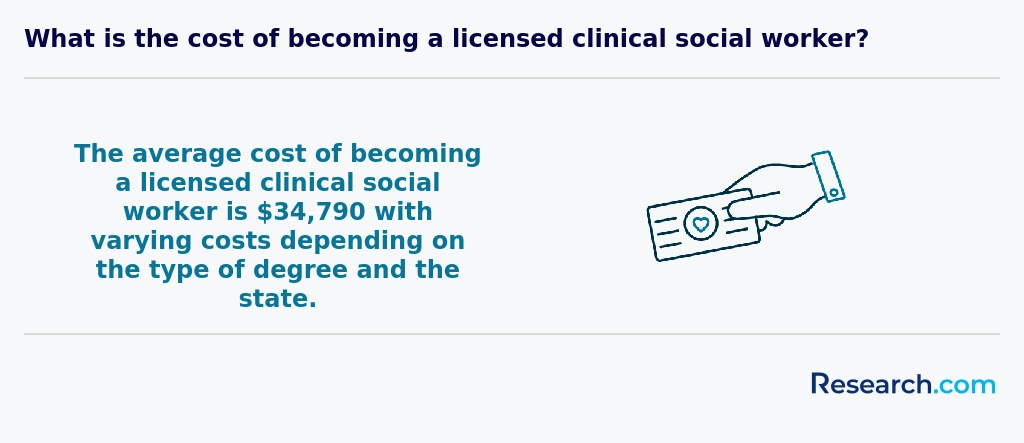
Upon earning a Social Work degree, graduates must secure state licensure to practice professionally in Minnesota. The Minnesota Board of Social Work outlines two primary credentials: 1. Licensed Master Social Worker (LMSW) - Degree Requirement: CSWE-accredited MSW - Exam: Pass the ASWB Master’s examination - Supervised Experience: Minimum 900 hours under an LCSW supervisor - Application: Submit official transcripts, exam results, and supervision logs 2. Licensed Independent Clinical Social Worker (LICSW) - Prerequisite: Active LMSW status - Supervised Experience: At least 3,000 post-master’s direct clinical hours over no fewer than 24 months - Exam: Pass the ASWB Clinical examination - Application: Provide verification of supervision, clinical hours, and professional references Continuing Education & Renewal • Renewal Cycle: Every two years, with renewal deadlines on December 31 of even-numbered years • CE Credits: 40 contact hours, including 3 ethics credits per cycle • Documentation: Maintain CE certificates and a supervision log for audit purposes Program Selection Tips • Accreditation: Confirm CSWE accreditation to meet Minnesota licensure requirements • Supervision Resources: Investigate faculty and field placement networks for quality clinical mentorship • Affordability: Compare tuition and financial aid-if cost is a concern, explore the Cheapest Online Master’s in Social Work Degree Programs Ranking in Texas to identify budget-friendly MSW pathways By understanding and planning for these licensure steps early, aspiring social workers can streamline their path from graduation to independent practice, ensuring compliance with Minnesota regulations and positioning themselves for a successful career.
Choosing the best social work degree programs Minneapolis requires careful evaluation of accreditation, program flexibility, and cost. In Minneapolis, graduates from institutions like the University of Minnesota praise the CSWE-accredited MSW programs for their rigorous curriculum and strong licensure preparation, crucial for passing the ASWB exam. Many appreciate options such as full-time, part-time, and hybrid formats, which accommodate working professionals balancing careers and family life.
Cost-wise, prospective students should assess tuition ranging roughly from $10,000 to $30,000 annually, factoring in fees and living expenses. Public universities often offer financial aid, making affordable social work degrees Minneapolis accessible for many. Hands-on experience is another priority; established community partnerships with local nonprofits provide invaluable practicum opportunities, creating immersive learning environments that graduates find rewarding and confidence-building.
For students seeking cost-efficient pathways, exploring affordable bachelor of social work programs can be a strategic step. Alumni report that career support services and active alumni networks in Minneapolis significantly boost job placement rates, critical in this growing job market for social workers.

2027 Most Popular Social Work Degree Programs Ranking in Minneapolis
Investing in your education is a significant decision that can shape your future, and the Research.com team understands the importance of making informed choices. To assist prospective students seeking social work degrees in Minneapolis, we have meticulously crafted the "2027 Most Popular Social Work Degree Programs Ranking in Minneapolis." Our commitment to quality, credibility, and accuracy is reflected in the extensive research and analysis conducted to compile this ranking.
We utilized the following reputable data sources to ensure a comprehensive evaluation of social work programs:
By exploring this ranking, readers will gain valuable insights into the most popular and trusted social work degree programs in Minneapolis, empowering them to make well-informed educational decisions. For more details on our methodology, please visit our Research.com methodology page.


# 5 position
Walden University
Master of Social Work

Frequently Asked Questions About social work
Social work degree students in Minneapolis can maximize their learning experience by engaging deeply in local community-based internships. Minnesota hosts a range of social service agencies, including the Minnesota Department of Human Services, which offers practical training opportunities vital for professional growth. According to the Council on Social Work Education (CSWE), students who complete field placements in diverse settings improve their critical thinking and cultural competence.
Additionally, participating in student organizations such as the National Association of Social Workers (NASW) Minnesota chapter allows learners to network with professionals and stay current on industry trends. Attending local workshops and seminars, often held by the University of Minnesota or Augsburg University, further enriches theoretical knowledge with practical insights.
Emerging niches within the social work field reflect changing societal needs and growing challenges in Minneapolis. One notable area is geriatric social work, addressing the aging population in Minnesota, which is projected to increase by 20% over the next decade according to the Minnesota State Demographic Center. Social workers in this niche support elderly clients with healthcare, housing, and financial planning.
Another growing specialty is behavioral health social work, focused on mental health and substance abuse treatment. With the opioid crisis impacting the Twin Cities, demand for professionals skilled in addiction counseling is rising, as reported by the Minnesota Department of Health.
Additionally, child welfare and family services continue to expand, spurred by local efforts to improve foster care systems and early intervention programs. Social workers trained in trauma-informed care are particularly sought after in these roles.
Preparing for the job market after earning a social work degree in Minneapolis involves several important steps. Graduates should obtain licensure, such as the Licensed Independent Clinical Social Worker (LICSW), which is required for many clinical roles in Minnesota. According to the Minnesota Board of Social Work, this process includes supervision hours and passing an exam.
Networking is also key. Minneapolis hosts various professional associations like the Minnesota Chapter of the National Association of Social Workers, offering local job postings and events. Gaining practical experience during studies through internships can improve employability.
Employers in Minneapolis increasingly value candidates with knowledge of local social services systems and cultural competence in diverse communities. According to the U.S. Bureau of Labor Statistics, social work roles in the Minneapolis-St. Paul area are expected to grow by 14% through 2031, making early preparation vital.
Employers in Minneapolis highly value graduates of social work degree programs who demonstrate strong communication and interpersonal skills. These abilities are essential for effectively engaging with diverse populations and advocating for client needs. Critical thinking and problem-solving skills are also crucial, enabling social workers to develop tailored interventions in complex situations.
Additionally, cultural competence is a key skill, reflecting Minneapolis's diverse communities. According to the Bureau of Labor Statistics, social workers in Minnesota must adapt to various cultural backgrounds to provide equitable services.
Knowledge of local social policies and ethical standards is important, as these frameworks guide professional practice in the region. Organizational and time management skills help manage caseloads efficiently, which is especially significant given the demand for social services in Minneapolis.
Finding internships in Minneapolis relevant to a social work degree involves leveraging connections with local universities and community organizations. Many accredited programs, including those at the University of Minnesota, coordinate internships through established partnerships with social service agencies.
Prospective students should explore opportunities at clinics, non-profits, schools, and government offices, as these settings often seek interns to assist with case management and outreach. The Minnesota Department of Human Services also lists internship openings specific to social work.
Networking at local social work conferences and joining professional associations like the Minnesota Chapter of the National Association of Social Workers can increase access to placement options. According to the Bureau of Labor Statistics, internships improve employment prospects in Minnesota's growing social services sector.
In Minneapolis, earning a social work degree significantly enhances career mobility and advancement opportunities. According to the U.S. Bureau of Labor Statistics, Minnesota's employment of social workers is projected to grow 11% from 2021 to 2031, faster than the national average. This growth is driven by increased demand in healthcare and social services sectors.
A Bachelor's or Master's in Social Work (MSW) is often required for higher-level roles, such as clinical social worker or program director. Employers in Minneapolis prioritize candidates with accredited degrees and licensure, which the degree helps obtain. Advanced degrees can lead to specialized positions, improving salary potential and job stability.
Studying for a social work degree in Minneapolis equips students with skills essential for interdisciplinary collaboration. Many local programs emphasize working alongside healthcare providers, educators, and policymakers, reflecting the integrated nature of social services in the city. According to the University of Minnesota's School of Social Work, curricula include joint case studies and community-based projects that foster teamwork across professions.
Minneapolis's diverse population offers practical experience in culturally competent care, preparing graduates to engage with varied stakeholders effectively. The Minnesota Department of Employment and Economic Development highlights a growing demand for social workers skilled in multidisciplinary environments, reinforcing the value of such educational approaches.
Choosing between a thesis and a non-thesis social work degree program in Minneapolis depends on your career goals and learning preferences. Thesis options typically suit students aiming for research careers or doctoral studies, involving an extensive research project and formal writing. Non-thesis tracks focus more on practical skills and fieldwork, ideal for those pursuing clinical or agency-based roles directly after graduation.
The University of Minnesota Twin Cities, a major provider of social work education, reports that students in thesis tracks often spend 6-12 months completing their research, while non-thesis students may graduate faster.
Consider your aspirations carefully: research-oriented roles often recommend thesis work, while practitioners prioritize hands-on experience.
Students based in Minneapolis interested in studying social work abroad have several pathways through US higher education. Many universities in Minneapolis, including the University of Minnesota, offer exchange programs or partnerships with accredited institutions worldwide. These programs allow students to gain international experience while earning credits toward their social work degree.
Additionally, some institutions provide study-abroad opportunities specifically focused on global social work practices. This exposure helps students understand diverse communities and social policies outside the US context.
According to the Council on Social Work Education, nearly 15% of social work students nationwide participate in some form of international study or internship, a trend reflected in Minneapolis programs. Students should verify program accreditation and ensure credits transfer smoothly when planning their study abroad experience.
Minneapolis offers a variety of part-time job opportunities that complement social work degree education by providing practical experience. Positions such as community outreach worker, case aide, and mental health technician are commonly available and help students apply theoretical knowledge directly. According to the Minnesota Department of Employment and Economic Development, social service aides in the Minneapolis area earn an average hourly wage of around $16, supporting students financially while gaining relevant experience.
Many local nonprofits and government agencies seek part-time help in roles involving client interaction, data collection, and support services. These jobs enhance skills essential for social work careers, such as communication, empathy, and crisis intervention.
Employers like Hennepin County and organizations focused on housing, youth services, and healthcare often advertise flexible part-time positions ideal for students balancing coursework and hands-on learning.
Minneapolis offers robust networking opportunities for social work students through local universities, professional organizations, and community agencies. Institutions like the University of Minnesota and Augsburg University host events connecting students with field professionals and potential employers. The Minnesota Chapter of the National Association of Social Workers (NASW) is particularly active, providing workshops, conferences, and mentorship programs tailored to social work students.
Students can also join internships and practicums within Minneapolis' extensive nonprofit and healthcare sectors, which serve as valuable networking platforms. According to the Bureau of Labor Statistics, Minnesota's social work employment grows steadily, encouraging frequent collaboration between educational programs and employers.
Alumni networks play a crucial role in supporting social work degree students in Minneapolis. These networks connect current students with graduates who have experience in local social service agencies, providing valuable insights and mentorship. According to the University of Minnesota School of Social Work, strong alumni connections often lead to internship and job opportunities within the Twin Cities area.
Many Minneapolis-based social work programs use alumni events and online platforms to foster ongoing relationships. This helps students build professional networks essential for licensure and employment after graduation. Additionally, alumni can offer guidance on licensure requirements governed by the Minnesota Board of Social Work.
Engaging with alumni often results in access to workshops, conferences, and local advocacy efforts, enriching students' educational experiences beyond the classroom.
Customizing a social work degree program in Minneapolis begins with selecting electives and concentrations that align with your career goals. Many schools in the area offer specializations such as clinical social work, community organizing, or policy advocacy. These allow you to tailor your education toward fields like mental health, child welfare, or healthcare.
Additionally, practicum placements are vital for hands-on experience. Local agencies provide diverse opportunities across Minnesota's urban and rural communities, helping you build relevant skills. The Council on Social Work Education reports that Minnesota has one of the higher employment rates for social workers, emphasizing practical training importance.
Social work students in Minneapolis face several challenges during their education. A primary difficulty is balancing demanding coursework with field placements, which require significant time commitment and practical skill development. According to the University of Minnesota's School of Social Work, many students report stress caused by high academic expectations combined with the emotional toll of working with vulnerable populations.
Financial strain is another common issue. The cost of tuition and living expenses in Minneapolis can be high, and although some students access scholarships or federal loans, debt remains a concern. Additionally, social work students often navigate complex internship placements within organizations grappling with systemic issues, which can be overwhelming.
Furthermore, students must stay informed about local laws and community needs in Minneapolis, such as addressing homelessness and racial disparities, which requires continuous learning alongside their studies.
With a social work degree in Minneapolis, you can pursue several professional certifications to advance your career. The most common certification is the Licensed Social Worker (LSW), which qualifies you to practice under supervision. After gaining experience, you may become a Licensed Independent Clinical Social Worker (LICSW), enabling you to offer clinical services independently.
Other options include certifications in specialized areas such as school social work, gerontology, and substance abuse counseling. These certifications often require additional coursework and supervised hours.
According to the Minnesota Board of Social Work, approximately 5,000 social workers hold active licenses in the state, reflecting a robust market. Certifications can improve job prospects in healthcare, education, and child welfare sectors across Minneapolis.
Writing a winning application for a social work program in Minneapolis requires clear focus and preparation. Start by researching programs thoroughly; Minneapolis offers accredited options like the University of Minnesota's School of Social Work, ranked among the top in the nation by U.S. News & World Report.
Highlight relevant experience in your personal statement, including volunteer or work history with local social services. Admissions committees value demonstrated commitment to community impact, especially in urban settings like Minneapolis.
Make sure to meet all academic prerequisites, such as a minimum GPA, and obtain strong letters of recommendation from professionals familiar with your dedication to social work.
Finally, tailor your application to show awareness of local social issues, such as homelessness and mental health challenges prevalent in Minneapolis, to strengthen your candidacy.
Social work as a profession is recognized worldwide, with global organizations like the International Federation of Social Workers promoting shared values and standards. In the United States, including Minneapolis, social work education aligns with these global principles, emphasizing human rights, social justice, and cultural competence.
Minneapolis-based programs often prepare students to engage with diverse populations, reflecting broader global challenges such as migration, inequality, and mental health. According to the National Association of Social Workers, the demand for social workers in Minnesota is projected to grow by 12% from 2020 to 2030, highlighting the field's expanding role locally and globally.
Understanding global perspectives helps Minneapolis students approach social work with a wider lens, incorporating cross-cultural practices and international policy insights. This broader outlook is essential for addressing complex social issues in an interconnected world.
Gaining practical experience while studying for a social work degree in Minneapolis is essential for career readiness. Most accredited programs require field practicums or internships, which connect students with local social service agencies. These placements provide real-world experience working with diverse populations, including at-risk youth, the elderly, and underserved communities.
In Minneapolis, students often collaborate with organizations such as the Hennepin County Human Services department or community health centers. According to data from the Council on Social Work Education, over 90% of Minnesota social work programs include field education as a core component.
This hands-on training allows students to apply classroom knowledge and develop critical skills under professional supervision.
Choosing the right concentration within a social work degree program in Minneapolis involves understanding your career goals and the needs of the local community. Concentrations often include clinical social work, child and family services, or policy and advocacy. Minneapolis has a high demand for social workers in mental health and child welfare, reflecting regional trends reported by the Minnesota Department of Employment and Economic Development.
Consider programs that offer field placements in settings relevant to your interest. Accredited schools in the area, such as the University of Minnesota, provide concentrations aligned with licensure requirements in Minnesota. Research your preferred concentration's job outlook and typical salary ranges locally, which according to the Bureau of Labor Statistics, show steady growth for social workers in Hennepin County.
- 2027 Most Popular Social Work Degree Programs Ranking in Saint Paul
- 2027 Most Popular Social Work Degree Programs Ranking in Duluth
- 2027 Most Popular Social Work Degree Programs Ranking in Dubuque
- 2027 Most Popular Social Work Degree Programs Ranking in Omaha
- 2027 Most Popular Social Work Degree Programs Ranking in Milwaukee
- 2027 Most Popular Social Work Degree Programs Ranking in Aurora
- 2027 Most Popular Social Work Degree Programs Ranking in Chicago
- 2027 Most Popular Social Work Degree Programs Ranking in Grand Rapids
- 2027 Most Popular Social Work Degree Programs Ranking in Lawrence
- 2027 Most Popular Social Work Degree Programs Ranking in Saint Louis
See What Experts Have To Say About Studying Social Work
Read our interview with Social Work experts

- MSW Programs in Minnesota (2026 Update) - Campus & Online Master of Social Work https://www.masterofsocialwork.com/states/minnesota/
- Social Work (Pre) https://www.century.edu/programs/social-work-pre/
- Preparing For A Career In Social Work: Tips For New Graduates https://www.tripodpartners.com/career-advice/social-work/preparing-for-a-career-in-social-work-tips-for-new-graduates/
- Social Work Internships https://www.stjude.org/education-training/professional-development/internships/social-work.html
- The Importance of Professional Networking in Social Work https://www.onlinemswprograms.com/resources/social-work-networking/
- Know more about thesis vs non- thesis: what is the difference? https://studyfans.com/en/blogs/816
- The Best International Social Work Internships for Undergrads and Grads https://www.internhq.com/fields/social-work/
- How to Network Your Way into a Social Work Job or Practicum https://www.mswhelper.com/blog/how-to-network-your-way-into-a-social-work-job-or-practicum
- How to become a social worker https://basw.co.uk/careers/how-become-social-worker
- Become a Social Worker in Minnesota https://socialworklicensemap.com/social-work-licensure/become-a-social-worker-in-minnesota/