2027 Best Social Work Degree Programs Ranking in Maryland

Co-Founder and Chief Data Scientist
Choosing the right social work degree program in Maryland is an important step toward a rewarding career. This article features the 2027 Best Social Work Degree Programs Ranking in Maryland, carefully created by the Research.com team of data scientists to guide you in making an informed decision.
By exploring these top programs, you'll discover options that align with your goals and values. Pursuing a social work degree opens doors to meaningful work helping others, and this ranking helps you find the best fit for your journey.
Key benefits of getting social work degree in Maryland
- Graduates with a social work degree in Maryland can expect competitive salaries, such as $68,800 annually for Social Workers and up to $83,400 for Community Organizers or Youth Workers, providing financial stability in fulfilling careers.
- Career paths are diverse, from Child Welfare Specialist roles to Residential Counselor positions, offering graduates from Maryland universities opportunities to make meaningful impacts in various community settings.
- Online social work degrees from respected Maryland institutions offer flexibility, allowing students to balance studies with personal commitments while gaining the same valuable skills as traditional students.
- 2027 Best Social Work Degree Programs Ranking in Maryland
- What can I expect from social work degree in Maryland?
- Where can I work with social work degree in Maryland?
What can I expect from social work degree in Maryland?
The average cost of pursuing a social work degree in Maryland varies widely depending on the institution and degree level. Graduates from schools like the University of Maryland and Coppin State often recall balancing tuition expenses with part-time jobs or scholarships to manage the financial load. Typically, a Bachelor of Social Work (BSW) at a public university may range from $8,000 to $15,000 per year for in-state students, while private institutions can be notably higher.
For those advancing to a Master of Social Work (MSW), costs increase, with programs often running between $15,000 and $30,000 annually. Many students appreciate flexible scheduling or online course options offered by Maryland's universities, which help them maintain employment during studies and reduce financial stress.
Despite these expenses, social work graduates express strong satisfaction, valuing the practical field placements and real-world connections essential to launching careers. The investment often feels worthwhile given Maryland's promising job growth and fulfilling roles in healthcare and community settings.
Where can I work with social work degree in Maryland?
Graduates holding a social work degree from institutions like the University of Maryland or Salisbury University often find themselves drawn to meaningful roles in Maryland's government agencies. Many reflect on their early days working with at-risk youth or elderly clients through local child protective services or public health programs, where their efforts directly influence lives in their communities. The ability to impact public systems inspires a deep sense of purpose and fulfillment.
Others share rewarding experiences in hospitals and healthcare facilities across Maryland, such as in Baltimore's major medical centers. There, social workers coordinate patient care and provide counseling, especially for older adults or those facing mental health struggles, witnessing firsthand the difference compassionate support makes.
School districts in Maryland also stand out as vibrant workplaces where graduates help students overcome personal challenges that affect learning. Working in urban schools, they see resilience grow in children facing difficult family situations, making the role profoundly impactful.
Nonprofits and community organizations offer opportunities to specialize in advocacy or program development, tackling issues like homelessness or domestic violence. Meanwhile, graduates with clinical licensure find private practice an empowering path, offering therapy and personalized support that transforms lives in a deeply personal way.
- Maryland offers accredited social work programs from Bachelor (BSW) to Master (MSW) levels following national CSWE standards.
- Tuition ranges from $10,000 to $15,000 per year at public universities for residents, while private colleges may charge over $30,000 annually.
- Entry-level social workers in Maryland earn around $45,000 yearly, with experienced professionals making up to $70,000 or more.
- The state's social work job market is growing faster than the national average, especially in Baltimore and Washington, D.C. suburbs.
- Licensing requires passing the ASWB exam, specific to the practice level, to work clinically in Maryland.
- Continuing education and professional development opportunities are available to support social workers throughout their careers.
Pursuing a social work degree in Maryland can be a significant investment, and understanding the financial considerations is essential for making informed decisions. The cost of tuition, fees, and living expenses can vary widely depending on the institution and program chosen. However, there are ways to make this investment more manageable, such as exploring financial aid options, scholarships, and grants. For instance, students can look into the affordable social work school in Maryland to find programs that fit their budget. Additionally, many employers offer tuition reimbursement or assistance programs, which can help alleviate some of the financial burden. By carefully considering these factors and exploring available resources, prospective students can make a more informed decision about pursuing a social work degree in Maryland.
Begin your journey toward a social work degree in Maryland by following a clear, step-by-step application process. Most programs open their application cycle in the fall, with priority deadlines between December 1 and February 1 for fall admission. Some institutions offer spring and summer starts on a rolling admissions basis. Key deadlines and milestones: • Fall admission priority deadline: December 1–February 1 (verify each university’s calendar) • Final application deadline: March 15–April 15 for most BSW and MSW programs • FAFSA priority filing date: January 1 for state grant eligibility Required application materials: • Official transcripts from all colleges and universities attended • A compelling personal statement detailing your passion for social work, community impact, and career goals • Resume or CV highlighting relevant internships, volunteer work, and paid experience in social services • Two letters of recommendation-ideally one academic and one professional • (For MSW applicants) Verification of undergraduate coursework in psychology, sociology, and statistics Submission and follow-up: • Create an account in each university’s online admissions portal and upload documents in PDF format • Pay the non-refundable application fee (typically $50–$75) • Track application status via the portal; interviews are usually scheduled 2–4 weeks after submission • Final admission decisions are released 4–6 weeks post-interview Financial aid and program flexibility: • File the FAFSA by January 1 to maximize grant and scholarship eligibility • Some BSW programs offer rolling admissions-ideal for working professionals seeking flexibility. For cost-conscious students, exploring the most affordable bsw online options can help secure quality education at a lower tuition rate. By adhering to this timeline and checklist, you can streamline your application, meet critical deadlines, and position yourself for admission to a reputable social work degree program in Maryland.
The average cost of a social work degree in Maryland varies depending on whether you attend a public or private institution and whether you qualify for in-state tuition. Typically, the median in-state total cost for completing a social work degree is around $10,220, which reflects a more affordable path for Maryland residents. Many students opting for programs at public universities around Baltimore find this cost manageable, especially when balanced with financial aid or work opportunities during their studies.
Graduates often recall the value of attending well-regarded programs in Maryland, where tuition aligns closely with these median figures, allowing them to focus on gaining practical experience without overwhelming debt. These social work students frequently emphasize how budget considerations influenced their choice, encouraging others to explore options carefully. For those paying out-of-state tuition or attending private schools, the financial commitment can rise dramatically, sometimes reaching totals near $37,374 or more. Yet these programs may offer accelerated learning or specialized curriculum that some find worth the investment.
Understanding the Maryland social work degree tuition and fees helps prospective students plan realistically. It's wise to include not just tuition but also costs like books, field placements, and living expenses, which can add significantly. Exploring scholarships, grants, and internships often proves invaluable. Many graduates found that carefully researching financial support made a meaningful difference in their overall experience and outcomes.
One effective strategy is to investigate an affordable social work school in Maryland that balances quality education with reasonable costs, helping to manage the financial journey while preparing for a rewarding career in social work.

: As the landscape of social work evolves, staying current with emerging trends and continuous professional development is essential for success. In today’s digital era, flexible educational options play a pivotal role in equipping aspiring social workers with the skills required for modern challenges. For instance, exploring an online bachelors degree in social work benefits not only provides access to innovative coursework and practical training but also helps students remain adaptable as technology transforms service delivery. Emphasis on teletherapy, integrated care, and data-driven decision-making is reshaping both classroom learning and fieldwork, ensuring graduates are prepared to address issues such as mental health, substance abuse, and community disparities effectively. Moreover, engaging in professional networking events, interdisciplinary workshops, and industry conferences can open doors to mentorship, internships, and career advancement opportunities. Keeping abreast of these future trends and prioritizing lifelong learning will ensure that Maryland’s social work professionals continue to make meaningful contributions to their communities in a rapidly changing world.
Becoming a licensed social worker in Maryland involves a clear sequence of educational credentials, supervised experience, and successful completion of national exams. The Maryland Board of Social Work Examiners recognizes two primary licensure levels: Licensed Graduate Social Worker (LGSW) and Licensed Certified Social Worker (LCSW). Educational Requirements • Bachelor’s Degree (BSW) holders may register as LGSW and begin accruing supervised experience. • Master’s Degree (MSW) from a CSWE-accredited program is required for both LGSW and LCSW candidates. Supervised Experience • LGSW: 1,500 hours of supervised practice under an LCSW supervisor, typically completed within 12–24 months. • LCSW: After passing the LGSW exam, accumulate an additional 3,000 hours (for a total of 4,500 supervised hours) including at least 100 hours of face-to-face clinical supervision. Examination Process 1. Register with ASWB to take the Associate or Clinical level exam. 2. Upon passing the exam, apply online to the Maryland Board, submitting official transcripts, supervisor verification forms, and background check. 3. Receive your official Maryland social work license via mail. Application Fees and Timeline • ASWB Exam Fee: $230 • Maryland Board Application Fee: $130 • Background Check: $48 • Average processing time: 6–8 weeks from complete application. Continuing Education and Renewal • LGSW and LCSW licenses must be renewed biennially. • LCSWs require 30 hours of continuing education (CE) per renewal period, including at least 3 hours in ethics. • Acceptable CE providers include CSWE-approved sponsors and NASW Maryland Chapter events. Planning Your Path Selecting a program with embedded field education and robust exam prep resources can streamline licensure. For students interested in cost-effective pathways, compare options such as our Low Cost Social Work Degree Programs Ranking in Louisiana, which illustrates how even out-of-state models can offer financial insights. By mapping out educational milestones, supervised practice, and CE requirements upfront, Maryland social work students can achieve licensure efficiently and begin serving their communities with confidence.
To enroll in a social work degree program in Maryland, you'll need to meet clear prerequisites that set the stage for both academic and practical success. For a Bachelor of Social Work (BSW), graduates often recall how maintaining a solid high school GPA-typically between 2.5 and 3.0-and submitting SAT or ACT scores, unless waived, opened doors at well-known Maryland institutions like the University of Maryland or Stevenson University. They remember how crafting personal statements that reflected genuine community commitment helped illuminate their passion beyond grades.
For those pursuing a Master of Social Work (MSW), the expectations grow. Many successful applicants from Maryland universities emphasize holding a bachelor's degree with a minimum 3.0 GPA, often combining social sciences courses to meet prerequisites. Letters of recommendation, resumes highlighting volunteer work, and a heartfelt statement of purpose were key to conveying their readiness and career vision.
While prior field experience isn't always mandatory, graduates frequently share how early hands-on involvement in local community centers or clinics deepened their understanding and confidence, enriching their Maryland-based social work education journey.
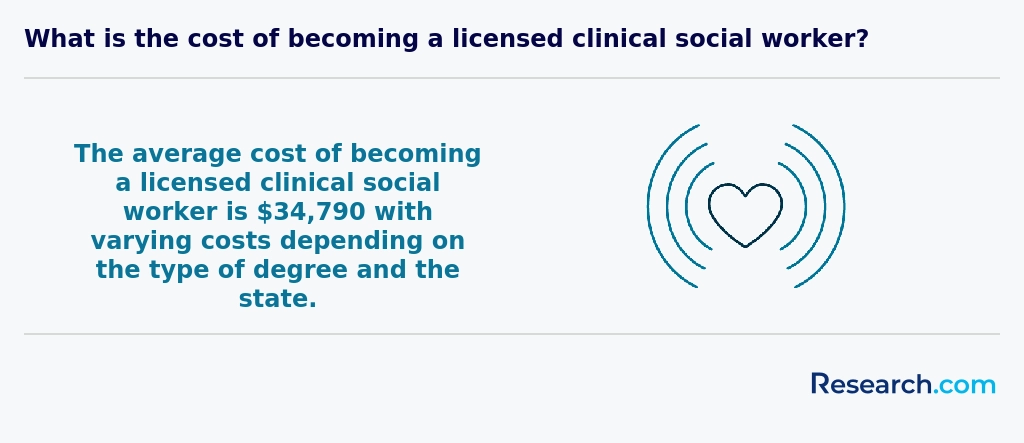
Becoming a licensed social worker in Maryland involves meeting education, experience and exam standards:
- Earn a Master of Social Work (MSW) from a CSWE-accredited program.
- Complete at least 3,000 hours of supervised post-graduate clinical experience.
- Pass the Association of Social Work Boards (ASWB) Clinical Examination.
- Submit your application, official transcripts and exam results to the Maryland Board of Social Work Examiners.
- Renew your license every two years and complete required continuing education credits.
For flexibility in completing accredited coursework and practicum requirements, consider msw online options.
Choosing the best social work degree programs Maryland offers means focusing on fit as much as reputation. Graduates from universities like the University of Maryland, Baltimore often praise the campus's strong community ties and clinical training, which helped them gain confidence working with real clients early on. Others attending University of Maryland, Baltimore County highlight the affordability and flexibility of part-time and online courses, making it easier to balance study with daily responsibilities.
Accreditation is a guiding light-programs accredited by the Council on Social Work Education align with Maryland's licensure requirements and ensure graduates feel prepared and supported through supervised hours. Reflecting on their experiences, many graduates emphasize that hands-on field placements offered by local schools made all the difference, turning theory into meaningful practice.
For those weighing costs, exploring the most affordable bsw online options within Maryland's public institutions can open pathways without overwhelming financial strain. This practical approach coupled with thoughtful research helps students pursue a degree that feels both achievable and empowering.
2027 Best Social Work Degree Programs Ranking in Maryland
Investing in your education is a significant decision that can shape your future, and the Research.com team understands the importance of making informed choices. To support prospective students in Maryland, we have meticulously developed the "2027 Best Social Work Degree Programs Ranking in Maryland." Our commitment to quality, credibility, and accuracy is demonstrated through the thorough research and careful analysis conducted to assemble this ranking.
We utilized the following reputable data sources to ensure a comprehensive evaluation of social work programs:
By exploring this ranking, readers will gain valuable insights into the top social work degree programs available in Maryland, enabling them to make well-informed decisions about their educational journeys. For more details on how this ranking was created, please visit our Research.com methodology page.


# 9 position
University of Maryland, Baltimore
Master of Social Work


Frequently Asked Questions About social work
Social work students in Maryland can maximize their learning by engaging in field placements approved by the Maryland Board of Social Work Examiners. These practical experiences allow students to apply classroom knowledge in real-world settings. According to the Council on Social Work Education, field education typically constitutes 30-40% of social work curricula.
Additionally, Maryland offers numerous community organizations supporting internships, where students gain exposure to diverse populations. Students should pursue involvement in local advocacy groups to understand policy impacts on social welfare.
Utilizing state resources, such as the Maryland Social Work Education Consortium, provides networking and professional development opportunities. Maintaining a balance between theory and applied learning is essential for success in Maryland's social work field.
The social work field is evolving rapidly, with emerging niches offering new opportunities for Maryland students. One notable area is gerontological social work, addressing the needs of Maryland's aging population, which is projected to grow by 23% by 2030, according to the Maryland Department of Aging. This specialization focuses on elder care, mental health, and policy advocacy.
Another growing niche is healthcare social work, especially in hospitals and community health centers across Maryland. Professionals here support patients managing chronic illnesses and mental health challenges.
Environmental social work is also gaining attention, linking social justice with climate change impacts, a rising concern in Maryland's coastal regions.
After earning a social work degree in Maryland, preparing for the job market involves several key steps. First, obtaining licensure is essential; Maryland requires passing the ASWB exam to become a Licensed Certified Social Worker or Licensed Clinical Social Worker. This process ensures graduates meet professional standards and increases employability. Networking is equally important, with organizations like the Maryland Chapter of the National Association of Social Workers offering valuable connections and job listings.
Additionally, gaining supervised experience through internships or fellowships helps build practical skills. According to the U.S. Bureau of Labor Statistics, Maryland's social work field is projected to grow by 9% from 2022 to 2032, indicating steady demand for qualified professionals. Staying informed about local community needs and continuing education further supports career advancement in this field.
Employers in Maryland highly value social work graduates who demonstrate strong interpersonal skills. The ability to communicate effectively with diverse populations is essential, as social workers often serve vulnerable communities.
Critical thinking and problem-solving skills rank among the top attributes sought by hiring agencies. Graduates must assess client needs and devise practical solutions within the framework of state policies.
Knowledge of Maryland's social welfare systems and regulations is important. Familiarity with local resources allows social workers to make informed referrals and support clients efficiently.
According to the Maryland Department of Labor, employers also prioritize cultural competency and ethical judgment to ensure respectful and responsible client interactions.
Finding internships in Maryland for social work degrees involves leveraging multiple resources. Many accredited social work programs in Maryland require internships as part of the curriculum, ensuring practical experience through partnerships with local agencies.
Potential candidates should explore opportunities at Maryland Department of Human Services, community mental health centers, and non-profits such as the Family Recovery Program in Baltimore. According to the Council on Social Work Education (CSWE), hands-on internships significantly improve job readiness post-graduation.
University career services also play a crucial role in connecting students with internships. Additionally, networking at statewide events like the Maryland Social Work Annual Conference can open doors to placements.
Utilizing online portals like the Maryland Workforce Exchange can further aid in locating relevant internships specific to social work fields.
A social work degree in Maryland significantly enhances career mobility and advancement opportunities. Maryland requires a Bachelor of Social Work (BSW) or Master of Social Work (MSW) degree for licensure, which is essential for clinical and specialized roles. According to the Maryland Board of Social Work Examiners, licensure increases job prospects and allows professionals to hold higher-responsibility positions.
Maryland's strong social services sector offers varied paths, including healthcare, schools, and government agencies. An MSW degree can lead to supervisory roles or clinical social worker positions, increasing earning potential. The U.S. Bureau of Labor Statistics notes Maryland's social work employment growth rate exceeds the national average, reflecting expanding opportunities.
Overall, a social work degree is key to unlocking advanced roles and greater career flexibility within Maryland's evolving social service landscape.
Studying for a social work degree in Maryland equips students with skills to work effectively across multiple disciplines. Maryland's programs emphasize collaboration with healthcare, education, and justice systems, reflecting the state's integrated approach to social services. The curriculum often includes training in teamwork, communication, and ethical decision-making, vital for interdisciplinary roles.
According to the Maryland Higher Education Commission, accredited schools incorporate practical fieldwork in diverse settings, helping students gain hands-on experience alongside professionals in nursing, counseling, and criminal justice. This practical exposure fosters adaptability in complex environments.
Maryland's social work graduates are thus prepared to navigate varied professional networks, ensuring comprehensive client support in real-world scenarios.
Choosing between a thesis and a non-thesis social work degree program in Maryland depends largely on your career goals and learning preferences. A thesis program emphasizes independent research and is ideal if you plan to pursue further academic study, such as a PhD, or a research-focused role. Maryland universities accredited by the Council on Social Work Education often report that thesis students develop strong analytical skills.
On the other hand, non-thesis programs typically focus on practical training and coursework, preparing students directly for social work practice. According to the Maryland Higher Education Commission, many social work graduates enter Maryland's human service agencies, which prioritize applied knowledge.
Students based in Maryland who wish to study social work abroad have several avenues to explore. Many universities in Maryland offer study abroad programs or international exchange partnerships with institutions in countries such as the United Kingdom, Australia, and Canada. These options allow students to earn academic credit toward their social work degrees while gaining global perspectives on social welfare systems.
Maryland's leading social work schools, like the University of Maryland, Baltimore, often support semester-long or summer abroad experiences focused on social justice and community development. Additionally, organizations such as the Council on Social Work Education (CSWE) promote international learning opportunities, which are valuable for students intending to work with diverse populations.
These abroad programs can enrich students' understanding of social work practice in a global context, complementing Maryland's strong focus on local social services and policy. For more detailed program options, students should consult their university's study abroad office and social work department.
Part-time job opportunities in Maryland that complement social work degree education often involve roles in community service, healthcare, and support organizations. Positions such as case aides, peer support specialists, and behavioral health technicians provide practical experience relevant to social work careers.
Agencies in Maryland's Department of Human Services and various nonprofit organizations frequently seek part-time employees to assist with client outreach and support services. These roles help students develop skills in client assessment, crisis intervention, and advocacy.
According to the Maryland Workforce Exchange, healthcare and social assistance sectors grew by 10% from 2018 to 2023, highlighting increasing job availability. Additionally, gaining experience in shelters or youth programs offers valuable insight into vulnerable populations, a key component of social work education.
Social work students in Maryland benefit from diverse networking opportunities essential for career growth. Many universities, such as the University of Maryland Baltimore and Salisbury University, host social work clubs and organizations that connect students with peers and professionals. The Maryland Chapter of the National Association of Social Workers (NASW) offers events, workshops, and conferences, providing direct access to licensed social workers and potential employers.
Field placements throughout Maryland's extensive social service agencies further enhance student networking. According to NASW Maryland, these internships are key to building professional relationships in hospitals, schools, and government programs. Such connections often lead to job offers post-graduation.
Alumni networks provide valuable support for social work degree students in Maryland by offering access to professional connections and career opportunities. These networks help students connect with experienced social workers employed across Maryland's healthcare facilities, schools, and government agencies. According to the Maryland Chapter of the National Association of Social Workers, professional relationships developed through alumni groups can increase job placement rates by up to 20%.
Alumni also offer mentorship, helping current students navigate licensing requirements specific to Maryland, such as the Licensed Certified Social Worker-Clinical (LCSW-C) credential.
Regular events and online platforms facilitate knowledge exchange regarding local social welfare policies and employer trends in Maryland.
Customizing a social work degree program in Maryland allows students to align their education with specific career ambitions. Many Maryland universities offer concentrations such as clinical social work, healthcare, or community and policy practice. Selecting relevant electives and field placements is essential for hands-on experience tailored to desired roles. For example, the Maryland Board of Social Work Examiners notes that practical experience in state-licensed agencies strengthens licensure eligibility and job prospects. Additionally, pursuing advanced certificates or dual-degree options can deepen expertise in areas like mental health or substance abuse. Careful planning with academic advisors enables a personalized, goal-oriented curriculum.
Social work students in Maryland often face rigorous academic demands alongside practical fieldwork requirements. Balancing coursework with supervised internships can be challenging, especially since Maryland mandates a minimum of 900 field hours for Bachelor's in Social Work programs, which can strain students' time management.
Financial pressure is another common issue. According to the Maryland Higher Education Commission, social work students frequently rely on financial aid, as program costs and living expenses in urban areas like Baltimore can be substantial. Additionally, students report emotional stress from exposure to difficult social issues, which requires strong coping skills.
Networking and securing quality internships also present challenges, given the competitive nature of placements with local agencies and nonprofits.
With a social work degree in Maryland, you can pursue professional certifications that enhance your career and credibility. The most recognized credential is the Licensed Certified Social Worker (LCSW), which allows you to provide clinical services independently. To qualify, candidates must complete a master's degree in social work (MSW), pass the Association of Social Work Boards (ASWB) clinical exam, and accumulate supervised experience.
Maryland also offers the Licensed Certified Social Worker-Clinical (LCSW-C) and the Certified Social Worker-Associate (CSW-A) for those beginning their careers. According to the Maryland Board of Social Work Examiners, over 7,000 social workers held active licenses as of 2023.
Specialized certifications, such as in school social work or clinical supervision, further demonstrate expertise and may increase job opportunities in Maryland's healthcare, school, and social service sectors.
Writing a winning application for a social work program in Maryland begins with understanding the state's educational standards. Most accredited programs in Maryland require a strong personal statement that clearly explains your motivation for pursuing social work, as well as relevant experiences. According to the Council on Social Work Education, Maryland schools emphasize a commitment to diversity and community engagement in their applicants.
Highlighting volunteer or professional experience in social services can strengthen your application. Maryland's demand for social workers is expected to grow 11% by 2030, according to the U.S. Bureau of Labor Statistics, making practical experience highly valued.
Ensure your academic records meet program prerequisites, especially courses in psychology and sociology. Finally, securing strong letters of recommendation from supervisors or professors familiar with your abilities in social work contexts is essential for a competitive application.
Social work careers in Maryland reflect a growing global emphasis on addressing social justice, health disparities, and community well-being. The US, including Maryland, aligns with international standards set by the International Federation of Social Workers, promoting ethical, culturally sensitive practice worldwide.
Globally, social workers engage in diverse roles, from mental health to disaster relief, demonstrating the profession's adaptability. In Maryland, licensed social workers contribute significantly to healthcare, schools, and social services, with the U.S. Bureau of Labor Statistics projecting a 12% employment growth in social work nationally from 2022 to 2032.
This growth highlights increasing demand for professionals skilled in navigating complex social issues locally and globally. Maryland's social work education prepares graduates to meet these challenges through accredited programs emphasizing evidence-based and human rights approaches.
Gaining practical experience during a social work degree in Maryland is essential for career readiness. Most accredited programs incorporate field internships or practicum placements as part of their curriculum. These opportunities allow students to work directly with clients under supervision in hospitals, schools, or government agencies.
Maryland's Department of Human Services often partners with universities to provide placements in social service settings. Additionally, organizations like Maryland NASW support students in finding relevant internships. According to the Council on Social Work Education, around 900 hours of fieldwork are typically required for a bachelor's or master's degree, ensuring hands-on learning.
Students may also participate in volunteer work or research projects connected to local communities.
Choosing the right concentration within a social work degree program in Maryland involves considering your career goals, interests, and the state's workforce needs. Maryland offers several concentrations such as clinical social work, school social work, and community organization, each preparing students for different roles.
Look at Maryland-specific employment data: the Maryland Department of Labor projects a 12% growth in licensed social workers between 2020 and 2030, especially in healthcare and mental health sectors. Clinical social work is in high demand, with licenses administered by the Maryland Board of Social Work Examiners.
Additionally, consider accreditation. Programs accredited by the Council on Social Work Education (CSWE) ensure quality education recognized by employers throughout the state.
Finally, assess clinical practicum opportunities in Maryland, which vary by concentration and impact your hands-on experience and local networking.
- 2027 Best Social Work Degree Programs Ranking in New York
- 2027 Best Social Work Degree Programs Ranking in Kentucky
- 2027 Best Social Work Degree Programs Ranking in Connecticut
- 2027 Best Social Work Degree Programs Ranking in South Carolina
- 2027 Best Social Work Degree Programs Ranking in Massachusetts
- 2027 Best Social Work Degree Programs Ranking in Indiana
- 2027 Best Social Work Degree Programs Ranking in Georgia
- 2027 Best Social Work Degree Programs Ranking in Maine
- 2027 Best Social Work Degree Programs Ranking in Florida
- 2027 Best Social Work Degree Programs Ranking in Illinois
See What Experts Have To Say About Studying Social Work
Read our interview with Social Work experts

- Web Exclusive https://www.socialworktoday.com/archive/exc_081823.shtml
- Social Work Networking Nights - National Association of Social Workers https://www.naswma.org/page/218
- The Importance of Professional Networking in Social Work https://www.onlinemswprograms.com/resources/social-work-networking/
- Social Work News https://www.mysocialworknews.com/article/how-to-find-your-social-work-niche
- Preparing For A Career In Social Work: Tips For New Graduates https://www.tripodpartners.com/career-advice/social-work/preparing-for-a-career-in-social-work-tips-for-new-graduates/
- Global Definition of Social Work https://www.ifsw.org/what-is-social-work/global-definition-of-social-work/
- My social work journey: from experience to practice https://socialworkwithadults.blog.gov.uk/2023/09/26/my-social-work-journey-from-experience-to-practice/
- The Time is Right to Advance Your Career as a Social Worker https://onlinedegrees.keuka.edu/blog/advance-your-career-social-worker
- The Best International Social Work Internships for Undergrads and Grads https://www.internhq.com/fields/social-work/
- Become a Social Worker in Maryland https://socialworklicensemap.com/social-work-licensure/become-a-social-worker-in-maryland/