
2027 Best Social Work Degree Programs Ranking in Massachusetts

Co-Founder and Chief Data Scientist
If you're considering a career in social work, finding the right degree program in Massachusetts is an important step. This article presents the 2027 Best Social Work Degree Programs Ranking in Massachusetts, developed by the Research.com team of data scientists. It offers reliable, data-driven insights to help you choose the best program for your goals.
Social work is a rewarding field that makes a difference in people's lives every day. By exploring this ranking, you'll gain clarity and confidence about your educational options and future opportunities.
Key benefits of getting social work degree in Massachusetts
- Graduates with a social work degree in Massachusetts can expect competitive salaries, such as $68,800 annually for social workers and up to $83,400 for community organizers and youth workers, reflecting rewarding financial stability in meaningful roles.
- Career paths for social work graduates are diverse, ranging from child welfare specialists to residential counselors, offering opportunities to impact communities and grow professionally within the state's supportive environment.
- Online social work degrees provide flexible learning options, allowing graduates to balance studies with personal commitments while gaining the same valuable skills, making it easier to enter the workforce confidently and timely.
- 2027 Best Social Work Degree Programs Ranking in Massachusetts
- What can I expect from social work degree in Massachusetts?
- Where can I work with social work degree in Massachusetts?
What can I expect from social work degree in Massachusetts?
The average cost of pursuing a social work degree in Massachusetts varies, but public universities typically offer more affordable tuition rates for in-state residents. For example, graduates from schools like the University of Massachusetts have found the average in-state tuition to be around $16,000 per year for a four-year program. This cost can be significantly higher at private institutions, yet many students successfully offset expenses through scholarships and financial aid tailored specifically for social work programs.
Many social work graduates recall balancing internships with part-time jobs to manage costs, while gaining valuable real-world experience through field education at hospitals or community centers around the Boston area. These practical opportunities not only enhance skill sets but also boost confidence and readiness for the workforce.
Financial planning is essential-students are advised to research grant options early, speak with financial aid offices at colleges like Boston University or Simmons University, and consider in-state public schools to reduce expenses without sacrificing program quality.
Where can I work with social work degree in Massachusetts?
Graduates with a social work degree in Massachusetts find rewarding career paths in healthcare settings like Massachusetts General Hospital and Boston Children's Hospital, where they connect patients with vital resources. Many alumni from schools such as Boston University and Simmons University thrive in medical social work, specializing in psychiatry or geriatrics, gaining hands-on experience that fuels their passion for helping others.
Others build careers in public welfare through roles in the Massachusetts Department of Children and Families or local agencies, focusing on child protection and family support. These positions offer graduates the satisfaction of making tangible impacts on communities, often recalling how their university internships shaped their approach to real-world challenges.
School social work is another common path, with graduates employed by public schools to address student needs and behavioral issues, supported by state licensure requirements. Non-profit sectors provide rewarding work in homelessness and substance abuse programs, where graduates feel fulfilled advocating for vulnerable populations.
The growing field of elder care offers roles in nursing homes and assisted living facilities, aligning with the state's aging population. Practical training at local colleges equips graduates to step confidently into these diverse roles, ready to support individuals and families throughout Massachusetts.
- Social work degrees in Massachusetts include BSW and MSW programs available at public and private universities.
- In-state tuition at public schools ranges from $15,000 to $25,000 per year, while private schools may charge $35,000 or more annually.
- Entry-level social workers earn about $50,000 to $55,000 per year, with experienced workers making $70,000 or more in specialized fields.
- Becoming a Licensed Independent Clinical Social Worker requires completing an MSW, supervised clinical hours, and passing the ASWB clinical exam.
- The social work job market in Massachusetts is expected to grow about 10% over the next decade, driven by healthcare and community needs.
The cost of pursuing a Social Work degree in Massachusetts can be substantial, with tuition rates varying significantly across institutions. For instance, considering the most affordable social work programs in Massachusetts can be a strategic step for prospective students aiming to minimize their financial burden. Many students opt for financial aid, scholarships, or part-time jobs to manage their expenses, highlighting the need for a comprehensive approach to financial planning. By exploring these options and understanding the potential return on investment, such as competitive salaries for social workers, students can make informed decisions about their educational pathway, ultimately aligning their financial realities with their career aspirations in social work.
Choosing a CSWE-accredited program ensures your degree meets state standards and qualifies you for licensure in Massachusetts. Many accredited online msw programs meet these criteria.
- CSWE Accreditation: Curriculum aligns with national quality benchmarks.
- Massachusetts Licensure Path:
- LSW (Licensed Social Worker): BSW + 900 supervised hours + pass ASWB bachelor’s exam.
- LCSW (Licensed Clinical Social Worker): MSW + 3,000 supervised hours + pass ASWB clinical exam.
- Continuing Education: License renewal every two years requires 20 CEUs, including ethics training.
The average cost of a social work degree in Massachusetts varies depending on your choice of school and residency status. Graduates from public universities such as the University of Massachusetts systems often report total expenses around $45,000 for in-state students, reflecting a balance between quality education and affordability. This figure includes tuition, fees, and additional costs like books and transportation for field placements, which are essential parts of a social work education. Many students find these expenses manageable thanks to financial aid, scholarships, and work-study opportunities available at these institutions.
Private universities, including well-known schools like Boston University, typically come with a higher price tag, sometimes reaching over $60,000 in total expenses. Still, graduates emphasize that the investment in specialized social work programs and strong professional networks can enhance career opportunities significantly. It's important to budget carefully, considering all elements of your education to understand the full extent of costs.
For those exploring options, reviewing the most affordable social work programs in Massachusetts is a practical step to align your financial plan with your educational goals. Graduates suggest starting by contacting financial aid offices and exploring local scholarships to reduce out-of-pocket expenses.
When estimating total expenses for social work programs in Massachusetts, factor in tuition, mandatory fees, and additional costs like textbooks and fieldwork-related expenses. Knowing the average cost early helps you create a clear, realistic plan for your social work degree journey.
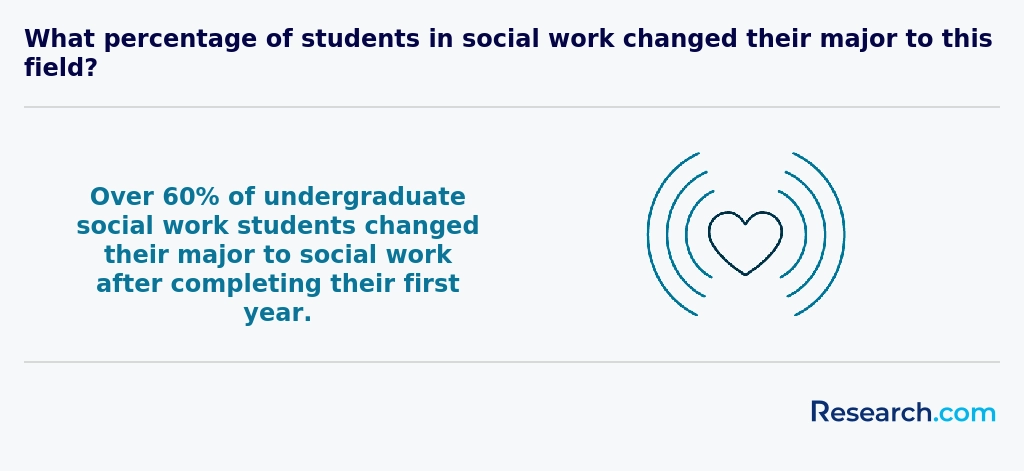
Social work programs in Massachusetts aren’t just about academics-they offer a holistic environment that enriches students’ personal and professional development. Many institutions foster vibrant campus cultures with extensive support services, including mental health resources, student clubs, and dedicated career centers that prepare you for the challenges of the field. Students find that the availability of personalized mentoring and active alumni networks not only enhances academic success but also opens doors to valuable community and networking opportunities. Insights from current students point to the importance of balancing rigorous coursework with opportunities for social engagement, which builds resilience and practical skills essential for a career in social work. Additionally, prospective students often consider cost-related factors, and institutions frequently provide detailed guidance on tuition breakdowns and financial planning; for instance, you can find further details about bachelors online degree in social work cost to help you manage your investment in education. Emphasizing student wellness and professional networking, these programs are crafted to cultivate a supportive, inclusive community that empowers graduates to become effective agents of change.
Maintaining licensure as a Licensed Clinical Social Worker (LCSW) in Massachusetts requires a proactive approach to continuing education and professional development. After earning your MSW and passing the ASWB exam, you must complete 30 continuing education units (CEUs) every two years, including at least:
- 3 hours in ethics or boundary issues
- 3 hours in supervision (if you supervise)
- 1 hour in cultural competence or diversity Approved CEU providers include the Massachusetts Chapter of NASW, local universities, and approved online platforms. To maximize learning and networking:
- Attend annual conferences, such as the NASW-MA Annual Conference, which offers workshops on trauma-informed care and tele-social work.
- Enroll in specialty webinars covering topics like substance abuse counseling, child welfare updates, and digital record-keeping.
- Join regional peer-review groups or supervision circles to discuss complex cases and ethical dilemmas. Many professionals balance CEU compliance with work by leveraging hybrid formats-combining online modules with in-person intensives. Document all certificates in your ASWB CEU tracker and retain proof for audits. Be mindful of renewal deadlines: licenses expire every two years on your birthdate. For those still in the early stages of their social work journey, consider exploring low cost bsw programs online to minimize debt before transitioning into graduate-level CEU requirements. Properly planned continuing education not only ensures compliance but also enhances clinical skills, broadens career opportunities, and solidifies your commitment to ethical, evidence-based practice.
To enroll in a social work degree in Massachusetts, students must meet clear prerequisites tailored to ensure readiness for the program's challenges. For a Bachelor of Social Work (BSW), having a high school diploma with a GPA around 2.5 to 3.0 is common. Many Massachusetts schools, such as the University of Massachusetts, expect completion of foundational courses like English and psychology before advancing into social work majors. Graduates often recall how this preparation made their transition smoother and boosted their confidence early on.
For Master of Social Work (MSW) programs, applicants need a bachelor's degree, preferably from a related field like sociology or human services, with a typical GPA of 3.0 or higher. Schools like Boston University require submission of recommendation letters and a personal essay explaining one's passion and career goals, which applicants find rewarding to reflect on. Practical experience matters too; volunteering in social services gives candidates a real-world edge and a sense of purpose before starting.
Some programs still ask for GRE scores, but many have waived this, easing the path for working professionals balancing life with study. Emphasizing hands-on fieldwork, these universities prepare students to meet state licensing requirements confidently, turning academic effort into meaningful community impact.

Graduates of accredited social work programs in Massachusetts consistently demonstrate strong employment outcomes, with an average job placement rate of over 90% within six months of graduation. Licensure success is equally impressive: first-time pass rates for the Massachusetts social work licensing exam hover around 85% for Master of Social Work (MSW) graduates, reflecting the rigorous preparation provided by top-ranked programs. Employment sectors for recent alumni are diverse and robust. Healthcare social workers account for approximately 30% of placements, school social workers represent 20%, while 15% secure roles in nonprofit advocacy organizations. Government agencies and community mental health centers each employ roughly 10% of graduates, highlighting the breadth of career pathways available. Median starting salaries align with statewide data, averaging $60,000 for BSW holders and $70,000 for MSW holders, with higher earnings in specialized clinical and policy-oriented positions. For students prioritizing both affordability and strong post-graduate support, the Low Cost Social Work Degree Programs Ranking in Massachusetts identifies institutions that deliver exceptional career services, internship coordination, and alumni networking-all essential factors for sustained professional success.
Choosing the best social work degree in Massachusetts starts with verifying CSWE accreditation to ensure quality education recognized by state licensing boards. Graduates from well-known Massachusetts universities consistently recommend focusing on specializations that match your career goals, such as clinical social work or policy advocacy, to enhance job prospects.
Consider the learning format carefully. Many social work students balance jobs or family commitments, so programs offering in-person, online, or hybrid formats provide valuable flexibility. For example, some graduates from Boston-area colleges appreciated on-campus access to local agencies for internships combined with online coursework, which made completing their degrees manageable and engaging.
Cost matters too. Public institutions in Massachusetts typically charge between $15,000 and $25,000 annually for social work degrees, while private schools may exceed $40,000. Students aiming for affordable options often explore financial aid or low cost bsw programs online, which can significantly reduce expenses without sacrificing quality. This practical approach helps keep education affordable while staying on track.
Finally, seek programs with strong licensing exam pass rates and alumni success stories within Massachusetts's social service and healthcare sectors. This ensures you're prepared for licensure and fulfilling work, reinforcing confidence and satisfaction in your social work career path.
2027 Best Social Work Degree Programs Ranking in Massachusetts
Investing in your education is a significant decision that can shape your future, and the Research.com team understands the importance of making informed choices. To assist prospective students, we have meticulously crafted the "2027 Best Social Work Degree Programs Ranking in Massachusetts." Our commitment to quality, credibility, and accuracy is reflected in the extensive research and analysis conducted to compile this ranking.
We utilized the following reputable data sources to ensure a comprehensive evaluation of social work programs:
By exploring this ranking, readers will gain valuable insights into the top social work degree programs in Massachusetts, empowering them to make informed decisions about their educational journeys. For more details on our methodology, please visit our Research.com methodology page.


Frequently Asked Questions About social work
Social work degree students in Massachusetts can enhance their learning by engaging in field placements approved by the Council on Social Work Education (CSWE). These internships provide real-world experience and are often required for licensure. Massachusetts has a robust network of social service agencies that offer opportunities in diverse settings, such as healthcare, child welfare, and mental health.
Joining professional organizations, like the Massachusetts Chapter of the National Association of Social Workers, helps students stay informed on state policies and network with practitioners.
Additionally, taking advantage of workshops, seminars, and continuing education offered by universities and local agencies strengthens practical skills.
Emerging niches within the social work field in Massachusetts reflect growing societal needs and policy changes. One key area is geriatric social work, driven by the state's aging population. The Massachusetts Executive Office of Elder Affairs reports a 20% increase in residents aged 65 and older since 2010, creating demand for professionals trained in elder care and advocacy.
Another expanding niche is behavioral health, particularly substance abuse and mental health services. Massachusetts has invested heavily in addressing the opioid crisis, supporting social workers specializing in addiction counseling and recovery programs. Additionally, digital social work, which uses technology to reach underserved populations, is gaining traction amid telehealth growth.
Graduates with a social work degree in Massachusetts should begin preparing for the job market by obtaining licensure through the Massachusetts Board of Registration of Social Workers. The Licensed Social Worker (LSW) credential is essential to practice and is required for most entry-level positions.
Networking plays a key role. Connecting with local agencies, attending state social work events, and joining professional organizations such as the Massachusetts chapter of the National Association of Social Workers (NASW) can improve job prospects.
Massachusetts reports a steady demand for social workers, with a 12% growth rate projected through 2030 (U.S. Bureau of Labor Statistics). Internships and field experience gained during schooling significantly increase employability.
Finally, maintaining current knowledge of state policies and continuing education will help graduates remain competitive in this evolving field.
Employers in Massachusetts seeking social work degree graduates prioritize strong communication and interpersonal skills. These abilities are essential for effectively working with diverse populations and collaborating with multidisciplinary teams. According to the Massachusetts Department of Higher Education, graduates who demonstrate cultural competence and empathy stand out in community-focused roles.
Critical thinking and problem-solving skills are also highly valued. Social workers in Massachusetts often face complex cases requiring sound judgment and adaptability, especially in urban areas like Boston with diverse social challenges. Additionally, familiarity with state regulations and ethical standards is important, given Massachusetts' specific licensing requirements regulated by the Board of Registration of Social Workers.
Technical skills, such as proficiency with case management software, increasingly enhance employability. Finally, employers look for graduates who show commitment to continued education, reflecting the evolving needs of the social work profession in Massachusetts.
Finding internships in Massachusetts for social work students involves several practical steps. Many accredited universities require fieldwork as part of their curriculum, providing direct links to local agencies. Students should contact their program's internship coordinator early to access partnerships with hospitals, nonprofit organizations, and government programs across the state. The Massachusetts Department of Higher Education and the National Association of Social Workers-Massachusetts Chapter often list openings and resources for field placements.
Social work internships in Massachusetts commonly focus on areas such as mental health, child welfare, and community services, reflecting state priorities. According to recent data from the Bureau of Labor Statistics, Massachusetts employs over 9,000 social workers with steady growth expected through 2030, making internships a crucial step for career entry. Networking with professionals and attending local social work conferences can also enhance internship opportunities.
Obtaining a social work degree in Massachusetts significantly enhances career mobility and advancement opportunities. The state requires a Bachelor of Social Work (BSW) or Master of Social Work (MSW) degree for licensure, which is essential for professional practice and eligibility for many roles. According to the Massachusetts Department of Higher Education, approximately 85% of social workers in Massachusetts hold an MSW, reflecting its importance in advancing within the field.
Licensed social workers with advanced degrees often qualify for higher salaries and leadership positions in healthcare, education, and government agencies. Data from the Bureau of Labor Statistics shows that Massachusetts social workers earn a median annual wage above the national average, supporting career growth.
In addition, holding a social work degree enables professionals to meet the qualifications for supervisory roles and specialized certifications, facilitating upward mobility within the profession.
Studying for a social work degree in Massachusetts equips students with skills essential for interdisciplinary roles across healthcare, education, and public policy sectors. Massachusetts social work programs typically include courses emphasizing collaboration with professionals such as nurses, educators, and legal experts.
Students learn to address complex social issues through teamwork, communication, and ethical decision-making. The Massachusetts Board of Social Work reports a growing demand for social workers adept in interdisciplinary settings, especially in integrated care environments.
Field placements in diverse agencies provide practical experience working alongside other professionals, fostering real-world skills. This multifaceted approach helps graduates contribute effectively within teams to improve community outcomes.
When choosing between a thesis and a non-thesis social work degree program in Massachusetts, consider your career goals and learning style. Thesis programs typically require an original research project, which suits students interested in academic research or doctoral studies. Non-thesis paths focus more on practical skills and fieldwork, aligning with immediate professional practice.
Massachusetts hosts some of the nation's top social work schools, like Boston University and UMass Boston, offering both options. According to the Council on Social Work Education (CSWE), about 40% of MSW students in the state opt for thesis tracks, reflecting a strong research emphasis.
Financially, thesis programs might extend study time due to research demands. In contrast, non-thesis routes may accelerate entry into the workforce. State licensure requirements remain consistent regardless of path chosen.
Students in Massachusetts seeking to study social work abroad have several options through established exchange programs and partnerships. Many Massachusetts institutions with accredited social work programs, such as Boston University and UMass Boston, offer semester-long study abroad opportunities in countries like the United Kingdom and Australia, where social work education follows standards comparable to the US.
Additionally, the Council on Social Work Education (CSWE) recognizes certain international programs, allowing credits earned abroad to count toward US social work degrees. This ensures students maintain progress toward licensure requirements while gaining valuable global perspectives.
Financial aid and scholarships are often available for these exchanges, helping to mitigate costs. According to NASW Massachusetts Chapter data, international experience is increasingly valued in the local job market, enhancing employability in diverse social work settings.
In Massachusetts, part-time job opportunities can significantly enhance social work degree education by providing practical experience alongside academic study. Common roles include case management assistant, behavioral health technician, and community outreach worker. These positions allow students to develop skills in client interaction, case documentation, and coordination of services.
Massachusetts has a strong network of social service agencies, including nonprofits and healthcare providers, offering part-time roles suitable for social work students. The state's Department of Elementary and Secondary Education also offers positions supporting youth development, which can align well with social work studies.
According to the Bureau of Labor Statistics, Massachusetts expects a 12% growth in social work jobs through 2030, highlighting increasing opportunities for practical engagement.
Social work students in Massachusetts benefit from strong networking opportunities through numerous professional organizations and academic partnerships. The Massachusetts Chapter of the National Association of Social Workers (NASW-MA) offers regular events, workshops, and conferences, connecting students with experienced practitioners statewide. Through these events, students can access mentorship, internships, and job-placement resources tailored to the Massachusetts social work market.
Many universities collaborate with local agencies for field placements, facilitating direct engagement with the professional community. According to NASW-MA, nearly 80% of social work students secure internships within Massachusetts, promoting long-term professional relationships. Additionally, colleges often host career fairs and alumni networking panels to further support student connections.
Alumni networks play a crucial role in supporting social work degree students in Massachusetts. These networks connect current students with graduates who have firsthand experience in the local social service sector. Access to alumni can provide mentorship opportunities, helping students navigate internships and job placements effectively.
Given Massachusetts' strong demand for social workers-projected to grow by 12% through 2030 according to the U.S. Bureau of Labor Statistics-alumni connections often open doors to employment in hospitals, schools, and community organizations. Some universities report that up to 60% of social work graduates secure jobs through alumni referrals or networking events.
Furthermore, alumni networks facilitate professional development by sharing insights on licensure trends and continuing education specific to Massachusetts, enhancing students' preparedness for the state's social work licensure board requirements.
In Massachusetts, customizing a social work degree program to align with your career goals is achievable through elective courses, field placements, and specializations. Many universities offer Bachelor's and Master's programs allowing students to choose focus areas such as clinical social work, community organization, or policy advocacy. The Council on Social Work Education (CSWE) accredits programs that emphasize practical experience, giving students the option to select internships in settings like healthcare, schools, or correctional facilities.
According to the Massachusetts Department of Labor, demand for social workers is growing annually by 4%, especially in child welfare and mental health services. Tailoring your degree by selecting relevant practicum sites and coursework can prepare you to meet these local needs effectively.
Social work students in Massachusetts often face demanding academic workloads combined with extensive fieldwork requirements. The Massachusetts Board of Registration of Social Workers mandates a minimum of 900 hours of supervised practicum for licensure, which can challenge students balancing work, studies, and personal commitments. Financial strain is another common issue; although Massachusetts offers several scholarships, the cost of education and living expenses remain high, with tuition averaging over $15,000 annually at public institutions, according to the College Board.
Students also encounter emotional stress due to exposure to difficult social issues during internships. Support resources vary by school, affecting student well-being. Furthermore, competition for quality practicum placements can delay hands-on training crucial for licensure. Understanding these challenges is vital for prospective students planning their educational journey in Massachusetts.
With a social work degree in Massachusetts, you can pursue professional certifications to enhance your career prospects. The most common certification is the Licensed Social Worker (LSW), which allows graduates to practice under supervision. After gaining experience, you may apply for the Licensed Certified Social Worker (LCSW), enabling independent practice and clinical work.
Massachusetts requires social workers to meet specific education and exam criteria, including passing the Association of Social Work Boards (ASWB) exam. According to the Massachusetts Board of Registration of Social Workers, these certifications are crucial for roles in healthcare, schools, and community agencies.
Other certifications related to specialized fields include Certified Advanced Social Work Case Manager (C-ASWCM) and certifications in substance abuse counseling.
Applying to a social work program in Massachusetts requires clear focus on academic performance and practical experience. Most accredited programs expect a bachelor's degree, preferably with coursework in psychology, sociology, or related fields.
Strong recommendation letters from professors or supervisors who can attest to your commitment to social work are essential. Additionally, a well-crafted personal statement should explain your motivation and understanding of the profession's challenges in Massachusetts.
Highlight relevant volunteer or paid work, especially in settings common in the state such as community health centers or child welfare agencies. According to the Massachusetts Department of Elementary and Secondary Education, programs value candidates familiar with local social issues.
Meeting application deadlines and ensuring all transcripts and test scores are submitted timely improve your chances significantly.
Social work as a career is increasingly recognized worldwide for its critical role in addressing social inequalities and promoting wellbeing. Globally, social workers tackle diverse challenges such as poverty, mental health, and human rights, emphasizing cultural competence and community engagement. In the United States, including Massachusetts, social work education aligns with international standards set by organizations like the International Federation of Social Workers.
Massachusetts hosts some of the top-ranked social work programs that incorporate global perspectives into their curricula, preparing graduates to work in a variety of settings. According to the Massachusetts Department of Higher Education, employment for social workers in the state is projected to grow 9% from 2020 to 2030, reflecting the rising demand for professionals with a broader understanding of global social issues.
Overall, a social work degree in Massachusetts provides not only local expertise but also valuable skills adaptable to diverse international contexts, equipping students to contribute meaningfully to global social welfare.
Gaining practical experience while studying for a social work degree in Massachusetts is essential for career readiness. Most accredited programs require students to complete field placements or internships, typically totaling 900 to 1,200 hours. These supervised experiences occur in settings such as hospitals, schools, community agencies, and social service organizations.
Massachusetts offers numerous opportunities through partnerships between universities and local agencies. For example, organizations like the Massachusetts Department of Children and Families often collaborate with schools to provide hands-on learning.
Additionally, students can benefit from networking events and volunteer roles to enhance real-world skills. The Council on Social Work Education (CSWE) provides guidelines ensuring practical training meets professional standards.
Choosing the right concentration in a social work degree program in Massachusetts depends on your career goals and interests. Common concentrations include clinical social work, child and family services, and community development. Massachusetts has a growing need for clinical social workers, especially given the state's emphasis on mental health services, according to the Massachusetts Department of Public Health.
Research programs accredited by the Council on Social Work Education (CSWE) to ensure quality training. Consider local job market trends; for instance, the Massachusetts Executive Office of Labor and Workforce Development projects a 12% increase in social work employment through 2030.
Engage with faculty and current students to understand each concentration's real-world application and internship opportunities.
- 2027 Best Social Work Degree Programs Ranking in Connecticut
- 2027 Best Social Work Degree Programs Ranking in New York
- 2027 Best Social Work Degree Programs Ranking in Maine
- 2027 Best Social Work Degree Programs Ranking in Maryland
- 2027 Best Social Work Degree Programs Ranking in Kentucky
- 2027 Best Social Work Degree Programs Ranking in South Carolina
- 2027 Best Social Work Degree Programs Ranking in Indiana
- 2027 Best Social Work Degree Programs Ranking in Georgia
- 2027 Best Social Work Degree Programs Ranking in Illinois
- 2027 Best Social Work Degree Programs Ranking in Florida
See What Experts Have To Say About Studying Social Work
Read our interview with Social Work experts

- Social Work - Bunker Hill Community College https://www.bhcc.edu/socialwork/
- Social Work https://www.wits.ac.za/course-finder/undergraduate/humanities/social-work/
- What Careers can you pursue with a Social Work degree? https://www.pointloma.edu/resources/counseling-psychology/what-careers-can-you-pursue-social-work-degree
- Is an Online Master’s in Social Work (MSW) Degree Worth it? https://socialworklicensemap.com/social-work-degrees/online-msw-programs/is-an-online-masters-in-social-work-msw-degree-worth-it/
- Social Work License Requirements & Programs In Massachusetts https://www.psychology.org/social-work/licensure/massachusetts/
- What is a Social Worker? - Career Insights | Teal https://www.tealhq.com/career-paths/social-worker
- Master in Social Work https://www.umassglobal.edu/academic-programs/master-social-work
- The Time is Right to Advance Your Career as a Social Worker https://onlinedegrees.keuka.edu/blog/advance-your-career-social-worker
- How to Become a School Social Worker https://www.onlinemswprograms.com/careers/how-to-become-a-school-social-worker/
- Interdisciplinary Collaboration in Social Work and the ASWB Exam https://agentsofchangeprep.com/blog/interdisciplinary-collaboration-in-social-work-and-the-aswb-exam/


