
2027 Best Social Work Degree Programs Ranking in South Carolina

Co-Founder and Chief Data Scientist
Choosing the right social work degree program in South Carolina can shape your future in meaningful ways. This article introduces the 2027 Best Social Work Degree Programs Ranking in South Carolina, carefully developed by the Research.com team of data scientists.
It's designed to help you make an informed decision about which programs truly stand out. By exploring this ranking, you'll discover valuable insights that highlight quality education options near you.
Pursuing a social work degree opens doors to rewarding careers focused on helping others. This guide aims to support your journey with reliable, research-based information.
Key benefits of getting social work degree in South Carolina
- Graduates with a social work degree in South Carolina can earn competitive salaries; for example, social workers make a mean annual wage of $68,800, while community organizers and youth workers can earn up to $83,400 per year.
- Career options are diverse, including roles like child welfare specialist or residential counselor, offering opportunities to make a real impact in communities across the state.
- Online social work degrees offer flexibility and convenience, allowing students from South Carolina to balance studies, work, and family life while gaining the skills needed to succeed.
- 2027 Best Social Work Degree Programs Ranking in South Carolina
- What can I expect from social work degree in South Carolina?
- Where can I work with social work degree in South Carolina?
What can I expect from social work degree in South Carolina?
The average cost of a social work degree in South Carolina varies depending on the institution and level of study. For a Bachelor of Social Work (BSW), public universities like the University of South Carolina typically charge between $10,000 and $15,000 per year for in-state students. Graduates from these programs often share how manageable tuition combined with financial aid helped them focus on gaining practical experience during fieldwork in local hospitals or community centers.
Private colleges may have higher tuition rates, sometimes exceeding $20,000 annually, but they often offer scholarships and flexible payment plans catering to students balancing work and study. Master of Social Work (MSW) programs usually cost more, averaging around $15,000 to $25,000 per year for in-state students at prominent South Carolina schools, reflecting the advanced clinical training included.
Many students appreciate that investing in these programs brings them closer to becoming licensed social workers, like LBSW or LMSW, which later opens doors to rewarding careers and higher earnings. Budgeting for tuition alongside living expenses and transportation for field practicums is essential, especially when attending universities well-known for their strong community connections, such as the College of Social Work at the University of South Carolina.
Where can I work with social work degree in South Carolina?
Graduates from social work programs at institutions like the University of South Carolina and Clemson often find rewarding careers in healthcare settings such as hospitals and community health centers. Here, they provide hands-on support to patients managing chronic illness or trauma, directly impacting lives in a deeply personal way. Working in these roles is both challenging and fulfilling, especially given South Carolina's aging population and rural healthcare needs.
Many graduates also pursue opportunities with government agencies, including child welfare and family support roles at the Department of Social Services. Handling cases involving foster care or adoption allows them to protect vulnerable children and create stable family environments, a path that past graduates describe as emotionally meaningful and impactful.
Nonprofits focused on homelessness, mental health, and substance abuse offer alternative paths. Graduates mention finding a strong sense of purpose when connecting clients with vital community resources through these organizations. Similarly, school social work positions are increasingly in demand, providing counseling and crisis intervention to students facing emotional or behavioral challenges.
Criminal justice settings, such as probation offices or juvenile programs, also employ social work graduates to guide individuals through rehabilitation and reintegration. Each pathway combines practical skills learned during studies with real-world opportunities to make a difference across South Carolina.
- South Carolina offers social work degrees at associate, bachelor's (BSW), and master's (MSW) levels, with many accredited programs meeting CSWE standards.
- In-state tuition averages $10,000 to $12,000 per year at public universities, while private schools charge between $25,000 and $35,000 annually.
- The average starting salary for social workers in the state is around $40,000, with experienced clinical social workers earning $55,000 to $65,000 per year.
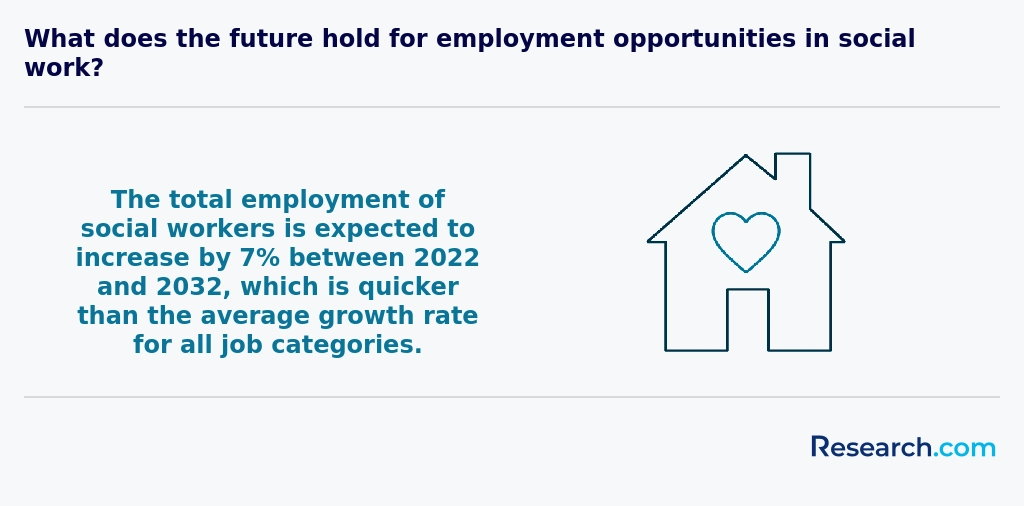
- Social work jobs in South Carolina are projected to grow 8% to 10% through 2030, driven by healthcare and social service demand.
- Licensure requires passing the ASWB exam and completing supervised clinical hours; non-clinical work is possible with a bachelor's or master's degree but has role restrictions.
Graduation and licensure rates are critical indicators of a program’s effectiveness. In South Carolina, leading social work programs report average four-year graduation rates of 75% to 85%, reflecting strong student support systems. Moreover, first-time pass rates on the Association of Social Work Boards (ASWB) Bachelor’s exam exceed 90% at institutions like the University of South Carolina and Clemson University, underscoring rigorous preparation. Employment placement within six months of graduation stands at over 88%, with alumni finding roles in healthcare systems, school districts, child welfare agencies, and nonprofit organizations. Many graduates attribute their swift job offers to robust career services, including resume workshops, interview coaching, and on-campus recruitment fairs. For students seeking cost-effective pathways, our detailed overview of the cheapest bachelor of social work degree program can guide decision-making without sacrificing quality or outcomes. Alumni surveys reveal high satisfaction scores-over 92% would recommend their alma mater-highlighting the impact of mentorship, field practicum support, and peer networks. Ongoing professional development opportunities, such as alumni webinars and regional chapters of the National Association of Social Workers (NASW), further enhance career longevity and advancement. These metrics not only reflect program quality but also reassure prospective students that investing in a South Carolina social work degree yields measurable, long-term success.
Earning a social work license in South Carolina involves a clear, step-by-step process:
- Graduate from a CSWE-accredited BSW or MSW program. If you hold a BSW, consider accelerated options like 1 year msw programs online no bsw to fast-track your MSW.
- Register for and pass the appropriate ASWB exam (LMSW for bachelor’s-level practice; LCSW for clinical master’s-level practice).
- Apply to the South Carolina Board of Social Work Examiners: submit official transcripts, exam scores, and a background check.
- Complete supervised practice hours: 1,000 hours under an LMSW; 3,000 hours over at least 24 months under an LCSW supervisor.
- Maintain and renew your license every two years by completing 30 hours of approved continuing education.
The average cost of a social work degree in South Carolina is about $14,678 for in-state students, which reflects tuition and fees at public universities known for their social work programs, such as the University of South Carolina and Clemson University. Graduates often mention that while tuition is a significant portion, additional expenses like textbooks, internship fees, and living costs contribute to the total investment. For example, students engaged in required field practicum at these schools find the hands-on experience invaluable despite the added costs.
Out-of-state students can expect the cost to nearly triple, with averages around $40,558, reflecting higher tuition and fees at public universities. Private colleges, like Columbia College, typically charge between $25,000 and $35,000 annually, making the overall degree cost comparable to or slightly lower than out-of-state public rates but still a considerable investment. Many graduates express relief when leveraging scholarships or financial aid offered by these institutions to manage expenses.
Those focused on budgeting should explore South Carolina's state grants and scholarships designed to reduce the South Carolina social work degree tuition fees. Prospective students also report that employers in the social work field frequently offer tuition reimbursement programs, easing costs after enrollment. For students reviewing options, consulting lists of affordable social work programs in South Carolina provides a practical step toward finding the right balance of quality and affordability.
To pursue a career in social work without accumulating significant debt, it's essential to consider the affordability of social work programs. Prospective students can explore various options, including public universities and private institutions that offer competitive pricing. For detailed information on affordable programs, visit affordable social work programs in South Carolina, which provides a comprehensive ranking based on factors like tuition, fees, and financial aid. By choosing an affordable program, students can focus on their studies and fieldwork, preparing themselves for a rewarding career in social work without the burden of excessive student loans. This thoughtful approach to selecting a program can lead to a more sustainable and fulfilling professional journey.
As the social work landscape continues to evolve, emerging trends and innovative approaches are reshaping how future professionals are educated and prepared for dynamic careers. Increasingly, programs are integrating advanced technology, data-driven research, and telehealth practices to respond to current societal challenges. Educators are placing greater emphasis on digital literacy and virtual collaboration, which not only enrich classroom discussions but also prepare students for remote work and online service delivery. In addition, there is a growing focus on interdisciplinary studies that blend traditional social work with insights from psychology, public health, and even information technology. This holistic approach is enabling graduates to develop versatile skill sets that meet the demands of a rapidly changing job market. Institutions are also investing in robust alumni networks and mentorship programs to offer continuous support even after graduation, thereby boosting long-term career success. For students interested in advancing their expertise further, exploring advanced degrees can provide deeper insights into the field. For example, those aiming for leadership roles in community development or high-level policy-making might consider pursuing an advanced online degree. In fact, high-quality opportunities are available through doctor of social work programs, which combine academic excellence with practical training tailored to modern challenges. These evolving trends not only enhance academic curricula but also align educational experiences with contemporary professional demands, ensuring that future social workers are well-equipped to make meaningful contributions in an ever-changing environment.
To enroll in a social work degree in South Carolina, you must first meet basic criteria. For undergraduate programs, like those at the University of South Carolina or Coastal Carolina University, a high school diploma or GED and a minimum GPA around 2.5 are common requirements. Graduates recall that while some schools no longer require SAT or ACT scores, submitting proof of English proficiency and completing foundational courses in psychology or sociology eased their transition into social work studies.
For the Master of Social Work (MSW) degree, most programs demand a bachelor's degree from an accredited college, often with some background in social sciences. Prospective students at institutions like Clemson University have found completing prerequisite courses in human behavior or social welfare policy before official admission helpful, especially if their undergraduate degree was in a different field.
Letters of recommendation and personal statements are essential, providing a real chance to show your passion for social work. Many graduates stress that preparing these thoughtfully, along with participating in interviews, helped highlight their commitment and readiness for graduate study.
Remember, all South Carolina programs must be accredited by CSWE, ensuring your education meets licensing standards and sets a strong foundation for your career.
A critical milestone for social work graduates in South Carolina is passing the Association of Social Work Boards (ASWB) examination to earn licensure. In the 2023 cycle, South Carolina reported a first-time ASWB pass rate of 78% for bachelor’s degree candidates and 85% for master’s degree candidates, reflecting the effectiveness of rigorous curriculum and field practicum. To sit for the exam, applicants must submit their official transcripts, complete a fingerprint-based background check, and meet the state’s supervised practice requirements-typically 3,000 hours over two years for clinical licensure. Preparing thoroughly can boost success: graduates recommend enrolling in ASWB prep courses, forming study groups, and leveraging faculty office hours for targeted feedback on ethical decision-making scenarios. Additionally, many students compare program affordability and licensure outcomes across regions-some explore our Affordable Social Work Degree Programs Ranking in New Orleans, LA to benchmark tuition, exam support resources, and post-graduation employment rates. Once licensed, professionals can pursue advanced credentials such as Licensed Clinical Social Worker (LCSW) or Board-Certified Diplomate in Clinical Social Work (BCD), enhancing career mobility and earning potential. Tracking these pass rates and certification pathways empowers prospective students to select programs that not only deliver strong academic training but also foster high success on state licensure exams.
Start by verifying that the social work program is accredited by the Council on Social Work Education (CSWE), a must for licensure in South Carolina. Graduates from universities like the University of South Carolina often share how this accreditation paved the way for their smooth licensure process and job placement. Next, decide whether a Bachelor of Social Work (BSW) or a Master of Social Work (MSW) fits your career goals-BSW prepares you for entry-level roles, while an MSW opens doors to clinical and leadership positions.
Consider affordability by exploring options like the cheapest bachelor of social work degree program offered at reputable colleges in South Carolina. Many students appreciate that in-state tuition keeps costs lower here compared to other states. Also, factor in program flexibility; part-time and online formats offered by several regional universities help balance study with work or family life. Look for programs emphasizing field placements locally, as hands-on experience in communities builds confidence and networks.
Finally, check graduate outcomes, focusing on schools with strong ties to agencies such as South Carolina's Department of Social Services. Graduates often cite these connections as crucial for landing their first jobs, making it a key practical consideration when choosing the best social work programs South Carolina has to offer.

2027 Best Social Work Degree Programs Ranking in South Carolina
Investing in your education is a significant decision that can shape your future, and the Research.com team understands the importance of making informed choices. To assist prospective students in South Carolina, we have meticulously crafted the "2027 Best Social Work Degree Programs Ranking in South Carolina." Our commitment to quality, credibility, and accuracy is reflected in the extensive research and analysis conducted to compile this ranking.
We utilized the following reputable data sources to ensure a comprehensive evaluation of social work programs:
By exploring this ranking, readers will gain valuable insights into the top social work degree programs available in South Carolina, helping them make informed decisions about their educational paths. For more details on our methodology, please visit our Research.com methodology page.




Frequently Asked Questions About social work
Social work degree students in South Carolina can maximize their learning by engaging in field placements accredited by the Council on Social Work Education (CSWE). These hands-on experiences provide practical skills essential for professional success. South Carolina universities often partner with local agencies, giving students access to community resources and diverse populations.
Additionally, students should take advantage of networking opportunities through the South Carolina Chapter of the National Association of Social Workers (NASW). According to NASW, professional membership helps in accessing job listings, continuing education, and mentorship programs.
Enrolling in courses that cover topics like mental health, substance abuse, and child welfare is also beneficial, as these areas are of high demand in South Carolina's social services sector.
The social work field in South Carolina is expanding into several emerging niches that offer new opportunities for graduates. One growing area is gerontological social work, serving the state's increasing senior population. According to the South Carolina Department of Health and Human Services, those aged 65 and older are expected to reach nearly 1.3 million by 2030, highlighting a rising demand for specialized elder care services.
Another notable niche is school social work, addressing the mental health and social challenges faced by students. With more than 700,000 public school students statewide, school social workers are critical in supporting academic and emotional success.
Additionally, social workers are increasingly involved in healthcare settings, including hospitals and community clinics, integrating behavioral health with primary care. This reflects national trends noted by the National Association of Social Workers, underscoring the importance of interdisciplinary collaboration.
After completing a social work degree in South Carolina, preparing for the job market involves several key steps. First, obtaining licensure is essential; the state requires passing the Association of Social Work Boards (ASWB) exam for roles like Licensed Master Social Worker (LMSW) or Licensed Clinical Social Worker (LCSW). Licensing improves job prospects and salary potential.
Second, gaining practical experience through internships or volunteer work, often available via university programs or community agencies, strengthens resumes. South Carolina's Department of Social Services and local nonprofits are common employers.
Additionally, networking with professionals and joining organizations such as the South Carolina Chapter of the National Association of Social Workers (NASW) provide job leads and continuing education opportunities. According to the Bureau of Labor Statistics, social work employment in South Carolina is expected to grow by 12% from 2020 to 2030, indicating a favorable job market.
Employers in South Carolina seek social work degree graduates with strong communication and interpersonal skills to effectively support diverse populations. Critical thinking and problem-solving abilities are essential, as social workers often navigate complex client situations. Knowledge of state-specific laws and ethics governing social work practice is highly valued.
According to the National Association of Social Workers (NASW) South Carolina Chapter, cultural competence and empathy are also top priorities. Graduates demonstrating proficiency in case management and collaboration with community resources tend to stand out. Furthermore, adaptability and resilience are crucial due to the demanding nature of social work roles in the state's healthcare and social services sectors.
Finding internships in South Carolina relevant to a social work degree often begins with connecting to local universities offering accredited programs. Schools such as the University of South Carolina and College of Charleston have established partnerships with community agencies and state health organizations.
The South Carolina Department of Social Services is a major employer offering internship opportunities, allowing students to gain practical experience in child welfare and family support services. Additionally, nonprofits like the South Carolina Association of Social Workers often list internship openings on their websites.
Utilizing campus career centers and academic advisors is crucial, as they provide guidance and facilitate placements with agencies complying with Council on Social Work Education (CSWE) standards. According to the National Association of Social Workers (NASW) South Carolina chapter, students who engage in internships have a higher employment rate post-graduation.
A social work degree significantly enhances career mobility and advancement opportunities in South Carolina. Holding a Bachelor of Social Work (BSW) often serves as a minimum requirement for many entry-level positions in public agencies, healthcare, and nonprofit organizations. According to the South Carolina Department of Labor, the demand for social workers is expected to grow 12% from 2020 to 2030, signaling ample job prospects.
Graduates with a Master of Social Work (MSW) have access to higher-level roles, including clinical social work, counseling, and administration. MSW degree holders in South Carolina generally earn higher salaries and qualify for licensure as Licensed Clinical Social Workers (LCSW), enabling independent practice.
Professional licensure and advanced degrees directly correlate with faster promotions and expanded responsibilities across sectors in the state's social work field.
Studying for a social work degree in South Carolina equips students to function effectively in interdisciplinary teams, addressing complex social issues. South Carolina's accredited programs emphasize collaboration across healthcare, education, and criminal justice sectors, reflecting trends in integrated care models. According to the Council on Social Work Education, curricula include practical training in teamwork, communication, and case management that prepare students to navigate diverse professional environments.
Field placements often occur in various settings such as hospitals, schools, and community agencies, offering hands-on experience working alongside professionals from different disciplines. This exposure enhances skills needed for coordinating comprehensive care tailored to individuals' needs.
The South Carolina Department of Mental Health highlights the growing demand for social workers skilled in interdisciplinary approaches, particularly in rural areas where resources are limited, reinforcing the value of this training.
When choosing between a thesis and a non-thesis social work degree program in South Carolina, consider your career goals. A thesis option typically involves conducting original research and writing a detailed paper, which is ideal for students interested in clinical practice, research, or pursuing a doctoral degree. Non-thesis programs often emphasize practical skills and internships, making them suitable for those aiming to enter the workforce quickly.
South Carolina's Council on Social Work Education (CSWE) accredited programs may offer both options, so carefully review each school's curriculum. According to the South Carolina Department of Labor, social work jobs are expected to grow 12% through 2031, highlighting the value of practical experience.
Assess your strengths, time availability, and long-term plans before deciding. For research-driven students, a thesis can be a valuable stepping stone; for hands-on professionals, a non-thesis path allows more immediate field exposure.
Students in South Carolina pursuing social work degrees have several opportunities to study abroad through partnerships between local universities and international institutions. Many South Carolina schools offering accredited Bachelor's and Master's in Social Work (BSW and MSW) encourage participation in exchange programs focused on global social work practices.
For example, the University of South Carolina connects students with programs in countries like Ireland and South Africa, promoting cross-cultural competency - a vital skill recognized by the Council on Social Work Education (CSWE). According to the National Association of Social Workers (NASW), exposure to international perspectives enhances critical thinking for U.S. social workers.
Students typically study abroad during summer or semester-long programs, earning credits that apply toward their degrees. These experiences help them understand global social issues, which is increasingly relevant as South Carolina's population diversifies.
Part-time jobs in South Carolina that complement social work education often involve direct community engagement and support services. Roles such as case aides, residential care assistants, or support staff in nonprofit organizations allow students to gain practical experience while studying. According to the South Carolina Department of Social Services, opportunities in foster care support and family services are commonly available and align well with social work competencies.
Working in mental health clinics or crisis intervention centers can provide valuable exposure to clinical settings. Additionally, positions in schools as behavioral aides or mentors help develop skills in child and adolescent social work. These roles typically offer flexible hours suitable for students balancing coursework.
Social work students in South Carolina have access to a variety of networking opportunities essential for professional growth. Key organizations such as the South Carolina Chapter of the National Association of Social Workers (NASW-SC) offer memberships that grant access to conferences, workshops, and local events. These gatherings enable students to connect with licensed social workers, potential employers, and peers. Many universities also facilitate networking through internships and field placements, which are often arranged in partnership with regional health and human service agencies.
Additionally, students can engage in community outreach programs and join university social work clubs. These activities foster practical experience and build professional contacts. According to NASW-SC, active participation increases job placement rates after graduation. Such collaboration with the professional community plays a vital role in launching a social work career in South Carolina.
Alumni networks play a crucial role for social work degree students in South Carolina by offering access to professional connections and job opportunities. Graduates who engage with their alumni community often find mentorship from experienced social workers who understand the state's specific challenges and resources. According to the South Carolina Department of Social Services, strong professional networks can improve employment outcomes in regions with growing social service needs.
Alumni connections also facilitate information sharing about internships and continuing education, which is vital given South Carolina's licensing requirements for social workers. Schools with active alumni programs report higher graduation and employment rates in social work fields, as expressed in data from the National Association of Social Workers.
In South Carolina, many universities allow social work students to tailor their degree programs to align with their career goals. This customization often involves selecting specialized electives such as child welfare, mental health, or community practice. Some programs offer field placements or internships within local agencies, enabling hands-on experience in preferred social work areas.
Additionally, students can choose between Bachelor of Social Work (BSW) and Master of Social Work (MSW) paths, with MSW programs providing advanced concentration options. According to the South Carolina Department of Social Services, graduates with specialized training in child welfare are in high demand, suggesting strategic focus areas for students.
Licensure requirements in South Carolina also influence curriculum choices, encouraging students to pursue coursework that prepares them for the Licensed Master Social Worker (LMSW) exam.
Social work students in South Carolina often face several challenges during their studies. A primary concern is balancing rigorous course loads with field placements, which require students to complete hands-on experience in agencies or community organizations. According to the South Carolina Department of Social Services, these placements are typically 400 to 900 hours, demanding significant time and energy.
Another challenge is the financial burden. While tuition varies, many students struggle with costs not covered by financial aid, including textbooks and transportation to field sites.
Additionally, students may experience emotional stress due to exposure to complex social issues such as poverty, substance abuse, and child welfare, increasing the need for strong support systems.
With a social work degree in South Carolina, graduates can pursue several professional certifications to enhance their careers. The most common certification is the Licensed Master Social Worker (LMSW), which requires passing an exam and meeting state-specific education and supervision criteria. For those with experience, the Licensed Clinical Social Worker (LCSW) credential allows independent clinical practice.
Certifications like Certified Social Work Case Manager (C-SWCM) and Certified Advanced Children, Youth, and Family Social Worker (C-ACYFSW) also offer specialization opportunities. According to the South Carolina Board of Social Work Examiners, over 5,000 social workers hold licenses in the state as of 2023, highlighting a growing professional field.
Applying to a social work program in South Carolina requires careful preparation and attention to detail. Start by researching accredited schools recognized by the Council on Social Work Education (CSWE) to ensure your degree will be valid for licensure. South Carolina has several respected programs, including those at the University of South Carolina and Coastal Carolina University.
Strong applicants usually demonstrate clear motivation for social work, supported by relevant volunteer or work experience in community services or healthcare settings. Including specific examples in your personal statement can make your application stand out.
Academic records matter; most programs look for a minimum GPA of 3.0. Letters of recommendation from professionals familiar with your commitment to helping others can substantially strengthen your profile.
Finally, follow application instructions carefully and meet deadlines, as South Carolina programs often have competitive admissions with limited seats each year, according to the South Carolina Board of Social Work Examiners.
Social work is recognized worldwide as a vital profession addressing social justice, human rights, and community well-being. Globally, social workers focus on empowering vulnerable populations and advocating for systemic change. In the United States, including South Carolina, social work education aligns with international standards set by the International Federation of Social Workers (IFSW).
South Carolina's social work programs prepare graduates to meet both local and global challenges. According to the Bureau of Labor Statistics, employment for social workers in South Carolina is projected to grow by 12% from 2022 to 2032, reflecting a rising demand influenced by global trends such as aging populations and increased mental health awareness.
Moreover, South Carolina social workers often engage in multicultural and cross-border issues, emphasizing the importance of understanding diverse cultural contexts. This global perspective enriches the practice and prepares students to operate both domestically and internationally.
Gaining practical experience while studying for a social work degree in South Carolina is essential for career readiness and licensure. Most accredited programs require students to complete supervised field placements or internships. These placements often happen in local hospitals, schools, nonprofit organizations, or government agencies, providing real-world exposure to diverse client needs.
According to the South Carolina Board of Social Work Examiners, to become a licensed social worker, students must complete at least 900 hours of supervised experience during their education. Universities like the University of South Carolina and Clemson University facilitate these opportunities as part of their curriculum.
Engaging in volunteer work alongside coursework can also build relevant skills and professional networks. This hands-on approach helps students understand community challenges and prepares them for licensure exams and future employment.
Choosing the right concentration within a social work degree program in South Carolina involves considering your career goals and community needs. South Carolina offers various specializations, such as child welfare, clinical social work, and school social work, reflecting regional demand.
According to the South Carolina Department of Social Services, child welfare social workers remain highly needed, with an expected job growth of 12% through 2030. Clinical social work, focusing on mental health, is also in demand due to statewide efforts to expand behavioral health services.
Evaluate your interests, review program curriculums carefully, and consider licensure requirements. The South Carolina Board of Social Work Examiners requires specific educational content for clinical licensure, which can guide your concentration choice.
- 2027 Best Social Work Degree Programs Ranking in Georgia
- 2027 Best Social Work Degree Programs Ranking in Florida
- 2027 Best Social Work Degree Programs Ranking in Alabama
- 2027 Best Social Work Degree Programs Ranking in Kentucky
- 2027 Best Social Work Degree Programs Ranking in Louisiana
- 2027 Best Social Work Degree Programs Ranking in Arkansas
- 2027 Best Social Work Degree Programs Ranking in Maryland
- 2027 Best Social Work Degree Programs Ranking in Missouri
- 2027 Best Social Work Degree Programs Ranking in Indiana
- 2027 Best Social Work Degree Programs Ranking in Illinois
See What Experts Have To Say About Studying Social Work
Read our interview with Social Work experts

- Top Skills Employers Look for in Qualified Social Workers Today - Vitalis https://www.vitalissocialcare.co.uk/career-development/top-skills-employers-look-for-in-social-workers-today/
- Grand Challenges for Social Work https://grandchallengesforsocialwork.org/
- Social Work https://scsu.edu/academics/programs/social-work.php
- My social work journey: from experience to practice https://socialworkwithadults.blog.gov.uk/2023/09/26/my-social-work-journey-from-experience-to-practice/
- Social Work | Columbia College https://www.columbiasc.edu/academics/undergraduate/social-work
- Social Work Degrees https://socialworklicensemap.com/social-work-degrees/
- 5 Career Planning Steps for Success in Social Work https://www.twrecruitment.com.au/blog/2026/02/5-career-planning-steps-for-success-in-social-work
- Global Perspectives in Social Work https://www.gu.se/en/study-in-gothenburg/exchange-student/courses/sw1118
- Social work certificates | edX https://www.edx.org/certificates/social-work-certificates
- School Social Workers Association of South Carolina https://scassw.com/job-opportunities


