
2027 Most Affordable Social Work Degree Programs Ranking in New Orleans

Co-Founder and Chief Data Scientist
Exploring social work degree options in New Orleans? This article introduces the 2027 Most Affordable Social Work Degree Programs Ranking in New Orleans, created by the Research.com team of data scientists. It's designed to guide you toward affordable and quality programs that fit your goals.
By reading this ranking, you'll gain insight into programs that balance cost and value, helping you make an informed decision. Pursuing a social work degree opens doors to meaningful careers where you can make a positive impact in your community.
Key benefits of getting social work degree in New Orleans
- Graduates with a social work degree can expect strong earning potential, with jobs like Social Worker earning a mean annual wage of $68,800 and Community Organizer roles offering up to $83,400.
- Career paths in New Orleans include roles such as Child Welfare Specialist, Residential Counselor, and Youth Worker, providing diverse opportunities to make a meaningful impact in the community.
- Obtaining a social work degree online offers flexibility and convenience, allowing graduates from local universities to balance studies with work or family commitments while accessing quality education.
- 2027 Most Affordable Social Work Degree Programs Ranking in New Orleans
- What can I expect from social work degree in New Orleans?
- Where can I work with social work degree in New Orleans?
What can I expect from social work degree in New Orleans?
The average cost of pursuing a social work degree in New Orleans can vary depending on your choice of university, but it generally ranges from $12,000 to $25,000 per year for in-state students. Graduates from popular institutions like Tulane University and the University of New Orleans often recall investing in quality education that balances affordability with robust fieldwork experiences.
One graduate described the excitement of diving into community projects funded through their program, finding the tuition worth every penny as it unlocked hands-on learning amidst the vibrant neighborhoods of New Orleans. These programs not only provide accredited degrees but also afford access to local agencies where students complete vital internships without incurring extra fees, making the overall financial journey feel manageable and rewarding.
Living in New Orleans offers a unique blend of cultural richness and social challenges, which adds immense value to the cost of education. Many students appreciate how their tuition supports comprehensive courses coupled with practical, real-world engagement-turning classroom lessons into meaningful impacts on the city's social fabric.
Where can I work with social work degree in New Orleans?
Graduates with a social work degree in New Orleans dive into a vibrant world of opportunities shaped by the city's unique challenges and strengths. Imagine working alongside dedicated teams in healthcare settings like Ochsner Health System or Louisiana State University Health Sciences Center, where you help patients navigate recovery and connect with essential resources. Many social work grads share how rewarding it is to support individuals healing from trauma in these bustling institutions.
Others find themselves in Orleans Parish schools, creating safe spaces for students wrestling with family instability or behavioral issues. The hands-on experience from local colleges prepares them to become vital parts of these community networks, making a real difference daily.
For those drawn to advocacy, child welfare agencies and nonprofits like the New Orleans Family Justice Center offer adventurous roles tackling tough issues such as abuse, homelessness, and domestic violence. These graduates often mention how empowering it feels to stand at the forefront of change in their city.
Public sector jobs add another exciting layer, engaging social workers in policy and program development that shape Louisiana's social welfare landscape. New Orleans social work grads embrace these diverse paths with enthusiasm, knowing their work truly matters here.
- Tuition for a Bachelor of Social Work (BSW) in New Orleans ranges from $8,000 to $12,000 per year at public universities and $15,000 to $25,000 at private institutions.
- Master of Social Work (MSW) programs typically cost between $10,000 and $30,000 annually, depending on the school and program length.
- Entry-level social workers in New Orleans earn an average salary of about $40,000 per year.
- Experienced social workers can make between $55,000 and $65,000 annually, reflecting career growth and specialization.
- Job opportunities in New Orleans include clinical, school, and administrative social work, supported by steady employment growth.
- Most social work programs in the area are accredited by the CSWE, and licensure requires a degree, supervised experience, and passing a state exam.
Aspiring social workers can significantly enhance their academic journey and career prospects by embracing a proactive approach to skill development, networking, and ongoing professional learning. One key strategy is to leverage practical experiences such as internships, volunteer work, and participation in community projects that simulate real-world challenges. Actively engaging with mentorship programs and student organizations not only builds essential interpersonal skills but also creates a robust professional network that can open doors to job opportunities and leadership roles. Moreover, staying current with industry trends-like the growing prominence of telehealth services and digital community outreach-can provide a competitive edge. For those focused on rapid career advancement, exploring options like accelerated lcsw programs is a practical way to streamline licensure and expand career prospects swiftly. Ultimately, blending hands-on experience with continuous learning and strategic networking ensures that graduates are well-prepared to make a lasting impact in their communities while advancing their professional growth.
Ensure your social work program is accredited by the Council on Social Work Education (CSWE) to meet Louisiana’s licensure standards. Graduating from a CSWE-accredited Bachelor of Social Work (BSW) or Master of Social Work (MSW) program qualifies you to sit for the Licensed Social Worker (LSW) examination. MSW graduates must then complete at least 3,000 supervised clinical hours before applying for the Licensed Clinical Social Worker (LCSW) exam. Familiarize yourself with application deadlines, jurisprudence exam requirements, background checks, and fee schedules to streamline your path to professional practice. Louisiana’s State Board of Social Work Examiners also mandates continuing education-typically 30 hours every two years-including ethics and cultural competency courses. Many universities support exam readiness through preparatory workshops, mentorship from licensed faculty, and alumni-led study groups. When comparing programs, request graduate success metrics such as LSW/LCSW pass rates and average time to licensure to ensure you choose a school that prioritizes both academic rigor and practical outcomes. For those seeking to elevate their credentials and expand career options into research, policy, or academic leadership, a doctoral degree can be transformative. Prospective students on a budget can explore low-cost online doctorate in social work programs that combine affordability with flexibility, allowing working professionals to fulfill licensure supervision hours while advancing toward advanced practice or leadership roles.
The journey to earn a social work degree in New Orleans invites exploration of its financial landscape, which can vary widely depending on the institution and residency status. Graduates from local public universities, such as Louisiana State University and the University of New Orleans, often share how their investment felt manageable, with median in-state total costs around $23,918. These costs reflect a tangible balance between quality education and affordability, appealing to those seeking affordable social work programs New Orleans tuition.
For out-of-state students or those attending private institutions like Tulane University, the path shines with prestige but comes with a higher price tag-median total costs can reach approximately $36,555. Many alumni recount their initial surprise at these figures but emphasize the value of robust resources and connections gained. This range reveals the diverse financial paths available, from economical public options to more costly private experiences.
Beyond tuition, fellow students often highlight the additional expenses-books, fees, and living costs-that subtly shape the overall budget. Many find that exploring scholarships and financial aid proves essential, easing the burden and keeping dreams of becoming social workers afloat. Those curious about the cheapest social work programs in Louisiana will find that New Orleans offers an inspiring mix of opportunity, value, and growth, ready to be discovered by any adventurous learner.

Prospective social work students often wonder how New Orleans stacks up against other parts of the country in terms of tuition, living costs, and post‐graduation earning potential. On average, BSW programs in New Orleans range from $10,000 to $30,000 per year for in‐state students, which is competitive compared to the national median of $15,000 to $35,000. Meanwhile, MSW programs here hover between $24,788 and $85,335 total, slightly below the Western region’s upper range of $30,000 to $90,000. However, when evaluating online and hybrid MSW options, programs in the West often provide enhanced flexibility and comparable affordability. For a detailed look at how Western schools perform in cost and quality, see our Affordable Online Master's in Social Work Degree Programs Ranking in the West. Beyond tuition, New Orleans offers a lower cost of living index-about 12% below the national average-which means internships and field placements typically incur less travel and accommodation expense. Graduates here report an average starting salary of $56,680–$64,360, aligning closely with Western counterparts who earn between $58,000 and $68,000 annually. When calculating return on investment, New Orleans graduates can often recoup tuition and living expenses within 3–5 years, thanks to strong job growth and competitive licensure outcomes in Louisiana. Ultimately, choosing between regions involves balancing program reputation, specialty offerings, and regional job markets. While the West may lead in certain online innovations and higher salary ceilings, New Orleans remains a standout for students seeking an affordable, culturally rich environment with robust fieldwork opportunities.
Louisiana requires graduation from a CSWE-accredited program, such as many msw online programs, to sit for state licensure exams.
- Apply for the LMSW license through the Louisiana Board of Social Work Examiners.
- Pass the ASWB Master’s exam and track any required continuing education hours.
- Complete 3,000 supervised practice hours under an LCSW-approved supervisor.
- Submit your supervised hours documentation and pass the ASWB Clinical exam for LCSW licensure.
- Renew your license every two years by completing the Board’s continuing education requirements.
Following these steps ensures you meet state standards and can practice confidently as a licensed social worker in Louisiana.
Embarking on a social work degree journey in New Orleans means gearing up with a clear set of prerequisites that open doors to your future. At the University of New Orleans or Tulane University, for example, prospective Bachelor of Social Work students quickly learn that holding a high school diploma is just the start. Many graduates recall their early days preparing prerequisite courses in psychology and sociology, which gave them a fascinating glimpse into human behavior before officially beginning their studies.
For those chasing a Master of Social Work, the path is equally thrilling but more advanced. Graduates often share how completing a bachelor's degree in related fields like human services or psychology, accompanied by a GPA around 3.0, fuels their confidence when applying. Plus, crafting personal statements and gathering compelling letters of recommendation become part of an adventurous process that reveals one's true passion for helping others.
Imagine sitting in vibrant New Orleans classrooms, knowing the city's rich culture and accredited programs set a strong foundation. This preparation not only aligns with national standards but also connects you deeply to local social work opportunities bursting with potential.
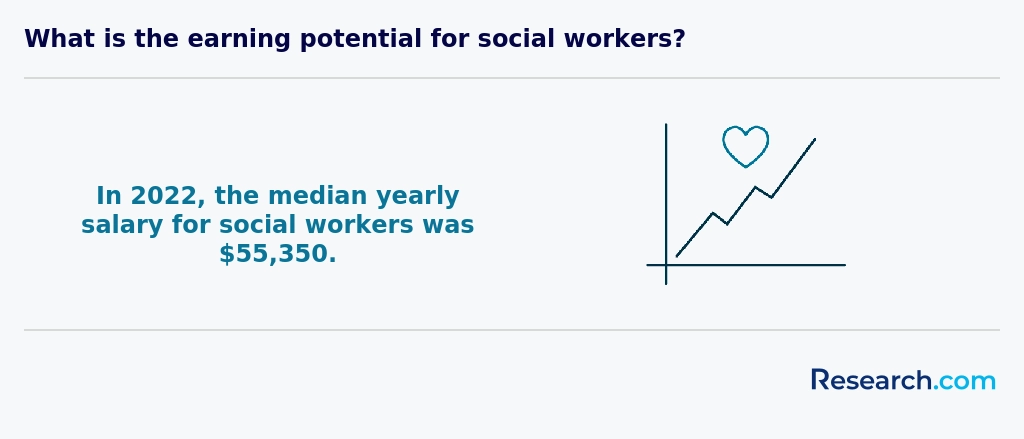
The pursuit of a social work degree in Louisiana, particularly in New Orleans, involves considering various factors including affordability, program reputation, and career prospects. For prospective students seeking cheapest social work programs in Louisiana, understanding the implications of program costs on their future careers is essential. Many institutions in Louisiana offer competitive pricing for their social work programs without compromising on the quality of education, making it feasible for students to attain a degree that prepares them for diverse roles in social work, from clinical practice to community organization and policy advocacy. The cost of a social work degree can vary significantly based on the institution, degree level, and whether the program is offered online or on-campus, influencing students' decisions on which program to enroll in. By exploring the most affordable social work programs available, students can make informed decisions that balance their financial constraints with their professional aspirations, ultimately leading to a fulfilling career in social work.
Choosing the best social work degree in New Orleans means diving into programs that truly resonate with your goals and lifestyle. Graduates from popular local universities often share how a Bachelor of Social Work (BSW) provided a solid foundation, while those pursuing a Master of Social Work (MSW) found advanced clinical skills essential for licensure and community impact. Imagine walking the vibrant streets of New Orleans, connecting with social agencies through hands-on internships linked to major schools, reinforcing cultural competence in real community settings.
Many discover that exploring affordable social work degree programs New Orleans offers is exciting when factoring in tuition costs balanced with scholarships and financial aid. One graduate mentioned that part-time and online program options allowed them to work locally while advancing their education. For students aiming even higher, checking out a low-cost online doctorate in social work programs can open new doors, blending flexibility and rigor.
2027 Most Affordable Social Work Degree Programs Ranking in New Orleans
Investing in your education is a significant decision that can shape your future, and the Research.com team understands the importance of making informed choices. To assist prospective students in New Orleans, we have meticulously crafted the "2027 Most Affordable Social Work Degree Programs Ranking in New Orleans." Our commitment to quality, credibility, and accuracy is reflected in the extensive research and analysis conducted to compile this ranking.
We utilized the following reputable data sources to ensure a comprehensive evaluation of social work programs:
By exploring this ranking, readers will gain valuable insights into the most affordable and quality social work degree programs available in New Orleans, helping them make informed decisions about their educational paths. For more details on our methodology, please visit our Research.com methodology page.


Frequently Asked Questions About social work
Social work degree students in New Orleans can maximize their learning experience by actively engaging in field placements with local agencies such as the Orleans Parish Child Welfare Office. Practical experience is crucial, as internships often make up 30% to 40% of coursework in accredited programs. Networking with professionals in New Orleans' diverse social services sector also helps, given the city's unique cultural and socioeconomic context.
Students should take advantage of community-based workshops and seminars offered by institutions like Tulane University and the University of New Orleans. These provide insight into regional challenges such as poverty and hurricane recovery efforts.
Additionally, joining social work student organizations enhances leadership and advocacy skills, important for effective practice in Louisiana's public health system. Staying updated on local policy changes through reliable sources like the Louisiana Chapter of the National Association of Social Workers supports informed decision-making and professional growth.
Emerging niches in the social work field reflect growing community needs, especially in urban areas like New Orleans. One significant area is disaster response and recovery social work. Given New Orleans' history with Hurricane Katrina, professionals trained in trauma-informed care and crisis intervention are increasingly essential.
Another expanding field is geriatric social work, aiming to support the city's aging population. The U.S. Bureau of Labor Statistics projects a 17% growth in social work jobs related to elderly care by 2030, relevant to New Orleans' demographic trends.
Additionally, behavioral health social work focused on mental health and substance abuse is rising due to local opioid crises, as noted by the Louisiana Department of Health.
Preparing for the job market after completing a social work degree in New Orleans involves strategic steps that align with local industry demands. Graduates should pursue licensure as Licensed Master Social Workers (LMSW) or Licensed Clinical Social Workers (LCSW), essential credentials for practicing professionally in Louisiana. Networking is crucial; organizations like the Louisiana Chapter of the National Association of Social Workers provide valuable connections and job resources.
Internships and practicum experiences completed during your degree offer real-world skills that employers value. According to the U.S. Bureau of Labor Statistics, social work employment in Louisiana is projected to grow moderately through 2030, especially in health and community sectors.
Continuing education and specialization in areas like child welfare or mental health can improve job prospects. Local nonprofits and healthcare providers in New Orleans often seek candidates with cultural competence and knowledge of regional social issues.
Employers in New Orleans seek social work graduates with strong interpersonal communication and cultural competency skills. Given the city's diverse population, the ability to engage effectively with varied communities is essential. According to the Louisiana Workforce Commission, employers value critical thinking and problem-solving abilities to address complex social issues.
In addition, proficiency in case management and knowledge of local social services improve job prospects. Understanding trauma-informed care is increasingly important, as many clients face challenges related to poverty and natural disasters common in the region. Research from the Council on Social Work Education emphasizes the demand for adaptability and teamwork in local agencies.
Finding internships in New Orleans for social work students involves connecting with local agencies and universities. The city offers numerous opportunities through organizations like the New Orleans Children & Youth Planning Board and Unity of Greater New Orleans, which focus on social services. Many social work programs at institutions such as the University of New Orleans and Tulane University have established partnerships that help students secure internships.
Students should also explore hospitals, schools, and nonprofit organizations that provide community support. The Louisiana Workforce Commission reports that positions in social assistance tend to grow moderately, making internships important for practical experience. Networking events and career fairs hosted by universities in New Orleans are also valuable resources for finding placements.
Earning a social work degree in New Orleans significantly enhances career mobility and advancement opportunities within the local human services sector. The region's diverse population and social challenges create strong demand for qualified professionals with bachelor's or master's degrees in social work. According to the Bureau of Labor Statistics, social workers in Louisiana, including New Orleans, experienced a projected growth rate of 12% from 2021 to 2031, faster than the national average.
Graduates with accredited degrees are often preferred for positions in healthcare, child welfare, and community agencies. Licensure, which requires a degree and supervised experience, opens doors to higher-level clinical roles, increasing earning potential and job stability. Local employers often value the applied skills obtained through internships and education, which can speed up promotions or lateral moves within social services organizations.
Studying for a social work degree in New Orleans equips students with the skills needed for interdisciplinary collaboration. Programs often emphasize teamwork across fields like healthcare, education, and criminal justice, reflecting the city's diverse social environment.
Local universities incorporate community-based learning, allowing students to work alongside professionals from various sectors. This hands-on experience fosters practical understanding of complex social issues.
According to the National Association of Social Workers (NASW), interdisciplinary skills improve employment prospects, with 67% of New Orleans social workers engaging in multi-agency projects in 2023.
Therefore, earning a social work degree here provides strong preparation for integrated professional roles.
When choosing between a thesis and a non-thesis social work degree program in New Orleans, it is important to consider your career goals and learning preferences. Thesis programs focus on research and require students to complete an original study, which can be beneficial for those interested in academic or clinical research roles. Non-thesis programs emphasize practical skills and typically include additional coursework or fieldwork, ideal for students aiming to enter direct social work practice quickly.
In New Orleans, social work degrees often follow guidelines set by the Council on Social Work Education (CSWE), ensuring quality. According to the U.S. Bureau of Labor Statistics, New Orleans-based social workers earn a median annual wage of around $50,000, highlighting the value of practical experience for employment. Selecting a thesis program may extend your study time, while the non-thesis path usually allows faster degree completion. Evaluate your interests in research versus applied practice before deciding.
Students based in New Orleans interested in studying social work abroad have several pathways within the US higher education framework. Many universities in Louisiana partner with international institutions to offer exchange programs, allowing social work students to gain global perspectives while receiving credit toward their degrees. According to the Council on Social Work Education (CSWE), these programs emphasize cultural competence and hands-on field experience. Popular destinations often include countries with strong social welfare systems like the UK, Canada, and Australia. These opportunities help students understand diverse social challenges and policies, enhancing their professional skills for work both abroad and back in New Orleans.
Students pursuing social work degrees in New Orleans can find several part-time job opportunities that complement their education. Positions such as case aides or community outreach assistants at local non-profits provide practical experience in client interaction and resource coordination. According to the Bureau of Labor Statistics, New Orleans has a growing demand for social workers, which makes internships and part-time roles in healthcare facilities and schools valuable for skill development.
Working in crisis hotlines or youth mentoring programs also offers hands-on learning aligned with social work ethics. These roles help build communication and problem-solving skills crucial for future social workers.
Social work students in New Orleans benefit from a wide range of networking opportunities tied to the city's active social services and academic communities. Local universities like Tulane and the University of New Orleans host events, career fairs, and workshops dedicated to social work, helping students connect with faculty and practitioners.
The Louisiana Chapter of the National Association of Social Workers (NASW) is particularly active in New Orleans, offering student memberships, professional development events, and local conferences. These gatherings allow emerging social workers to meet experienced professionals and potential employers.
Additionally, New Orleans boasts numerous nonprofit organizations and government agencies where students can gain internships, often leading to direct professional contacts. According to NASW Louisiana, approximately 70% of social work students in the region secure internships through university partnerships, strengthening their professional networks.
Alumni networks play a significant role in supporting social work degree students in New Orleans. These networks provide access to experienced professionals who offer mentorship, guidance, and career advice tailored to the local community and social service landscape.
Networking through alumni can lead to internship and job opportunities in regional organizations, including hospitals, non-profits, and government agencies focused on social welfare. The University of New Orleans, for example, has an active alumni group that connects new graduates with employers in the Greater New Orleans area.
Moreover, alumni networks often host workshops and events that promote continuing education and professional development, which are crucial for meeting Louisiana's licensure requirements in social work.
Customizing a social work degree in New Orleans allows students to align their education with specific career goals. Many universities offer concentrations or electives in areas like clinical social work, community organizing, or healthcare social work. This flexibility helps students focus on skills needed in local practice settings.
Fieldwork placements, which are part of most accredited programs, can be selected in agencies around New Orleans, providing hands-on experience in environments such as child welfare or mental health clinics. The Council on Social Work Education (CSWE) accredits programs nationwide, including those in Louisiana, ensuring quality training.
According to the Louisiana Workforce Commission, social work job growth in the New Orleans metro area is projected at 9% through 2030, highlighting demand for specialized expertise.
Social work students in New Orleans often face several distinct challenges as they pursue their degrees. One key difficulty is managing field placements, which are essential for hands-on experience but can be hard to secure due to high demand and limited local agencies. According to the Council on Social Work Education, students must complete around 900 hours of supervised practice, which requires significant time and transportation resources.
Additionally, balancing coursework with financial constraints is common, as tuition costs in Louisiana average about $9,000 annually for in-state students, but many still rely on part-time jobs. The emotional toll of working with vulnerable populations during practicums also requires strong resilience and support systems.
With a social work degree, graduates in New Orleans can pursue professional certifications that enhance their career opportunities and credibility. The most recognized certification is the Licensed Master Social Worker (LMSW), which requires passing the Association of Social Work Boards (ASWB) master's exam. This credential allows social workers to practice clinically or in various social service settings under supervision.
Another key credential is the Licensed Clinical Social Worker (LCSW), which demands additional supervised clinical experience post-degree and passing the clinical-level ASWB exam. LCSWs can independently provide psychotherapy and advanced social work services.
Certifications like Certified School Social Worker (CSSW) are also attainable and important for those aiming to work in educational settings. These licenses often align with Louisiana state regulations overseen by the Louisiana State Board of Social Work Examiners.
To write a winning application for a social work program in New Orleans, start by carefully researching local schools like the University of New Orleans or Tulane University. Highlight your commitment to community service, especially in New Orleans' diverse cultural and social environment. Admission committees value clear, personal statements explaining your motivation and understanding of social work's impact.
Include relevant experience, such as volunteering with local nonprofits or public agencies. According to the National Association of Social Workers, Louisiana has one of the highest demands for licensed social workers, so showcasing awareness of regional needs strengthens your application.
Finally, prepare for your interviews and gather strong letters of recommendation that emphasize your interpersonal skills and dedication to social justice in urban settings.
The global perspectives on a social work career emphasize its increasing importance in addressing social inequalities and promoting human rights worldwide. Social work professionals often collaborate across borders to tackle issues like poverty, migration, and mental health. In the United States, including New Orleans, the demand for social workers is expected to grow by 12% from 2022 to 2032, faster than the average for all occupations, according to the U.S. Bureau of Labor Statistics.
New Orleans' unique cultural diversity and social challenges reflect broader global trends, making social work degrees there highly relevant for international practice. Accredited U.S. social work programs emphasize both local and global competencies, preparing graduates for diverse environments.
Gaining practical experience while studying for a social work degree in New Orleans is crucial for career readiness. Many local universities, such as Loyola University New Orleans and Southern University at New Orleans, incorporate field placements or internships into their social work curricula. These placements typically occur in community agencies, hospitals, or schools, offering real-world exposure.
Additionally, students can volunteer with New Orleans nonprofits like the Louisiana SPCA or Covenant House, which provide valuable hands-on experience. According to the Council on Social Work Education, about 60% of accredited programs require a minimum of 400 field hours, helping students meet licensing prerequisites. Local government agencies also frequently partner with schools to offer internships focused on child welfare and public health.
Choosing the right concentration within a social work degree program in New Orleans starts with understanding your career goals and personal interests. Common concentrations include clinical social work, community organizing, child and family services, and substance abuse counseling. New Orleans faces unique social challenges such as poverty and disaster recovery, which can influence your choice. According to the Louisiana Department of Health, social workers in mental health and family services are in high demand locally. Researching program offerings at institutions like Loyola University New Orleans and the University of New Orleans helps identify concentrations aligned with local needs and job opportunities.
Consider also licensure requirements in Louisiana, as clinical social work often requires specific supervised hours and credentials. Many programs in New Orleans tailor their curriculum to regional issues, providing practical experience that can improve employment prospects. Ultimately, selecting a focus that matches local workforce demands and your passion will help ensure a rewarding social work career.
- 2027 Most Affordable Social Work Degree Programs Ranking in Baton Rouge
- 2027 Most Affordable Social Work Degree Programs Ranking in Jackson
- 2027 Most Affordable Social Work Degree Programs Ranking in Houston
- 2027 Most Affordable Social Work Degree Programs Ranking in Memphis
- 2027 Most Affordable Social Work Degree Programs Ranking in Atlanta
- 2027 Most Affordable Social Work Degree Programs Ranking in Nashville
- 2027 Most Affordable Social Work Degree Programs Ranking in San Antonio
- 2027 Most Affordable Social Work Degree Programs Ranking in Springfield
- 2027 Most Affordable Social Work Degree Programs Ranking in Knoxville
- 2027 Most Affordable Social Work Degree Programs Ranking in Saint Louis
See What Experts Have To Say About Studying Social Work
Read our interview with Social Work experts

- Top MSW Programs in New Orleans - Social Work Education Center https://www.socialworkdegree.net/msw-programs/louisiana/new-orleans/
- My social work journey: from experience to practice https://socialworkwithadults.blog.gov.uk/2023/09/26/my-social-work-journey-from-experience-to-practice/
- How to Become a Social Worker in Louisiana https://socialworklicensemap.com/social-work-licensure/become-a-social-worker-in-louisiana/
- BA Social Work – work experience guide https://www.gold.ac.uk/ug/ba-social-work/work-experience-guide/
- Search our Job Opportunities at Ochsner Health System https://careers.ochsner.org/employment/new-orleans-louisiana-united-states-social-work-and-case-management-jobs/47519/9256032/6252001-4331987-4336191-4335045/4
- The Best International Social Work Internships for Undergrads and Grads https://www.internhq.com/fields/social-work/
- Master of Social Work https://tssw.tulane.edu/master-social-work-0
- Social Work Networking Nights - National Association of Social Workers https://www.naswma.org/page/218
- How to become a social worker https://basw.co.uk/careers/how-become-social-worker
- The Power of Finding Your Niche as a Social Worker https://www.credentialedapparel.com/blogs/news/the-power-of-finding-your-niche-as-a-social-worker


