
2027 Most Affordable Online Master's in Social Work Degree Programs Ranking in the West

Co-Founder and Chief Data Scientist
Choosing the right online master's in social work program can feel overwhelming, especially when balancing quality and affordability. This article presents the 2027 Most Affordable Online Master's in Social Work Degree Programs Ranking in the West, created by the Research.com team of data scientists. It's designed to help you confidently navigate options and find programs that align with your goals.
Discover programs that offer great value without compromising education quality. Earning a social work degree opens doors to rewarding careers, empowering you to make a real difference in your community. Let this guide support your journey toward meaningful success.
Key benefits of getting online social work degree in the West
- Graduates with a social work degree often earn competitive salaries in roles like Clinical Social Worker, with a mean annual wage of $68,800, or School Social Worker, earning around $59,190 per year.
- Many social work degree holders from universities in the West find rewarding careers in areas such as medical social work, policy analysis, or nonprofit management, offering diverse opportunities to make a positive impact.
- Completing a social work degree online from a respected Western university allows for greater flexibility, balancing studies with personal commitments while still gaining valuable field experience.
- Key benefits of getting online social work degree in the West
- What can I expect from online social work degree in the West?
- Where can I work with online social work degree in the West?
- How much can I make with online social work degree in the West?
- 2027 Most Affordable Online Master's in Social Work Degree Programs Ranking in the West
- Key Findings
- How long does it take to complete online social work degree in the West?
- Identifying the Most Valuable Social Work Programs
- What's the difference between online and on-campus social work degree?
- Licensure and Certification Requirements for Social Work Graduates
- What is the average cost of online social work degree in the West?
- Accreditation and State Licensure Requirements
- What financial aid is available to online social work degree students in the West?
- Accreditation and Licensure Requirements
- What are the prerequisites for enrolling in online social work degree program in the West?
- Bridging the Gap: Transitioning from a Bachelor's to a Master's in Social Work
- What courses are typically in online social work degree programs in the West?
- What types of specializations are available in online social work degree programs in the West?
- How do you choose the best online social work degree in the West?
- What career paths are available for online social work degree students in the West?
- What is the job market for online social work degree in the West?
- Top Trending Social Work Rankings
- See What Experts Have To Say About Studying Social Work
What can I expect from online social work degree in the West?
The average cost of an online social work degree in the Western United States typically ranges from $10,000 to over $40,000, depending on whether you choose a public or private institution. Many graduates from well-known universities in California, Oregon, and Washington find this investment worthwhile, as these programs offer both affordability and quality education. One graduate shared how completing their MSW online allowed them to balance work and family while saving money on commuting and housing-turning dreams into reality without overwhelming debt.
Students appreciate that these programs often provide financial aid and scholarships designed specifically for social work learners, making the cost more manageable. The flexibility of online learning empowers busy professionals to earn their degree from home while gaining hands-on experience through local field placements arranged by their school. This blend of affordability, practicality, and support helps students feel confident and motivated as they take meaningful steps toward a fulfilling career helping their communities.
Where can I work with online social work degree in the West?
Graduates with an online social work degree in the West find themselves welcomed into diverse and rewarding careers. Many step confidently into healthcare roles within California's bustling hospitals or Washington's mental health clinics, where they help patients overcome challenges and navigate complex treatment plans. Picture a graduate from the University of Southern California partnering with hospital teams to improve patient care, experiencing the profound joy of making a real difference every day.
Others embrace government positions, such as working with child welfare in Oregon or rehabilitation services in Nevada, where they become vital advocates for vulnerable populations. Graduates from Portland State University often describe their work in school districts, guiding students through behavioral hurdles and fostering positive growth, fulfilling the spirit of service that inspired their studies.
Nonprofits across the Western region also eagerly hire graduates who bring passion and skills to tackling homelessness or substance abuse. With the increasing rise of telehealth, social work alumni from the University of Washington are breaking geographical barriers, offering crucial support remotely and expanding their impact beyond traditional settings.
How much can I make with online social work degree in the West?
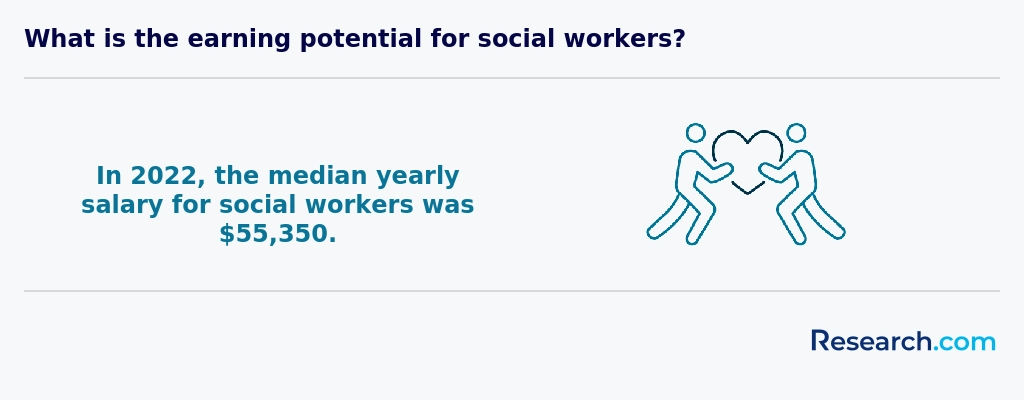
Graduates with an online social work degree in the Western United States are stepping into rewarding careers that offer strong earning potential. For example, clinical social workers earn a mean annual wage of about $68,800, combining meaningful impact with financial stability. Many graduates from universities in California or Washington find that their online degrees open doors to roles such as medical social workers, with average pay around $67,430, or school social workers earning close to $59,190 annually.
One graduate from a popular online program in Oregon shared how their MSW degree helped them secure a clinical social worker position with competitive pay and flexible work options. In California, healthcare social workers often see salaries rise to $80,000, reflecting the high demand in the region. With experience and licensure, social workers in the West can exceed $85,000 annually, moving into leadership or specialized roles.
These figures reflect not just numbers but the value that online education brings in preparing compassionate professionals ready to serve communities with purpose and passion.
2027 Most Affordable Online Master's in Social Work Degree Programs Ranking in the West
How do we rank schools?
Investing in your education is a significant decision that can shape your future, and the Research.com team understands the importance of making informed choices. To assist prospective students seeking affordable online master's programs in social work across the Western United States, we have meticulously developed the "2027 Most Affordable Online Master's in Social Work Degree Programs Ranking in the West." Our commitment to quality, credibility, and accuracy is reflected in the extensive research and analysis conducted to compile this ranking.
We utilized the following reputable data sources to ensure a comprehensive evaluation of these programs:
By exploring this ranking, readers will gain valuable insights into the most affordable and credible online social work master's degree programs in the West, helping them make well-informed educational decisions. For more information about how this ranking was created, please visit our Research.com methodology page.


# 4 position
California State University, San Bernardino
Master of Social Work Pathway Distance Education Program


Key Findings
- Online MSW programs in the Western U.S. are offered by accredited universities in California, Oregon, and Washington, with fully online options available.
- Program costs range from $20,000 to $40,000 at public universities, while private schools may charge over $50,000, not including fees and textbooks.
- Starting salaries for new social work graduates in the West average around $50,000, increasing to $70,000 or more after five to ten years.
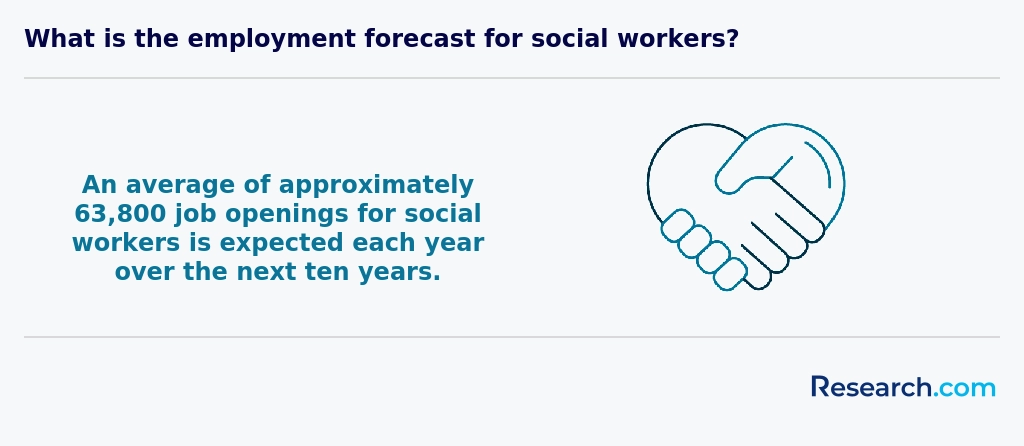
- The job market in the region is growing at about 12% over the next decade due to demand in healthcare and social services.
- Licensure typically requires completing an accredited MSW and supervised clinical hours, with specific rules varying by state.
How long does it take to complete online social work degree in the West?
Completing an online social work degree in the Western United States is an achievable and empowering goal that fits many lifestyles. Full-time students at popular universities, such as those in California and Washington, often finish their Master of Social Work (MSW) in about two years, balancing studies with personal growth and community impact. Graduates frequently share how rewarding it feels to progress steadily while continuing their everyday commitments.
Part-time options offer even greater flexibility, stretching the timeline to three or four years. This path allows working professionals or parents to pursue their passion without sacrificing stability, creating a sustainable, hopeful journey. Others take advantage of accelerated programs offered at some Western colleges, completing their MSW in as little as 12 to 18 months when they bring a Bachelor of Social Work degree with them. This fast-paced route is intense but fuels motivated learners eager to dive into their careers quickly.
For those beginning with a different bachelor's degree, many Western programs provide supportive foundational courses while maintaining an inspiring two-year full-time timeline. Meanwhile, online Bachelor of Social Work (BSW) degrees generally mirror the traditional four-year duration, adapted thoughtfully for online study to keep students engaged and progressing.
Graduates consistently praise how field placements integrate real-world experience, deepening their commitment and enhancing skills. Across the West, students find that these timelines blend well with life's demands, making social work education an inspiring step toward meaningful change.
Identifying the Most Valuable Social Work Programs
To identify the most valuable social work programs, particularly in the Western United States, it is essential to consider factors such as accreditation, curriculum, faculty expertise, and graduate outcomes. Prospective students should research programs that are accredited by the Council on Social Work Education (CSWE), ensuring that the program meets the necessary standards for social work education. When evaluating these programs, students can refer to resources such as valuable social work programs in Oregon to gain insights into program specifics, such as coursework, fieldwork opportunities, and alumni success stories. By carefully examining these aspects, individuals can make informed decisions about their educational investments and set themselves up for success in their future careers in social work.
What's the difference between online and on-campus social work degree?
Choosing between online and on-campus social work degrees in the Western United States offers unique paths that empower students to succeed according to their lifestyles. Graduates from universities like the University of Washington cherish on-campus programs for the vibrant, face-to-face connections with peers and professors that enrich their learning and professional network. This environment provides a clear structure and in-person mentorship, ideal for those who thrive in direct social engagement.
Meanwhile, online social work students at institutions such as Arizona State University embrace the freedom to learn from home, balancing coursework with family or work commitments. These graduates often feel a strong sense of independence and accomplishment, coordinating local practicum placements that deepen their impact within their own communities.
Both formats share rigorous accreditation and prepare students well for licensure, ensuring that whether attending physically or virtually, social work graduates from the West step confidently into meaningful careers shaping lives.
Licensure and Certification Requirements for Social Work Graduates
Navigating the path to licensure is a critical step for graduates of online social work programs in the West. Most states require candidates to hold a CSWE-accredited master’s degree, complete a specified number of supervised practice hours, and pass the Association of Social Work Boards (ASWB) exam. For example, California mandates 3,000 hours of supervised post-MSW practice and successful completion of the ASWB Clinical exam, while Washington requires 2,400 hours and passage of the ASWB Clinical level exam. Understanding these differences in prerequisites ensures a smooth transition from academic study to professional practice. To begin the licensure process, graduates typically register with their state’s social work board, submit official transcripts verifying a CSWE-accredited MSW, and apply for an exam authorization. Upon approval, candidates schedule the ASWB exam, which assesses core competencies in assessment, diagnosis, and intervention. Exam preparation workshops and study groups-often coordinated through university career centers-can significantly enhance pass rates. After passing the exam, applicants must document supervised practice under a qualified LCSW or equivalent, following state guidelines on supervisor credentials and reporting procedures. Many programs also offer post-graduation mentorship and field experience reflections to support this requirement. Maintaining licensure involves continuing education units (CEUs), which vary by state but generally demand 20–40 hours every two years, covering topics such as ethics, cultural competence, and clinical interventions. While mastering these steps, prospective social workers may also consider strengthening their foundational knowledge with undergraduate programs; for those who have not yet completed a bachelor’s degree, exploring the Inexpensive Online Bachelor’s in Social Work Degree Programs Ranking in the Northeast can provide a cost-effective pathway to meeting MSW admission requirements. By proactively planning for licensure-researching state board regulations, tracking supervised hours, and engaging in ongoing professional development-MSW graduates position themselves for successful, compliant practice across diverse social work settings.
What is the average cost of online social work degree in the West?
For students exploring the average cost of online social work degree programs in the West, the journey is both attainable and rewarding. Median total costs hover around $23,272, demonstrating an encouraging balance between quality education and investable resources. Many graduates from public universities in states like California and Washington have expressed pride in the affordability and flexibility these programs offer. Public institutions often provide in-state tuition options that are especially budget-friendly, allowing students to pursue their passion without overwhelming financial stress.
Out-of-state residents can also find welcoming opportunities, with median costs around $18,315, making an affordable online master's in social work tuition in Western states accessible to a broader community. These programs empower students to balance work, family, and study while training to make a real difference in their communities. Additional expenses such as technology fees and books are generally modest, often between $1,000 and $3,000, and many students report feeling supported through scholarships and employer reimbursement plans.
Graduates from private schools, which sometimes cost more, often highlight the specialized tracks and personalized attention that enhance their professional growth and personal fulfillment. If you're curious about specific programs known for their quality and value, consider exploring valuable social work programs in Oregon to see firsthand how others have successfully navigated this path.

Accreditation and State Licensure Requirements
Understanding accreditation and state licensure is essential for any online MSW candidate. All reputable programs should be accredited by the Council on Social Work Education (CSWE), but each Western state also enforces unique licensure standards, including required supervised hours, exams, and continuing education. For example: • California requires 3,200 supervised practice hours and passing the ASWB Clinical exam, while • Washington mandates 3,000 hours plus the ASWB Advanced Generalist exam. It’s crucial to verify that your chosen program aligns with your state’s criteria. Many universities offering an affordable social work degree also provide dedicated licensure support-such as exam prep workshops, state-specific supervision guidance, and streamlined endorsement procedures for out-of-state graduates. Key steps to ensure smooth licensure: 1. Confirm CSWE accreditation and state-specific approval before enrolling. 2. Track supervised hours using standardized logs approved by your state board. 3. Enroll in exam preparation courses tailored to ASWB requirements. 4. Maintain documentation of field placements, mentor evaluations, and continuing education units (CEUs) for renewals. By proactively addressing accreditation and licensure early in your program search, you’ll avoid costly delays after graduation and be fully prepared to serve your community as a licensed social work professional in the West.
What financial aid is available to online social work degree students in the West?
Students pursuing online social work degrees in the West find numerous financial aid opportunities that make their educational dreams achievable. Graduates from universities like the University of Washington and San Diego State University often credit federal aid programs such as FAFSA for relieving the stress of tuition payments. Though most Pell Grants favor undergraduates, federal student loans offer low-interest options tailored for graduate social work students eager to advance their careers.
State grants and scholarships provide crucial support, especially in California and Oregon, where community-focused funding encourages students to serve in mental health and rural areas. Many graduates share how scholarships from the National Association of Social Workers Foundation, combined with university partnerships, helped offset costs while honoring their commitment to social justice.
Innovative employer programs also inspire students to persevere. Health agencies in the region frequently offer tuition reimbursement or loan forgiveness, motivating many to continue their studies knowing their sacrifices lead to real community impact.
Budgeting wisely, including for licensing exams and technology needs, completes this support network, empowering students to confidently pursue their degree paths in social work.
Accreditation and Licensure Requirements
Ensuring your online MSW program is accredited by the Council on Social Work Education (CSWE) is crucial for eligibility to practice. Verify both accreditation status and state-specific licensure criteria before applying.
- Confirm CSWE accreditation to guarantee recognition by all Western state boards.
- Review state licensure requirements (CA, OR, WA, AZ, NV) for supervised practicum hours, post-degree supervision, and any jurisprudence exams.
- Complete the required 900–3,000 supervised field hours-most states mandate this range before sitting for the LCSW exam.
- Pass the Association of Social Work Boards (ASWB) Clinical exam to obtain full licensure as a clinical social worker.
Explore accredited msw programs that balance affordability with the credentials you need to practice.
What are the prerequisites for enrolling in online social work degree program in the West?
A solid GPA, typically around 3.0, showcases dedication and readiness to engage with challenging coursework and field experiences. Many students find that gathering heartfelt letters of recommendation from mentors who witnessed their compassion and perseverance truly shaped their application's success.
Writing a sincere statement of purpose is more than a requirement-it's an opportunity to share your passion for helping others and your unique story. Practical experience, whether through volunteering at community centers or working with social services, enriches your preparation and deepens your connection to the field, just as graduates from Portland State University attest.
Completing background checks and confirming immunizations ensures you're ready to serve safely and confidently during your hands-on placements, meeting the high standards upheld by Western programs. This foundation primes you for a fulfilling and transformative career dedicated to social justice and empowerment.
Bridging the Gap: Transitioning from a Bachelor's to a Master's in Social Work
For many aspiring professionals, a comprehensive social work education begins with a bachelor's degree that lays the groundwork for advanced study. Transitioning from an undergraduate program to a master's degree not only deepens your theoretical knowledge but also enhances practical skills necessary for tackling complex social issues. This pathway offers a structured progression where foundational coursework in social sciences evolves into specialized study areas such as clinical practice, policy advocacy, and community organization. Students who have completed their bachelor's can explore diverse career options with bachelors online degree in social work, making the move to a master's program a strategic choice for career advancement. When evaluating potential graduate programs, consider factors such as curriculum depth, faculty expertise, field placement opportunities, and robust student support services that facilitate networking and professional development. This transitional phase is pivotal for harnessing the full potential of your academic background and positioning yourself for leadership roles in the ever-evolving field of social work.
What courses are typically in online social work degree programs in the West?
Online social work degree programs in the West offer an inspiring curriculum designed to empower students with deep knowledge and practical skills. Graduates from well-known universities like the University of Washington and the University of Southern California often reflect on how courses like Human Behavior in the Social Environment helped them understand the unique dynamics of families and communities around them. These courses bring theory to life, preparing students to make real impacts in diverse social settings.
Core classes such as Social Welfare Policy and Services reveal how policies shape the lives of vulnerable populations, while Research Methods in Social Work train students to use data effectively to support evidence-based decisions. Many students find the Ethics and Values in Social Work course deeply motivating as it builds a strong moral foundation for professional practice.
Courses also emphasize culturally sensitive approaches tailored to the Western region's diverse populations, including Native American and Latinx communities. This regional focus, combined with vital practicum experiences, cultivates confidence and compassion in students ready to serve their communities.
What types of specializations are available in online social work degree programs in the West?
Online social work specializations in the West offer a vibrant path for students eager to make a meaningful impact in their communities. Graduates from leading universities in California and Washington often share how the clinical social work track empowered them to confidently support clients facing mental health challenges like anxiety and trauma. This specialization sets the foundation for licensure and direct service, preparing students for rewarding, hands-on careers.
Community organization and advocacy is another inspiring concentration embraced by many. Students learn to craft policies and lead initiatives that foster social justice, skills celebrated by graduates working in nonprofit roles across Oregon and Nevada. For those drawn to educational environments, school social work specializations prepare graduates to uplift young learners through addressing social and emotional needs, reflecting the growing investment in school mental health programs throughout the West.
With options such as gerontology and healthcare social work, students can tailor their education to areas like aging populations or complex medical systems. These thoughtful choices lead to promising career options with bachelors online degree in social work that match students' passions and aspirations, leaving them motivated to transform lives.
How do you choose the best online social work degree in the West?
Choosing the best online social work degree in the West means prioritizing programs that blend flexibility with strong regional relevance. Graduates from universities in California and Washington often emphasize how programs with asynchronous classes and part-time options allowed them to balance work and study effortlessly, making their journey inspiring and manageable. Look for courses that offer supervised fieldwork placements nearby or support virtual internships to gain real-world experience that resonates in Western communities.
Many students find that selecting one of the best accredited online social work programs West not only ensures quality education but also boosts confidence in meeting licensure standards for states like Oregon or Nevada. A focus on faculty expertise and clear paths to becoming a Licensed Clinical Social Worker can make the difference between feeling overwhelmed and genuinely empowered.
For those mindful of expenses, exploring financial aid and employer tuition support in the West can open doors to affordable online social work degrees in the West while creating a rewarding career. Discover options for an affordable social work degree that fits your life and goals.
What career paths are available for online social work degree students in the West?
Graduates with an online social work degree in the West find inspiring career paths that truly impact communities. Many step into roles as clinical social workers, providing therapy and hope to individuals facing mental health challenges or trauma, often after earning their license through top programs at universities like the University of Southern California or the University of Washington. Others choose to become child and family social workers, supporting vulnerable children and families in crisis, a vital role especially in states like California where these programs receive strong local support.
School social workers from West Coast colleges actively create nurturing educational environments, working closely with students and educators to overcome social and emotional obstacles. Healthcare social workers assist patients navigating chronic illnesses and aging with dignity, reflecting the growing need in communities around Oregon and Washington. For those seeking affordable education options that pave the way to these rewarding opportunities, students often explore Inexpensive Online Bachelor's in Social Work Degree Programs Ranking in the Northeast, which offers valuable guidance even for Western learners considering cost-effective paths.
Such social work career opportunities in the West empower graduates to make a genuine difference every day, blending passion with professional growth in diverse and dynamic settings.
What is the job market for online social work degree in the West?
The job outlook for social work graduates in the West is promising, fueled by rapid population growth and expanding social service needs in states like California, Washington, and Oregon. Graduates from online social work programs at well-known universities in these regions often share inspiring stories of securing fulfilling roles in healthcare, schools, and community agencies. These roles allow them to support diverse populations, from children and families to individuals facing mental health challenges.
Employment opportunities for online social work degree holders in Western states frequently arise in dynamic metropolitan areas such as Los Angeles and Seattle, where demand for licensed clinical social workers is robust. Many graduates highlight how accredited online programs enable them to balance work and study while preparing for licensure in their state, increasing their confidence and career readiness.
For those considering flexible study options, exploring one year online masters can offer accelerated paths to enter this rewarding field. The strong demand and positive job outlook make pursuing an online social work degree in the West an empowering investment in both personal growth and community impact.
Frequently Asked Questions About social work
Online social work degree students in the West can maximize their learning by actively engaging with their virtual classrooms and peers. Many accredited programs emphasize field placements, which are essential for hands-on experience; students should seek opportunities in agencies licensed within their state. According to the Council on Social Work Education (CSWE), over 70% of social work programs in Western states offer structured practicum to support skill development.
Time management is crucial. Using tools like digital calendars helps balance coursework and fieldwork. Additionally, participating in regional social work associations and online forums can deepen practical understanding and networking. Staying updated on state-specific licensing requirements also ensures alignment between education and career goals.
Emerging niches within the social work field reflect evolving societal needs, especially in the Western United States. One rapidly growing area is telehealth social work, which leverages technology to provide mental health support remotely. The COVID-19 pandemic accelerated this trend, with the Bureau of Labor Statistics forecasting a 12% growth in health-related social work jobs through 2032, particularly in California and Washington.
Another niche gaining traction is environmental social work, focusing on community resilience and climate change impacts. This field addresses the social dimensions of environmental crises common in Western states. Additionally, geriatric social work is expanding due to the aging population in states like Oregon and Idaho.
Specializing in these areas can offer online social work students tailored career opportunities aligned with regional demands.
After completing an online social work degree in the West, preparing for the job market involves several strategic steps. First, ensure you obtain the necessary licensure, such as the Licensed Clinical Social Worker (LCSW) credential, which is required in most Western states. This process typically includes supervised clinical hours and passing a state exam. According to the National Association of Social Workers, Western states like California and Oregon require roughly 3,000 hours of supervised practice.
Additionally, building a strong professional network through internships, volunteering, and joining local social work associations can improve job prospects. Employers in the West often seek candidates familiar with regional social issues, such as homelessness and substance abuse. Staying updated with continuing education helps maintain licensure and demonstrates commitment to the field.
Employers in the Western United States prioritize several key skills when hiring social work graduates from online programs. Strong communication skills are essential, enabling graduates to effectively interact with clients from diverse backgrounds. Critical thinking and problem-solving abilities help social workers address complex client needs efficiently. Cultural competence is vital in the West due to its diverse populations, allowing social workers to provide sensitive and appropriate care.
According to the California Board of Behavioral Sciences, employers also value proficiency in case management and knowledge of state-specific social welfare policies. Adaptability and collaboration are frequently mentioned in job listings across California, Oregon, and Washington.
Finding internships in the Western US for social work students often begins with exploring university partnerships. Many accredited online social work programs connect students with local agencies in states like California, Washington, and Oregon. These states host numerous social service organizations offering supervised internships, a requirement for MSW degree accreditation by the Council on Social Work Education.
Students can also use resources such as the California Social Work Education Center (CalSWEC) or regional job boards sponsored by state social work associations. Networking with faculty and attending virtual career fairs increases access to opportunities.
Lastly, checking with county health departments and nonprofit agencies can reveal placements essential for hands-on experience and state licensure preparation.
Obtaining an online social work degree in the Western United States significantly enhances career mobility and advancement opportunities. According to the U.S. Bureau of Labor Statistics, social workers in this region experience competitive demand growth, with states like California and Washington showing employment increases of over 10% through 2030. An accredited online degree offers flexibility for working professionals, enabling them to pursue licensure requirements such as the Licensed Clinical Social Worker (LCSW), essential for advanced practice roles. Furthermore, employers increasingly recognize online degrees from reputable programs, allowing graduates to access leadership positions and specialized fields like healthcare or school social work.
Regional workforce studies demonstrate that holders of master's degrees in social work earn approximately 20% more than those with only bachelor's degrees, emphasizing advanced education's role in career progression. Additionally, the Western social work sector values continuing education, which accredited online programs frequently incorporate, helping professionals stay current and competitive in their field.
Studying for a social work degree in the Western United States equips students with skills essential for interdisciplinary collaboration. Programs often emphasize teamwork with healthcare, education, and criminal justice professionals to address complex social issues.
Many Western universities integrate coursework on policy analysis, counseling, and community resources, preparing students to navigate various professional environments. According to the Council on Social Work Education (CSWE), programs in this region align with national competencies that promote integrated practice.
Additionally, field placements typically involve agencies focused on multifaceted care, enhancing students' ability to work alongside diverse specialists. This practical experience is vital for roles in hospitals, schools, and government agencies.
Choosing between a thesis and a non-thesis online social work degree program in the West depends largely on your career goals and learning preferences. A thesis option typically involves conducting original research and writing a formal paper, which suits students interested in academic or research roles. The non-thesis option often replaces a thesis with additional coursework or a practicum, appealing to those focused on clinical practice or immediate workforce entry.
Regions like California and Washington host many accredited programs offering both options, with tuition varying widely. According to the Council on Social Work Education, about 40% of social work programs in the West provide a thesis track, reflecting demand for research skills in policy and administration positions.
Consider time commitment too: thesis programs often extend study duration due to research demands. Non-thesis tracks may allow faster completion, ideal for working professionals. Reviewing course structure and alumni outcomes can guide your choice.
Students based in the Western United States seeking online social work degrees can explore a limited but growing number of options abroad that maintain U.S. accreditation. Many British and Canadian universities offer online Master of Social Work (MSW) programs that are designed to align with the Council on Social Work Education (CSWE) standards, which is crucial for licensure in the U.S.
Studying abroad online allows access to diverse perspectives and practices in social work, enhancing cultural competence. According to the Council on Social Work Education, about 30% of Western social work students consider international programs for their affordability and flexibility.
However, students should verify program accreditation and licensing reciprocity carefully, as state requirements in the West vary significantly. Institutions such as the University of British Columbia provide accredited online MSW programs recognized by many U.S. states, making them a viable choice.
Students pursuing online social work degrees in the Western US can benefit from various part-time job opportunities that complement their education. Common roles include case management assistants, mental health aide positions, and community outreach workers. These jobs provide practical experience aligned with social work principles.
According to the Bureau of Labor Statistics, California, Washington, and Oregon show growing demand for social workers, often offering flexible part-time roles in non-profits and healthcare facilities. Working part time in these settings helps students apply classroom knowledge in real-world scenarios while developing essential interpersonal skills.
Additionally, tutoring or peer mentoring in social work courses can deepen academic understanding and reinforce leadership abilities. These positions also benefit from an understanding of social sciences relevant to the Western region's diverse population.
Online social work students in the Western United States benefit from a variety of networking opportunities designed to connect them with peers and professionals. Many Western universities offer virtual events, discussion boards, and mentorship programs to foster community among online students. For example, the California School of Social Work hosts regular online meetups and webinars featuring regional social work experts.
State chapters of the National Association of Social Workers (NASW) in the West often provide exclusive online networking events. According to NASW California, members can access online forums and career resources tailored to the Western social work market.
Additionally, some programs collaborate with local agencies, enabling students to gain field placement contacts digitally, which is vital for building professional relationships before entering the workforce.
Alumni networks offer crucial benefits to students pursuing online social work degrees in the Western United States. These networks provide access to experienced professionals who can offer mentorship and career guidance tailored to social work practices in the region. The California Social Work Education Center highlights that over 70% of social workers find job opportunities through professional connections, underscoring the value of networking. Alumni connections also help with internships and field placements, vital components of accreditation by the Council on Social Work Education (CSWE). Additionally, alumni events and online platforms encourage information sharing about regional job markets and continuing education opportunities.
Customizing your online social work degree program in the West allows you to align your education with specific career goals. Many Western universities offer elective courses focused on areas such as child welfare, mental health, or gerontology, enabling tailored skill development. Some programs also provide specialized tracks or certificates, like trauma-informed care or policy advocacy, which can enhance your expertise in niche fields.
Field internships are often flexible, allowing students to choose placements relevant to their career interests. According to the Council on Social Work Education, Western schools increasingly incorporate this flexibility to meet regional workforce needs.
Additionally, part-time enrollment options help balance professional commitments while pursuing advanced credentials.
Online social work students in the Western US face several notable challenges. One common issue is limited access to in-person field placements, which are critical for hands-on experience and licensure. Geographic distance can affect placement options, especially in rural areas where social services are sparse. According to the California Board of Behavioral Sciences, 40% of social work students report difficulty securing quality internships.
Another challenge involves balancing coursework with personal and professional obligations, as many students in the West juggle jobs or families while studying. Additionally, the diverse populations and social issues prevalent in Western states require culturally competent training, which can be harder to deliver effectively online.
Graduates with an online social work degree in the Western US can pursue several professional certifications that enhance their career prospects. The most recognized is the Licensed Clinical Social Worker (LCSW) credential, which allows for independent clinical practice. Requirements vary by state, but typically include a master's degree from a program accredited by the Council on Social Work Education (CSWE) and supervised clinical experience. States like California and Washington offer specific guidelines on hours and examinations.
Other certifications include the Certified Social Worker (CSW) and specialist credentials such as the Advanced Certified Social Work Case Manager (ACSWCM), which focus on case management skills. These certificates support diverse roles in healthcare, schools, and government agencies, meeting regional workforce needs identified by the Bureau of Labor Statistics and local licensing boards.
To write a winning application for an online social work program in the West, start by carefully reviewing program requirements, as admission criteria can vary widely among Western states. Include a strong personal statement that highlights your passion for social work, relevant experiences, and commitment to serving diverse communities. Many programs value demonstrated understanding of social justice issues and cultural competence, especially given the region's diverse populations, according to the National Association of Social Workers.
Ensure your academic records show solid performance in relevant coursework. Letters of recommendation from supervisors or professors who can attest to your interpersonal skills and dedication will strengthen your application.
Finally, meet all deadlines and submit any required documents such as resumes or test scores promptly. Western programs often look for clear communication skills and motivation to succeed in an online learning environment.
Social work careers in the United States are increasingly viewed through a global lens, reflecting worldwide challenges like poverty, mental health, and human rights. According to the National Association of Social Workers (NASW), more than 722,000 social workers were employed in the US in 2022, many emphasizing culturally competent practices due to diverse communities.
Online social work degrees in the West prepare students for global perspectives by incorporating international social welfare policies and ethics. The Council on Social Work Education (CSWE) requires programs to include global social justice themes, helping graduates understand global interconnectivity.
Many US online programs also emphasize collaborations with international agencies, recognizing global migration patterns and refugee resettlement impacting local practice. As global issues increasingly influence local social work, graduates gain tools to address complex social systems beyond the US.
Gaining practical experience while pursuing an online social work degree in the West is essential for career readiness. Most accredited programs require field internships or practicum placements, which students complete at approved local agencies. These opportunities offer real-world exposure to diverse client populations and social work settings.
Students can often collaborate with urban, rural, or tribal organizations throughout California, Washington, or Oregon, depending on their location. Data from the Council on Social Work Education indicates that nearly 90% of Western MSW programs incorporate field education as a graduation requirement.
This hands-on training complements online coursework by building essential skills such as client assessment, crisis intervention, and case management.
Choosing the right concentration within an online social work degree program in the West begins with assessing your career goals and interests. For example, concentrations like clinical social work, school social work, or community organizing offer different paths and licensure opportunities. According to the California Board of Behavioral Sciences, clinical social workers in the West earn median salaries around $65,000, reflecting demand in mental health services.
Research regional job market trends through sources like the Bureau of Labor Statistics' state data to identify areas of growth. California, Oregon, and Washington show increasing demand for social workers specializing in healthcare and substance abuse treatment.
Consider also your preferred client population and practice setting, as some programs focus more on rural areas or indigenous communities, which are significant in Western states.
Accreditation by the Council on Social Work Education (CSWE) ensures quality curriculum relevant to Western social work standards.
Top Trending Social Work Rankings
See What Experts Have To Say About Studying Social Work
Read our interview with Social Work experts

References
- Top Skills Employers Look for in Qualified Social Workers Today - Vitalis https://www.vitalissocialcare.co.uk/career-development/top-skills-employers-look-for-in-social-workers-today/
- 2025 Best Online Social Work Degrees https://www.onlineu.com/degrees/social-work
- FAQ: Which Social Work Degree Do You Need for the Job? https://www.onlinemswprograms.com/faqs/social-work-degree-jobs/
- Social Work News https://www.mysocialworknews.com/article/how-to-find-your-social-work-niche
- Social work certificates | edX https://www.edx.org/certificates/social-work-certificates
- The Evolution of Online Social Work Education https://www.socialworktoday.com/news/enews_0317_1.shtml
- Social Work Degree Online (BSSW) | University of Phoenix https://www.phoenix.edu/online-behavioral-sciences-degrees/social-work-bachelors-degree.html
- Online MSW Programs with No GRE Required https://socialworklicensemap.com/social-work-degrees/online-msw-programs/social-work-programs-no-gre/
- Know more about thesis vs non- thesis: what is the difference? https://studyfans.com/en/blogs/816
- Social Work Internships https://www.stjude.org/education-training/professional-development/internships/social-work.html


