
2027 Best Social Work Degree Programs Ranking in Louisiana

Co-Founder and Chief Data Scientist
Choosing the right social work degree program in Louisiana is a big step toward a meaningful career helping others. This article introduces the 2027 Best Social Work Degree Programs Ranking in Louisiana, developed by the Research.com team of data scientists to guide you through the best options.
By exploring this ranking, you'll gain confidence in selecting a program that fits your goals and values. A social work degree can open doors to rewarding opportunities that make a real difference in communities.
Get ready to find the path that suits you best.
Key benefits of getting social work degree in Louisiana
- Graduates with a social work degree in Louisiana can earn competitive salaries, such as $68,800 annually for Social Workers or up to $83,400 for Community Organizers and Youth Workers, offering financial stability and rewarding careers.
- Potential career paths include working as Child Welfare Specialists, Residential Counselors, or community advocates, providing diverse and meaningful opportunities to make a real difference in people's lives across Louisiana.
- Obtaining a social work degree online from a recognized Louisiana university allows for flexible schedules and balancing work or family commitments, helping busy students achieve their goals without sacrificing quality education.
- Key benefits of getting social work degree in Louisiana
- What can I expect from social work degree in Louisiana?
- Where can I work with social work degree in Louisiana?
- How much can I make with social work degree in Louisiana?
- 2027 Best Social Work Degree Programs Ranking in Louisiana
- Key Findings
- How long does it take to complete social work degree in Louisiana?
- Student Success Strategies and Resources
- What's the difference between online and on-campus social work degree?
- Licensure and Certification Requirements
- What is the average cost of social work degree in Louisiana?
- Alumni Outcomes and Career Placement Rates
- What financial aid is available to social work degree students in Louisiana?
- Return on Investment for Social Work Degrees in Louisiana
- What are the prerequisites for enrolling in social work degree program in Louisiana?
- Affordability and Accessibility of Social Work Programs in Louisiana
- What courses are typically in social work degree programs in Louisiana?
- What types of specializations are available in social work degree programs in Louisiana?
- How do you choose the best social work degree in Louisiana?
- What career paths are available for social work degree students in Louisiana?
- What is the job market for social work degree in Louisiana?
- Related Social Work Rankings for Nearby States
- Top Trending Social Work Rankings
- See What Experts Have To Say About Studying Social Work
What can I expect from social work degree in Louisiana?
The average cost of pursuing a social work degree in Louisiana can vary, but many graduates from institutions like Louisiana State University and the University of Louisiana at Lafayette reflect on tuition ranging roughly between $8,000 and $12,000 per year for in-state students. This investment often feels justified as they recall the hands-on experiences gained through field placements at local hospitals or community agencies, which transformed theoretical knowledge into impactful action.
One graduate described how the financial commitment seemed daunting initially but became a source of motivation, knowing that Louisiana's unique social challenges demanded skilled, compassionate professionals. The affordability compared to out-of-state or private programs allowed them to focus more deeply on building connections within their communities, preparing for meaningful careers without overwhelming debt.
These programs equip students with practical skills and cultural insights essential to addressing health disparities and economic hardship pervasive in Louisiana. The balance between cost and rich educational experience creates a pathway that feels accessible yet profound, fostering dedication to lifelong social change.
Where can I work with social work degree in Louisiana?
Graduates from Louisiana's well-known social work programs, such as those at LSU and the University of Louisiana at Monroe, often discover a variety of career paths that go beyond the obvious. Many find themselves deeply engaged in healthcare environments-imagine supporting a patient in a New Orleans hospital navigating the complexities of mental health or addiction treatment. This work is not just a job; it's a commitment to improving lives through emotional and social support.
Others channel their passion into child welfare agencies, where every decision can mean a safer future for vulnerable children. These roles demand resilience and empathy, offering a profound sense of purpose that many graduates carry with pride from campus to community.
Working within public schools, social workers help students overcome daily struggles like bullying or poverty, making a tangible difference in a child's educational journey. Similarly, experiences in the criminal justice system reveal how social work professionals facilitate second chances and real societal change.
Some graduates embrace roles in nonprofits or state government, addressing homelessness or veteran care, driven by a deep urge to serve diverse populations. For those with a Master's and clinical supervision, private practice offers the freedom to guide individuals toward healing on their own terms, embodying the very essence of impactful social work in Louisiana.
How much can I make with social work degree in Louisiana?
Graduates holding a social work degree in Louisiana often find themselves navigating an earning landscape that reflects both state-specific challenges and opportunities. For example, those entering roles like Child Welfare Specialist can anticipate an average annual wage near $59,190, a figure that resonates with many graduates from Louisiana State University who balance passion with practical financial goals. Similarly, Social Workers statewide typically earn around $68,800 annually, a number that captures the hopeful experience of MSW holders stepping into clinical or administrative roles, especially when licensed as LCSWs.
Jobs such as Community Organizer or Youth Worker offer even higher averages, near $83,400 per year, demonstrating that social work in Louisiana can extend beyond traditional expectations. These roles often attract graduates from Tulane University engaged in community-focused initiatives, where the impact they make matches their ambitions for meaningful income.
It's important to recognize that this earning potential is more than just numbers-it reflects real choices about location, specialization, and licensure. Urban centers and healthcare settings boost income, while rural or entry-level work might pay less but provide invaluable experience and fulfillment. The financial rewards, though modest compared to some states, can grow substantially with time, advanced degrees, and dedication.
2027 Best Social Work Degree Programs Ranking in Louisiana
How do we rank schools?
Investing in your education is a significant decision that can shape your future, and the Research.com team understands the importance of making informed choices. To assist prospective students in Louisiana, we have meticulously crafted the "2027 Best Social Work Degree Programs Ranking in Louisiana." Our commitment to quality, credibility, and accuracy is reflected in the extensive research and analysis conducted to compile this ranking.
We utilized the following reputable data sources to ensure a comprehensive evaluation of social work programs:
By exploring this ranking, readers will gain valuable insights into the best social work degree programs available in Louisiana, helping them make informed decisions about their educational paths. For more details on our methodology, please visit our Research.com methodology page.


# 3 position
Louisiana State University and Agricultural & Mechanical College
Bachelor of Social Work


Key Findings
- Louisiana offers accredited Bachelor of Social Work (BSW) and Master of Social Work (MSW) degree programs approved by the Council on Social Work Education (CSWE).
- In-state tuition for undergraduate social work programs typically ranges from $7,000 to $10,000 per year, while MSW programs cost between $10,000 and $20,000 annually.
- Entry-level social workers in Louisiana earn an average salary of $38,000 to $45,000, with experienced professionals making $50,000 to $60,000 or more.
- The social work job market in Louisiana is expected to grow by about 10% through 2031, driven by demand in healthcare, child welfare, and elderly care sectors.
- Licensure requires completing an accredited degree, passing the ASWB exam, and completing supervised hours, especially for clinical social work practice.
How long does it take to complete social work degree in Louisiana?
Completing a social work degree in Louisiana often takes about four years for a Bachelor of Social Work (BSW), a timeline many graduates from Louisiana State University or the University of Louisiana at Lafayette vividly recall. These students balance rigorous coursework with hands-on field placements, shaping real-life skills in community settings that make the duration feel purposeful rather than merely a passage of time.
For those advancing to a Master of Social Work (MSW), the journey typically extends two years full-time, with Tulane and LSU graduates emphasizing how part-time options allow them to work while studying, stretching the process but deepening practical insight. Some students share that combined BS/MSW tracks shave a year off, making five years the sweet spot to gain both degrees without losing momentum.
The fieldwork requirement-up to 1,200 hours-often surprises newcomers, but many look back with pride, knowing this immersion is what truly prepares them for their careers. The timeline is not just about credit hours but meaningful growth within Louisiana's unique social landscape.
Student Success Strategies and Resources
Embarking on a Social Work degree in Louisiana is a multifaceted journey that goes beyond classroom learning. Beyond academics, students benefit from developing robust time management practices, stress-relief techniques, and effective networking strategies. For example, many successful alumni emphasize the importance of establishing strong relationships with mentors, joining social work associations, and engaging in peer study groups-elements that can significantly enhance your educational experience. Additionally, leveraging digital resources can streamline your progress. If you’re wondering whether pursuing an online degree is a viable option, know that several institutions offer flexible online programs. In fact, many students have found that the convenience of an online program helps them balance work, family, and study commitments-especially when is getting online bachelors degree in social work hard, they continue to excel academically while maintaining their personal obligations. Modern social work education also emphasizes self-care to build resilience and prevent burnout, which is crucial when juggling internships, coursework, and personal life. By exploring workshops on mindfulness, time management, and career planning provided by many Louisiana universities, you can equip yourself with the tools necessary for both academic and personal success. This holistic approach not only enhances your learning but also prepares you for the real-world challenges you'll face in your social work career.
What's the difference between online and on-campus social work degree?
Choosing between online and on-campus social work degrees in Louisiana often comes down to how you envision your daily experience as a student. Graduates from Louisiana State University who chose the on-campus route recall the energizing atmosphere of face-to-face discussions and spontaneous support from peers and professors, creating a strong network that felt deeply motivating. Meanwhile, those who pursued online degrees at the University of Louisiana at Lafayette appreciated the flexibility to balance studies with family life or full-time jobs, embracing a sense of independence and self-discipline that online learning demands.
The real divide isn't just convenience-it's the nature of engagement. On-campus students benefit from immersing themselves in community-based field placements, often arranged with local agencies, which many graduates say enriched their practical skills and confidence. Conversely, online students must proactively seek local practicum opportunities, a challenge that can foster problem-solving but sometimes feels isolating.
In Louisiana's social work programs, both paths meet rigorous accreditation standards, but they shape not only education but personal growth in markedly different ways.
Licensure and Certification Requirements
Louisiana licensure is overseen by the Louisiana State Board of Examiners of Social Workers. To ensure you’re eligible for independent practice, follow these steps:
- Complete a CSWE-accredited BSW or, for clinical roles, earn an msw degree.
- Obtain licensure as a Licensed Social Worker (LSW) by passing the ASWB bachelor’s-level exam.
- Accumulate 3,000 hours of supervised clinical experience under an LCSW supervisor.
- Pass the ASWB clinical exam to become a Licensed Clinical Social Worker (LCSW).
- Renew your license biennially with 30 hours of continuing education, including ethics.
What is the average cost of social work degree in Louisiana?
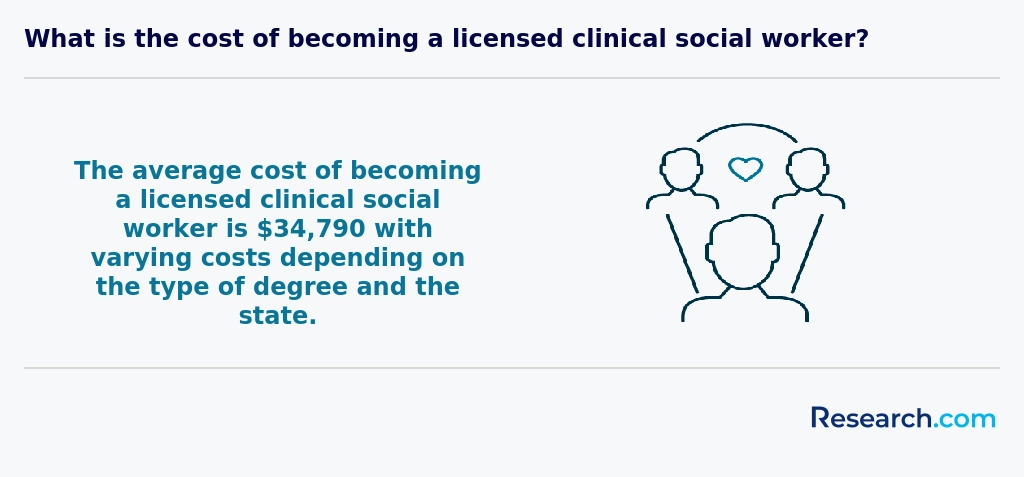
The average cost of a social work degree in Louisiana reflects a range shaped by residency status and institution type, yet it often surprises students navigating financial planning. For example, a typical in-state student pursuing their Bachelor of Social Work (BSW) at a public university like Louisiana State University faces an average annual tuition of around $9,922. Many graduates recall balancing this investment against the rewarding community impact their degree enables, highlighting how manageable costs can empower meaningful career choices.
Graduate social work students at institutions such as the University of Louisiana at Monroe experience tuition expenses that reflect the advanced training required for a Master of Social Work (MSW), often totaling about $32,807 for the entire program. This figure might challenge assumptions of affordability, yet many find scholarships and financial aid opportunities that ease the burden, allowing focus on their passion for social justice. Exploring the 2027 social work degree tuition fees Louisiana students face can thus open new perspectives on the value of this educational path.
It is worth considering that some of the most rewarding social work journeys start at public universities with lower costs, ensuring students can invest more in their field experience rather than excessive debt. Graduates frequently note that attending a CSWE-accredited program in Louisiana validates their credentials statewide and beyond.
Those prioritizing affordability should research options thoroughly, perhaps starting with the most affordable social work programs in Louisiana, where tuition budgets align closely with actual median costs students encounter. Reflecting on this data challenges the narrative that quality social work education demands unattainable expense, inviting prospective students to envision accessible and impactful career paths within the state.
Alumni Outcomes and Career Placement Rates
Graduates of Social Work degree programs in Louisiana consistently report strong career placement rates, with recent data showing that 92% of Bachelor of Social Work (BSW) alumni secure full-time positions within six months of graduation. Master of Social Work (MSW) graduates fare even better, with 88% obtaining roles in their chosen specialization-such as clinical social work or child and family services-within a year. These figures underscore the practical value of Louisiana’s accredited programs and highlight the effectiveness of field practicum partnerships with local agencies. Licensure success is another key indicator of alumni achievement. On average, Louisiana social work graduates pass the Licensed Clinical Social Worker (LCSW) exam at a rate of 85%, surpassing the national average of 80%. Regional institutions often provide dedicated exam prep workshops and mentorship from faculty, boosting candidate confidence and supporting long-term career advancement. Graduates also frequently leverage alumni networks to access continuing education opportunities, secure internships, and transition into leadership roles in healthcare systems, schools, and government agencies. Beyond immediate employment, long-term career trajectories for Louisiana Social Work alumni are robust: 70% of BSW holders pursue advanced degrees or certifications within five years, while 60% of MSW alumni advance into supervisory or policy-making positions. Prospective students balancing program quality, cost, and career outcomes may also explore our Most Affordable Social Work Degree Programs Ranking in Philadelphia, PA to identify programs that align with both their financial and professional goals.
What financial aid is available to social work degree students in Louisiana?
Many social work students in Louisiana find that financial aid transforms their educational journey from daunting to achievable. Federal Pell Grants, offering up to $7,395 annually, provide essential relief-especially for those at LSU or Tulane balancing part-time jobs and full-time studies. One graduate recalls how this grant allowed them to focus more on fieldwork rather than financial stress.
State-specific options like the Louisiana Go Grant, which offers up to $1,200 per year, uniquely target Louisiana residents pursuing social work degrees and help bridge gaps left by federal aid. Several students at public universities have credited this support for enabling continued enrollment when unforeseen expenses arose.
Beyond grants, scholarships from the Louisiana Board of Regents address workforce demands, reflecting the state's real need for social workers in communities. Institutional scholarships at schools such as LSU and Tulane reward academic dedication and leadership, often helping graduates deepen their involvement in community service without financial strain.
Employer tuition assistance and small grants from local organizations also make education more accessible, turning social work aspirations into realities for those already working in social services.
Return on Investment for Social Work Degrees in Louisiana
Understanding the financial return on a Social Work degree is critical for making an informed decision about your education. By comparing upfront costs with expected earnings and career advancement, you can estimate how quickly your investment will pay off. Average Payback Period • Bachelor of Social Work (BSW): With an average tuition range of $20,000–$40,000 and starting salaries around $45,000–$55,000, most graduates recoup their investment within 3–5 years. • Master of Social Work (MSW): Even at a higher average tuition of $30,000–$60,000, the jump to roles earning $60,000–$75,000 annually shortens the payback period to 2–4 years. Factors Affecting ROI • Program Format: Online programs often reduce living and commuting expenses, improving overall ROI. For detailed insights into financing options and social work degree cost, explore our comprehensive guide. • Scholarship and Loan Forgiveness: Grants, state programs like TOPS, and public service loan forgiveness can significantly lower your net cost, accelerating returns. • Career Advancement: Specializations in clinical social work or healthcare can command higher salaries, boosting long-term earnings. Maximizing Your Investment 1. Leverage internships and practicums to secure early job offers. 2. Network through professional associations to access higher-paying positions. 3. Consider accelerated or part-time enrollment options that align tuition payments with earnings. By evaluating these factors, Louisiana students can make strategic choices that not only fulfill their passion for social work but also deliver strong financial outcomes.
What are the prerequisites for enrolling in social work degree program in Louisiana?
Enrolling in a social work degree in Louisiana means more than just meeting a checklist; it demands readiness to engage deeply with human stories. At universities like Louisiana State University or Tulane, graduates recall how a high school diploma or GED was just the starting point. Many admitted students had a solid GPA around 2.5 to 3.0, paired with SAT or ACT scores, though some schools are now easing standardized test expectations, reflecting changing admissions landscapes.
Applicants often surprise themselves when reflecting on their backgrounds-courses in psychology or sociology, once deemed electives, become crucial foundations fostering empathy and analytical skills. A graduate from a popular program shared how prior volunteer work in community centers was a decisive factor, not just on paper but emotionally, affirming their passion for social change.
For those aiming at a Master of Social Work in Louisiana, the bar rises: a bachelor's degree, preferably related to human services, with a minimum 3.0 GPA and sometimes GRE scores are required. Letters of recommendation telling stories of real-life commitment bring applications alive, emphasizing the irreplaceable value of practical experience in social service environments found across the state.
Affordability and Accessibility of Social Work Programs in Louisiana
When considering a Social Work degree in Louisiana, one of the most critical factors is the affordability and accessibility of programs. Prospective students often find themselves weighing the costs of tuition, living expenses, and other fees against the potential benefits of a career in social work. To make informed decisions, it's essential to explore the options for financial aid, scholarships, and grants that can help offset these costs. For instance, students can look into resources that provide information on the most affordable social work programs in Louisiana, which can be a valuable starting point in their search for an affordable and high-quality education. By understanding the financial aspects of pursuing a Social Work degree, individuals can better navigate the process of selecting a program that aligns with their budget and career aspirations, ultimately setting themselves up for success in this rewarding field.
What courses are typically in social work degree programs in Louisiana?
Social work students in Louisiana encounter a curriculum deeply rooted in real community challenges, with courses tailored to address the state's unique social fabric. At institutions like Louisiana State University and the University of Louisiana at Lafayette, graduates often reflect on how courses such as Human Behavior and the Social Environment helped them truly understand the complexities of interactions within diverse neighborhoods, from New Orleans' vibrant urban life to rural parishes. These classes go beyond theory-they immerse students in scenarios where cultural sensitivity and local context are essential.
Many graduates emphasize the impact of Field Practicums, which place them in real-world settings under supervision, testing their skills in navigating social policies and direct client engagement. Courses like Social Policy and Services make clear how legislation affects vulnerable groups in Louisiana, challenging students to think critically about advocacy beyond textbooks.
This hands-on, immersive approach in programs recognized by the Council on Social Work Education transforms passionate students into confident professionals ready to serve Louisiana's diverse and evolving communities.
What types of specializations are available in social work degree programs in Louisiana?
Social work specializations in Louisiana challenge students to think beyond typical classroom theory. Graduates from prominent universities like LSU and Tulane often speak about their transformative experiences in clinical social work, where they learn to provide critical mental health support amidst Louisiana's recognized need for accessible therapy. These programs don't just teach counseling; they immerse students in real stories of resilience and recovery.
An equally demanding yet rewarding path is child and family social work, with graduates sharing how working with foster care systems gave them firsthand insight into Louisiana's fragile family networks. This specialization encapsulates the complexity of safeguarding vulnerable children, aligning education with urgent local challenges.
Louisiana social work degree focus areas also extend into healthcare social work, where students encounter emotional moments helping patients in hospitals and rehab centers cope with life-altering conditions. The ability to blend compassion with professional skill is a hallmark graduates often celebrate.
Lastly, community-focused social work urges students to engage actively with policy and social justice efforts, reflecting Louisiana's pressing social disparities. Those curious about the journey might wonder if is getting online bachelors degree in social work hard, discovering that the state's robust programs balance challenge with profound purpose.
How do you choose the best social work degree in Louisiana?
Choosing the best social work degrees in Louisiana goes beyond simply picking a school; graduates from well-known Louisiana universities often emphasize the value of accreditation by the Council on Social Work Education (CSWE). They recount how CSWE-approved programs ensured their degrees met state licensure requirements and opened doors for field placements essential to hands-on learning in local communities. Many found that programs offering a clear path to clinical or policy positions helped clarify their career goals, a crucial insight when balancing family or work commitments.
Financial reality hits hard, yet discovering affordable social work programs Louisiana can unlock opportunities without overwhelming debt. Some graduates highlight the importance of exploring various financial aid options and understanding tuition differences, which you can gauge more accurately by reviewing detailed breakdowns of social work degree cost online. These choices affect long-term satisfaction and stability as much as the curriculum itself.
Ultimately, graduates often point to program flexibility and local networking-especially connections to Louisiana's social service agencies-as pivotal in their professional growth. The ability to engage in real-world advocacy or clinical practice while studying gives meaning beyond textbooks, reminding you to choose with your individual story and professional vision in mind.
What career paths are available for social work degree students in Louisiana?
Graduates from popular Louisiana universities pursuing a social work degree often discover diverse career paths that extend far beyond traditional expectations. For many, working as child and family social workers in Louisiana's foster care system offers a deeply fulfilling way to impact vulnerable lives while navigating complex emotional landscapes. Others find their calling as clinical social workers in hospitals or private practices, where roles require an MSW and licensure but reward with the ability to guide patients through mental health challenges. These varied trajectories reflect the broad spectrum of jobs with a social work degree in Louisiana, framed by the state's unique socio-economic struggles.
Experiences shared by recent graduates describe the rewarding challenge of being healthcare or school social workers-roles that demand empathy and resilience while making tangible differences in community health and education. The reality of Louisiana's social work career opportunities Louisiana includes working within nonprofit agencies or government programs, often intensified by poverty and health disparities. Those interested in exploring affordability and options might consider the Most Affordable Social Work Degree Programs Ranking in Philadelphia, PA to compare pathways in a wider context.
What is the job market for social work degree in Louisiana?
The social work job prospects in Louisiana present a landscape shaped by a blend of challenge and opportunity. Graduates from prominent institutions like Louisiana State University and University of Louisiana at Lafayette often find themselves drawn into roles addressing critical state needs-healthcare, child welfare, mental health-all sectors demanding compassion and resilience. Employment outlook for social workers Louisiana reveals a steady 9% growth projected through 2032, reflecting more than just numbers but a community's reliance on dedicated professionals.
Many graduates share how their hands-on fieldwork within Louisiana's diverse communities shapes both career paths and personal growth. Despite median salaries around $48,000, slightly below national averages, the emotional rewards and the chance to impact lives directly often surpass financial measures. Access to affordable social work degrees at public universities encourages local students to enter the field, supported further by a variety of opportunities in public agencies and non-profits.
For those weighing education options, exploring best certificate programs that pay well complements the traditional degree route, enhancing job market adaptability and opening broader avenues within the Louisiana social work landscape.
Frequently Asked Questions About social work
Social work degree students in Louisiana can maximize their learning experience by engaging actively in field placements, which are a required part of all accredited programs. These internships provide real-world exposure and help build essential professional skills. The Council on Social Work Education (CSWE) accredits all legitimate programs and mandates practical experience, ensuring students gain hands-on knowledge.
Additionally, students should take advantage of professional associations like the Louisiana Chapter of the National Association of Social Workers (NASW), offering networking, workshops, and continuing education. According to the Louisiana Workforce Commission, demand for licensed social workers in the state is projected to grow by 12% from 2022 to 2032, highlighting the importance of practical readiness.
Enrolling in courses focused on Louisiana's unique social issues, such as disaster response and community health, also deepens understanding relevant to local needs.
The social work field in Louisiana is expanding into several emerging niches that address evolving community needs. One growing area is geriatric social work, driven by the state's increasing elderly population. According to the U.S. Census Bureau, Louisiana's population aged 65 and older is projected to rise steadily over the next decade, creating demand for professionals specializing in elder care and support.
Another niche gaining attention is behavioral health social work. Louisiana faces significant mental health challenges, with the Substance Abuse and Mental Health Services Administration highlighting a continued need for addiction and trauma specialists.
Child welfare remains a critical focus, with social workers addressing the needs of vulnerable youth, foster care, and family preservation. In recent years, Louisiana's Department of Children and Family Services has increased efforts to enhance support services, emphasizing this niche's importance.
After earning a social work degree in Louisiana, preparing for the job market involves strategic steps to increase employability. First, obtaining licensure is essential; the Louisiana Licensed Social Worker (LSW) credential is required for most professional positions. Candidates must pass the Association of Social Work Boards (ASWB) exam, which tests practical knowledge.
Gaining supervised field experience during education or through internships significantly enhances job prospects. Louisiana's Department of Health reports that social work jobs are growing due to increased demand in areas such as mental health and child welfare. Networking with local agencies and joining state-level professional groups like the Louisiana Chapter of the National Association of Social Workers can provide valuable contacts and job leads.
Developing skills in evidence-based practice and cultural competence is also important, as Louisiana's diverse population requires tailored social services. Continuing education and attending workshops help maintain licensure and keep up with evolving social work practices in the state.
Employers in Louisiana seeking graduates with social work degrees prioritize strong communication skills, as social workers must effectively engage clients from diverse backgrounds. Critical thinking and problem-solving abilities are also essential, enabling practitioners to assess complex situations and develop appropriate care plans. Knowledge of Louisiana's social services system, including local laws and cultural factors, is highly valued.
Additionally, proficiency in documentation and case management software is increasingly important due to the growing emphasis on digital record-keeping. According to the Louisiana Workforce Commission, interpersonal skills and ethical decision-making are top attributes sought in social work roles within state agencies and nonprofits.
Finding internships in Louisiana for social work students involves leveraging multiple resources within the state's educational and professional landscape. Most accredited social work programs in Louisiana, such as those recognized by the Council on Social Work Education (CSWE), require students to complete field internships as part of their degree. These programs often have partnerships with local social service agencies, hospitals, schools, and government offices.
Students should reach out to their university's career center or social work department for assistance in connecting with approved internship sites. Additionally, the Louisiana Department of Health and Hospitals and community organizations like United Way often list internship opportunities relevant to social work.
According to the National Association of Social Workers (NASW) Louisiana chapter, networking through professional events and joining local social work associations can also uncover internship opportunities. Early application and communication with potential supervisors are recommended, as internship slots can be limited due to high demand.
Obtaining a social work degree in Louisiana significantly enhances career mobility and advancement opportunities within the state's growing human services sector. A Bachelor of Social Work (BSW) degree is typically required for entry-level positions, while a Master of Social Work (MSW) can open doors to clinical roles and leadership positions. According to the Louisiana Workforce Commission, social workers with advanced degrees often experience faster job growth and higher salaries compared to those without formal education.
Licensure in Louisiana, which requires completing an accredited social work program, is essential for clinical practice. This credential increases employability and allows professionals to work independently or in specialized settings such as healthcare, schools, or child welfare agencies. The state's Department of Health highlights strong demand for licensed social workers, driven by expanding public health initiatives and mental health services.
Studying for a social work degree in Louisiana equips students with skills essential for interdisciplinary collaboration. Programs emphasize working with professionals in healthcare, education, and criminal justice to address complex social issues. According to the Council on Social Work Education (CSWE), Louisiana's accredited programs include coursework in mental health, community resources, and policy analysis, which are crucial for teamwork across fields.
Field placements commonly involve settings like hospitals, schools, and government agencies, allowing students to gain practical experience alongside diverse experts. This hands-on training enhances communication and problem-solving abilities in varied professional environments.
Graduates become prepared to navigate Louisiana's unique social challenges by integrating knowledge from multiple disciplines efficiently.
Choosing between a thesis and a non-thesis social work degree program in Louisiana depends on your career goals and academic interests. Thesis programs emphasize research, preparing students for doctoral studies or research roles in agencies. In contrast, non-thesis tracks focus on practical skills and fieldwork, often preferred by those aiming for direct practice or clinical work. According to the Council on Social Work Education (CSWE), Louisiana has several accredited programs offering both options. Consider your time commitment as thesis tracks often require more months for research and writing. Additionally, review faculty expertise and available resources at Louisiana universities to support your choice.
Students in Louisiana interested in studying social work abroad have several options through partnerships and exchange programs offered by universities within the state. While no Louisiana university offers a full social work degree entirely overseas, many participate in study abroad opportunities in countries with established social welfare systems, such as the United Kingdom, Australia, and Canada. These programs allow students to earn course credits that count toward their Bachelor or Master of Social Work degrees at Louisiana institutions.
According to the Council on Social Work Education, international exposure enhances practical skills and global understanding for social workers. Louisiana State University and Tulane University, for example, have study abroad partnerships facilitating short-term placements and internships abroad. These programs often include fieldwork, which is crucial for social work accreditation.
Financial support for study abroad is accessible through scholarships specifically targeted at social work students, including federal funding options. Students should consult their university's study abroad office and social work department to identify current offerings and eligibility criteria. Careful planning ensures that overseas coursework aligns with Louisiana's social work licensing requirements.
Part-time job opportunities in Louisiana that complement social work degrees often involve community engagement and direct support roles. Many students find positions as case management aides or social services assistants, which provide practical experience in client interaction and resource coordination. According to the U.S. Bureau of Labor Statistics, social services assistants in Louisiana earn a median wage of about $30,000 annually, reflecting entry-level opportunities relevant for students.
Other options include working with local nonprofits or government agencies focused on child welfare, mental health, or substance abuse programs. These roles help students build skills in assessment and advocacy. Universities like LSU and Tulane encourage internships through partnerships with agencies, letting students earn credit while gaining valuable fieldwork experience.
Healthcare support roles, such as home health aides, also offer flexible schedules and exposure to patient care settings closely linked to social work practice in Louisiana's healthcare system. These experiences enhance understanding of multidisciplinary teamwork and client needs.
Social work students in Louisiana benefit from a variety of networking opportunities through professional organizations and university programs. The Louisiana Chapter of the National Association of Social Workers (NASW-LA) is a key resource, offering events, workshops, and conferences throughout the year. Students can connect with licensed social workers and gain insights on career development and regional social issues.
Many universities in Louisiana, such as Louisiana State University and the University of Louisiana at Monroe, organize networking events, internships, and service-learning projects that link students with local agencies. These experiences often lead to professional contacts and job opportunities.
According to NASW-LA, participation in these networks improves employment prospects, with over 60% of social workers finding jobs through professional connections in the state.
Alumni networks offer significant advantages to social work degree students in Louisiana. These networks connect current students to experienced professionals who understand the state's social service landscape. Through mentorship and guidance, alumni help students navigate career pathways and licensing requirements specific to Louisiana, such as those outlined by the Louisiana State Board of Social Work Examiners.
Networking events and job referrals through alumni networks increase employment opportunities, especially since Louisiana's social work field is closely tied to local government and nonprofit sectors. According to the National Association of Social Workers Louisiana Chapter, strong alumni connections improve job placement rates and support in-field professional growth.
Additionally, some Louisiana universities maintain active alumni databases aiding students in securing internships and practicum placements essential for licensure. Alumni involvement enriches learning and fosters professional development relevant to Louisiana's diverse communities.
Customizing a social work degree program in Louisiana allows students to align their education with specific career goals. Many universities offer concentrations such as clinical social work, school social work, or policy and administration. Selecting a focus area can help develop specialized skills demanded in Louisiana's workforce. For example, the Louisiana Workforce Commission reports a growing need for mental health and substance abuse counselors, which can guide specialization choices. Students can also tailor their practicum or internship placements to gain experience in settings like hospitals, schools, or community organizations. This practical exposure is essential for building relevant professional networks and expertise.
Additionally, some programs provide elective courses covering topics like rural social work or child welfare, relevant to Louisiana's distinct demographics and social challenges. Online and hybrid formats available at certain institutions allow working professionals to customize their study schedule without pausing their careers. Accreditation by the Council on Social Work Education (CSWE) ensures programs meet national standards, important for licensure in Louisiana. Researching state licensure requirements alongside program options ensures degree customization meets both educational and professional criteria.
Social work students in Louisiana often face several challenges during their studies. One major difficulty is the limited availability of field placement sites. Due to the state's high demand for social services, finding quality internships that meet program requirements can be competitive, affecting practical learning opportunities.
Additionally, financial barriers are common. According to the Louisiana Board of Regents, many students rely on loans or part-time jobs, which can increase stress and limit study time.
Students also encounter the emotional burden of working with vulnerable populations in underserved communities, which may include trauma and poverty.
Finally, balancing rigorous coursework with personal and professional responsibilities remains a key challenge for many.
With a social work degree in Louisiana, graduates can pursue several professional certifications to advance their careers. The most common credential is the Licensed Social Worker (LSW), which permits entry-level practice under supervision. After gaining experience, professionals may apply for the Licensed Clinical Social Worker (LCSW) license, allowing independent clinical practice.
The Louisiana State Board of Social Work Examiners oversees licensing requirements, including specific education hours and supervised practice. Additionally, certifications such as Certified School Social Work Specialist (C-SSWS) are available for those working in educational settings.
Nationally recognized credentials, like the Academy of Certified Social Workers (ACSW), also enhance professional standing but require a master's degree and relevant experience. These certifications reflect a commitment to ethical, skilled practice in Louisiana's social work field.
To write a winning application for a social work program in Louisiana, start by carefully researching accredited programs recognized by the Council on Social Work Education (CSWE). Many Louisiana universities, such as LSU and the University of Louisiana at Lafayette, offer Bachelor's and Master's in Social Work degrees with competitive admissions.
Focus on clearly demonstrating your understanding of social work's role in Louisiana's communities, particularly addressing local challenges like poverty, mental health, and child welfare. According to the Louisiana Department of Children & Family Services, applicants with volunteer or work experience in these areas strengthen their applications.
Write a compelling personal statement that highlights your commitment, relevant experiences, and career goals. Include specific examples showing empathy and problem-solving skills. Ensure all test scores, transcripts, and letters of recommendation are submitted on time, as programs often have strict deadlines to maintain accreditation standards.
The global perspective on a social work career emphasizes the profession's vital role in addressing social injustices, poverty, and mental health across diverse populations. Social workers worldwide focus on empowering vulnerable groups, promoting human rights, and fostering community development.
In the United States, including Louisiana, social work education aligns with international standards set by organizations like the International Federation of Social Workers. Louisiana's demand for social workers is growing due to its unique social challenges, such as high poverty rates and a need for healthcare support.
According to the Bureau of Labor Statistics, employment for social workers in Louisiana is projected to grow by 11% from 2022 to 2032, faster than the national average. This reflects a broader global priority on expanding social services to improve public well-being.
Gaining practical experience while studying for a social work degree in Louisiana is essential for career readiness. Most accredited programs require field internships, allowing students to work directly with local agencies. The Council on Social Work Education (CSWE) mandates a minimum of 400 hours of supervised fieldwork for bachelor's degrees and 900 hours for master's programs. Louisiana universities collaborate with hospitals, schools, and community organizations to provide placements. These internships help students apply theoretical knowledge in real settings, develop professional skills, and network with local employers. Additionally, volunteering with nonprofits or government social services can supplement hands-on experience, enhancing job prospects after graduation.
Choosing the right concentration within a social work degree program in Louisiana requires careful consideration of your career goals and the local job market. Common concentrations include child and family services, healthcare, mental health, and substance abuse. According to the Louisiana Workforce Commission, demand is notably high for social workers specializing in healthcare and behavioral health, reflecting statewide priorities.
Research different program offerings at accredited institutions, focusing on concentrations aligned with Louisiana's community needs. Consider internships or field placements available-these practical experiences are vital and often vary by concentration. Also, review licensure requirements for your intended practice area, as they can influence your concentration choice.
Ultimately, selecting a concentration should balance your personal interests with the state's social service demands to build a meaningful and sustainable career.
Related Social Work Rankings for Nearby States
- 2027 Best Social Work Degree Programs Ranking in Arkansas
- 2027 Best Social Work Degree Programs Ranking in Alabama
- 2027 Best Social Work Degree Programs Ranking in Missouri
- 2027 Best Social Work Degree Programs Ranking in Florida
- 2027 Best Social Work Degree Programs Ranking in Kentucky
- 2027 Best Social Work Degree Programs Ranking in Georgia
- 2027 Best Social Work Degree Programs Ranking in Illinois
- 2027 Best Social Work Degree Programs Ranking in Indiana
- 2027 Best Social Work Degree Programs Ranking in Kansas
- 2027 Best Social Work Degree Programs Ranking in Iowa
Top Trending Social Work Rankings
See What Experts Have To Say About Studying Social Work
Read our interview with Social Work experts

References
- Grand Challenges for Social Work https://grandchallengesforsocialwork.org/
- Become a Social Worker in Louisiana https://socialworklicensemap.com/social-work-licensure/become-a-social-worker-in-louisiana/
- Tripod Partners https://www.tripodpartners.com/career-advice/social-work/advancing-your-social-work-career-tips-for-promotion/
- My social work journey: from experience to practice https://socialworkwithadults.blog.gov.uk/2023/09/26/my-social-work-journey-from-experience-to-practice/
- Top Skills Employers Look for in Qualified Social Workers Today - Vitalis https://www.vitalissocialcare.co.uk/career-development/top-skills-employers-look-for-in-social-workers-today/
- Career stages | BASW https://basw.co.uk/careers/career-stages
- Social Work News https://www.mysocialworknews.com/article/how-to-find-your-social-work-niche
- How To Become A Social Worker | Psychology.org https://www.psychology.org/social-work/how-to-become/
- 1+ Social Worker Cover Letter Examples (with In-Depth Guidance) https://www.tealhq.com/cover-letter-examples/social-worker
- Know more about thesis vs non- thesis: what is the difference? https://studyfans.com/en/blogs/816




