
2027 Most Popular Social Work Degree Programs Ranking in Madison

Co-Founder and Chief Data Scientist
Choosing the right social work degree program in Madison is an important step toward a rewarding career. Our article features the 2027 Most Popular Social Work Degree Programs Ranking in Madison, created by the Research.com team of data scientists. This ranking is designed to help you make an informed decision by highlighting the top programs available locally.
Exploring these programs lets you find one that fits your goals and passions. Pursuing a social work degree opens doors to meaningful work, personal growth, and making a positive difference in your community.
Key benefits of getting social work degree in Madison
- Salary for social work degree graduates: Graduates in Madison can expect competitive wages, with social workers earning a mean annual salary of $68,800 and youth workers or community organizers earning up to $83,400 annually.
- Career paths: Social work degree holders in Madison have diverse options, including roles as child welfare specialists, residential counselors, or community organizers, offering rewarding opportunities to make a real difference.
- Online degree benefits: Pursuing a social work degree online allows flexible scheduling and accessibility, helping Madison students balance work and life while gaining valuable skills recognized by local employers.
- Key benefits of getting social work degree in Madison
- What can I expect from social work degree in Madison?
- Where can I work with social work degree in Madison?
- How much can I make with social work degree in Madison?
- 2027 Most Popular Social Work Degree Programs Ranking in Madison
- Key Findings
- How long does it take to complete social work degree in Madison?
- Licensing and Certification in Wisconsin
- What's the difference between online and on-campus social work degree?
- How to Apply: A Step-by-Step Guide for Social Work Programs in Madison, WI
- What is the average cost of social work degree in Madison?
- Navigating the Landscape of Social Work Education in Madison, WI
- What financial aid is available to social work degree students in Madison?
- Licensing and Certification Requirements in Wisconsin
- What are the prerequisites for enrolling in social work degree program in Madison?
- Essential Strategies for Succeeding in Your Social Work Journey
- What courses are typically in social work degree programs in Madison?
- What types of specializations are available in social work degree programs in Madison?
- How do you choose the best social work degree in Madison?
- What career paths are available for social work degree students in Madison?
- What is the job market for social work degree in Madison?
- Top Trending Social Work Rankings
- See What Experts Have To Say About Studying Social Work
What can I expect from social work degree in Madison?
The average cost of pursuing a social work degree in Madison varies depending on the level of study and the institution chosen. For example, graduates from the University of Wisconsin-Madison, a leading school for social work, often report tuition costs for their Master of Social Work (MSW) program ranging between $10,000 and $20,000 per year for in-state students. This is a significant investment but is offset by the comprehensive training and field placements that enhance job readiness.
Many students emphasize the value they found in hands-on experiences working with local communities, which made the expense feel worthwhile. Practical fieldwork opportunities within Madison's diverse neighborhoods, including work with children and marginalized groups, help students connect classroom theory with real-life impact, increasing their confidence and skill set.
For those worried about cost, financial aid, scholarships, and assistantships available at Madison institutions often ease the burden. Graduates often feel that this financial planning was crucial in managing expenses while gaining a quality education aligned with licensure requirements in Wisconsin.
Where can I work with social work degree in Madison?
Graduates from social work programs at institutions like the University of Wisconsin-Madison find diverse career opportunities across the city. Many land positions in the Madison Metropolitan School District, where they support students facing mental health challenges and family issues, directly impacting academic success. This hands-on experience is often cited by graduates as deeply rewarding and motivating.
Healthcare settings, such as UW Hospital and Clinics, also employ social workers to guide patients through complex medical systems and assist with discharge planning. Graduates appreciate the multidisciplinary teamwork here, which enriches their skills.
Nonprofits like the Urban League and YWCA offer roles addressing homelessness and substance abuse. Social work graduates frequently highlight these positions as fulfilling because they create visible community change.
Additionally, positions in Dane County Human Services allow social workers to engage in child welfare and mental health services, providing a strong sense of purpose and steady career growth. Many alumni advise pursuing licensure through the Wisconsin Department of Safety and Professional Services to maximize job prospects in Madison's private practices and counseling centers.
How much can I make with social work degree in Madison?
Graduates with a social work degree in Madison typically find promising salary opportunities aligned with their level of education and chosen career path. For instance, those starting as Child Welfare Specialists or Residential Counselors can expect mean annual wages around $59,190, providing a solid foundation early in their careers.
Many social work graduates from well-regarded local institutions, such as the University of Wisconsin-Madison, report satisfaction with roles as Youth Workers or Community Organizers, fields where the mean salaries rise to about $83,400 annually. These positions not only offer competitive compensation but also rewarding community impact, an important factor for students passionate about real-world change.
Social workers in Madison generally earn mean wages near $68,800 per year, reflecting the city's investment in social services and the demand for skilled professionals. Graduates often pursue advanced certifications or licenses like LCSW to increase earning potential and access clinical or supervisory roles that come with higher pay.
2027 Most Popular Social Work Degree Programs Ranking in Madison
How do we rank schools?
Investing in your education is a significant decision that can shape your future, and the Research.com team understands the importance of making informed choices. To assist prospective students in Madison, we have meticulously developed the "2027 Most Popular Social Work Degree Programs Ranking in Madison." Our commitment to quality, credibility, and accuracy is reflected in the thorough research and analysis conducted to compile this ranking.
We utilized the following reputable data sources to ensure a comprehensive evaluation of social work programs:
By exploring this ranking, readers will gain valuable insights into the best social work degree programs available in Madison, helping them make well-informed decisions about their educational journey. For more details on our methodology, please visit our Research.com methodology page.

Key Findings
- Madison offers accredited Bachelor and Master of Social Work degrees recognized by the Council on Social Work Education.
- Undergraduate tuition for in-state students ranges from $10,000 to $13,000 per year, while graduate programs cost between $15,000 and $25,000 annually.
- Entry-level social workers in Madison earn between $40,000 and $48,000 per year, with experienced professionals making $60,000 to $70,000 annually.
- The job market is growing steadily, with opportunities in healthcare, education, nonprofits, and public agencies.
- Additional costs include books, supplies, and living expenses, which should be considered when planning.
How long does it take to complete social work degree in Madison?
Completing a social work degree in Madison typically takes about four years for a Bachelor of Social Work (BSW). Many graduates from well-known Madison colleges share that balancing core courses with invaluable fieldwork made their education both rewarding and practical. Immersing themselves in community agencies brought classroom lessons to life, confirming their passion for social work.
For those pursuing a Master of Social Work (MSW), expect an additional two years if studying full-time. Some universities in Madison offer accelerated MSW programs where previous BSW holders can finish in about a year, a popular option among professionals eager to advance quickly. Part-time paths extend the timeline but provide flexibility, perfectly suiting students managing jobs or family.
Factors like enrolling full-time vs. part-time, choosing traditional or online formats, and transferring eligible credits can shorten or lengthen study time. Graduates often find that thoughtful planning and selecting the right program format in Madison creates a fulfilling, manageable journey toward launching their social work careers.
Licensing and Certification in Wisconsin
Licensure is mandatory to practice as a social worker in Madison, WI. Wisconsin offers:
- Licensed Bachelor Social Worker (LBSW): requires a BSW degree and passing the ASWB bachelor’s exam.
- Licensed Clinical Social Worker (LCSW): requires an MSW degree, 3,000 supervised clinical hours, and passing the ASWB clinical exam.
- Independent Clinical Social Worker (ICSW): post-LCSW credential for full clinical autonomy after additional supervision.
Many candidates pursue an MSW through accredited msw programs to meet these requirements. To complete licensure:
- Pass the appropriate ASWB licensing exam.
- Complete the required supervised practice hours.
- Apply and pay fees through the Wisconsin Department of Safety and Professional Services.
What's the difference between online and on-campus social work degree?
Choosing between online and on-campus social work degrees in Madison depends on how you prefer to learn and balance your life. On-campus programs, like those at the University of Wisconsin-Madison, offer hands-on interaction with professors and peers, fostering a close community feel. Graduates often highlight how group discussions and access to campus resources, like counseling centers, enriched their learning and prepared them for real-world challenges.
Online programs, by contrast, provide flexibility to study anywhere, ideal for those juggling work or family. Students appreciate being able to watch video lectures at their own pace while still engaging in virtual discussions and simulations. However, both formats require field practicums in local Madison agencies, ensuring practical experience that connects theory to community impact.
Cost-wise, on-campus degrees may be higher due to campus fees and housing, while online options might reduce commuting costs but include technology fees. Knowing your personal needs and lifestyle can help you select the path that feels right and positions you for success in Madison's social work field.
How to Apply: A Step-by-Step Guide for Social Work Programs in Madison, WI
Applying to a Social Work degree program in Madison, WI involves several key steps designed to showcase your academic readiness, professional experience, and commitment to the field. Follow this guide to navigate the application process efficiently and increase your chances of acceptance. 1. Research Programs and Deadlines • Visit each institution’s admissions page to confirm application deadlines (typically November–February for fall intake). • Compare tuition and fees, and consider program formats (online, hybrid, on-campus). While evaluating costs, you may also explore our Affordable Social Work Degree Programs Ranking in Louisville, KY for additional perspective on budget-friendly options. 2. Gather Academic Transcripts and Test Scores • Request official transcripts from all post-secondary institutions attended. • Some programs may require GRE or equivalent test scores-verify requirements early to allow test prep and scheduling. 3. Complete Prerequisite Coursework • Ensure you have completed foundational courses such as Introduction to Social Work, Psychology, and Research Methods with a minimum GPA of 2.75. • If you’re missing any prerequisites, enroll in non-degree or continuing education courses before applying. 4. Prepare Application Materials • Personal Statement: Articulate your passion for social work, relevant volunteer/field experiences, and career objectives (500–750 words). • Letters of Recommendation: Request 2–3 strong endorsements from professors, field supervisors, or employers familiar with your commitment to social justice and helping professions. • Resume or CV: Highlight academic honors, internships, volunteer roles, and any paid or unpaid social services work. 5. Complete Background Checks and Immunizations • Many field placements require criminal background checks and up-to-date immunizations (e.g., TB test, MMR). Plan ahead by scheduling these screenings at least six weeks before program start. 6. Submit Application and Pay Fees • Apply through each school’s online portal, paying attention to file upload limits and format requirements (PDF preferred). • Pay application fees or request fee waivers if eligible (e.g., via FAFSA or university-specific programs). 7. Interview and Portfolio (If Required) • Some MSW programs conduct panel interviews or portfolio reviews. Prepare by reviewing your personal statement, reflecting on past field experiences, and articulating your professional goals. • Practice common interview questions, such as “Describe a challenging client interaction and how you managed it.” 8. Monitor Application Status and Financial Aid • Regularly check email and application portals for admission decisions and financial aid award letters. • Complete FAFSA by the priority deadline (typically early spring) to maximize eligibility for grants, loans, and work-study opportunities. By following these steps and staying organized, you’ll strengthen your application and confidently embark on your journey toward a rewarding Social Work career in Madison, WI.
What is the average cost of social work degree in Madison?
The average cost of a social work degree in Madison varies depending on residency and level of study, but using local data, in-state students typically pay around $11,603 total for their degree. This figure allows Madison residents to pursue their education affordably, especially compared to out-of-state students who face significantly higher costs near $55,617 in total. Graduates from popular schools like the University of Wisconsin-Madison often share how managing these costs with scholarships and on-campus jobs eased their financial burden, making the pursuit of a rewarding career in social work more accessible.
For prospective students, understanding Madison social work degree tuition fees is key to planning. Many find that starting at a community college before transferring to a four-year program can reduce expenses while maintaining strong academic progress. Students also emphasize the value of applying for grants specific to social work disciplines and leveraging financial aid offered by these local institutions.
Practical budgeting that accounts for tuition, books, and living expenses helps maintain a positive outlook throughout the educational journey. Students frequently highlight the satisfaction of balancing costs with the rewarding impact of their future profession. Those seeking flexible options may explore accredited online psychology programs ohio as an alternative to traditional routes, providing additional cost savings and scheduling convenience.

Navigating the Landscape of Social Work Education in Madison, WI
To make informed decisions about their social work education, prospective students in Madison, WI, should consider exploring popular social work programs that align with their career goals and financial situation. By understanding the various programs available, including online and on-campus options, students can choose a path that fits their aspirations and budget. This thoughtful approach will empower them to navigate the landscape of social work education in Madison, WI, and find a program that prepares them for a rewarding career in this essential field.
What financial aid is available to social work degree students in Madison?
Social work students in Madison often rely on multiple financial aid sources to manage tuition and related costs. For example, graduates from the University of Wisconsin-Madison frequently mention how completing the FAFSA unlocked access to Pell Grants, which can cover a substantial portion of their $10,000 in-state tuition.
Many also benefit from Wisconsin's state grants, like the Wisconsin Grant, which supports residents enrolled at least half-time and demonstrates real impact by easing worries about living expenses and textbooks. On-campus scholarships and fellowships available through UW-Madison and other local institutions reward academic merit and community involvement, making social work studies more attainable.
Students share that applying to professional organizations such as the National Association of Social Workers for scholarships provided an encouraging financial boost, especially for those committed to the field's values. Additionally, employer tuition reimbursement programs are a practical option for those already working in social services, turning work experience into degree progress without financial strain.
Combining these resources, many Madison social work students feel empowered and hopeful about their educational journey, balancing passion for their future careers with financial stability.
Licensing and Certification Requirements in Wisconsin
To practice as a social worker in Madison, WI, state licensure through the Wisconsin Department of Safety and Professional Services (DSPS) is required. Core requirements:
- LMSW licensure: Earn a CSWE-accredited MSW (consider msw programs online), then pass the ASWB Master’s exam.
- LCSW licensure: After LMSW, complete 3,000 hours of supervised clinical experience and pass the ASWB Clinical exam.
- Application process: Submit official transcripts, exam results, background check, and fees to the DSPS.
What are the prerequisites for enrolling in social work degree program in Madison?
To enroll in a social work degree program in Madison, start by securing a high school diploma or an accredited bachelor's degree if aiming for a Master of Social Work (MSW). Graduates from the University of Wisconsin-Madison emphasize that completing foundational courses such as psychology, sociology, human development, and statistics is crucial. These classes build the backbone for understanding complex social issues you'll encounter.
Hands-on experience matters-volunteering at local nonprofits or healthcare centers in Madison not only strengthens your application but also affirms your passion for social work. Many alumni recall how internships with community organizations deepened their interpersonal skills and boosted their confidence.
Strong letters of recommendation and a compelling personal statement explaining your motivation are essential to stand out in admissions. While some schools may request GRE scores, this is not always mandatory, so carefully check each program's specific requirements.
Essential Strategies for Succeeding in Your Social Work Journey
Embarking on a social work career requires more than enrolling in the right program-it demands a proactive approach to learning, professional networking, and personal development. Students can benefit from strategies that combine academic diligence with real-world experience. For example, actively engaging in internships and volunteering not only strengthens classroom learning but also builds valuable connections within the community. Establishing relationships with mentors and industry professionals can provide guidance when transitioning from student life to professional practice. Additionally, refining soft skills such as active listening, empathy, and cultural competence is critical, as they enhance your ability to serve diverse populations effectively. Regularly seeking feedback and reflecting on your experiences will help you evolve continuously in this dynamic field. Moreover, for those curious about the practical aspects of the profession, exploring resources that explain what does a social worker do in various settings can provide further clarity on daily responsibilities and long-term career opportunities. Integrating these essential strategies early on will pave the way for a successful and rewarding social work career.
What courses are typically in social work degree programs in Madison?
Students pursuing social work degrees in Madison, especially at well-regarded institutions like the University of Wisconsin-Madison, encounter courses designed to blend theory with real-world application. For instance, a graduate often recalls how a human behavior course helped them understand clients' complex emotional and social struggles, making their fieldwork more impactful.
Typical coursework includes foundational subjects such as social welfare policy, where students review state and national guidelines affecting local communities. Another essential class covers research methods, equipping students to evaluate programs and advocate effectively.
Practical skills receive strong emphasis through clinical social work classes, teaching counseling and intervention strategies. Many graduates highlight how internships at Madison community organizations provide invaluable hands-on experience, preparing them to meet Wisconsin's licensure requirements of supervised fieldwork hours.
Additional courses focus on:
- Social welfare policy and services
- Cognitive and emotional assessment
- Methods of social work research and evaluation
- Community organization and advocacy
- Ethics and professional standards in social work
Engaging with these courses creates confidence and readiness to support diverse populations, making graduates feel well-prepared for the rewarding challenges of social work careers in Madison.

What types of specializations are available in social work degree programs in Madison?
Social work degree specializations in Madison cover practical areas designed to meet local community needs and career goals. Graduates from popular colleges in Madison often choose to focus on Clinical Social Work, gaining skills in mental health counseling and therapy to work with individuals and families. Others find hands-on experience invaluable in Child and Family Services, where they help protect vulnerable children and support family well-being through internships arranged by their universities. Healthcare Social Work is another common concentration, with students working in hospitals or rehabilitation centers, navigating complex medical and social support systems.
Community Organization and Advocacy prepares students to lead social policy initiatives, an approach many local graduates embrace to create positive change in Madison's nonprofit sector. Gerontology is gaining attention as well, with programs addressing aging populations and elder care, reflecting Madison's demographic trends. Choosing these Madison social work program concentrations often means excellent access to local agencies for real-world training, boosting confidence and practical readiness.
Students interested in licensure can benefit from combining their degree with specialized training; for example, those considering counseling roles might explore LPC training Georgia for further certification options linked to their social work credentials.
How do you choose the best social work degree in Madison?
Choosing the best social work degree in Madison starts with confirming that the program has Council on Social Work Education (CSWE) accreditation, ensuring quality training essential for licensure and career success. Graduates from the University of Wisconsin-Madison often highlight how the clinical practicum placements with local agencies gave them hands-on experience, boosting their confidence and job readiness. It's important to select the degree level that matches your goals, whether a Bachelor of Social Work for entry-level positions or a Master of Social Work for advanced clinical roles, both sought after in Madison's community services sector.
Affordability matters too. Students looking for affordable social work colleges Madison can consider public institutions like UW-Madison, where tuition aligns with national averages and financial aid options help manage costs. Many graduates appreciate the balance of quality education and manageable expenses here. Also, explore field placements extensively, as these practical experiences are a cornerstone in developing professional skills.
For broader insights into related programs, students interested in social sciences might also check the best psychology schools in pennsylvania. Pursuing a degree where faculty expertise and research facilities are strong will enrich your learning and open more career doors locally.
What career paths are available for social work degree students in Madison?
Graduates with a social work degree in Madison have diverse options for career paths that match various interests and strengths. Many pursue becoming licensed clinical social workers (LCSW), allowing them to provide therapy and counseling independently, a role highly valued in Wisconsin. Graduates from popular Madison universities often share how their clinical internships prepared them for this rewarding path, helping individuals face mental health challenges head-on.
Other jobs with a social work degree Madison include child and family social work, where graduates support vulnerable children and families navigating complex issues like foster care and adoption. Medical social work is another common path, offering a chance to work directly with patients and their families to coordinate care in hospitals and clinics. Those interested in education may find school social work fulfilling, helping students manage behavioral or social difficulties. Community organization roles also attract graduates passionate about creating programs addressing local concerns such as homelessness and substance abuse.
Those exploring social work career opportunities in Madison can gain insight by reviewing popular social work programs in the state, which often emphasize practical experience and strong community connections to enhance employment prospects.
What is the job market for social work degree in Madison?
The social work job opportunities Madison offers are promising for graduates from local programs like the University of Wisconsin-Madison. Many find roles in hospitals, schools, and public agencies that deeply impact community well-being. Graduates describe their work as fulfilling, often helping families or vulnerable populations, which reinforces their commitment to the profession. With a median annual wage around $60,000, social workers in Madison earn slightly above the national average, making it a viable financial choice.
The Madison social work degree employment outlook is steady, with demand expected to grow 10% over the next decade. This is driven by a rising need for mental health services and community support programs. Students benefit from affordable tuition rates and direct pathways to Wisconsin's licensure process, which employers highly value. Those seeking practical insights into roles can explore what does a social worker do to prepare effectively for this career.
Frequently Asked Questions About social work
Social work degree students in Madison can enhance their learning by actively engaging in field placements, which are essential for gaining practical experience. The University of Wisconsin-Madison, for example, integrates hands-on internships with community organizations, helping students apply theory to real-world challenges.
Joining local professional groups like the Wisconsin Chapter of the National Association of Social Workers provides valuable networking opportunities. These connections often lead to mentorship and job prospects after graduation.
Additionally, students should take advantage of workshops and seminars offered by civic organizations in Madison. According to the Wisconsin Department of Workforce Development, social work jobs in Dane County are expected to grow by 9% through 2030, increasing demand for well-prepared professionals.
The social work field in Madison is evolving, with several emerging niches gaining prominence. One key area is geriatric social work, responding to Wisconsin's aging population, which has grown by 15% over the last decade according to the U.S. Census Bureau. Professionals in this niche support older adults with healthcare navigation and social services.
Another growing specialty is behavioral health social work, driven by increased awareness of mental health. Madison-area agencies report a 20% rise in demand for social workers trained in substance abuse and trauma-informed care, as noted by the Wisconsin Department of Health Services.
Additionally, environmental social work is gaining traction locally, integrating social justice with sustainability efforts, reflecting Madison's strong community focus on environmental issues. This niche collaborates with community organizers and policy advocates.
These niches represent significant opportunities for social work graduates in Madison to address evolving community needs.
After completing a social work degree in Madison, preparing for the job market involves several key steps. It is important to obtain licensure, such as the Licensed Social Worker (LSW) credential, which is often required for many positions in Wisconsin. Gaining practical experience through internships or volunteer work in local agencies can improve employability.
Networking with professionals via organizations like the Wisconsin Chapter of the National Association of Social Workers provides valuable contacts and job leads. According to the U.S. Bureau of Labor Statistics, social work jobs in Wisconsin are expected to grow by 8% through 2031, indicating promising opportunities for graduates.
Additionally, continuing education and specialization in areas like clinical social work or school social work can enhance job prospects in Madison's diverse social services sector.
Employers in Madison seek social work graduates with strong communication skills, critical for engaging effectively with diverse clients and community partners. According to the Wisconsin Department of Workforce Development, verbal and written communication are top-rated skills for social workers locally.
Problem-solving and analytical abilities are essential, as graduates must assess client needs and develop appropriate interventions. The Bureau of Labor Statistics notes that social workers in Wisconsin frequently face complex cases requiring quick, evidence-based decisions.
Empathy and cultural competence also rank highly. Madison's diverse population means social workers must respect different backgrounds and provide inclusive support. Leadership and teamwork capabilities matter too, as social workers collaborate with healthcare providers, educators, and policymakers to improve client outcomes.
Finding internships in Madison relevant to a social work degree involves utilizing local educational institutions and community organizations. Universities such as the University of Wisconsin-Madison offer internship placements as part of their accredited social work programs, often connecting students with agencies across Dane County. The Wisconsin Department of Children and Families and local nonprofits like Porchlight, Inc. provide practical experiences focused on mental health, child welfare, and homelessness.
Students should also explore Madison's government social services and health departments, which frequently seek interns for hands-on work. According to the Council on Social Work Education, placements that meet accreditation standards improve future employability.
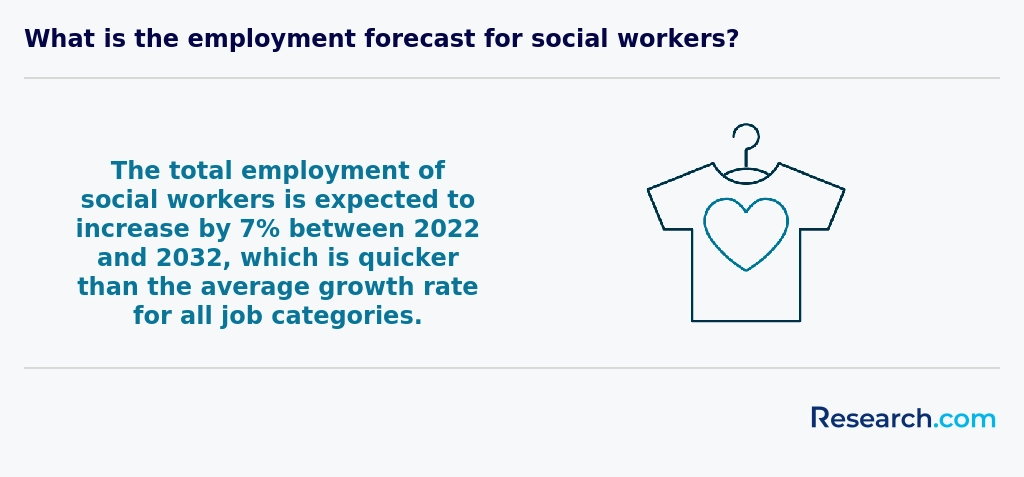
Obtaining a social work degree in Madison significantly enhances career mobility and advancement opportunities. Professionals with a Bachelor's or Master's in Social Work (MSW) are in higher demand due to their specialized training in clinical practice, community support, and policy advocacy. According to the Bureau of Labor Statistics, social workers in Wisconsin, including Madison, are projected to grow by 12% from 2022 to 2032, faster than the average for all occupations.
Local employers such as hospitals, schools, and nonprofit agencies often require or prefer candidates with accredited degrees. Advanced degrees enable social workers to qualify for supervisory roles, clinical licensure, and specialized fields like mental health or child welfare.
According to the Wisconsin Department of Workforce Development, social workers in Madison typically see wage increases averaging 15-20% when moving from entry-level to licensed clinical positions.
Studying for a social work degree in Madison equips students with skills essential for interdisciplinary collaboration. Programs emphasize working alongside healthcare providers, educators, and law enforcement to address complex social issues effectively. According to the University of Wisconsin-Madison, students engage in practical fieldwork in diverse settings, enhancing teamwork abilities across professions.
Curricula often include courses on public health, psychology, and policy analysis, reflecting the interconnected nature of social work roles. Data from the Wisconsin Department of Workforce Development shows a growing demand for social workers capable of navigating multiple sectors, supporting integrated care models prevalent in Madison.
Choosing between a thesis and a non-thesis social work degree program in Madison depends on your career goals and learning preferences. A thesis option requires conducting original research and writing a detailed paper, ideal for students planning to pursue doctoral studies or research roles. The University of Wisconsin-Madison, a key institution here, offers both options, with thesis students often engaging deeply in social work research projects.
Non-thesis programs focus more on practical skills and internships, preparing students to enter the workforce quickly. According to the Council on Social Work Education, most social work graduates in Wisconsin enter clinical or community practice roles, where applied experience is crucial.
Consider your professional goals, time commitment, and interest in research when deciding which path suits you best.
Students in Madison interested in studying social work abroad have several pathways through their local universities' partnerships and exchange programs. The University of Wisconsin-Madison, a leading institution in social work education, offers study abroad opportunities with universities in Canada, the United Kingdom, and Australia, where social work practices align closely with U.S. standards. These programs typically last one semester to a year and include field placements abroad to gain international experience.
Additionally, students can participate in faculty-led summer programs focusing on global social issues. Such experiences enhance cross-cultural competence, a key skill for social work professionals. According to UW-Madison's Nelson Institute, over 200 students annually engage in international studies relevant to social work.
Students pursuing social work degrees in Madison have access to various part-time job opportunities that complement their academic training. Roles such as behavioral health aides, case management assistants, and community outreach workers are common options. These positions provide practical experience in social services, enhancing skills in client interaction, crisis intervention, and resource coordination.
Madison's robust social service sector supports these roles, with employers including the Dane County Department of Human Services and local nonprofit organizations. According to the Wisconsin Department of Workforce Development, social and human service assistant jobs in Madison are projected to grow by 12% through 2030, reflecting increasing demand.
Engaging in such part-time work while studying helps students build professional networks and better understand community needs, enriching their educational journey.
Social work students in Madison benefit from various networking opportunities through local universities and professional organizations. The University of Wisconsin-Madison offers active social work student groups and access to faculty who are connected with regional agencies. Students often participate in field placements that enable networking with community social service providers, enhancing job prospects after graduation.
The Madison Area Urban Ministry and the Wisconsin Chapter of the National Association of Social Workers (NASW-WI) host events and workshops that encourage students to build professional relationships. These gatherings provide valuable chances to meet experienced practitioners and learn about internships and employment in the Madison area.
Alumni networks provide significant support for social work degree students in Madison by connecting them with experienced professionals and recent graduates. These networks often offer mentorship opportunities, which help students navigate the practical challenges of social work careers while still in school.
In Madison, universities with social work programs maintain active alumni groups that share job leads and internship opportunities. According to the University of Wisconsin-Madison School of Social Work, around 70% of their students secure employment within six months of graduation, often through alumni connections.
Additionally, alumni-hosted workshops and networking events enable students to develop field-specific skills and expand their professional circles locally and statewide.
Customizing a social work degree program in Madison involves selecting electives, practicum sites, and specializations that align with your career goals. Many local universities offer concentrations in areas such as child welfare, mental health, or gerontology, allowing students to tailor their studies.
Field placements in Madison's diverse community agencies provide valuable hands-on experience. Choosing a practicum site related to your desired career can enhance job readiness. According to the University of Wisconsin-Madison School of Social Work, over 90% of graduates find employment within their specialty field.
Additionally, pursuing advanced certificates or dual degrees can further specialize your expertise and increase career opportunities in this evolving profession.
Social work students in Madison commonly face challenges related to balancing demanding coursework with field placements. These internships require significant time and emotional investment, often alongside part-time jobs or family responsibilities. According to the University of Wisconsin-Madison's School of Social Work, about 75% of students report stress from managing practical experience with academic deadlines.
Another difficulty involves understanding complex social issues unique to Wisconsin's diverse populations, including Native American communities and urban underserved groups in Madison. Students must develop cultural competence while meeting rigorous program standards set by the Council on Social Work Education (CSWE).
Financial strain is also notable, as tuition fees and living costs rise, with limited scholarship options specific to social work fields in the area.
With a social work degree earned in Madison, graduates can pursue several professional certifications to advance their careers. The most common certification is the Licensed Social Worker (LSW), which allows individuals to practice under supervision. After accumulating required experience, many seek the Licensed Clinical Social Worker (LCSW) credential, essential for independent practice and clinical roles.
Additional certifications include the Certified Advanced Alcohol and Drug Counselor (CAADC) and Certified School Social Work Specialist (C-SSWS). According to the Wisconsin Department of Safety and Professional Services, Madison ranks among the state's top cities for licensed social workers, reflecting strong opportunities for certification and employment.
Applying to a social work program in Madison requires clear focus and preparation. Start by thoroughly researching programs accredited by the Council on Social Work Education (CSWE), as accreditation ensures quality education and eligibility for licensure in Wisconsin.
Craft a strong personal statement that highlights your commitment to helping diverse populations, illustrating experiences with empathy and resilience. Madison social work programs often value community involvement, so emphasize volunteer work or internships, especially those related to local social services.
Include letters of recommendation from supervisors or professors familiar with your leadership and interpersonal skills. Remember to meet all deadlines carefully and ensure your resume reflects relevant skills and education clearly.
Social work is recognized worldwide as a vital profession that addresses social inequalities and supports vulnerable populations. In the United States, including Madison, social work education emphasizes culturally competent practice and global awareness. According to the National Association of Social Workers (NASW), over 700,000 social workers practice nationwide, reflecting growing demand and diverse roles.
Globally, social work careers involve engagement with issues such as human rights, migration, and international development. US-accredited degrees, like those offered in Madison, often align with standards set by the Council on Social Work Education (CSWE), which encourages a global perspective in curricula.
Students in Madison benefit from local opportunities to connect with diverse communities, reflecting broader global challenges in social justice and health disparities. This blend of local experience and global understanding prepares graduates for impactful careers both domestically and abroad.
Gaining practical experience while pursuing a social work degree in Madison is essential to prepare for a professional career. Many local universities require field placements or internships as part of their curriculum. These opportunities allow students to work with community organizations, healthcare facilities, or government agencies under professional supervision.
Madison's strong network of social service agencies offers placements in areas such as child welfare, mental health, and substance abuse. According to the University of Wisconsin-Madison's School of Social Work, students complete over 900 hours of supervised fieldwork to meet licensing requirements.
Additionally, students can volunteer with nonprofits like the YWCA Madison or Porchlight, which provide hands-on experience while addressing local social issues. These experiences enrich academic learning and build essential skills for future employment in social work.
Choosing the right concentration within a social work degree program in Madison involves considering your career goals and the local community's needs. Madison offers concentrations such as clinical social work, child and family welfare, and community organizing. According to the Wisconsin Department of Workforce Development, demand for social workers in mental health and family services is expected to grow by 8% through 2030.
Evaluate your interests by researching which populations you want to serve, such as children, the elderly, or substance abuse clients. Additionally, review program curricula for field placements in Madison agencies, as hands-on experience is crucial for specialization.
Related Social Work Rankings for Nearby Cities
- 2027 Most Popular Social Work Degree Programs Ranking in Milwaukee
- 2027 Most Popular Social Work Degree Programs Ranking in Dubuque
- 2027 Most Popular Social Work Degree Programs Ranking in Aurora
- 2027 Most Popular Social Work Degree Programs Ranking in Chicago
- 2027 Most Popular Social Work Degree Programs Ranking in Grand Rapids
- 2027 Most Popular Social Work Degree Programs Ranking in Saint Paul
- 2027 Most Popular Social Work Degree Programs Ranking in Minneapolis
- 2027 Most Popular Social Work Degree Programs Ranking in Marion
- 2027 Most Popular Social Work Degree Programs Ranking in Indianapolis
- 2027 Most Popular Social Work Degree Programs Ranking in Duluth
Top Trending Social Work Rankings
See What Experts Have To Say About Studying Social Work
Read our interview with Social Work experts

References
- Study Social Work Abroad | Go Overseas https://www.gooverseas.com/study-abroad/social-work
- Human Services Associate Degree | Madison College https://madisoncollege.edu/academics/programs/human-services
- What qualifications do you need for a social work degree in the UK? https://www.stonebridge.uk.com/blog/distance-learning/what-qualifications-do-you-need-for-social-work-or/
- Social Work Internships https://www.stjude.org/education-training/professional-development/internships/social-work.html
- How to Overcome the Top Challenges Social Workers Face https://www.pacificoaks.edu/voices/social-work/social-work-challenges/
- Guide to Careers in Social Work https://www.onlinemswprograms.com/careers/
- The Evolution of Online Social Work Education https://www.socialworktoday.com/news/enews_0317_1.shtml
- How to become a social worker https://basw.co.uk/careers/how-become-social-worker
- Surviving your social work degree placement - Community Care https://www.communitycare.co.uk/content/news/surviving-your-social-work-degree-placement
- Global Perspectives in Social Work https://www.gu.se/en/study-in-gothenburg/exchange-student/courses/sw1118





