2027 Fastest Online Master's in Social Work Degree Programs Ranking in Texas

Co-Founder and Chief Data Scientist
Choosing the right social work degree program can be overwhelming, especially with so many options available online. This article introduces the 2027 Fastest Online Master's in Social Work Degree Programs Ranking in Texas, developed by the Research.com team of data scientists to guide prospective students.
By exploring this ranking, you'll discover which programs stand out for their speed and quality, helping you make a well-informed decision.
Embarking on a social work degree opens doors to meaningful careers where you can truly make a difference in people's lives. This guide is here to support your journey every step of the way.
Key benefits of getting online social work degree in Texas
- Salary for social work degree graduates: Graduates can expect competitive wages, such as Clinical Social Workers earning a mean annual salary of $68,800 and School Social Workers around $59,190 in Texas.
- Career paths: Social work degree holders from Texas universities often pursue rewarding roles in schools, healthcare, or policy analysis, with Policy Analysts earning an average of $102,210 annually.
- Benefits of online degrees: Completing a social work degree online offers flexible scheduling and access to quality programs, enabling students in Texas to balance work and study effectively while advancing their careers.
- 2027 Fastest Online Master's in Social Work Degree Programs Ranking in Texas
- What can I expect from online social work degree in Texas?
- Where can I work with online social work degree in Texas?
What can I expect from online social work degree in Texas?
The average cost of an online social work degree in Texas varies but generally ranges between $15,000 and $40,000 for the entire Master of Social Work (MSW) program. Graduates from well-regarded institutions such as the University of Texas at Austin or Texas State University often report that tuition falls within this spectrum, depending on residency status and specific program offerings. Many students appreciate the affordability in comparison to on-campus programs, which can be significantly more expensive due to additional fees and housing costs.
Students frequently express relief at the financial feasibility of pursuing an MSW online while balancing work and family responsibilities. For example, graduates recall being able to access asynchronous classes that fit their schedules, eliminating the need for costly commutes or relocation. This cost-effectiveness combined with rigorous, CSWE-accredited curricula enables Texas social work students to advance professionally without incurring overwhelming debt.
Where can I work with online social work degree in Texas?
Graduates holding an online social work degree in Texas find rewarding career opportunities across diverse settings. Many secure positions in healthcare facilities, such as hospitals and mental health centers, where they assist patients navigating complex treatment options. For instance, graduates from the University of Texas at Arlington often share how their clinical placements in Dallas-area hospitals enabled them to develop strong counseling skills.
Others pursue careers in child welfare agencies, frequently employed by the Texas Department of Family and Protective Services. Here, graduates help vulnerable children and families, applying knowledge gained through programs at Texas State University. These roles typically require licensure as Licensed Bachelor Social Workers (LBSW) or Licensed Master Social Workers (LMSW), credentials attainable through accredited online degrees.
School social work is another thriving path, with graduates from Texas A&M University at Corpus Christi reporting fulfilling experiences supporting students' emotional well-being in public schools. Community nonprofits focusing on homelessness and substance abuse also attract social workers eager to make a tangible impact in cities like Houston and Austin.
For those completing an MSW online, private practice is a meaningful option upon gaining a Licensed Clinical Social Worker (LCSW) credential. Graduates often highlight how supervised experience and coursework from Texas Woman's University prepared them for independent counseling roles serving diverse populations statewide.
- Texas offers fully online and hybrid Bachelor of Social Work (BSW) and Master of Social Work (MSW) programs that meet state licensure requirements.
- Tuition for online MSW programs ranges from $10,000 to $25,000 per year for in-state students, while BSW programs cost between $6,000 and $15,000 annually.
- Texas employs over 37,000 social workers, with a projected job growth of about 15% over the next decade.
- Median salaries for new social work graduates range from $45,000 to $55,000 yearly, increasing to $70,000-$80,000 for experienced licensed clinical social workers (LCSWs).
- Online social work programs typically include supervised fieldwork hours required for state licensure and must be accredited by the Council on Social Work Education (CSWE).
When pursuing an online social work degree in Texas, it is essential to consider several key factors to ensure a fulfilling educational experience and a successful career. One of the most significant considerations is the cost of the program, as it can significantly impact a student's financial situation. Students can explore options like the most affordable social work programs in Texas to find a program that fits their budget. Additionally, factors such as accreditation, curriculum, specializations, flexibility, and field experience opportunities should also be taken into account. By carefully evaluating these factors, students can make informed decisions about their education and future careers in social work, ultimately leading to a more successful and rewarding professional path.
Earning your online Master’s in Social Work is only the beginning of your professional journey. In Texas, graduating from an accredited program is a crucial first step toward obtaining your state licensure. Licensure typically requires a combination of supervised clinical experience, successfully passing the Association of Social Work Boards (ASWB) exam, and completing any state-specific requirements. For example, graduates are encouraged to begin preparing early by securing practicum placements and engaging in professional networking events that can ultimately aid in meeting post-graduation supervision hours. Understanding the licensure process can significantly enhance your career prospects. Many students find that knowing what to expect-as well as the steps required to transition from academic study to professional practice-helps alleviate common anxieties about entering a competitive job market. In our comprehensive guide on what are the best masters online degrees in social work, you can explore program-specific details and learn how each institution supports your journey toward licensure and certification. Stay proactive by regularly reviewing guidelines from the Texas State Board of Social Worker Examiners and considering continuing education opportunities post-licensure. This approach not only ensures compliance with state regulations but also supports long-term career growth in a field that continually evolves with new best practices and ethical standards.
The average cost of an online social work degree in Texas varies based on residency status and the type of institution. For in-state students attending public universities, the median total cost is approximately $33,428. This represents a more accessible investment compared to out-of-state students, whose median total tuition can exceed $166,000. These figures align with tuition rates at well-known Texas institutions popular among social work graduates, where in-state residents benefit from significantly lower per-credit costs, often ranging from $400 to $600 per credit hour. Such affordability allows many students to pursue their Master of Social Work degree online while balancing work and family commitments.
For those exploring Texas online master's in social work tuition fees, private universities present a different scenario. Tuition at private institutions frequently surpasses $1,000 per credit hour, substantially increasing the total expense. Despite the higher cost, many graduates appreciate the comprehensive support and networking opportunities offered by these schools, which can contribute positively to their career trajectories.
Graduates often share how the investment in an online social work degree has been worthwhile due to the flexible format and practical experience gained through field placements. However, beyond tuition, it is important to consider additional costs such as textbooks, software, and practicum fees, which can add thousands of dollars. Prospective students looking for financially manageable options can refer to the most affordable social work programs in Texas, helping to plan their education within budget while achieving their professional goals.

After completing an MSW, many professionals seek advanced credentials to specialize in clinical practice, policy leadership, or academia. Doctoral programs such as the Doctor of Social Work (DSW) or a PhD in Social Work offer in-depth training in research methodologies, program evaluation, and advanced clinical interventions. Compared to MSW curricula, doctoral studies focus on systematic inquiry and policy development, preparing graduates to lead multidisciplinary teams, teach at the university level, or influence statewide social welfare initiatives. Selecting the right doctoral pathway involves evaluating program accreditation, faculty expertise, specialization tracks, and funding opportunities. Prospective students should consider programs with rigorous licensure exam preparation and strong alumni networks. For those comparing costs, researching affordable dsw programs can reveal high-quality options that align with both academic goals and budgetary constraints. Graduates with a doctoral degree often access higher-tier roles such as clinical director, policy analyst, or professor of social work. According to the U.S. Department of Labor, doctoral-level social workers can command salaries 20–30% above the national median, reflecting the advanced skill set and leadership responsibilities they assume. By strategically planning their academic trajectory from MSW to DSW or PhD, social work professionals can accelerate their impact on community health systems and social policy reform.
Before beginning practice, online MSW graduates must complete state-mandated steps:
- Graduate from a CSWE-accredited msw programs to meet educational standards
- Pass the ASWB Master’s Exam (Texas LMSW exam) to earn your LMSW credential
- Complete 3,000 hours of supervised clinical experience under an LCSW supervisor
- Advance to LCSW by passing the ASWB Clinical Exam and submitting your application to the Texas State Board of Social Worker Examiners
- Renew licensure biennially with 30 hours of approved continuing education
To enroll in an online social work degree program in Texas, students must hold a bachelor's degree from an accredited institution, a prerequisite embraced by leading schools like the University of Texas at Arlington and Texas State University. While a Bachelor of Social Work (BSW) degree strengthens an applicant's profile, many programs welcome candidates from diverse academic backgrounds, provided they meet additional criteria.
A minimum undergraduate GPA of about 3.0 is commonly required to demonstrate academic readiness. Some Texas programs offer conditional admissions for applicants with slightly lower GPAs if supplemented by relevant volunteer or work experience in social services. Graduates frequently reflect on how their hands-on community support roles, alongside the structured curriculum, solidified their passion and readiness for a social work career.
Moreover, applicants must submit letters of recommendation and a personal statement articulating their commitment to social work. Although GRE scores were once standard, many Texas online programs now waive this requirement, easing access without compromising academic quality.
Students often weigh tuition rates alongside program quality. In Texas, the average online MSW tuition hovers between $8,200 (in-state) and $19,000 (out-of-state) per year, resulting in a total cost around $20,047 after financial aid. However, states like West Virginia offer even more budget-friendly options without compromising accreditation or curriculum depth. By exploring West Virginia’s top-ranked, low-cost programs, social work candidates can identify pathways to reduce educational debt while gaining the same CSWE-accredited credentials. West Virginia’s online social work landscape features several competitively priced MSW programs. Prospective students can review the Cheapest Social Work Degree Programs Ranking in West Virginia to compare tuition fees, credit requirements, and available scholarships. This resource highlights institutions where in-state students can complete their master’s for under $15,000, with streamlined practicum placements and robust alumni networks. For those prioritizing affordability without sacrificing program quality, juxtaposing Texas and West Virginia cost profiles can uncover strategic enrollment decisions. By balancing tuition rates, accreditation status, and career support services, future social workers can optimize their investment in education and position themselves for licensure and advanced roles across diverse service settings.
Choosing the best online social work programs Texas involves prioritizing accreditation by the Council on Social Work Education (CSWE), ensuring graduates qualify for licensure in Texas. Graduates from renowned institutions often recall how CSWE accreditation provided confidence in their education and eligibility for the Texas Licensed Master Social Worker exam. Affordability also matters; many students appreciate programs at Texas public universities for balancing quality and cost, a crucial factor when tuition, fees, and materials are considered.
Flexibility is frequently highlighted by working professionals who manage busy schedules while completing their degrees. Popular Texas colleges offering asynchronous classes, part-time options, or accelerated tracks make it feasible to maintain employment and family commitments. To deepen engagement, consider programs that focus on your career area, whether clinical practice or community policy, mirroring the experiences shared by successful graduates.
Field education is indispensable; students recount the value of practicum placements within local Texas communities, often facilitated by their schools' partnerships. Strong faculty support and dedicated licensure exam preparation enhance outcomes and satisfaction, as seen with many alumni. For those exploring further advancement, exploring affordable dsw programs can provide a pathway to elevate careers in social work.

2027 Fastest Online Master's in Social Work Degree Programs Ranking in Texas
Investing in your education is a significant decision that can shape your future, and the Research.com team understands the importance of making informed choices. To assist prospective students in Texas, we have carefully developed the "2027 Fastest Online Master's in Social Work Degree Programs Ranking in Texas." Our commitment to quality, credibility, and accuracy is evident in the thorough research and analysis undertaken to create this ranking.
We utilized the following reputable data sources to ensure a comprehensive evaluation of online social work programs:
By exploring this ranking, readers will gain valuable insights into the fastest online master's in social work degrees available in Texas, helping them make informed decisions about their educational and professional futures. For more details on our methodology, please visit our Research.com methodology page.


Frequently Asked Questions About social work
Students pursuing online social work degrees in Texas can maximize their learning by actively engaging with both course materials and the broader professional community. Texas offers multiple accredited programs that emphasize practical skills alongside theory, which students should fully utilize.
Because field experience is critical in social work, learners must seek quality internships approved by the Texas State Board of Social Worker Examiners. These placements provide essential hands-on training required for licensure. According to the Texas Department of State Health Services, nearly 80% of social workers in Texas hold a master's degree with clinical experience, highlighting the importance of applied learning.
Online students should also participate in virtual study groups and professional associations like the Texas chapter of the National Association of Social Workers to build networks and stay informed on state-specific regulations and best practices.
Emerging niches within the social work field reflect shifting societal needs and growing specialized services. In Texas, areas like geriatric social work are expanding due to an aging population-over 13% of Texans are 65 or older, according to the U.S. Census Bureau. This creates demand for expertise in elder care and mental health support.
Another growing niche is behavioral health, focusing on substance abuse and trauma-informed care, important given Texas's rising opioid crisis cases reported by the Texas Health and Human Services Commission.
Healthcare social work is also gaining prominence, integrating social workers into hospital settings to assist with patient advocacy and discharge planning.
These specialized fields increasingly require advanced online social work education, offering Texas students flexibility while preparing for in-demand roles.
After completing an online social work degree in Texas, preparing for the job market involves several key steps. First, obtaining licensure from the Texas Behavioral Health Executive Council is essential; most employers require the Licensed Master Social Worker (LMSW) credential. Graduates should also gain practical experience through internships or supervised clinical hours, which are often part of degree programs.
Networking with Texas-based social work organizations, such as the Texas Chapter of the National Association of Social Workers (TX NASW), can provide valuable job leads and professional development. Additionally, staying informed about workforce data helps; Texas Social Work Workforce Center reports a growing demand for social workers in healthcare and child welfare sectors through 2030.
Finally, strengthening skills in areas like case management, crisis intervention, and cultural competence enhances employability in diverse Texas communities.
Employers in Texas highly value social work graduates who demonstrate strong communication skills, critical thinking, and cultural competence. Effective communication allows social workers to engage with diverse populations, which is crucial in Texas's multicultural environment, according to the Texas State Board of Social Worker Examiners.
Problem-solving and ethical decision-making are also essential. Graduates must navigate complex cases while adhering to professional standards. The Texas Workforce Commission highlights that adaptability and empathy improve client outcomes significantly.
Additionally, proficiency in case management and knowledge of Texas regulations ensure graduates meet legal and procedural requirements. These skills align with industry needs reported by social service agencies statewide.
Finding internships in Texas relevant to a social work degree involves several strategic steps. Many accredited social work programs in Texas require students to complete supervised field placements through partnerships with local agencies. Students can start by consulting their university's career services or field office, which often maintain lists of approved internship sites.
The Texas Workforce Commission reports that social services roles are growing statewide, especially in urban areas like Houston and Dallas, which means more internship availability. Additionally, professional organizations such as the Texas chapter of the National Association of Social Workers (NASW-TX) offer resources and networking events that connect students with internship opportunities.
Students should also explore government agencies, hospitals, schools, and nonprofit organizations as potential hosts. Early application and clear communication of career goals improve chances of placement. Checking with the Texas Department of State Health Services may also reveal programs needing interns in public health social work.
Obtaining an online social work degree in Texas significantly enhances career mobility and advancement prospects within the state's growing social services sector. The Texas workforce demands licensed clinical social workers (LCSWs), with the Texas State Board of Social Worker Examiners reporting a steady increase in licensure applications. Online degrees that meet accreditation standards allow graduates to qualify for licensure exams, a vital step toward advanced roles such as clinical supervisors or social work administrators.
Additionally, flexible online programs enable professionals to continue working while studying, making career shifts or promotions more accessible. According to the U.S. Bureau of Labor Statistics, social work jobs in Texas are expected to grow 15% between 2021 and 2031, emphasizing a favorable job market for degree holders.
Studying for a social work degree in Texas equips students with skills to collaborate across various professional fields. Texas programs emphasize interdisciplinary approaches by integrating courses on healthcare, education, and criminal justice systems. This prepares graduates to work effectively with diverse teams, including nurses, teachers, and law enforcement.
Online social work degrees in Texas often include field placements in settings where interdisciplinary cooperation is vital. According to the Texas State Board of Social Worker Examiners, about 60% of social workers engage with multiple service sectors, highlighting the importance of such training.
By learning evidence-based practices and communication strategies, students gain a comprehensive understanding of how to address complex social issues jointly with other professionals.
Choosing between a thesis and a non-thesis online social work degree in Texas depends on your career goals and learning preferences. A thesis option is research-intensive, ideal for students aiming for doctoral studies or academic careers. It requires conducting original research and writing a formal thesis.
In contrast, non-thesis programs emphasize practical skills and fieldwork, preparing students for immediate clinical or administrative roles in Texas social services. The Texas Higher Education Coordinating Board notes many social work positions in the state prioritize applied experience over research credentials.
Consider your professional aspirations, time availability, and interest in scholarly work when deciding. Consult program advisors for specific curriculum details.
Students in Texas interested in studying social work abroad while pursuing their online degrees have several options. Many accredited Texas universities with online MSW programs offer international field placement opportunities or study abroad components. These experiences allow students to gain global social work perspectives without relocating for full degree programs.
Additionally, some programs partner with universities abroad to provide virtual exchanges or international coursework. According to the Council on Social Work Education (CSWE), approximately 20% of MSW programs in the US, including those in Texas, include international content or experiences.
Students should confirm that any study abroad or international components meet Texas State Board of Social Worker Examiners requirements to ensure licensure eligibility after graduation.
Part-time job opportunities in Texas that align with social work degree education often focus on community engagement and support services. Positions such as case aides, mental health technician assistants, and peer support specialists provide practical experience alongside academic learning.
According to the Texas Workforce Commission, social and human service assistants have a median wage of around $17 per hour in Texas, making this a viable part-time option for students. These roles help build essential skills, including client interaction and crisis intervention.
Jobs in local nonprofits, shelters, or healthcare facilities offer hands-on experience in social work settings, which is critical for licensure and career advancement in Texas.
Online social work students in Texas benefit from various networking opportunities despite the virtual format. Many Texas universities offering online social work degrees connect students through virtual cohorts and dedicated online forums. These platforms foster peer support and professional connections. Additionally, students can join local chapters of the National Association of Social Workers (NASW) Texas Chapter, which hosts regular events, workshops, and conferences tailored to both in-person and remote participants.
Texas also has a growing network of social work professionals thanks to a 12% projected job growth through 2031, according to the U.S. Bureau of Labor Statistics. This creates expanded chances for internships and mentorships, even remotely. Many programs encourage participation in local agencies and virtual field placements, broadening real-world contacts statewide.
Alumni networks play a significant role for online social work degree students in Texas by providing valuable professional connections. Graduates often access mentorship opportunities, enhancing their practical knowledge and career guidance. According to the Texas Chapter of the National Association of Social Workers (TX NASW), networking is crucial for securing internships and employment, especially in a competitive job market.
These networks also allow students to stay updated on state-specific social work policies and continuing education events. Many Texas schools with online programs facilitate virtual alumni groups, which support collaboration and information sharing.
Overall, involvement in an alumni network increases job placement rates and professional growth, benefiting online social work students across Texas.
Customizing an online social work degree in Texas allows students to tailor their education to specific career aspirations. Many Texas universities offer concentrations such as clinical social work, child and family services, or community organization, enabling focused skill development. Elective courses and field placements often reflect local workforce needs, providing practical experience in settings like mental health agencies or schools.
Students can also choose part-time or accelerated formats, fitting studies around professional commitments. Accredited programs follow standards by the Council on Social Work Education (CSWE), ensuring quality education tailored to Texas licensing requirements. According to the Texas State Board of Social Worker Examiners, personalized programs enhance licensure readiness and employment prospects in Texas's diverse social services sector.
Online social work students in Texas often face several challenges that impact their education experience. One major difficulty is managing fieldwork placements, which are required for licensing by the Texas State Board of Social Worker Examiners. Securing approved in-person internships that meet state standards can be complex and time-consuming. Additionally, students frequently report feeling isolated due to limited face-to-face interaction with peers and instructors, which can affect motivation and networking opportunities.
Technical issues also pose barriers, especially for those in rural areas where broadband access is less reliable. According to the Federal Communications Commission, nearly 15% of Texans lack high-speed internet, complicating participation in synchronous classes. Finally, balancing coursework with full-time employment or family responsibilities requires strong time management skills and self-discipline, common obstacles in online learning environments.
With an online social work degree in Texas, graduates can pursue several professional certifications that enhance career opportunities. The most common is the Licensed Master Social Worker (LMSW) credential, which qualifies professionals to practice clinical and non-clinical social work under supervision.
After gaining experience, many aim for the Licensed Clinical Social Worker (LCSW) certification. This credential allows independent clinical practice, including diagnosing and treating mental health conditions. According to the Texas State Board of Social Worker Examiners, LCSW holders in Texas must complete 3,000 hours of supervised clinical experience.
Additional certifications include the Certified School Social Work Specialist (C-SSWS) for those working in educational settings. These credentials require passing specific exams and meeting state-mandated education criteria.
Professional certifications in Texas help ensure that social workers meet statewide standards and improve their employment prospects in healthcare, education, and community services fields.
To write a winning application for an online social work program in Texas, start by thoroughly researching accredited schools approved by the Texas State Board of Social Work Examiners. Highlight your passion for social work and any relevant volunteer or professional experience, as Texas programs value practical fieldwork. Clearly articulate your career goals and how the program aligns with them. Strong letters of recommendation from professionals familiar with your commitment to social work add credibility. Demonstrating knowledge of Texas-specific social issues can strengthen your application, showing that you understand the regional context. Finally, proofread carefully and follow all application instructions precisely to avoid disqualification.
The global perspective on a social work career emphasizes the profession's commitment to human rights, social justice, and cultural competence. Social workers worldwide address complex issues such as poverty, inequality, and mental health. In the U.S., including Texas, social work education often aligns with standards set by the Council on Social Work Education (CSWE), ensuring graduates are prepared for diverse populations.
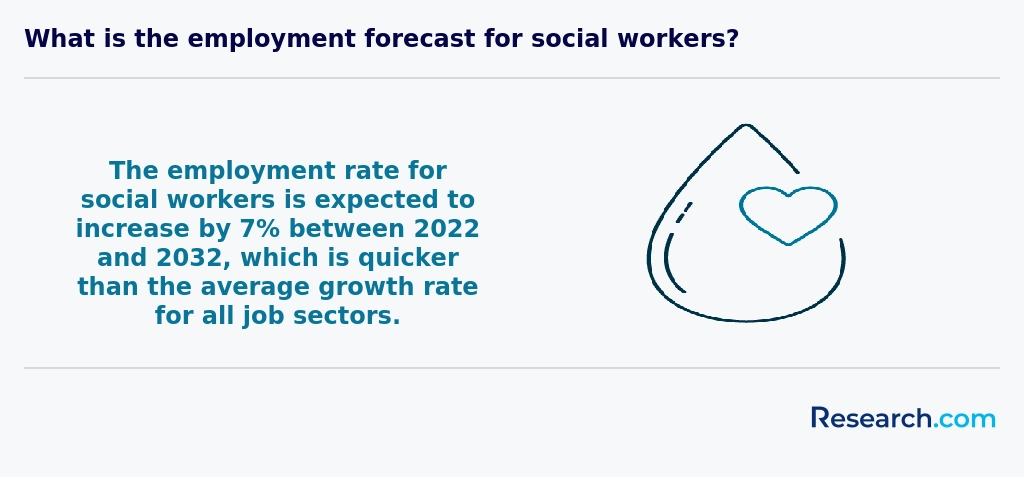
Texas reports a growing demand for social workers, with the Bureau of Labor Statistics projecting a 13% increase in employment from 2022 to 2032. This reflects the global trend valuing social work as essential in community support and healthcare systems. Understanding international frameworks enhances the effectiveness of social workers in Texas and beyond.
Gaining practical experience during an online social work degree in Texas is essential for licensure and career readiness. Most Texas programs incorporate field placements or internships that meet the Texas State Board of Social Worker Examiners' requirements. Students typically complete 900 to 1,200 supervised hours in settings such as hospitals, schools, or community agencies.
Online students work with the program's field coordinator to identify local agencies for practicum opportunities, allowing flexibility without relocating. According to the Council on Social Work Education, Texas schools ensure internships align closely with course content and professional standards.
Some programs also offer part-time employment or volunteer roles in social services, which can complement formal placements and build practical skills.
Choosing the right concentration within an online social work degree program in Texas requires careful consideration of your career goals and personal interests. Texas offers concentrations such as clinical social work, child and family welfare, or community practice, each leading to different career paths.
Data from the Texas State Board of Social Worker Examiners shows that clinical social workers are in high demand, especially in mental health settings. If you aim to provide therapy or counseling, a clinical focus is recommended.
Consider the specific populations you wish to serve. For example, a concentration in child and family welfare prepares you for work in foster care or adoption agencies.
Additionally, verify that the program's concentration aligns with Texas licensing requirements for social workers to ensure eligibility for state licensure after graduation.
- 2027 Fastest Online Master's in Social Work Degree Programs Ranking in Alabama
- 2027 Fastest Online Master's in Social Work Degree Programs Ranking in Iowa
- 2027 Fastest Online Master's in Social Work Degree Programs Ranking in Massachusetts
- 2027 Fastest Online Master's in Social Work Degree Programs Ranking in Maine
See What Experts Have To Say About Studying Social Work
Read our interview with Social Work experts

- Most Popular Online MSW Programs in Texas https://www.onlineu.com/degrees/msw/texas
- How to become a social worker https://basw.co.uk/careers/how-become-social-worker
- The Power of Finding Your Niche as a Social Worker https://www.credentialedapparel.com/blogs/news/the-power-of-finding-your-niche-as-a-social-worker
- Texas Master of Social Work - Texas Social Work EDU https://www.texassocialworkedu.org/
- Social Work (BSW) https://www.etamu.edu/programs/social-work-bsw/
- 19 Remote & Hybrid Social Worker Jobs in Texas | iHireSocialServices https://www.ihiresocialservices.com/t-social-worker-s-texas-remote-jobs.html
- The Time is Right to Advance Your Career as a Social Worker https://onlinedegrees.keuka.edu/blog/advance-your-career-social-worker
- Interdisciplinary Collaboration in Social Work and the ASWB Exam https://agentsofchangeprep.com/blog/interdisciplinary-collaboration-in-social-work-and-the-aswb-exam/
- Global Definition of Social Work https://www.ifsw.org/what-is-social-work/global-definition-of-social-work/
- Grand Challenges for Social Work https://grandchallengesforsocialwork.org/