2027 Best Social Work Degree Programs Ranking in West Virginia

Co-Founder and Chief Data Scientist
Choosing the right social work degree program in West Virginia can shape your future and career success. This article presents the 2027 Best Social Work Degree Programs Ranking in West Virginia, developed by the Research.com team of data scientists. It offers a clear, data-driven guide to help you find programs that match your goals and values.
Whether you're starting out or advancing your education, a social work degree opens doors to meaningful, impactful work. Reading this ranking will help you make an informed choice and feel confident about your academic path.
Key benefits of getting social work degree in West Virginia
- Graduates with a social work degree in West Virginia can expect rewarding salaries, such as a Social Worker earning around $68,800 annually and a Community Organizer making about $83,400 per year.
- Career paths are diverse, with options including roles like Child Welfare Specialist, Residential Counselor, and Youth Worker, offering meaningful work that makes a real difference in the community.
- Obtaining a social work degree online in West Virginia provides flexibility, allowing students to balance studies with personal and professional life while accessing quality education from respected institutions.
- Key benefits of getting social work degree in West Virginia
- What can I expect from social work degree in West Virginia?
- Where can I work with social work degree in West Virginia?
- How much can I make with social work degree in West Virginia?
- 2027 Best Social Work Degree Programs Ranking in West Virginia
- Key Findings
- How long does it take to complete social work degree in West Virginia?
- Affordability and Financial Considerations for Social Work Students in West Virginia
- What's the difference between online and on-campus social work degree?
- Emerging Trends and Future Outlook in Social Work Education in West Virginia
- What is the average cost of social work degree in West Virginia?
- Cost Comparison: West Virginia vs Washington and National Averages
- What financial aid is available to social work degree students in West Virginia?
- 2024 Top 5 Social Work Degree Programs in West Virginia
- What are the prerequisites for enrolling in social work degree program in West Virginia?
- Licensure and Certification Requirements in West Virginia
- What courses are typically in social work degree programs in West Virginia?
- What types of specializations are available in social work degree programs in West Virginia?
- How do you choose the best social work degree in West Virginia?
- What career paths are available for social work degree students in West Virginia?
- What is the job market for social work degree in West Virginia?
- Related Social Work Rankings for Nearby States
- Top Trending Social Work Rankings
- See What Experts Have To Say About Studying Social Work
What can I expect from social work degree in West Virginia?
The average cost of pursuing a social work degree in West Virginia varies depending on the institution and the level of study. Graduates from well-known programs like those at West Virginia University or Marshall University often recall balancing tuition expenses that typically range from moderate in-state rates to higher costs for out-of-state students. Many found that their investment felt worthwhile as their education directly connected theory to meaningful practice in local communities.
For example, those earning a Bachelor of Social Work at WVU experienced tuition that generally reflects public university pricing, making the degree accessible to many West Virginia residents. Master's students often faced higher costs but valued the fieldwork opportunities and preparation for licensure. Alumni frequently emphasize that scholarships and financial aid were crucial to managing expenses, allowing them to focus on internships and developing skills for careers serving vulnerable populations across the state.
It's common to hear graduates describe their experiences as rewarding, especially when applying classroom learning to real-world challenges in rural areas or healthcare settings. This practical approach, combined with reasonable tuition, makes social work degrees in West Virginia an achievable goal for dedicated students.
Where can I work with social work degree in West Virginia?
Graduates with a social work degree from institutions like West Virginia University or Fairmont State University often discover rewarding career paths within the state's pressing community needs. Many find themselves working in healthcare settings such as hospitals and clinics, where they provide vital support in patient counseling and discharge planning. This hands-on work fosters a deep sense of fulfillment, knowing they help families navigate difficult moments.
Others join child welfare agencies, including the DHHR, stepping into protective roles that directly impact children's safety and family well-being. Social work grads share how this work, while challenging, brings meaningful connections and purpose.
Mental health facilities also employ many social workers, offering therapy and crisis intervention amid West Virginia's ongoing struggle with substance use and mental illness. Graduates often express pride in contributing to community healing and resilience.
Employment in schools or correctional facilities opens pathways to support vulnerable populations, whether through student advocacy or aiding offender rehabilitation. Additionally, some licensed social workers embrace private or nonprofit sectors, addressing issues like homelessness or elder care, which brings varied and deeply personal professional satisfaction.
How much can I make with social work degree in West Virginia?
Graduates with a social work degree in West Virginia often begin their careers with salaries that reflect the state's unique economic landscape. For example, many alumni from popular programs at West Virginia University and Marshall University share how starting wages in roles like Child Welfare Specialist or Residential Counselor hover around $59,000 annually, matching the mean wage data for these positions. This aligns well with expectations for entry-level practitioners eager to make a difference locally.
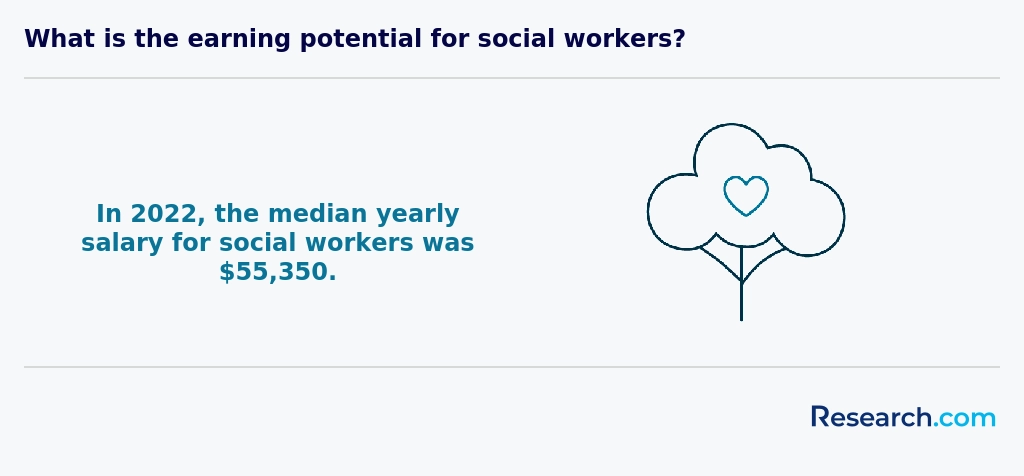
More ambitious graduates pursuing roles such as Social Workers in healthcare or government sectors find annual wages closer to $68,800, offering both financial stability and fulfilling work. Others entering specialized fields like Community Organizer or Youth Worker can expect higher earnings, averaging approximately $83,400 per year, reflecting the value these roles bring to communities across West Virginia.
Students often speak of the pride they feel knowing their career not only supports their families but also resonates deeply with their passion for service. Many draw motivation from real-world experiences during internships, where they see firsthand how challenging yet rewarding working with vulnerable populations can be, cementing their commitment despite salary variations in rural or urban settings.
2027 Best Social Work Degree Programs Ranking in West Virginia
How do we rank schools?
Investing in your education is a significant decision that can shape your future, and the Research.com team understands the importance of making informed choices. To assist prospective students in West Virginia, we have meticulously crafted the "2027 Best Social Work Degree Programs Ranking in West Virginia." Our commitment to quality, credibility, and accuracy is reflected in the extensive research and analysis conducted to compile this ranking.
We utilized the following reputable data sources to ensure a comprehensive evaluation of social work degree programs:
By exploring this ranking, readers will gain valuable insights into the best social work degree programs available in West Virginia, helping them make informed decisions about their educational paths. For more details on our methodology, please visit our Research.com methodology page.


Key Findings
- Social work degrees in West Virginia include Bachelor of Social Work (BSW) and Master of Social Work (MSW) programs offered by accredited public and private universities.
- Annual tuition for undergraduate social work programs ranges from $7,000 to $10,000 at public schools and $20,000 to $30,000 at private institutions.
- Graduate MSW programs cost between $10,000 and $15,000 per year at public universities, with private schools charging higher rates.
- Entry-level social workers earn about $39,000 to $43,000 annually, with experienced professionals making $50,000 to $60,000 or more depending on licensure and specialization.
- West Virginia requires social workers to obtain a Provisional License and pass a national exam for full licensure.
- Employment for social workers in the state is expected to grow moderately, driven by healthcare, child welfare, and community service needs.
How long does it take to complete social work degree in West Virginia?
Completing a social work degree in West Virginia is a journey shaped by the program you choose and your personal circumstances. For many undergraduates at West Virginia University or Marshall University, earning a Bachelor of Social Work takes the steady commitment of four years. Graduates often share how this time laid a strong foundation for their entry into the field, blending classroom learning with practical insight.
Those pursuing a Master of Social Work find varied paths. A traditional full-time MSW might take two years, yet accelerated programs at these universities allow some to finish in as little as 12 to 18 months. Graduates balancing work and study appreciate part-time options that stretch the timeline but bring the flexibility they need.
Many reflect that factors like internships and prior education, such as holding a BSW, play a vital role. The 900 to 1,200 hours of fieldwork, a cornerstone of these programs, translate theory into meaningful hands-on experience, making every month invested feel worthwhile.
Affordability and Financial Considerations for Social Work Students in West Virginia
When considering a social work program in West Virginia, affordability is a crucial factor. Prospective students should research the costs associated with each program, including tuition, fees, and living expenses. To manage these costs, many students explore financial aid options, such as scholarships, grants, and loans. For instance, students can look into the most affordable social work schools in West Virginia to find programs that fit their budget. Additionally, some programs may offer assistantships or work-study opportunities that can help offset the cost of tuition. By carefully evaluating the financial aspects of each program, students can make informed decisions about their educational investment and set themselves up for success in their future social work careers.
What's the difference between online and on-campus social work degree?
Choosing between online and on-campus social work degrees in West Virginia often hinges on how you prefer to engage with your learning environment. Graduates from West Virginia University recall the energy of face-to-face discussions and easy access to campus resources like libraries and social work labs, which enriched their hands-on understanding and built strong professional connections.
Conversely, those who pursued online programs appreciated the flexibility that allowed them to balance jobs or family, especially if they lived far from cities. For example, students at Marshall University who chose online studies valued being able to watch lectures on their own schedules while still completing essential in-person fieldwork locally. This hybrid experience fosters independence without sacrificing the vital real-world practice required for licensure.
Both paths demand commitment, but the sense of community differs. On-campus learners thrive on immediate peer interactions, whereas online students often develop self-discipline and adaptability, key traits in social work. The choice reflects not just convenience, but also how you envision your journey into serving West Virginia's diverse communities.
Emerging Trends and Future Outlook in Social Work Education in West Virginia
As the landscape of social work continues to evolve, current trends in technology, policy, and community engagement are reshaping both educational programs and career opportunities in West Virginia. Institutions are increasingly integrating digital tools and telehealth practices into their curricula, enabling students to gain practical experience with emerging technologies that are transforming client services. This shift is complemented by enhanced collaborations between academic programs and local agencies, ensuring that field placements offer real-world exposure to current challenges and innovative solutions. Moreover, graduates are now exploring advanced studies to further specialize in emerging sectors such as behavioral health, digital advocacy, and community resilience. In fact, some students are considering a phd in social work online to deepen their expertise and contribute to cutting-edge research in their communities. Policy reforms and increased funding for social services are also contributing to a more robust job market, prompting educational institutions to continuously update their programs in line with these industry developments. Through the integration of modern technology, progressive curricular changes, and strategic industry partnerships, social work programs in West Virginia are not only meeting the current demands of the field but are also paving the way for a more resilient and adaptive future.
What is the average cost of social work degree in West Virginia?
For students pursuing a social work degree in West Virginia, understanding the typical financial commitment is essential. The average cost of a social work degree here tends to be around $9,570 for in-state students, significantly more accessible than the national median total cost of $33,108. Graduates from public institutions such as West Virginia University often share how this affordability helped them focus more on their studies and hands-on experiences rather than financial stress, an advantage that many cherish deeply during their educational journey.
When considering West Virginia social work degree tuition and fees, private colleges present a different picture, generally charging higher rates. However, many students find that the quality and networking opportunities at these institutions justify the cost for their personal and professional growth. They frequently recall the invaluable internships and community placements that enriched their understanding of social work beyond the classroom.
Expenses beyond tuition also play a role; graduates commonly mention budgeting for books, supplies, background checks, and fieldwork requirements. Those who took advantage of financial aid programs, including the West Virginia Higher Education Grant, emphasize how such support lightened their financial load and made their degrees more attainable.
Prospective students seeking the most affordable paths often explore resources highlighting the most affordable social work schools in West Virginia, which can guide decision-making toward schools known for balancing cost and quality effectively.

Cost Comparison: West Virginia vs Washington and National Averages
When weighing social work degree costs, understanding how West Virginia’s tuition and living expenses stack up against other states can guide prospective students toward the most budget-friendly options. West Virginia’s in-state tuition for a Bachelor of Social Work (BSW) averages between $3,500 and $9,300 per year, significantly below the national average of roughly $12,000. Coupled with a lower cost of living-housing, transportation, and daily expenses can be up to 20% cheaper than the U.S. median-West Virginia emerges as an affordable hub for high-quality social work education. By comparison, states with larger metropolitan areas often carry higher tuition and living costs. For instance, in Washington state, in-state social work programs can range from $8,000 to $14,000 annually, with urban centers like Seattle driving up housing prices. For students considering options beyond West Virginia, our Cheapest Social Work Degree Programs Ranking in Washington offers valuable insights into the most cost-effective programs in that region. Ultimately, while tuition is a critical factor, students should also factor in available financial aid, scholarship opportunities, and potential salary outcomes. West Virginia’s competitive tuition, robust aid packages, and projected 7% job growth in social work make it an attractive choice for those seeking both quality and affordability in their educational journey.
What financial aid is available to social work degree students in West Virginia?
Financial aid for social work students in West Virginia often begins with federal support like the FAFSA, which many graduates recall as a crucial first step. Qualifying unlocks access to Pell Grants, offering up to $7,395 annually-funds that don't require repayment, providing real relief for those enrolled at institutions like West Virginia University or Marshall University.
State programs add another layer of support. The West Virginia Higher Education Grant is frequently praised by social work students for easing in-state tuition burdens. Additionally, scholarships from local NASW chapters or university social work departments frequently reward academic excellence and community dedication, making a tangible difference for those juggling studies and part-time work.
Many graduates also emphasize the value of employer tuition assistance, especially within West Virginia's vast health and human services sectors, where continuing education is encouraged and often subsidized. Finally, the Public Service Loan Forgiveness program offers hopeful prospects for those committing to public or nonprofit roles, a common path for West Virginia social work alumni serving rural communities.
2024 Top 5 Social Work Degree Programs in West Virginia
1. West Virginia University (WVU) – Ranked #1 for its robust Bachelor of Social Work (BSW) and Master of Social Work (MSW) curricula, WVU combines small seminar classes with extensive field placements. In-state tuition: ~$6,490/year; fully online MSW option available. 2. Marshall University – Known for its flexible online BSW and MSW tracks, Marshall offers weekend intensives and virtual labs. In-state tuition: ~$7,100/year; cohort model fosters peer support. 3. Shepherd University – With a 9:1 student-faculty ratio, Shepherd emphasizes rural social work practice and community engagement. In-state tuition: ~$8,200/year; field practicums in local health centers. 4. Fairmont State University – Offers a streamlined BSW program with summer internship placements and dual-degree options in public health. In-state tuition: ~$8,400/year; strong alumni network in child welfare agencies. 5. West Virginia State University – Emerging leader in culturally competent social work, WVSU integrates service-learning courses and trauma-informed care modules. In-state tuition: ~$5,200/year; hybrid delivery for working professionals. These programs were evaluated on CSWE accreditation, faculty credentials, licensure exam pass rates, and graduate employment outcomes. For students prioritizing affordability without sacrificing quality, explore the cheapest online bachelors in social work degree to identify budget-friendly pathways that still meet CSWE requirements.
What are the prerequisites for enrolling in social work degree program in West Virginia?
Enrolling in a social work degree in West Virginia begins with clear academic and personal expectations. Graduates recall that gaining admission to programs at well-regarded institutions like West Virginia University involved having at least a high school diploma with solid grades, typically a GPA around 2.5 to 3.0. Many found that highlighting coursework in psychology or social sciences helped their applications stand out, showing a genuine interest in understanding human behavior.
For those pursuing an MSW, the path felt more rigorous but rewarding. Holding a bachelor's degree, often not strictly in social work but related fields, combined with a 3.0 GPA minimum, was essential. Alumni often emphasize the importance of well-crafted personal statements and strong letters of recommendation, which convey dedication and readiness to serve vulnerable communities.
Volunteering or gaining experience in social services was a common theme among graduates. This practical exposure not only strengthened applications but also provided early confidence in tackling real-world challenges.
Many mention background checks as a key step, which reinforced their commitment to ethical standards, preparing them thoughtfully for a career grounded in trust and responsibility within West Virginia's close-knit social work community.

Licensure and Certification Requirements in West Virginia
Becoming a licensed social worker in West Virginia involves structured education, supervised experience and passing the national exam.
- Complete a CSWE-accredited BSW (for LSW) or MSW (for LCSW)
- Accumulate 3,000 hours of supervised clinical practice over at least two years
- Pass the ASWB exam at your licensure level (Bachelors, Masters or Clinical)
- Apply to the West Virginia Board of Social Work with transcripts, exam results and supervisor verification
For a streamlined education-to-licensure path, consider fastest online msw programs that meet state requirements.
What courses are typically in social work degree programs in West Virginia?
Social work degrees in West Virginia commonly include courses that ground students deeply in the realities of the profession. Graduates from programs at respected institutions like West Virginia University or Marshall University often reflect on how foundational classes such as Introduction to Social Work and Human Behavior and the Social Environment helped them understand the complexities behind the people they serve.
Core courses like Social Welfare Policy and Services illuminate the local policies affecting West Virginia's diverse communities, from rural Appalachian families to urban populations. Many students recall hands-on learning in Research Methods in Social Work, which sharpened their ability to assess real community needs and advocate effectively.
Courses focusing on Social Work Practice with Individuals and Families, along with Community Practice and Social Change, prepare students to address pressing issues like substance abuse and poverty-challenges especially visible in the state's landscapes. Ethics and Professionalism rounds out the curriculum, fostering confidence and integrity when facing real-world dilemmas.
This blend of theory and practical focus encourages students to feel genuinely prepared and motivated to contribute meaningfully right after graduation.
What types of specializations are available in social work degree programs in West Virginia?
Graduates from social work programs at schools like West Virginia University often reflect on how the rich variety of social work degree specializations West Virginia offers deepened their understanding of community needs. Clinical Social Work stands out, equipping students to provide crucial mental health services in a region with growing demand. Many speak of the rewarding challenge this specialization brings, giving them the tools to make a significant impact on individuals' lives.
Another frequent focus is Child and Family Social Work, a path that resonates deeply given the state's higher child poverty rates. Those who chose this specialization from colleges around the state found fulfillment supporting vulnerable families, drawing strength from seeing positive changes firsthand. Community and Social Development is also popular, appealing to students eager to tackle systemic challenges such as homelessness and substance abuse through advocacy and policy work, reflecting the issues West Virginia uniquely faces.
Other specializations like Gerontological Social Work and Healthcare Social Work prepare students to serve aging populations and navigate complex medical systems common in Appalachian communities. For those interested in expanding their expertise flexibly, programs offer paths such as a phd in social work online, broadening opportunities beyond traditional settings.
Students appreciate how these focused tracks offered at West Virginia's universities help them tailor their careers to both personal passions and regional social needs, making their studies relevant and inspiring throughout their education.
How do you choose the best social work degree in West Virginia?
Choosing the best social work degree in West Virginia often means looking beyond just the name or location of a program. Graduates from well-regarded universities in the state emphasize the importance of attending a CSWE-accredited program to ensure licensure eligibility, which can make all the difference when starting a professional career. Many reflect on how access to flexible schedules and online options helped them balance work and study, especially at institutions known for their accommodating programs.
Cost is another major concern. Students seeking affordable social work colleges in West Virginia have found value in comparing tuition and financial aid, sometimes uncovering hidden scholarships designed specifically for social work majors. One graduate shared that choosing a program with strong fieldwork opportunities led to meaningful community connections, allowing practical experience alongside classroom learning.
For those looking for more economical paths, it's wise to explore resources like the cheapest online bachelors in social work degree, which can provide access to quality education without extreme financial burden. Graduates often recall how programs with solid job placement rates in West Virginia kept them motivated, confident in their degree's value within the growing social work job market.
What career paths are available for social work degree students in West Virginia?
Graduates holding a social work degree in West Virginia often find rewarding career paths that directly impact their communities. Many have stepped into roles as Child and Family Social Workers, navigating intricate foster care systems and adoption processes, which bring a profound sense of purpose. Others move into healthcare settings such as hospitals or nursing homes, where they provide essential support to patients and families during vulnerable moments. These experiences, often starting at well-respected institutions like West Virginia University, offer graduates a firsthand understanding of the vital difference social workers make.
Opportunities also abound for those pursuing mental health and substance abuse roles, often within community organizations, where graduates witness transformative effects on individuals' lives. School Social Workers in West Virginia address the challenges students face, fostering environments that encourage academic and emotional growth. For those comparing the field's prospects, exploring the Cheapest Social Work Degree Programs Ranking in Washington can provide useful perspective on educational affordability and planning.
With West Virginia social work degree job prospects spanning government agencies, nonprofits, and clinical settings, students often feel motivated by the meaningful, diverse roles available in this deeply human-focused profession.
What is the job market for social work degree in West Virginia?
The social work job outlook West Virginia offers reflects a landscape shaped by the state's economic and health challenges. Graduates from programs at universities like West Virginia University often find that their degrees open doors within public agencies, healthcare settings, and nonprofits. Many share how working hands-on with underserved rural populations brings rewarding experiences that deepen their professional passion and commitment.
Employment opportunities in West Virginia's social work field tend to concentrate around healthcare for Medicaid patients and addiction recovery due to the ongoing opioid crisis. Several graduates describe entering roles in child protective services, supported by federally funded programs, which provide meaningful work combined with stable employment. These opportunities arise partly because the state requires licensure for clinical social work, encouraging students to pursue advanced degrees.
Those mindful of cost find local institutions offer more affordable tuition compared to national averages, making a social work degree in West Virginia accessible. Prospective students interested in practical, growth-oriented career paths might explore an accelerated online degree for working adults as a flexible option.
Frequently Asked Questions About social work
Social work degree students in West Virginia can maximize their learning experience by engaging deeply with both academic coursework and practical fieldwork. Accredited programs, such as those following the Council on Social Work Education (CSWE) standards, often include internships that provide hands-on experience in settings like hospitals, schools, and community organizations.
Students should seek placements in agencies serving West Virginia's unique rural and Appalachian communities to understand local social issues better. Utilizing resources available through West Virginia universities, including career services and faculty mentorship, can also enhance learning.
Statistically, West Virginia has a growing demand for social workers, with the U.S. Bureau of Labor Statistics projecting a 13% growth in social work jobs in the region by 2031. Staying informed about state licensure requirements and participating in professional networks such as the West Virginia Chapter of the National Association of Social Workers improves readiness for post-graduate employment.
Emerging niches in social work reflect growing community needs and expanding career opportunities. In West Virginia, specialized areas such as rural social work are gaining attention due to the state's largely rural population. Professionals address unique challenges related to access to healthcare and social services in remote areas.
Another fast-growing field is geriatric social work, driven by the increasing elderly population in West Virginia. Social workers focus on improving elderly care, advocating for mental health, and supporting family caregivers.
Trauma-informed care and substance use disorder interventions are also crucial niches, responding to West Virginia's opioid crisis. According to the West Virginia Department of Health and Human Resources, demand for social workers in addiction treatment has risen significantly over the last decade.
After earning a social work degree in West Virginia, preparing for the job market involves several key steps. First, obtaining licensure is essential; most social workers in West Virginia need to pass the Association of Social Work Boards (ASWB) exam to become Licensed Social Workers (LSW), enabling them to practice professionally.
Networking is also important. Joining state organizations such as the West Virginia Chapter of the National Association of Social Workers (NASW) can help build professional connections and access job listings.
Gaining supervised clinical experience during internships or practicum placements boosts employability. According to the U.S. Bureau of Labor Statistics, social work employment in West Virginia is projected to grow 7% from 2021 to 2031, making timely preparation advantageous.
Employers in West Virginia value specific skills in social work degree graduates that align with the state's unique social and economic challenges. According to the West Virginia Board of Social Work Examiners, strong communication and interpersonal skills are essential for effective client interaction and teamwork.
Critical thinking and problem-solving abilities help graduates address complex cases involving mental health, substance abuse, and poverty, issues prevalent in West Virginia communities. Additionally, cultural competence is increasingly important due to the state's diverse populations, including rural and Appalachian residents.
Knowledge of state policies and ethical standards is highly prioritized to ensure compliant and professional practice. Finally, practical experience through internships or fieldwork remains a key factor in employer preferences.
Finding internships in West Virginia relevant to a social work degree involves leveraging local educational institutions and community organizations. Many West Virginia universities with accredited social work programs, like West Virginia University and Marshall University, provide structured internship placements as part of their curriculum.
Students should also explore partnerships these schools maintain with local agencies such as the West Virginia Department of Health and Human Resources and various nonprofit organizations. According to the Council on Social Work Education (CSWE), accredited programs require internships, ensuring practical experience in social services.
Additionally, networking through local professional associations, such as the West Virginia Chapter of the National Association of Social Workers (NASW), can help identify internship opportunities.
A social work degree in West Virginia significantly enhances career mobility and advancement opportunities. According to the Bureau of Labor Statistics (BLS) May 2023 data, West Virginia's social workers earn slightly above the national median, with increased potential in healthcare, schools, and government sectors. Graduates with a bachelor's or master's degree in social work qualify for a range of positions, from case management to clinical social work, which often require licensure.
Advanced degrees, such as the Master of Social Work (MSW), are especially valuable, as they open doors to higher-paying roles and supervisory responsibilities. The West Virginia Board of Social Work encourages licensure for career growth.
Employment in West Virginia's social work field is expected to grow by 10% from 2022 to 2032, a rate higher than the average for all occupations nationally, according to the BLS, improving job prospects for degree holders. This growth supports both public and private sector advancement, giving degree holders flexibility across healthcare, mental health, and social services.
Studying for a social work degree in West Virginia equips students with interdisciplinary skills essential for addressing complex social issues. Programs accredited by the Council on Social Work Education integrate knowledge from psychology, sociology, public health, and law, preparing graduates to collaborate across sectors.
West Virginia's social work curricula emphasize practical experiences in diverse settings, including healthcare, education, and community organizations. This approach fosters teamwork with professionals like nurses, educators, and policy makers.
According to the Bureau of Labor Statistics, interdisciplinary roles for social workers are growing, especially in rural states like West Virginia, which faces unique health and social challenges. By combining theory with hands-on learning, social work degrees here aim to develop adaptable professionals ready to lead in various collaborative environments.
Choosing between a thesis and a non-thesis social work degree program in West Virginia depends largely on your career goals and learning preferences. Thesis programs focus on research, requiring students to conduct original studies, which is ideal if you plan to pursue a PhD or work in academic settings.
Non-thesis programs emphasize practical skills and fieldwork, preparing students directly for professional practice. According to the West Virginia Board of Social Work Examiners, most licensed social workers in the state prioritize applied experience over research for licensure.
Consider also the time commitment: thesis options often take longer due to research requirements. Explore programs accredited by the Council on Social Work Education (CSWE) in West Virginia to ensure quality education.
Students based in West Virginia who wish to study social work abroad have several options through U.S. universities offering international study programs. While West Virginia itself has limited direct exchange agreements, many institutions with social work programs partner with universities worldwide, enabling students to gain global perspectives.
Programs like the University of Charleston and West Virginia University provide opportunities to participate in semester-long study abroad or international internships, often in countries with developed social welfare systems. These experiences expose students to diverse social work practices and policies.
Additionally, the Council on Social Work Education (CSWE) accredits West Virginia programs, ensuring that education meets national standards, which can facilitate credit transfer when studying abroad. Exploring consortiums and summer abroad programs can expand a student's options beyond regional limits.
Part-time job opportunities in West Virginia that complement social work degree education often involve hands-on experience in community support roles. Positions such as case manager aides, behavioral health assistants, or youth program facilitators allow students to apply theoretical knowledge in practical settings. The West Virginia Department of Health and Human Resources frequently hires part-time workers to support family services programs.
Additionally, many social service agencies in West Virginia seek assistants for substance abuse counseling and elderly care, providing exposure to diverse client needs. According to the Bureau of Labor Statistics, social work employment in West Virginia is projected to grow steadily, emphasizing the value of relevant work experience.
These roles enhance skills in crisis intervention, client advocacy, and resource management, proving invaluable alongside academic studies.
Social work students in West Virginia benefit from various networking opportunities that enhance their educational experience and career prospects. Universities such as West Virginia University and Marshall University often host professional development events and guest lectures featuring local practitioners and leaders. These events allow students to connect with experienced social workers and potential employers within the state.
Local chapters of national organizations like the National Association of Social Workers (NASW) provide students with access to regional conferences, workshops, and volunteer activities. These gatherings foster valuable relationships and mentorships that can support career growth.
Moreover, practicum placements through accredited programs link students with agencies and community partners, facilitating real-world experience and ongoing professional connections in West Virginia's social services sector.
Alumni networks play a vital role in supporting social work degree students in West Virginia. Graduates from programs like those at West Virginia University often stay connected, providing mentorship and career guidance to current students. This helps students navigate the competitive job market in social work, where knowledge of local community needs is crucial.
According to the Network for Social Work Management, alumni connections increase internship and employment opportunities by up to 30% nationwide, a trend reflected in West Virginia's smaller professional community.
Additionally, these networks facilitate access to exclusive workshops, job fairs, and continuing education resources, strengthening student readiness for licensure exams regulated by the West Virginia Board of Examiners for Social Work.
Students pursuing social work degrees in West Virginia can customize their programs through elective courses, specialized certifications, and field placements that align with specific career goals. Many accredited schools offer concentrations such as clinical social work, child welfare, or community health to tailor learning. Practical experience is emphasized by supervised internships, which often occur within local agencies, giving students relevant exposure in West Virginia's social services environment.
According to the Council on Social Work Education, West Virginia programs typically follow the national curriculum but allow customization to address regional needs, which is crucial given the state's unique demographic and economic context. Exploring options in rural social work or substance abuse treatment can position graduates for in-demand roles.
Choosing schools that partner with West Virginia's Department of Health and Human Resources or community providers can expand networking and employment opportunities post-graduation. Prospective students should also consult advisors about continuing education and licenses required for clinical practice in the state.
Social work students in West Virginia often face challenges related to limited access to field placement opportunities. The state's rural landscape means fewer agencies are available for internships, which are essential for degree completion and hands-on experience.
Financial barriers also affect many students, as West Virginia ranks lower than the national average in household income, which may impact their ability to afford tuition and living expenses during studies.
Additionally, students report difficulties balancing academic workload with personal responsibilities, especially those who work or care for family members. According to the West Virginia Higher Education Policy Commission, retention rates in social work programs reflect these pressures.
With a social work degree in West Virginia, graduates can pursue several professional certifications to enhance their career prospects. The most common certification is the Licensed Social Worker (LSW), which requires passing the Association of Social Work Boards (ASWB) exam and completing supervised experience. West Virginia also offers Licensed Certified Social Worker (LCSW) credentials for those seeking clinical positions.
Additional certifications include Certified School Social Work Specialist for those working in educational settings. According to the West Virginia Board of Social Work Examiners, demand for these certified professionals is growing steadily, with social work employment expected to increase by 12% statewide through 2030.
Writing a winning application for a social work program in West Virginia requires careful preparation and attention to detail. Start by researching accredited programs; the Council on Social Work Education (CSWE) accredits many West Virginia schools, ensuring quality education. Highlight your passion for helping communities, which is crucial given West Virginia's unique social challenges, such as high poverty rates reported by the U.S. Census Bureau.
Include relevant volunteer or work experience in social services, as practical involvement strengthens your application. Personal statements should clearly express your career goals and understanding of social work ethics. Request strong letters of recommendation from professionals familiar with your commitment and skills. Meeting application deadlines and submitting all required documents accurately is essential for consideration.
Social work careers in West Virginia reflect a broader global understanding of the profession's vital role in supporting vulnerable populations. Around the world, social workers focus on promoting social justice, human rights, and community well-being, principles also emphasized in U.S. education standards.
Globally, social work education aligns closely with the Council on Social Work Education (CSWE) accreditation standards that many West Virginia programs follow. This alignment ensures students gain skills relevant not only locally but internationally. For example, West Virginia's median social worker salary is in line with national trends, encouraging graduates to see social work as a sustainable career option.
International bodies like the International Federation of Social Workers guide ethical practices recognized in the U.S., including West Virginia. This global perspective supports opportunities for social workers to engage in international policy, disaster response, or advocacy roles, linking local education to worldwide impact.
Gaining practical experience while studying for a social work degree in West Virginia is essential for career readiness. Most accredited programs require field practicums or internships, providing hands-on training under supervision in community organizations, healthcare settings, or government agencies. For example, West Virginia University's Bachelor of Social Work program includes a minimum of 400 fieldwork hours. According to the Council on Social Work Education, these experiences enable students to apply classroom knowledge in real-world contexts.
Additionally, many local nonprofits and state health departments offer volunteer opportunities focused on vulnerable populations, which can supplement formal practicums. These practical experiences enhance skills, increase employability, and often fulfill state licensure requirements in West Virginia.
Choosing the right concentration within a social work degree program in West Virginia begins with understanding your career goals and local community needs. Concentrations such as child welfare, clinical social work, or substance abuse counseling are common. West Virginia has high demand for social workers in healthcare and rural community services, according to the Bureau of Labor Statistics.
Research West Virginia universities and their specific program strengths. For example, some schools emphasize policy advocacy while others focus on clinical practice. Consider accreditation from the Council on Social Work Education (CSWE), which ensures quality education and eligibility for licensure in West Virginia.
Additionally, think about practical experience opportunities like internships and field placements offered by the program. These can help you gain relevant skills for local employment markets. Talking with current students or professionals practicing in West Virginia can provide valuable insights tailored to your interests.
Related Social Work Rankings for Nearby States
- 2027 Best Social Work Degree Programs Ranking in Kentucky
- 2027 Best Social Work Degree Programs Ranking in Maryland
- 2027 Best Social Work Degree Programs Ranking in Indiana
- 2027 Best Social Work Degree Programs Ranking in South Carolina
- 2027 Best Social Work Degree Programs Ranking in Georgia
- 2027 Best Social Work Degree Programs Ranking in Illinois
- 2027 Best Social Work Degree Programs Ranking in Alabama
- 2027 Best Social Work Degree Programs Ranking in Missouri
- 2027 Best Social Work Degree Programs Ranking in Connecticut
- 2027 Best Social Work Degree Programs Ranking in Massachusetts
Top Trending Social Work Rankings
See What Experts Have To Say About Studying Social Work
Read our interview with Social Work experts

References
- The Evolution of Online Social Work Education https://www.socialworktoday.com/news/enews_0317_1.shtml
- Global Definition of Social Work https://www.ifsw.org/what-is-social-work/global-definition-of-social-work/
- Know more about thesis vs non- thesis: what is the difference? https://studyfans.com/en/blogs/816
- Tripod Partners https://www.tripodpartners.com/career-advice/social-work/advancing-your-social-work-career-tips-for-promotion/
- 3 Top MSW Programs in West Virginia - Social Work Education Center https://www.socialworkdegree.net/msw-programs/west-virginia/
- Become a Social Worker in Virginia https://socialworklicensemap.com/social-work-licensure/become-a-social-worker-in-virginia/
- Social Work - Bethany College https://www.bethanywv.edu/academics/programs/social-work/
- Global Perspectives in Social Work https://www.gu.se/en/study-in-gothenburg/exchange-student/courses/sw1118
- Guide to Careers in Social Work https://www.onlinemswprograms.com/careers/
- Social work certificates | edX https://www.edx.org/certificates/social-work-certificates