
2027 Most Affordable Social Work Degree Programs Ranking in West Virginia

Co-Founder and Chief Data Scientist
Choosing the right social work degree program in West Virginia can be overwhelming. To help you navigate this important decision, our article presents the 2027 Most Affordable Social Work Degree Programs Ranking in West Virginia. This ranking was carefully created by the Research.com team of data scientists to guide students toward programs that offer strong value and quality education.
Reading this article will empower you with clear, reliable information, making it easier to find an affordable pathway to a rewarding career in social work. Pursuing a social work degree opens doors to meaningful work that truly makes a difference in people's lives.
Key benefits of getting social work degree in West Virginia
- Graduates with a social work degree in West Virginia can expect competitive salaries, such as $68,800 annually for Social Workers and up to $83,400 for Youth Workers and Community Organizers, ensuring financial stability in rewarding roles.
- Potential career paths include Child Welfare Specialist, Residential Counselor, and Social Worker roles, as seen with many graduates from West Virginia University, offering diverse opportunities to make a real difference in communities.
- Online social work degrees from schools like Marshall University allow flexible learning schedules, helping students balance work and life while gaining credentials that open doors to impactful careers.
- Key benefits of getting social work degree in West Virginia
- What can I expect from social work degree in West Virginia?
- Where can I work with social work degree in West Virginia?
- How much can I make with social work degree in West Virginia?
- 2027 Most Affordable Social Work Degree Programs Ranking in West Virginia
- Key Findings
- How long does it take to complete social work degree in West Virginia?
- Accelerated Social Work Degrees: Fast-Track Your Future
- What's the difference between online and on-campus social work degree?
- Licensure and Certification Requirements
- What is the average cost of social work degree in West Virginia?
- Choosing the Right Social Work Program in West Virginia
- What financial aid is available to social work degree students in West Virginia?
- Return on Investment for Social Work Degrees in West Virginia
- What are the prerequisites for enrolling in social work degree program in West Virginia?
- Admissions Process and Timeline
- What courses are typically in social work degree programs in West Virginia?
- What types of specializations are available in social work degree programs in West Virginia?
- How do you choose the best social work degree in West Virginia?
- What career paths are available for social work degree students in West Virginia?
- What is the job market for social work degree in West Virginia?
- Related Social Work Rankings for Nearby States
- Top Trending Social Work Rankings
- See What Experts Have To Say About Studying Social Work
What can I expect from social work degree in West Virginia?
The average cost of pursuing a social work degree in West Virginia reflects the state's commitment to accessible education, especially at well-regarded institutions like West Virginia University and Marshall University. Graduates often share how affordable tuition paired with financial aid options made their journey achievable without overwhelming debt. For many, the cost of a Bachelor of Social Work (BSW) program at a public university typically ranges between $7,000 and $10,000 per year for in-state students, making it a practical investment for those dedicated to social service careers.
Master of Social Work (MSW) programs can be slightly higher, often around $10,000 to $15,000 annually, but students frequently emphasize the value of field placements embedded in these programs. These real-world experiences at local agencies-from rural clinics to urban outreach centers-add tangible meaning to their education that extends far beyond tuition expenses.
Graduates recall how the balance of cost and quality in West Virginia's programs allowed them to focus on building skills and connections rather than financial strain, creating a positive foundation for lifelong careers in social work.
Where can I work with social work degree in West Virginia?
With a social work degree from institutions like West Virginia University or Marshall University, graduates often find themselves drawn to roles where they can make a tangible difference. Many share how working in healthcare settings-hospitals, clinics, or mental health centers-allows them to directly support patients and families, navigating complex healthcare systems while offering comfort in difficult times.
Others speak warmly of roles in child welfare agencies, where assessing family situations and safeguarding vulnerable children brings both challenge and fulfillment. These graduates appreciate how their academic training prepared them to collaborate with protective services and coordinate foster care efforts.
Schools across West Virginia, especially in rural areas, employ social workers to help students facing emotional or behavioral difficulties. Graduates recall the rewarding nature of partnering with teachers and families to create supportive learning environments where every child can thrive.
Community nonprofits and government agencies also provide meaningful opportunities. Working on programs addressing homelessness or substance abuse, graduates often express pride in advocating for those whose voices might otherwise go unheard, knowing their work drives real change.
How much can I make with social work degree in West Virginia?
Graduates from social work programs in West Virginia, such as those at West Virginia University or Marshall University, find that their earnings vary significantly depending on their roles and experience. For example, positions like Child Welfare Specialists and Residential Counselors typically earn around $59,190 annually, providing a solid starting point for those entering the field.
Many graduates discover rewarding opportunities as Community Organizers or Youth Workers, roles that offer higher mean salaries-about $83,400 per year. This reflects the demand for skilled professionals who facilitate community engagement and support at-risk youth, often creating a deep sense of purpose alongside financial stability.
The broader category of Social Workers in West Virginia sees a mean annual wage close to $68,800. Those who graduated from local programs often share how the specialized training they received equipped them to confidently handle clinical or healthcare social work roles, helping them approach salaries above the state average.
Choosing to study social work in West Virginia not only prepares one for a meaningful career but also offers competitive earnings compared to the cost of living in many urban and rural areas. Graduates frequently express pride in gaining skills that allow them to make a difference while earning a respectful wage.
2027 Most Affordable Social Work Degree Programs Ranking in West Virginia
How do we rank schools?
Investing in your education is a significant decision that can shape your future, and the Research.com team understands the importance of making informed choices. To assist prospective students in West Virginia, we have meticulously crafted the "2027 Most Affordable Social Work Degree Programs Ranking in West Virginia." Our commitment to quality, credibility, and accuracy is reflected in the extensive research and analysis conducted to compile this ranking.
We utilized the following reputable data sources to ensure a comprehensive evaluation of social work degree programs:
By exploring this ranking, readers will gain valuable insights into the most affordable social work degree programs in West Virginia, empowering them to make well-informed decisions about their educational investments. For more details on our methodology, please visit our Research.com methodology page.


Key Findings
- Social work degrees in West Virginia are available at bachelor's (BSW) and master's (MSW) levels, preparing students for state licensure.
- Average tuition at public universities ranges from $7,000 to $9,000 per year for in-state students, while private colleges often charge over $20,000 annually.
- Most bachelor's programs last four years, and master's programs typically take two years to complete.
- Entry-level social workers in West Virginia earn about $38,000 per year, with experienced professionals making $55,000 or more.
- Licensing options include Licensed Social Worker (LSW) and Licensed Master Social Worker (LMSW), requiring supervised hours and exams.
- The job market is driven by growth in healthcare, mental health, and child welfare sectors.
How long does it take to complete social work degree in West Virginia?
Completing a social work degree in West Virginia usually requires a clear commitment to time, shaped by the level of study you choose. For many graduates coming from programs at West Virginia University or Marshall University, earning a Bachelor of Social Work means dedicating about four years of full-time effort. This period allows not only for mastering foundational knowledge but also for building connections through internships and fieldwork, which graduates often describe as profoundly rewarding experiences that add real-life depth to classroom lessons.
Those pursuing a Master of Social Work often find the timeline more flexible. Full-time students typically finish in two years, while part-time paths can stretch to three or four years to accommodate work or family life. Graduates with a BSW sometimes accelerate their MSW by entering advanced standing programs, effectively reducing their study to a single intense year. Many reflect on this pathway as both challenging and deeply fulfilling, especially as they balance coursework with the substantial field placement hours needed for licensure.
Accelerated Social Work Degrees: Fast-Track Your Future
Accelerated social work degree programs offer a unique pathway for motivated students and working professionals who wish to enter the field quickly without sacrificing quality. These programs are designed with a streamlined curriculum that emphasizes intensive coursework, practical field experience, and leadership development, making them an excellent choice for those who need to balance education with career or family responsibilities. By opting for an accelerated track, you can complete degree requirements in a shorter time frame compared to traditional programs, thereby reducing overall costs and allowing you to start your impactful career sooner. For more detailed information on innovative program structures, consider exploring options such as the accelerated social work degree, which integrates online learning flexibility with comprehensive training. This approach not only caters to emerging industry demands but also ensures that graduates are well-equipped to address the dynamic challenges of social work in today's community-focused environments.
What's the difference between online and on-campus social work degree?
Choosing between online and on-campus social work degrees in West Virginia often comes down to how you want to experience learning. Graduates from popular schools like West Virginia University recall that on-campus programs provide a vibrant community atmosphere-immediate feedback from professors, lively class discussions, and easy access to resources like counseling centers and peer groups. This face-to-face engagement often fuels motivation and deepens professional connections.
In contrast, those who pursued online social work degrees appreciate the flexibility that fits busy lives, especially working adults or parents balancing family commitments. They describe logging into classes from anywhere in West Virginia, even rural areas, which makes education accessible without the strain of commuting.
Field internships are a shared challenge. Graduates emphasize that on-campus students benefit from local university partnerships that simplify placement, while online learners find valuable real-world placements by proactively networking in their own communities.
Cost considerations also matter-on-campus students enjoy lower in-state tuition between $6,000 and $9,000 annually but face extra living expenses, whereas online students often pay similar or slightly higher fees but save on housing and travel.
Licensure and Certification Requirements
Becoming a licensed social worker in West Virginia ensures you can practice independently and pursue advanced clinical roles. Key requirements include:
- Graduation from a CSWE-accredited BSW or MSW program
- Completion of supervised experience
- BSW graduates: 4,000 hours under an LCSW or approved supervisor
- MSW graduates: 3,000 hours under an LCSW or approved supervisor
- Passing the appropriate ASWB examination
- Bachelors exam for BSW holders
- Clinical exam for MSW holders pursuing LCSW
- Application and fee submission to the West Virginia Board of Examiners in Social Work
- Ongoing continuing education (30 hours every two years for LCSW)
To accelerate your path to licensure, consider msw accelerated programs online that combine rigorous coursework with flexible field placements.
What is the average cost of social work degree in West Virginia?
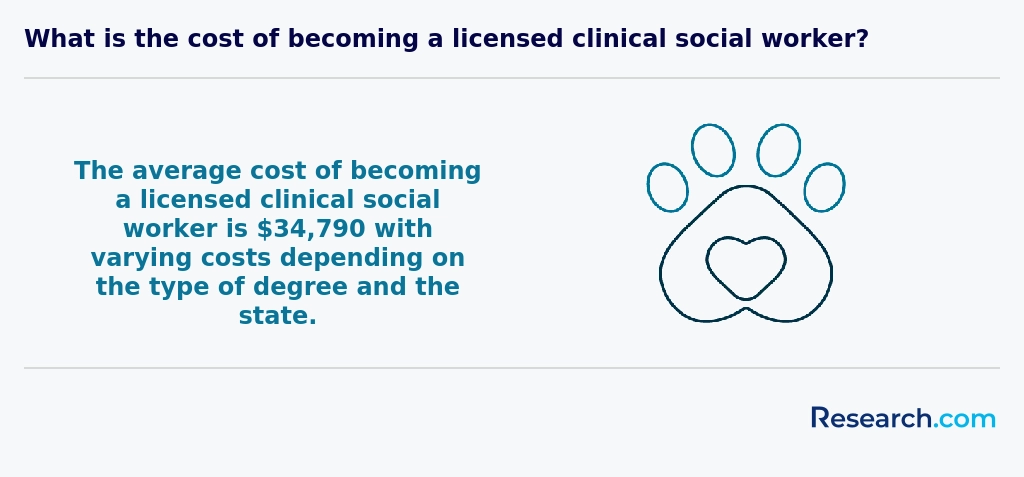
The average cost of a social work degree in West Virginia typically centers around $9,570 for in-state students, which reflects a more affordable pathway compared to out-of-state tuition. Graduates from institutions such as West Virginia University often recall balancing the roughly $8,200 annual undergraduate tuition with living expenses, feeling a sense of accomplishment in managing these costs while gaining valuable skills. Out-of-state students, however, face a steeper financial commitment, often seeing total costs near $33,108, a figure that underscores the importance of residency status in budgeting effectively for this degree.
Many students pursuing affordable social work programs West Virginia-wide find that supplemental expenses, including books and supplies, add significantly to the financial picture-sometimes $5,000 or more annually. Despite these challenges, graduates often express gratitude for state scholarships and financial aid options tailored to social work disciplines, which provide crucial relief and encourage completion.
Prospective social work students should explore the top social work programs in West Virginia to understand the full scope of tuition and fees at both public and private institutions. Private colleges may charge upwards of $20,000 yearly, but with appropriate planning and the use of available grants, these costs can become manageable, reinforcing a hopeful outlook for those committed to this rewarding field.
Choosing the Right Social Work Program in West Virginia
When selecting a social work program in West Virginia, it's essential to consider several factors to ensure you find the best fit for your career goals and personal circumstances. One crucial aspect is to research and explore the top social work programs in West Virginia, which can provide valuable insights into the quality and affordability of different programs. By evaluating factors such as accreditation, degree level, specializations, field education opportunities, program reputation, and financial considerations, you can make an informed decision that aligns with your aspirations and budget. Additionally, understanding the job market and career paths available to social work graduates in West Virginia can help you choose a program that prepares you for success in your desired field.
What financial aid is available to social work degree students in West Virginia?
Students pursuing social work degrees in West Virginia often find financial aid to be a crucial lifeline. Graduates from popular institutions like West Virginia University and Marshall University recall how federal aid programs, particularly Pell Grants, eased their financial burden without the stress of repayment. These grants can offer up to $7,395 annually, directly supporting tuition and living expenses.
State-specific aid, such as the West Virginia Higher Education Grant and PROMISE Scholarship, played an important role for those attending in-state colleges. Many found this support helped them focus more on their studies rather than finances. Additionally, scholarships from West Virginia NASW chapters provided encouragement, making students feel recognized for their commitment to social work.
Work-study jobs connected to social work fields also offered both income and invaluable experience, reinforcing a graduate's readiness for their future careers. Meanwhile, careful use of federal student loans supplemented funding but reminded many to plan thoughtfully given the reality of repayment against the median social work salary in the state of about $51,000.
Universities often tailored internal scholarships and tuition waivers specifically for social work students, showing a supportive academic community eager to see their success.
Return on Investment for Social Work Degrees in West Virginia
Investing in a Social Work degree in West Virginia requires careful consideration of both upfront costs and long-term earning potential. To calculate your return on investment (ROI), compare total program expenses-including tuition, fees, and living costs-with median salaries in key roles. For example, the average cost of a BSW from a public university is around $18,383 per year, and BSW graduates typically start at $56,680 annually as Child Welfare Specialists. Over a 10-year period, those earnings can outweigh initial expenses by more than 50%, especially when accounting for annual salary growth. For MSW graduates, upfront tuition can reach $54,500 total, but median salaries jump to $64,360 for licensed social workers-resulting in a payback period of roughly four to five years. Those pursuing advanced doctoral education may consider affordable online doctorate in social work programs, which often offer stipends or reduced tuition rates, further improving long-term ROI through leadership and research roles that command six-figure salaries. When assessing ROI: • Include indirect costs such as licensure exam fees ($145–$325) and continuing education credits. • Factor in financial aid: scholarships and assistantships can reduce net tuition by 20–40%. • Project salary growth: social workers in West Virginia see average annual raises of 3–5%, increasing lifetime earnings. Tools like salary calculators and loan amortization spreadsheets can help visualize break-even points. By weighing program affordability against career earnings and advancement opportunities, prospective students can select the Social Work pathway that delivers the strongest financial and professional returns.
What are the prerequisites for enrolling in social work degree program in West Virginia?
Securing a spot in a social work degree program in West Virginia means meeting clear academic and experiential prerequisites, designed to prepare students both intellectually and emotionally. Graduates from schools like West Virginia University often reflect on how fulfilling the minimum GPA requirement-typically around 2.5 for undergraduates and 3.0 for graduate MSW candidates-was the first meaningful step in their journey.
Many describe the value of having volunteer experience before applying. For instance, contributing time at local nonprofits or community centers not only strengthened their applications but provided a heartfelt glimpse into the realities of social work, building empathy and practical skills. This prior engagement made coursework feel deeply relevant and inspiring once enrolled.
At the graduate level, completing a bachelor's degree is essential, and programs expect supporting documents such as GRE scores, recommendation letters, and a thoughtful statement of purpose. These requirements emphasize your commitment to social justice and diversity-core pillars embraced by West Virginia's social work community.
Such prerequisites aren't just academic hoops; they lay the foundation for the rewarding, impactful career that awaits, as alumni frequently affirm.
Admissions Process and Timeline
Navigating the admissions process for affordable social work programs in West Virginia involves clear milestones and careful preparation to meet deadlines and secure funding. 1. Program Research (June–August) - Identify CSWE-accredited schools and compare tuition, specializations, and online vs. on-campus formats. - For insight into affordable options in other regions, explore the Inexpensive Social Work Degree Programs Ranking in Houston, TX. 2. Prerequisite Completion (July–September) - Verify GPA requirements (usually 2.5+), finalize transcripts, and confirm any standardized test waivers. - Complete recommended introductory courses (e.g., Introduction to Social Work, Psychology). 3. Application Submission (September–November) - Prepare personal statement outlining your passion for social work and community impact. - Obtain 2–3 professional or academic letters of recommendation. - Submit applications via each university’s portal, ensuring all materials (transcripts, test scores, essays) are uploaded before priority deadlines (often Nov. 1). 4. Financial Aid & Scholarships (October–December) - File the FAFSA by December 1 to qualify for state grants and federal aid. - Research program-specific scholarships, assistantships, and fee waivers. 5. Interviews & Decisions (January–March) - Attend on-campus or virtual interviews if required. - Receive admission offers and review financial aid packages. 6. Enrollment Confirmation (April–May) - Confirm your choice, submit deposit, and register for orientation. - Plan housing, field practicum placement, and course registration to start in the fall semester confidently.
What courses are typically in social work degree programs in West Virginia?
Social work degree programs in West Virginia, such as those at popular institutions like West Virginia University and Marshall University, offer a curriculum that truly prepares students for meaningful impact in their communities. Graduates often recall how foundational courses like Introduction to Social Work provided context for the profession's ethical standards, helping them connect deeply with the field's purpose.
Courses like Human Behavior and the Social Environment helped students understand the complexities behind clients' situations-whether supporting families facing economic challenges or working with youth in rural areas. Many found Social Welfare Policy classes invaluable for grasping how laws and programs shape real lives in West Virginia's distinct rural settings.
Students appreciated that Research Methods in Social Work equipped them to apply evidence-based practices, making their interventions more effective. Hands-on Field Practicums, often completed at local agencies, gave a tangible sense of how theory translates into day-to-day support for individuals, families, or groups. Through these experiences, graduates felt prepared and inspired to serve diverse populations thoughtfully and skillfully.
What types of specializations are available in social work degree programs in West Virginia?
Social work specializations in West Virginia reflect the state's unique social and demographic challenges, preparing graduates for meaningful careers. Many students at West Virginia University and Marshall University choose clinical social work, focusing on mental health counseling to address issues like substance abuse, which is prevalent in the region. Graduates often share how this specialization equips them to make a real difference in their communities through direct support and therapy.
Another key area is child and family social work, where students learn to support foster care and protective services. Graduates describe moving experiences working with vulnerable youths, gaining satisfaction from knowing their work strengthens families. This concentration aligns well with West Virginia's emphasis on enhancing its child welfare system, making it a popular choice.
West Virginia's aging population also encourages interest in gerontological social work, training students to assist seniors with healthcare navigation and social benefits. Many graduates appreciate the deep personal connections they form, which highlight the rewarding nature of this work.
Other notable options include school social work and community development, with students often exploring pathways through programs like the accelerated social work degree to advance quickly. These specializations help professionals support youth education and improve local neighborhoods, embodying the holistic approach characteristic of West Virginia social work degree concentrations.
How do you choose the best social work degree in West Virginia?
Choosing the best social work degree in West Virginia means focusing on programs that blend affordability with strong academic and practical training. Graduates from institutions like West Virginia University often reflect on how CSWE accreditation ensured their eligibility for licensure and opened doors to meaningful clinical work. Many have found the balance between cost and quality at public universities reassuring, especially since affordable social work programs in West Virginia frequently maintain tuition below the national average, helping reduce financial stress.
Consider how hands-on field placements make a real difference. Graduates recall the value of working in local Appalachian communities, where understanding rural issues shaped their approach and boosted employment chances. Flexible options, including online or hybrid courses, cater well to working students living busy lives. If funding is a concern, exploring scholarships and financial aid is wise, and resources through the state or NASW chapters can be invaluable.
For those aiming higher, the path often leads to advanced degrees, and some explore affordable online doctorate in social work programs to grow professionally without disrupting life commitments.

What career paths are available for social work degree students in West Virginia?
Graduates of social work programs in West Virginia find their skills in demand across diverse fields, reflecting the state's unique community needs. Many begin their careers as child, family, and school social workers, where they support students and families facing educational and social challenges-a path that recent graduates from prominent institutions such as West Virginia University often describe as deeply fulfilling. Others gravitate toward healthcare or mental health roles, addressing critical issues like substance abuse linked to the opioid crisis, which is a pressing concern in the region.
Community and social service management is another promising career path, with graduates playing key roles in designing policies to improve public welfare. For those seeking to work with aging populations, the gerontological social work field in West Virginia offers meaningful opportunities, especially given the state's significant elderly demographic. Considering these options and the positive experiences shared by alumni, prospective students should explore local programs and weigh the value of a social work degree with respect to West Virginia social work degree job prospects.
For a cost-effective education that aligns with career goals, students may find it helpful to consult the Inexpensive Social Work Degree Programs Ranking in Houston, TX for comparative insights, ensuring they make informed choices about their social work career opportunities in West Virginia.
What is the job market for social work degree in West Virginia?
The social work job outlook in West Virginia reflects a landscape shaped by both demand and meaningful impact. Graduates from well-regarded institutions like West Virginia University or Marshall University often find themselves engaged in communities where their skills address pressing issues such as substance abuse and mental health. Many recall fieldwork experiences in rural settings where their efforts directly supported families and individuals facing complex challenges.
Employment opportunities for social workers in West Virginia tend to be steady, especially for those holding advanced degrees like an MSW. The state's unique needs, such as high opioid dependency, create specific demand for licensed social workers, particularly Licensed Clinical Social Workers. Several graduates have shared how affordable local tuition combined with targeted practicum placements helped them secure positions in healthcare systems or nonprofit agencies serving vulnerable populations.
For students looking for efficient pathways into this field, exploring the top 6-month online associate degree programs can also serve as a practical stepping stone toward advanced social work degrees and career readiness within West Virginia's specialized job market.
Frequently Asked Questions About social work
Students pursuing social work degrees in West Virginia can enhance their education by actively engaging in field placements. The West Virginia Board of Social Work emphasizes practical experience, which bridges classroom theory with real-world application. Participating in internships with local agencies, such as child welfare or healthcare organizations, offers invaluable insight into community needs.
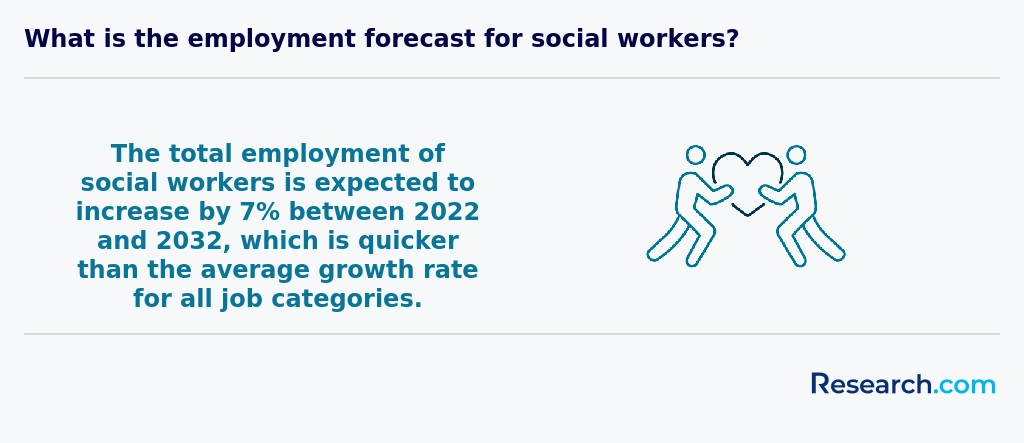
Additionally, joining professional groups like the West Virginia Chapter of the National Association of Social Workers helps students build networks and learn about state-specific issues. According to the Bureau of Labor Statistics, West Virginia's demand for social workers is projected to grow by 10% from 2022 to 2032, highlighting the value of gaining diverse skills during study.
Exploring continuing education opportunities and attending state conferences can further deepen knowledge relevant to West Virginia's populations.
Emerging niches in the social work field are responding to changing community needs, especially in West Virginia. One growing area is rural mental health, where practitioners address shortages in behavioral health services. According to the West Virginia Bureau for Behavioral Health, many rural counties lack adequate mental health professionals, creating demand for social workers specialized in this field.
Additionally, geriatrics is an expanding niche due to West Virginia's aging population. Social workers with expertise in elder care support patients managing chronic conditions and navigating healthcare systems.
Another promising area is substance abuse treatment. With opioid addiction significantly impacting the state, social workers trained in addiction counseling play a vital role. The West Virginia Department of Health and Human Resources highlights increased funding for such programs through 2024.
Preparing for the job market after earning a social work degree in West Virginia involves several key steps. Graduates should first obtain licensure, which is required for most social work roles in the state. The West Virginia Board of Social Work Examiners offers licenses such as Licensed Baccalaureate Social Worker (LBSW) and Licensed Master Social Worker (LMSW), with specific exam and experience requirements.
Networking is also crucial; joining local chapters of the National Association of Social Workers (NASW) can open doors in agencies and nonprofits across West Virginia. Internships completed during studies often lead to job offers, so students should maximize these opportunities.
According to the U.S. Bureau of Labor Statistics (BLS), West Virginia's social work employment is expected to grow by about 4% from 2022 to 2032, highlighting steady demand. Additionally, specializing in fields like healthcare or school social work may improve employment prospects and salary opportunities.
Employers in West Virginia seek social work graduates equipped with strong communication and interpersonal skills to effectively interact with diverse populations. Critical thinking and problem-solving abilities are highly valued due to the complex social challenges faced in the region. According to the National Association of Social Workers, cultural competency is essential to provide sensitive and appropriate services within West Virginia's rural and urban communities.
Additionally, knowledge of state-specific regulations and ethical standards is important for compliance and professional practice. Skills in crisis intervention and case management also rank high, as social workers often handle high-stress situations. Graduates who demonstrate adaptability and teamwork tend to have better employment prospects in West Virginia's human services sector.
Finding internships in West Virginia for social work students involves utilizing several key resources. Many accredited programs require internships as part of their curriculum and actively help students secure placements. The West Virginia Department of Health and Human Resources offers internship opportunities in various social service divisions. Networking through local non-profits, hospitals, and community agencies is also important.
Students should search West Virginia university career centers and platforms like Handshake for relevant postings. Additionally, the National Association of Social Workers (NASW) West Virginia chapter provides valuable guidance and listings for professional internships. Gaining practical experience is essential for licensure and future employment in West Virginia's social work field.
A social work degree in West Virginia significantly enhances career mobility and advancement opportunities for professionals in the field. According to the U.S. Bureau of Labor Statistics, social workers in West Virginia earn an average annual wage of approximately $50,000, with higher salaries linked to advanced degrees and licenses. Holding a Bachelor of Social Work (BSW) or Master of Social Work (MSW) is often required for positions in clinical settings, government, and non-profit agencies, opening doors to supervisory or specialized roles.
Higher education credentials can also improve eligibility for licensure, such as Licensed Social Worker (LSW) or Licensed Clinical Social Worker (LCSW), which are essential for private practice and clinical career growth. Research from West Virginia University highlights that graduates with an MSW have better employment rates and receive more competitive salaries.
Overall, earning a social work degree supports upward mobility by providing necessary skills, credentials, and increased earning potential within the state's diverse social service sector.
Studying for a social work degree in West Virginia equips students with the necessary skills to engage effectively in interdisciplinary roles. West Virginia's accredited programs emphasize collaborative practice, preparing graduates to work alongside healthcare providers, educators, and legal professionals. This approach aligns with recommendations from the Council on Social Work Education (CSWE), which stresses the importance of interdisciplinary competencies.
Community health initiatives in West Virginia, such as those supported by the Appalachian Regional Commission, offer real-world experience that reinforces teamwork across multiple sectors. Additionally, state data shows a growing demand for social workers capable of integrating services to address complex social and health challenges, especially in rural areas.
Through coursework and practicums, students develop communication and problem-solving skills valuable in diverse team settings. This integrative training ultimately enhances their readiness for roles that require cooperation with professionals in psychology, public health, and criminal justice.
When choosing between a thesis and a non-thesis social work degree program in West Virginia, consider your career goals. A thesis option typically involves conducting original research and writing a detailed paper, which is ideal for students interested in academic careers or advanced research roles.
The non-thesis option often focuses more on practical application and coursework, preparing graduates for direct practice in social work agencies. In West Virginia, programs like those at West Virginia University offer both options, with the non-thesis path allowing quicker completion.
Also consider licensing requirements: the West Virginia Board of Social Work expects a master's degree recognized by the Council on Social Work Education (CSWE) but does not mandate a thesis.
Financial and time commitments differ too. Thesis programs may take longer and require more resources for research. Lastly, review specific program curricula and speak to advisors to find the best fit based on your professional plans.
Students in West Virginia seeking to study social work abroad have several options through partnerships and exchange programs offered by their home institutions. Many universities with accredited Council on Social Work Education (CSWE) programs encourage international experiences to enhance cultural competence.
While West Virginia itself has limited direct exchange arrangements, students often use study abroad resources tied to larger university systems, such as West Virginia University, which provides short-term social work practicums in countries like Costa Rica and Ireland. These programs align with CSWE requirements, ensuring credits apply toward degree completion.
Students interested in extended study abroad should consult their academic advisors to identify suitable programs approved by West Virginia social work schools. Integrating global perspectives is increasingly emphasized in social work education, responding to diverse community needs.
Part-time job opportunities in West Virginia that complement social work degree education often include positions in community outreach, case management, and support roles within healthcare or nonprofit organizations. These roles provide practical experience essential for licensure and career advancement. For example, working as a peer support specialist or residential aide allows students to engage directly with populations served by social workers.
The West Virginia Department of Health and Human Resources frequently offers part-time positions in child welfare and adult protective services, useful for hands-on learning. According to the U.S. Bureau of Labor Statistics, social work jobs in West Virginia are expected to grow by 10% by 2031, highlighting the value of relevant part-time experience.
Social work students in West Virginia benefit from multiple networking opportunities designed to connect them with professionals and peers. The West Virginia Chapter of the National Association of Social Workers (NASW-WV) offers events, workshops, and conferences that foster professional growth and community engagement.
University programs often partner with local agencies for internships, allowing students to build relationships within the state's social services sector. According to NASW data, West Virginia supports over 2,000 licensed social workers, highlighting a broad network for mentorship and career development.
Additionally, regional symposiums and online forums provide platforms for students to collaborate, share experiences, and access job leads across the state.
Alumni networks play a crucial role for social work degree students in West Virginia by providing valuable professional connections. Graduates can access mentorship and career guidance, which helps in navigating West Virginia's unique social services landscape.
These networks often share local job openings, internships, and continuing education opportunities, improving employment rates for recent graduates. According to the Council on Social Work Education, strong alumni ties correlate with higher job placement within the state's social work agencies.
Moreover, alumni events and online groups foster collaboration, supporting students in building reputations in West Virginia's close-knit social work community.
Customizing your social work degree in West Virginia allows you to align your education with specific career goals. Many West Virginia universities offer concentrations or elective courses in areas such as clinical social work, child and family welfare, or community health. This flexibility helps you develop expertise relevant to your desired field.
Field placements are another vital component, giving practical experience tailored to your interests. For example, the West Virginia University BSW program includes internships with local agencies, helping students gain skills in environments like schools, hospitals, or social service organizations.
The Council on Social Work Education (CSWE) accredits programs in West Virginia, ensuring a standardized curriculum while supporting customization. According to the West Virginia Higher Education Policy Commission, roughly 65% of social work graduates in the state choose specialized tracks to enhance employability.
Social work students in West Virginia often face several challenges during their education. One common issue is the limited availability of field placement opportunities, a critical part of social work training. Due to the state's rural nature and fewer agencies, students sometimes struggle to find sites that fit their interests and schedules, impacting practical learning.
Another challenge involves financial constraints. According to the National Association of Social Workers, West Virginia has some of the lowest median incomes for social workers, which may affect students' decisions about investing in advanced degrees.
Additionally, students must navigate a rigorous curriculum balancing theoretical knowledge and hands-on skills, often feeling overwhelmed. Access to mental health resources for students themselves can also be limited, even as they prepare to support others in vulnerable situations.
With a social work degree in West Virginia, graduates can pursue several professional certifications to advance their careers. The most common certification is the Licensed Social Worker (LSW), which requires passing the Association of Social Work Boards (ASWB) exam. After gaining supervised experience, social workers can apply for the Licensed Certified Social Worker (LCSW) credential, enabling them to provide clinical services independently.
Other certifications include the Certified Social Work Case Manager (C-SWCM), which focuses on case management skills. These qualifications improve job prospects in various settings, from healthcare to child welfare.
According to the West Virginia Board of Social Work Examiners, nearly 70% of social workers in the state hold an LSW or higher, reflecting the importance of licensure in the profession.
To write a winning application for a social work program in West Virginia, start by clearly demonstrating your commitment to helping others and understanding of social issues. Highlight any volunteer or work experience related to social services, as programs value practical exposure. Be sure to thoroughly research each school's specific admission requirements and tailor your personal statement accordingly.
Include details about your motivation for pursuing social work and your long-term career goals. According to the West Virginia Higher Education Policy Commission, the state's social work programs prefer applicants with strong communication skills and emotional resilience. Lastly, submit letters of recommendation that speak to your interpersonal abilities and ethical character.
Social work is recognized globally as a vital profession that addresses diverse social challenges. In the United States, including West Virginia, social work education follows standards set by the Council on Social Work Education (CSWE), which aligns with international ethical principles and competencies. This connection ensures graduates are prepared to engage in culturally competent and evidence-based practice worldwide.
West Virginia faces unique social issues, such as rural poverty and opioid addiction, making social workers crucial to community health. According to the Bureau of Labor Statistics, the region's demand for social workers is projected to grow by 12% through 2030, reflecting a broader global emphasis on social welfare.
Globally, social work careers often require understanding policy, human rights, and community development, skills taught in West Virginia programs. This international perspective enhances employability beyond state borders and supports advocacy for vulnerable populations.
Gaining practical experience while studying for a social work degree in West Virginia is essential for building professional skills. Most accredited social work programs require students to complete supervised field placements or internships. These opportunities often occur in local agencies such as healthcare centers, schools, or nonprofit organizations.
The West Virginia Higher Education Policy Commission highlights that fieldwork typically involves 400 to 900 hours of hands-on experience, depending on degree level. This exposure allows students to work directly with clients and social service providers, applying classroom knowledge in real-world settings.
Additionally, some universities partner with state social services, offering students access to diverse populations and social issues unique to West Virginia's rural and urban areas. Students may also attend workshops and seminars hosted by the National Association of Social Workers West Virginia chapter to stay informed on current practices.
Choosing the right concentration within a social work degree program in West Virginia depends on your career goals and interests. Common concentrations include clinical social work, school social work, and community organization. West Virginia's aging population and high rates of opioid addiction influence demand for specialists in healthcare and addiction counseling, according to the West Virginia Department of Health and Human Resources.
Research programs accredited by the Council on Social Work Education (CSWE) to ensure quality education. Consider local job markets by consulting the West Virginia Department of Commerce, which highlights growing needs in mental health and child welfare sectors.
Match concentrations with licensure requirements in West Virginia, such as the Licensed Clinical Social Worker (LCSW), which requires specific supervised experience in clinical settings.
Related Social Work Rankings for Nearby States
- 2027 Most Affordable Social Work Degree Programs Ranking in Virginia
- 2027 Most Affordable Social Work Degree Programs Ranking in Ohio
- 2027 Most Affordable Social Work Degree Programs Ranking in Kentucky
- 2027 Most Affordable Social Work Degree Programs Ranking in Pennsylvania
- 2027 Most Affordable Social Work Degree Programs Ranking in Maryland
- 2027 Most Affordable Social Work Degree Programs Ranking in North Carolina
- 2027 Most Affordable Social Work Degree Programs Ranking in Tennessee
- 2027 Most Affordable Social Work Degree Programs Ranking in South Carolina
- 2027 Most Affordable Social Work Degree Programs Ranking in New Jersey
- 2027 Most Affordable Social Work Degree Programs Ranking in Michigan
Top Trending Social Work Rankings
See What Experts Have To Say About Studying Social Work
Read our interview with Social Work experts

References
- Tripod Partners https://www.tripodpartners.com/career-advice/social-work/advancing-your-social-work-career-tips-for-promotion/
- My social work journey: from experience to practice https://socialworkwithadults.blog.gov.uk/2023/09/26/my-social-work-journey-from-experience-to-practice/
- Top Skills Employers Look for in Qualified Social Workers Today - Vitalis https://www.vitalissocialcare.co.uk/career-development/top-skills-employers-look-for-in-social-workers-today/
- The Importance of Professional Networking in Social Work https://www.onlinemswprograms.com/resources/social-work-networking/
- News & Announcements https://www.wvsocialworkboard.org/
- Know more about thesis vs non- thesis: what is the difference? https://studyfans.com/en/blogs/816
- Social Work Internships https://www.stjude.org/education-training/professional-development/internships/social-work.html
- Global Definition of Social Work https://www.ifsw.org/what-is-social-work/global-definition-of-social-work/
- How To Become A Social Worker | Psychology.org https://www.psychology.org/social-work/how-to-become/
- 1+ Social Worker Cover Letter Examples (with In-Depth Guidance) https://www.tealhq.com/cover-letter-examples/social-worker


