
2027 Most Affordable Social Work Degree Programs Ranking in Tallahassee

Co-Founder and Chief Data Scientist
Choosing the right social work degree program in Tallahassee can feel overwhelming. That's why this article presents the 2027 Most Affordable Social Work Degree Programs Ranking in Tallahassee, created by the Research.com team of data scientists. It's designed to help you find programs that offer quality education without breaking the bank.
Whether you're starting your journey or looking to advance your career, a social work degree opens doors to meaningful work and personal growth. Reading this article will provide clear insights to support your decision and inspire confidence for your future.
Key benefits of getting social work degree in Tallahassee
- Social work degree graduates in Tallahassee can earn rewarding salaries, with roles like Social Worker averaging $68,800 per year and Community Organizer earning up to $83,400 annually, ensuring financial stability.
- Graduates from Florida State University, a popular Tallahassee school, pursue diverse careers such as Child Welfare Specialist, Residential Counselor, or Youth Worker, offering a variety of meaningful paths to make a positive impact.
- Online social work degrees, like those offered by Florida A&M University, provide flexible learning options that allow students to balance work and study, making it easier to achieve their goals without sacrificing other responsibilities.
- Key benefits of getting social work degree in Tallahassee
- What can I expect from social work degree in Tallahassee?
- Where can I work with social work degree in Tallahassee?
- How much can I make with social work degree in Tallahassee?
- 2027 Most Affordable Social Work Degree Programs Ranking in Tallahassee
- Key Findings
- How long does it take to complete social work degree in Tallahassee?
- Accreditation and Licensure Requirements
- What's the difference between online and on-campus social work degree?
- Licensure Requirements in Florida
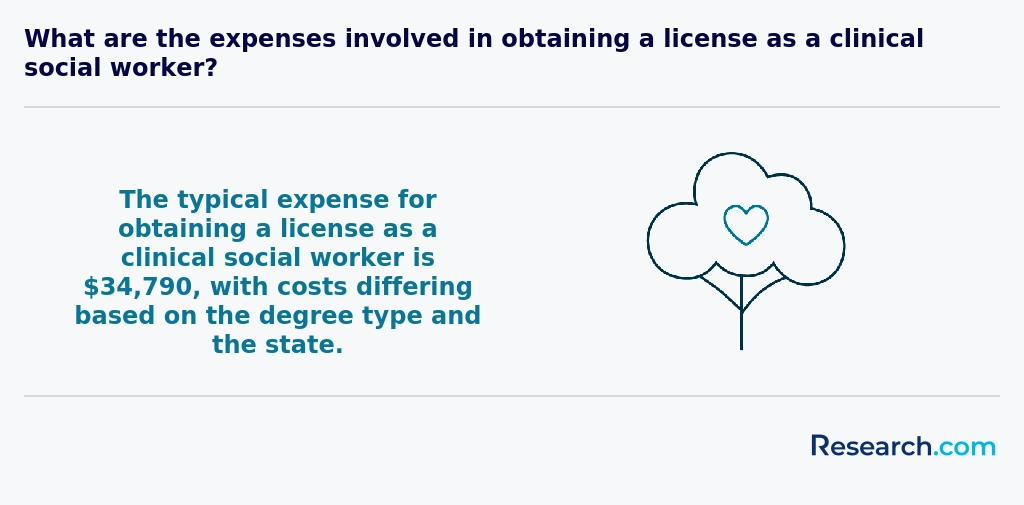
- What is the average cost of social work degree in Tallahassee?
- Creating a Budget for Social Work Education in Tallahassee, FL
- What financial aid is available to social work degree students in Tallahassee?
- Licensure and Certification in Florida
- What are the prerequisites for enrolling in social work degree program in Tallahassee?
- Life and Learning in Tallahassee: Campus Culture and Community Insights
- What courses are typically in social work degree programs in Tallahassee?
- What types of specializations are available in social work degree programs in Tallahassee?
- How do you choose the best social work degree in Tallahassee?
- What career paths are available for social work degree students in Tallahassee?
- What is the job market for social work degree in Tallahassee?
- Top Trending Social Work Rankings
- See What Experts Have To Say About Studying Social Work
What can I expect from social work degree in Tallahassee?
The cost of pursuing a social work degree in Tallahassee varies, but many students find that Florida State University offers a balance of quality education and affordability. Graduates often share how they managed tuition expenses, which for in-state students typically range around $6,500 per year for undergraduate programs, making it a smart investment considering the program's strong CSWE accreditation. Out-of-state students should expect higher tuition, but many still find scholarships and financial aid that ease the burden.
Many social work students emphasize that the value they receive goes beyond tuition fees. The hands-on fieldwork in Leon County agencies adds priceless real-world experience that prepares them for their careers. Knowing the average entry-level social worker salary in the area is around $48,000 annually helps put education costs into perspective, encouraging students to see this expense as a step toward financial independence and a fulfilling career.
These programs often encourage graduates to get involved early in community projects, blending learning with service. This approach strengthens both resumes and spirits, turning the cost of education into an opportunity for meaningful growth in Tallahassee's supportive environment.
Where can I work with social work degree in Tallahassee?
Graduates with a social work degree from popular institutions like Florida State University often find themselves stepping into meaningful roles across Tallahassee's diverse social landscape. You might work in a bustling hospital, collaborating directly with patients and healthcare teams to craft recovery and support plans. Imagine helping families navigate challenges after a crisis-this is a common reality at Tallahassee Memorial HealthCare, a key employer for licensed social workers.
Others find rewarding careers within government agencies. For example, graduates frequently join the Florida Department of Children and Families, where they investigate child welfare cases and provide critical family support services. These roles not only demand strong empathy but also resilience and resourcefulness, skills you'll develop during your studies.
Nonprofits are another vibrant path. Social work alumni often share how fulfilling it feels to contribute to organizations like the Big Bend Homeless Coalition, coordinating outreach programs for vulnerable populations. You can also become a vital part of schools in Leon County, offering students guidance through social and emotional struggles, making a real difference every day.
Many graduates who pursue clinical licensure go on to private practice, providing therapy and addiction counseling in welcoming community settings. Tallahassee's growing demand for these services ensures ample opportunities to build a rewarding career tailored to your passions and strengths.
How much can I make with social work degree in Tallahassee?
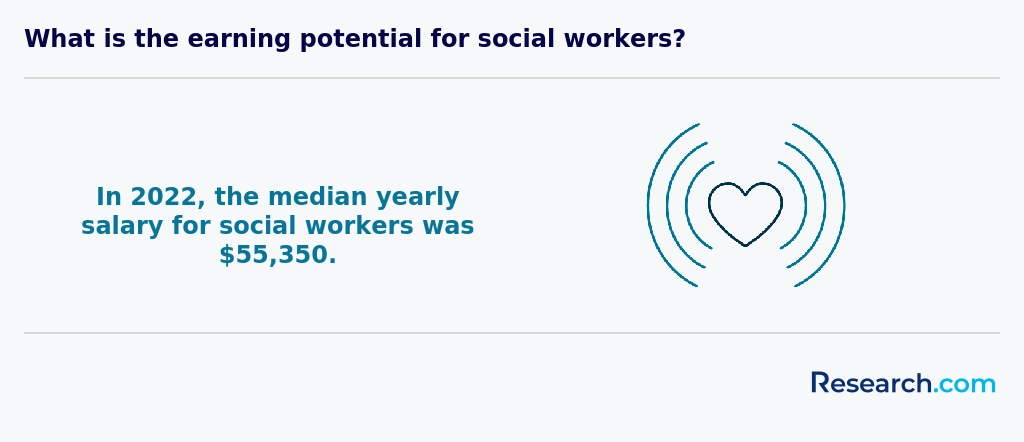
If you graduate with a social work degree from well-known Tallahassee institutions like Florida State University or Florida A&M University, expect promising salary figures that reflect your hard work and dedication. For example, social workers in the area earn an average annual salary of about $68,800, according to recent U.S. Bureau of Labor Statistics data.
Graduates often find roles such as Child Welfare Specialists or Residential Counselors, both averaging around $59,190 per year. For those inspired to become Community Organizers or Youth Workers, salaries can reach approximately $83,400 annually, rewarding your passion for making a difference in local communities.
Many graduates share stories of starting with entry-level salaries near $38,000 to $45,000, progressing quickly with experience or advanced degrees. Practical internships and networking opportunities within Tallahassee can accelerate your career, helping you step into roles that support individuals and families meaningfully while earning a competitive wage.
Choosing social work in Tallahassee means embracing a rewarding career path where your impact is felt daily-and your earnings reflect your valued expertise in the community.
2027 Most Affordable Social Work Degree Programs Ranking in Tallahassee
How do we rank schools?
Investing in your education is a significant decision that can profoundly impact your future, and the Research.com team is dedicated to supporting you in making well-informed choices. To assist prospective students in Tallahassee, we have carefully developed the "2027 Most Affordable Social Work Degree Programs Ranking in Tallahassee." Our focus on quality, credibility, and accuracy is demonstrated through thorough research and detailed analysis conducted to create this ranking.
We utilized the following reputable data sources to ensure a comprehensive evaluation of social work programs:
By reviewing this ranking, readers will gain valuable insights into affordable social work degree options available in Tallahassee, empowering them to make confident educational choices. For further information on our evaluation process, please visit our Research.com methodology page.


Key Findings
- Tallahassee offers accredited social work programs including Bachelor of Social Work (BSW) and Master of Social Work (MSW) degrees.
- Tuition for BSW programs at public in-state universities ranges from $4,000 to $7,000 per year, while MSW programs cost between $7,000 and $15,000 annually.
- Starting salaries for social workers in Tallahassee are approximately $45,000 to $50,000, with experienced professionals earning $60,000 or more.
- Career opportunities include roles in healthcare, child welfare, mental health, and substance abuse counseling supported by various government and non-profit agencies.
- Licensure in Florida typically requires an MSW degree, supervised clinical hours, and passing a state exam for clinical social work positions.
How long does it take to complete social work degree in Tallahassee?
Completing a social work degree in Tallahassee is a rewarding journey that typically aligns with your commitment and chosen path. Most students at Florida State University, the heart of social work education in the city, spend about four years earning their Bachelor of Social Work (BSW). Imagine walking across that campus, knowing each class and internship brings you closer to making a real difference in your community. Many graduates share how immersing themselves in part-time or accelerated programs helped fit school around their busy lives.
For those aiming higher with a Master of Social Work (MSW), the timeline varies, but usually, full-time students at FSU finish in two years. Some students who already hold a BSW from accredited programs can fast-track their MSW in just one year through advanced standing programs, making their passion for helping others faster to realize. Others take a part-time route, balancing work and studies, extending their degree to three years or more but gaining invaluable real-world experience along the way.
Accreditation and Licensure Requirements
Accreditation by the Council on Social Work Education (CSWE) is essential for ensuring that a Social Work program in Tallahassee, FL meets rigorous national standards and qualifies graduates for state licensure. Students should verify that their chosen institution holds CSWE accreditation, as this directly impacts eligibility to sit for the Association of Social Work Boards (ASWB) licensing exams and pursue advanced credentials. In Florida, most graduates begin by obtaining a Bachelor’s-level license (Licensed Bachelor Social Worker, LBSW) after passing the ASWB Bachelor’s Exam and completing a minimum of 3,000 supervised practice hours under a qualified supervisor. Those who earn a Master of Social Work (MSW) can pursue the Licensed Master Social Worker (LMSW) credential, requiring successful completion of the ASWB Master’s Exam and similar supervised experience. For clinical practice, the Licensed Clinical Social Worker (LCSW) designation demands an additional two years (at least 3,000 hours) of post-master’s clinical supervision and passing the ASWB Clinical Exam. The Florida Board of Clinical Social Work, Marriage & Family Therapy and Mental Health Counseling oversees all licensing applications, renewals, and continuing education requirements. Applicants must submit official transcripts, exam scores, and proof of supervised hours through the Florida Department of Health’s online portal. Continuing education-typically 30 hours every two years-is required to maintain active licensure, with at least two hours focused on professional ethics. Students seeking flexibility in program delivery can also explore affordable, accredited online options. For a comparative analysis of cost-effective online programs, review our Most Affordable Online Social Work Degree Programs Ranking in Pennsylvania. This resource highlights programs that not only maintain CSWE accreditation but also offer robust support for meeting state licensure requirements.
What's the difference between online and on-campus social work degree?
Online social work degrees in Tallahassee offer incredible flexibility, a blessing for those balancing jobs or family. Graduates often share how asynchronous classes let them learn evenings or weekends, fitting coursework around busy lives. Yet, they still fulfill essential fieldwork locally, applying theory in real-world settings-sometimes at community centers or shelters near Florida State University. This blend of remote learning and hands-on experience builds confidence while managing a personal schedule.
On the other hand, traditional on-campus programs provide a vibrant college atmosphere. Students at Tallahassee's institutions connect face-to-face with professors and peers, sparking lively discussions that deepen understanding. Many appreciate the immediate feedback and the strong sense of community, often recalling memorable practicum placements arranged through local agencies. This immersive environment nurtures professional growth and close-knit networking.
Both paths meet high standards set by the Council on Social Work Education, equipping students with critical skills in ethics, policy, and human behavior. Choosing between them depends on how you envision balancing learning, life, and future goals in Tallahassee's supportive social work community.
Licensure Requirements in Florida
Obtaining state licensure ensures you can practice and advance in social work roles. Florida recognizes three key licenses:
- Licensed Bachelor Social Worker (LBSW)
- Earn a CSWE-accredited BSW.
- Pass the ASWB bachelor’s exam.
- Complete 10 hours of continuing education every two years.
- Licensed Master Social Worker (LMSW)
- Complete a CSWE-accredited MSW program, such as online msw programs affordable.
- Pass the ASWB master’s exam.
- Fulfill 30 hours of continuing education every two years.
- Licensed Clinical Social Worker (LCSW)
- Hold an MSW and accrue 3,000 hours of supervised clinical experience over at least two years.
- Pass the ASWB clinical exam.
- Maintain licensure with required ethics and clinical CE credits.
Meeting these steps allows you to practice at increasing levels of responsibility and impact within Florida’s social service sector.
What is the average cost of social work degree in Tallahassee?
The average cost of a social work degree in Tallahassee is shaped by whether you attend Florida State University (FSU) or a private institution. For many local students pursuing affordable social work programs Tallahassee offers, FSU provides an excellent option. In-state students there typically see a total cost around $5,720, which can make a big difference when budgeting for a degree. Graduates often reflect on how choosing FSU allowed them to focus more on their studies and community involvement instead of worrying about overwhelming debt.
Out-of-state students and those considering private colleges should expect higher costs, with total expenses climbing closer to $31,476. Still, these investments have led graduates to rewarding careers by enabling access to specialized resources and networks unique to Tallahassee's social work community. Beyond tuition, keep in mind living costs and materials, which can add several thousand dollars annually but enrich the learning experience through hands-on work and personal growth.
Students here often compare Tallahassee's cost landscape with national patterns, appreciating how local options like FSU provide competitive pricing without sacrificing quality. Exploring related fields can also be insightful, such as checking out psychology schools in Washington, which shares some academic overlaps. Balancing cost and opportunity is key to thriving in your social work studies and making a lasting impact in your community.
Creating a Budget for Social Work Education in Tallahassee, FL
To make the most out of the social work degree programs in Tallahassee, FL, it's essential for prospective students to create a comprehensive budget that accounts for all expenses associated with their education. Understanding the cost of tuition, living expenses, and additional fees is crucial for planning. Students should also research available financial aid options, such as scholarships and grants, to help offset these costs. For those looking to minimize expenses, exploring the cheapest social work school in Florida can be a practical step. By carefully considering these factors and planning ahead, students can focus on their academic and professional goals without undue financial stress, ultimately setting themselves up for success in their future careers as social workers.
What financial aid is available to social work degree students in Tallahassee?
If you're pursuing a social work degree in Tallahassee, financial aid is within reach to help ease your journey. Graduates from Florida State University often share how the Pell Grant made their tuition manageable, with awards up to $7,395 covering a large chunk of costs. Many also tap into the Florida Student Assistance Grant, a state-funded boost that supports residents enrolled in public universities. Imagine balancing your studies while working part-time through a work-study program, gaining real-world experience and earning income simultaneously-this is a common path for social work students here.
Loan forgiveness is another incredible resource. Social work grads employed in public service roles can leverage the Public Service Loan Forgiveness (PSLF) program, easing the long-term financial weight by potentially wiping out remaining federal loans after a decade of payments. Scholarships specifically for social work students at schools like Florida State University can also brighten the pathway, rewarding community commitment or academic excellence. Many students find these combined aids bring hope and real relief, fueling their passion to serve communities without the constant stress of finances.
Licensure and Certification in Florida
In Florida, social work practice requires state licensure. Key steps include:
- BSW to LBSW: Complete a CSWE-accredited Bachelor of Social Work, pass the ASWB Bachelor’s exam, and register with the Florida Board of Clinical Social Work, Marriage & Family Therapy and Mental Health Counseling.
- MSW to LMSW & LCSW: Earn a Master of Social Work, pass the ASWB Master’s exam for LMSW status, complete 3,000 supervised clinical hours, then pass the ASWB Clinical exam to qualify as an LCSW.
- Continuing Education: Renew your license biennially with 30 hours of approved coursework, including mandatory credits in Florida laws and ethics.
For a detailed road map on advancing through these stages, see how to become a social worker.
What are the prerequisites for enrolling in social work degree program in Tallahassee?
To enroll in a social work degree program in Tallahassee, you'll need to meet specific prerequisites that set the foundation for your success. For undergraduate programs like those at Florida State University or Florida A&M University, a high school diploma and strong performance in courses such as English, math, and social sciences are essential. Graduates often recall how mastering these basics early helped them feel confident during demanding social work classes.
For the Master of Social Work (MSW) programs, holding a bachelor's degree is a must-preferably from an accredited school. Many students share how having a background in social sciences or human services eased their transition into graduate studies. A competitive GPA, typically around 3.0, reflects your readiness and determination to thrive at this level.
Beyond academics, hands-on experience plays a crucial role. Letters of recommendation, personal statements, and volunteer work in community settings paint a fuller picture of your dedication. Graduates often emphasize how their time volunteering fueled their passion and boosted their applications.
Finally, practical requirements like background checks and immunizations prepare you for meaningful field placements. Being proactive about these steps ensures a smooth journey through your social work education in Tallahassee.
Life and Learning in Tallahassee: Campus Culture and Community Insights
Studying in Tallahassee offers more than a quality education-it provides an enriching community experience that prepares students for both academic and professional success. Living in the city blends the vibrant campus culture with a welcoming local community, where students gain exposure to diverse cultures, community service projects, and real-world learning opportunities beyond the classroom. Many local institutions, including Florida State University and Tallahassee State College, cultivate strong support networks by actively engaging with social service organizations, volunteer programs, and local government initiatives. This symbiosis between school and community not only enhances classroom learning but also helps students build robust professional relationships that can open doors later in their careers. Moreover, prospective students often compare career paths and academic approaches; for instance, understanding the difference between counseling vs social work further informs their decision-making process in choosing a program that best aligns with their interests. Whether you are exploring career options or seeking practical ways to immerse yourself in the local culture, Tallahassee provides a dynamic backdrop for both personal growth and professional development.
What courses are typically in social work degree programs in Tallahassee?
In Tallahassee, social work degree programs offer courses that truly equip you for making a meaningful impact. Graduates from universities like Florida State University often mention how courses on human behavior in the social environment gave them deep insights into how families and communities navigate challenges, helping them develop empathy and sharp assessment skills.
Courses on social welfare policy introduce students to real-world systems like Medicaid and child welfare services-topics graduates say opened their eyes to the complexities of helping vulnerable populations. Research methods and statistics are also key parts of the curriculum, teaching you how to confidently evaluate programs and advocate for change through data-driven decisions.
Field education is where theory meets practice. Many local students treasure their internships at Tallahassee agencies where they work directly with clients, gaining invaluable hands-on experience that builds confidence and prepares them for licensure.
Additional classes on cultural competence, mental health counseling, and community leadership round out the program, ensuring you graduate ready to lead with compassion and skill in Florida's diverse social landscape.
What types of specializations are available in social work degree programs in Tallahassee?
Students pursuing a social work degree in Tallahassee often choose from diverse specializations tailored to local community needs. One common path is clinical social work, which equips graduates from universities like Florida State University with skills to provide therapeutic support for mental health challenges-preparing them for licensure as Licensed Clinical Social Workers. This specialization empowers students to make a real difference in healthcare or private practice settings.
Child and family social work is another impactful focus, reflecting Tallahassee's emphasis on family services. Graduates often engage with foster care programs and local nonprofits, helping vulnerable children and families thrive. The practical experiences offered at popular Tallahassee colleges help students develop empathy and effective intervention strategies for these sensitive roles.
For those drawn to emerging fields, gerontology addresses the needs of Florida's growing older adult population. Many social work degree specializations Tallahassee students explore include this area, preparing them to assist seniors with healthcare and housing challenges-something that brings fulfillment and lasting community impact.
Other graduates find their niche in specialties like school social work, healthcare social work, or substance abuse counseling. Some even combine their social work education with continuing education credits, such as LPC CEUs Texas, enhancing their career flexibility and credentials.
How do you choose the best social work degree in Tallahassee?
Choosing the best affordable social work degree Tallahassee means focusing on programs with strong CSWE accreditation, such as those offered by local universities where graduates report feeling supported and well-prepared. Many former students highlight how the curriculum's balance of theory and hands-on practicum-often within Tallahassee's community agencies-brings classroom learning to life in meaningful ways. This practical experience is essential for building confidence and professional skills.
The cost of social work programs cost Tallahassee can vary, but students often find that comparing total expenses-including fees and living costs-reveals hidden savings. Graduates from these programs frequently mention the value in flexible class schedules, which allow working professionals to pursue degrees without sacrificing income or family time. Evening and online classes create this necessary balance.
Consider programs where faculty are deeply connected with the local social work community and can guide you toward internships or jobs. Exploring graduate outcomes, like employment rates in social services and healthcare, offers reassurance about your future prospects. For additional guidance after graduation, it's helpful to review resources like Georgia psychologist licensing verification to understand related professional requirements in the region.

What career paths are available for social work degree students in Tallahassee?
Pursuing social work careers in Tallahassee opens doors to meaningful roles that truly impact lives. Graduates from Florida State University or Florida A&M University often find themselves stepping into vibrant community roles, from child welfare specialists supporting vulnerable families to healthcare social workers assisting patients with chronic illnesses at local hospitals. One graduate shared how working with the Florida Department of Children and Families gave them hands-on experience protecting children and facilitating foster care-a deeply rewarding journey.
For those with a Master of Social Work, Tallahassee's diverse settings offer opportunities to serve as clinical social workers or policy analysts shaping local programs. Schools also recruit social workers to provide emotional support to students, especially in underserved areas. If you're passionate about mental health, many graduates have found inspiring careers immersed in advocacy and therapy, helping clients through complex struggles tied to emotional wellbeing, including roles describing mental health social worker responsibilities.
Exploring Tallahassee social work degree job opportunities means tapping into an engaged network of nonprofit agencies and government programs. Whether it's managing community outreach or coordinating prevention efforts, your degree is a gateway to making a tangible difference right here in your hometown.

What is the job market for social work degree in Tallahassee?
The social work job outlook in Tallahassee is vibrant and promising, especially for graduates from local universities known for their strong social work programs. Many graduates share stories of quickly finding roles within state agencies like the Florida Department of Children and Families or healthcare providers such as Tallahassee Memorial HealthCare. These institutions prioritize candidates with accredited Master of Social Work degrees and licensing, which opens doors to rewarding careers in counseling, case management, and public administration.
Tallahassee social work career opportunities are particularly strong in mental health and substance abuse counseling, fields bolstered by increased state and federal funding. Graduates often reflect on how their education and internships prepared them for real-world challenges, fueling both their confidence and compassion. For those interested, exploring psychiatric social work career paths can provide a clear focus aligned with local demand and future growth.
While entry-level positions may start around $45,000, experienced social workers with specialized degrees in Tallahassee can earn closer to $65,000 annually. The access to scholarships and affordable tuition at regional public universities makes pursuing a social work degree here a practical and rewarding investment in a meaningful career.
Frequently Asked Questions About social work
Social work degree students in Tallahassee can maximize their learning experience by actively engaging in field placements offered through accredited programs. Many local agencies and hospitals collaborate with universities, providing practical opportunities that enhance classroom knowledge. Combining theory with hands-on practice is crucial for skill development.
Students should also take advantage of Tallahassee's professional organizations, such as the Florida Chapter of the National Association of Social Workers, which hosts networking events and workshops. Research indicates students involved in such activities demonstrate higher competency and job placement rates.
Additionally, utilizing university resources like tutoring centers and academic advising helps maintain strong academic performance throughout the program.
The social work field is rapidly evolving, with emerging niches reflecting society's changing needs. In Tallahassee, growing opportunities are seen in areas such as geriatric social work, where specialists assist an aging population. According to the Florida Department of Elder Affairs, the state's elderly population is projected to rise by 30% in the next decade, increasing demand in this niche.
Behavioral health social work is another growing area, focused on mental health and substance abuse treatment. Tallahassee's local health reports indicate a 15% increase in calls for behavioral health support services over recent years.
Additionally, digital and telehealth social work has expanded, especially since the COVID-19 pandemic, offering remote counseling services. This niche provides flexibility and wider access to care across Florida's rural and urban communities.
After completing a social work degree in Tallahassee, preparing for the job market involves several key steps. Graduates should focus on obtaining licensure in Florida as a Licensed Clinical Social Worker (LCSW), which requires supervised experience and passing the Association of Social Work Boards (ASWB) exam.
Networking is essential. Joining local professional groups such as the Florida Chapter of the National Association of Social Workers (NASW) can help connect graduates with job opportunities and mentorship.
Internship experience gained during the degree is highly valued by employers. Tallahassee's local agencies, including schools, healthcare facilities, and government programs, offer practical settings that enhance employability.
According to the Bureau of Labor Statistics, the demand for social workers in Florida is expected to grow by 19% through 2031, highlighting a positive job outlook in the state.
Employers in Tallahassee seek social work graduates with strong communication and interpersonal skills. Effective listening and empathy are essential, as social workers often engage with diverse and vulnerable populations. Critical thinking and problem-solving abilities are highly valued for addressing complex client needs and navigating local social services.
Knowledge of Florida's laws and policies related to social welfare is important, given the regulatory environment in Tallahassee, the state capital. Additionally, proficiency in case management and documentation ensures compliance with agency requirements.
According to the Florida Department of Children and Families, collaboration skills and cultural competence are critical for social workers serving Tallahassee's varied communities.
Finding internships in Tallahassee related to a social work degree involves a combination of research, networking, and utilizing university resources. Prospective social work students should start by contacting local universities with accredited social work programs, as they often have established internship partnerships with community agencies.
Key organizations offering internships include the Florida Department of Children and Families, local schools, and health service providers. According to the Florida Board of Clinical Social Work, internships in settings like hospitals and mental health clinics are frequently available in Tallahassee.
Additionally, professional networking through groups like the National Association of Social Workers (NASW) Florida chapter can provide leads on internships and mentorship opportunities.
Students should also use online job boards and campus career centers, which list seasonal and year-round internship openings tailored for social work students in the region.
Obtaining a social work degree in Tallahassee significantly enhances career mobility and advancement opportunities within the region. The city's demand for qualified social workers is supported by state agencies, healthcare providers, and nonprofits, where accredited degrees often serve as a minimum requirement for employment. According to the U.S. Bureau of Labor Statistics, Florida expects a 12% growth in social work jobs through 2032, reflecting increased local opportunities.
Graduates with a Bachelor of Social Work (BSW) can enter entry-level roles, while a Master of Social Work (MSW) opens doors to clinical positions and leadership roles, often accompanied by higher salaries. Employers in Tallahassee look favorably on candidates with degrees from regionally accredited institutions, which ensure adherence to rigorous educational standards. Professional licensure, which relies on holding an accredited degree, further supports advancement and specialization in the field.
Studying for a social work degree in Tallahassee equips students with skills essential for interdisciplinary collaboration. Local programs emphasize integrating social work with healthcare, education, and criminal justice sectors, reflecting community needs. Coursework often includes training in communication, policy analysis, and ethics, preparing graduates to work alongside professionals from various fields.
The Florida State University School of Social Work, a key provider in Tallahassee, aligns its curriculum with the Council on Social Work Education's competencies, fostering teamwork across disciplines. According to the Bureau of Labor Statistics, interdisciplinary skills improve employment prospects in Florida's growing social services sector.
Choosing between a thesis and a non-thesis social work degree program in Tallahassee depends on your career goals and learning preferences. A thesis option typically suits students who aim for research roles or plan to pursue a doctoral degree. This path involves conducting original research and writing a detailed paper under faculty supervision.
Non-thesis programs focus more on practical skills and fieldwork, preparing graduates for direct social work practice. In Tallahassee, where social work agencies emphasize community engagement, non-thesis programs can offer more hands-on experience.
Both options meet accreditation standards set by the Council on Social Work Education (CSWE), ensuring quality education. Consider your professional aspirations and consult academic advisors to decide which track aligns best with your goals.
Students based in Tallahassee seeking to study social work abroad can explore several pathways through US universities that offer international exchange programs. Florida State University (FSU), located in Tallahassee, supports study abroad opportunities but does not have a dedicated social work abroad program. Instead, students enrolled in social work degrees often participate in interdisciplinary exchanges where they can gain global health and social policy perspectives.
Many US institutions partner with organizations in countries like the UK, Australia, and Canada, known for robust social work education. These programs typically last a semester and allow students to earn credits toward their US degree.
Advisors at FSU's social work department and the Center for Global Engagement provide guidance on approved programs and financial aid options. The Council on Social Work Education (CSWE) encourages international exposure to enrich social work competencies, which can be beneficial for careers focused on global social justice or multicultural practice.
Students pursuing social work degrees in Tallahassee have several part-time job opportunities that align well with their academic goals. Positions such as case management assistants, mental health technician aides, and crisis hotline volunteers offer practical experience directly related to social work practice. According to the Florida Department of Economic Opportunity, healthcare support roles in Tallahassee are expected to grow by 12% between 2022 and 2030, indicating steady demand for such jobs. Additionally, internships or assistant roles at local nonprofits like United Way of the Big Bend provide valuable exposure to community services and advocacy work, beneficial for social work students seeking real-world skills.
Social work students in Tallahassee benefit from multiple networking opportunities that enhance both academic and professional growth. Florida State University (FSU), a major institution in the city, hosts events through its College of Social Work, including career fairs, guest lectures, and workshops that connect students with local agencies.
The Tallahassee chapter of the National Association of Social Workers (NASW) offers meetings and volunteer activities, allowing students to engage directly with experienced professionals. Additionally, internships facilitated by local nonprofits and government organizations provide practical experience and important industry contacts.
According to NASW Florida, networking through such channels increases job placement success post-graduation by nearly 30% for social work graduates in the region.
Alumni networks provide important support for social work degree students in Tallahassee by offering connections within the local professional community. Graduates often share job openings, internships, and volunteer opportunities, which is valuable in a competitive job market. According to the Council on Social Work Education, networking can increase employment chances by up to 30%. Many Tallahassee programs maintain active alumni groups that host workshops and mentorship programs, helping current students gain insights into practicum placements and licensure requirements specific to Florida. Engaging with alumni strengthens professional relationships and encourages knowledge exchange essential for career growth in social work.
Customizing your social work degree program in Tallahassee allows you to align your education with specific career goals. Many institutions in the area offer elective courses and specialized tracks, such as clinical social work, child welfare, or community advocacy. Choosing internships or field placements with local agencies can provide practical experience tailored to your interests.
The Florida Board of Clinical Social Work encourages students to pursue programs accredited by the Council on Social Work Education (CSWE), ensuring quality training that meets licensure requirements.
Additionally, flexible scheduling options, including part-time and online courses available in Tallahassee, help working professionals balance study with other commitments.
Social work students in Tallahassee often encounter several common challenges while pursuing their degrees. One significant obstacle is balancing rigorous academic requirements with fieldwork placements, which are essential for hands-on experience but can be time-consuming and emotionally demanding. According to the Florida State University College of Social Work, students report stress related to managing coursework alongside internships in local agencies.
Another challenge is financial strain. While Tallahassee offers affordable options compared to other cities, many students still face costs related to tuition, textbooks, and transportation to practicum sites. Data from the National Association of Social Workers highlights that financial pressures can impact student retention rates nationally, including in Florida.
Additionally, social work students may face emotional fatigue due to exposure to clients with complex social issues in the community. Support services and peer networks in Tallahassee help mitigate this but addressing mental health remains critical throughout education.
With a social work degree in Tallahassee, you can pursue several professional certifications to advance your career. The most common is the Licensed Clinical Social Worker (LCSW) credential, which allows you to provide mental health services independently in Florida. To obtain LCSW licensure, you must complete a Master of Social Work (MSW) degree, pass the Association of Social Work Boards (ASWB) clinical exam, and fulfill supervised experience requirements.
Other certifications include Certified School Social Work Specialist (C-SSWS) for those interested in educational settings. Additionally, the National Association of Social Workers offers specialized credentials such as the Certified Advanced Social Work Case Manager. These certifications enhance professional standing and job opportunities in Tallahassee's social service agencies.
Applying for a social work program in Tallahassee requires careful preparation. Start by researching the specific admission requirements of local institutions like Florida State University, which is known for its accredited Bachelor and Master of Social Work programs.
Highlight your commitment to community service and social justice in your personal statement. Use clear examples from your volunteer or work experience, reflecting understanding of local social issues in Tallahassee's diverse population.
Strong letters of recommendation from professionals familiar with social work or related fields are essential. They provide insight into your character and potential.
Maintain a competitive GPA; programs typically expect at least a 3.0 for graduate admission. Check each school's minimum GPA and prerequisite courses.
Also, prepare for the possibility of interviews or supplemental essays focused on your motivation and goals in social work, reflecting your readiness to serve Tallahassee communities effectively.
Social work careers are increasingly viewed through a global lens, emphasizing cultural competence and international collaboration. In the United States, including Tallahassee, social work education integrates global perspectives to prepare students for diverse populations. According to the Council on Social Work Education (CSWE), programs often include content on global social issues, human rights, and sustainable development.
Many social workers in Tallahassee engage with immigrant communities, reflecting global migration trends. The U.S. Bureau of Labor Statistics projects a 12% growth in social work jobs from 2022 to 2032, highlighting expanding opportunities influenced by global and local factors.
Understanding global contexts helps social workers advocate effectively across cultures, making an international viewpoint essential for a successful career in this field.
Gaining practical experience while studying for a social work degree in Tallahassee is essential for career readiness. Many programs require field internships, often coordinated through local agencies. Students can complete supervised placements in hospitals, schools, or social service organizations within Tallahassee, allowing direct client interaction.
The Florida Department of Children and Families and local nonprofits frequently collaborate with universities to provide valuable practicum sites. According to recent data from the Council on Social Work Education, over 90% of accredited social work programs in Florida integrate fieldwork with coursework.
Additionally, Tallahassee's community centers offer volunteer opportunities that enhance hands-on skills and networking.
Choosing the right concentration within a social work degree program in Tallahassee involves evaluating your career goals and understanding local community needs. Concentrations like clinical social work, child and family services, or substance abuse counseling are common options. Tallahassee, with its diverse population and numerous social service agencies, offers practical opportunities in each area.
Consider the courses offered and whether they align with desired licensure, such as the Licensed Clinical Social Worker (LCSW) credential recognized in Florida. Additionally, internships within Tallahassee's healthcare and public agencies can enhance real-world experience. Reviewing program outcomes and post-graduation employment rates, which vary per concentration, is also recommended.
Related Social Work Rankings for Nearby Cities
- 2027 Most Affordable Social Work Degree Programs Ranking in Atlanta
- 2027 Most Affordable Social Work Degree Programs Ranking in Columbia
- 2027 Most Affordable Social Work Degree Programs Ranking in New Orleans
- 2027 Most Affordable Social Work Degree Programs Ranking in Jackson
- 2027 Most Affordable Social Work Degree Programs Ranking in Knoxville
- 2027 Most Affordable Social Work Degree Programs Ranking in Charlotte
- 2027 Most Affordable Social Work Degree Programs Ranking in Miami
- 2027 Most Affordable Social Work Degree Programs Ranking in Baton Rouge
- 2027 Most Affordable Social Work Degree Programs Ranking in Nashville
- 2027 Most Affordable Social Work Degree Programs Ranking in Fayetteville
Top Trending Social Work Rankings
See What Experts Have To Say About Studying Social Work
Read our interview with Social Work experts

References
- 1 Social Worker Cover Letter Example https://www.tealhq.com/cover-letter-examples/social-worker
- MSW & BSW Degrees in Tallahassee, Leon County & Online https://floridasocialworkedu.org/degrees/leon-county/
- My social work journey: from experience to practice https://socialworkwithadults.blog.gov.uk/2023/09/26/my-social-work-journey-from-experience-to-practice/
- Social Work https://al.edu.pl/en/studies/english-courses-for-erasmus-students/social-work
- How to become a social worker | BASW https://basw.co.uk/careers/how-become-social-worker
- Social Work at Florida State University | Vaia https://www.vaia.com/s/degree/florida-state-university/social-work-bsw/
- Advancing Your Social Work Career: Tips For Promotion https://www.tripodpartners.com/career-advice/social-work/advancing-your-social-work-career-tips-for-promotion/
- Social Work Internships https://www.stjude.org/education-training/professional-development/internships/social-work.html
- Top Social Work Schools in Florida: Online & Campus Options - Florida Social Work https://floridasocialwork.org/schools/
- How to Overcome the Top Challenges Social Workers Face https://www.pacificoaks.edu/voices/social-work/social-work-challenges/


