
2027 Most Valuable Online Bachelor's in Social Work Degree Programs Ranking in the South

Co-Founder and Chief Data Scientist
Choosing the right social work degree program can feel overwhelming, especially when looking for options in the South. To help, this article features the 2027 Most Valuable Online Bachelor's in Social Work Degree Programs Ranking in the South, created by the Research.com team of data scientists.
By exploring this ranking, you'll gain insight into programs that offer real value and quality education. Earning a social work degree opens doors to meaningful careers where you can truly make a difference in your community and beyond.
Take a confident step toward your future with informed choices and a clear path forward.
Key benefits of getting online social work degree in the South
- Graduates with a social work degree in the South can expect rewarding salaries, such as $68,800 annually for social workers and up to $83,400 for community organizers and youth workers, ensuring financial stability in meaningful careers.
- Career paths are diverse, ranging from child welfare specialists to residential counselors, offering opportunities to impact communities positively while building a fulfilling professional life.
- Online social work degrees provide flexibility and convenience, allowing students in the South to balance work, family, and studies while gaining the same respected credentials as traditional programs.
- Key benefits of getting online social work degree in the South
- What can I expect from online social work degree in the South?
- Where can I work with online social work degree in the South?
- How much can I make with online social work degree in the South?
- 2027 Most Valuable Online Bachelor's in Social Work Degree Programs Ranking in the South
- Key Findings
- How long does it take to complete online social work degree in the South?
- Licensure and Certification Requirements for Online Social Work Graduates in the South
- What's the difference between online and on-campus social work degree?
- Licensure and Certification Requirements for Social Workers in the South
- What is the average cost of online social work degree in the South?
- Licensing and Certification
- What financial aid is available to online social work degree students in the South?
- Tips for Success in Your Online Social Work Program
- What are the prerequisites for enrolling in online social work degree program in the South?
- Choosing the Right Online Social Work Program in the South: A Comprehensive Guide
- What courses are typically in online social work degree programs in the South?
- What types of specializations are available in online social work degree programs in the South?
- How do you choose the best online social work degree in the South?
- What career paths are available for online social work degree students in the South?
- What is the job market for online social work degree in the South?
- Top Trending Social Work Rankings
- See What Experts Have To Say About Studying Social Work
What can I expect from online social work degree in the South?
The average cost of an online social work degree in the South generally ranges from moderate to affordable, often between $10,000 and $25,000 for the entire program. Many Southern universities, like those in Texas and Florida, offer in-state tuition rates for online students, making it more accessible without sacrificing quality. Graduates often recall feeling relieved by the manageable tuition expenses combined with available scholarships and financial aid designed specifically for social work students.
For example, a graduate from a prominent Southern college shares how the financial support eased their burden, allowing them to focus on gaining valuable field experience at local agencies. The mix of competitive pricing and practical internships creates an encouraging environment for students balancing work, family, and education. As technology advances, some institutions might further reduce costs by integrating more adaptive learning tools and enhanced virtual practicum options tailored to Southern communities.
Where can I work with online social work degree in the South?
Graduates with an online social work degree from universities in Texas, Florida, or Georgia often find themselves stepping confidently into roles that directly impact community well-being. Imagine a recent graduate from a well-known Southern college who starts working in a Houston hospital, coordinating discharge plans for patients with complex needs. Their training prepares them to navigate healthcare systems and advocate effectively, bringing relief to families in stressful situations.
Others find rewarding work in public schools across the South, supporting students facing mental health challenges or academic struggles. A graduate working in a Florida school district describes the joy of helping children overcome barriers and thrive in their education-a clear example of how social work helps shape futures.
Many graduates also join non-profits focused on homelessness or substance abuse in Alabama or Mississippi, where social workers become lifelines for underserved populations. The flexibility of an online degree enhances their ability to serve widely, sometimes balancing work in government agencies with private counseling practices in vibrant cities like Atlanta.
How much can I make with online social work degree in the South?
Graduates with an online social work degree in the South can anticipate earning potential that varies widely by role and location but holds promising growth. For example, social workers typically earn a mean annual wage of about $68,800, according to recent national data, which aligns well with salaries observed in Southern states like Georgia and Texas. Those entering fields such as child welfare or residential counseling might expect average salaries near $59,190, reflecting steady demand and rewarding impact in community settings.
Many graduates from well-regarded Southern programs-such as those at universities offering flexible online MSW tracks-share stories of securing roles in urban centers like Atlanta, where salaries can edge higher toward $57,000 or more due to greater demand and licensure benefits.
Emerging trends suggest healthcare-focused social workers and those who pursue advanced licensure may see salaries rising above $75,000 annually. Community organizers and youth workers report even stronger earning potential, averaging close to $83,400. As employers increasingly value specialized skills and continuing education, Southern graduates who engage with local networks and licensure pathways stand to unlock these higher salary thresholds.
2027 Most Valuable Online Bachelor's in Social Work Degree Programs Ranking in the South
How do we rank schools?
Investing in your education is a significant decision that can shape your future, and the Research.com team recognizes the importance of making well-informed choices. To guide prospective students in the South, we have carefully developed the "2027 Most Valuable Online Bachelor's in Social Work Degree Programs Ranking." Our dedication to quality, credibility, and accuracy is evident in the thorough research and analysis behind this ranking.
We utilized the following reputable data sources to ensure a comprehensive evaluation of social work programs:
By exploring this ranking, readers will gain valuable insights into the top online social work bachelor's programs available in the South, empowering them to make confident and informed educational decisions. For more information on how the ranking was created, please visit our Research.com methodology page.


# 4 position
Mary Baldwin University
Bachelor of Social Work


Key Findings
- Tuition for online social work bachelor's degrees in the Southern US ranges from $7,000 to $15,000 per year for in-state students.
- Entry-level social workers in the South earn about $40,000 to $45,000 annually, with experienced workers making $55,000 to $65,000.
- The social work job market in the South is growing steadily, with a projected national growth rate of around 12% through 2030.
- Many online programs meet licensure requirements, but students should confirm their program aligns with their home state's certification standards.
- Practicum experience is provided through partnerships with local agencies to ensure hands-on training alongside online coursework.
How long does it take to complete online social work degree in the South?
Completing an online social work degree in the South typically varies between two to four years, but many students find this timeline becoming more flexible and personalized. Graduates from universities like the University of North Carolina at Chapel Hill often share how part-time enrollment combined with accelerated course options allowed them to balance family life while finishing their Bachelor of Social Work in closer to three years instead of four.
Master of Social Work students from institutions such as Florida State University describe intense but rewarding journeys, completing degrees in as little as one year through fast-track programs designed for those with prior social work experience. These accelerated paths fuel excitement and motivation, especially for professionals eager to advance their careers swiftly without sacrificing program quality.
Looking ahead, the South's growing emphasis on online flexibility promises even more tailored pacing, where students manage coursework around real-life challenges while gaining crucial supervised fieldwork. This evolving structure helps future social workers thrive academically and emotionally amid their unique circumstances.
Licensure and Certification Requirements for Online Social Work Graduates in the South
After earning your online BSW, securing licensure is essential to practice professionally and gain credibility. Most Southern states require graduates from CSWE-accredited programs to complete a state board application, submit official transcripts, and pass the Association of Social Work Boards (ASWB) bachelor’s-level exam. Typical steps include:
- Supervised Practice Hours: States like Texas and Florida mandate 1,500–2,000 post-degree supervised hours under a licensed social worker. These hours build clinical competence and ethical decision-making skills in settings ranging from child welfare to healthcare.
- ASWB Exam Registration: Schedule and prepare for the ASWB Baccalaureate Exam using official study guides and practice tests. Passing this exam is a legal requirement for LBSW (Licensed Bachelor Social Worker) designation.
- State Board Application: Complete background checks, pay application fees (which average $100–$200), and submit verification of supervised hours. Processing times vary by board but typically take 4–8 weeks.
- Renewal and Continuing Education: LBSWs must renew licensure every 1–2 years by completing 15–30 hours of CEUs focused on ethics, cultural competence, and emerging social work practices. Balancing cost and quality can streamline this path; students seeking cost-effective options can compare affordable online social work degrees to balance tuition savings with accreditation standards, ensuring both licensure readiness and long-term career growth.
What's the difference between online and on-campus social work degree?
Graduates from Southern universities like the University of Alabama and University of North Carolina often reflect on how online social work degrees provide unparalleled flexibility. For those juggling jobs or family life in more rural parts of the South, asynchronous classes let them attend to coursework at their own pace, avoiding the commute to campus. This flexibility creates a sense of empowerment and reduces stress, allowing learners to focus on mastering complex social work concepts despite busy schedules.
Conversely, graduates from on-campus programs at institutions such as the University of South Carolina frequently describe how face-to-face interactions foster deeper connections with professors and peers. These in-person experiences offer emotional support and hands-on networking which can feel energizing and motivating, especially in a field centered on human relationships.
In both formats, students embrace field placements near their communities, which reinforces local social service bonds. Future trends might blend virtual reality for immersive learning with local internships, further bridging the gap between remote study and real-world practice in the Southern context.
Licensure and Certification Requirements for Social Workers in the South
Aspiring social workers must navigate state-specific licensure requirements to practice professionally in the South. While all Southern states require a degree from a CSWE-accredited program, each board sets its own criteria for exams, supervised hours, and continuing education. • Educational Prerequisites: – Bachelor’s or Master’s in Social Work from a CSWE-accredited institution. – In Georgia, candidates seeking affordability and accreditation can compare programs via Low Cost Social Work Degree Programs Ranking in Georgia. • Examination Requirements: – All states mandate passing the ASWB (Association of Social Work Boards) exam at the bachelor’s or master’s level. – Application deadlines and fees vary: e.g., Alabama charges $230, while Florida’s exam fee is $230 plus an application processing fee. • Supervised Practice Hours: – BSW graduates typically complete 2,000–3,000 supervised field hours under a licensed clinical social worker (LCSW). – MSW graduates often require 3,000–4,000 supervised clinical hours before full licensure. – Louisiana and Mississippi accept out-of-state supervision agreements, facilitating remote internships. • State Board Registration and Renewal: – Initial licensure applications include background checks, official transcripts, and endorsement letters. – Renewal cycles range from one to two years and require 20–40 continuing education credits, including ethics and cultural competency topics. Understanding these requirements early ensures a seamless transition from graduation to licensed practice, equipping graduates to advocate effectively for their communities.
What is the average cost of online social work degree in the South?
The average cost of online social work degree programs in the South currently centers around a median total of approximately $49,200, with notable differences between in-state and out-of-state tuition. Many students pursuing their degrees through institutions like the University of North Carolina system or Texas A&M find that in-state tuition can be significantly more affordable, averaging near $12,585. Graduates often share how budgeting for tuition alongside fees for technology and course materials shapes their academic journey in meaningful ways, making their education feel like a manageable investment toward a fulfilling career in social work.
When considering total tuition and fees for online social work degrees southern states, it's clear that financial aid and scholarships play a critical role in easing costs. Many online programs price tuition on a per-credit basis, leading to an overall range of expenses typically between $30,000 and $70,000 for a full degree course load. Students report appreciating how accessible these programs become through various support options, allowing them to connect personal aspirations with attainable financial planning.
Online social work students in the South also benefit from flexibility and strong university support networks, which contribute positively to their experience despite the financial considerations. Prospective students often look toward a popular social work school within the region to find a balance of cost and quality, envisioning a future where their investment leads to meaningful community impact and professional growth.

Licensing and Certification
Graduates must secure a state license to practice professionally. Although requirements vary, most Southern states follow these core steps:
- Graduate from a CSWE-accredited bachelor’s in social work program.
- Register and sit for the ASWB Bachelors exam covering key social work competencies.
- Apply to your state licensing board with official transcripts and required fees.
- Complete mandated supervised practice hours (typically 1,500–3,000 hours over 1–3 years).
- Maintain and renew your license through periodic continuing education.
Many graduates then advance their clinical credentials by pursuing msw online programs.
What financial aid is available to online social work degree students in the South?
Students pursuing online social work degrees in the South often find financial aid options that make their education more attainable and less stressful. Graduates from universities like the University of North Carolina or Georgia State recall how Pell Grants covered a large share of their tuition, sometimes up to $7,500 annually, easing their financial burden and letting them focus on learning.
State scholarships such as the Tennessee Promise or Georgia HOPE have been game changers, providing targeted support that feels personal and directly connected to their goals in social work. These aid programs frequently reflect a commitment to public service, motivating many to envision a future where their student debt diminishes through loan forgiveness after 10 years in nonprofit roles.
Many working professionals also share how employer tuition assistance supplements their budgets, a vital resource for balancing work and study. This blend of federal, state, university, and employer aid creates a hopeful, layered safety net, encouraging more students across the South to join the social work field without financial hesitation.
Tips for Success in Your Online Social Work Program
Establishing a clear strategy for success in your online social work program is essential. To thrive in a remote learning environment, develop a structured schedule that incorporates dedicated study time, virtual meeting participation, and self-care breaks. Regularly engage with faculty and peers through discussion boards and group projects to strengthen your network and enhance your learning experience. Leverage available resources-such as academic advising, career counseling, and online tutoring services-to stay on top of coursework and overcome challenges. For further insights on maximizing your educational journey, consider exploring the benefits of online bachelors degree in social work, which highlight additional strategies to balance flexibility with academic rigor. Embracing these practices will not only boost your academic performance but also prepare you for a rewarding career in social work.
What are the prerequisites for enrolling in online social work degree program in the South?
To enroll in an online social work degree program in the South, most institutions expect applicants to have a high school diploma or GED, reflecting a baseline academic readiness. Graduates often recall how having completed foundational courses like psychology and sociology during high school or initial college years made their transition smoother at well-known Southern universities.
Many programs, such as those affiliated with the Council on Social Work Education, typically require a GPA around 2.5 to 3.0, ensuring students can handle the coursework's demands. Some graduates remember submitting personal statements that vividly communicated their passion for social justice, which helped admissions see their genuine commitment beyond grades.
In the near future, these prerequisites may evolve to embrace virtual interviews or portfolio submissions, offering applicants more dynamic ways to demonstrate readiness. Practical experience, whether through volunteering or jobs in social services, remains highly valued-graduates often highlight how this hands-on background made academic theories come alive during their studies.
Plus, because field placements are mandatory, proving access to local agencies is crucial. This requirement connects students' learning to their communities, fostering a deep and fulfilling educational journey in Southern social work programs.
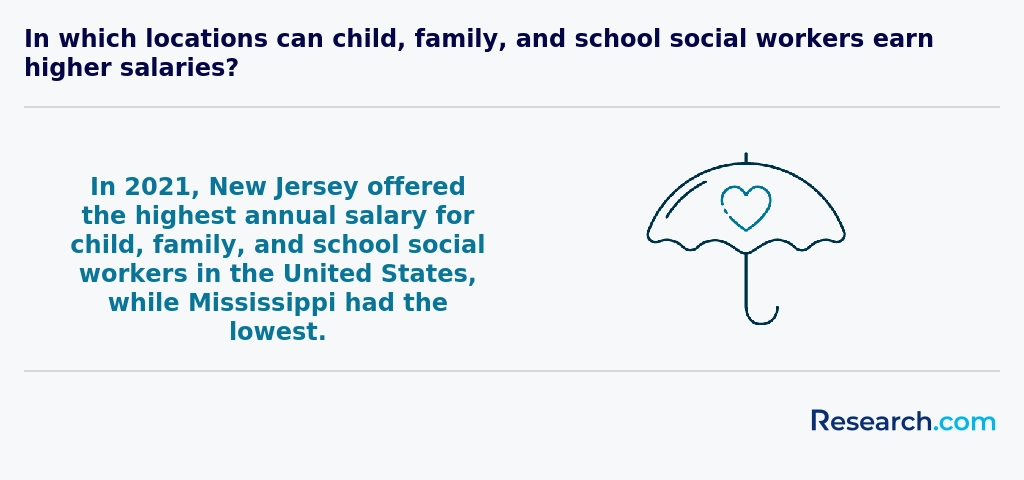
Choosing the Right Online Social Work Program in the South: A Comprehensive Guide
When navigating the vast array of online social work degree programs in the South, it's essential to consider several key factors to ensure you select a program that aligns with your academic and professional goals. One crucial step is to research the program's accreditation status, ensuring it is accredited by the Council on Social Work Education (CSWE), a vital factor for licensure and future employment. Additionally, exploring the curriculum to confirm it covers essential social work competencies and offers specializations that match your interests can significantly enhance your readiness for specific roles. For those interested in exploring more about social work education, visiting a popular social work school can provide valuable insights into the opportunities and challenges of this rewarding field. By focusing on these critical aspects, prospective students can make informed decisions that set them on a path to success in the dynamic and impactful field of social work.
What courses are typically in online social work degree programs in the South?
Online social work degree programs in the South typically include courses that blend foundational knowledge with practical application, preparing students for real-world challenges unique to the region. Graduates from popular Southern universities often reflect on how courses like Human Behavior and the Social Environment helped them understand clients' experiences shaped by cultural and economic factors specific to places like rural Alabama or urban Atlanta.
Courses in Social Work Practice Methods equip students with adaptable intervention skills, essential for addressing diverse communities across Texas and Florida. Many appreciate how Social Welfare Policy classes incorporate discussions on state-specific legislation, enhancing their ability to advocate effectively within Southern social systems.
Research Methods and Statistics sharpen students' ability to evaluate programs catering to issues such as healthcare disparities and elder care, critical in Southern demographics. Field Practicum opportunities, often arranged through local agencies, allow students to engage directly with populations affected by poverty and substance abuse, fostering confidence and empathy.
Future trends suggest growing emphasis on technology integration and telehealth support, expanding learning possibilities and impact in this evolving field.
What types of specializations are available in online social work degree programs in the South?
Online social work specializations in the South continue to evolve, offering students a broad array of focused paths. Graduates from popular colleges share how clinical social work prepares them to confidently support mental health needs, blending theory with real-world counseling experiences. The clinical track's emphasis on licensure as Licensed Clinical Social Workers (LCSWs) is especially appealing to those eager to practice independently within their communities.
Child and family welfare remains a vital specialization, addressing the urgent needs related to foster care and family support in Southern states like Texas and Georgia. Graduates often describe their rewarding experiences intervening in child abuse cases and poverty-related challenges, which deeply impact local families. This specialization aligns well with the growing demand seen in Southern states for qualified social workers.
Many Southern students also pursue school social work, intrigued by the opportunity to assist students facing emotional difficulties in thriving urban districts. The rising student populations create new roles for advocates in education systems, making this another compelling focus offered by Southern universities. Interested learners can explore the benefits of online bachelors degree in social work tailored to these regional demands.
Looking ahead, specializations like gerontological social work and healthcare social work address aging demographics and medical system challenges-areas expected to grow rapidly. The Southern approach to community development and policy practice also gains traction, fostering systemic change through advocacy, ideal for students eager to shape the future.
How do you choose the best online social work degree in the South?
Choosing the best online social work degree in the South means focusing on programs that combine strong accreditation with flexible learning tailored to the region's unique licensure demands. Graduates often share how securing a CSWE-accredited degree from well-known Southern universities not only met state-specific fieldwork hours but also helped them connect with local agencies through virtual internships. These experiences build confidence and practical skills vital for success in diverse communities.
Future students might find that programs offering personalized academic advising and advanced online platforms enhance their studies, creating a collaborative environment despite distance. Affordability remains pivotal; many turn to affordable online social work degrees to balance quality with budget, especially when tuition varies widely across Southern states. As social work evolves, selecting degree programs emphasizing updated curricula and strong regional ties could empower graduates to thrive in an increasingly digital and interconnected social service landscape.
Exploring these best online social work degree programs in the South ensures a path that not only supports licensure but also inspires lasting community impact and professional fulfillment.
What career paths are available for online social work degree students in the South?
Graduates with an online social work degree in the South are discovering diverse career paths that align with the region's critical needs. Many embrace roles as licensed clinical social workers, providing therapy and counseling in hospitals and community centers across states like Texas and Georgia. These graduates often share how their education, especially from well-regarded Southern institutions, prepared them to meet licensing standards while balancing family and work commitments.
Others pursue child and family social work in places with high caseloads such as Alabama and Louisiana, supporting vulnerable children through foster care and adoption services. The job prospects here are growing, reflecting national trends, with Southern social workers feeling a strong sense of fulfillment addressing pressing welfare challenges.
In addition, school social workers are increasingly vital in rural districts, helping students navigate behavioral and emotional challenges tied to economic hardships. Graduates from colleges recognized in the South often highlight how their hands-on training connects them directly with these communities.
Policy advocacy is another promising path, with alumni contributing to systemic social change in government and nonprofits. For those weighing options, the Low Cost Social Work Degree Programs Ranking in Georgia offers insight into affordable education that opens doors to these fulfilling careers focused on regional impact.
What is the job market for online social work degree in the South?
Graduates with an online social work degree in the South are entering a dynamic job market fueled by regional needs and future growth. Many social work alumni from prominent Southern universities share how roles in child welfare and healthcare settings have rapidly expanded, particularly in urban centers like Atlanta and Houston. These graduates often highlight the fulfilling experiences of working in community programs that address mental health awareness, a trend gaining momentum across the South.
The South regional social work degree employment landscape is broadening beyond traditional roles. For instance, licensed professionals increasingly find opportunities in rural counties, where social services are in high demand yet underprovided. Many report that earning credentials such as LBSW or LCSW enhances their ability to impact vulnerable populations effectively and opens doors in schools and non-profits, common career destinations for graduates of online programs.
Considering tuition and career prospects, prospective students find it valuable to compare costs and outcomes, especially when exploring most useful college majors. The positive feedback of recent graduates encourages new students to envision rewarding careers helping diverse communities throughout the Southern states.
Frequently Asked Questions About social work
Online social work degree students in the South can maximize their learning experience by taking advantage of regional resources and accredited programs. Choosing Southern universities with CSWE-accredited online social work programs ensures quality education aligned with professional standards. Engaging actively in virtual discussions and fieldwork placements within local communities helps build practical skills relevant to the Southern social landscape. According to the Council on Social Work Education (CSWE), nearly 40% of social workers in Southern states work in healthcare and child welfare sectors, so seeking internships in these areas is beneficial. Additionally, joining state social work associations supports networking and continuous learning.
The social work field in the South is evolving with several emerging niches gaining attention. One growing area is telehealth social work, which combines technology and therapy to reach rural communities with limited access to care. The National Association of Social Workers highlights increased demand for telehealth professionals due to expanded digital connectivity in Southern states.
Another niche is gerontological social work, focusing on the aging population. The South has a higher percentage of seniors compared to the national average, driving demand for specialists who address elder care and related policy.
Environmental social work is also developing, addressing social impacts of climate change, especially in vulnerable Southern coastal areas.
After completing an online social work degree in the South, preparing for the job market involves several strategic steps. First, obtaining state licensure is essential; most Southern states require passing the Association of Social Work Boards (ASWB) exam to become a Licensed Social Worker. Graduates should research state-specific requirements through their state's licensing board, such as the Texas State Board of Social Worker Examiners or the Georgia Composite Board.
Networking also plays a crucial role. Joining regional chapters of the National Association of Social Workers (NASW) helps connect with local professionals and discover job openings.
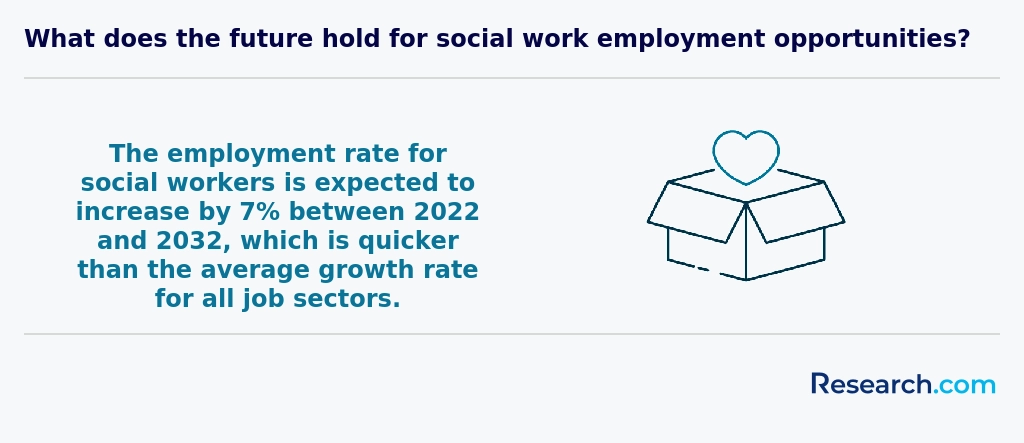
Gaining practical experience through internships or volunteer work in community agencies improves employability and skill development. According to the Bureau of Labor Statistics, social work employment in Southern states like Florida and North Carolina is projected to grow over 10% by 2030, making readiness vital for timely job placement.
Employers in the Southern US value social work graduates who demonstrate strong communication and interpersonal skills. According to the National Association of Social Workers (NASW), effective collaboration with diverse populations is crucial in this region due to its broad cultural demographics. Critical thinking and problem-solving abilities are also essential, helping graduates address complex individual and community issues.
Additionally, proficiency in crisis intervention and case management is highly sought after, reflecting the high demand for services in areas with rural and underserved communities. Knowledge of regional social policies and ethical standards further enhances a candidate's appeal to employers in Southern states.
Finding internships in the South relevant to social work degrees involves leveraging local resources and understanding state licensing requirements. Many Southern universities maintain partnerships with community agencies, healthcare providers, and public social service organizations for field placements. For online students, statewide social work associations, such as the Texas Chapter of the National Association of Social Workers (NASW-TX), often list internship opportunities.
Students should also explore government websites and nonprofits active in Southern states, as these organizations frequently offer structured internships. Additionally, contacting state Boards of Social Work Examiners can clarify specific internship hour requirements for licensure. The Southern region's growing demand for social workers increases available placements, supporting hands-on learning essential for degree completion.
Online social work degrees in the South are increasingly valued for enhancing career mobility and advancement. The flexibility of these programs allows students to balance work and study, making it easier to gain practical experience while earning a degree. According to the U.S. Bureau of Labor Statistics, many southern states project a growth rate of 10% or higher for social work jobs through 2032, creating expanding opportunities.
Graduates with accredited online degrees meet licensure requirements across southern states, enabling them to pursue clinical roles or specialized fields. Employers often recognize national accreditations such as CSWE, boosting hiring prospects. Additionally, online degrees support career advancement by qualifying professionals for supervisory and administrative roles, which generally offer higher salaries in the region.
Studying for a social work degree in the South often emphasizes interdisciplinary collaboration, reflecting regional demands and workforce trends. Many Southern programs incorporate courses that blend social work with psychology, healthcare, education, and criminal justice. This approach prepares graduates to work effectively in teams across different sectors, a skill highly valued by employers in states like Texas, Georgia, and Florida.
According to the National Association of Social Workers, Southern states face diverse social challenges that require multidisciplinary solutions, reinforcing the need for broad training. Additionally, online programs commonly partner with local agencies, providing practical experience in varied settings.
Choosing between a thesis and a non-thesis social work degree program often depends on your career goals. In the South, many online programs offer both options to accommodate different professional paths. A thesis program is research-intensive and suited for students planning to pursue advanced studies or work in policy, research, or academia.
Non-thesis programs typically focus on practical skills and fieldwork experience, appealing to students aiming for direct social work practice or licensure. Southern schools accredited by the Council on Social Work Education (CSWE) ensure quality in either format. According to the National Association of Social Workers, the Southern states report growing demand for licensed clinical social workers, emphasizing applied knowledge.
Consider your time availability as thesis tracks generally require more commitment, including a substantial research project. Finally, review individual university requirements and available support for thesis research, as Southern institutions may vary in resources offered to online students.
Students in the South interested in studying social work abroad through online degrees have limited direct options, as U.S. accredited programs predominantly operate domestically. However, many Southern universities offer study abroad components or international field placements as part of their online Bachelor of Social Work (BSW) curricula, allowing students to gain global experience.
Institutions in states like Florida and Texas collaborate with partner organizations overseas, enabling supervised practicum opportunities. The Council on Social Work Education (CSWE) supports programs incorporating international perspectives, which can enhance cross-cultural skills crucial in social work.
According to the Southern Regional Education Board, around 30% of Southern social work programs include international elements, but fully online international degrees remain rare due to licensing and accreditation challenges.
Part-time job opportunities in the South that complement social work education often involve direct community engagement. Many students work as mental health aides, assisting licensed social workers and counselors in hospitals or clinics. According to the Bureau of Labor Statistics, states like Texas and Florida employ the highest number of social service professionals, offering diverse roles.
Another common role is case management assistant, where students support families with housing, healthcare, or social benefits. Nonprofits and local government agencies frequently seek part-time aides to help manage client intake and outreach programs. These roles provide practical experience with vulnerable populations.
Additionally, crisis hotline volunteers offer flexible schedules and exposure to mental health issues, fostering crucial communication skills useful in social work careers.
Online social work students in the South benefit from diverse networking opportunities that extend beyond virtual classrooms. Many Southern universities partner with local agencies and nonprofits, offering students access to regional internships and field placements crucial for building professional connections. According to the Council on Social Work Education (CSWE), Southern programs often facilitate online forums and live webinars, fostering peer interaction and engagement with experienced practitioners.
State chapters of organizations like the National Association of Social Workers (NASW) also provide online networking events, workshops, and conferences tailored for Southern social workers. These platforms promote relationship building essential for career advancement within the region.
Alumni networks provide essential support for online social work degree students in the South by fostering professional connections within the region's social work community. These networks often offer mentoring opportunities that help students navigate licensing requirements specific to Southern states, such as Texas or Georgia. According to the National Association of Social Workers (NASW), strong local networks increase job placement rates by up to 25% in the Southeast. Alumni groups also host regional events and webinars, allowing students to engage with experienced practitioners and learn about local job markets and policies. This localized support enhances career readiness for graduates entering Southern social work fields.
Customizing an online social work degree in the South allows students to tailor their education to specific career paths. Most programs offer elective courses in areas like mental health, child welfare, or community development, enabling focused learning aligned with job goals. Some Southern universities also provide concentrations or specializations within their Bachelor of Social Work (BSW) programs.
Field placements or internships in local agencies help students gain practical experience relevant to Southern communities. According to the Council on Social Work Education, accredited programs in this region incorporate regional social issues, boosting career readiness.
Flexible scheduling and accelerated options are common, supporting working professionals aiming to advance or shift careers.
Online social work students in the South often face challenges related to limited access to reliable high-speed internet, especially in rural areas. According to the Federal Communications Commission, about 23% of Southern rural residents lack broadband access, which can hinder participation in live classes and submission of assignments.
Another challenge is finding quality local field placements required for accreditation by the Council on Social Work Education (CSWE). Many students struggle to secure diverse practicum experiences within their communities.
Additionally, students may encounter fewer peer networking opportunities compared to their on-campus counterparts, affecting professional development. Balancing work, family, and coursework remains a common issue, as the Southern region reports higher rates of non-traditional students who often juggle multiple responsibilities.
With an online bachelor's degree in social work (BSW) from a Southern institution, graduates can pursue several key professional certifications to enhance their careers. Many start by seeking licensure as a Licensed Social Worker (LSW) or Licensed Bachelor Social Worker (LBSW), depending on their state. For example, Texas and Florida both offer LBSW credentials, which allow practice under supervision.
Further certifications include Certified Social Work Case Manager (C-SWCM) and Certified School Social Work Specialist (C-SSWS). These credentials are nationally recognized and may improve job prospects in clinical or educational settings.
According to the National Association of Social Workers, Southern states have seen a 10% growth in social work employment, making licensure and certification important steps for competitive employment.
To write a winning application for an online social work program in the South, start by clearly demonstrating your commitment to social justice and community service. Admissions committees value candidates with strong personal statements that reflect understanding of local social issues, such as rural poverty or access to healthcare. Highlight relevant volunteer or work experience, especially if it involves diverse Southern populations.
Present solid academic records and letters of recommendation from professionals familiar with your dedication and skills. Many Southern schools follow Council on Social Work Education (CSWE) standards, so emphasize your readiness for accredited study. Finally, tailor each application to the program's mission and regional focus. According to U.S. News, programs rooted in Southern contexts often seek applicants who show awareness of regional challenges and cultural sensitivity.
The global view of a social work career emphasizes the profession's commitment to human rights, social justice, and community well-being. In the U.S., especially in Southern states, social workers often address challenges such as poverty, healthcare access, and rural community support. According to the Bureau of Labor Statistics, the demand for social workers in the South is expected to grow by about 12% through 2031, reflecting increasing regional needs.
Internationally, social work adapts to diverse cultural and societal contexts but shares core values recognized by organizations like the International Federation of Social Workers (IFSW). For students in the South pursuing online degrees, understanding these global perspectives enriches their ability to work effectively across diverse populations and complex social systems.
Gaining practical experience while pursuing an online social work degree in the South is essential for building skills and meeting licensing requirements. Many accredited Southern programs incorporate field internships that students complete locally, allowing hands-on work within community agencies or healthcare facilities near their homes. This approach helps bridge online coursework with real-world social services practice.
Students should contact their program advisors early to identify approved placements in organizations such as local child welfare offices or nonprofit counseling centers. According to the Council on Social Work Education, Southern states require between 400 to 600 hours of supervised fieldwork to qualify for licensure.
Part-time positions or volunteer roles, particularly in rural areas underserved by social workers, also offer valuable experience and networking opportunities for future employment.
Choosing the right concentration within an online social work degree in the South requires understanding regional needs and your career goals. The Southern U.S. faces unique social challenges such as higher poverty and rural healthcare access issues, which influence job demand in areas like child welfare, mental health, and substance abuse counseling.
Consider concentrations aligned with regional workforce trends reported by the Bureau of Labor Statistics, which highlights growth in healthcare social work in Southern states. Also, evaluate your interests-clinical social work requires advanced licensure, while community organization may suit those passionate about policy and advocacy.
Research state licensure requirements as they vary across Southern states, potentially affecting certification in specific concentrations. Speak with program advisors about partnerships with local agencies to gain practical experience relevant to your focus area.
Top Trending Social Work Rankings
See What Experts Have To Say About Studying Social Work
Read our interview with Social Work experts

References
- Bachelor Of Social Work - 4 Year Degree https://www.sacap.edu.za/course/bachelor-of-social-work/
- 80+ Online Social Work Degrees [BSW, MSW, DSW & PhD] https://www.onlinemswprograms.com/online-social-work-degrees/
- Best Affordable Master's Degree In Social Work https://www.psychology.org/social-work/best-affordable-masters-programs/
- Social Work - The unknown opportunities | Blogs https://ignisedu.com/blog/social-work-opportunity
- 10 Careers You Can Pursue With a Bachelor's in Social Work https://www.umassglobal.edu/blog-news/careers-for-social-work-majors
- Find the Best Social Work Degree Program for You https://socialworklicensemap.com/social-work-degrees/
- 2026 Best Online Social Work Degrees https://www.onlineu.com/degrees/social-work
- Social Work Degree - SCSU https://scsu.edu/academics/programs/social-work.php
- Online MSW Programs - All 2026 CSWE Accredited Master of ... https://www.masterofsocialwork.com/online-msw-programs
- Social Work Courses https://www.open.edu.au/study-online/community-services-care/social-work


