
2027 Most Valuable Social Work Degree Programs Ranking in Memphis

Co-Founder and Chief Data Scientist
Choosing the right social work degree program in Memphis is an important step toward a rewarding career. This article presents the 2027 Most Valuable Social Work Degree Programs Ranking in Memphis, created by the Research.com team of data scientists. It offers clear insights based on thorough data analysis to help you make an informed decision.
Exploring these programs can open doors to meaningful work and personal growth. Whether you're just starting or considering a new path, this ranking highlights opportunities that match your goals and values.
Key benefits of getting social work degree in Memphis
- Graduates with a social work degree in Memphis can expect competitive salaries, such as $68,800 annually for Social Workers and $59,190 for Child Welfare Specialists or Residential Counselors, offering financial stability and rewarding careers.
- Career paths include roles like Community Organizer or Youth Worker, both earning around $83,400 per year, giving graduates a variety of meaningful opportunities to create positive community impact.
- Completing a social work degree online provides flexible scheduling and access to quality education from local universities in Memphis, allowing students to balance work, family, and studies more easily.
- Key benefits of getting social work degree in Memphis
- What can I expect from social work degree in Memphis?
- Where can I work with social work degree in Memphis?
- How much can I make with social work degree in Memphis?
- 2027 Most Valuable Social Work Degree Programs Ranking in Memphis
- Key Findings
- How long does it take to complete social work degree in Memphis?
- Professional Development and Career Advancement Advice for Social Work Graduates
- What's the difference between online and on-campus social work degree?
- Additional Resources for Social Work Students in Memphis, TN
- What is the average cost of social work degree in Memphis?
- Licensure and Certification Requirements in Tennessee
- What financial aid is available to social work degree students in Memphis?
- Licensing and Certification Requirements
- What are the prerequisites for enrolling in social work degree program in Memphis?
- Licensure and Certification in Tennessee
- What courses are typically in social work degree programs in Memphis?
- What types of specializations are available in social work degree programs in Memphis?
- How do you choose the best social work degree in Memphis?
- What career paths are available for social work degree students in Memphis?
- What is the job market for social work degree in Memphis?
- Top Trending Social Work Rankings
- See What Experts Have To Say About Studying Social Work
What can I expect from social work degree in Memphis?
The average cost of a social work degree in Memphis challenges the assumption that quality education must come with a hefty price tag. Graduates from institutions like the University of Memphis often describe their tuition as surprisingly affordable, especially for in-state students. The university's competitive in-state rates coupled with available scholarships create pathways that many found to ease financial stress while pursuing their BSW or MSW.
Consider the experience of a typical social work student balancing coursework and field placements with limited funds: local financial aid opportunities often become a lifeline, making the dream of a social work career in Memphis feel attainable rather than distant. This affordability does not sacrifice the hands-on learning vital to mastering social work competencies. Field practicums with Memphis healthcare agencies or child welfare organizations ensure students are fully equipped without overwhelming debt.
Ultimately, the cost of studying social work in Memphis reflects a community invested in nurturing future social workers who will serve and shape the local landscape.
Where can I work with social work degree in Memphis?
Graduates from Memphis social work programs often discover their skills are in demand across a surprisingly broad landscape. Imagine starting your career in a hospital or rehab center, like many graduates from University of Memphis social work tracks, where you guide patients through tough health challenges while offering empathetic counseling. These roles bring intense personal reward and the chance to witness resilience first-hand.
Others find their calling in public agencies such as Shelby County's Department of Health, navigating child welfare or family support programs. Here, a graduate's daily work could mean making real differences in children's lives, a responsibility that exceeds mere job descriptions and fosters deep professional pride.
Nonprofit settings-working with organizations addressing homelessness or addiction-attract graduates who want immersion in community activism. Graduates from local colleges often share stories of empowerment, building youth programs that inspire hope amid hardship.
Schools in Memphis also hire social workers trained to support students battling social or mental barriers, turning education into a pathway for change. Meanwhile, private practices offer avenues for those pursuing clinical licensure, blending advanced skills with personal client impact.
Each path accentuates how versatile and emotionally fulfilling social work careers in Memphis can be, providing graduates a profound sense of purpose right where they studied.
How much can I make with social work degree in Memphis?
Graduates from social work programs in Memphis, such as those at the University of Memphis, often find that their degree opens doors to diverse career paths with competitive salaries. For instance, entering roles like Child Welfare Specialist and Residential Counselor typically yields mean annual wages near $59,000, reflecting the local demand for dedicated professionals.
Yet, the earnings landscape is broader than entry-level numbers. Those who pursue specialized roles as Community Organizers or Youth Workers can command higher salaries, with mean annual wages around $83,400. This range might surprise many who expect social work to offer only modest compensation. It highlights how certain positions reward leadership and community impact with greater financial recognition, especially relevant in Memphis's evolving social ecosystems.
Social work graduates often share how their education empowered them to make meaningful change, while also securing incomes that support a comfortable lifestyle. The median wage for social workers in Memphis, about $47,000, grows substantially with experience and specialization, challenging the stereotype that social work careers must come with financial sacrifice.
2027 Most Valuable Social Work Degree Programs Ranking in Memphis
How do we rank schools?
Investing in your education is a significant decision that can greatly impact your future, and the Research.com team is fully aware of the importance of making well-informed choices. To support prospective students in Memphis, we have carefully developed the "2027 Most Valuable Social Work Degree Programs Ranking in Memphis." Our dedication to quality, credibility, and accuracy drives the thorough research and analysis behind this ranking.
We utilized the following reputable data sources to ensure a comprehensive evaluation of social work degree programs:
By consulting this ranking, readers will obtain valuable insights to identify the most valuable social work programs in Memphis, enabling more confident and informed educational decisions. For further information about how this ranking was created, please visit our Research.com methodology page.


Key Findings
- Annual tuition for social work degrees in Memphis ranges from $8,000 to $12,000 at public universities and $20,000 to $35,000 at private institutions, excluding books and living costs.
- Entry-level social workers in Memphis earn about $40,000 to $45,000 per year, with experienced workers making $55,000 to $65,000 annually depending on role and credentials.
- Employment for social workers in Memphis is expected to grow by roughly 8% over the next decade, especially in healthcare and child and family services.
- Accredited Master of Social Work (MSW) programs typically last two to three years and are essential for clinical licensure in Tennessee.
- Financial aid options like federal loans, scholarships, and work-study programs are available to help reduce the cost of social work degrees.
How long does it take to complete social work degree in Memphis?
Many assume a social work degree in Memphis is a fixed two or four years, but the reality is more nuanced. Graduates from the University of Memphis often reveal how a traditional full-time Bachelor of Social Work (BSW) takes four years, aligning with typical undergraduate timelines, yet it's the journey, not just the duration, that shapes their experience.
For those pursuing a Master of Social Work (MSW), timelines vary dramatically. While a full-time MSW usually requires two years, some Memphis students prolong their studies to balance jobs or family, taking three to four years. One graduate shared how part-time study at a local university provided invaluable life balance, even if it extended the timeline.
Accelerated MSW tracks in Memphis tempt with the promise of finishing in a year, but the intensity tests endurance and commitment. Practical experience matters too-meeting around 900 practicum hours as required by CSWE means many students juggle theory and real-world impact simultaneously, making time a flexible concept rather than a strict countdown.
Professional Development and Career Advancement Advice for Social Work Graduates
As you embark on your social work career in Memphis, TN, investing in continuous professional development is key to standing out in a competitive job market. Beyond earning your degree, consider pursuing specialized certifications, attending workshops, and engaging in mentorship programs to refine your skills and expand your professional network. Many successful graduates have found that early involvement in internships and volunteer experiences not only bolsters practical knowledge but also builds long-lasting industry connections. For example, exploring opportunities such as becoming child and family social worker can offer valuable insights into niche areas and further enhance your expertise. Additionally, stay updated with industry trends and join local professional associations to gain access to exclusive resources and job fairs. These proactive steps can pave the way for long-term career advancement and ensure you remain adaptable in a rapidly evolving field.
What's the difference between online and on-campus social work degree?
Choosing between online and on-campus social work degrees in Memphis often hinges on how much you value hands-on interaction versus flexible scheduling. Graduates from the University of Memphis recall the energizing atmosphere of campus life-dynamic discussions with professors, easy access to resources like libraries, and seamless connections to local social service agencies for fieldwork. This face-to-face environment can spark motivation and build lasting professional networks.
On the other hand, alumni who pursued online programs emphasize the freedom to juggle family, jobs, and studies without the stress of daily commutes. They appreciate accredited curricula that meet Tennessee's licensure standards but also highlight the self-discipline necessary to stay on track. Online learners often create their own local practicums, which requires initiative but fosters independence.
Both paths involve immersive fieldwork anchored in Memphis communities, yet the experience is distinctly shaped by the mode of study. Reflecting on these differences reveals how personal circumstances define what "successful" means in social work education.
Additional Resources for Social Work Students in Memphis, TN
As a prospective social work student in Memphis, TN, it's essential to be aware of the various resources available to support your educational and professional journey. For those interested in exploring valuable social work programs in Tennessee, visiting valuable social work programs in tennessee can provide invaluable insights into the best programs in the state. Additionally, many organizations in Memphis offer internships, volunteer opportunities, and job openings that can help you gain practical experience and build a network of professionals in the field. By leveraging these resources, you can enhance your knowledge, skills, and career prospects, ultimately making a more significant impact in the lives of individuals and communities in Memphis.
What is the average cost of social work degree in Memphis?
The average cost of a social work degree in Memphis reflects a balance between opportunity and investment, hovering around $27,646 for out-of-state students and about $10,728 for in-state students. Graduates from the University of Memphis, a common choice among aspiring social workers, often highlight how the in-state tuition made their journey manageable while still providing rich learning experiences and practical engagement.
Many students who pursue social work degrees locally note that beyond tuition, the total expenses social work degree Memphis includes fees and textbooks, adding up to several thousand dollars annually. This real impact challenges the assumption that degree costs are straightforward; it's a multifaceted financial commitment. Students juggling these expenses alongside work and family find themselves developing resilience and time-management skills crucial for social work careers.
The cost disparity between public and private institutions in Memphis pushes prospective students to critically assess value, especially when private colleges charge upwards of $25,000 per year. Those attending private schools often emphasize the importance of exploring financial aid options, scholarships, and assistantships. Resources from organizations like the Council on Social Work Education help illuminate pathways that ease the burden of costs and keep passion alive.
Understanding the financial landscape also involves recognizing the importance of local policies and certifications. Memphis students often consult guides on Tennessee psychologist certification requirements to align their expenses with professional goals, ensuring their investment leads to meaningful careers.
While the numbers can seem intimidating, many have found that the intrinsic rewards of social work-helping communities, advocating for change-make these costs a worthwhile pursuit, fueling hope and dedication across Memphis's social work education landscape.

Licensure and Certification Requirements in Tennessee
To practice professionally in Memphis (and statewide), social work graduates must meet specific licensure steps:
- Earn a CSWE-accredited degree (BSW for Licensed Social Worker; MSW for Licensed Clinical Social Worker). Explore flexible options through msw online programs
- Complete supervised practice: 3,000 clinical hours under a Board-approved supervisor (typically two years full-time)
- Pass the ASWB licensing exam: Bachelors-level for LSW; Clinical-level for LCSW
- Submit application to the Tennessee Board of Social Work: include official transcripts, exam results and background check
- Maintain licensure: renew biennially with 30 approved continuing education units (CEUs)
What financial aid is available to social work degree students in Memphis?
Financial aid for social work students in Memphis often comes as a lifeline rather than a mere opportunity. Graduates from the University of Memphis recall how completing the FAFSA unlocked Pell Grants covering thousands annually, making it possible to focus on studies instead of endless job searches. This federal aid, including low-interest loans, isn't just an abstract benefit-it's real, tangible support that eases the burden of tuition fees at a public university known for its social work programs.
State-specific scholarships like the Tennessee Student Assistance Award and the HOPE Scholarship transform financial stress into hope, providing hundreds to thousands of dollars for students who meet academic and residency criteria. Many social work students describe how these grants shifted their trajectory, allowing them to invest in internships and community work rather than debt.
For those pursuing graduate degrees at Memphis institutions, the Title IV-E Child Welfare Stipend offers more than financial relief-it's a commitment to future social impact paired with tuition reimbursement. Students engaged in work-study faculty programs emphasize the dual rewards of earning while gaining real-world experience connected directly to their field.
Local scholarships and university-based merit awards also fill crucial gaps, often helping students who demonstrate dedication in community service. These layered aid sources collaboratively make social work education in Memphis an achievable and inspiring journey.
Licensing and Certification Requirements
All social work graduates must obtain state licensure to practice in Tennessee. Follow these key steps to become a Licensed Social Worker (LSW) or Licensed Clinical Social Worker (LCSW):
- Earn a CSWE-accredited degree:
- BSW for LSW; MSW for LCSW. For an affordable online option, consider masters in social work online.
- Apply to the Tennessee Board of Social Work:
- Submit transcripts, application form and fees.
- Pass the ASWB exam:
- Take the Bachelor’s exam for LSW or the Clinical exam for LCSW.
- Complete supervised experience (for LCSW):
- 2,400 hours of clinical practice under a board-approved supervisor.
- Submit LCSW application:
- Include exam scores and supervisor verification to receive full clinical licensure.
Meeting these requirements ensures you can legally practice and advance your social work career in Memphis and throughout Tennessee.
What are the prerequisites for enrolling in social work degree program in Memphis?
Enrolling in a social work degree program in Memphis demands more than just meeting baseline academic criteria-it calls for a genuine reflection of your commitment to the field. Undergraduates typically present a high school diploma and often standardized test scores, though some Memphis colleges have eased this with test-optional paths. Official transcripts highlighting strengths in English, psychology, and sociology are common expectations. Graduates aiming for Master of Social Work (MSW) programs find the journey more nuanced: holding a bachelor's degree, ideally in social sciences, sets the foundation, yet many Memphis programs welcome diverse academic backgrounds if key prerequisite courses are completed.
MSW applicants frequently share that personal statements and recommendation letters made their applications stand out, revealing passion and real-world empathy. Some graduates from the University of Memphis recall how documented volunteer work or part-time roles in social services became powerful proof of their dedication-an element that lectures and textbooks alone couldn't capture. When applying, envision how your experiences resonate with Memphis's unique community challenges and opportunities, as these programs don't just teach social work-they prepare advocates deeply connected to the city's fabric.
Licensure and Certification in Tennessee
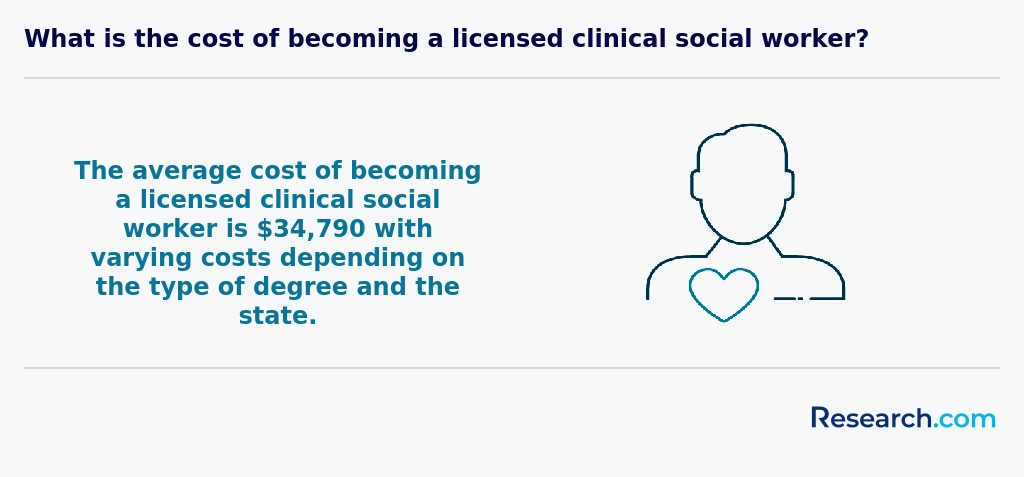
After completing an accredited social work program in Memphis, TN, graduates must pursue licensure through the Tennessee Board of Social Worker Licensure to practice professionally. The first step is obtaining a Licensed Bachelor Social Worker (LBSW) credential by passing the Association of Social Work Boards (ASWB) bachelor’s exam and fulfilling at least 2,000 hours of supervised practice. Those with a Master of Social Work (MSW) degree must apply for the Licensed Master Social Worker (LMSW) license, which requires passing the ASWB master’s exam and accumulating 3,000–4,000 supervised clinical hours, depending on the chosen specialization. Clinicians aiming for the Licensed Clinical Social Worker (LCSW) designation need to complete an additional 1,500 clinical hours post-LMSW and pass the clinical-level ASWB exam. Maintaining licensure in Tennessee involves renewing every two years and completing 30 continuing education units (CEUs), including at least three hours in ethics and two hours in cultural competency. Quality-approved providers, such as universities and professional associations, offer workshops and online courses to help social workers stay current with best practices in trauma-informed care, substance abuse interventions, and child welfare. Engaging in specialty training-whether in school social work or geriatric care-enhances job prospects and ensures compliance with state regulations. For students balancing budget constraints with licensure goals, consider exploring cost-effective program pathways that still meet CSWE accreditation standards. To compare tuition rates and program value beyond Tennessee, review our Inexpensive Social Work Degree Programs Ranking in Minneapolis, MN, which highlights affordable social work degrees and can inform your decision-making process.
What courses are typically in social work degree programs in Memphis?
Social work degrees in Memphis consistently include core courses that challenge students to rethink their role in society. Graduates from institutions like the University of Memphis often describe their firsthand experiences learning about Human Behavior and the Social Environment as eye-opening, transforming abstract theories into real stories of clients they encountered during field practicum. These courses don't just teach concepts-they immerse students in understanding diverse populations, especially given Memphis's rich cultural tapestry.
Courses like Social Welfare Policy and Services prompt students to question how systemic inequalities persist locally and nationally, pushing them to envision more just frameworks. Practical classes such as Practice with Individuals, Families, and Groups allow future social workers to develop empathy-driven interventions, often recalling moments where theory met urgent community needs.
Research Methods isn't just about data for Memphis students; it's a tool to create meaningful change grounded in evidence. The field practicum experience is where lessons truly come alive-graduates often speak of the pride and challenges felt while working in local agencies that serve Memphis's immigrant and African American communities, affirming their commitment to impactful social work.

What types of specializations are available in social work degree programs in Memphis?
Social work degree specializations Memphis students encounter are not mere academic tracks; they are gateways to transformative community impact. Graduates from well-regarded programs at universities like the University of Memphis often describe their clinical social work training as eye-opening, enabling them to provide mental health therapies in local hospitals with renewed empathy and skill. Others focus on child and family social work, meeting Memphis's pressing need for advocates in foster care or adoption services, where hands-on fieldwork profoundly shapes their understanding of real-world challenges.
Specializations such as school social work directly connect students to educational environments, allowing them to support Memphis youth facing social and emotional hurdles-a role graduates find both demanding and deeply rewarding. Healthcare and gerontological social work tracks equip students with practical skills to assist patients navigating medical systems or the complexities of elder care. These options invite serious reflection on where one's passion meets the city's social fabric. Prospective students curious about interdisciplinary paths might also explore online psychology programs in Colorado as a complementary route alongside their social work career options in Memphis.
How do you choose the best social work degree in Memphis?
Choosing the best social work degree in Memphis demands more than just selecting a well-known school; it requires diving into each program's real-world impact. Graduates from the University of Memphis often share how their CSWE-accredited curriculum paired with local agency internships made the theoretical concrete, meaning they felt prepared and confident walking into social service settings. This hands-on experience isn't a luxury-it's fundamental. Prospective students should question: Does the program offer strong field placements within Memphis social service agencies or hospitals that will stretch your skills and build your professional network?
Cost is another critical puzzle piece. Many affordable social work schools in Memphis, like community colleges or state universities, provide in-state tuition around $10,000 annually. This makes education accessible and reduces long-term debt, allowing graduates to focus on service rather than financial strain. Those balancing work or family, echoed by alumni, praise flexible options such as part-time or online studies. For example, exploring a Christian counseling online degree best value can open doors for further specialization without sacrificing your current commitments.
Finally, don't overlook program specializations that resonate with your career vision, whether clinical social work or child and family welfare. Graduates often highlight how Memphis programs with faculty expertise and community connections transformed their understanding and fueled their passion. This kind of alignment between academic rigor and local relevance ultimately shapes who you become as a social worker and how you lead change in Memphis communities.
What career paths are available for social work degree students in Memphis?
Graduates with a social work degree in Memphis step into diverse social work careers in Memphis shaped by the city's unique needs. Many find fulfilling roles in child and family social work, supporting vulnerable children through foster care systems or working in protective services. Others engage deeply in healthcare social work, aiding patients navigating challenging hospital stays or chronic illness. Mental health and substance abuse fields also draw increasing attention, reflecting Memphis's growing awareness of these areas. School social workers graduate ready to collaborate with educators to support students facing complex emotional hurdles. Community outreach roles offer a chance to drive policy change and directly improve local social welfare.
Graduates from colleges known for their supportive social work programs often share stories of real impact, whether comforting a family through crisis or helping a student thrive. With Tennessee's strong job opportunities for social work degree Memphis students, pursuing degrees here means joining a community prepared to face urban challenges. Prospective students should explore the best colleges for salary growth to maximize potential after graduation.

What is the job market for social work degree in Memphis?
Social work job opportunities in Memphis present a landscape where community needs intersect with bright career prospects. Graduates from local universities often share stories of stepping into roles in healthcare settings or child welfare agencies, feeling the immediate impact of their work on vulnerable populations. These institutions, known for affordable tuition and strong ties to area nonprofits, enrich students' experience through hands-on placements, giving graduates a crucial edge.
Employment outlook for social work graduates Memphis reflects a steady rise fueled by increasing mental health awareness and an aging population with complex support needs. While the median wage here hovers near $52,000, slightly below the national average, many find fulfillment in the diversity and meaningful challenges of their work. Competition exists, particularly for clinical and licensed positions, yet local employers like the Tennessee Department of Human Services continually seek dedicated professionals.
Prospective students should explore the valuable social work programs in tennessee to weigh educational costs and career pathways. Real experiences reveal that commitment combined with practical training in Memphis often leads to rewarding job matches that surpass salary alone.
Frequently Asked Questions About social work
Social work degree students in Memphis can maximize their learning by engaging actively with local community agencies. Memphis offers numerous internship and field placement opportunities through partnerships with organizations like the Memphis Family Safety Center and St. Jude Children's Research Hospital.
Additional benefit comes from participating in workshops and seminars hosted by the Tennessee Chapter of the National Association of Social Workers (NASW), which presents up-to-date professional practices and networking events.
According to the Council on Social Work Education, hands-on field experience is crucial, especially in urban settings like Memphis, where social challenges vary widely. Students should also seek mentorship from licensed social workers to enhance practical skills.
Accessing resources at local universities and consistently reviewing Memphis-specific social welfare data can prepare students for real-world social issues in the city.
Emerging niches in the social work field reflect growing societal needs and specialized areas of practice. In Memphis, social workers are increasingly focused on healthcare social work, addressing challenges such as chronic illness and hospital patient support. According to the Bureau of Labor Statistics, healthcare social work is expected to grow by 16% nationally through 2030, with similar trends seen locally.
Another rising area is trauma-informed care, especially for communities affected by poverty and violence, which remain prevalent in Memphis neighborhoods. Child welfare and school social work also show expansion due to ongoing efforts in educational support and family services within the region.
Additional niches include geriatric social work, driven by an aging population, and substance abuse counseling, in response to opioid crisis impacts seen statewide. These specializations offer varied career paths for students pursuing social work degrees in Memphis and reflect a broader movement toward targeted, client-centered interventions.
Preparing for the job market after earning a social work degree in Memphis involves several strategic steps. Start by obtaining licensure through the Tennessee Department of Mental Health and Substance Abuse Services, as most employer positions require at least an LBSW (Licensed Bachelor Social Worker) or LMSW (Licensed Master Social Worker).
Gaining hands-on experience via internships or practicum placements during your studies is crucial. Memphis offers many opportunities in local hospitals, schools, and community agencies, which can lead to job offers post-graduation.
Networking through organizations like the National Association of Social Workers (NASW) Tennessee chapter helps access job leads and professional development.
According to the U.S. Bureau of Labor Statistics, Memphis expects a 12% growth in social work jobs over the next decade, emphasizing the importance of relevant experience and strong credentials.
Employers in Memphis increasingly value social work graduates who possess strong communication and interpersonal skills. These abilities are essential for effectively engaging with diverse communities and clients, especially given Memphis's varied demographic profile.
Critical thinking and problem-solving are also top skills, enabling graduates to navigate complex social issues and provide tailored solutions. According to the Tennessee Department of Labor, demand for social workers in the Memphis metro area is expected to grow by over 10% through 2030, highlighting the need for professionals who can adapt and innovate.
Additionally, employers prioritize cultural competence and ethical judgment due to the city's socioeconomic challenges. Proficiency in case management and familiarity with local social services networks further enhance a candidate's desirability.
Finding internships in Memphis relevant to social work degrees involves utilizing local university resources and community organizations. Many Memphis universities with social work programs, such as the University of Memphis, offer dedicated internship placement assistance through their career services and social work departments.
The city has numerous agencies where students can intern, including the Memphis Shelby County Division of Community Services and local nonprofit organizations focusing on mental health and child welfare.
The Council on Social Work Education (CSWE) accredits programs that require internships, ensuring students gain practical experience. Students should apply early and attend networking events hosted by local social work associations.
Online platforms like Handshake and university portals also list current internship openings specific to Memphis.
Obtaining a social work degree in Memphis significantly enhances career mobility and advancement opportunities. The city's growing demand for qualified social workers, driven by its diverse population and expanding healthcare and social service sectors, creates a favorable job market. According to the U.S. Bureau of Labor Statistics, Tennessee's employment of social workers is projected to grow by 12% from 2022 to 2032, faster than the national average.
Graduates with a Bachelor's or Master's degree in social work qualify for roles with greater responsibility and higher salaries. Licensed social workers in Memphis earn a median wage around $54,000 annually, with clinical social workers making even more. Additionally, advanced degrees open doors to leadership positions and specialized fields, such as mental health or child welfare.
Local employers, including Memphis-based hospitals and nonprofit organizations, often require state licensure, which is attainable only with accredited social work degrees. This credentialing is essential for career progression and job security in the region's competitive service industry.
Studying for a social work degree in Memphis equips students with skills essential for interdisciplinary collaboration. Programs in the area emphasize partnerships between social workers, healthcare providers, educators, and law enforcement. This approach reflects Memphis's community needs, where coordinated efforts improve outcomes in mental health, child welfare, and public safety.
Local universities integrate field placements in diverse settings, such as hospitals and schools, enabling practical experience in team-based environments. According to the Tennessee Higher Education Commission, over 60% of Memphis social work graduates engage in interdisciplinary roles within two years of graduation. These programs foster communication, cultural competence, and problem-solving skills vital for working across sectors effectively.
When choosing between a thesis and a non-thesis social work degree program in Memphis, consider your career goals and learning preferences. Thesis programs generally appeal to students interested in research, policy analysis, or pursuing a doctoral degree later. They require completing a substantial research project, which develops skills in data collection and critical analysis.
Non-thesis options focus more on practical skills and fieldwork. These programs suit those aiming for immediate entry into social work practice or licensure. Memphis social work employers often value hands-on experience, which non-thesis students typically gain through internships.
The University of Memphis and Rhodes College offer both options, reflecting the city's focus on applied social work careers.
Students based in Memphis interested in studying social work abroad have several options, primarily through local universities' study abroad programs. The University of Memphis, for example, offers partnerships allowing social work students to complete part of their degree overseas while earning credits. These programs often focus on practical experience in diverse social settings, enhancing global understanding of social welfare.
Though direct international social work degrees are rare in Memphis, students can pursue accredited online programs from universities that also provide international practice components.
According to the Council on Social Work Education, international exposure improves cultural competence, a skill highly valued in Memphis's diverse communities.
Part-time job opportunities in Memphis that complement social work degree education are diverse and practical. Many students find roles in local non-profits, such as community outreach coordinator or support staff, which allow hands-on experience with vulnerable populations.
Hospitals and healthcare centers in Memphis often hire part-time patient advocates or care coordinators, helping students understand the healthcare aspect of social work.
According to the Tennessee Department of Labor and Workforce Development, the social assistance sector in Memphis has grown steadily, offering roles like case aides or program assistants that provide valuable exposure relevant to social work studies.
Additionally, schools and after-school programs frequently need part-time mentors or counselors, allowing students to develop skills working with youth and families.
These jobs not only supplement academic learning but also build critical professional networks within Memphis's social service community.
Social work students in Memphis have access to various networking opportunities through local universities such as the University of Memphis and Rhodes College. These institutions often host career fairs, workshops, and speaker events connecting students with professionals from agencies like the Memphis Shelby County Division of Community Services. Additionally, students can join organizations such as the National Association of Social Workers (NASW) Tennessee chapter, which regularly offers networking events and continuing education.
Local internships and field placements also provide practical connections within Memphis's social services sector. According to the U.S. Bureau of Labor Statistics, Memphis's growing demand for social workers enhances these networking possibilities by fostering community partnerships. Students benefit from strong ties to nonprofits, healthcare providers, and government programs, supporting career development and professional growth.
Alumni networks play a crucial role for social work degree students in Memphis by offering valuable professional connections and mentorship opportunities. Graduates from Memphis institutions such as the University of Memphis often remain active within these networks, facilitating access to local job markets and internships in social services agencies across the city. According to the Council on Social Work Education, strong alumni engagement can improve employment rates for new graduates by up to 20% nationally, which is reflected in Memphis's growing demand for licensed social workers. These networks also provide guidance on licensure requirements specific to Tennessee, ensuring students are well-prepared for professional practice.
In addition to career support, alumni networks offer emotional encouragement and practical advice during challenging coursework or field placements. They often organize events and workshops featuring prominent social workers working in Memphis communities, benefiting students with real-world perspectives. Maintaining links with alumni also helps students stay informed about evolving social welfare policies in the region, which is critical in a field heavily influenced by state and local legislation.
Customizing a social work degree program in Memphis allows students to tailor their education to match specific career goals. Many local universities offer concentrations such as clinical social work, child and family services, or community advocacy. This flexibility helps students gain skills relevant to Memphis's social needs, including poverty reduction and mental health support.
Field placements or internships are essential for practical experience. Memphis provides numerous agencies and nonprofit organizations for hands-on training, which aligns with career aspirations. Additionally, some programs permit elective courses in areas like substance abuse or healthcare social work to broaden expertise.
Accredited programs recognized by the Council on Social Work Education (CSWE) ensure that students meet national standards, supporting licensure and professional advancement in Tennessee's growing social work sector.
Social work students in Memphis face several common challenges that can affect their academic journey and professional development. Many students struggle with balancing rigorous coursework and demanding field placements, which often require significant time and emotional investment. According to the University of Memphis Department of Social Work, over 70% of students report stress related to managing these responsibilities concurrently.
Additionally, financial barriers are significant, with many students relying on loans or part-time work, impacting their study time and well-being. Students also navigate complex social issues in local communities, such as poverty and crime, which can increase emotional strain during practical training.
With a social work degree in Memphis, you can pursue several professional certifications that enhance your career opportunities. The most recognized credential is the Licensed Master Social Worker (LMSW), which allows practice across Tennessee after passing the Association of Social Work Boards (ASWB) exam.
For advanced practice, the Licensed Clinical Social Worker (LCSW) is crucial, requiring supervised clinical hours and examination. According to the Tennessee Department of Health, LCSWs are in growing demand in Memphis due to increasing mental health service needs.
Other certifications include School Social Worker and Certified Social Work Case Manager credentials, which focus on specialized roles within education and healthcare settings. These certifications can increase job prospects and salary potential locally.
To write a winning application for a social work program in Memphis, start by clearly demonstrating your commitment to the field. Highlight any volunteer or professional experience related to social services, as programs value practical engagement. Memphis-area social work schools often emphasize community involvement due to the city's diverse population and social challenges.
Strong letters of recommendation from supervisors or professors familiar with your dedication help strengthen your application. Additionally, craft a personal statement that outlines your goals and explains why you want to serve Memphis communities.
Research local issues such as poverty and homelessness, referencing credible sources like the U.S. Census Bureau or Memphis Shelby County Health Department to connect your aspirations with real needs.
Maintaining a GPA above 3.0 is generally recommended, as many Memphis social work programs require this minimum for admission.
The global perspective on a social work career highlights its vital role in addressing social issues worldwide. Social workers help vulnerable populations, promote social justice, and improve community well-being. In the United States, including Memphis, social work education follows standards set by the Council on Social Work Education (CSWE), which aligns with international core competencies recognized by global bodies like the International Federation of Social Workers.
Memphis, with its diverse population and socioeconomic challenges, reflects broader trends in social work demand. According to the U.S. Bureau of Labor Statistics, employment for social workers is projected to grow 12% from 2022 to 2032, reflecting a global need for trained professionals.
The global outlook emphasizes the adaptability of social work skills across cultures, with U.S.-trained social workers often engaging in international programs, disaster relief, and advocacy efforts. Studying social work in Memphis offers a strong foundation connected to these worldwide opportunities.
Students pursuing social work degrees in Memphis can gain practical experience through field placements and internships, which are integral parts of accredited programs. Local universities often partner with community agencies, such as Memphis Family Safety Center and Memphis Shelby County Health Department, to provide hands-on training.
These opportunities allow students to work directly with underserved populations, gaining real-world skills in counseling, case management, and advocacy. According to the Council on Social Work Education, most Bachelor of Social Work (BSW) and Master of Social Work (MSW) programs require 400 to 900 hours of supervised fieldwork.
Additionally, volunteering with Memphis nonprofits can enhance practical understanding alongside formal placements.
Choosing the right concentration within a social work degree program in Memphis begins with understanding local community needs. Memphis has a significant demand for social workers specializing in child welfare, healthcare, and substance abuse, reflecting state trends reported by the Tennessee Department of Human Services.
Consider your career goals and interests carefully. For example, concentrations in clinical social work prepare students for counseling roles, while those in policy or administration focus on systemic change and program management. According to the Council on Social Work Education, clinical social work is one of the fastest-growing specializations nationwide.
Research the specific concentrations offered by Memphis universities, like the University of Memphis, which tailors programs to regional demographics. Speak with academic advisors and review job market data from Memphis-area employers to align your choice with real-world opportunities.
Related Social Work Rankings for Nearby Cities
- 2027 Most Valuable Social Work Degree Programs Ranking in Little Rock
- 2027 Most Valuable Social Work Degree Programs Ranking in Tuscaloosa
- 2027 Most Valuable Social Work Degree Programs Ranking in Jackson
- 2027 Most Valuable Social Work Degree Programs Ranking in Nashville
- 2027 Most Valuable Social Work Degree Programs Ranking in Springfield
- 2027 Most Valuable Social Work Degree Programs Ranking in Saint Louis
- 2027 Most Valuable Social Work Degree Programs Ranking in Louisville
- 2027 Most Valuable Social Work Degree Programs Ranking in Baton Rouge
- 2027 Most Valuable Social Work Degree Programs Ranking in Atlanta
- 2027 Most Valuable Social Work Degree Programs Ranking in New Orleans
Top Trending Social Work Rankings
See What Experts Have To Say About Studying Social Work
Read our interview with Social Work experts

References
- Know more about thesis vs non- thesis: what is the difference? https://studyfans.com/en/blogs/816
- The Importance of Professional Networking in Social Work https://www.onlinemswprograms.com/resources/social-work-networking/
- Social Work Salary with Masters on the Rise https://newmanu.edu/nth-degree/social-work-salary-with-masters-on-the-rise
- 2025 Most Affordable Online Social Work Degrees https://www.onlineu.com/most-affordable-colleges/social-work-degrees
- The Best International Social Work Internships for Undergrads and Grads https://www.internhq.com/fields/social-work/
- How To Become A Social Worker | Psychology.org https://www.psychology.org/social-work/how-to-become/
- Surviving your social work degree placement - Community Care https://www.communitycare.co.uk/content/news/surviving-your-social-work-degree-placement
- Interdisciplinary Collaboration in Social Work and the ASWB Exam https://agentsofchangeprep.com/blog/interdisciplinary-collaboration-in-social-work-and-the-aswb-exam/
- 10 Careers for Social Work Majors https://www.umassglobal.edu/blog-news/careers-for-social-work-majors
- Social Work Scholarships https://socialworklicensemap.com/social-work-resources/social-work-scholarships/


