
2027 Most Affordable Social Work Degree Programs Ranking in Florida

Co-Founder and Chief Data Scientist
Choosing the right social work degree program is an important step for students in Florida. Finding an affordable option without sacrificing quality can feel overwhelming, but help is here.
This article features the 2027 Most Affordable Social Work Degree Programs Ranking in Florida created by the Research.com team of data scientists. It's designed to guide you toward programs that balance cost and value, making your decision easier.
Discover programs that can open doors to fulfilling careers, empowering you to make a positive impact in your community. Let's explore your opportunities together.
Key benefits of getting social work degree in Florida
- Graduates with a social work degree in Florida can expect competitive salaries, such as $68,800 annually for Social Workers and up to $83,400 for Community Organizers and Youth Workers, offering financial stability and rewarding careers.
- Career paths for social work grads include roles like Child Welfare Specialist, Residential Counselor, or Community Organizer, providing diverse opportunities to make a positive impact in various community settings.
- Getting a social work degree online allows flexible scheduling and the chance to balance work or family, as many Florida universities now offer accredited online programs designed to support adult learners.
- Key benefits of getting social work degree in Florida
- What can I expect from social work degree in Florida?
- Where can I work with social work degree in Florida?
- How much can I make with social work degree in Florida?
- 2027 Most Affordable Social Work Degree Programs Ranking in Florida
- Key Findings
- How long does it take to complete social work degree in Florida?
- Student Resources and Support Services
- What's the difference between online and on-campus social work degree?
- Application Process and Important Deadlines
- What is the average cost of social work degree in Florida?
- Why Choose a Social Work Program in Florida
- What financial aid is available to social work degree students in Florida?
- Licensing and Certification Requirements in Florida
- What are the prerequisites for enrolling in social work degree program in Florida?
- Return on Investment Analysis for Social Work Degrees in Florida
- What courses are typically in social work degree programs in Florida?
- What types of specializations are available in social work degree programs in Florida?
- How do you choose the best social work degree in Florida?
- What career paths are available for social work degree students in Florida?
- What is the job market for social work degree in Florida?
- Related Social Work Rankings for Nearby States
- Top Trending Social Work Rankings
- See What Experts Have To Say About Studying Social Work
What can I expect from social work degree in Florida?
The average cost of earning a social work degree in Florida varies widely depending on the institution and program level, with public universities offering more affordable in-state tuition rates. Graduates from schools like the University of Florida or Florida State University often recall balancing about $4,000 to $7,000 per year in tuition for a Bachelor of Social Work, alongside additional fees. For those pursuing a Master of Social Work, costs can rise to approximately $10,000 to $15,000 annually at similar public institutions.
Many students emphasize the relief and optimism that come from accessing financial aid, scholarships, or state-specific support through organizations such as the National Association of Social Workers Florida chapter. A common story shared by graduates involves securing internship placements through their program, which often help offset expenses while providing invaluable field experience in hospitals or community agencies.
Looking forward, there is growing anticipation that digital learning formats and expanded scholarship availability could further reduce overall costs and increase accessibility for future social work students in Florida.
Where can I work with social work degree in Florida?
Graduates with a social work degree from institutions like the University of Florida or Florida State University often find themselves drawn to roles in government agencies such as the Department of Children and Families, where they contribute to child protection and foster care programs. Many reflect on the rewarding feeling of directly impacting children's lives during internships and early career placements.
Others are motivated by Florida's aging population to specialize in healthcare social work, working in hospitals or elder care facilities, helping patients manage chronic illnesses and navigate complex treatment options. These experiences, common among graduates from the University of Central Florida, foster a deep sense of purpose and connection to the community.
School social work is another thriving path, especially in Miami-Dade and Duval County schools, where graduates support students facing behavioral challenges, fostering safer and more inclusive learning environments. Non-profit sectors, including mental health and domestic violence advocacy groups, also provide meaningful opportunities for graduates eager to champion vulnerable populations.
For those pursuing licensure as Licensed Clinical Social Workers, private practice offers growing possibilities to provide specialized counseling services, reflecting a positive trend toward personalized mental health care across Florida's diverse communities.
How much can I make with social work degree in Florida?
Graduates from social work programs at prominent Florida institutions often find themselves entering careers with promising salary prospects. For example, those stepping into roles as Child Welfare Specialists can expect an average annual wage around $59,190, reflecting stable opportunities in vital community services.
Others who pursue positions such as Community Organizer or Youth Worker may see even higher earnings, with mean salaries reaching approximately $83,400. These roles often appeal to graduates passionate about advocacy and youth engagement in vibrant urban centers like Miami or Tampa.
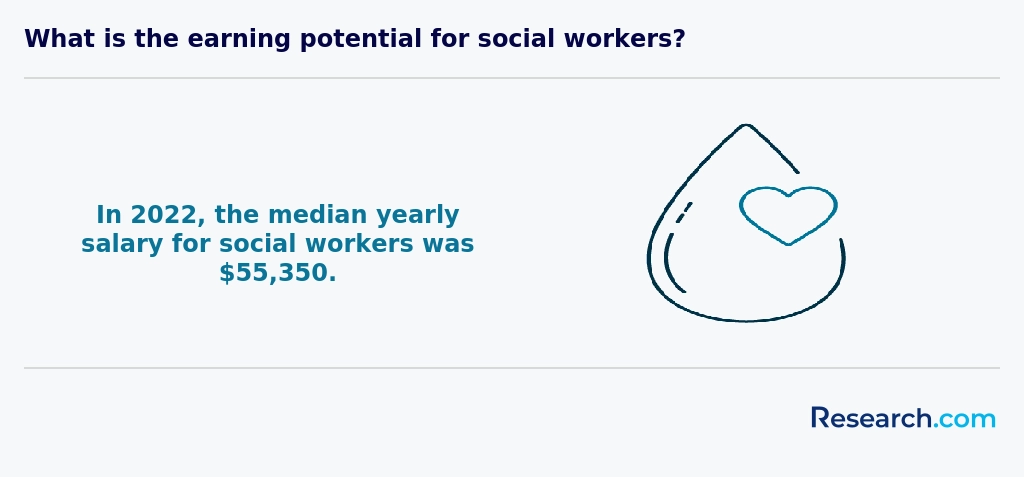
Social workers more broadly in Florida average closer to $68,800 annually, combining rewarding work with competitive pay. Many graduates from Florida State University and the University of Florida share positive experiences of growing their careers through internships and partnerships in local hospitals and government agencies, which often boost their earning potential.
With Florida's evolving social landscape, embracing an advanced degree and gaining field experience can open doors to higher salaries and specialized roles. The dynamic mix of urban and rural needs suggests flourishing opportunities for new social workers willing to adapt and innovate.
2027 Most Affordable Social Work Degree Programs Ranking in Florida
How do we rank schools?
Investing in your education is a significant decision that can shape your future, and the Research.com team understands the importance of making informed choices. To assist prospective students, we have meticulously crafted the "2027 Most Affordable Social Work Degree Programs Ranking in Florida." Our commitment to quality, credibility, and accuracy is reflected in the extensive research and analysis conducted to compile this ranking.
We utilized the following reputable data sources to ensure a comprehensive evaluation of social work programs:
By exploring this ranking, readers will gain valuable insights into the most affordable social work degree programs in Florida, empowering them to make informed decisions about their education and future careers. For more details on our methodology, please visit our Research.com methodology page.


# 16 position
Ana G. Mendez University
Master of Social Work


Key Findings
- Annual tuition for a social work bachelor's degree at a Florida public university ranges from $6,500 to $7,500 for in-state students.
- Social work degrees available include Associate of Science (A.S.), Bachelor of Social Work (B.S.W.), and Master of Social Work (M.S.W.), with most positions requiring at least a B.S.W.
- Social worker employment in Florida is projected to grow 10%-11% from 2022 to 2032, faster than the national average.
- Starting salaries for social workers in Florida are typically between $40,000 and $45,000, increasing to $55,000 to $65,000 with experience.
- Licensure requires passing the ASWB exam plus supervised experience, varying by license level for practice in the state.
How long does it take to complete social work degree in Florida?
Completing a social work degree in Florida typically takes two years for an Associate of Science at community colleges, allowing graduates to quickly enter entry-level roles or smoothly transition to a Bachelor of Social Work (BSW) program. Many students enrolled at institutions like the University of Central Florida or Florida State University share how the four-year BSW track not only deepened their understanding of social services but also prepared them for meaningful careers or further education.
For those pursuing a Master of Social Work (MSW), the journey usually adds around two years post-bachelor's, though some have found accelerated or part-time options helpful in balancing work and study. Florida's growing flexibility in online formats lets students tailor timelines to their lifestyles, making advanced clinical licensure feel achievable and less daunting. These evolving paths reflect a positive shift, inspiring many to imagine a future where quality education and personal circumstances align seamlessly.
Student Resources and Support Services
Navigating a social work degree program involves more than selecting the right curriculum-it’s also about making the most of available student resources and support services. Many Florida institutions offer comprehensive career advising, mental health counseling, and academic tutoring to ensure that each student thrives both inside and outside the classroom. For example, career centers not only help with resume building and interview preparation but also organize local networking events and job fairs, which have proven valuable in connecting graduates with employment opportunities. Additionally, many universities provide dedicated support for online learners, including virtual tutoring sessions and discussion forums that foster a sense of community. Those considering flexible learning options can explore cheapest msw online programs that combine affordability with robust student support tools. By taking full advantage of these services-from mentorship programs to internship placement assistance-you can build a strong foundation for both academic success and a rewarding career in social work.
What's the difference between online and on-campus social work degree?
Online social work degrees in Florida, such as those offered by the University of Central Florida, allow students to balance busy schedules by studying remotely with flexible pacing. Graduates often share how managing coursework alongside family and work commitments transformed their learning experience into something more personalized and less stressful. They appreciate saving money on commuting and housing, which makes earning a Bachelor or Master of Social Work more accessible.
In contrast, graduates from popular institutions like Florida State University recall how on-campus programs fostered deeper connections through face-to-face mentorship and spontaneous campus discussions. These settings create a vibrant environment for building practical skills and professional networks that feel tangible and supportive.
Both pathways require field placements, but online students benefit from placements near their own communities, maintaining real-world engagement without relocating. As digital tools evolve, future social work students in Florida might experience hybrids combining digital flexibility with immersive in-person interaction, blending the best of both worlds.
Application Process and Important Deadlines
Planning your application well in advance can make the difference between securing a spot in a CSWE-accredited Florida social work program and missing key deadlines. Follow these steps to streamline your application: 1. Research Programs (6–9 months before start) - Verify CSWE accreditation and review tuition rates. - Check each university’s application portal for specific prerequisites. 2. Gather Materials (4–6 months before start) - Official transcripts from all institutions attended. - Personal statement outlining your passion for social work and career goals. - Two or more letters of recommendation from academic or professional references. - Standardized test scores if required (many programs now waive the GRE). 3. Submit Application (3–4 months before term) - Complete online application forms and pay any fees. - Upload supporting documents and verify receipt by the admissions office. 4. Financial Aid and Scholarships (2–3 months before term) - File the FAFSA and apply for state-specific grants. - Explore institutional scholarships; note varying deadlines. 5. Final Steps (1 month before term) - Confirm acceptance and deposit deadlines. - Attend virtual or in-person orientation sessions. - Register for classes and arrange field practicum placements. For students interested in advanced social work credentials, you can learn where to find an affordable dsw program online and plan your transition from MSW to DSW without breaking the bank.
What is the average cost of social work degree in Florida?
The average cost of a social work degree in Florida is significantly influenced by whether a student qualifies for in-state tuition rates. For residents, the median in-state total cost typically hovers around $6,399 annually, making public universities an affordable path to a social work degree. Graduates from popular schools like Florida State University often share how their manageable tuition costs allowed them to focus more on community engagement and practical experiences, which enriched their education beyond the classroom.
Conversely, out-of-state students or those enrolled in private colleges may face median total costs around $36,119. This higher cost can feel daunting initially, but many social work students at institutions like Nova Southeastern University emphasize the value of specialized programs and the network opportunities they gained, which helped justify the investment. Those pursuing a Bachelor or Master of Social Work can expect tuition fees that reflect their program's length and credit requirements, often aligned with these median figures.
When budgeting, prospective students should consider the average cost of social work degree in Florida alongside additional expenses like textbooks and clinical placement fees. Many students find that financial aid and scholarships, particularly available through various Florida universities, alleviate substantial burdens and make the journey more attainable.
For students eager to explore the top social work schools in Florida and their specific tuition fees, visiting official sites or trusted educational hubs can provide the most current insights and help shape well-informed decisions.
Why Choose a Social Work Program in Florida
When considering a career in social work, choosing the right program can be daunting, but focusing on states like Florida, which offer a diverse range of opportunities, can be beneficial. Florida is home to numerous esteemed universities, such as the University of Central Florida and Florida State University, known for their strong social work programs. These institutions provide students with comprehensive curricula, practical field experience, and a rich environment for networking. To find the top social work schools in Florida, prospective students should research factors like accreditation, program specializations, and alumni career paths. By doing so, they can ensure they are making an informed decision that aligns with their career aspirations. Furthermore, understanding the local job market and salary expectations can also play a crucial role in this decision-making process, helping students to prepare for a successful and fulfilling career in social work.
What financial aid is available to social work degree students in Florida?
Social work students in Florida often discover a variety of financial aid avenues that make their education more attainable and less stressful. For instance, many graduates from the University of Florida recall how Pell Grants reduced their tuition burdens by thousands annually, allowing them to focus more on their studies and fieldwork. The Free Application for Federal Student Aid (FAFSA) remains central, unlocking access to federal loans and work-study programs that provide both financial relief and valuable practical experience.
State-specific aids such as the Florida Student Assistance Grant (FSAG) and the Benacquisto Scholarship often come up in conversations among students at Florida State University, who appreciate how these supports emphasize need and merit, making education feel like an achievable goal rather than a financial strain.
Looking ahead, the growth of employer tuition reimbursement programs and loan forgiveness initiatives, especially for graduates committed to serving underserved communities, points to a promising trend. Many graduates from Florida Atlantic University have expressed gratitude for assistantships and scholarships that funded their education while gaining hands-on experience, highlighting a future where financial aid blends seamlessly with career-building opportunities.
Licensing and Certification Requirements in Florida
After completing a CSWE-accredited social work degree, you’ll need state licensure to practice professionally. Florida offers two main credentials:
- Education
You must hold a Bachelor of Social Work (BSW) for the Licensed Bachelor Social Worker (LBSW) or a Master of Social Work (MSW) for the Licensed Master Social Worker (LMSW) and Licensed Clinical Social Worker (LCSW). Many candidates expedite their MSW through accelerated options like 1 year msw programs online.
- Examination
Pass the Association of Social Work Boards (ASWB) exam at the appropriate level: bachelor’s for LBSW, master’s for LMSW/LCSW.
- Supervised Experience
- LMSW: 3,000 hours of supervised practice under an LCSW or approved supervisor.
- LCSW: An additional 1,500 hours of post-LMSW clinical experience.
- Application and Fees
Submit your application to the Florida Board of Clinical Social Work, Marriage & Family Therapy, and Mental Health Counseling, complete a background check, and pay the licensing fees.
Meeting these steps ensures you’re fully authorized to deliver impactful social work services across Florida.
What are the prerequisites for enrolling in social work degree program in Florida?
Enrolling in a social work degree program in Florida typically requires a high school diploma or equivalent, plus a solid academic foundation. Graduates from universities like the University of Florida or Florida State often recall the importance of completing college preparatory courses in English, math, and social sciences to build confidence before starting their Bachelor of Social Work (BSW) journey. With many schools favoring a GPA around 2.5 and sometimes optional SAT or ACT scores, students feel encouraged rather than pressured.
For those pursuing a Master of Social Work (MSW), holding a bachelor's degree-often in social work or a related field-is essential. Graduates frequently share how submitting thoughtful personal statements and letters of recommendation helped showcase their passion. Volunteer work in local communities is a common thread, where hands-on experience in settings like Miami Dade College's service programs inspires both growth and excitement for future social challenges.
Looking ahead, Florida programs may place greater emphasis on interviews and experiential learning, ensuring students not only meet prerequisites but also develop resilience and empathy early on.

Return on Investment Analysis for Social Work Degrees in Florida
Understanding the long-term value of your investment in a Social Work degree requires balancing tuition costs against median salaries and career advancement opportunities. In Florida, the average tuition for an MSW ranges from $20,000 to $40,000 at public institutions, with graduates typically earning a starting salary near $64,360 (or $30.94 per hour). By comparing these figures, students can estimate a break-even period-often around four to six years-after accounting for living expenses and any financial aid. Beyond direct earnings, many Florida programs offer strong job placement rates and field practicum experiences that accelerate career growth. For example, an MSW graduate who takes on a healthcare social work role may see salary increases of 10–15% within two years due to licensure and specialized certifications. When calculating ROI, factor in loan forgiveness programs for public service, which can further reduce net costs and shorten the payback timeline. To broaden your perspective, consider how Florida’s affordable programs stack up against other regions. For a comparative look at cost-effective online MSW options, explore our Inexpensive Online Master's in Social Work Degree Programs Ranking in the Midwest, which highlights programs with lower average tuition and flexible online formats. This side-by-side analysis empowers you to choose the most budget-friendly pathway that aligns with your career goals and financial situation.
What courses are typically in social work degree programs in Florida?
Florida social work degrees typically include core courses like Introduction to Social Work that immerse students in the profession's history, ethics, and real-life responsibilities. Graduates from universities such as the University of Florida often recall how these classes helped them connect theory with community experiences in diverse settings like Miami's multicultural neighborhoods.
Courses on Human Behavior and the Social Environment explore psychological and sociological frameworks, which students find invaluable when working with families facing challenges in places like Orlando. Research Methods teach practical skills in data analysis and evaluation; many students appreciate applying these techniques during internships at Tampa-area social service agencies.
Specialized subjects-such as Social Welfare Policy and Services-prepare learners to navigate Florida's unique healthcare and support systems. Engaging directly with local case studies, graduates describe feeling empowered to advocate effectively for vulnerable populations.
Field Practicum offers hands-on experience in real organizations, where students witness firsthand the impact of their work. Those attending Florida State University report how immersive internships enhance their confidence and readiness to serve across varied communities. Excitingly, future course trends may deepen focus on digital social work tools and culturally responsive practices, reflecting Florida's evolving societal landscape.
What types of specializations are available in social work degree programs in Florida?
Florida's social work degree specializations include areas like Clinical Social Work, Child and Family Welfare, Gerontology, Healthcare Social Work, and School Social Work. Graduates from Florida State University often share how their clinical training empowered them to navigate complex mental health challenges with compassion, while students from the University of Central Florida value the practical experience they gained working directly with children and families in need. These specializations reflect Florida's unique demographic needs, such as its large elderly population, offering graduates a meaningful path to impact their communities.
Looking ahead, emerging trends could expand these specializations to include new fields like digital mental health services or community resilience planning. Florida social work careers and specializations may increasingly incorporate technology and data-informed practice, preparing students to lead innovative solutions. For those considering affordability alongside specialization, exploring the cheapest msw online programs in Florida can be a strategic step.
How do you choose the best social work degree in Florida?
Choosing the best social work degree in Florida means looking beyond just tuition prices and accreditation. Graduates from top programs at universities well-known in the state often highlight how flexible schedules and strong field placements transformed their learning experience, allowing them to thrive while managing family or part-time jobs. As Florida's social issues evolve, programs that incorporate hands-on community engagement and emerging trends in clinical social work can better prepare students for meaningful careers.
Many aspiring social workers focus on finding the best accredited social work schools Florida offers, ensuring their degree meets licensure standards crucial for practice here. For those balancing multiple priorities, part-time or online options provide valuable alternatives without sacrificing quality. With increasing costs, exploring affordable social work degree programs in Florida is vital-graduates often recommend researching programs closely and considering financial aid or scholarships.
Innovative students also consider future pathways by exploring where to find an affordable dsw program online, planning long-term for advanced qualifications. Immersing yourself in programs that link academic rigor with real-world applications fosters confidence and connects you with Florida's unique communities.

What career paths are available for social work degree students in Florida?
Graduates with a social work degree in Florida are increasingly exploring diverse career options as the state's social landscape evolves. Many find fulfilling roles in clinical social work, providing counseling and therapy for mental health and substance abuse, especially in metropolitan areas near popular universities. Others pursue child, family, and school social work, supporting vulnerable children through school programs and government agencies. These career paths reflect direct involvement with community well-being, a motivating factor often shared by recent graduates.
Jobs with a social work degree in Florida also span healthcare, where social workers assist patients and families in hospital and community health settings. Florida's aging population means geriatric social work is a growing trend, with passionate graduates focusing on improving seniors' quality of life. Social work students from Florida's well-known colleges often describe a sense of fulfillment when engaging in these vital roles.
For those seeking accessible education options, many consider programs highlighted in the Inexpensive Online Master's in Social Work Degree Programs Ranking in the Midwest, helping them prepare for these expanding career opportunities with financial peace of mind.
What is the job market for social work degree in Florida?
Social work graduates in Florida face a promising future as the state's job market steadily expands. With healthcare and mental health services growing rapidly, social work job opportunities in Florida are expected to increase by about 10% over the next decade. Graduates from popular universities like the University of Florida or Florida State University often share how their internships in local hospitals or schools opened doors to rewarding roles in family services and community support.
Many find themselves drawn to specialized fields such as geriatric care or substance abuse counseling, addressing the needs of Florida's aging population and diverse communities. The Florida social work degree employment outlook hints at abundant positions ranging from urban centers like Miami to underserved rural areas. Financial considerations are eased by relatively affordable tuition rates, which encourage more students to enter this field.
For those considering advanced paths, programs offering easy online phd programs provide flexible options to deepen expertise. This evolving landscape creates exciting possibilities for social workers ready to make a meaningful impact in Florida's communities.
Frequently Asked Questions About social work
Social work degree students in Florida can maximize their learning experience by engaging deeply with both classroom instruction and practical fieldwork. Accredited programs, such as those recognized by the Council on Social Work Education (CSWE), ensure that students receive quality education aligned with professional standards. Florida requires social work students to complete supervised internships, which offer invaluable hands-on experience in diverse settings like healthcare, schools, and community organizations. According to the Florida Board of Clinical Social Work, these internships are crucial for licensure and skill development.
Students should actively seek opportunities in Florida's growing social services sector, which employs over 20,000 social workers as of 2023 (Bureau of Labor Statistics). Networking with professionals and joining organizations like the National Association of Social Workers (NASW) Florida chapter can enhance career prospects. Additionally, leveraging online resources and participating in workshops help students stay current with evolving practices. Maintaining strong academic performance ensures eligibility for advanced degrees and specializations, further expanding career opportunities in this vital field.
Emerging niches in the social work field in Florida reflect the growing complexities of society and the state's diverse population. One notable area is healthcare social work, which is expanding due to Florida's large elderly population. According to the Florida Department of Elder Affairs, nearly 22% of the state's residents are aged 65 or older, driving demand for professionals skilled in geriatric care and chronic illness support.
Another developing niche is behavioral health social work. Florida has seen increased needs for mental health services, influenced by state mental health initiatives and rising awareness. Child welfare remains a core focus, with new specialized roles addressing family dynamics and foster care system reforms.
Additionally, social workers with expertise in disaster response and community resilience are increasingly vital due to Florida's vulnerability to hurricanes. These emerging fields offer promising opportunities for students pursuing social work degrees in the state.
After earning a social work degree in Florida, preparing for the job market involves several key steps. First, obtaining licensure through the Florida Board of Clinical Social Work, Marriage & Family Therapy, and Mental Health Counseling is crucial. Most social work positions require at least a Licensed Social Work (LSW) credential. Completing supervised clinical hours, typically 1,500 to 3,000 depending on the level of licensure, is essential.
Gaining practical experience through internships or volunteer work during your studies strengthens your resume. Florida's increasing demand for social workers, especially in healthcare and child welfare, means targeted job searches can be beneficial. Utilizing resources like the Florida Department of Economic Opportunity can help identify regional employment trends. Networking with professionals and joining organizations such as the National Association of Social Workers (NASW) Florida chapter also supports career development.
Employers in Florida seek several key skills when hiring social work degree graduates. Strong communication skills are essential for effectively interacting with diverse populations across the state. According to the Florida Department of Children and Families, social workers must also demonstrate critical thinking and problem-solving abilities to address complex family and community issues.
Additionally, cultural competence is highly valued given Florida's diverse population, including large Hispanic and Caribbean communities. Knowledge of state-specific laws and ethical standards plays a crucial role in practice and licensing.
Time management and organizational skills are also important, enabling social workers to handle multiple cases efficiently. Furthermore, a recent report from the National Association of Social Workers highlighted that interpersonal empathy remains a top attribute sought after by Florida employers.
Finding internships in Florida for social work degrees involves strategic planning and utilizing available resources. Students should start by consulting their university's career services or social work department, as many Florida schools have partnerships with local agencies offering field placements required for accreditation.
The Florida Chapter of the National Association of Social Workers (NASW-FL) provides listings and networking opportunities that can connect students with internships. Additionally, Florida's Department of Children and Families and community health centers regularly offer internship openings for social work students.
Online job portals specific to social work, such as the NASW job board, can be valuable tools. According to NASW-FL, about 70% of social work internships in Florida occur within government or nonprofit agencies, emphasizing the importance of targeting these sectors in your search.
In Florida, obtaining a social work degree significantly enhances career mobility and advancement opportunities. The Florida Board of Clinical Social Work, Marriage & Family Therapy, and Mental Health Counseling requires a bachelor's degree in social work (BSW) as the minimum for entry-level roles, while a master's degree (MSW) is necessary for clinical licensure and advanced positions.
The U.S. Bureau of Labor Statistics reports that Florida's social work employment is projected to grow by 14% from 2022 to 2032, faster than the average for all occupations. Higher education credentials often lead to greater salary potential and supervisory roles. According to Florida's Department of Economic Opportunity, social workers with an MSW can expect to earn up to 35% more than those with only a BSW.
Additionally, specialized certifications that require an MSW improve qualifications for jobs in healthcare, schools, and government agencies, fostering upward career movement within the state's diverse social services sector.
Studying for a social work degree in Florida equips students with skills to collaborate across various disciplines. Florida programs emphasize teamwork with professionals in healthcare, education, and criminal justice to address complex social issues. This interdisciplinary approach is supported by field placements in diverse settings, such as hospitals, schools, and community agencies, providing real-world experience.
Florida's curriculum aligns with the Council on Social Work Education (CSWE) standards, which promote integrated knowledge of psychology, sociology, and public policy. According to the Florida Board of Clinical Social Work, this broad knowledge base helps graduates effectively interact with multidisciplinary teams for improved client outcomes.
Choosing between a thesis and a non-thesis social work degree program in Florida depends largely on your career goals and learning preferences. Thesis programs typically require conducting original research and writing a substantial paper, which can be beneficial if you plan to pursue doctoral studies or research roles. Non-thesis options focus more on practical training and coursework, preparing students for direct practice in Florida's social service agencies.
It's important to note that about 60% of Florida's Master of Social Work (MSW) programs offer both tracks, allowing flexibility. According to the Florida Board of Clinical Social Work, thesis tracks may take longer to complete, sometimes adding six months or more.
For students aiming at clinical licensure, non-thesis programs often emphasize internships and hands-on experience, a key to meeting Florida's licensing requirements. Reviewing program accreditation and curriculum details can guide your choice effectively.
Students based in Florida who wish to study social work abroad have several options to consider. Many Florida universities with accredited social work programs, including the University of Florida and Florida State University, offer study abroad partnerships. These programs often allow students to earn academic credit while gaining international experience in countries like Spain, Ireland, and Costa Rica.
Florida's Council on Social Work Education (CSWE) accredited programs emphasize global perspectives, encouraging students to explore social issues worldwide. According to the CSWE, about 30% of social work students nationally participate in some form of international study or internship.
Additionally, some students opt for exchange programs facilitated by their institutions, combining classroom learning with field placements abroad. These experiences enhance cultural competencies essential for social work practice.
Students pursuing social work degrees in Florida can benefit from part-time jobs that offer practical experience and enhance their resumes. Common opportunities include working as case aides, behavioral health technicians, or community outreach assistants. These roles help students develop skills in client interaction, crisis intervention, and resource coordination.
Florida's Department of Children and Families frequently hires part-time support staff, providing hands-on experience with vulnerable populations. Additionally, nonprofit organizations across the state often seek volunteers or part-time workers to assist with social services programs.
According to the Bureau of Labor Statistics, Florida's social work sector is projected to grow 15% between 2022 and 2032, indicating increasing job availability for qualified candidates.
Social work students in Florida benefit from numerous networking opportunities that support their academic and professional growth. Many universities maintain active chapters of the National Association of Social Workers (NASW), which offers students access to statewide conferences and workshops. These events are pivotal for connecting with licensed professionals and potential employers.
Additionally, Florida's Department of Children and Families often collaborates with universities to provide internships and field placements. These experiences allow students to build real-world contacts within the state's extensive social services network. According to NASW Florida, membership can enhance job prospects through mentorship programs and exclusive job boards.
Furthermore, universities frequently host career fairs specifically aimed at human services fields, attracting local agencies such as community health centers and non-profits. These platforms create valuable avenues for students to establish relationships prior to graduation.
Alumni networks play a crucial role for social work degree students in Florida by offering valuable career connections and mentorship opportunities. Graduates often tap into these networks to find internships and job placements, which is essential in Florida's competitive social work field. According to the Florida Board of Clinical Social Work, these connections can improve employment rates by providing access to locally relevant organizations and agencies.
Furthermore, alumni groups offer ongoing professional development events and workshops, helping students stay informed about state regulations and best practices. Such involvement also fosters a sense of community and support among social work professionals across Florida.
Customizing a social work degree program in Florida starts with choosing between a Bachelor of Social Work (BSW) or a Master of Social Work (MSW), depending on your career stage. Many Florida universities offer concentration options, such as clinical social work, child and family services, or community advocacy, allowing students to tailor coursework to their interests. Flexible online and part-time programs are also common, helping working professionals balance education with career demands.
Field placements provide practical experience in settings like hospitals or schools, which can be selected to align with your goals. According to the Florida Board of Clinical Social Work, this hands-on training is crucial for licensure and career advancement.
Consulting academic advisors about electives and internships is advised, as these choices affect specialization and employability in Florida's social work job market.
Social work students in Florida often face distinct challenges during their education. One major hurdle is balancing fieldwork with coursework. Florida requires extensive supervised internships, which can demand 900 to 1,200 hours depending on the program level, making time management crucial. According to the Florida Board of Clinical Social Work, Interns report difficulties juggling these demands with personal and financial responsibilities.
Additionally, affordability is a concern. While some programs offer competitive tuition rates, out-of-pocket costs and limited availability of financial aid can strain students. Access to quality clinical placements, especially in rural areas, is another challenge noted by the Florida Department of Children and Families. These factors combined create a rigorous environment for social work students aiming to become licensed professionals.
With a social work degree in Florida, graduates can pursue several professional certifications that enhance career prospects. The most common certification is the Licensed Clinical Social Worker (LCSW), which requires a master's degree, supervised experience, and passing the Association of Social Work Boards (ASWB) clinical exam. The LCSW license allows for independent clinical practice in Florida.
Other certifications include the Certified Social Work Case Manager (C-SWCM), which focuses on case management skills, and is nationally recognized. Florida also offers the Licensed Master Social Worker (LMSW) credential, a step toward clinical licensure. According to the Florida Board of Clinical Social Work, Marriage & Family Therapy, and Mental Health Counseling, over 40,000 social workers hold active licenses in the state as of 2024.
Writing a winning application for a social work program in Florida starts with thorough preparation. Applicants should clearly articulate their motivation for entering social work, highlighting any relevant volunteer or professional experience. Florida schools often seek candidates who demonstrate a genuine commitment to serving diverse communities. According to the National Association of Social Workers, emphasizing understanding of local social issues can strengthen applications.
It's important to provide strong letters of recommendation from supervisors or professors familiar with your character and work ethic. Florida programs also value applicants with solid academic records, especially in psychology, sociology, or related fields. Lastly, tailor your personal statement to reflect Florida's unique social landscape and your aspirations within it.
Globally, social work is recognized as a vital profession committed to improving individual and community well-being. In the US, including Florida, social work education aligns with standards set by the Council on Social Work Education (CSWE), ensuring graduates meet competencies valued worldwide. According to the Bureau of Labor Statistics, Florida employs over 30,000 social workers, reflecting strong demand. The global perspective emphasizes cultural competence, advocacy, and ethical practice, skills taught in Florida's accredited programs.
Internationally, social workers address issues like poverty, human rights, and health disparities. Florida students benefit from curricula incorporating these global challenges, preparing them for diverse roles locally and abroad.
Gaining practical experience while studying for a social work degree in Florida is essential for career readiness and licensure. Most Florida universities require students to complete supervised field internships or practicums as part of their curriculum. These placements often occur in local agencies, hospitals, schools, or non-profits where students apply classroom knowledge in real-world settings.
The Florida Board of Clinical Social Work, Marriage & Family Therapy, and Mental Health Counseling emphasizes internships for licensure eligibility. According to the Council on Social Work Education, students typically complete between 400 to 900 hours of fieldwork during their Bachelor's or Master's programs.
Many Florida schools assist students in securing internships, partnering with community organizations throughout the state to provide diverse learning opportunities.
Choosing the right concentration within a social work degree program in Florida depends on your career goals and the communities you wish to serve. Florida offers diverse concentrations such as clinical social work, child and family services, and school social work. According to the Florida Board of Clinical Social Work, Marriage & Family Therapy, and Mental Health Counseling, clinical social workers are in high demand due to increasing mental health needs.
Consider the setting you want to work in: hospitals, schools, or community agencies. Research programs accredited by the Council on Social Work Education (CSWE) to ensure quality education. Additionally, check if the concentration aligns with Florida's licensing requirements for Social Work professionals.
Related Social Work Rankings for Nearby States
- 2027 Most Affordable Social Work Degree Programs Ranking in South Carolina
- 2027 Most Affordable Social Work Degree Programs Ranking in Mississippi
- 2027 Most Affordable Social Work Degree Programs Ranking in Tennessee
- 2027 Most Affordable Social Work Degree Programs Ranking in North Carolina
- 2027 Most Affordable Social Work Degree Programs Ranking in Louisiana
- 2027 Most Affordable Social Work Degree Programs Ranking in Kentucky
- 2027 Most Affordable Social Work Degree Programs Ranking in Virginia
- 2027 Most Affordable Social Work Degree Programs Ranking in West Virginia
- 2027 Most Affordable Social Work Degree Programs Ranking in Missouri
- 2027 Most Affordable Social Work Degree Programs Ranking in Ohio
Top Trending Social Work Rankings
See What Experts Have To Say About Studying Social Work
Read our interview with Social Work experts

References
- Social work certificates | edX https://www.edx.org/certificates/social-work-certificates
- Social Worker (LCSW, MSW) Salary Guide By State https://socialworklicensemap.com/social-work-careers/social-work-salary/
- Social Work News https://www.mysocialworknews.com/article/how-to-find-your-social-work-niche
- Master of Social Work, M.S.W. – Florida Memorial University https://www.fmu.edu/academics/school-of-education/master-of-social-work-graduate-degree/
- Florida’s Social Work Scholarships & Grant Programs https://floridasocialworkedu.org/scholarships/
- Top Skills Employers Look for in Qualified Social Workers Today - Vitalis https://www.vitalissocialcare.co.uk/career-development/top-skills-employers-look-for-in-social-workers-today/
- Social Work Salary with Masters on the Rise https://newmanu.edu/nth-degree/social-work-salary-with-masters-on-the-rise
- Web Exclusive https://www.socialworktoday.com/archive/exc_081823.shtml
- What I Learned in 31 Years Practicing School Social Work https://www.sswaa.org/post/what-i-learned-in-31-years-practicing-school-social-work
- Know more about thesis vs non- thesis: what is the difference? https://studyfans.com/en/blogs/816


