
2027 Best Social Work Degree Programs Ranking in New Brunswick

Co-Founder and Chief Data Scientist
Choosing the right social work degree program is a big step toward a rewarding career in New Brunswick. This article introduces the 2027 Best Social Work Degree Programs Ranking in New Brunswick, created by the Research.com team of data scientists. It offers clear and trustworthy insights to help you make an informed decision.
Reading this guide will give you confidence as you explore your options. Earning a social work degree can open doors to meaningful opportunities, making a positive impact in your community and beyond.
Key benefits of getting social work degree in New Brunswick
- Graduates with a social work degree in New Brunswick can expect competitive salaries, such as Social Workers earning an average of $68,800 annually and Community Organizers making around $83,400 per year.
- Potential career paths include roles like Child Welfare Specialist and Residential Counselor, offering diverse opportunities to make a meaningful impact in the community.
- Online social work degrees provide flexible schedules and accessibility, allowing students to balance studies with personal commitments while gaining practical skills from respected New Brunswick institutions.
- 2027 Best Social Work Degree Programs Ranking in New Brunswick
- What can I expect from social work degree in New Brunswick?
- Where can I work with social work degree in New Brunswick?
What can I expect from social work degree in New Brunswick?
The average cost of a social work degree in New Brunswick can vary depending on the institution and program level. For example, graduates from well-known universities offering Bachelor of Social Work (BSW) programs often report tuition expenses ranging from approximately $7,000 to $12,000 per year for in-province students. Those pursuing a Master of Social Work (MSW) typically face higher tuition fees, sometimes between $12,000 and $18,000 annually. These costs generally cover tuition but may not include additional fees like books, supplies, and field placement expenses.
Graduates recall managing these costs by applying for provincial scholarships and bursaries available specifically for social work students. Many value the investment, knowing their practicum placements-lasting 400 to 900 hours-offer meaningful hands-on experience in hospitals, community centers, or government agencies across New Brunswick.
Choosing institutions recognized by the Council on Social Work Education (CSWE) ensures you receive quality training accepted for licensure steps after graduation. This practical approach to funding and education prepares students for fulfilling careers, balancing financial planning with the rewarding nature of social work.
Where can I work with social work degree in New Brunswick?
If you earn a social work degree at well-known institutions like the University of New Brunswick or St. Thomas University, expect a variety of practical career paths right in your backyard. Graduates often find meaningful roles in healthcare facilities, supporting patients coping with long-term illnesses or mental health issues. Imagine working in a hospital where your input helps a patient navigate complex emotional challenges-that direct impact is both rewarding and motivating.
Many grads also enter child welfare, employed by provincial agencies where they assess family situations and intervene to protect vulnerable children. This hands-on work can feel intense but offers the deep satisfaction of making a real difference in family lives.
Working in schools is another common route, where social workers collaborate with teachers and parents on student wellbeing, tackling issues like bullying or trauma. Graduates appreciate this role for its daily positive influence on youth development.
Non-profits focused on homelessness or domestic violence also actively recruit social work grads. These roles blend advocacy and case management, presenting opportunities to shape community programs and help clients directly. Many graduates find this field energizing and deeply fulfilling.
Licensing through the New Brunswick Association of Social Workers is essential for clinical or government positions, so plan to meet those requirements soon after graduation. Overall, social work degrees from New Brunswick open doors to stable jobs with a strong sense of purpose and community impact.
- Undergraduate social work programs in New Brunswick typically cost between $10,000 and $18,000 per year.
- Graduate programs such as a Master of Social Work (MSW) range from $15,000 to $25,000 annually.
- Starting salaries for social workers average between $40,000 and $45,000 per year.
- Experienced social workers can earn around $55,000 to $65,000 annually depending on specialization and location.
- Social work jobs in New Brunswick are projected to grow by about 10% over the next decade, above the national average.
- Licensure requires completing an accredited degree and passing the Association of Social Work Boards (ASWB) exam.
Ensuring your Social Work degree comes from a Council on Social Work Education (CSWE)–accredited institution is crucial for meeting both educational and state licensure standards in New Jersey. CSWE accreditation guarantees that your coursework, field practicum, and faculty qualifications adhere to the rigorous benchmarks required for professional practice. For budget-conscious students seeking flexibility, consider exploring the cheapest online msw programs cswe accredited, which combine affordability with accreditation quality. After graduation, New Jersey requires completion of a supervised practicum-typically 3,000 hours-for Licensed Clinical Social Worker (LCSW) eligibility. You must also pass the Association of Social Work Boards (ASWB) master’s examination. Begin by applying for the Licensed Social Worker (LSW) credential, which allows you to accrue supervised hours under an approved supervisor. Track your field hours meticulously, submit verification forms on time, and schedule your ASWB exam as soon as you complete the required experience. To streamline licensure: • Verify your program’s CSWE status via the CSWE directory. • Maintain detailed practicum logs and supervisor evaluations. • Register for the ASWB exam at least 60 days before your anticipated graduation date. By prioritizing accreditation and following New Jersey’s licensure roadmap, you’ll transition smoothly from student to licensed practitioner, ready to serve communities across New Brunswick.
When considering a Social Work degree in New Brunswick, NJ, one of the crucial factors to consider is the financial aspect. Understanding the costs involved and planning accordingly can make a significant difference in a student's ability to pursue their educational goals without undue financial stress. For those looking for affordable options, researching the cheapest social work school in New Jersey can be a practical step. This involves not just tuition fees but also other expenses such as textbooks, transportation, and living costs. Students should explore all available financial aid options, including federal financial aid, merit-based scholarships, graduate assistantships, state and local grants, and work-study programs. By carefully planning and considering these financial factors, prospective social work students in New Brunswick, NJ, can make informed decisions that will support their academic and professional aspirations in the field of social work.
The average cost of a social work degree in New Brunswick typically amounts to around USD 57,581 in total. For U.S.-based students considering this path, attending institutions like the University of New Brunswick can be both affordable and rewarding. Graduates often recall the manageable tuition combined with reasonable living expenses, which help ease the financial burden while focusing on their studies.
Many students pursuing social work degrees in New Brunswick appreciate that total tuition and fees for social work programs in New Brunswick are far more accessible than some U.S. private universities. Domestic tuition for undergraduate programs ranges roughly from CAD 5,000 to CAD 7,000 annually, while graduate MSW programs demand about CAD 7,500 per year. This pricing, along with lower costs for living and materials, creates a financial environment where students can confidently invest in their education without overwhelming debt.
Several social work graduates have shared how budgeting around these costs enabled them to engage deeply with fieldwork and community projects, critical parts of social work training. For those seeking additional flexibility, exploring options like an online criminologydegree connected to social services could complement the core studies and extend career potential.
U.S. students planning to enroll should weigh these average costs against local opportunities to fully grasp the financial commitment. Considering scholarships, bursaries, and financial support offered by New Brunswick's public universities can significantly reduce expenses, making a social work degree both a practical and inspiring goal.
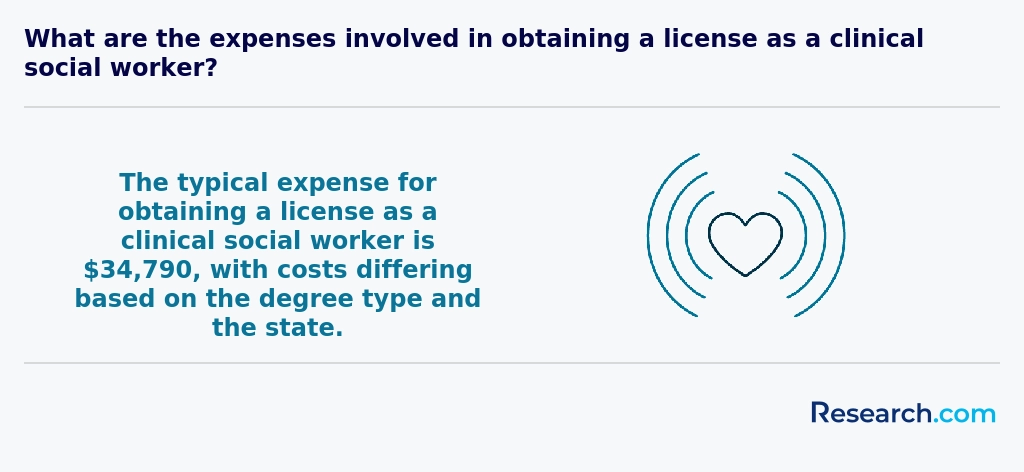
Embracing a Social Work degree is only the beginning of a lifelong journey in making meaningful community impacts. As you transition from the classroom to professional practice, it’s crucial to develop a well-rounded strategy for career success. Many graduates recommend actively seeking mentorship, participating in professional associations, and continuously updating one’s skills through workshops and accredited continuing education programs. For example, exploring options like are online bachelors programs in social work affordable can provide flexible pathways to further advance your expertise while managing professional and personal commitments. Additionally, early preparation for state licensure and certification exams, building a strong professional network, and leveraging alumni resources can significantly ease the transition into a competitive job market. By focusing on ongoing professional development, you not only enhance your marketability but also ensure that you remain at the forefront of evolving social work practices and policies.
Understanding New Jersey’s licensure steps ensures you can practice as a social worker legally.
- Education: Complete a CSWE-accredited Master of Social Work. Advanced standing options for BSW graduates can shorten your path (1 year msw programs online no bsw).
- Exam: Pass the Association of Social Work Boards (ASWB) Clinical exam.
- Supervised Experience: Accumulate at least 3,000 hours of supervised post-graduate practice.
- Application: Submit your licensure application and required fees to the New Jersey Board of Social Work Examiners.
- Renewal: Complete 30 hours of continuing education every two years to maintain your license.
To enroll in a Bachelor of Social Work program in New Brunswick, you'll need a high school diploma or equivalent with solid grades, generally around 65% to 70%. Graduates from universities like the University of New Brunswick often highlight that having a background in subjects such as English, psychology, or sociology made the application process smoother. Admission committees look for this foundation because it prepares you for the social sciences focus in the program.
If you're aiming for a Master of Social Work, a relevant bachelor's degree is essential. Many successful applicants from St. Thomas University emphasize how their undergraduate studies in social services, combined with practical experience like volunteering at local shelters, strengthened their applications. This hands-on experience is key, since programs in New Brunswick prioritize fieldwork readiness.
Be ready to provide letters of recommendation, personal statements outlining your passion and goals, and, if applicable, proof of language proficiency. Criminal background checks are also required for placements involving vulnerable groups, so plan ahead to avoid delays.

Accreditation by the Council on Social Work Education (CSWE) is the cornerstone of any reputable social work program, ensuring that curriculum, faculty qualifications, and field practicum standards meet national benchmarks. Prospective students should confirm CSWE status when comparing tuition and program features-if budget is a concern, you may also explore cost-effective options through our Inexpensive Social Work Degree Programs Ranking in West Virginia to understand affordability trends across neighboring states. In New Jersey, licensure follows a two-tier system: Licensed Social Worker (LSW) and Licensed Clinical Social Worker (LCSW). To qualify for LSW, graduates must hold a CSWE-accredited BSW or MSW, complete 3,000 hours of supervised experience, and pass the ASWB bachelor’s or master’s exam. Advancing to LCSW requires an MSW, an additional 3,000 hours of clinical supervision, and the clinical ASWB exam. Early planning-such as securing field placements that count toward supervised hours-can streamline this path. When researching programs, verify accreditation on both the CSWE and New Jersey State Board of Social Work Examiners websites. Look for clear policies on internship coordination, faculty-led licensure prep workshops, and alumni pass-rate data for ASWB exams. By prioritizing accredited programs with robust licensure support, you’ll ensure that your investment leads directly to professional credentials and a competitive edge in the New Brunswick job market.
Social work degree programs in New Brunswick typically include courses that balance theory with practical application, preparing students to handle real-world challenges. At popular institutions like the University of New Brunswick, graduates recall starting with foundational classes such as Introduction to Social Work Practice, where they gained a clear overview of the profession's core responsibilities and ethical standards.
Other essential courses include Human Behavior in the Social Environment, which helps students understand the psychological and cultural dynamics affecting individuals and communities. Graduates often describe how this knowledge proved invaluable during their field placements in local hospitals or community centers.
Social Welfare Policy classes teach students to critically analyze public policies, a skill many find empowering when advocating for vulnerable groups in New Brunswick's diverse communities. Research Methods in Social Work equips students with tools to engage in evidence-based practice, strengthening their confidence in making informed decisions.
Finally, Field Practicum offers hands-on experience that many graduates say was pivotal in turning classroom lessons into real impact within Indigenous services, mental health agencies, or child welfare organizations across the province.
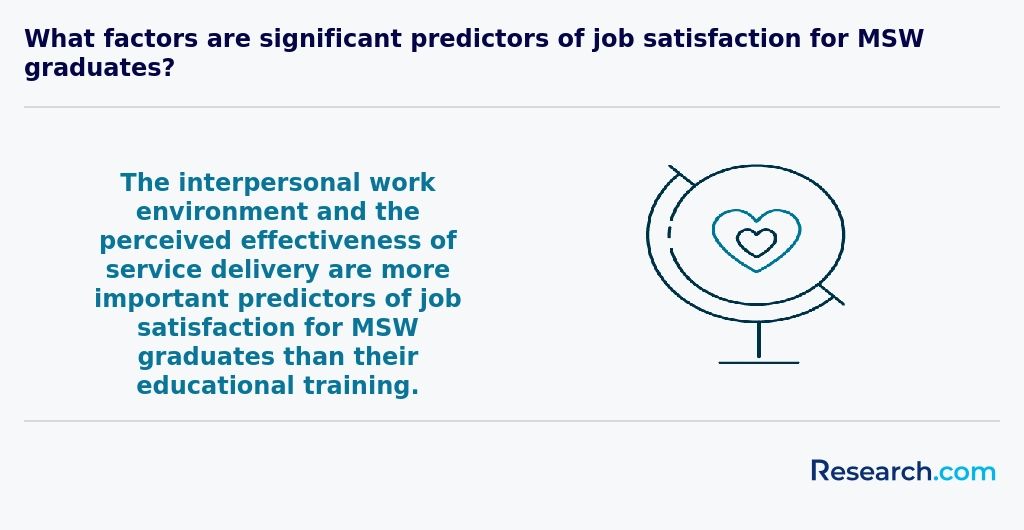
Start by checking if the program you choose in New Brunswick aligns with US accreditation standards like those from the Council on Social Work Education, ensuring your degree is recognized for employment and licensing. Graduates from popular universities in New Brunswick often emphasize how accredited programs gave them confidence when applying for jobs across borders. Consider affordability carefully: many Canadian social work colleges offer more affordable tuition compared to US tuition, especially for residents. Also factor in expenses like field placements and living costs to get a realistic budget. Programs with diverse practicum opportunities stand out as they let you work with varied populations, a benefit noted by many graduates who felt more prepared for real-world challenges.
Look into faculty expertise and the strength of local networks. Graduates often recall how connections with regional social services in New Brunswick helped secure internships and early jobs. If balancing work or family, explore flexible options, and don't forget to research outcomes like employment rates and licensing success. For advanced options, some students turn to 1 year online masters programs to expedite their path.
Choosing from affordable social work colleges New Brunswick offers is about finding a program that matches your goals and lifestyle while building a strong foundation for your career.

Graduates with a social work degree in New Brunswick have several practical career paths to choose from, depending on their interests and goals. Many find rewarding roles as clinical social workers, providing counseling and mental health support in hospitals or private clinics. Such positions usually require completing a Master of Social Work (MSW) and obtaining licensure, something graduates from popular New Brunswick colleges often emphasize as a crucial step. For those drawn to working with children and families, positions in child welfare agencies offer the chance to make a direct impact on vulnerable youth and ensure their safety and well-being.
Healthcare social work is another growing field, with professionals supporting patients and families in navigating complex medical systems. Graduates from New Brunswick's social work programs frequently report feeling fulfilled in these roles, knowing their work contributes to smoother recoveries and better patient advocacy. Additionally, if you're interested in broader systemic change, consider roles in policy analysis or community outreach, where you can influence programs that support social justice and poverty reduction.
Many students in New Brunswick start exploring career options early, sometimes through internships or by pursuing an online mental health counseling degree. This approach provides valuable experience and helps clarify the ideal social work career path while meeting licensing requirements.
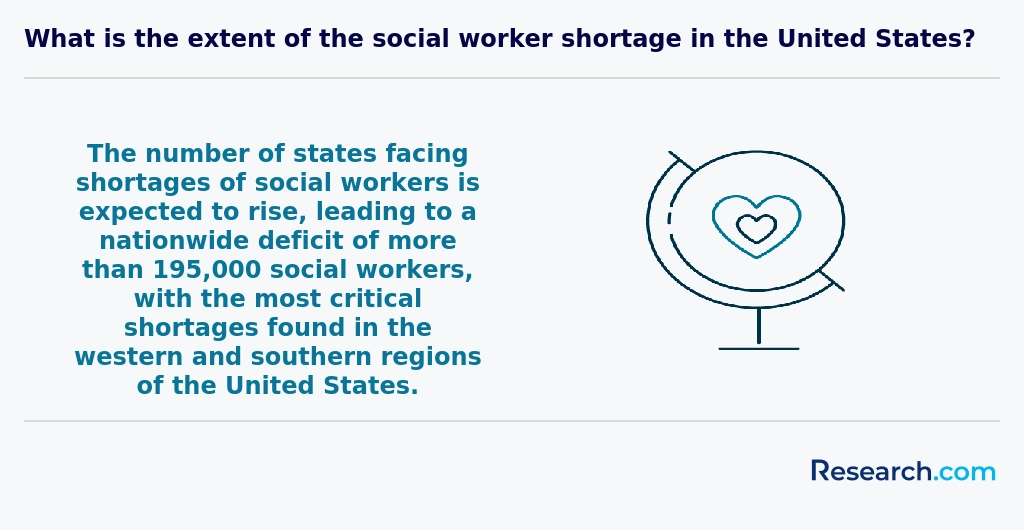
2027 Best Social Work Degree Programs Ranking in New Brunswick
Investing in your education is a significant decision that can shape your future, and the Research.com team understands the importance of making informed choices. To assist prospective students in New Brunswick, we have meticulously created the "2027 Best Social Work Degree Programs Ranking in New Brunswick." Our dedication to quality, credibility, and accuracy is demonstrated through rigorous research and careful analysis in compiling this ranking.
We utilized the following reputable data sources to ensure a comprehensive evaluation of social work programs:
By exploring this ranking, readers will gain valuable insights into the best social work degree programs in New Brunswick, empowering them to make well-informed decisions about their educational paths. For more details on our methodology, please visit our Research.com methodology page.

Frequently Asked Questions About social work
Students pursuing social work degrees in New Brunswick can maximize their learning by engaging deeply with both academic and practical experiences. Participating in field placements is essential; these opportunities allow students to apply theories in real-world settings, building crucial professional skills and local community connections. According to the Canadian Association for Social Work Education, over 90% of accredited programs in New Brunswick include mandatory practicum components, underscoring their importance.
Additionally, taking advantage of networking events, workshops, and student organizations strengthens understanding and exposes students to diverse perspectives. Staying informed about regional social issues through local government and nonprofit reports can also enhance classroom learning by providing relevant context.
The social work field is evolving rapidly, creating new opportunities for professionals in New Brunswick and across the US. One emerging niche is gerontological social work, focusing on aging populations. With the US Census Bureau projecting that by 2030, one in five Americans will be 65 or older, demand for specialists in elderly care is rising.
Another growing area is health care social work, particularly in mental health and chronic illness management. Social workers here bridge gaps between patients, families, and medical teams. Additionally, digital and telehealth social work is expanding, driven by technology advances and pandemic-related shifts.
Finally, there is increased focus on environmental social work, addressing community impacts of climate change-an area gaining momentum nationally but still emerging locally. These niches offer promising paths for students pursuing degrees in New Brunswick.
After earning a social work degree in New Brunswick, graduates should focus on gaining practical experience to improve their job prospects. Internships and volunteer opportunities within local agencies help build valuable skills. The New Brunswick Association of Social Workers (NBASW) recommends obtaining registration or licensure to work professionally in the province. Networking through NBASW events and local community organizations increases chances of finding employment.
The job market for social workers in New Brunswick is expected to grow 5% by 2028, according to government labor reports, indicating steady demand. Graduates should also consider specializing in areas like mental health or child welfare, which are highly sought after. Continuing education and certifications further enhance marketability.
Employers in New Brunswick prioritize several key skills when hiring social work degree graduates. Strong communication skills are essential, enabling professionals to effectively engage with clients, families, and multidisciplinary teams. Critical thinking and problem-solving abilities help social workers assess complex situations and develop appropriate interventions.
Empathy and cultural competence are highly valued, given New Brunswick's diverse population. Graduates must be prepared to work with individuals from different backgrounds with sensitivity and respect. Time management and organizational skills are crucial for handling caseloads efficiently.
According to the New Brunswick Association of Social Workers, practical experience through internships also significantly improves employability by providing hands-on skills and networking opportunities.
Finding internships in New Brunswick related to a social work degree involves proactive research and engagement with local organizations. Many universities with social work programs have partnerships with community agencies, healthcare centers, and government services where students can gain hands-on experience.
Students should contact their school's career services or social work department for internship listings and guidance. Additionally, organizations like the New Brunswick Association of Social Workers often provide resources or networking opportunities to help locate internships.
Online job boards and local non-profits focusing on mental health, child welfare, or community development are also valuable sources. Internships typically require a background check and proof of enrollment.
In New Brunswick, earning a social work degree significantly enhances career mobility and advancement opportunities. The province requires a Bachelor of Social Work (BSW) or Master of Social Work (MSW) for most professional roles, aligning with standards set by the Canadian Association of Social Workers (CASW).
Graduates with these credentials qualify for licensure with the New Brunswick Association of Social Workers (NBASW), which is essential for higher-paying positions and specialized fields such as clinical social work. According to NBASW, professionals holding an MSW often command salaries up to 25% higher than those with only a BSW.
Additionally, a social work degree enables access to diverse sectors including healthcare, education, and community services, increasing career flexibility and advancement potential.
Studying for a social work degree in New Brunswick equips students with skills tailored for interdisciplinary collaboration. Programs emphasize working alongside professionals in health care, education, and community services to address complex social issues. This approach aligns with the New Brunswick Association of Social Workers' guidelines, which highlight teamwork across sectors as essential.
Curricula often include courses in psychology, public health, and policy, fostering a broad understanding needed to navigate various professional settings. Field placements provide practical experience, allowing students to engage with diverse teams in hospitals, schools, and nonprofit organizations.
Such training prepares graduates to effectively communicate and coordinate with multiple disciplines, enhancing client-centered care and community impact.
Choosing between a thesis and a non-thesis social work degree program in New Brunswick depends on your career goals and learning preferences. A thesis program typically involves conducting original research, which is ideal if you are considering further academic work, such as a PhD, or roles in research and policy development. It usually requires more time and strong writing skills.
On the other hand, a non-thesis program focuses more on practical skills and coursework. This path suits students aiming for clinical practice or social service roles, as it emphasizes hands-on experience over research.
According to the New Brunswick Association of Social Workers, approximately 70% of graduates pursue direct practice roles, making the non-thesis option popular. However, those interested in leadership or academic careers might prefer the thesis route.
Students based in New Brunswick interested in studying social work abroad often explore programs within the United States due to geographic proximity and strong academic partnerships. Many U.S. universities offer Bachelor's and Master's degrees in social work that are accredited by the Council on Social Work Education (CSWE), ensuring recognized credentials for practice.
New Brunswick students can benefit from exchange programs or study-abroad options at U.S. institutions, which sometimes include field placements in diverse communities. Enrollment in U.S. schools can expose students to a variety of social work practices and policies, enriching their educational experience.
According to the National Association of Social Workers, U.S. social work programs emphasize practical training, with approximately 15% of students participating in international internships or exchanges each year.
Choosing a U.S.-based program can provide New Brunswick students with broader career opportunities and insights into global social challenges.
In New Brunswick, part-time jobs that complement social work degree education often involve direct community engagement and support roles. Common opportunities include positions as peer support workers, social service assistants, and mental health aides. These roles provide practical experience in client interaction, case management, and crisis intervention.
According to the New Brunswick Association of Social Workers, gaining hands-on experience is crucial for licensure and professional development. Working part-time in nonprofit organizations or healthcare settings helps students apply theoretical knowledge to real-world scenarios. The average hourly wage for social service roles in the region ranges from $15 to $22, making them accessible for students balancing work and study.
Social work students in New Brunswick benefit from a variety of networking opportunities designed to enhance their professional growth. Universities typically host events and workshops where students can connect with faculty, alumni, and local social service agencies. These gatherings provide valuable contacts and mentorship prospects, helping students build relationships in the field.
Additionally, many programs encourage participation in professional organizations such as the National Association of Social Workers (NASW) - New Brunswick chapter, which offers conferences, webinars, and volunteering opportunities. These platforms foster community engagement and promote connections with seasoned practitioners.
Field placements and internships in New Brunswick also serve as crucial networking hubs. They allow students to gain hands-on experience and create professional networks with agencies focused on mental health, child welfare, and community services, often leading to job opportunities post-graduation.
Alumni networks provide valuable support for social work degree students in New Brunswick by connecting them to a broad community of experienced professionals. These networks often offer mentorship opportunities, helping students navigate the challenges of their academic and early career stages.
Engaging with alumni can also increase access to internships and job openings within local social service agencies, which is crucial given New Brunswick's focus on community-centered care. According to the Council on Social Work Education, programs with active alumni involvement report higher employment rates post-graduation.
Moreover, alumni can share insights about licensure requirements and continuing education paths specific to New Brunswick, enhancing students' readiness for professional practice.
Customizing a social work degree in New Brunswick to align with your career goals involves selecting specializations and elective courses that match your interests. Many accredited programs offer options such as mental health, child welfare, or community development. Engaging in field placements or internships within local agencies helps gain practical experience tailored to specific populations or settings.
New Brunswick emphasizes a practical approach, encouraging students to complete supervised practicums, which are crucial for licensure in many states. According to the Council on Social Work Education, over 85% of social work programs incorporate such fieldwork to develop relevant skills. Choosing courses relevant to your target career path enhances your readiness for the job market.
Social work students in New Brunswick face several challenges as they pursue their degrees. One major issue is balancing the rigorous academic workload with demanding field placements, which require significant time and emotional energy. According to the Canadian Association for Social Work Education, these placements often involve working with vulnerable populations, adding stress and requiring strong coping skills.
Another challenge is the limited availability of specialized courses catering to diverse social work fields within New Brunswick's universities. This can restrict students' ability to focus on niche areas like mental health or indigenous community services.
Financial constraints also impact many students. Tuition and living expenses, coupled with reduced part-time work opportunities during placements, can create economic pressure.
Additionally, adapting to evolving regulatory requirements and licensing procedures set by provincial bodies demands careful attention and preparedness.
With a social work degree, you can pursue professional certifications that enhance your career options and credibility in New Brunswick and the U.S. The most widely recognized is the Licensed Clinical Social Worker (LCSW) certification, which allows you to provide psychotherapy and clinical services. Requirements typically include a Master of Social Work (MSW) degree, supervised clinical hours, and passing a licensing exam.
Other certifications include the Certified Social Worker (CSW) credential, often required for entry-level positions in public and private agencies. Specialized certifications, such as those in school social work or gerontology, are also available through bodies like the National Association of Social Workers.
According to the New Brunswick Social Work Board, obtaining licensure is crucial for practicing independently within the state.
Applying for a social work program in New Brunswick requires clear focus and preparation. Start by carefully reviewing each program's prerequisites, including relevant coursework and volunteer experience. Many schools look for applicants with a demonstrated commitment to social justice and community involvement.
Your personal statement should emphasize your motivation for social work, highlight any relevant experiences, and reflect awareness of local social issues. According to the Canadian Association for Social Work Education (CASWE), programs often prefer applicants who show strong interpersonal skills and cultural sensitivity.
Additionally, ensure your letters of recommendation come from supervisors or professionals familiar with your work ethic in social or community settings. Meeting deadlines and submitting all materials correctly is crucial, as competition in New Brunswick's social work programs is increasing yearly.
The global perspective on a social work career emphasizes its vital role in addressing social justice and human rights across diverse communities. Social work professionals are essential in promoting wellbeing and supporting vulnerable populations worldwide.
In the United States, including New Brunswick, social work education aligns with international standards set by organizations like the International Federation of Social Workers (IFSW). These standards focus on cultural competence, ethical practice, and advocacy.
New Brunswick offers accredited programs reflecting these principles, preparing students for varied roles in healthcare, mental health, child welfare, and community development. According to the Bureau of Labor Statistics, the social work field in the US is projected to grow by 12% from 2022 to 2032, highlighting strong career prospects globally and locally.
Gaining practical experience while studying for a social work degree in New Brunswick is essential for building professional skills. Many universities in the region incorporate supervised field placements into their curriculum, allowing students to work directly with clients under professional guidance. These placements typically involve 400 to 500 hours of hands-on experience in social service agencies, healthcare settings, or community organizations.
Additionally, students can volunteer with local nonprofits or government programs to supplement their learning. The New Brunswick Association of Social Workers emphasizes the importance of practical training in preparing graduates for licensure.
Internships and cooperative education programs are also commonly offered, helping students develop networks within the social work community and enhance employability upon graduation.
Choosing the right concentration within a social work degree program in New Brunswick involves understanding your career goals and the local community needs. New Brunswick's social work field emphasizes areas such as mental health, child welfare, and community development. According to the New Brunswick Association of Social Workers, demand is growing particularly in mental health services and substance abuse treatment.
Research potential programs offered by universities in New Brunswick, focusing on concentrations that align with these sectors. Consider internships and fieldwork opportunities, as hands-on experience is essential in social work education. Also, review state licensure requirements to ensure your concentration meets professional standards.
- 2027 Best Social Work Degree Programs Ranking in New York
- 2027 Best Social Work Degree Programs Ranking in Bronx
- 2027 Best Social Work Degree Programs Ranking in Garden City
- 2027 Best Social Work Degree Programs Ranking in Philadelphia
- 2027 Best Social Work Degree Programs Ranking in Baltimore
- 2027 Best Social Work Degree Programs Ranking in Albany
- 2027 Best Social Work Degree Programs Ranking in Washington
- 2027 Best Social Work Degree Programs Ranking in Boston
- 2027 Best Social Work Degree Programs Ranking in Rochester
- 2027 Best Social Work Degree Programs Ranking in Columbus
See What Experts Have To Say About Studying Social Work
Read our interview with Social Work experts

- The Time is Right to Advance Your Career as a Social Worker https://onlinedegrees.keuka.edu/blog/advance-your-career-social-worker
- Social Work News https://www.mysocialworknews.com/article/how-to-find-your-social-work-niche
- Social Supports NB https://socialsupportsnb.ca/en/category/financial-help
- Global Perspectives in Social Work https://www.gu.se/en/study-in-gothenburg/exchange-student/courses/sw1118
- Dordt University’s MSW program partners with… | Dordt University https://www.dordt.edu/news/dordt-universitys-msw-program-partners-with-crandall-university-to-offer-a-fast-track-msw-pathway
- What qualifications do you need for a social work degree in the UK? https://www.stonebridge.uk.com/blog/distance-learning/what-qualifications-do-you-need-for-social-work-or/
- How to become a social worker https://basw.co.uk/careers/how-become-social-worker
- Study Social Work Abroad | Go Overseas https://www.gooverseas.com/study-abroad/social-work
- Interdisciplinary Collaboration in Social Work and the ASWB Exam https://agentsofchangeprep.com/blog/interdisciplinary-collaboration-in-social-work-and-the-aswb-exam/
- The Power of Finding Your Niche as a Social Worker https://www.credentialedapparel.com/blogs/news/the-power-of-finding-your-niche-as-a-social-worker


